

ced चेद् – a compound particle, never found at the beginning of a sentence or verse.
Conjunction · particle · Word type unspecified
Dictionary sources
Cappeller 1891 Conjunction
Original text · English · Conjunction
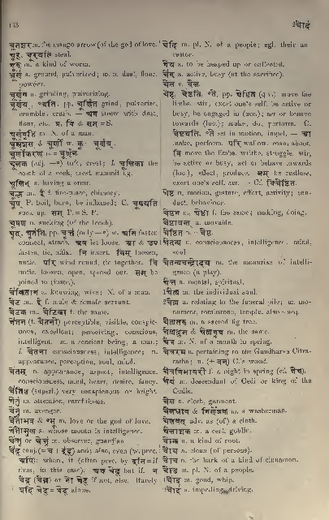
céd ·conj. ( = ca + íd) and; also, even (w. prec. api); when, if (often prec. by iti = if thus, in this case). atha ced but if. na ced (cenna) or no ced if not, else. Rarely yadi ced = ced alone.
Monier-Williams 1872 Word type unspecified
Original text · English · Word type unspecified
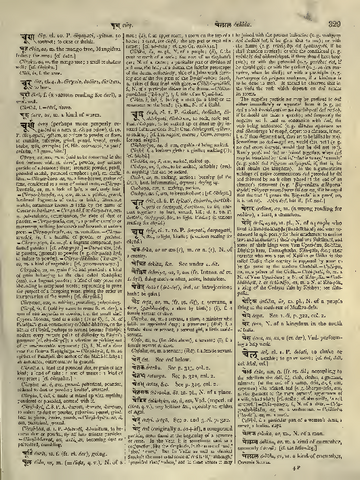
ced ced (originally 2. ca + id), a compound particle, never found at the beginning of a sentence or verse. In the Veda it is sometimes used as a conjunction, like the simple ca, in the sense of ‘and,’ ‘also,’ ‘even.’ But in Vedic as well as classical Sanskrit the most usual sense of ced is ‘if,’ ‘although,’ ‘provided that,’ ‘when,’ and in these senses it may be joined with the present indicative (e. g. mahyaṃ ced dadāti tat, if he gives that to me); or with the future (e. g. tṛṣṇāṃ cet tyakṣyati, if he shall abandon avarice); or with the conditional (e. g. vṛṣṭiś ced abhaviṣyat, if there should have been rain); or with the potential (e. g. gacchec cet, if he should go); or with the perfect (e. g. sa cen ma- māra, when he died); or with a participle (e. g. kartavyaṃ cet priyam mahyam, if a kindness is to be done to me). It should be observed that in the Veda the verb which depends on ced retains its accent. The negative particle na may be prefixed to ced either immediately or separated from it (e. g. na ced vacaḥ kariṣyati or na kariṣyati ced vacaḥ, if he should not make a speech); and frequently the negative no is used in connection with ced, the verb being understood (e. g. dūram apasara no ced dhantavyo'si mayā, depart to a distance, if not, i. e. if thou departest not, thou art to be killed by me). Sometimes no ced = api na, would that not! (e. g. no ced evaṃ kuryāt, would that he did not so!). Rarely yadi and ced are joined together, when ced may be translated by ‘that is,’ ‘that is to say,’ ‘namely’ (e. g. yadi ced rājyam avāpsyati, if, that is, he shall obtain the kingdom). In the argumentative writings of native commentators ced preceded by iti and followed by na is often placed at the end of an objector's statement (e. g. ‘Ṛg-vedam adhyemi’ ityādi vākyam pramāṇam iti cen na, if it be urged that the text ‘I peruse the Ṛg-veda’ is a proof, no, it is not so). Atha ced, but if; [cf. ned.]
Petersburger 1855 Word type unspecified
Original text · German · Word type unspecified
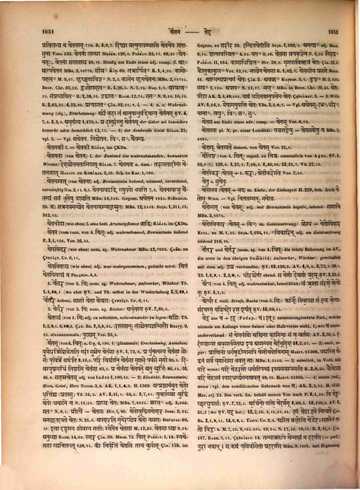
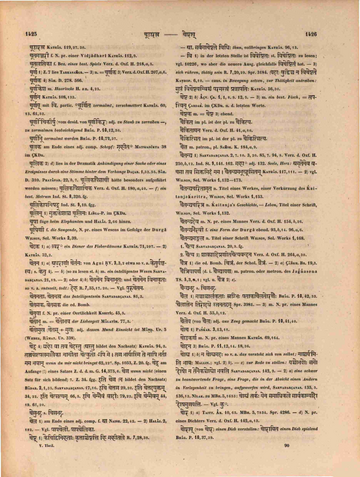
ced aus ca + id (Padapāṭha padap.: ca . it .) zusammengesetzte Part., welche niemals am Anfange eines Satzes oder Halbverses steht. 1〉 wie ca aneinanderreihend: saṃ cennayā̀tho aśvinā kā̱minā̱ saṃ ca̱ vakṣàthaḥ AV. 2,30,2. dadā̀myasmā ava̱sānàme̱tadya e̱ṣa āga̱nmama̱ cedàbhūdi̱ha AV. 18,2,37. — 2〉 auch, sogar: prāṇināṃ dharmabuddhīnāmapi cennīcayoninām HARIV. 11308. yadyasti ceddhanaṃ sarvaṃ vṛthābhogā bhavantu tāḥ MBH. 1,2403. — 3〉 nämlich, in Verb. mit yadi wenn: yadi cedbharato dharmātpitryaṃ rājyamavāpsyati R. 2,8,34. kaikeyyā yadi cedrājyaṃ syādadharmyamanāthavat R. 2,48,19. HARIV. 11895. — 4〉 wann (ved.), wenn (vgl. den conditionalen Gebrauch von ca) AK. 3,5,12. H. 1542. MED. avy. 24. Das verb. fin. behält seinen Ton nach P. 8,1,30. vi cedu̱cchantyu̱ṣāsàḥ ṚV. 7,72,4. a̱rthino̱ yanti̱ cedarthàm ṚV. 8,68,5. ṚV. 10,109,3. AV. 6,51,3 (wo ṚV. yad hat). ṚV. 12,2,36. ṚV. 12,4,18. ṚV. 12,2,21. ṚV. 12,2,48. imaṃ cedvā ime cinvate ŚAT. BR. 2,1,2,14. ŚAT. BR. 14,6,7,4. TAITT. UP. 2,5. asti brahmeti cedveda . santamenaṃ tato viduḥ TAITT. UP. 2,6. M. 7,25. M. 8,164. M. 8,204. M. 10,64. N. 17,28. N. 18,15. R. 3,41,3. ŚĀK. 147. RAGH. 3,45. ŚṚṄGĀRAT. 14. tanmātramapi cenmahyaṃ na dadāti (= perf.) purā bhavān . sa kathaṃ pṛthivīmetāṃ pradadāsi MBH. 9,1806. mit Ergänzung des verbi fin.: dhuri nidadhātyanasi cedgrahaṇam KĀTY. ŚR. 3,6,19. tena cedavivādaste M. 8,92. M. 5,128. M. 9,184. anyathā cettu M. 8,230. DRAUP. 8,45. BHAG. 3,1. R. 2,8,34. BHARTṚ. 2,18 (mit yadi abwechselnd). PAÑCAT. II, 66. HIT. I, 178. ŚĀK. 71,11. RAGH. 2,48. RAGH. 2,57. SĀH. D. 3,5. SĀH. D. 3,15. SĀH. D. 4,8. mit dem perf.: sa cenmamāra MBH. 12,986. MBH. 12,992 u. s. w. mit dem potent. P. 3,3,156, Sch. P. 3,3,134, Sch. VOP. 25,19. etaṃ cedanyasmā anubrūyāstata eva te śiraśchindyām ŚAT. BR. 14,1,1,19. M. 2,220. M. 5,79. M. 8,162. M. 8,236 u. s. w. BHAG. 3,24. BRĀHMAṆ. 2,17. MBH. 14,145. PAÑCAT. I, 165. PAÑCAT. I,II, 12. MEGH. 52. MEGH. 54. RĀJA-TAR. 5,478 (in der Bed. des condit.). mit dem fut. P. 3,3,156, Sch. VOP. 25,19. devaścetkṣipraṃ (śīghram āśu) varṣiṣyati . śīghraṃ vapsyāmaḥ P. 3,3,133, Sch. tau cenme vivakṣyati ŚAT. BR. 14,6,8,1. ŚAT. BR. 1,8,1,9. MBH._in_BENF. Chr. 12,27. BENF. Chr. 17,33. R. 3,45,21. R. 3,69,14. R. 3,45,23. ŚĀK. 71,12. upādhyāyaścedāgacchati . āgamiṣyati . āgantā vā . atha tvaṃ chando 'dhīṣva P. 3,3,8, Sch. muhūrtāduparyupādhyāyaścedāgacchet āgacchati . āgamiṣyati . āgantā vā . atha˚ P. 3,3,9, Sch. devaścedavarṣīt varṣati . varṣiṣyati . tarhi dhānyamavāpsma, vapāmaḥ . vapsyāmaḥ P. 3,3,132, Sch.; vgl. VOP. 25,7. mit dem condit.: suvṛṣṭiścedabhaviṣyat tadā subhikṣamabhaviṣyat P. 3,3,139, Sch. VOP. 25,31. MBH. 7,3423. kiṃ vābhaviṣyadaruṇastamasāṃ vibhettā taṃ cetsahasrakiraṇo dhuri nākariṣyat ŚĀK. 163. ced mit dem potent., aber im Nachsatz condit. MBH. 5,960. mit vorang. atha wenn aber MBH. 5,2775. BHAG. 2,33. BHAG. 18,58. Am Anf. des Satzes steht ced PAÑCAT. 46,6, aber daselbst ist wohl zu lesen: sākṣānnārāyaṇaḥ pratyahaṃ garuḍārūḍho niśi samāyātīti cedasatyaṃ mama vākyam. Wenn der Nachsatz vorangeht, wird derselbe durch keine besondere Partikel kenntlich gemacht; folgt er, so wird er durch tad, tatas, tadā, tarhi oder atha hervorgehoben, aber eben so häufig auch nicht. Die Neg. na steht entweder unmittelbar vor ced (nacet gaṇa cādi zu P. 1,4,57) oder vor dem verbum fin., welches vorangehen oder folgen kann; im letzten Falle ist es von ced durch ein oder mehrere Wörter ausser na getrennt: na cedanyo 'rthasaṃyogaḥ ŚĀṄKH. ŚR. 1,17,1. na cettasmingṛhe vaset M. 5,102. abhiyoktā na cedbrūyāt M. 8,58. M. 4,173. MBH. 7,2595. MBH. 7,2597. MBH. 7,4254. BENF. Chr. 17,33. N. 16,4. N. 26,8. R. 3,69,14. R. 3,69,23 ŚĀK. 7,10. ŚĀK. 104,5. KATHĀS. 6,149. ŚRUT. 29. DAŚAK. 199,10. RĀJA-TAR. 5,478. na kariṣyati cedvacaḥ MBH._in_BENF. Chr. 12,27. MBH. 7,3423. tau cenme na vivakṣyati ŚAT. BR. 14,6,8,1. BHAG. 2,33. BHAG. 18,58. HIT. IV, 89. HIT. IV,90. Wenn na unmittelbar auf ced folgt, eröffnet es den Nachsatz: bhāvi cenna tadanyathā HIT. Pr. 28. SĀṂKHYAK. 1. SĀH. D. 4,11. Eine Ausnahme ŚRUT. (BR.) 32, wo aber die var. l. die Regel bestätigt. no cet (vgl. gaṇa cādi zu P. 1,4,57) = na cet wenn nicht: no cetsarvapavitrebhyo dānameva paraṃ bhavet . yānīmānyuttamānīha vedoktāni praśaṃsasi . teṣāṃ śreṣṭhataraṃ dānamiti me nātra saṃśayaḥ .. MBH. 13,5809. An den folgenden Stellen scheint es ganz die Bed. von api na ach wenn doch nicht zu haben: duryodhanena nikṛto manasvī no cetkruddhaḥ pradaheddhārtarāṣṭrān MBH. 5,678. MBH. 5,676. MBH. 5,966. Auf dieselbe Weise könnte auch na cet MBH. 13,676 aufgefasst werden. In der späteren Sprache bildet no cet wenn nicht stets einen verkürzten Satz für sich, auf den unmittelbar der Nachsatz folgt: bhavatā maunavratena sthātavyam no cet tava kāṣṭhātpāto bhaviṣyati PAÑCAT. 76,20. PAÑCAT. 162,24. PAÑCAT. I, 201. HIT. 18,18. HIT. 24,12. HIT. 58,17. HIT. 65,15. HIT. 76,10. HIT. 93,6. HIT. 103,9. HIT. 127,11. KATHĀS. 4,78. VET. 7,13. Ebenso gebraucht wird na cet ŚAT. BR. 14,7,2,15. na cet und no cet haben auch die Bed. damit nicht: na cediyaṃ (purī) naśati (lies: naśyati) vānarārditā pradīyatāṃ dāśarathāya maithilī wenn diese Stadt nicht zu Grunde gehen soll, damit sie nicht zu Grunde gehe R. 5,80,24. manuṣyalokakṣayakṛtsughoro no cedanuprāpta ivāntakaḥ syāt . śastrāṇi u. s. w. pratipādayitvā . yodhāśca sarve kṛtaniścayāste bhavantu MBH. 5,2714. Nach MED. avy. 24 hat ced ausser der Bed. von pakṣāntara (wenn) noch die von kutsita, praśaṃsā und asākalya. Ueber ced mit na und no hat LASSEN_zu_HIT. 18,18 ausführlich gehandelt. — Vgl. ned.
Original text · German · Word type unspecified
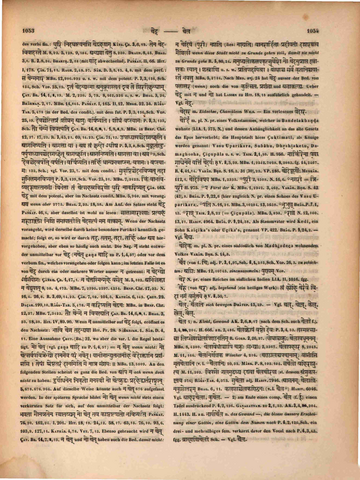
√ced 4〉 graho vā tava cedastu (astu bildet den Nachsatz) KATHĀS. 94,3. tattvayotpalamālaikā nānītā cetkuto 'pi me . tanna bhāryāsmi te nāpi bhartā mama bhavān wenn du mir nicht bringst KATHĀS. 62,227. Sp. 1053, Z. 20. fg. ced am Anfange (!) eines Satzes Z. d. d. m. G. 14,575,6. cenna wenn nicht (einem Satz für sich bildend) 7. Z. 34. fgg. iti cenna (na bildet den Nachsatz) BĀDAR. 2,1,35. SARVADARŚANAS. 17,16. ici cettanna SARVADARŚANAS. 29,20. iti cettadayuktam SARVADARŚANAS. 34,22. iti cetsatyam SARVADARŚANAS. 66,5. ici cenmaivaṃ vādīḥ SARVADARŚANAS. 79,22. ici cenmaivam SARVADARŚANAS. 44,19. SARVADARŚANAS. 61,20.
Böhtlingk 1879 particle
Original text · German · particle
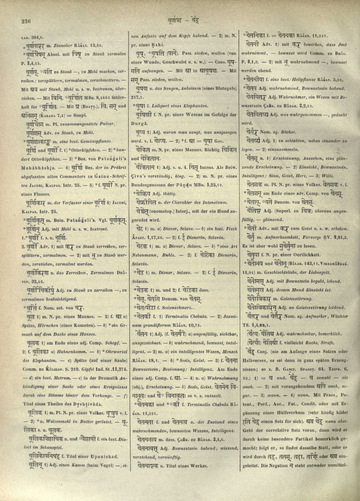
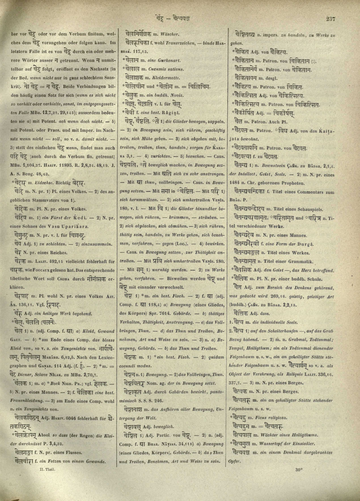
céd Conj. (nie am Anfange eines Satzes oder Halbverses, es sei denn in ganz späten Erzeugnissen; so z. B. GAṆIT. SPAṢṬ. 64. GAṆIT. TRIPR. 6,92). — 1〉 = ca und céd — ca sowohl — als auch. — 2〉 mit vorangehendem api auch, sogar. — 3〉 wann. — 4〉 wenn. Mit Praes., Potent., Perf., Aor., Fut., Condit. oder mit Ergänzung eines Hülfsverbum (sehr häufig bildet iti ced einen Satz für sich). atha ced wenn aber. Geht der correlative Satz voran, dann wird er durch keine besondere Partikel bemerklich gemacht; folgt er, so findet dasselbe Statt, oder er wird durch tad, tatas, tadā, tarhi oder atha eingeleitet. Die Negation na steht entweder unmittelbar [Page2-237-a] vor ced oder vor dem Verbum finitum, welches dem ced vorangehen oder folgen kann. Im letztern Falle ist es von ced durch ein oder mehrere Wörter ausser na getrennt. Wenn na unmittelbar auf ced folgt, eröffnet es den Nachsatz (in der Bed. wenn nicht nur in ganz schlechtem Sanskrit). no ced = na ced. Beide Verbindungen bilden häufig einen Satz für sich (wenn es sich nicht so verhält oder verhielte, sonst, im entgegengesetzten Falle MBH. 12,7,21. MBH. 12,29,145); ausserdem bedeuten sie — a〉 mit Potent. ach wenn doch nicht. — b〉 mit Potent. oder Praes. und mit Imper. im Nachsatz wenn nicht — soll, so v. a. damit nicht. — 5〉 statt des einfachen ced wenn, findet man auch yadi ced (auch durch das Verbum fin. getrennt) MBH. 1,104,37. HARIV. R. 2,8,34. R. 2,48,19. J. A. S. Beng. 48,43.
Apte 1890 particle
Original text · English · particle
ced ind. If, provided that, although (never used at the beginning of a sentence); ayi roṣamurīkaroṣi no cetkimapi tvāṃ prati vāridhe vadāmaḥ Bv. 1. 44; Ku. 4. 9; iti ceda — na ‘if it be urged that… (we reply) not so’ (frequently used in controversial works); sannidhānamātreṇa rājaprabhṛtīnāṃ dṛṣṭaṃ kartṛtvamiti cenna Ś. B.; atha ceda but if.
Cappeller 1887 Word type unspecified
Original text · German · Word type unspecified
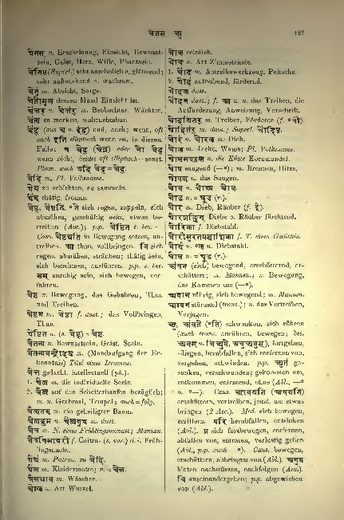
céd (aus ca u. id́) und, auch; wenn, oft nach iti elliptisch wenn so, in diesem Falle; na ced (cenna) oder no ced wenn nicht, beides oft elliptisch = sonst. pleon. auch yadi ced = ced.
Occurrences in source texts (2)
Continue with AYI Free
Image source: AYI archive.