

vedānta वेदान्त – vedānta
substantive masculine · Word type unspecified
Dictionary sources
AYI dictionary substantive masculine
vedānta
Cappeller 1891 substantive masculine
Original text · English · substantive masculine
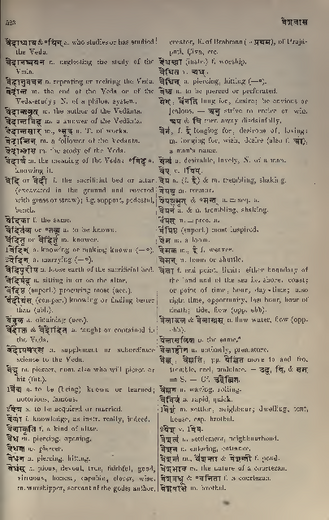
vedā́nta ·m. the end of the Veda or of the Veda-study; N. of a philos. system.
Monier-Williams 1872 substantive masculine
Original text · English · substantive masculine
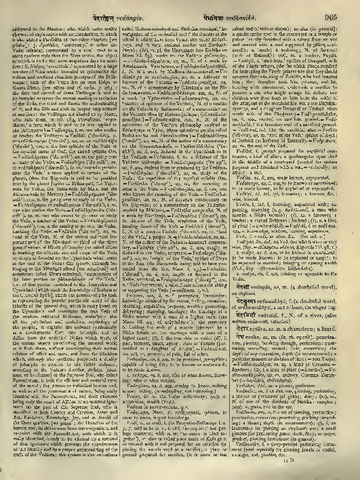
—Vedānta (˚da-an˚), as, m. ‘end of the Veda,’ N. of the second and most im- portant part of the Mīmāṃsā or third of the three great divisions of Hindū philosophy (so called either as teaching the ultimate aim and scope of the Veda or simply as founded on the Upaniṣads which come at the end of the Veda; this system, although be- longing to the Mīmāṃsā school [see mīmāṃsā] and sometimes called Uttara-mīmāṃsā, ‘examination of the later portion or jñāna-kāṇḍa of the Veda,’ i. e. of that portion contained in the Āraṇyakas and Upaniṣads [which teach the knowledge of Brahma or the Universal Spirit], stands out prominently by itself as representing the popular pantheistic creed of the Hindūs of the present day, which is really based on the Upaniṣads and constitutes the true Veda of the modern cultivated Brāhman, underlying also all the polytheism and multiform mythology of the people; it explains the universe synthetically as a development from one principle, and so differs from the analytical Nyāya which treats of the various objects constituting the material world as it finds them, without investigating their mutual relation of effect and cause, and from the Sāṅkhya which, although also synthetic, propounds a duality of principles to account for the visible universe; according to the Vedānta doctrine, Brahma [nom. neut. of brahman] or the Supreme Soul, also called Paramātman, is both the efficient and material cause of the world; the Ātman or individual human soul, as well as all the phenomena of nature, being really identical with the Paramātman, and their existence being only the result of Ajñāna or an assumed igno- rance on the part of this Supreme Soul, who is described as both Creator and Creation, Actor and Act, Existence, Knowledge, Joy, and as devoid of the three qualities, [see guṇa]; the liberation of the human soul, its deliverance from transmigrations, and re-union with the Paramātman, with which it is really identified, is only to be effected by a removal of that ignorance which prevents the consciousness of this identity and by a proper understanding of the truth of the Vedānta; this system is also sometimes called Brahma-mīmāṃsā and Śārīraka-mīmāṃsā, ‘in- vestigation of the embodied soul:’ the founder of the school is said to have been Vyāsa, also called Bādarā- yaṇa, and its most eminent teacher was Śaṅkarā- cārya); (ās), m. pl. the Upaniṣads (see Kullūka on Manu VI. 83), works on the Vedānta philosophy.
Petersburger 1855 substantive masculine · Word type unspecified
Original text · German · substantive masculine
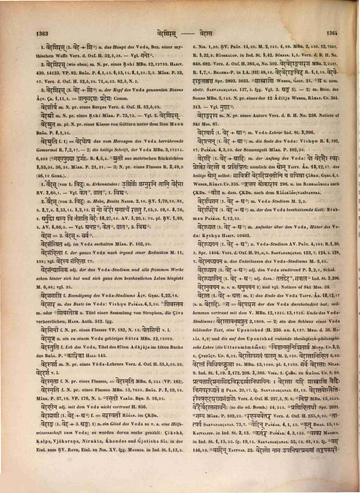
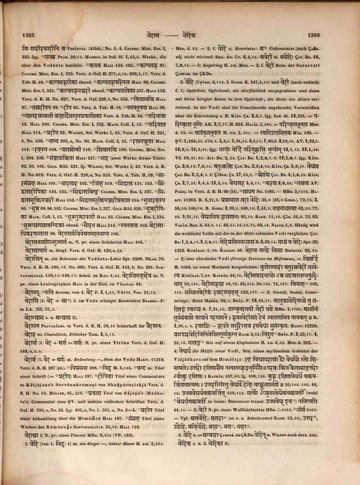
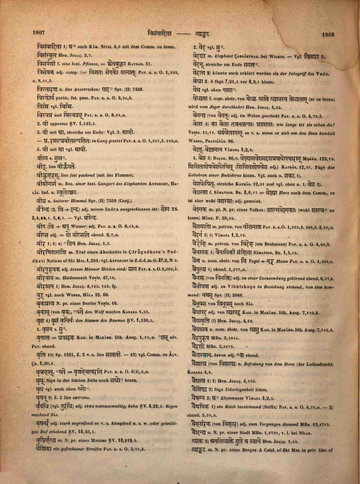
vedānta (1. veda + anta) m. 1〉 das Ende des Veda TAITT. ĀR. 10,12,17 (s. u. vedādi). ˚ga = vedapāraga der den Veda durchstudirt hat, vollkommen vertraut mit dem V. MBH. 12,1224. MBH. 13,1749. Ende des Veda-Studiums: vedāntāvabhṛthapluta MBH. 2,1908. — 2〉 ein den Schluss eines Veda bildender Text, eine Upaniṣad (H. 250. H. an. 4,137. MED. d. 56. HALĀY. 1,9) und die auf den Upaniṣad ruhende theologisch-philosophische Lehre (die Uttaramīmāṃsā): ˚vijñānasuniścitārtha MUṆḌ. UP. 3,2,6. ŚVETĀŚV. UP. 6,22. vedāntopagataṃ phalam M. 2,160. vedāntābhihita M. 6,83. vedāntaṃ vidhivacchrutvā M. 6,94. MBH. 13,1080. pl. MBH. 4,1593. sarve vedāntāḥ NĪLAK. 9. Ind. St. 1,19. Ind. St. 2,172. Ind. St. 2,208. Ind. St. 3,386. VIKR. 1. ŚAṂK._zu_CHĀND. UP. S. 10. pratyakṣādipramāsiddhaviruddhārthābhidhāyinaḥ . vedāntā yadi śāstrāṇi baiddhaiḥ kimaparādhyate .. PRAB. 20,17. fg. SARVADARŚANAS. 61,19. vedāntayostaittirīyabṛhadāraṇyasaṃjñayoḥ Verz. d. Oxf. H. 257,b, N. 6. ˚niṣṭha MBH. 13,3449. vedairvedāntasādhanaiḥ (so die ed. Bomb.) MBH. 14,345. ˚praṇihitadhī Spr. 2031. ˚gamya MĀRK. P. 102,22. ˚rahasyavettar Verz. d. Oxf. H. 255,b,20. ˚tātparya SARVADARŚANAS. 73,7. ˚vedin PAÑCAR. 4,1,43. ˚kṛt BHAG. 15,15. KAIVALYOP._in_Ind. St. 2,13. ˚kartar PAÑCAR. 4,3,155. ˚vākya MADHUS._in_Ind. St. 1,15,25. fg. Ind. St. 1,19,15. SARVADARŚANAS. 55,13. SARVADARŚANAS. 61,12. fg. ˚vāda SARVADARŚANAS. 146,19. ˚vādin TATTVAS. 22. vedānto nāma upaniṣatpramāṇaṃ tadupakārīṇi śārīrakādīni ca VEDĀNTAS. (Allah.) No. 3. VEDĀNTAS. (Allah.) No. 4. COLEBR. Misc. Ess. I, 325. fgg. ˚śāstra PRAB. 20,15. MADHUS._in_Ind. St. 1,13,8. Werke, die über den Vedānta handeln: ˚kataka HALL 154. HALL. 165. ˚kalpataru HALL. 87. COLEBR. Misc. Ess. I, 333. Verz. d. Oxf. H. 277,a,13. Verz. d. Oxf. H. 292,b,17. Verz. d. Tüb. H. 18. ˚kalpataruṭīkā ebend. ˚kalpataruparimala HALL 88. COLEBR. Misc. Ess. I, 333. ˚kalpatarumañjarī ebend. ˚kalpalatikā COLEBR. Misc. Ess. I,337. HALL 132. Verz. d. B. H. No. 627. Verz. d. Oxf. 226,b, No. 555. ˚cintāmaṇi HALL 97. ˚tattvadīpana HALL. 89. ˚dīpa HALL. 95. Verz. d. Tüb. H. 18. ˚nayanabhūṣaṇa HALL 96. ˚nyāyaratnāvalī brahmādvaitāmṛtaprakāśikā Verz. d. Tüb. H. 18. ˚paribhāṣā Verz. d. Tüb. H. 19. HALL 100. COLEBR. Misc. Ess. I, 335. MACK. Coll. I, 15. ˚pārijāta HALL 114. ˚pradīpa HALL. 92. WILSON, Sel. Works I, 43. Verz. d. Oxf. H. 221,b, No. 536. ˚bhāṣya Verz. d. Oxf. H. 393,a, No. 90. MACK. Coll. I, 15. ˚ratnamañjūṣā HALL 114. ˚rahasya HALL. 104. ˚śataślokī HALL. 119. ˚śikhāmaṇi HALL. 100. COLEBR. Misc. Ess. I, 304. COLEBR. Misc. Ess. I,336. ˚saṃjñāprakriyā HALL 127. ˚sāra (zwei Werke dieses Titels) HALL. 92. HALL. 95. HALL. 101. GILD. Bibl. 421. fg. WILSON, Sel. Works I, 43. Verz. d. B. H. No. 619. Verz. d. Oxf. H. 226,a, No. 553. Verz. d. Tüb. H. 19. ˚sārasaṃgraha HALL 101. ˚sārasāra HALL. 102. ˚siṃha HALL. 119. ˚siddhānta HALL. 131. HALL. 143. ˚siddhāntadīpikā HALL. 131. HALL. 135. ˚siddhāntabindu COLEBR. Misc. Ess. I, 337. ˚siddhāntasūktimañjarī HALL 153. ˚siddhāntasūktimañjarīprakāśa HALL. 154. ˚sudhārahasya HALL. 96. ˚sūtra HALL. 68. HALL. 86. HALL. 162. COLEBR. Misc. Ess. I, 327. GILD. Bibl. 420. ˚sūtradīpikā MACK. Coll. I, 15. ˚sūtramuktāvalī HALL 93. COLEBR. Misc. Ess. I, 334. ˚sūtravyākhyācandrikā ebend. ˚saurabha HALL 114. ˚syamantaka HALL. 103. vedāntādhikaraṇamālā HALL. 98. vedāntārthavivecanamahābhāṣya HALL. 100.
Original text · German · Word type unspecified
vedānta 2〉 könnte auch erklärt werden als der Inbegriff des Veda.
Böhtlingk 1879 substantive masculine
Original text · German · substantive masculine
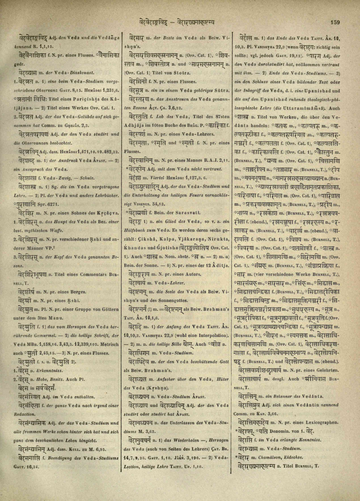
vedā́nta m. — 1〉 das Ende des Veda TAITT. ĀR. 10,10,3. Pl. VASIṢṬHA 22,9 (wenn vedādayaḥ richtig sein sollte; Vgl. jedoch GAUT. 19,12), ˚pāraga Adj. der den Veda durchstudirt hat, vollkommen vertraut mit ihm. — 2〉 Ende des Veda-Studiums. — 3〉 ein den Schluss eines Veda bildender Text oder der Inbegriff des Veda, d. i. eine Upaniṣad und die auf den Upaniṣad ruhende theologisch-philosophische Lehre (die Uttaramīmāṃsā) Auch ˚śāstra n. Titel von Werken, die über den Vedānta handeln: ˚kataka m., ˚kalpataru m., ˚kalpataruṭīkā f., ˚kalpataruparimala m., ˚kalpatarumañjarī f., ˚kalpalatā f. (OPP. CAT. 1), ˚kalpalatikā f., ˚kārikāvali f. (OPP. CAT. 1), ˚kaustubha m. (BURNELL, T.), ˚grantha m. (OPP. CAT. 1), ˚cintāmaṇi m., ˚tattvadīpana n., ˚tattvasāra m. (BURNELL, T.), ˚dīpa m., ˚nayanabhūṣaṇa n., ˚nāmaratnasahasravyākhyāna n. (BURNELL, T.), ˚nyāyaratnāvalī brahmadvaitāmṛtaprakāśikā, ˚paribhāṣā f., ˚parimala m. (OPP. CAT. 1), ˚pārijāta m., ˚prakaraṇavākyāmṛta n. (BURNELL, T.), ˚pradīpa m., ˚bhāṣya n., ˚ratnakośa m. (BURNELL, T.), ˚ratnatrayaparīkṣā f. (ebend.), ˚ratnamañjūṣā f., ˚ratnarahasya n., ˚ratnākara. (BURNELL, T.), ˚vādārtha m. (ebend.), ˚vādāvali. (OPP. CAT. 1), ˚vijaya m. (BURNELL, T.), ˚vivaraṇa n. (OPP. CAT. 1), ˚śataślokī f., ˚śāstra n. (OPP. CAT. 1), ˚śikhāmaṇi m., ˚śiromaṇi m., (OPP. CAT. 1), ˚saṃgraha m. (BURNELL, T.), ˚saṃjñāprakriyā f., ˚sāra m. (vier verschiedene Werke BURNELL, T.), ˚sārasaṃgraha m., ˚sārasāra m., ˚siṃha m., ˚siddhānta m., ˚siddhāntacandrikā f. (BURNELL, T.), ˚siddhāntadīpikā f., ˚siddhāntabindu m., ˚siddhāntasūktimañjarī f., ˚siddhāntasūktimañjarīprakāśa m., ˚sudhārahasya n., ˚sūtra n., ˚sūtradīpikā f., ˚sūtramuktāvalī f., ˚sūtravṛtti f. (OPP. CAT. 1), ˚sūtravyākhyānacandrikā f., ˚sūtropanyāsa m. (BURNELL, T.), ˚saurabha n., ˚syamantaka m., vedāntādhi karaṇacintāmaṇi m. (OPP. CAT. 1), vedāntādhikaraṇamālā f., vedāntārthavivecanamahābhāṣya n., vedāntopaniṣad f. (BURNELL, T.) und vedāntopanyāsa m. (ebend.).
Cappeller 1887 substantive masculine
Original text · German · substantive masculine
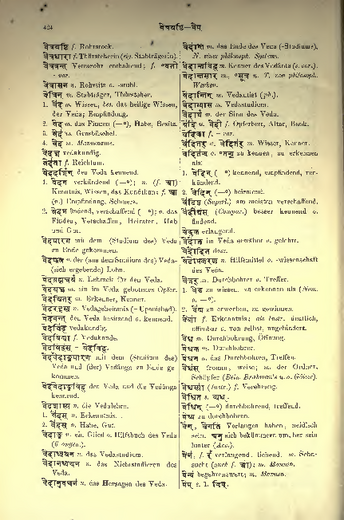
vedā́nta m. das Ende des Veda (-Studiums), N. eines philosoph. Systems.
Burnouf 1866 substantive masculine
Original text · French · substantive masculine
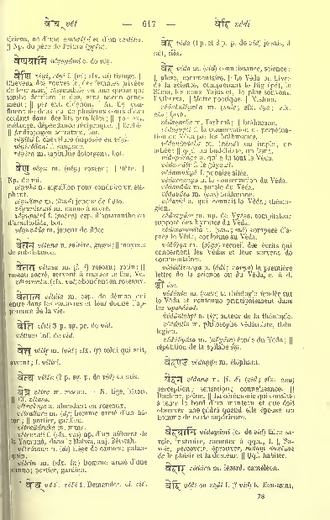
vedānta m. (anta) la théologie fondée sur le Veda et contenue principalement dans les upaniṣad.
Occurrences in source texts (2)
SiSa 1 occurrence
SVU 1 occurrence
Continue with AYI Free
Image source: AYI archive.