

ṛtu ऋतु – season
substantive masculine · Word type unspecified
Dictionary sources
AYI dictionary substantive masculine
season
Cappeller 1891 substantive masculine
Original text · English · substantive masculine
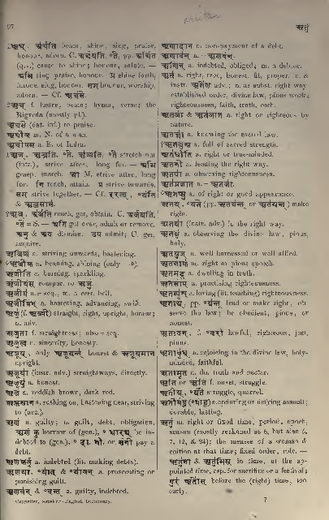
ṛtú ·m. right or fixed time, period, epoch, season (mostly reckoned as 6, but also 5, 7, 12, & 24); the menses of a woman & coition at that time; fixed order, rule. -- ṛtúnā & ṛtúbhis in time, at the appointed time, esp. for sacrifice or a festival: purá ṛtós before the (right) time, too early.
Monier-Williams 1872 substantive masculine
Original text · English · substantive masculine
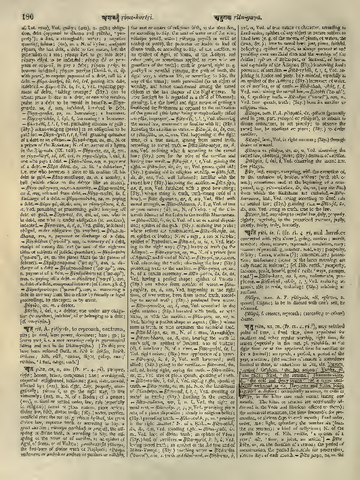
ṛtu ṛtu, us, m. (fr. rt. 4. ṛ?), any settled point of time, a fixed time, time appointed for sacrifices and other regular worship, right time, fit season (especially in the inst. pl. ṛtubhis, at the right time or at the appointed time for sacrifice or for a festival); an epoch, a period, a period of the year, a season; (the number of seasons is sometimes limited to three, or sometimes to five, viz. Vasanta, ‘spring;’ Grīṣma, ‘the hot season;’ Varṣa, pl. ‘the rains;’ Sarad, ‘the autumn;’ Hemanta-śiśira, du. ‘the cold and dewy season:’ but is more com- monly reckoned as six, Hemanta and Śiśira being regarded as distinct: occasionally as seven, or even as twelve, in the latter case each season lasting one month. The Ṛtus or seasons are occasionally ad- dressed in the Veda and libations offered to them); the menstrual evacuation, the time favourable for pro- creation, or sixteen days in each month; fixed order, order, rule; light, splendor; the number six (from the six seasons); a kind of collyrium; N. of the twelfth Manu; [cf. Hib. raithe, ‘a quarter of a year;’ alt, ‘time, a joint, an article.’]
Petersburger 1855 substantive masculine · Word type unspecified
Original text · German · substantive masculine
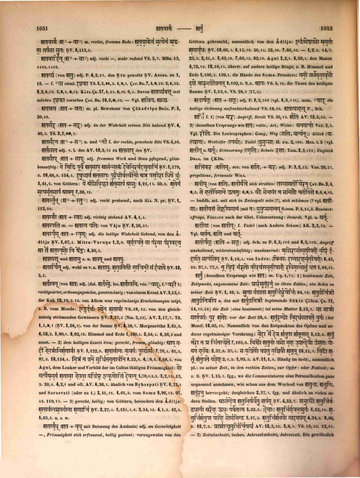
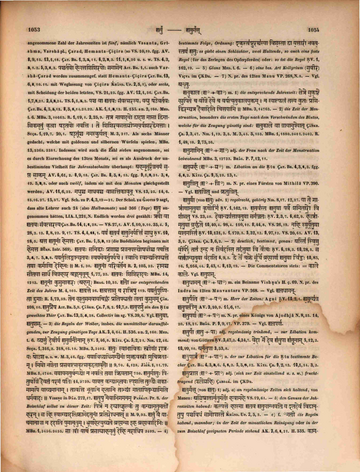
ṛtú (desselben Ursprungs wie ṛta) m. Uṇ. 1,71. 1〉 bestimmte Zeit, Zeitpunkt, zugemessene Zeit: prārànnṛ̱tūṃranù zu ihren Zeiten, ein Jedes zu seiner Zeit ṚV. 1,49,3. sru̱cā yàjātā ṛ̱tubhìrdhru̱vebhìḥ ṚV. 1,84,18. ṛ̱turjanìtrī (ṛturjanitrīya n. das mit ṛrtujanitrī beginnende Sūkta ŚĀṄKH. ŚR. 11,14,10. ŚĀṄKH. ŚR. 11,14,22) die Zeit (eine bestimmte) ist seine Mutter ŚĀṄKH. ŚR. 2,13,1. mā mātrā̀ śārya̱pasàḥ pu̱ra ṛ̱toḥ vor der Zeit ŚĀṄKH. ŚR. 2,28,5. ṛ̱tūṃra̱nyo vi̱dadhàjjāyate̱ punàḥ (der Mond) ŚĀṄKH. ŚR. 10,85,18. Namentlich von den Zeitpunkten des Opfers und anderer regelmässiger Verehrung: ve̱da mè de̱va ṛ̀tu̱pā ṛ̀tūnām ŚĀṄKH. ŚR. 5,12,3. ṛ̱tuṃ naro̱ na pra mìnantye̱te ŚĀṄKH. ŚR. 7,103,9. viśvā̀m̐ ṛ̱tunā̀ vaso ma̱ha u̱śande̱vām̐ ùśa̱taḥ pā̀yaya ha̱viḥ ŚĀṄKH. ŚR. 2,37,6. ŚĀṄKH. ŚR. 2,38,4. sa ya̱jñiyò yajatu ya̱jñiyā̀m̐ ṛ̱tūn ŚĀṄKH. ŚR. 10,11,1. vi̱dvām̐ ṛ̱tūm̐ ṛ̀tupate yaje̱ha ŚĀṄKH. ŚR. 2,1. ŚĀṄKH. ŚR. 10,3. ŚĀṄKH. ŚR. 1,95,3. AV. 11,1,4. Häufig im instr., namentlich pl.: zu seiner Zeit, in den rechten Zeiten, zur Opfer — oder Festzeit; so z. B. ṚV. 1,15,1. fgg., wo die Commentatoren eine Personification ganz unpassend annehmen, wie schon aus dem Wechsel von ṛtunā, ṛtubhiḥ, ṛtūṃranu hervorgeht; desgleichen ṚV. 2,37,1. fgg. und ähnlich an vielen andern Stellen. āgànde̱va ṛ̱tubhi̱rvardhàtu̱ kṣayàm ṚV. 4,53,7. tvamutsā̀m̐ ṛ̱tubhìrbadbadhā̱nām̐ aràṃha̱ ūdha̱ḥ parvàtasya ṚV. 5,32,2. (devāḥ) ṛ̱tubhìrhavana̱śrutàḥ ṚV. 6,52,10. ṛ̱tubhìrṛtupā pāhi̱ somàmindra ṚV. 3,47,3. ṛ̱tubhìrṛbhavo mādayadhvam ṚV. 4,34,2. ṚV. 9,66,9. ṚV. 10,7,6. prāśnàntyṛ̱tubhìrni̱ṣadyà AV. 12,3,32. AV. 3,8,1. VS. 18,33. VS. 12,61. — 2〉 Zeitabschnitt, insbes. Jahresabschnitt, Jahreszeit. Die gewöhnlich angenommene Zahl der Jahreszeiten ist fünf, nämlich Vasanta, Grīṣma, Varṣā pl., Śarad, Hemanta — Śiśira (so VS. 10,10. fgg. AV. 8,9,15. AV. 13,1,18. ŚAT. BR. 1,3,5,11. ŚAT. BR. 6,2,2,3. ŚAT. BR. 11,1,1,26 u. s. w. TS. 4,3,3,1. TS. 4,3,3,2. TS. 5,3,1,2. pañcartavo hemantaśiśirayoḥ samāsena AIT. BR. 1,1. auch Varṣā-Śarad werden zusammengef. statt Hemanta-Śiśira ŚAT. BR. 13,6,1,10. ŚAT. BR. 13,6,1,11. mit Weglassung von Śiśira CHĀND. UP. 2,5,1), oder sechs, mit Scheidung der beiden letzten, VS. 21,23. fgg. AV. 12,1,36. ŚAT. BR. 1,7,2,21. ŚAT. BR. 2,4,2,24. TS. 5,1,5,2. pañca vā ṛtavaḥ saṃvatsarasya, yadyu ṣaḍevartavaḥ ŚAT. BR. 4,5,5,12. ŚAT. BR. 8,5,1,14. ŚAT. BR. 8,5,1,21. ŚAT. BR. 8,5,1,22. AK. 1,1,3,12. H. 155. H. an. 2,160. MED. t. 6. MBH. 3,10663. R. 1,19,1. R. 2,25,9. tatra māghādayo dvādaśa māsā dvimāsikamṛtuṃ kṛtvā ṣaḍṛtavo bhavanti . te śiśiravasantagrīṣmavarṣāśaraddhemantāḥ . SUŚR. 1,19,7. SUŚR. 1,20,1. ṣaḍṛtūṃśca namaskuryāt M. 3,217. Als sechs Männer gedacht, welche mit goldenen und silbernen Würfeln spielen, MBH. 13,2368. MBH. 13,2381. Indessen wird auch die Zahl sieben angenommen, sei es durch Einrechnung des 13ten Monats, sei es als Ausdruck der unbestimmten Vielheit für Jahresabschnitte überhaupt: a̱hamṛ̱tūṃràjanayaṃ sa̱pta sā̱kam AV. 6,61,2. AV. 8,9,18. ŚAT. BR. 8,5,1,15. fgg. ŚAT. BR. 9,1,2,31. ŚAT. BR. 9,3,1,19. fgg. ŚAT. BR. 9,5,2,8. oder auch zwölf, indem sie mit den Monaten gleichgestellt werden, AV. 11,6,22. madhuśca mādhavaśca vāsantikāvṛtū VS. 13,25. VS. 14,6. VS. 14,15. VS. 14,16. VS. 14,27. VS. 15,57. Vgl. Sch. zu P. 4,3,19—P. 4,3,21. Der Schol. zu JYOTIS. 9 sagt, dass alte Lehrer auch 24 (also Halbmonate) und 366 (Tage) ṛtu angenommen hätten, LIA. I, 221, N. Endlich werden drei gezählt: trayo vā ṛtavaḥ saṃvatsarasya ŚAT. BR. 14,1,1,28. — VS. 27,1. AV. 1,10,9. AV. 1,10,10. AV. 1,35,4. AV. 5,28,2. AV. 5,28,13. AV. 8,8,22. AV. 8,9,17. TS. 4,4,11,1. yathà ṛ̱tavà ṛ̱tubhi̱ryantì sā̱dhu ṚV. 10,18,5. anta ṛtūnāṃ hemantaḥ ŚAT. BR. 1,5,3,13 (die Buddhisten beginnen mit hemanta BURN. Intr. 569). ṛtavaḥ samiddhāḥ prajāśca prajanayantyoṣadhīśca pacanti ŚAT. BR. 3,4,7. ŚAT. BR. 5,3,8. yathartuliṅgānyṛtavaḥ svayamevartuparyaye . svāni svānyabhipadyante tathā karmāṇi dehinaḥ .. M. 1,30. ṛtūnāṃ parivartena R. 2,105,23. rāmaśca sītayā sārdhaṃ vijahāra bahūnṛtūn R. 1,77,25. ṛtavaḥ śiśirādayaḥ MBH. 14,1213. ṛtūnāṃ kusumākaraḥ (aham) BHAG. 10,35. ṛtau zur entsprechenden Zeit des Jahres M. 4,105. ṛtvante M. 26. ṛtvantāsu ca rātriṣu M. 119. yathartupuṣpitā drumāḥ R. 5,73,59. tena hyṛtusamavāyacihnaṃ pratipadyatāṃ latā kusumam ŚĀK. 108,10. ṛtupraiṣa AIT. BR. 5,9. ŚĀṄKH. ŚR. 7,8,2. ŚĀṄKH. ŚR. 10,7,8. ṛtupaśú ein den Ṛtu geweihtes Thier ŚAT. BR. 13,5,4,28. Collectiv im sg. VS. 39,6. Vgl. ṛtuthā, ṛtuśas. — 3〉 die Regeln der Weiber, insbes. die unmittelbar darauffolgenden, zur Zeugung günstigen Tage AK. 3,4,64. H. 536. H. an. 2,160. MED. t. 6. vyantù de̱vīrya ṛ̱turjanī̀nām ṚV. 5,46,8. KĀTY. ŚR. 5,2,21. NIR. 12,46. SUŚR. 1,316,2. SUŚR. 1,318,16. SUŚR. 1,316,18. MBH. 3,3402. ṛ̱tuḥ svābhāvikaḥ strīṇāṃ rātrayaḥ ṣoḍaśa u. s. w. M. 3,46. fgg. yathāvidhyadhigamyaināṃ śuklavastrāṃ śucivratām . mitho bhajetā prasavātsakṛtsakṛdṛtāvṛtau .. M. 9,70. M. 4,128. YĀJÑ. 1,11. YĀJÑ. 1,79. MBH. 1,4740. yathāyamaturbandhyo na bhavati tathā kriyatām MBH. 1,750. ṛturmātuḥ piturvījaṃ daivataṃ paramaṃ patiḥ MBH. 14,2739. yāvatta̱ kanyāmṛtavaḥ spṛśanti tulyaiḥ sakāmāmapi yācyamānām . tāvanti bhūtāni hatāni tābhyāṃ mātāpitṛbhyāmiti dharmavādaḥ .. VIṢṆU_in_DĀY. 272,17. ṛtuṣu naivābhigamanam PAÑCAT. Pr. 8. der Beischlaf selbst zu dieser Zeit: pitre na dadyācchulkaṃ tu kanyāmṛtumatīṃ haran . sa hi svāmyādatikrāmedṛtūnāṃ pratirodhanāt .. M. 9,93. ṛtuṃ vai yācamānāyā na dadāti pumānṛtum . bhrūṇahetyucyate brahmansa iha brahmavādibhiḥ .. MBH. 1,3456. MBH. 1,3455. sā tvāṃ yāce prasādyāhamṛtuṃ dehi narādhipa MBH. 1,3409. — 4〉 bestimmte Folge, Ordnung: eka̱stvàṣṭu̱raśvàsyā viśa̱stā dvā ya̱ntārā̀ bhavata̱stathà ṛ̱tuḥ es giebt einen Schlächter, zwei Haltende, so auch eine feste Regel (für das Zerlegen des Opferpferdes) oder: so ist die Regel ṚV. 1,162,19. — 5〉 Glanz MED. t. 6. — 6〉 eine bes. Art Kollyrium (suvīra) VIŚVA_im_ŚKDR. — 7〉 N. pr. des 12ten Manu VP. 268, N. 8. — Vgl. anṛtu.
Original text · German · Word type unspecified
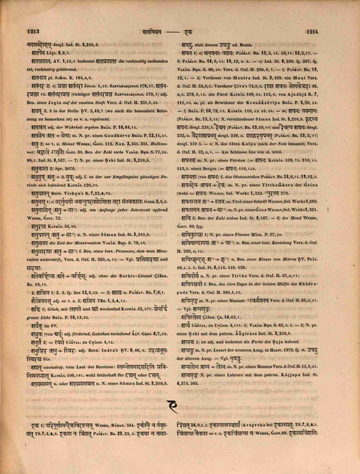
ṛtu 2〉 so v. a. Monat WEBER, JYOT. 112. Nax. 2,341. Nax. 2,351. Halbmonat: bahule 'pyṛtau JYOT. 30. Bez. der Zahl sechs VARĀH. BṚH. S. 77,24. VARĀH. BṚH. S. 98,1. Ind. St. 8,167. — 7〉 N. pr. eines Ṛṣi Ind. St. 3,210,b.
Original text · German · Word type unspecified
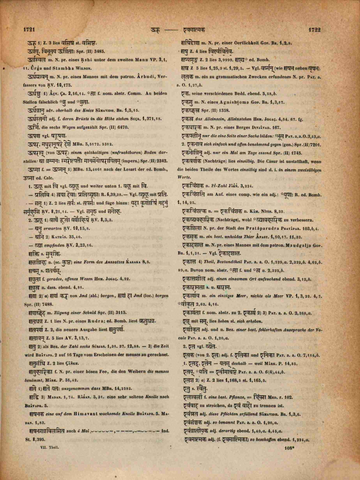
ṛtu 2〉 als Bez. der Zahl sechs SŪRYAS. 1,31. SŪRYAS. 1,37. SŪRYAS. 12,88. — 3〉 die Zeit wird BHĀVAPR. 2 auf 16 Tage vom Erscheinen der menses an gerechnet.
Böhtlingk 1879 substantive masculine
Original text · German · substantive masculine
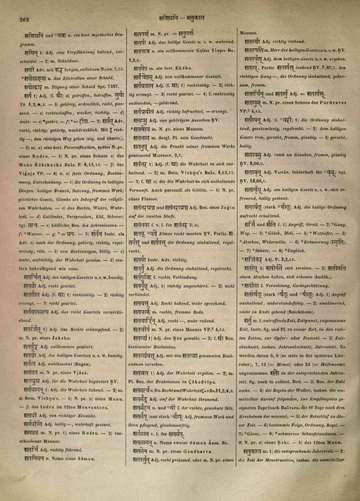
ṛtú m. — 1〉 zutreffende Zeit, Zeitpunct, zugemessene Zeit. Instr. Sg. und Pl. zu seiner Zeit, in den rechten Zeiten, zur Opfer- oder Festzeit. — 2〉 Zeitabschnitt, insbes. Jahresabschnitt, Jahreszeit. Es werden deren Chr. 5,6 (so stets in der späteren Literatur), Chr. 7,12 (= Monat) oder 24 (= Halbmonat) angenommen. ṛtau in der entsprechenden Jahreszeit. Sg. auch in collect. Bed. — 3〉 Bez. der Zahl sechs. — 4〉 die Regeln der Weiber, insbes. die unmittelbar darauf folgenden, zur Empfängniss geeigneten Tage (nach BHĀVAPR. die 16 Tage nach dem Erscheinen der menses). — 5〉 der Beischlaf zu dieser Zeit. — 6〉 bestimmte Folge, Ordnung, Regel. — 7〉 *Glanz. — 8〉 *schwarzes Schwefelantimon. — 9〉 N. pr. — a〉 eines Ṛṣi. — b〉 des 12ten Manu.
Apte 1890 substantive masculine
Original text · English · substantive masculine
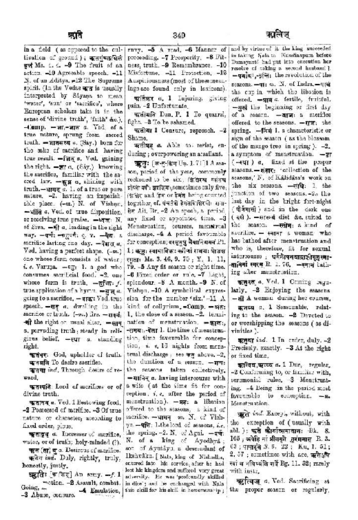
ṛtuḥ [ṛ-tu-kicca Uṇ. 1. 71] 1 A season, period of the year, commonly reckoned to be six; śiśiraśca vasaṃtaśca grīṣmo varṣāḥ śaraddhimaḥ; sometimes only five; śiśira and hima or hemaṃta being counted together; cf. paṃcartavo hemaṃtaśiśirayoḥ samāsena Ait. Br. 2 An epoch, a period any fixed or appointed time. 3 Menstruation, courses, menstrual discharge. 4 A period favourable for conception; varamṛtuṣu naivābhigamanaṃ Pt. 1; ṛtuḥ svābhāvikaḥ strīṇāṃ rātrayaḥ ṣoḍaśa smṛtāḥ Ms. 3. 46, Ms. 9. 70; Y. 1. 11, Y. 1. 79. 5 Any fit season or right time. 6 Fixed order or rule. 7 Light, splendour. 8 A month. 9 N. of Viṣṇu. 10 A symbolical expression for the number ‘six.’ 11 A kind of collyrium. Comp. — aṃtaḥ 1 the close of a season. 2 termination of menstruation. — kālaḥ, samayaḥ, -velā 1 the time of menstruation, time favourable for conception, i. e. 16 nights from menstrual discharge; see ṛtu above. 2 the duration of a season. — gaṇaḥ the seasons taken collectively. — gāmin a. having intercourse with a wife (at the time fit for conception, i. e. after the period of menstruation). — grahaḥ a libation offered to the seasons, a kind of sacrifice. — dhāman m. N. of Viṣṇu. — patiḥ 1 the lord of seasons, i. e. the spring. 2 N. of Agni. — parṇaḥ N. of a king of Ayodhyā; son of Ayutāyu, a descendant of Ikṣvāku. [Nala, king of Niṣadha, entered into his service after he had lost his kingdom and suffered very great adversity. He was ‘profoundly skilled in dice’; and he exchanged with Nala this skill for his skill in horsemanship; ([Page 0349-c]) and by virtue of it the king succeeded in taking Nala to Kuṇḍinapura before Damayantī had put into execution her resolve of taking a second husband]. — paryāyaḥ, -vṛttiḥ the revolution of the seasons. — pāḥ m. N. of Indra. — pātraṃ the cup in which the libation is offered. — prāpta a. fertile, fruitful. — mukhaṃ the beginning or first day of a season. — yājaḥ a sacrifice offered to the seasons. — rājaḥ the spring. — liṃgaṃ 1 a characteristic or sign of the season (as the blossom of the mango tree in spring). 2 a symptom of menstruation. — ṣṭhā — (sthā) a. fixed at the proper seasons. — saṃhāraḥ ‘collection of the seasons,’ N. of Kālidāsa's work on the six seasons. — saṃdhiḥ 1 the junction of two seasons. 2 the last day in the bright fort-night (paurṇamāsī) and in the dark one (darśa). — sātmyaṃ diet &c. suited to the season. — stomaḥ a kind of sacrifice. — snātā a woman who has bathed after menstruation and who is, therefore, fit for sexual intercourse; dharmalopabhayādrājñīmṛtusnātāmimāṃ smaran R. 1. 76. — snānaṃ bathing after menstruation.
Cappeller 1887 substantive masculine
Original text · German · substantive masculine
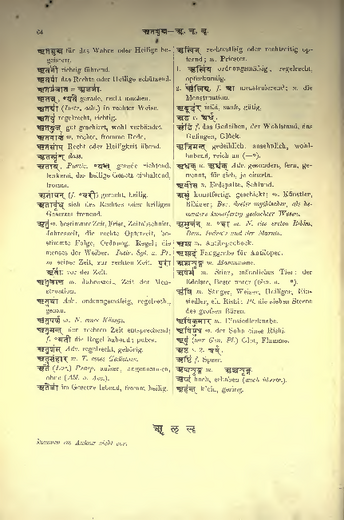
ṛtú m. bestimmte Zeit, Frist, Zeitabschnitt, Jahreszeit, die rechte Opferzeit, bestimmte Folge, Ordnung, Regel; die menses der Weiber. Instr. Sgl. u. Pl. zu seiner Zeit, zur rechten Zeit. purā́ ṛtó vor der Zeit.
Burnouf 1866 substantive masculine
Original text · French · substantive masculine
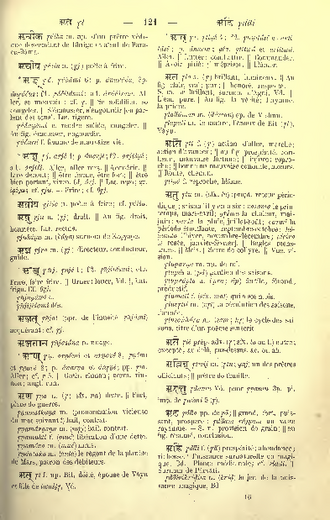
ṛtu ṛtu m. (sfx. tu) [propt. retour périodique]; saison [il y en a six: vasanta le printemps, mars-avril; gṛṣma la chaleur, maijuin; varṣa la pluie, juillet-août; śarad la période étouffante, septembre-octobre; hemanta l'hiver, novembre-décembre; śiśira la rosée, janvier-février]. Règles, menstrues. Mois. Sorte de collyre. Vue, vision. ṛtuparṇa m. np. de roi. ṛtupās a. (pā) gardien des saisons. ṛtuprāpta a. (pra; āp) fertile, fécond, productif. ṛtumatī f. (sfx. mat) qui a ses mois. ṛtuvṛtti m. (vṛt) la révolution des saisons, l'année. ṛtusaṃhāra m. (sam; hṛ) le cycle des saisons, titre d'un poème sanscrit.
Occurrences in source texts (1)
SVU 1 occurrence
Continue with AYI Free
Image source: AYI archive.