

aṣṭan अष्टन् – eight
adjective · numeral · Word type unspecified
Dictionary sources
AYI dictionary numeral
eight
Cappeller 1891 adjective
Original text · English · adjective
aṣṭán ·a. eight.
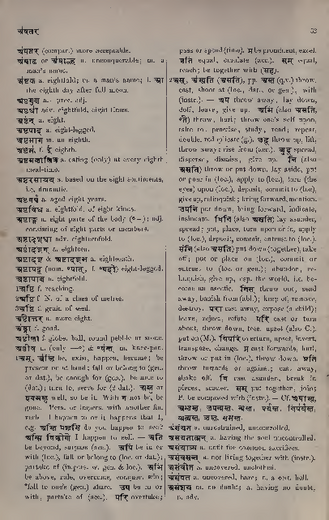
Monier-Williams 1872 Word type unspecified
Original text · English · Word type unspecified
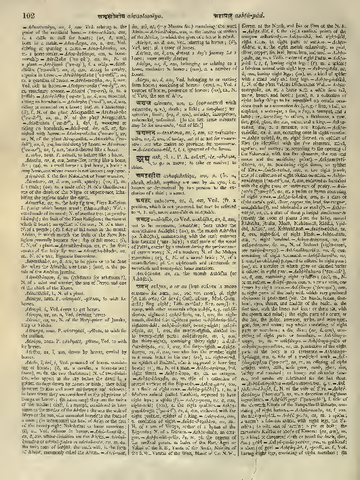
aṣṭan aṣṭan, a or au (but aṣṭau is more common for nom., acc., and voc. cases), pl. eight [cf. Lat. octo; Gr. ὀκτώ Goth. ahtau; Mod. Germ. acht; Eng. eight; Lith. aszt˚uni; Slav. osmj]; in comp. with other numerals often aṣṭā, e. g. aṣṭā- daśan, eighteen; aṣṭādaśa, as, ī, am, the eigh- teenth, divided into eighteen parts; aṣṭādaśa-dhā, eighteen-fold; aṣṭā-viṃśati, twenty-eight; aṣṭā- viṃśa, as, ī, am, the twenty-eighth, divided in- to twenty-eight parts; aṣṭātriṃśa, as, ī, am, the thirty-eighth, containing thirty-eight; aṣṭā- catvāriṃśa, as, ī, am, the forty-eighth.
Petersburger 1855 Word type unspecified
Original text · German · Word type unspecified
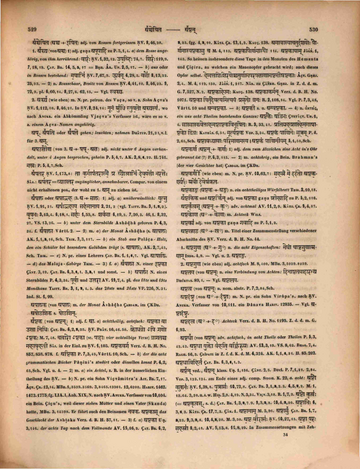
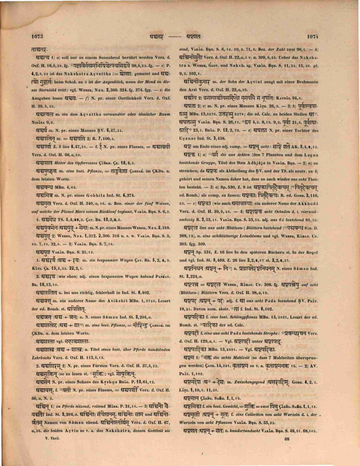
aṣṭán ved., áṣṭan klass. Uṇ. 1,156. ŚĀNT. 2,5. Decl. P. 7,1,21. P. 7,2,84. VOP. 3,123. VOP. 3,124. am Ende eines adj. comp. SIDDH. K. 22,a. acht: aṣṭau ku̱kabhàḥ ṚV. 1,38,8. pu̱trāsàḥ ṚV. 10,72,8. ŚAT. BR. 3,1,3,2. ŚAT. BR. 3,1,3,3. ŚAT. BR. 4,5,7,2. M. 1,13. M. 1,64. M. 3,20. u. s. w. HIḌ. 2,9. HIḌ. 4,19. N. 5,34. VIŚV. 3,18. R. 1,7,2. a̱ṣṭau kṛtvàḥ (= aṣṭakṛtvas, s. d.) ŚAT. BR. 1,3,2,7. ŚAT. BR. 1,3,2,9. ŚAT. BR. 9,3,2,8. ŚAT. BR. 10,4,2,20. a̱ṣṭā̱bhiḥ ŚAT. BR. 6,3,1,3. KĀTY. ŚR. 17,7,2. ŚĀK. 1. aṣṭānām M. 5,96. aṣṭāsú ŚAT. BR. 1,7,3,23. ŚAT. BR. 9,3,2,8. ŚAT. BR. 10,4,2,20. M. 3,50. a̱ṣṭa vī̱rāsàḥ ṚV. 10,27,15. a̱ṣṭā pa̱raḥ sa̱hasrā̀ ṚV. 8,2,41. AV. 5,15,8. AV. 11,8,29. In Zusammensetzungen mit Zehnern erscheint die Form aṣṭā (P. 6,3,47. VOP. 6,35), vor catvāriṃśat u. s. w. aber auch aṣṭa (P. 6,3,49). aṣṭā́daśan achtzehn ŚAT. BR. 8,4,1,8. ŚAT. BR. 8,4,1,27. ŚAT. BR. 8,4,1,28. KĀTY. ŚR. 8,6,4. KĀTY. ŚR. 24,3,36. M. 8,3. M. 8,7. M. 9,250. ŚRUT. 4. aṣṭādaśá der achtzehnte und achtzehntheilig VS. 14,23. ŚAT. BR. 8,4,1,28. aṣṭādaśadhā SĀṂKHYAK. 48. aṣṭā́viṃśati SĀṂKHYAK. 28 VS. 18,25. ŚAT. BR. 10,2,3,11. TAITT. UP. 2,10. YĀJÑ. 1,302. aṣṭāviṃśá der 28ste und 28fach AV. 19,8,2. aṣṭātriṃśá der 38ste und 38 enthaltend ŚAT. BR. 10,4,3,18. aṣṭā́catvāriṃśat ŚAT. BR. 6,2,2,32. ŚAT. BR. 6,2,2,33. ŚAT. BR. 9,3,3,19. aṣṭācatvāriṃśá der 48ste und 48fach VS. 14,23. ŚAT. BR. 9,3,3,5. ŚAT. BR. 13,5,4,10. áṣṭacatvāriṃśat P. 6,3,49. aṣṭācatvāriṃśín oder áṣṭācatvāriṃśaka der ein 40jähriges Gelübde gethan hat P. 5,1,94, Vārtt. 4. aṣṭā́pañcāśat ŚAT. BR. 6,2,2,31. ŚAT. BR. 6,2,2,36. aṣṭāṣaṣṭi ṚV. PRĀT. 16,54. aṣṭaṣaṣṭi Verz. d. B. H. 146 (69). aṣṭāsaptati ŚAT. BR. 13,5,4,11. Vor śata u. s. w. soll nach P. 6,3,47, Vārtt. die Länge nicht zulässig sein; wir finden aber aṣṭāśataṃ śatāni 108 Hunderte (10800) ŚAT. BR. 10,4,2,23. ŚAT. BR. 10,4,2,24. Die Kürze haben wir MBH. 3,158: nāmāṣṭaśatakam die 108 Namen. In der Regel ist eine solche Verbindung von Einern mit śata und sahasra als Multiplication und nicht als Addition aufzufassen: aṣṭaśatam 800 YĀJÑ. 1,302. aṣṭasāhasrikā adj. f. aus 8000 (Artikeln) bestehend: prajñāpāramitā BURN. Intr. 51. In Zusammensetzungen mit andern Wörtern kommen im Veda Kürze und Länge vor, in der klass. Sprache bei einfach aufzulösenden compp. nur die Kürze P. 6,3,125. P. 6,3,126. aṣṭáputra adj. AV. 8,9,21. aṣṭáyoni ebend. aṣṭavṛṣá AV. 5,16,8. aṣṭástana ŚAT. BR. 6,5,2,19. KĀTY. ŚR. 16,4,3. aṣṭavarga in Reihen von Achten bestehend KĀTY. ŚR. 9,4,19. aṣṭagṛhīta KĀTY. ŚR. 8,2,26. KĀTY. ŚR. 16,2,7. aṣṭavarṣā achtjährig M. 9,94. aṣṭavikalpa SĀṂKHYAK. 53. aṣṭā́kapāla aus acht Schalen bestehend VS. 29,60. AIT. BR. 1,1. ŚAT. BR. 1,6,2,5. ŚAT. BR. 2,2,1,27. ŚAT. BR. 2,5,1,8. ŚAT. BR. 2,2,4,3. MBH. 3,14200. fgg. aṣṭākapāla in der Verbindung mit havis, sonst aṣṭakapāla P. 6,3,46, Vārtt. 2. aṣṭā́pakṣa AV. 9,3,21. aṣṭā́cakra AV. 10,2,31. AV. 11,4,22. aṣṭā́bandhura ṚV. 10,53,7. aṣṭāśápha ŚAT. BR. 6,2,2,15. aṣṭāgava mit acht Kühen bespannt P. 6,3,46, Vārtt. 3. aber aṣṭagavam acht Kühe ebend. aṣṭāhiraṇyā dakṣiṇā ved. P. 6,3,126, Sch. — Man könnte vielleicht mit demselben Recht aṣṭa als Thema aufstellen (die künstlichen Formen priyāṣṭnā u. s. w. SIDDH. K. 22,a dürfen nicht in Betracht kommen), da der nom. acc. aṣṭa auch als Schwächung von aṣṭā = aṣṭau (eine Dual-Form) betrachtet werden kann. aṣṭa oder aṣṭan muss auf eine Wurzel aś zurückgeführt werden, da nur aus dieser die Form aśīti zu erklären ist.
Original text · German · Word type unspecified
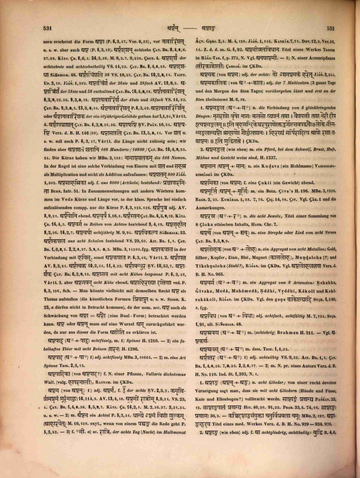
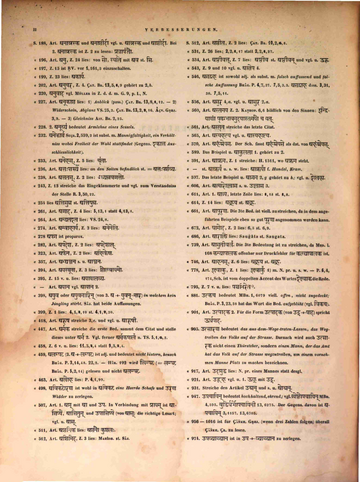
aṣṭán [vgl. [1:531]] Z. 26 lies: {2,2,1,17} statt {2,2,1,27}. (revision)
Original text · German · Word type unspecified
aṣṭan Sp. 531, Z. 16 lies In den späteren Büchern st. In der Regel und vgl. Ind. St. 9,469. Z. 26 lies 2,2,1,17 st. 2,2,1,27.
Böhtlingk 1879 Word type unspecified
Original text · German · Word type unspecified
aṣṭan acht. Nom. Acc. aṣṭaú, aṣṭā́ und aṣṭá; aṣṭābhís, aṣṭānām, aṣṭā́su.
Apte 1890 Word type unspecified
Original text · English · Word type unspecified
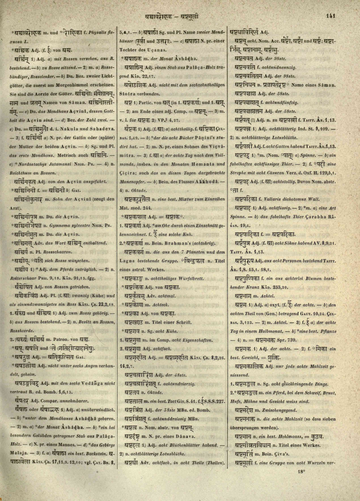
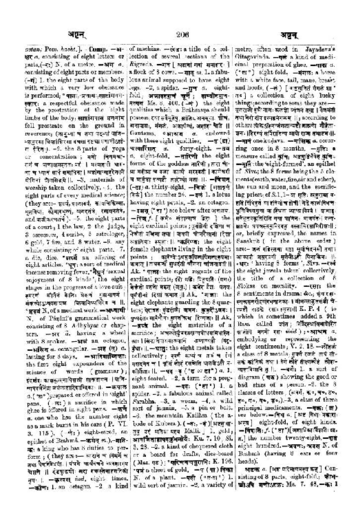
aṣṭan num. a. [aś-vyāptau kanin tuṭ ca Uṇ. 1. 154.] (nom. acc. aṣṭa-ṣṭau) Eight. It often occurs in comp. as aṣṭā with numerals and some other nouns; as aṣṭādaśan, aṣṭāviṃśatiḥ, aṣṭāpada &c. [cf. L. octo; Gr. okto; Zend. ([Page 0206-a]) astan; Pers. hasht.]. Comp. — akṣara a. consisting of eight letters or parts. — (raḥ) N. of a metre. — aṃga a. consisting of eight parts or members. — (gaṃ) 1 the eight parts of the body with which a very low obeisance is performed; ˚pātaḥ, -praṇāmaḥ, sāṣṭāṃganamaskāraḥ a respectful obeisance made by the prostration of the eight limbs of the body; sāṣṭāṃgapātaṃ praṇanāma fell prostrate on the ground in reverence; (jānubhyāṃ ca tathā padbhyāṃ pāṇibhyāmurasā dhiyā . śirasā vacasā dṛṣṭyā praṇāmo' ṣṭāṃga īritaḥ). 2 the 8 parts of yoga or concentration; yamo niyamaścāsanaṃ ca prāṇāyāmastataḥ paraṃ . pratyāhāro dhāraṇā ca dhyānaṃ sārdhaṃ samādhinā . aṣṭāṃgānyāhuretāni yogināṃ yogasiddhaye ... 3 materials of worship taken collectively. 4 the eight parts of every medical science; (they are: -śalyaṃ, śālākyaṃ, kāyacikitsā, bhūtavidyā, kaumārabhṛtyaṃ, agadataṃtraṃ, rasāyanataṃtraṃ, and vājīkaraṇataṃtraṃ). 5 the eight parts of a court; 1 the law, 2 the judge, 3 assessors, 4 scribe, 5 astrologer, 6 gold, 7 fire, and 8 water. 6 any whole consisting of eight parts. 7 a die, dice. ˚arghyaṃ an offering of eight articles. ˚dhūpaḥ a sort of medical incense removing fever. ˚maithunaṃ ‘sexual enjoyment of 8 kinds’; the eight stages in the progress of a love-suit; smaraṇaṃ kīrtanaṃ keliḥ prekṣaṇaṃ guhyabhāṣaṇaṃ . saṃkalpo'dhyavasāyaśca kriyāniṣpattireva ca ... ˚hṛdayaṃ N. of a medical work. — adhyāyī N. of Pāṇini's grammatical work consisting of 8 Adhyāyas or chapters. — ara a. having a wheel with 8 spokes. — asraṃ an octagon. — asriya a. octangular. — aha (n) a. lasting for 8 days. — ādiśābdikāḥ the first eight expounders of the science of words (grammar); iṃdraścaṃdraḥ kāśakṛtsnāpiśalī śākaṭāyanaḥ . pāṇinyamarajaineṃdrā jayaṃtyaṣṭādiśābdikāḥ ... — kapāla a. (˚ṣṭā˚) prepared or offered in ‘eight’ pans. — (laḥ) a sacrifice in which ghee is offered in eight pans. — karṇa a. one who has the number eight as a mark burnt in his ears ( P. VI. 3. 115). — (rṇaḥ) eight-eared, an epithet of Brahmā. — karman m., — gatikaḥ a king who has 8 duties to perform; they are: - ādāne ca visarge ca tathā praiṣaniṣedhayoḥ . paṃcame cārthavacane vyavahārasya cekṣaṇe .. daṃḍaśuddhyoḥ sadā raktastenāṣṭagatiko nṛpaḥ .. — kṛtvas ind. eight times. — koṇaḥ 1 an octagon. 2 a kind ([Page 0206-b]) of machine. — khaṃḍaḥ a title of a collection of several sections of the Ṛgveda. — gavaṃ [aṣṭānāṃ gavāṃ samāhāraḥ] a flock of 8 cows. — gāḍh m. 1 a fabulous animal supposed to have eight legs. 2 a spider. — guṇa a. eightfold; annādaṣṭaguṇaṃ cūrṇaṃ; dāpyoṣṭaguṇamatyayaṃ Ms. 8. 400. — (ṇaṃ) the eight qualities which a Brāhmaṇa should possess; dayā sarvabhūteṣu, kṣāṃtiḥ, anasūyā, śaucaṃ, anāyāsaḥ, maṃgalaṃ, akārpaṇyaṃ, aspṛhā ceti .. Gautama. ˚āśraya a. endowed with these eight qualities. — ṣṭa (ṣṭā) catvāriṃśat a. forty-eight. — taya a. eight-fold. — tāriṇī the eight forms of the goddess tāriṇī; tārā cogrā mahogrā ca vajrā kālī sarasvatī . kāmeśvarī ca cāmuṃḍā ityaṣṭau tāriṇyo matāḥ ... — triṃśat — (ṣṭā) a. thirty-eight. — trikaṃ [aṣṭāvṛttaṃ trikaṃ] the number 24. — dalaṃ 1 a lotus having eight petals. 2 an octagon. — daśan (˚ṣṭā˚) see below after aṣṭātaya. — diś f. [karma˚ saṃjñātvānna dviguḥ] the eight cardinal points; pūrvāgneyī dakṣiṇā ca nairṛtī paścimā tathā . vāyavī cottaraiśānī diśā aṣṭāvimāḥ smṛtāḥ ... ˚kariṇyaḥ the eight female elephants living in the eight points; kariṇyo'bhramukapilāpiṃgalānupamāḥ kramāt . tāmrakarṇī śubhradaṃtī cāṃganā cāṃjanāvatī .. Ak. ˚pālāḥ the eight regents of the cardinal points; iṃdro vahriḥ pitṛpatiḥ (yamaḥ) nairṛto varuṇo marut (vāyuḥ) . kubera īśaḥ patayaḥ pūrvādīnāṃ diśāṃ kramāt .. Ak. ˚gajāḥ the eight elephants guarding the 8 quarters; airāvataḥ puṃḍarīko vāmanaḥ kumudoṃ'janaḥ . puṣpadaṃtaḥ sārvabhaumaḥ supratīkaśca diggajāḥ .. Ak. — dravyaṃ the eight materials of a sacrifice; aśvatthoḍuṃbaraplakṣanyagrodhasamidhastilāḥ . siddhārthapāyasājyāni dravyāṇyaṣṭau viṭurbudhāḥ ... — dhātuḥ the eight metals taken collectively; svarṇaṃ rūpyaṃ ca tāmraṃ ca raṃgaṃ yaśadameva ca . śīsaṃ lauhaṃ rasaśceti dhātavo'ṣṭau prakīrtitāḥ ... — pada -d (˚ṣṭa or ṣṭā˚) a. 1 eight-footed. 2 a term for a pregnant animal. — padaḥ (˚ṣṭā˚) 1 a spider. 2 a fabulous animal called Śarabha. 3 a worm. 4 a wild sort of jasmin. 5 a pin or bolt. 6 the mountain Kailāsa (the abode of Kubera). — (daḥ, -daṃ) [aṣṭasu dhātuṣu padaṃ pratiṣṭhā yasya Malli.] 1 gold; āvarjitāṣṭāpadakuṃbhatoyaiḥ Ku. 7. 10; Śi. 3. 28. 2 a kind of chequered cloth or a board for drafts, dice-board (Mar. paṭa); ˚paricayacaturābhiḥ K. 196. ˚patraṃ a sheet of gold. — pa (pā) dikā N. of a plant. — padī (˚ṣṭa-ṣṭā˚) 1 wild sort of jasmin. 2 a variety of ([Page 0206-c]) metre, often used in Jayadeva's Gītagovinda. — palaṃ a kind of medicinal preparation of ghee. — pādya a. (˚ṣṭā˚) eight-fold. — maṃgalaḥ a horse with a white face, tail, mane, breast and hoofs. — (laṃ) [aṣṭaguṇitaṃ maṃgalaṃ śā˚ ta˚] a collection of eight lucky things; according to some they are: -mṛgarājo vṛṣo nāgaḥ kalaśo vyaṃjanaṃ tathā . vaijayaṃtī tathā bherī dīpa ityaṣṭamaṃgalam ..; according to others loke'sminmaṃgalānyaṣṭau brāhmaṇo gaurhutāśanaḥ . hiraṇyaṃ sarpirāditya āpo rājā tathāṣṭamaḥ ... — mānaṃ one kuḍava. — māsika a. occurring once in 8 months. — muṣṭiḥ a measure called kuṃci; aṣṭamuṣṭirbhavet kuṃciḥ, — mūrtiḥ the ‘eight-formed’, an epithet of Śiva; the 8 forms being the 5 elements (earth, water, fire, air and ether), the sun and moon, and the sacrificing priest; cf Ś. 1. 1-yā sṛṣṭiḥ sraṣṭurādyā vahati vidhihutaṃ yā haviryā ca hotrī . yedve kālaṃvidhattaḥ śrutiviṣayaguṇā yā sthitā vyāpya viśvaṃ . yāmāhuḥ sarvabhūtaprakṛtiriti yayā prāṇinaḥ prāṇavaṃtaḥ . pratyakṣābhiḥ prapannastanubhiravatu vastābhiraṣṭābhirīśaḥ ..; or, briefly expressed, the names in Sanskrit (in the above order) are:-jalaṃ vahnistathā yaṣṭā sūryācaṃdramasau tathā . ākāśaṃ vāyuravanī mūrtayo'ṣṭau pinākinaḥ ... ˚dharaḥ ‘having 8 forms’, Śiva. — ratnaṃ the eight jewels taken collectively; the title of a collection of 8 Ślokas on morality. — rasāḥ the 8 sentiments in dramas &c.; śṛṃgārahāsyakaruṇaraudravīrabhayānakāḥ . bībhatsādbhutasaṃjñau cetyaṣṭau nāṭye rasāḥ smṛtāḥ .. K. P. 4 (to which is sometimes added a 9th Rasa called śāṃta; nirvedasthāyibhāvosti śāṃtopi navamo rasaḥ ibid.); ˚āśraya a. embodying or representing the eight sentiments; V. 2. 18. — lohakaṃ a class of 8 metals; suvarṇaṃ rajataṃ tāmraṃ sīsakaṃ kāṃtikaṃ tathā . vaṃgaṃ lauhaṃ tīkṣṇalauhaṃ lauhānyaṣṭāvimāni tu ... — vargaḥ 1 a sort of diagram (cakra) showing the good or bad stars of a person. 2 the 8 classes of letters; (avarga, ka˚, ca˚, ṭa˚, ta˚, pa˚, ya˚, śa˚,). 3 a class of three principal medicaments. — vakraḥ (ṣṭā) see below. — vidha a. [aṣṭa vidhāḥ prakārāḥ asya] eight-fold, of eight kinds. — viṃśatiḥ f. (˚ṣṭā˚) [aṣṭādhikā viṃśātiḥ śā. ta.] the number twenty-eight. — śataṃ eight hundred. — śravaṇaḥ, -śravasa N. of Brahmā (having 8 ears or four heads).
Cappeller 1887 Word type unspecified
Original text · German · Word type unspecified
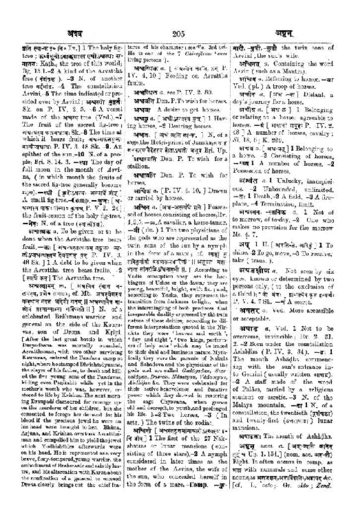
aṣṭán acht.
Burnouf 1866 adjective
Original text · French · adjective
aṣṭan aṣṭan a. huit. M§ 51. Gr. ὀϰτώ; lat. octo; goth. ohtau; lith. asztuni; germ. acht; angl. eight; franç. huit. aṣṭapada m. stance védique de huit padas. aṣṭapāda m. la bête à huit pattes, l'araignée. aṣṭama a. huitième. — S. f. aṣṭamī le 8ᵉ jour de la quinzaine. aṣṭamaṅgala m. cheval qui a les huit maṅgalas ou marques blancnes favorables. aṣṭamūrti m. (mūrti) le dieu aux huit formes, Śiva. aṣṭavarga m. les-huit-médicaments, t. de médecine. aṣṭaśravas m. (śru) le dieu aux 8 oreilles, Brahmā. aṣṭākapāla m. beurre clarifié, offrande présentée dans huit vases. aṣṭāyga n. (aṅga) les huit parties du corps: front, yeux, seins, dos et mains, ou d'autres. aṣṭādaśa a. dix-huitième. aṣṭādaśan a. dix-huit. aṣṭāpada m. n. étoffe à carreaux pour damier ou échiquier. Or. — S. m. la bête à huit pieds, l'araignée. Surnom de śarabha. Le mont kailāsa. — S. f. aṣṭāpadī, Vd. invocation à huit pieds, hymne. Jasmin sauvage.
Occurrences in source texts (2)
PYS 1 occurrence
SVU 1 occurrence
Continue with AYI Free
Image source: AYI archive.