

ātura आतुर – hurt, injured
adjective · substantive masculine · Word type unspecified
Dictionary sources
Cappeller 1891 adjective
Original text · English · adjective
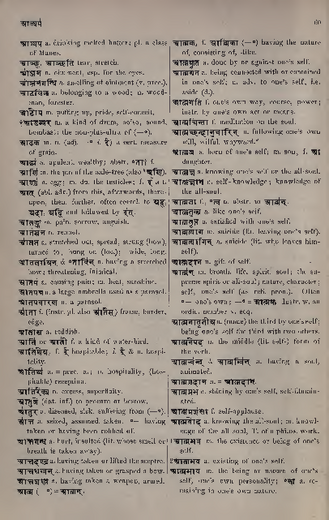
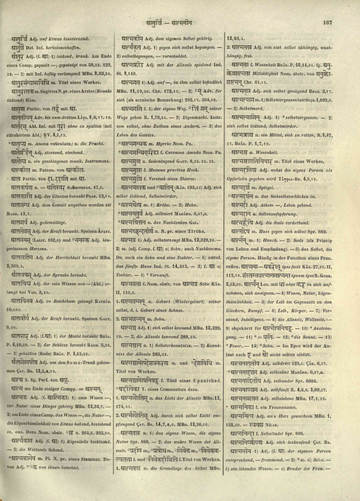
ā́tura ·a. diseased, sick, suffering from (--°).
Monier-Williams 1872 adjective
Original text · English · adjective
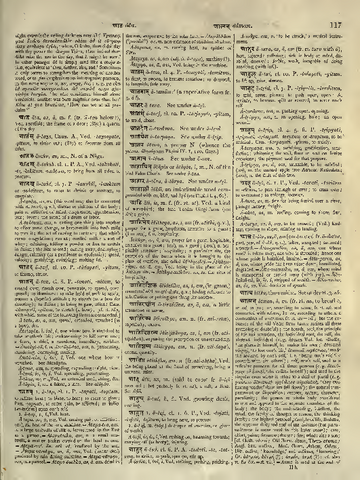
ātura ā-tura, as, ā, am (fr. rt. turv with ā), hurt, injured; suffering; sick in body or mind, dis- abled, diseased; feeble, weak, incapable of doing anything (with inf.).
Petersburger 1855 adjective · Word type unspecified
Original text · German · adjective
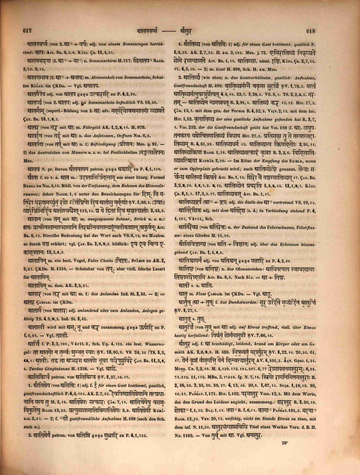
ā́tura adj. f. ā beschädigt, leidend, krank am Körper oder am Gemüth AK. 2,6,2,9. H. 459. bhi̱ṣa̱jyata̱ṃ yadātùram ṚV. 8,22,10. ṚV. 8,20,26. ṚV. 8,61,17. yenà kṛ̱śaṃ vā̀ja̱yanti̱ yenà hi̱nvantyātùram AV. 6,101,2. ĀŚV. GṚHY. 1,24. MUṆḌ. UP. 1,2,10. M. 4,129. M. 4,179. M. 4,184. M. 4,207. M. 6,77 (rogāyatanamāturam) M. 8,28. M. 8,71. M. 8,312. M. 11,112. MBH. 3,17348. fg. N. 7,10. striyo rāmanimittamāturāḥ R. 2,48,28. R. 3,55,36. R. 3,59,27. R. 4,13,46. R. 4,50,8. R. 5,67,14. SUŚR. 1,18,16. SUŚR. 1,95,18. SUŚR. 1,18,21. PAÑCAT. I, 171. HIT. I, 162. paramātura VIKR. 12,3. Mit dem Worte, das den Grund des Leidens angiebt, zusammeng.: śarātura R. 3,50,19. śokā˚ R. 1,1,33. DAŚ. 1,45. bhayā˚ R. 1,6,11. kāmā˚ PAÑCAT. 181,3. madanā˚ RAGH. 12,32. VET. 20,12. unfähig, nicht im Stande Etwas zu thun, mit dem inf. N. 11,34. āturasaṃnyāsavidhi Titel eines Werkes Verz. d. B. H. No. 1105. — Von turv mit ā. Vgl. anātura.
Original text · German · Word type unspecified
āturá UJJVAL._zu_UṆĀDIS. 1,42. arthātura, kāmātura, cintātura, kṣudhātura Spr. 3597. kāmātura Verz. d. Oxf. H. 89,b,7. ātura so v. a. kāmātura verliebt: anāturotkaṇṭhitayoḥ Spr. 3459. Statt unfähig, nicht im Stande Etwas zu thun (3. tura hat die entgegengesetzte Bed.) N. 11,34 ist wohl krankhaft begierig anzunehmen. — Vgl. 4. tura.
Böhtlingk 1879 adjective
Original text · German · adjective
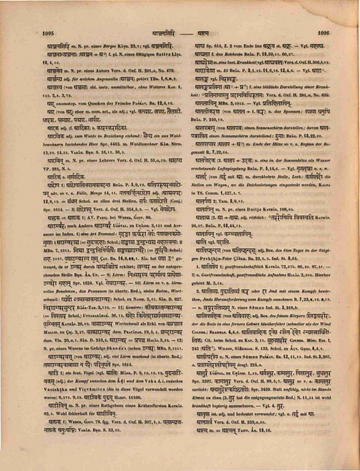
ā́tura Adj. (f. ā) — 1〉 leidend, krank. Am Ende eines Comp. gequält —, gepeinigt von Chr. 58,22. Chr. 122,29. — 2〉 mit Inf. heftig verlangend MBH. 3,63,36.
Apte 1890 adjective · substantive masculine
Original text · English · adjective · substantive masculine
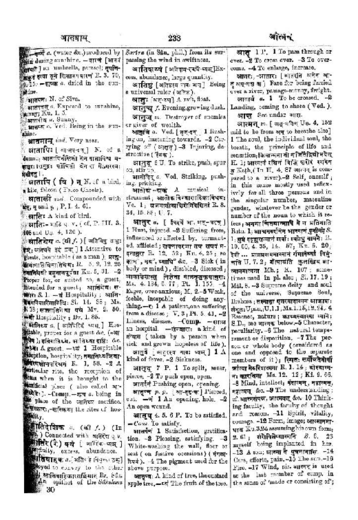
ātura a. [īṣadarthe ā, at-urac] 1 Hurt, injured. 2 Suffering from, influenced or affected by, tormented, afflicted; rāvaṇāvarajā tatra rāghavaṃ madanāturā R. 12. 32; Ku. 4. 25; so kāma˚, bhaya˚, vyādhi˚ &c. 3 Sick (in body or mind), disabled, diseased; ākāśeśāstu vijñeyā bālavṛddhakṛśāturāḥ Ms. 4. 184, Ms. 6. 77; Pt. 1. 155. 4 Eager, overanxious; M. 2. 5 Weak, feeble, incapable of doing anything. — raḥ 1 A patient, one suffering from a disease; V. 3; Pt. 5. 41. 2 Illness, disease. Comp. — śālā an hospital. — saṃnyāsaḥ a kind of saṃnyāsa (taken by a person when sick and grown hopeless of life).
Cappeller 1887 Word type unspecified
Original text · German · Word type unspecified
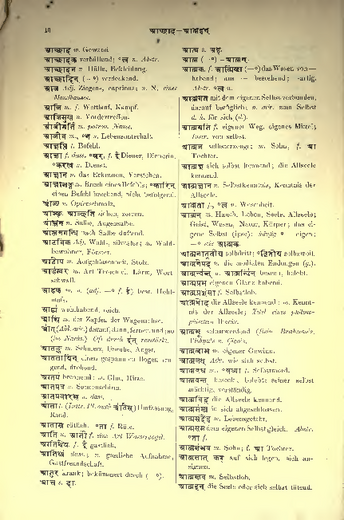
ā́tura krank; bekümmert durch (—˚).
Burnouf 1866 adjective
Original text · French · adjective
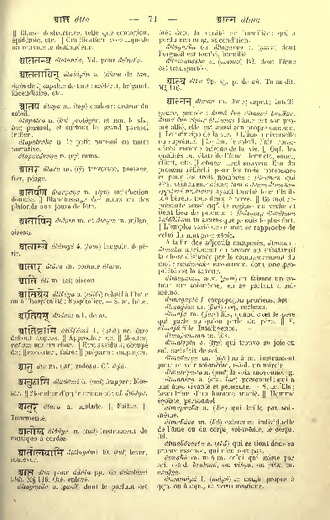
ātura ātura a. malade. Faible. Tourmenté.
Occurrences in source texts (1)
SiSa 1 occurrence
Continue with AYI Free
Image source: AYI archive.