

araṇya अरण्य – wilderness; forest
substantive masculine · substantive neuter
Dictionary sources
AYI dictionary substantive neuter
wilderness; forest
Cappeller 1891 substantive neuter
Original text · English · substantive neuter
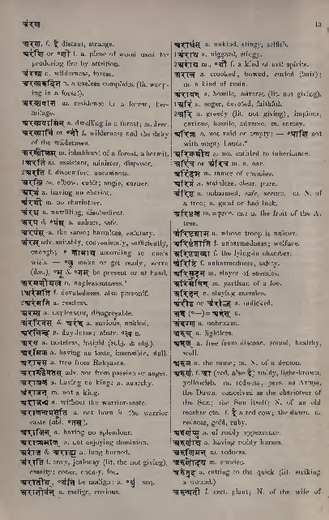
áraṇya ·n. wilderness, forest.
Monier-Williams 1872 substantive masculine · substantive neuter
Original text · English · substantive masculine · substantive neuter
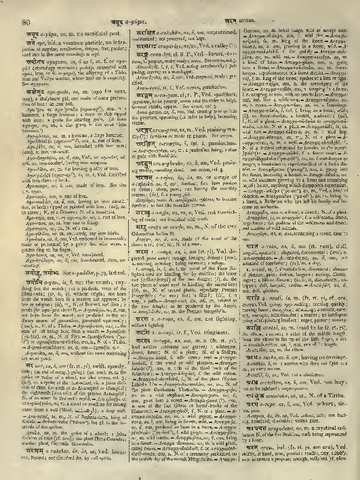
araṇya araṇya, as, am, m. n. (fr. rt. ṛ), land neither cultivated nor grazed; a wilderness, desert, forest; N. of a plant; N. of a Sādhya.
Petersburger 1855 substantive masculine · substantive neuter
Original text · German · substantive masculine · substantive neuter
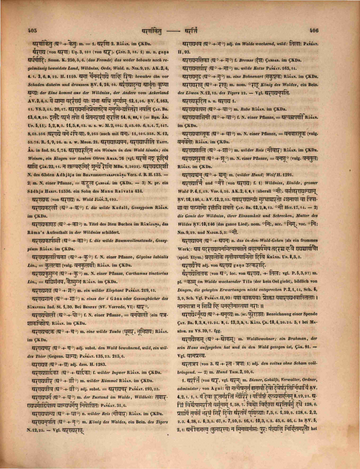
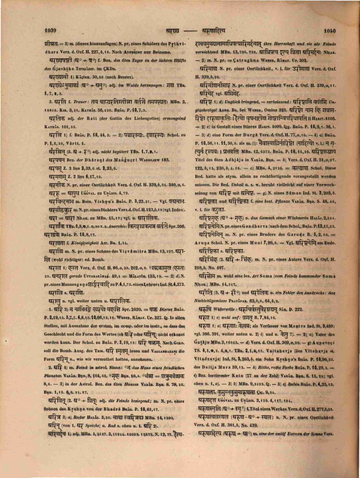
áraṇya (von araṇa) Uṇ. 3,101 (von ar). ŚĀNT. 3,18. 1〉 m.n. gaṇa ardharcādi; SIDDH. K. 250,b,6. (das Fremde) das weder bebaute noch regelmässig beweidete Land, Wildniss, Oede, Wald. n. NIR. 9,29. AK. 2,4,1,1. AK. 3,6,3,22. H. 1110. a̱mā caìna̱maràṇye pāhi ri̱ṣaḥ bewahre ihn vor Schaden daheim und draussen ṚV. 6,24,10. aràṇyāda̱nya ābhṛ̀taḥ kṛ̱ṣyā a̱nyaḥ der Eine kommt aus der Wildniss, der Andere vom Ackerland AV. 2,4,5. ye grāmā̱ yadaràṇya̱ṃ yāḥ sa̱bhā adhi̱ bhūmyā̀m AV. 12,1,56. ṚV. 1,163,11. VS. 3,45. VS. 20,17. araṇyamabhipreyāttadeva manuṣyebhyastiro bhavati ŚAT. BR. 13,6,2,20. etadvai paramaṃ tapo yaṃ pretamaraṇyaṃ haranti ŚAT. BR. 14,8,11,1 (= BṚH. ĀR. UP. 5,11). ŚAT. BR. 5,2,3,5. ŚAT. BR. 11,5,1,13. u. s. w. M. 2,104. M. 5,43. M. 5,69. M. 6,2. M. 6,4. M. 7,147. M. 8,69. M. 8,356 (araṇye vane 'piv vā). M. 9,265 (auch mit vana). M. 11,101. M. 11,258. N. 12,53. N. 12,78. R. 1,9,26. u. s. w. MEGH. 21. araṇyādhyayana, araṇyādhīti TAITT. ĀR._in_Ind. St. 1,74. araṇyarudita ein Weinen in den Wald hinein; ein Weinen, ein Klagen vor tauben Ohren AMAR. 76 (vgl. araṇṇe mae rudiaṃ āsi ŚĀK. 22,11. na khalvahamidaṃ śūnye raumi MBH. 1,3022). araṇyadvādaśī N. des 63sten Adhyāya im BHAVIṢYOTTARAPURĀṆA Verz. d. B. H. 135. — 2〉 m. N. einer Pflanze, = kaṭphala ŚABDAC._im_ŚKDR. — 3〉 N. pr. ein Sādhya HARIV. 11536. ein Sohn des Manu Raivata HARIV. 434.
Original text · German · substantive masculine
araṇya 1〉 vanāraṇyāni KATHĀS. 93,86. Z. 2 vom Ende lies araṇyadvādaśīvrata. — 3〉 m. (dieses hinzuzufugen) N. pr. eines Schülers des Pṛthvīdhara Verz. d. Oxf. H. 227,b,15. Nach AUFRECHT nur Beiname.
Böhtlingk 1879 substantive masculine · substantive neuter
Original text · German · substantive masculine · substantive neuter
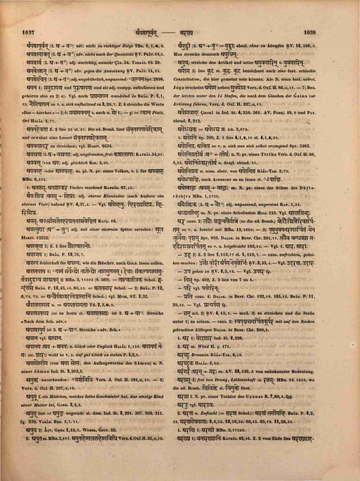
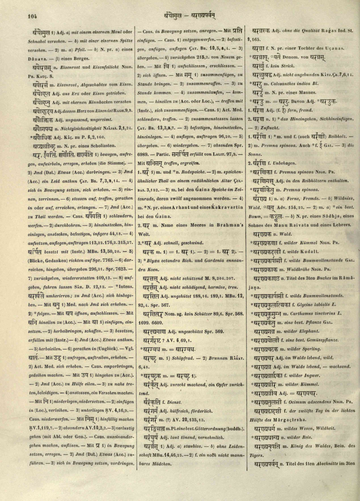
áraṇya — 1〉 n. — a〉 Ferne, Fremde. — b〉 Wildniss, Wald. ˚vat Adv. Chr. 154,25. — 2〉 m. — a〉 *ein best. Baum, = kaṭphala. — b〉 N. pr. eines Sādhya, eines Sohnes des Manu Raivata und eines Lehrers.
Apte 1890 substantive masculine · substantive neuter
Original text · English · substantive masculine · substantive neuter
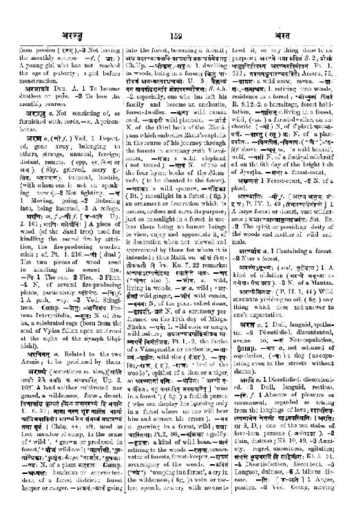
araṇyaṃ (sometimes m. also,) [aryate gamyate śeṣe vayasi ṛ-anyaccanit Uṇ. 3. 102] A land neither cultivated nor grazed, a wilderness, forest, desert; priyānāśe kṛtsnaṃ kila jagadaraṇyaṃ hi bhavati U. 6. 30; mātā yasya gṛhe nāsti bhāryā cāpriyavādinī . araṇyaṃ tena gaṃtavyaṃ yathāraṇyaṃ tathā gṛhaṃ . Chāṇ. 44; oft. used as first member of comp. in the sense of ‘wild’, ‘grown or produced in forest;’ ˚bījaṃ wild seed; ˚kārpāsī, ˚kulatthikā; ˚kusuṃbhaḥ &c; so ˚mārjāra, ˚mūṣakaḥ. — ṇyaḥ N. of a plant kaṭphala. Comp. — adhyakṣaḥ headman or superintendent of a forest district; forest keeper or ranger. — ayanaṃ, -yānaṃ going ([Page 0159-b]) into the forest, becoming a hermit; atha yadaraṇyāyanamityācakṣate brahmacaryameva tad Ch. Up. — okas, -sad a. 1 dwelling in woods, being in a forest; kiṃtu ˚sadovayaṃ anabhyastarathacaryāḥ U. 5; vaiklavyaṃ mama tāvadīdṛśamapi snehādaraṇyaukasaḥ Ś. 4. 5. 2 especially, one who has left his family and become an anchorite, forest-dweller. — kaṇā wild cumin seed. — kadalī wild plantain. — kāṃḍaṃ N. of the third book of the Rāmāyaṇa which embodies Rāmā's exploits in the course of his journey through the forests in company with Viśvāmitra. — gajaḥ a wild elephant (not tamed). — gānaṃ N. of one of the four hymn-books of the Śāmaveda (to be chanted in the forest). — caṭakaḥ a wild sparrow. — caṃdrikā (lit.) moonlight in a forest; (fig.) an ornament or decoration which is useless, or does not serve its purpose; just as moonlight in a forest is useless there being no human beings to view, enjoy and appreciate it, so is decoration when not viewed and appreciated by those for whom it is intended; thus Malli. on strīṇāṃ priyālokaphalo hi veṣaḥ Ku. 7. 22 remarks: anyathā'raṇyacaṃdrikā syāditi bhāvaḥ. — cara (˚ṇyecara also), — jīva. a. wild, living in woods. — ja a. wild; ˚ārdrakā wild ginger. — jīraṃ wild cumin. — damanaḥ N. of the plant called dona. — dvādaśī, -vrataṃ N. of a ceremony performed on the 12th day of MārgaŚīrṣa. — dharmaḥ 1 wild state or usage, wild nature; tathāraṇyadharmādviyojya grāmyadharme niyojitaḥ Pt. 1. 2 the duties of a Vānaprastha or anchorite. — dhānyaṃ, -śāliḥ wild rice (nīvāra). — nṛpatiḥ, -rāj (ṭ), — rājaḥ ‘lord of the woods’, epithet of a lion or a tiger; so araṇyānāṃ patiḥ. — paṃḍitaḥ [araṇye eva paṃḍitaḥ, natu nagarādiṣu janasamājeṣu] ‘wise in a forest’; (fig.) a foolish person (who can display his learning only in a forest where no one will hear him and correct his errors). — bhava a. growing in a forest, wild; yathā˚vāstilāḥ Pt. 2. 86. — makṣikā a gadfly. — mūdgakaḥ a kind of wild bean. — yānaṃ retiring to the woods. — rakṣakaḥ conservator of forests, forest-keeper. — rājyaṃ sovereignty of the woods. — ruditaṃ (˚ṇye˚) ‘weeping in a forest’, a cry in the wilderness; (fig.) a vain or useless speech, or a cry with no one to ([Page 0159-c]) heed it, or any thing done to no purpose; araṇye mayā ruditaṃ Ś. 2; proktaṃ śraddhāvihīnasya araṇyaruditopamaṃ Pt. 1. 393; tadalamadhunāraṇyaruditaiḥ Amaru. 76. — vāyasaḥ a wild crow, raven. — vāsaḥ, -samāśrayaḥ 1 retiring into woods, residence in a forest; ˚yonmukhaṃ pitaraṃ R. 8. 12. 2 a hermitage, forest habitation. — vāsin a. living in a forest, wild. ( — m.) a forest-dweller, an anchorite. — (nī) N. of a plant atyamlaparṇī. — vāstu (stū) kaḥ N. of a plant. vanavetaḥ. — vilapitaṃ, -vilāpaḥ (˚ṇye˚) = ˚ruditaṃ above. — śvan m. ‘a wild hound’, wolf. — paṣṭhī N. of a festival celebrated on the 6th day of the bright halt of Jyeṣṭha. — sabhā a forest-court.
Cappeller 1887 substantive neuter
Original text · German · substantive neuter
áraṇya n. Ferne, Fremde; Wald. ˚vat adv.
Burnouf 1866 substantive neuter
Original text · French · substantive neuter
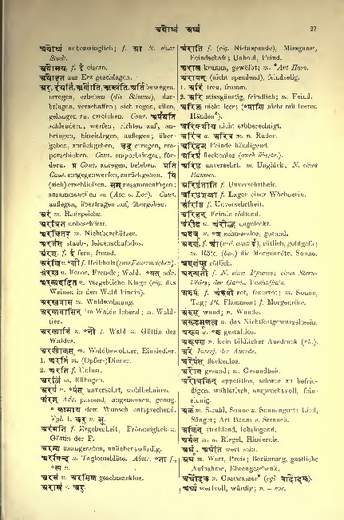
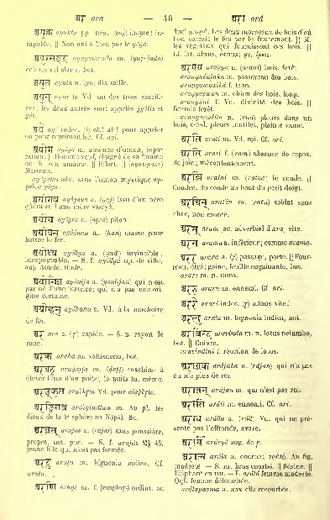
araṇya araṇya n. (araṇi) bois, forêt. araṇyacaṭaka m. passereau des bois. araṇyamakṣikā f. taon. araṇyaśvan m. chien des bois, loup. araṇyānī f. Vd. divinité des bois. Grande forêt. araṇyarudita n. (rud) pleurs dans un bois, c-à-d. pleurs inutiles, plainte vaine.
Occurrences in source texts (2)
Continue with AYI Free
Image source: AYI archive.