

mitra मित्र – friend; friendship
substantive masculine · substantive neuter · Word type unspecified
Dictionary sources
AYI dictionary substantive neuter
friend; friendship
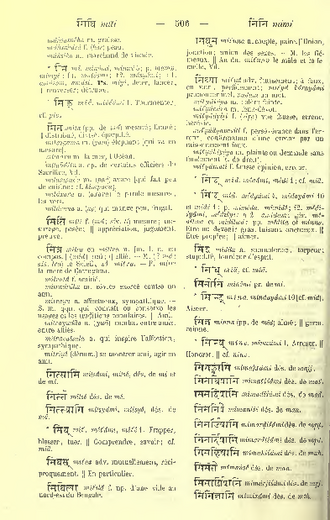
Cappeller 1891 substantive masculine
Original text · English · substantive masculine
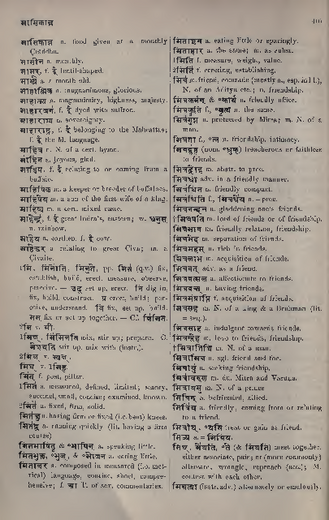
mitrá ·m. friend, comrade (mostly n., esp. in l.l.), N. of an Aditya etc.; n. friendship.
Monier-Williams 1872 substantive masculine · Word type unspecified
Original text · English · substantive masculine
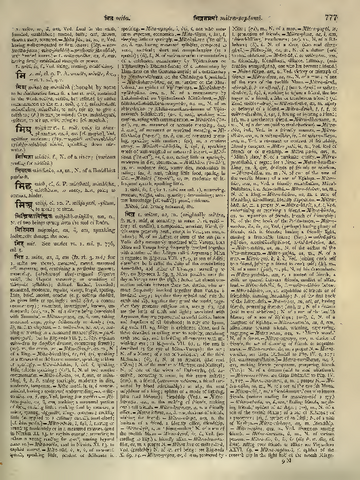
mitra 1 . mitra, as, m. (originally mittra, fr. rt. 2. mid, or according to some fr. rt. mith + tra; cf. medin), a companion, associate, friend, (in this sense generally neut., except in Ved.; see am, n. below); N. of an Āditya or form of the sun (as a Vedic deity commonly associated with Varuṇa, both Mitra and Varuṇa being frequently invoked together with another of the Ādityas called Aryaman; Mitra is regarded in Ṛg-veda VIII. 47, 9, as son of Aditi; elsewhere he is called the deity of the constellation Anu-rādhā, and father of Ut-sarga: according to Sāy. on Ṛg-veda 1. 89, 3, Mitra presides over the day as Varuṇa over the night; hence the closest con- nection subsists between these two deities, who are more frequently invoked together than Varuṇa is invoked singly; together they uphold and rule the earth and sky, together they guard the world, toge- ther they promote religious rites, avenge sin, and are the lords of truth and light; associated with Aryaman, they are represented as awful deities, haters, and dispellers of all falsehood; in only one hymn, Ṛg-veda III. 59, Mitra is celebrated alone, and is there described as calling men to activity, sustaining earth and sky, and beholding all creatures with un- winking eye; in Ṛg-veda VII. 61, 1, the sun is described as the eye of Mitra-Varuṇa); the sun; N. of a Marut; of a son of Vasiṣṭha; of the third Muhūrta; (ā), f., N. of an Apsaras, (also read Citra); N. of the mother of Maitreya and Maitreyī; N. of one of the wives of Daśa-ratha, (cf. su- mitrā; according to some, in this sense mitrī); (am), n. a friend, (aurasam mitram, a friend con- nected by blood relationship); an ally, the next neighbour of a king; epithet of a mode of fighting, (also read bhinna); friendship (Ved.).
Original text · English · Word type unspecified
2. mitra, Nom. P. mitrati, &c., to be friendly, act in a friendly manner.
Petersburger 1855 substantive masculine · substantive neuter · Word type unspecified
Original text · German · substantive masculine · substantive neuter
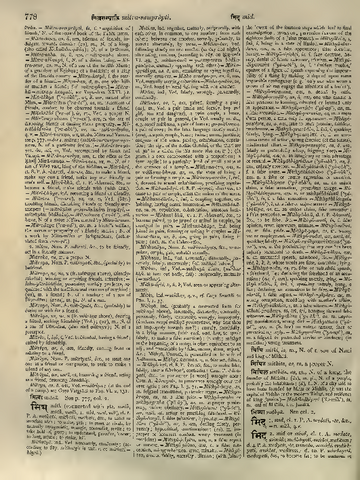
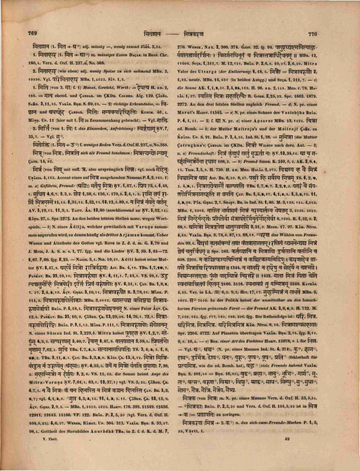
mitrá (von mith mit suff. tra, also ursprünglich mittra; vgl. noch medin) UṆĀDIS. 4,163. Accent eines auf mitra ausgehenden Namens P. 6,2,165. 1〉 m. a〉 Gefährte, Freund: (agniḥ) martèṣu mi̱traḥ ṚV. 1,67,1. priya ṚV. 75,4. ṚV. 6,48,1. sudhita ṚV. 4,6,7. ṚV. 5,3,2. śeva ṚV. 1,58,6. ṚV. 1,156,1. ṚV. 1,170,5. ṚV. 2,4,1. ṚV. 2,4,3. rāsi̱ kṣaya̱ṃ rāsì mi̱trama̱sme ṚV. 11,14. ṚV. 8,31,14. ṚV. 5,52,14. ṚV. 10,12,5. ṚV. 89,8. na mi̱traṃ nàyate̱ vaśàm AV. 5,19,15. AV. 11,9,2. TAITT. ĀR. 10,80 (anschliessend an ṚV. 5,52,14). KĀṬH. 27,4. Spr. 2272. An den beiden letzten Stellen masc. wegen Wortspiels. — b〉 N. eines Āditya, welcher gewöhnlich mit Varuṇa zusammen angerufen wird, zu denen häufig als dritter Aryaman kommt. Ueber Wesen und Attribute des Gottes vgl. ROTH_in_Z. d. d. m. G. 6,70 und J. MUIR, J. A. S. n. s. I, 77. fgg. und die Lieder ṚV. 3,59. fgg. ṚV. 5,64—ṚV. , 5,72. fgg. ṚV. 6,67. ṚV. 7,60. fgg. ṚV. 8,25. — NAIGH. 5,4. NIR. 10,21. Aditi heisst seine Mutter ṚV. 8,47,9. aharvai mitro rātrirvaruṇaḥ AIT. BR. 4,10. TBR. 1,7,10,1. PAÑCAV. BR. 25,10,10. mi̱trāvarùṇā ṚV. 6,11,1. ṚV. 7,41,1. VS. 10,1. udu̱ tyaccakṣu̱rmahì mi̱trayo̱rām̐ etì pri̱yaṃ varùṇayoḥ ṚV. 6,51,1. ŚAT. BR. 1,8,1,7. ŚAT. BR. 1,8,1,27. ŚAT. BR. 2,4,4,18. ĀŚV. GṚHY. 3,10,11. mitrāvaruṇau R. 3,78,31. MĀRK. P. 111,9. mitrāvaruṇayorlokāḥ MBH. 3,8113. agastyaśca vasiṣṭhaśca mitrāva- ruṇayorṛṣī BHĀG. P. 6,18,5. mitrāvaruṇayorayanam N. einer Feier ĀŚV. ŚR. 12,6. PAÑCAV. BR. 25,10,9. ŚĀṄKH. ŚR. 13,29,26. ŚĀṄKH. ŚR. 14,70,1. ŚĀṄKH. ŚR. 14,72,1. mitrā- varuṇayoriṣṭiḥ BHĀG. P. 9,1,13. MĀRK. P. 111,7. mitrāvaruṇayoḥ saṃyojanam N. eines Sāman Ind. St. 3,229,b. Mitra heisst pūtadakṣa ṚV. 1,2,7. mīḍhvaṃs ṚV. 4,3,5. satyarādhas ṚV. 5,40,7. revant ṚV. 8,47,9. yātayajjana ṚV. 3,59,5. pri̱yatàmo nṛ̱ṇām ṚV. 7,62,4. śuci TBR. 1,7,4,3. satyānāmadhipatiḥ TS. 3,4,5,1. TS. 1,8,10,2. TBR. 3,11,4,1. ŚAT. BR. 5,3,3,8. KĀTY. ŚR. 15,4,12. mi̱tro mi̱triyā̀du̱ta nà uruṣyet (aṃhasaḥ) ṚV. 4,55,5. janàṃ na mi̱tro yàtati bruvā̱ṇaḥ ṚV. 7,36,2. ma̱hānmi̱tro na dàrśa̱taḥ ṚV. 9,2,6. VS. 11,53. die Sonne heisst Auge des Mitra-Varuṇa ṚV. 7,61,1. ṚV. 7,63,1. ṚV. 10,37,1; vgl. VS. 5,34. ŚĀṄKH. ŚR. 4,7,5. na vai mitraḥ kaṃ cana hinasti na mitraṃ kaścana hinasti ŚAT. BR. 5,3,2,7; vgl. ŚAT. BR. 4,1,4,8. ˚gupta ŚAT. BR. 6,5,4,14. ŚAT. BR. 11,4,3,3. ŚAT. BR. 11,4,3,11. ŚĀṄKH. ŚR. 10,15,9. ĀŚV. GṚHY. 2,9,5. — MBH. 1,2523. MBH. 1,4823. HARIV. 176. HARIV. 593. HARIV. 11549. HARIV. 12456. HARIV. 12911. HARIV. 13143. HARIV. 14166. VP. 122. BHĀG. P. 2,5,30 (vgl. Verz. d. Oxf. H. 104,b,25). BHĀG. P. 6,6,37. WEBER, RĀMAT. UP. 304. WEBER, RĀMAT. UP. 313. VARĀH. BṚH. S. 53,47. VARĀH. BṚH. S. 98,4. Gottheit des Sternbildes Anurādhā TBR._in_Z. f. d. K. d. M. 7,270. WEBER, Nax. 2,300. WEBER, Nax. 2,374. JYOT. 32. fg. JYOT. 94. pāyuradhyātmamityāhuryathātattvārthadarśinaḥ . visargamadhibhūtaṃ ca mitrastatrādhidaivatam .. MBH. 12,11608. SUŚR. 1,311,7. M. 12,121. BHĀG. P. 2,6,8. BHĀG. P. 2,10,27. BHĀG. P. 3,6,20. Mitra Vater des Utsarga (der Entleerung) BHĀG. P. 6,18,5. mitrau = mitrāvaruṇau BHĀG. P. 2,1,32. neutr. MBH. 14,631 (in beiden Ausgg.) und SUŚR. 1,311,7. — c〉 die Sonne AK. 1,1,2,31. AK. 3,4,25,169. H. 96. H. an. 2,448. MED. r. 78. HALĀY. 1,37. svasti mitraḥ sahādityaiḥ R. GORR. 2,25,22. Spr. 1663. Spr. 1879. Spr. 2272. An den drei letzten Stellen zugleich Freund. — d〉 N. pr. eines Marutʼs HARIV. 11545. — e〉 N. pr. eines Sohnes des Vasiṣṭha BHĀG. P. 4,1,41. — 2〉 f. ā N. pr. a〉 einer Apsaras MBH. 13,1424. citrā ed. Bomb. — b〉 der Mutter Maitreyaʼs und der Maitreyī ŚAṂK._zu_CHĀND. UP. S. 91. BHĀG. P. 3,4,36. Ind. St. 1,38. = sumitrā (die Mutter Śatrughnaʼs) ŚABDAR._im_ŚKDR. mitrī WILSON nach ders. Aut. — 3〉 n. a〉 Freundschaft: mi̱traṃ kṛ̀ṇudhva̱ṃ khalù mṛ̱ḻatā̀ naḥ ṚV. 10,34,14. ā ca̱ gacchā̀nmi̱tramènā dadhāma ṚV. 10,108,3. — b〉 Freund SIDDH. K. 249,b,2. AK. 2,8,1,12. TRIK. 3,5,8. H. 730. H. an. MED. HALĀY. 2,273. viśvasya ha vai mitraṃ viśvāmitra āsa AIT. BR. 6,20. AIT. BR. 8,27. patnī̱ hi sarvàsya mi̱tram TS. 6,2,9,2. TS. 6,4,8,1. mi̱trāṇye̱vāsmaì kalpayati TBR. 1,7,8,7. TBR. 2,2,7,2. yataraṃ vai saṃyattayormitramāgacchati sa jayati ŚAT. BR. 1,5,3,17. ŚAT. BR. 4,1,4,8. ŚAT. BR. 5,3,5,13. ŚAT. BR. 11,4,3,20. PĀR. GṚHY. 2,7. ṢAḌV. BR._in_Ind. St. 1,40. M. 3,138. M. 3,144. M. 4,253. MBH. 1,5916. nāsti bhāryāsamaṃ mitraṃ narasyārtasya bheṣajam MBH. 3,2326. MBH. 3,2629. mitraṃ mindernandateḥ prīyatervā saṃtrāyaterminutermodatervā MBH. 8,1992. R. 1,52,9. R. 2,68,1. amitro mitrarūpeṇa bhrātustvamasi R. 3,51,9. MEGH. 17. MEGH. 97. KĀM. NĪTIS. 4,68. VARĀH. BṚH. S. 78,6. VARĀH. BṚH. S. 87,13. VARĀH. BṚH. S. 89,11. ˚varaṇa das Wählen von Freunden VARĀH. BṚH. S. 99,6. aurasaṃ kṛtasaṃbandhaṃ tathā vaṃśakramāgatam . rakṣitaṃ vyasanebhyaśca mitraṃ jñeyaṃ caturvidham .. Spr. 583. kartavyāni ca mitrāṇi durbalāni balīni ca Spr. 608. Spr. 2201. na kaścitkasyacinmitraṃ na kaścitkasyacidripuḥ . kāraṇādeva jāyante mitrāṇi ripavastathā .. Spr. 1344. na mātari na dāreṣu na sodarye na cātmaje . viśrambhastādṛśaḥ puṃsāṃ yādṛṅmitre nirantare .. Spr. 1432. mātā mitraṃ pitā ceti svabhāvāttritayaṃ hitam Spr. 2166. Spr. 5116. svabhāvajaṃ tu yanmitram Spr. 5349. KATHĀS. 4,55. VET. in LA. (II) 6,3. VET. in LA. (II) 9,5. HIT. 17,17. suhṛnmitraṃ na labhate MBH. 5,1005. sa˚ MBH. 5,7449. In der Politik heisst der unmittelbar an den benachbarten Fürsten gränzende Fürst — der Freund AK. 2,8,1,9. H. 732. M. 7,158. fgg. M. 7,164. M. 7,177. fgg. M. 7,180. M. 7,186. fgg. M. 7,206. fgg. Die Reihenfolge ist: ari, mitra, arimitra, mitramitra, arimitramitra KĀM. NĪTIS. 8,16. mitrāmātyasahāyāḥ Spr. 2204. Spr. 4722. Auf Planeten übertragen VARĀH. BṚH. 2,16. fgg. VARĀH. BṚH. 8,10. VARĀH. BṚH. 9,8. fgg. VARĀH. BṚH. 10,4. — c〉 Bez. einer Art des Fechtens HARIV. 15978, v. l. für bhinna. — Vgl. a˚, aśva˚ (N. pr. eines Mannes Ind. St. 4,374), ku˚, chāga˚, dāsa˚, durmitra, drogha˚, dhana˚, puru˚, puṣpa˚, pūṣa˚, prati˚ (fehlerhaft für pratyamitra, wie die ed. Bomb. hat), bahu˚ (viele Freunde habend VARĀH. BṚH. S. 101,10 = BṚH. 16,10), buddha˚, brahma˚, bhānu˚, bhūmi˚, mārga˚, mūla˚, vatsa˚, varuṇa˚, viśvā˚, viṣṇu˚, śrāddha˚, sādha˚, sindhu˚, su˚, sudhā˚, soma˚, maitra, maitri, maitreya, maitrya.
Original text · German · Word type unspecified
mitra 1〉f〉 Bez. des 3ten Muhūrta Ind. St. 10,203. Ind. St. 10,296.
Original text · German · Word type unspecified
mitra 1〉a〉 māyāvinaṃ mitram Spr. (II) 699.
Böhtlingk 1879 substantive masculine · substantive neuter · Word type unspecified
Original text · German · substantive masculine · substantive neuter
mitrá — 1〉 m. — a〉 Gefährte, Freund. — b〉 Name eines Āditya, welcher gewöhnlich mit Varuṇa zusammen angerufen wird. Im Dual auch ohne Hinzufügung von váruṇā Bez. beider Götter. — c〉 die Sonne. — d〉 Bez. des dritten Muhūrta. — e〉 N. pr. — α〉 eines Marut. — β〉 eines Sohnes des Vasiṣṭha und verschiedener anderer Männer VP.². — 2〉 f. mitrā N. pr. — a〉 einer Apsaras. v. l. citrā. — b〉 der Mutter Maitreyaʼs und der Maitreyī. — c〉 *der Mutter Śatrughnaʼs. — 3〉 n. — a〉 Freundschaft. — b〉 Freund. In der Politik heisst der unmittelbar an den benachbarten Fürsten (der ari Feind heisst) grenzende Fürst Freund. Der auf diesen folgende Fürst heisst arermitram KĀM. NĪTIS. 8,16. Auch auf Planeten übertragen. — c〉 Freund, so v. a. Ebenbild von (Gen. BĀLAR. 120,1); am Ende eines Comp. gleichend, ähnlich (VIKRAMĀṄKAC. 12,1. 28). — d〉 = 1〉b〉. Wird unter den 10 Feuern genannt MBH. 14,21,4. — e〉 eine best. Art zu fechten HARIV. 3,124,18.
Original text · German · substantive masculine
*sunayaśrī und *mitra m. N. pr. zweier Männer.
Original text · German · Word type unspecified
mitra V. 2〉 f. mitrā ĀPAST. GṚHY. 3,11 nach dem Comm. viele Freunde habend oder Freundin. [Nachtrag, Band 7]
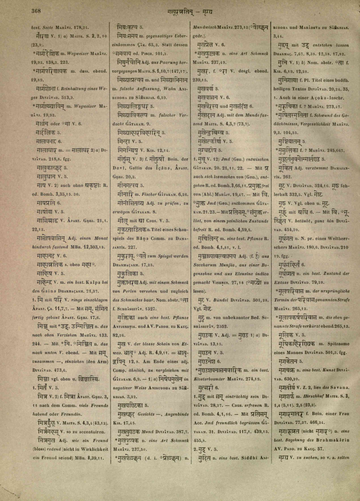
Apte 1890 substantive masculine · substantive neuter
Original text · English · substantive masculine · substantive neuter
mitraḥ [midyati snihyati, miṭ-tra, mi-tra vā] 1 The sun. 2 N. of an Āditya and usually associated with Varuṇa. — traṃ 1 A friend; tanmitramāpadi sukhe ca samakriyaṃ yat Bh. 2. 68; Me. 17. ([Page 0865-b]) 2 An ally, the next neighbour of a king; cf. maṃḍala. Comp. — ācāraḥ conduct towards a friend. — udayaḥ 1 sun-rise. 2 the welfare or prosperity of a friend. — karman, -kā, ryaṃ, -kṛtyaṃ the business of a friend, a friendly act or service; R. 19. 31. — ghna a. treacherous. — druh, -drohin a. hating a friend, treacherous to a friend, a false or treacherous friend. — bhāvaḥ friendship. — bhedaḥ breach of friendship. — yuddhaṃ a contest between friends. — lābhaḥ 1 acquisition of friends, contracting of friendship. 2 N. of the first book of the Hitopadeśa. — vatsala a. kind to friends, of winning manners. — viṃdaḥ an epithet of Agni. — viṣayaḥ friendship. — saptamī N. of the seventh day in the bright half of mārgaśīrṣa. — saha a. kind or indulgent to friends. — hatyā the murder of a friend.
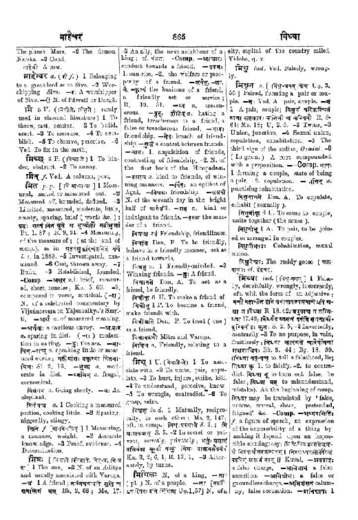
Cappeller 1887 substantive masculine
Original text · German · substantive masculine
mitrá m. Freund (auch n.), die Sonne; N. eines Āditya, Mannsn. n. Freundschat.
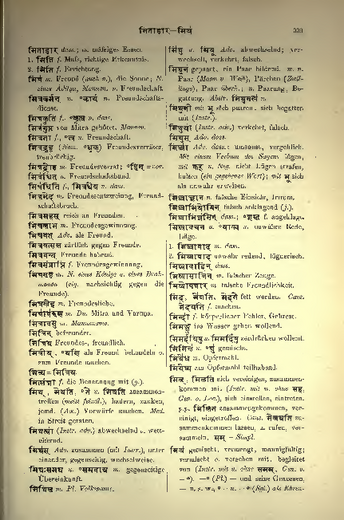
Burnouf 1866 Word type unspecified
Original text · French · Word type unspecified
mitra mitra ou mittra n. [m. f. n. en compos.] (mid) ami; allié. — M. (? mā; sfx. tra) le Soleil; zd. mithra. — F. mitrī la mère de Śatrughna. mitratā f. amitié. mitradroha m. sévice exercé contre un ami. mitrayu a. affectueux, sympathique. — S. m. qqn. qui connaît ou conserve les usages et les traditions populaires. Ami. mitrayuddha n. (yudh) combat entre amis, entre alliés. mitravatsala a. qui inspire l'affection, sympathique. mitrīye (dénom.) se montrer ami, agir en ami.
Occurrences in source texts (2)
SiSa 1 occurrence
VBT 1 occurrence
Continue with AYI Free
Image source: AYI archive.