

pramāṇa प्रमाण – means of valid cognition; valid cognition
substantive masculine · substantive neuter · Word type unspecified
Dictionary sources
AYI dictionary substantive neuter
means of valid cognition; valid cognition
Derived from
Cappeller 1891 substantive neuter
Original text · English · substantive neuter
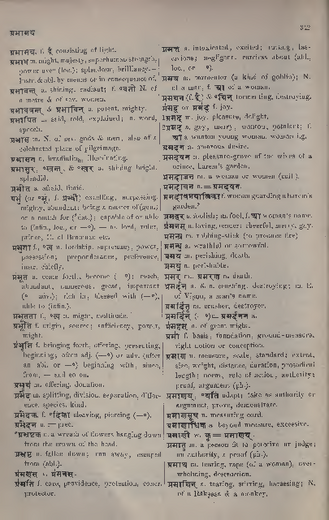
pramāṇa ·n. measure, scale, standard; extent, size, weight, distance, duration, prosodical length; norm, rule of action, authority; proof, argument (ph.).
Monier-Williams 1872 substantive neuter
Original text · English · substantive neuter
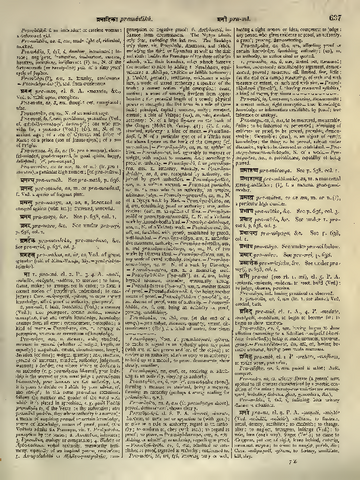
Pra-māṇa, am, n. measure, scale, standard; measure in general (whether of weight, length, or capacity); magnitude, extent, circumference, length, duration (of time); weight, quantity; rule, sanction, ground of assurance, standard, authority, judgment, warrant; a decider, one whose advice or decision is an authority (e. g. pramāṇam bhavatī, your lady- ship is the warrant or you must judge; pramāṇam bhavantaḥ, your honours are the authority, i. e. it is yours to decide or I abide by your advice, cf. also strī-p˚; in this sense pramāṇa sometimes follows the number and gender of the word with which it is placed in apposition, e. g. yadi Vedāḥ pramāṇās te, if the Vedas be thy authorities; strī pramāṇī yeṣām, they whose authority is a woman); a means of acquiring pramā or certain knowledge, source of knowledge, means of proof, proof, (the Vedānta admits six Pramāṇas, viz. 1. Pratyakṣa, perception by the senses; 2. Anumāna, inference; 3. Upamāna, analogy or comparison; 4. Śabda or Āpta-vacana, verbal authority, trustworthy testi- mony, especially of an inspired person, revelation; 5. An-upalabdhi or Abhāva-pratyakṣa, non- perception or negative proof; 6. Arthāpatti, in- ference from circumstances. The Nyāya admits only four, excluding the last two. The Sāṅkhya only three, viz. Pratyakṣa, Anumāna, and Śabda, excluding the third or Upamāna as well as the fifth and sixth: besides the Pramāṇas of the three orthodox schools, with their branches, other schools increase the number to nine by adding 1. Sambhava, equi- valence; 2. Aitihya, tradition or fallible testimony; 3. Ceṣṭā, gesture); testimony, evidence; a scrip- ture, a work of sacred authority; a speaker of the truth; a correct notion, right conception; cause, motive; a sense of security, freedom from appre- hension; the prosodial length of a vowel; physical power or strength; the first term in a rule of three sum; principal, capital; oneness, unity; constant, eternal; a title of Viṣṇu; (as), m. rule, standard, authority; N. of a large fig-tree on the bank of the Ganges (Mahā-bh. Vana-p. 41); (ī), f. rule, standard, authority; a kind of metre.
Petersburger 1855 substantive masculine · substantive neuter · Word type unspecified
Original text · German · substantive masculine · substantive neuter
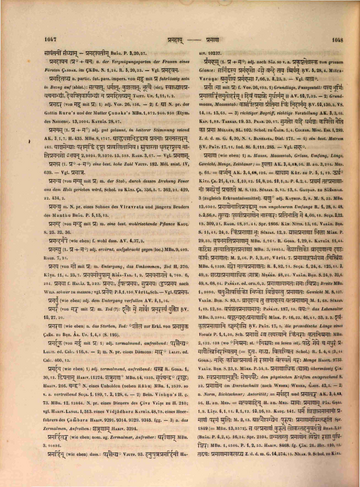
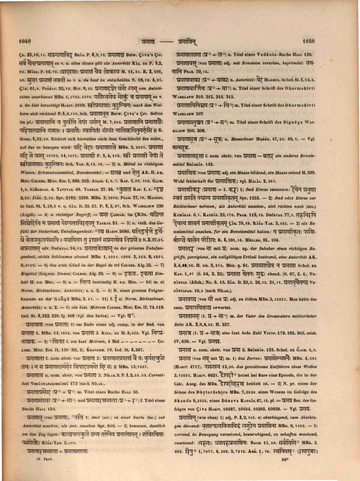
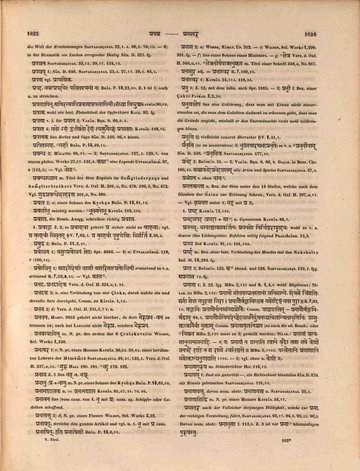
pramāṇa (wie eben) 1〉 n. Maass, Maassstab, Grösse, Umfang, Länge, Gewicht, Menge, Zeitdauer; = iyattā AK. 3,4,13,56. H. an. 3,214. MED. ṇ. 61. = varṣman AK. 3,4,18,126. = āyāma Kār. zu P. 5,1,19. ūrdhva˚ KĀTY. ŚR. 21,4,12. KĀTY. ŚR. 1,10,12. KĀTY. ŚR. 16,8,26. KĀTY. ŚR. 18,1,5. P. 6,2,4. prathamaṃ tatpramāṇānāṃ trasareṇuṃ pracakṣate M. 8,132. SŪRYAS. 5,13. SŪRYAS. 13,5. GAUḌAP._zu_SĀṂKHYAK. 3 (zugleich Erkenntnissmittel). aṇu˚ adj. KAṬHOP. 2,8. M. 8,32. MBH. 12,6901. pramāṇenātipravṛddhām von ungeheurem Umfange R. 1,28,8. R. 1,48,5. R. 2,56,8. tulyaḥ pṛthvīpramāṇena bhāskaraḥ pratibhāti me R. 4,60,18. SUŚR. 2,22,19. SUŚR. 2,309,21. RAGH. 18,37. RAGH. 18,41. Spr. 1866. KĀM. NĪTIS. 13,16. VARĀH. BṚH. S. 11,41. VARĀH. BṚH. S. 24,5. kiṃpramāṇā bhūḥ SŪRYAS. 12,2. grāsapramāṇā bhikṣā MĀRK. P. 29,35. vṛṣabhamatipramāṇam MBH. 1,761. R. GORR. 1,29,8. KATHĀS. 11,44. kaṭiśca tasyātikṛtapramāṇā MBH. 3,10054. keśāntiko brāhmaṇasya daṇḍaḥ kāryaḥ pramāṇataḥ M. 2,46. P. 5,2,37, Vārtt. 7. pramāṇarūpasaṃpanna (nistriṃśa) MBH. 4,1339. saro nalvapramāṇataḥ R. 6,82,71. SUŚR. 1,24,6. SUŚR. 1,125,11. SUŚR. 2,49,2. śayyāpramāṇādhika (gātra) MṚCCH. 48,24. VARĀH. BṚH. S. 24,9. VARĀH. BṚH. S. 32,6. VARĀH. BṚH. S. 49,8. VARĀH. BṚH. S. 68,14. PAÑCAT. ed. orn. 6,3. pramāṇāyāmataḥ samaḥ (vipraḥ) Breite MBH. 1,8080. catuḥsauvarṇiko niṣko vijñeyastu pramāṇataḥ Gewicht M. 8,137. VARĀH. BṚH. S. 83,7. brāhmasya tu kṣapāhasya yatpramāṇam M. 1,68. SŪRYAS. 1,19. SŪRYAS. 12,50. varpaśatapramāṇamāyuḥ PAÑCAT. 187,10. vayaḥ˚ das Lebensalter MBH. 3,2804. bahūnyahaḥpramāṇāni MĀRK. P. 16,32. MĀRK. P. 46,41. MĀRK. P. 53,2. MĀRK. P. 53,3. evaṃkḷptapramāṇāni cchandāṃsi ṚV. PRĀT. 17,1. die prosodische Länge eines Vocals P. 1,1,50, Sch. pramāṇe 'tha layasthāne kiṃnarāḥ kṛtaniśramāḥ MBH. 2,132. MBH. 2,138 (wo ˚niśramaḥ st. ˚niścayaḥ zu lesen ist). pāṭhe geye ca madhuraṃ pramāṇaistribhiranvitam (= druta, madhya, vilambita Schol.) R. 1,4,6 (R. 1,3,44 GORR.). nahi kaścitpramāṇaṃ te ratnānāṃ vetsyate naraḥ Menge HARIV. 9733. VARĀH. BṚH. S. 23,2. MĀRK. P. 54,2. pramāṇādhika (śvāsa) übermässig ŚĀK. 29. svapramāṇānurūpaiḥ secanaghaṭaiḥ den physischen Kräften entsprechend ŚĀK. 8,23. pramāṇena im Durchschnitt (nach WEBER) WEBER, JYOT. 42,5. — 2〉 n. Norm, Richtschnur; Autorität; = maryādā und pramātar AK. 3,4,13,56. H. an. MED. = satyavādin H. an. MED. grāmaḥ pramāṇam PĀR. GṚHY. 1,9. LĀṬY. 6,1,11. LĀṬY. 8,1,12. LĀṬY. 10,16,13. KAUŚ. 141. dharmaṃ jijñāsamānānāṃ pramāṇaṃ paramaṃ śrutiḥ M. 2,13. ātmaupamyena puruṣaḥ pramāṇamadhigacchati Spr. 1849 (= MBH. 13,5572). sa yatpramāṇaṃ kurute lokastadanuvartate BHAG. 3,21 (BHĀG. P. 6,2,4). BHAG. 16,24. Spr. 2104. janmatastu pramāṇena jyeṣṭho rājā yudhiṣṭhiraḥ MBH. 1,4506. P. 1,2,55. HARIV. 8468. fg. ŚĀK. 21. HIT. 110,12. tadvacaḥ pramāṇamākalayya Z. d. d. m. G. 14,574,15. NĪLAK. 9. Schol. zu KĀTY. ŚR. 23,10,11. apramāṇavid BHĀG. P. 8,9,13. pramāṇajña Beiw. Śivaʼs ŚIV. sarvaṃ caitatpramāṇam so v. a. alles dieses gilt als Autorität KĀŚ._zu_P. 5,2,92. MĀRK. P. 15,70. (brāhmaṇaḥ) pramāṇaṃ caiva lokasya M. 11,84. R. 2,101,26. śrutvā pramāṇaṃ bhavatī so v. a. du hast zu entscheiden N. 18,12. N. 4,31. ŚĀK. 61,8. PAÑCAT. 25,12. HIT. 8,13. pramāṇadṛṣṭo dharmo 'yam von Autoritäten anerkannt MBH. 1,4722. MBH. 1,4572. pāśaistvameva moktuṃ ca pramāṇam so v. a. du bist berechtigt HARIV. 8109. strīpramāṇāḥ kuṭumbinaḥ nach den Weibern sich richtend P. 5,4,116, Sch. pramāṇabhūta Beiw. Śivaʼs ŚIV. Selten im pl.: pramāṇāni ca kurvīta teṣāṃ dharmān M. 7,203. pramāṇāni pramāṇajñaiḥ paripālyāni yatnataḥ . pramāṇaiḥ sthāpitāṃ saṃsthāṃ nātikramitumarhasi .. R. GORR. 1,62,26. Richtet sich bisweilen nach dem Geschlecht des subst., auf das es bezogen wird: yadi vedāḥ pramāṇāste MBH. 3,2037. pramāṇā yadi te vayam MBH. 3,15793. MBH. 14,1675. pramāṇī P. 5,4,116. strī pramāṇī yeṣāṃ te strīpramāṇāḥ kuṭumbinaḥ Sch. VOP. 6,15. VOP. 6,16. — 3〉 n. Mittel zu richtigem Wissen, Erkenntnissmittel, Beweismittel; = śāstra und hetu AK. H. an. MED. COLEBR. Misc. Ess. I, 266. COLEBR. Misc. Ess. I,302. YOGAS. 1,6. YOGAS. 1,7. KAP. 1,89. KAP. 1,103. JAIM. 1,5. SĀṂKHYAK. 4. TATTVAS. 48. TARKAS. 27. TARKAS. 48. ˚kuśala KAP. 1,4. ˚dṛṣṭa KAP. 2,25. YĀJÑ. 2,22. Spr. 2182. Spr. 2389. MBH. 3,2803. PRAB. 27,19. MADHUS._in_Ind. St. 1,18,6 v. u. SĀH. D. 35. SĀH. D. 57. P. 8,2,97, Sch. WASSILJEW 330 (Logik). — 4〉 n. richtiger Begriff, = pramā ŚABDAR._im_ŚKDR. agninā siñcediti na pramāṇaṃ yogyatāvirahāt TARKAS. 51. — 5〉 n. viell. das Gefühl der Sicherheit, Unbefangenheit: ˚stha HARIV. 5680. atidurvṛtte durmedhe kekayakulapāṃsani . vañcayitvā tu rājānaṃ sapramāṇeva tiṣṭhase .. R. 2,37,21. sapramāṇam adv. DHŪRTAS. 94,12. pramāṇakoṭyām in der grössten Unbefangenheit, nichts Schlimmes ahnend MBH. 1,2241. MBH. 1,4996. MBH. 3,542. MBH. 8,4251. MBH. 9,3149. — 6〉 das erste Glied in der Regel de tri COLEBR. Alg. 33. — 7〉 Kapital (Gegens. Zinsen) COLEBR. Alg. 39. — 8〉 = ekatva, ekatā Einheit H. an. MED. — 9〉 n. = nitya beständig H. an. MED. — 10〉 m. a〉 Norm, Richtschnur, Autorität; s. u. 2. — b〉 N. eines grossen Feigenbaumes an der Gaṅgā MBH. 3,41. — 11〉 f. ī a〉 Norm, Richtschnur, Autorität; s. u. 2. — b〉 ein best. Metrum COLEBR. Misc. Ess. II, 74. COLEBR. Misc. Ess. II,118. Ind. St. 8,222. fg. Ind. St. 8,329. fg. Ind. St. 8,468 (vgl. den Index). — Vgl. a˚.
Original text · German · Word type unspecified
pramāṇa 1〉 Z. 22. fgg. MBH. 2,132 und R. 1,4,6 wohl Rhythmus; NĪLAK._zu_MBH. 2,132: pramāṇe gītavādyatālānāṃ dhvanisāmye. divase viṃśatiḥ sargā geyā madhurayā girā . pramāṇairbahubhistatra yathoddiṣṭaṃ mayā purā .. R. 7,93,10. bahubhiḥ pramāṇairnānāsaṃkhyaślokaiḥ Comm. pāṭhyajātim — pramāṇairbahubhirbaddhām R. 7,94,3. pramāṇairdhvaniparicchedasādhanairdrutamadhyavilambitāvṛttibhiḥ prāguktasthānairvā yuktām Comm. pramāṇakṛtaniścaya (so auch die ed. Bomb.) oder ˚niśrama MBH. 2,138 muss zu 3〉 gestellt werden; NĪLAK.: pramāṇaṃ pratyakṣānumānāgamādi. — 4〉 yaḥ pramāṇaṃ na jānāti sthāne vṛddhau tathā kṣaye kośe janapade daṇḍe na sa rājye 'vatiṣṭhate .. MBH. 5,1103. yastvetāni pramāṇāni yathoktānyanupaśyati MBH. 5,1104. — 5〉 vgl. oben u. koṭi 2〉.
Original text · German · Word type unspecified
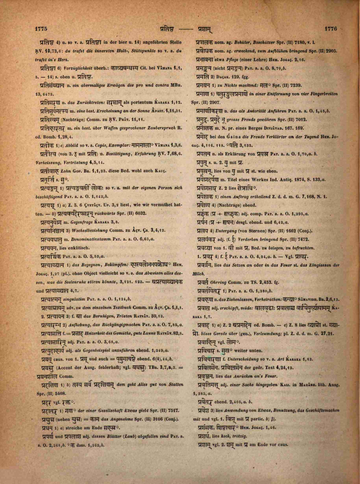
pramāṇa 1〉 caturaṅgulapramāṇe in einer Entfernung von vier Fingerbreiten Spr. (II) 2907.
Böhtlingk 1879 substantive masculine · substantive neuter
Original text · German · substantive masculine · substantive neuter
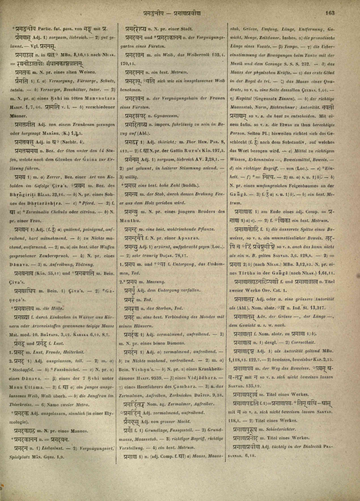
pramāṇa — 1〉 n. (adj. Comp. f. ā) — a〉 Maass, Maassstab, [Page4-163-c] Grösse, Umfang, Länge, Entfernung, Gewicht, Menge, Zieldauer. Insbes. — α〉 die prosodische Länge eines Vocals. — β〉 Tempo. — γ〉 die Uebereinstimmung der Bewegungen beim Tanze mit der Musik und dem Gesange S. S. S. 252. — δ〉 das Maass der physischen Kräfte. — ε〉 das erste Glied in der Regel de tri. — ζ〉 das Maass eines Quadrats so v. a. eine Seite desselben ŚULBAS. 1,46. — η〉 Kapital (Gegensatz Zinsen). — b〉 der richtige Maassstab, Norm, Richtschnur; Autorität bhavatī pramāṇam so v. a. du hast zu entscheiden. Mit einem Infin. so v. a. die Etwas zu thun berechtigte Person. Selten Pl. bisweilen richtet sich das Geschlecht (f. ī) nach dem Substantiv, auf welches das Wort bezogen wird. — c〉 Mittel zu richtigem Wissen, Erkenntniss —, Beweismittel, Beweis. — d〉 ein richtiger Begriff, — von (Loc.). — e〉 *Einheit. — f〉 *= nitya. — 2〉 m. — a〉 s. u. 1〉b〉. — b〉 N. pr. eines umfangreichen Feigenbaumes an der Gaṅgā. — 3〉 f. ī — a〉 s. u. 1〉b〉 ein best. Metrum.
Apte 1890 substantive neuter
Original text · English · substantive neuter
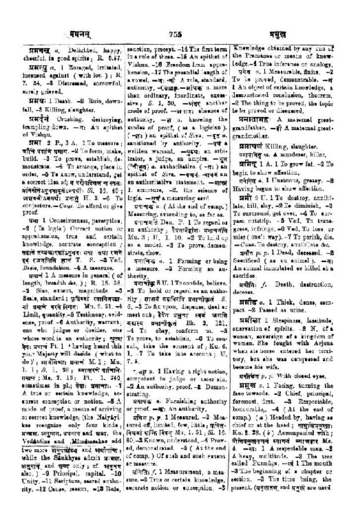
pramāṇaṃ 1 A measure in general (of length, breadth &c.); R. 18. 38. 2 Size, extent, magnitude. 3 Seale, standard; pṛthivyāṃ svāmibhaktānāṃ pramāṇe parame sthitaḥ Mu. 2. 21. 4 Limit, quantity. 5 Testimony, evidence, proof. 6 Authority, warrant; one who judges or decides, one whose word is an authority; śrutvā devaḥ pramāṇaṃ Pt. 1 ‘having heard this your Majesty will decide (what to do)’; āryamiśrāḥ pramāṇaṃ M. 1; Mu. 1. 1; Ś. 1. 22; vyākaraṇe pāṇiniḥ pramāṇaṃ; Ms. 2. 13; Pt. 1. 240; sometimes in pl.; vedāḥ pramāṇāḥ. 7 A true or certain knowledge, accurate conception or notion. 8 A mode of proof, a means of arriving at correct knowledge; (the Naiyāyikas recognize only four kinds; pratyakṣa, anumāna, upamāna and śabda, the Vedāntins and Mīmāṃsakas add two more anupalabdhi and arthāpatti; while the Sāṃkhyas admit pratyakṣa, anumāna and śabda only; cf. anubhava also.) 9 Principal, capital. 10 Unity. 11 Scripture, sacred authority. 12 Cause, reason. 13 Rule, ([Page 0755-b]) sanction, precept. 14 The first term in a rule of three. 15 An epithet of Viṣṇu. 16 Freedom from apprehension. 17 The prosodial length of a vowel. — ṇaḥ -ṇī A rule, standard, authority. Comp. — adhika a. more than ordinary, inordinate, excessive; Ś. 1. 30. — aṃtaraṃ another mode of proof. — abhāvaḥ absence of authority. — jña a. knowing the modes of proof, (as a logician). — (jñaḥ) an epithet of Śiva. — dṛṣṭa a. sanctioned by authority. — patraṃ a written warrant. — puruṣaḥ an arbitrator, a judge, an umpire. — bhūta (˚ṇībhūta) a. authoritative. — (taḥ) an epithet of Śiva. — vacanaṃ, -vākyaṃ an an authoritative statement. — śāstraṃ 1 scripture. 2 the science of logic. — sūtraṃ a measuring cord.
Cappeller 1887 substantive neuter
Original text · German · substantive neuter
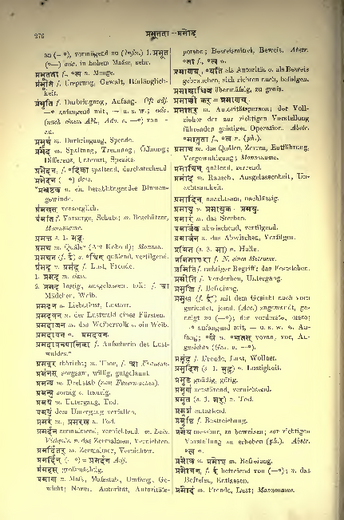
pramāṇa n. Maß, Maßstab, Umfang, Gewicht; Norm, Autorität, Autoritäts- [Page276-2] person; Beweismittel, Beweis. Abstr. ˚tā f., ˚tva n.
Burnouf 1866 substantive neuter
Original text · French · substantive neuter
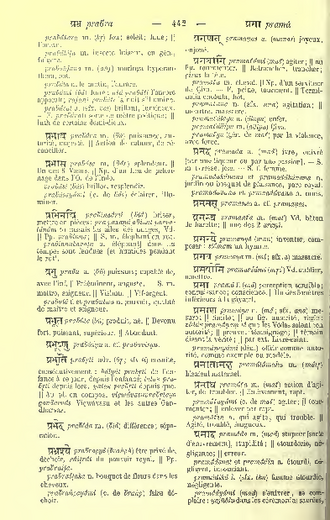
pramāṇa pramāṇa n. (mā; sfx. ana) mesure; limite; au fig. autorité, règle: vedās pramāṇaṃ te que les Vedas soient ton autorité; preuve, témoignage; témoin disant la vérité; par ext. Livre-saint. pramāṇayāmi (dén.) offrir comme autorité, comme exemple ou modèle.
Derived words
Occurrences in source texts (5)
GoS 1 occurrence
HTK 1 occurrence
Continue with AYI Free
Image source: AYI archive.