

yajña यज्ञ – sacrifice; sacrificial rite
substantive masculine · Word type unspecified
Dictionary sources
AYI dictionary substantive masculine
sacrifice; sacrificial rite
Cappeller 1891 substantive masculine
Original text · English · substantive masculine
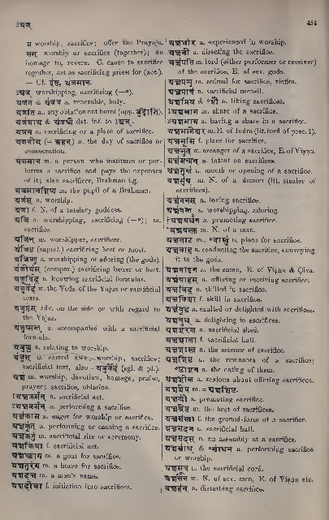
yajñá ·m. worship, devotion, homage, praise, prayer; sacrifice, oblation.
Monier-Williams 1872 substantive masculine
Original text · English · substantive masculine
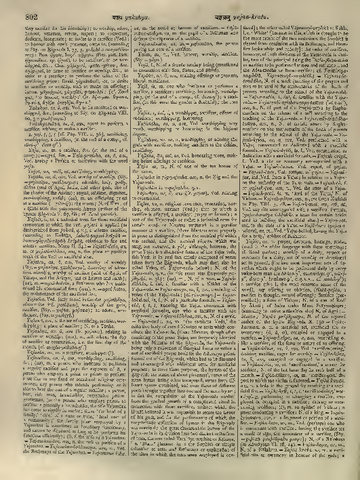
Yajña, as, m. prayer, devotion, homage, praise, (used in the older language with these meanings; cf. Zend yaśna); worship of a deity, respect or reverence for a deity, act of worship or devotional act in general, (the five most important acts of de- votion which ought to be performed daily by every twice-born man are bhūta-y˚, manuṣya-y˚, pitṛ- y˚, deva-y˚, brahma-y˚, q. q. v. v.; cf. mahā-y˚); a sacrifice (this is the most common sense of the word), any offering or oblation, (cintā-yajña, a sacrifice in thought, mental offering); Sacrifice (per- sonified); a form of Viṣṇu; N. of a son of Ruci by Ākūti; of Indra under Manu Svāyambhuva; (according to native authorities also) N. of Agni; = ātman; Yajña prājāpatya, N. of the reputed author of the hymn Ṛg-veda X. 130.
Petersburger 1855 substantive masculine
Original text · German · substantive masculine
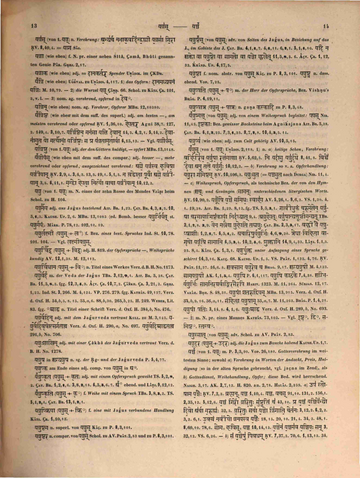
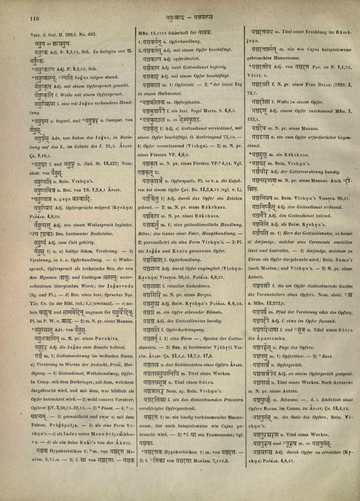
yajñá (von 1. yaj) m. P. 3,3,90. VOP. 26,180. Gottesverehrung im weitesten Sinne; sowohl a〉 Verehrung in Worten der Andacht, Preis, Huldigung (so in der alten Sprache gebraucht, vgl. yaçna im Zend), als b〉 Gottesdienst, Weihehandlung, Opfer; diese Bed. wird herrschend. NAIGH. 3,17. AK. 2,7,13. H. 820. H. an. 2,78. HALĀY. 2,259. a〉 upà stoṣāma ya̱jñaiḥ ṚV. 7,2,2. brahman, yajña ṚV. 1,10,4. yajña, vacas ṚV. 91,10. ṚV. 131,2. ṚV. 156,1. ṚV. 2,35,12. ṚV. 5,12,6. ya̱jñaṃ girò jari̱tuḥ sùṣṭu̱tiṃ cà ṚV. 5,43,10. pra ya̱jñaṃ ya̱jñiyèbhyo di̱vo àrcā ma̱rudbhyàḥ ṚV. 5,52,5. ja̱ri̱tuḥ sacā̀ ya̱jño jìgāti̱ cetànaḥ ṚV. 3,12,2. ṚV. 6,2,2. ṚV. 6,3,2. ṚV. 6,6,1. u̱kthaṃ navī̀yo janayasva ya̱jñaiḥ ṚV. 18,15. ṚV. 20,10. ṚV. 21,4. ṚV. 34,2. ṚV. 48,1. ṚV. 8,60,10. ṚV. 78,6. soma, havis, yajña ṚV. 10,14,13. ya̱jñenà ya̱jñamàva ya̱jñiya̱ḥ san ṚV. 3,32,12. VS. 6,26. — b〉 saṃ ya̱jñeṣù pibadhvam ṚV. 7,37,2. ṚV. 7,70,6. ṚV. 1,13,12. ṚV. 1,34,3. ṚV. 1,13,9. ṚV. 1,84,2. tenà ya̱jñenà va̱kṣaṇā̱ ā pṛ̀ṇadhvam ṚV. 1,162,5. hū̱yamā̀nāḥ so̱tṛbhi̱rupà ya̱jñam ṚV. 4,29,2. i̱maṃ ya̱jñaṃ canò dhā agna u̱śanyaṃ tà āsā̱no jùhu̱te ha̱viṣmā̀n ṚV. 6,10,6. ṚV. 6,14,2. AV. 1,15,1. AV. 4,23,2. AV. 7,20,1. AV. 7,20,4. AV. 7,20,5. AV. 12,1,22. VS. 2,6,4,9. ŚAT. BR. 1,1,4,3. ŚAT. BR. 1,3,2,2. yajñāḥ saṃkalpasaṃbhavāḥ M. 2,3. yajñādhyayananitya R. 1,6,14. yajñāścaivāptadakṣiṇāḥ R. 1,53,24. hato yajñastvadakṣiṇaḥ Spr. 809. RAGH. 1,26. VARĀH. BṚH. S. 13,11. VARĀH. BṚH. S. 45,5. yajñaṃ yaj ṚV. 1,142,8. ṚV. 1,13,8. R. 2,72,27. ī̱je ya̱jñeṣù ya̱jñiyàm ṚV. 6,16,4. VS. 17,55. yajñena yaj ŚĀṄKH. ŚR. 16,10,15. M. 6,36. fg. M. 8,306. fg. M. 11,39. MBH. 13,328. BHAG. 9,20. R. 1,58,20. BHĀG. P. 3,13,11. yajñena car KĀTY. ŚR. 25,14,29. yajñaṃ bhar ṚV. 1,122,1. ṚV. 2,5,8. yajñaṃ tan ṚV. 7,10,2. AV. 4,14,4. AIT. BR. 2,11. M. 4,205. yajñaṃ vitan M. 3,28. ŚĀK. 193. BHĀG. P. 3,24,24. ˚vitāna BHĀG. P. 1,33. ˚saṃtati BHĀG. P. 4,7,17. yajñaṃ kar ṚV. 4,34,3. pra yànti ya̱jñam ṚV. 7,21,2. ṚV. 7,44,2. ṚV. 4,39,5. yajñaṃ gacchenna cāvṛtaḥ M. 4,57. yajñameva devā upāyan ŚAT. BR. 3,2,1,18. parì ya̱jñaṃ ni ṣèdathuḥ ṚV. 4,56,7. yajñamadhīyānāḥ ŚAT. BR. 14,6,7,1. pra̱ya̱ti ya̱jñe ṚV. 3,29,16. ṚV. 6,10,1. sadyaḥ saṃtiṣṭhate yajñaḥ M. 5,98. sarvathā vartate yajñaḥ M. 2,15. ˚nirvṛtti M. 4,23. ˚siddhi M. 1,23. M. 11,12. ˚saṃstara MBH. 12,791. ˚prayāna Verz. d. Oxf. H. 345,b,31. ˚samṛddhi ebend. ˚bhaṅga Verz. d. Oxf. H. 138,b, No. 272. divaṃ devāṃstṛtīyaṃ yajño 'gāt ŚĀṄKH. ŚR. 3,20,4. yajñasya ṛtvik ṚV. 1,1,1. ṚV. 1,44,11. yajñasya ketuḥ s. u. ketu. brāhmaṇa˚ KĀTY. ŚR. 19,1,1. rāja˚ KĀTY. ŚR. 20,1,1. vaiśya˚ KĀTY. ŚR. 22,11,7. gaṇa˚ KĀTY. ŚR. 12. eka˚ KĀTY. ŚR. 25,13,30. dvi˚ KĀTY. ŚR. 22,11,14. dvijadevayajñayogaprasaktadhī VARĀH. BṚH. S. 69,38. giri˚ ein zu Ehren eines Berges veranstaltetes Opfer HARIV. 3850. yuddha˚ eine als Opfer gedachte Schlacht HARIV. 13213. fg. vivāhayajñe vitate KUMĀRAS. 7,47. jñāna˚ BHAG. 9,15. prastāva˚ Spr. 3273. tūṣṇīmayajñe dakṣiṇāḥ LĀṬY. 2,8,30. vediryajñasyāgneruttaravediḥ KAUŚ. 127. ˚kāṇḍa PAÑCAV. BR. 11,11,2. PAÑCAV. BR. 13,6,2. ˚rūpa ŚAT. BR. 5,3,5,20. ŚAT. BR. 12,8,2,15. KĀTY. ŚR. 15,5,11. MUṆḌ. UP. 1,2,7. ˚rūpadhṛk PAÑCAR. 4,8,26. ˚liṅga BHĀG. P. 3,13,13. ˚kīrti Ind. St. 3,459,9. ˚saṃbhārāḥ BHĀG. P. 2,6,22. ˚goṣṭhyaḥ (˚goṣṭhāḥ ed. Bomb.) R. 2,71,37. ˚śiṣṭāśana M. 3,118. fünf Opfer: deva˚, bhūta˚, pitṛ˚, brahma˚, manuṣya˚ ĀŚV. GṚHY. 3,1,1—ĀŚV. GṚHY. 3,1,4. M. 3,70. M. 3,73. M. 5,169. MBH. 3,5025. MBH. 3,10662. cakṣurdadyānmano dadyādvācaṃ dadyācca sūnṛtām . anuvrajedupāsīta sa yajñaḥ pañcadakṣiṇaḥ .. MBH. 3,349. fg. Personificirt HARIV. 11674. HARIV. 14187. VP. 67. fg. BHĀG. P. 8,16,31. mit dem patron. Prājāpatya, angeblicher Verfasser von ṚV. 10,130. gāthā yajñagīthā (vgl. yajñagāthā) MBH. 12,791. MBH. 12,2316. eine Form Viṣṇuʼs MBH. 12,1510. BHĀG. P. 3,13,22. BHĀG. P. 8,1,18. BHĀG. P. 8,14,3. PAÑCAR. 4,3,119. H. an. ein Sohn Ruciʼs von der Ākūti VP. 54. Indra unter Manu Svāyaṃbhuva BHĀG. P. 4,1,8. Nach H. an. noch ein Name des Feuers und = ātman. — Vgl. a˚, adhi˚, ṛṣi˚, go˚, graha˚, japa˚, deva˚, nāma˚, nṛ˚, pari˚, paśu˚, pāka˚, pitṛ˚, punaryajña, prathama˚, bīja˚, brahma˚, brāhmaṇa˚, bhartṛ˚, bhūta˚, manuṣya˚, mahā˚, mātṛ˚, mitra˚, rāja˚, vidhi˚, veda˚, yājñāyani, yājñika.
Böhtlingk 1879 substantive masculine
Original text · German · substantive masculine
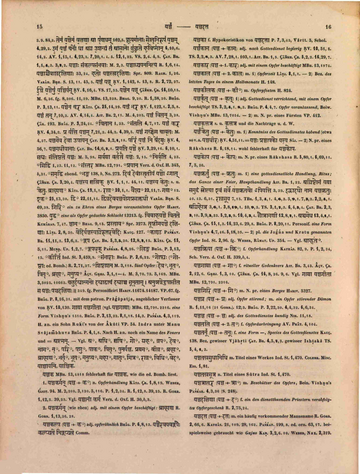
yajñá m. — 1〉 Gottesverehrung im weitesten Sinne. — a〉 Verehrung in Worten der Andacht, Preis, Huldigung. — b〉 Gottesdienst, Weihehandlung, Opfer. In Comp. mit dem Darbringer, mit dem, welchem dargebracht wird, und mit dem, was bildlich als Opfer betrachtet wird. — 2〉 wohl concret Verehrer, Opferer ṚV. 3,30,15. 32,12. — 3〉 *Feuer. — 4〉 *= ātman. — 5〉 personificirt und zwar — a〉 mit dem Patron. Prājāpatya. — b〉 als eine Form Viṣṇuʼs. — c〉 als Indra unter Manu Svāyaṃbhuva. — d〉 als ein Sohn Ruciʼs vor der Ākūti.
Apte 1890 substantive masculine
Original text · English · substantive masculine
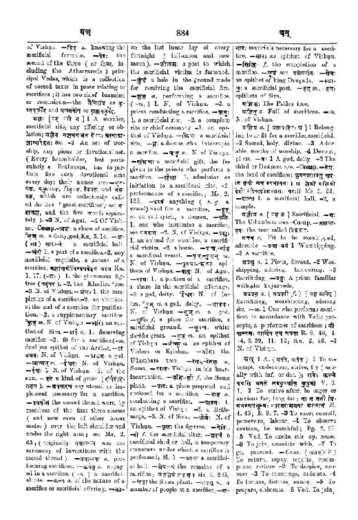
yajñaḥ [yaj-bhāve na] 1 A sacrifice, sacrificial rite; any offering or oblation; yajñena yajñamayajaṃta devāḥ; tasmādyajñātsarvahutaḥ &c. 2 An act of worship, any pious or devotional act. (Every householder, but particularly a Brāhmaṇa, has to perform five such devotional acts every day; their names are: -bhūtayajña, manuṣyayajña, pitṛyajña, devayajña, and brahmayajña, which are collectively called the five ‘great sacrifices’; see mahāyajña, and the five words separately). 3 N. of Agni. 4 Of Viṣṇu. Comp. — aṃśaḥ a share of sacrifice. ˚bhuj m. a deity, god, Ku. 3. 14. — a (ā) gāraḥ -raṃ a sacrificial hall. — aṃgaṃ 1 a part of a sacrifice. 2 any sacrificial requisite, a means of a sacrifice; yajñāṃgayonitvamavekṣya yasya Ku. 1. 17. — (gaḥ) 1 the glomerous fig-tree (uduṃbara). 2 the Khadira tree. 3 N. of Viṣṇu. — aṃtaḥ 1 the completion of a sacrifice. 2 an ablution at the end of a sacrifice for purification. 2 a supplementary sacrifice ˚kṛt m. N. of Viṣṇu. — ariḥ an epithet of Śiva. — arha a. 1 deserving sacrifice 2 fit for a sacrifice. ( — m. dual) an epithet of the Aśvins. — avayavaḥ N. of Viṣṇu. — aśanaḥ a god. — ātman m. — īśvaraḥ N. of Viṣṇu. — īśaḥ 1 N. of Viṣṇu. 2 of the sun. — iṣṭaṃ a kind of grass ( dīrgharehitatṛṇa). — upakaraṇaṃ any utensil or implement necessary for a sacrifice. — upavītaṃ the sacred thread worn by members of the first three classes (and now even of other lower castes) over the left shoulder and under the right arm; see Ms. 2. 63; (originally yajñopavati was the ceremony of investiture with the sacred thread). — upāsaka a. performing sacrifices. — karman a. engaged in a sacrifice. ( — n.) a sacrificial rite. — kalpa a. of the nature of a sacrifice or sacrifical offering. ([Page 0884-b]) — kālaḥ the last lunar day of every fortnight (full-moon and new moon). — kīlakaḥ a post to which the sacrificial victim is fastened. — kuṃḍaṃ a hole in the ground made for receiving the sacrificial fire. — kṛt a. performing a sacrifice. ( — m.) 1 N. of Viṣṇu. 2 a priest conducting a sacrifice. — kratuḥ 1 a sacrificial rite. 2 a complete rite or chief ceremony. 3 an epithet of Viṣṇu. — kriyā a sacrificial rite. — ghnaḥ a demon who interrupts a sacrifice. — trātṛ m. N. of Viṣṇu. — dakṣiṇā a sacrificial gift, the fee given to the priests who perform a sacrifice. — dīkṣā 1 admission or initiation to a sacrificial rite. 2 performance of a sacrifice; Ms. 2. 169. — dravyaṃ anything (e. g. a vessel) used for a sacrifice. — druh m. an evil spirit, a demon. — patiḥ 1 one who institutes a sacrifice. see yajamāna. 2 N. of Viṣṇu. — paśuḥ 1 an animal for sacrifice, a sacrificial victim. 2 a horse. — pātraṃ, -bhāṃḍaṃ a sacrificial vessel. — puṃs -pupān m. N. of Viṣṇu. — puruṣaḥ, -phaladaḥ epithets of Viṣṇu. — bāhuḥ N. of Agni. — bhāgaḥ 1 a portion of a sacrifice, a share in the sacrificial offerings. 2 a god, deity. ˚īśvaraḥ N. of Indra. ˚bhuj m. a god, deity. — bhāvanaḥ N. of Viṣṇu. — bhuj m. a god. — bhūmiḥ f. a place for sacrifice, a sacrificial ground. — bhūṣaṇaḥ white darbha grass. — bhṛt m. an epithet of Viṣṇu — bhoktṛ m. an epithet of Viṣṇu or Kṛṣṇa. — yogaḥ the Udumbara tree. — rasaḥ, -retas n. Soma. — varāhaḥ Viṣṇu in his boarincarnation. — valliḥ llī f. the Soma plant. — vāṭaḥ a place prepared and enclosed for a sacrifice. — vāha a. conducting a sacrifice. — vāhanaḥ 1 an epithet of Viṣṇu. 2 a Brāhmaṇa. 3 N. of Śiva. — vīryaḥ N. of Viṣṇu. — vṛkṣaḥ the fig-tree. — vediḥ, — dī f. the sacrificial altar. — śaraṇaṃ a sacrificial shed or hall, a temporary structure under which a sacrifice is performed; M. 5. — śālā a sacrificial hall. — śeṣaḥ -ṣaṃ the remains of a sacrifice; yataśeṣaṃ tatha mṛtaṃ Ms. 3. 285. — śreṣṭhā the Soma plant. — sadas n. a number of people at a sacrifice. ([Page 0884-c]) — saṃbhāraḥ materials necessary for a sacrifice. — sāraḥ an epithet of Viṣṇu. — siddhiḥ f. the completion of a sacrifice. — sūtraṃ see yajñopavīta. — senaḥ an epithet of king Drupada. — sthāṇuḥ a sacrificial post. — han m., — hanaḥ epithets of Śiva.
Burnouf 1866 Word type unspecified
Original text · French · Word type unspecified
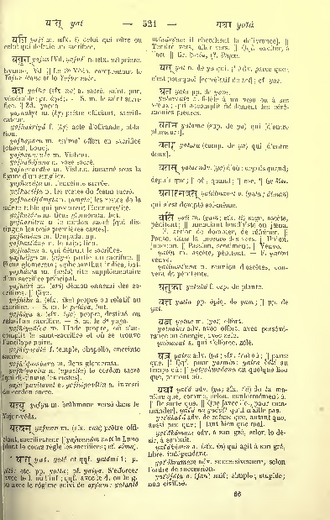
yajña yajña (sfx. na) a. sacré, saint, pur, vénérable; gr. ἁγνός. — S. m. le saint sacrifice. Zd. yaçna. yajñakṛt m. (kṛ) prêtre officiant, sacrificateur. yajñakriyā f. (kṛ) acte d'offrande, oblation. yajñapaśu m. animal offert en sacrifice [cheval, bouc]. yajñapuruṣa m. Viṣṇu. yajñabhājana n. vase sacré. yajnavarāha m. Viṣṇu, incarné sous la figure d'un sanglier. yajñavāṭa m. l'enceinte sacrée. yajñaśiṣṭa n. les restes du festin sacré. yajñaśiṣṭāmṛta n. (amṛta) les restes de la sainte table qui procurent l'immortalité. yajñasāra m. ficus glomerata, bot. yajñasūtra n. le cordon sacré [qui distingue les trois premières castes]. yajñasena m. Drupada, np. yajñasthāna n. le saint lieu. yajñahan a. qui détruit le sacrifice. yajñāṅga m. (aṅga) partie du sacrifice. Ficus glomerata; siphonanthus indica, bot. yajñānta m. (anta) rite supplémentaire d'un sacrifice principal. yajñāri m. (ari) démon ennemi des sacrifices. Śiva. yajñika a. (sfx. ika) propre ou relatif au sacrifice. — S. m. le patāśa, bot. yajñiya a. (sfx. iya) propre, destiné ou relatif au sacrifice. — S. m. le 3ᵉ yuga. yajñiyadeśa m. l'Inde propre, où s'accomplit le saint-sacrifice et où se trouve l'antilope noire. yajñiyaśālā f. temple, chapelle, enceinte sacrée. yajñīḍumbara m. ficus glomerata. yajñīpavīta n. (upavīta) le cordon sacré [qui distingue les castes]. yajñopavītavat et yajñopavītin a. investi du cordon sacré.
Occurrences in source texts (2)
SiSa 1 occurrence
SVU 1 occurrence
Continue with AYI Free
Image source: AYI archive.