Retroflex plosives

These are plosive consonants which are formed in a retroflex way (i.e. with the tongue rolled back).
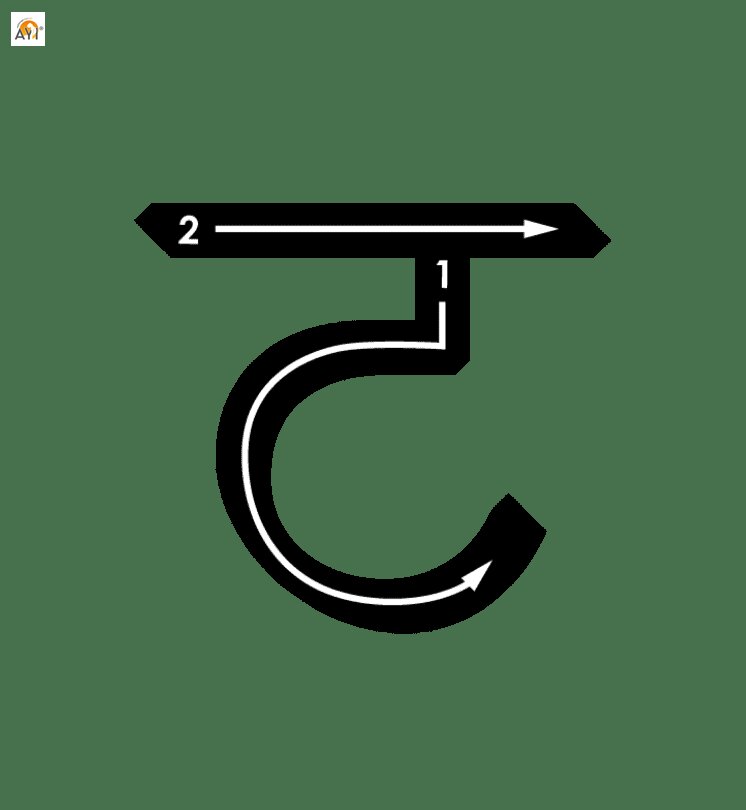
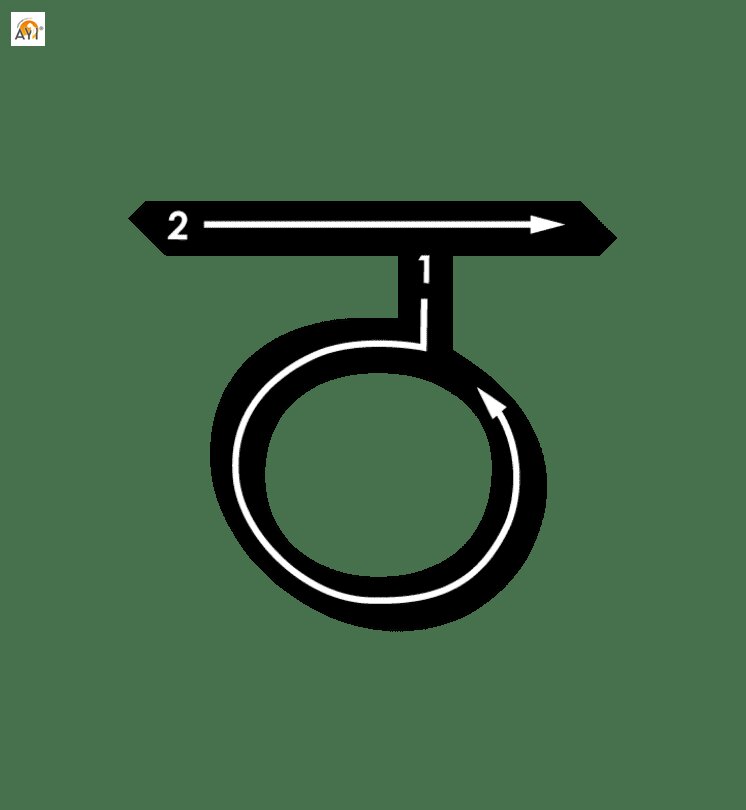
ṭa

Writing

  1. Draw a short vertical line downwards, followed by an anticlockwise curve towards the bottom right.
  2. Draw the horizontal line above the letter from left to right.

Pronunciation

  • An unvoiced ṭ, as in Aṣṭāṅga; this sound does not occur in German.
  • Retroflex place of articulation: behind the front teeth.

ट / ṭa

ṭha

Writing

  1. Draw a short vertical line downwards, followed by an anticlockwise circle.
  2. Draw the horizontal line above the letter from left to right.

Pronunciation

  • An unvoiced, aspirated ṭh; this sound does not occur in German.
  • Retroflex place of articulation: behind the front teeth.

ठ / ṭha

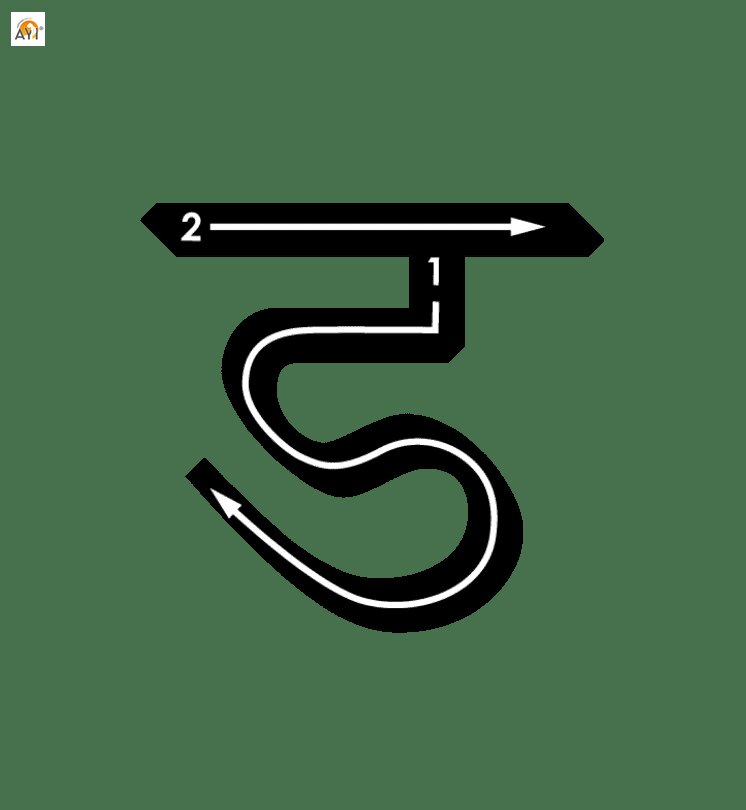
ḍa

Writing

  1. Draw a short vertical line downwards, followed by an S-shaped line.
  2. Draw the horizontal line above the letter from left to right.

Pronunciation

  • A voiced ḍ; this sound does not occur in German.
  • Retroflex place of articulation: behind the front teeth.

ड / ḍa

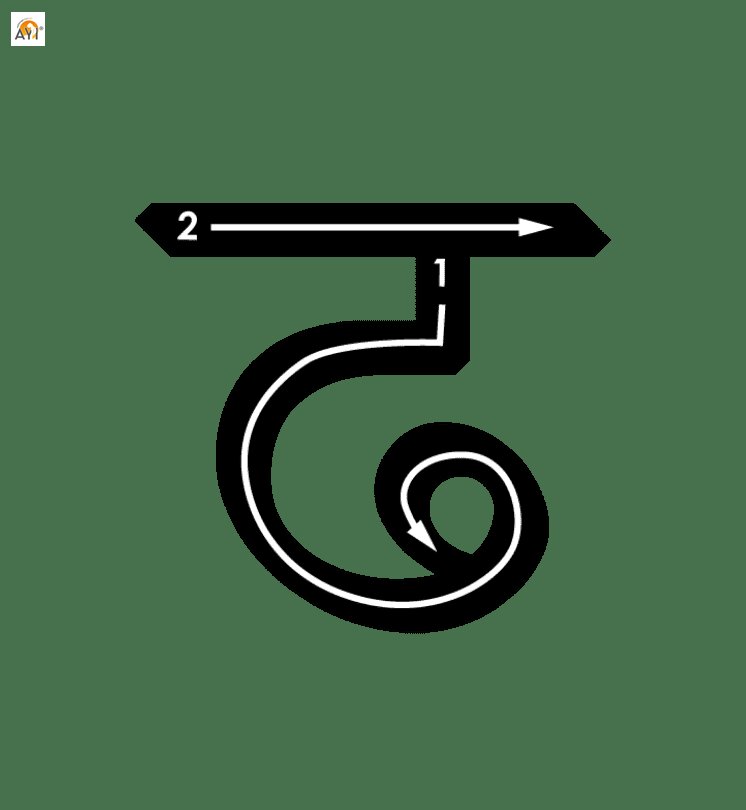
ḍha

Writing

  1. Draw a short vertical line downwards, followed by an anticlockwise curve with a small circle at the end.
  2. Draw the horizontal line above the letter from left to right.

Pronunciation

  • A voiced, aspirated ḍh; this sound does not occur in German.
  • Retroflex place of articulation: behind the front teeth.

ढ / ḍha

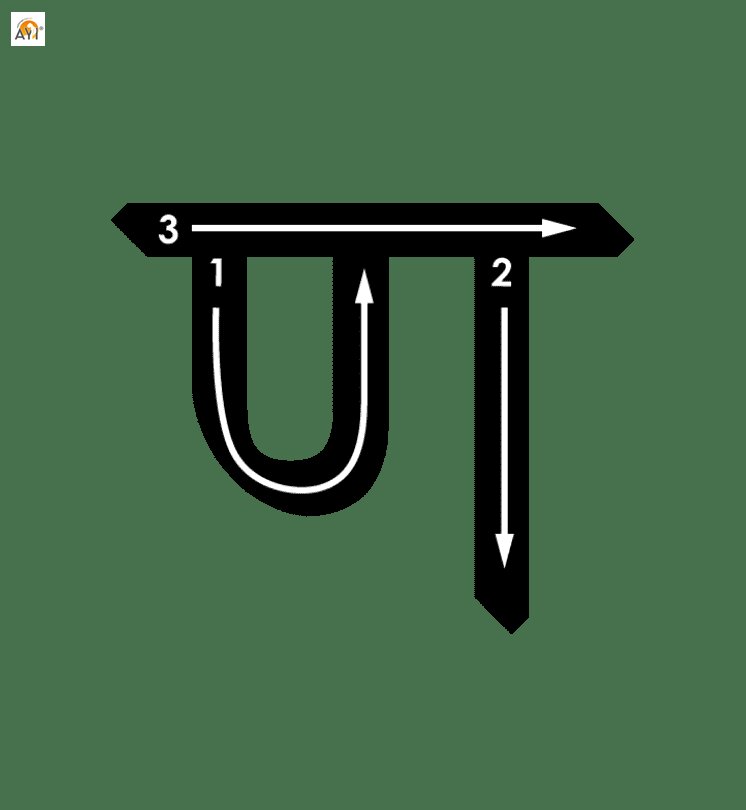
ṇa

Writing

  1. Draw a U-shaped line from the top left to the top centre.
  2. Draw a vertical line from top to bottom to its right.
  3. Draw the horizontal line above the letter from left to right.

Pronunciation

  • A nasal ṇ; this sound does not occur in German.
  • Retroflex place of articulation: behind the front teeth.

ण / ṇa

Continue with AYI Free

Messages (0)

Please log in to write a message. Go to login

No messages yet.