
Saṃskṛt 06 Sandhi
Saṃskṛt 06 Sandhi

Sandhi: pronunciation and spelling of words and sentences

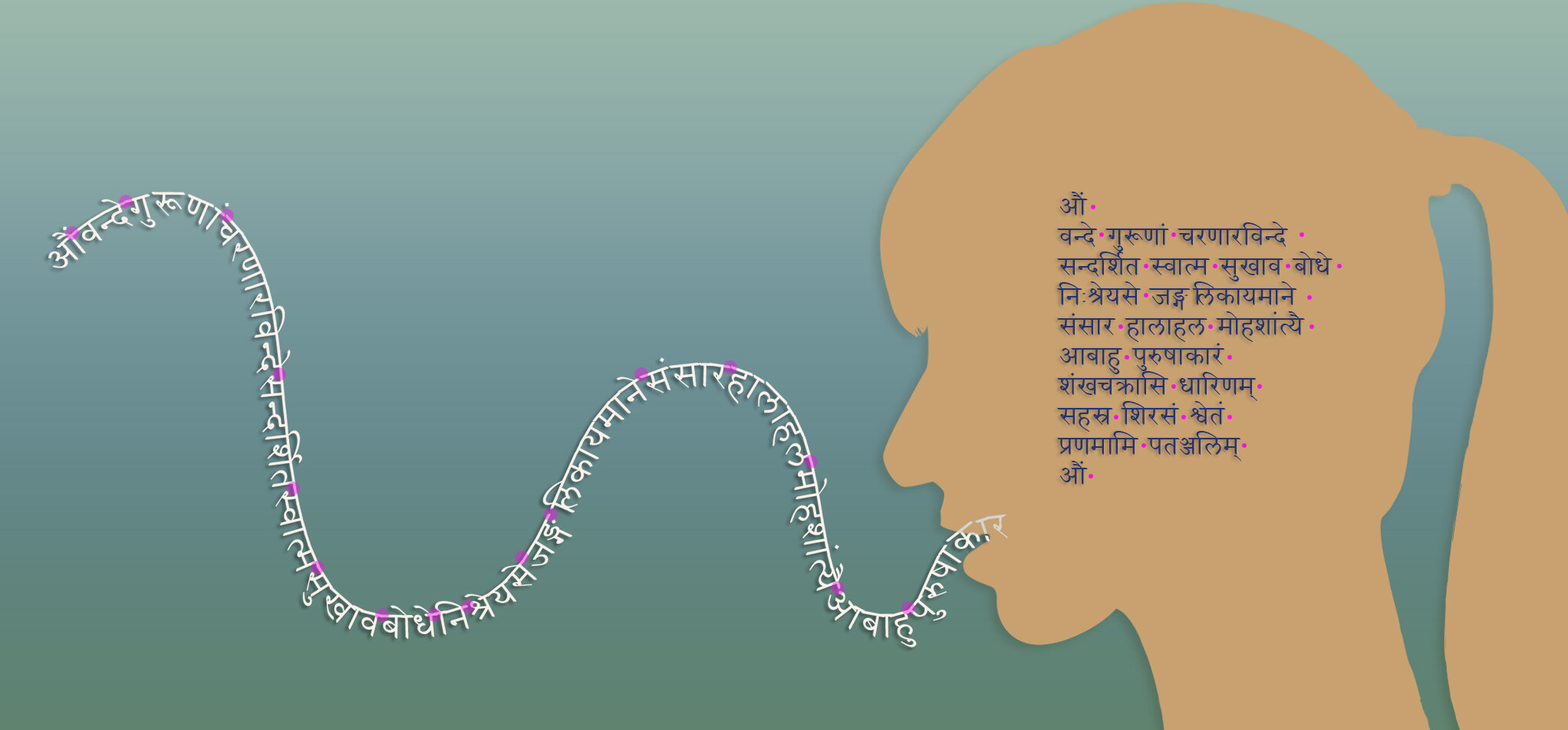
Saṃskṛt was long transmitted primarily through oral recitation. The rules of sandhi show how sounds merge at word boundaries, making speech more fluid and melodic.

Sandhi - Literally: Joining

The term sandhi (संधि, saṁdhi m.) comes from Pāṇini's grammar of Saṃskṛt. Literally, it means "joining" or "putting together". Sandhi rules describe the sound changes that occur when words or word elements meet. They make pronunciation easier, more fluid, and more melodic. This creates the characteristic cadence of Saṃskṛt and supports memorized recitation across generations.

Please Note

Modern languages, especially dialects, show similar sound changes:

  • English: "a apple" becomes "an apple"
  • Rhenish German: "Ich habe" becomes "Isch hann"
  • Rhenish German: "Ich aber nicht." becomes "Ijj_ävver nit."
  • Bavarian German: "die Mutter" becomes "d' Muetter"
  • Norwegian: "Jeg ha schagt" becomes "Jeg har sagt"

The final-sound rule is the starting point for understanding sandhi. It clarifies which sounds may remain at the end of a word before the other rules are applied.

Rules on final sounds

The rules on final sounds facilitate the pronunciation of words when they stand alone, before suffixes are added and before further Sandhi rules are applied. According to these...

Rules of Sandhi

The following rules are applied after the final-sound rule. At word endings, they therefore consider only vowels and ḥ, k, ṅ, ñ, ṇ, n, m, ṭ, t, and p.

These sandhi rules concern:

  • the meeting of words
  • the members of compounds
  • word stems or base forms when suffixes, grammatical endings, or prefixes are added

The following articles guide you through the most important changes in final sounds and through internal sandhi within a word.

Compound and Separate Spelling in Devanāgarī and Transliteration

Learn when Saṃskṛt words are written together or separately in Devanāgarī and Roman transliteration, and how Sandhi affects readability and recitation.

Compound and Separate Spelling in Devanāgarī and Transliteration

Originally, Saṃskṛt was written continuously in Devanāgarī. This reflects the largely oral, recited tradition in which words flow into one another in melodic recitation. Since the 19th century, separate spelling has gradually become more common in Devanāgarī and in roman transliteration.

The in-depth article explains how these spelling conventions are handled in Devanāgarī and transliteration, and why sandhi still needs to be read along with them.

Continue with AYI Free