Saṃskṛt 04 Aussprache square

Saṃskṛt pronunciation: meditation, precision, and clarity

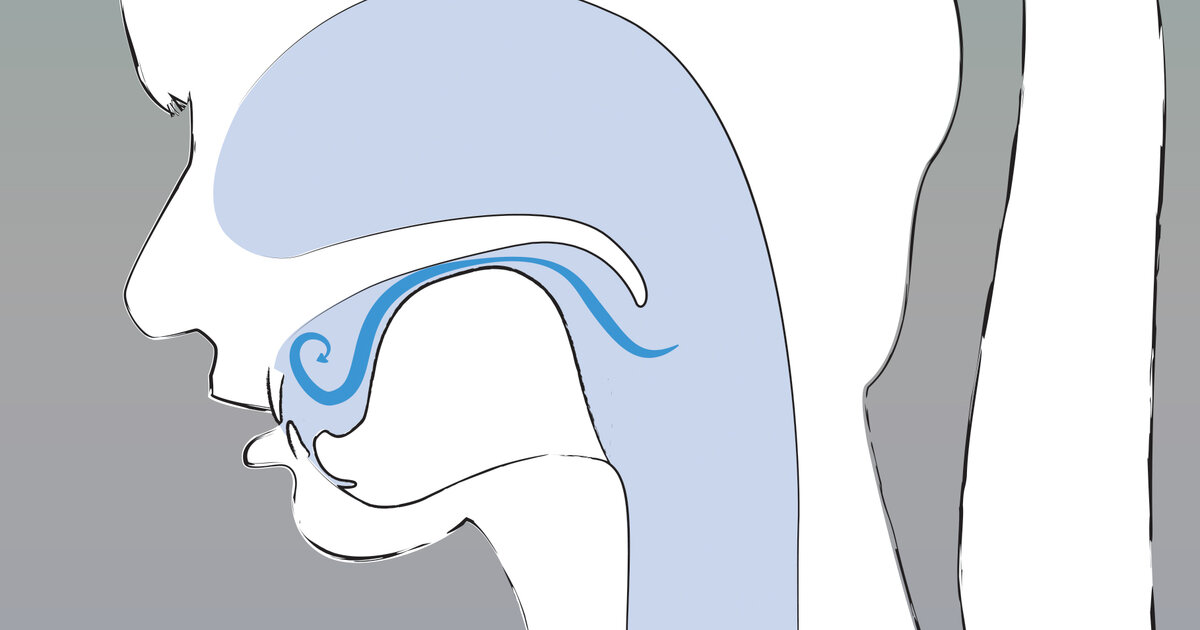
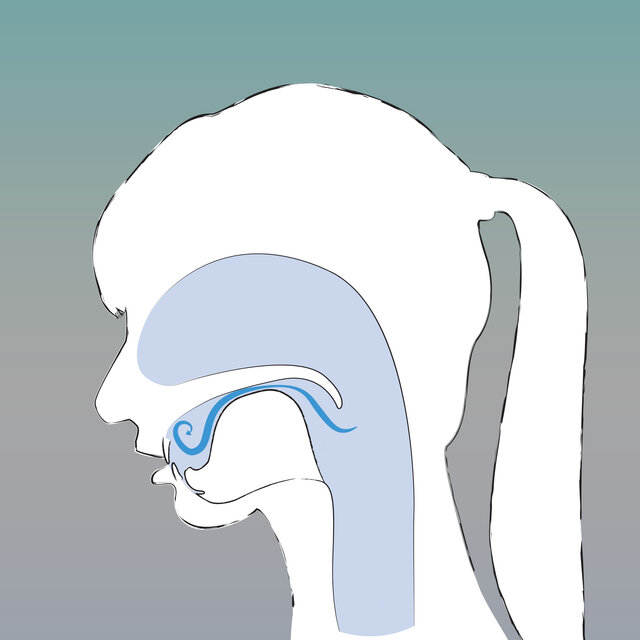
The sound of Saṃskṛt has a profound effect on the mind. Conscious articulation can become meditation in sound, allowing mantras and ślokas to reveal their clear beauty.

Classes of Sounds
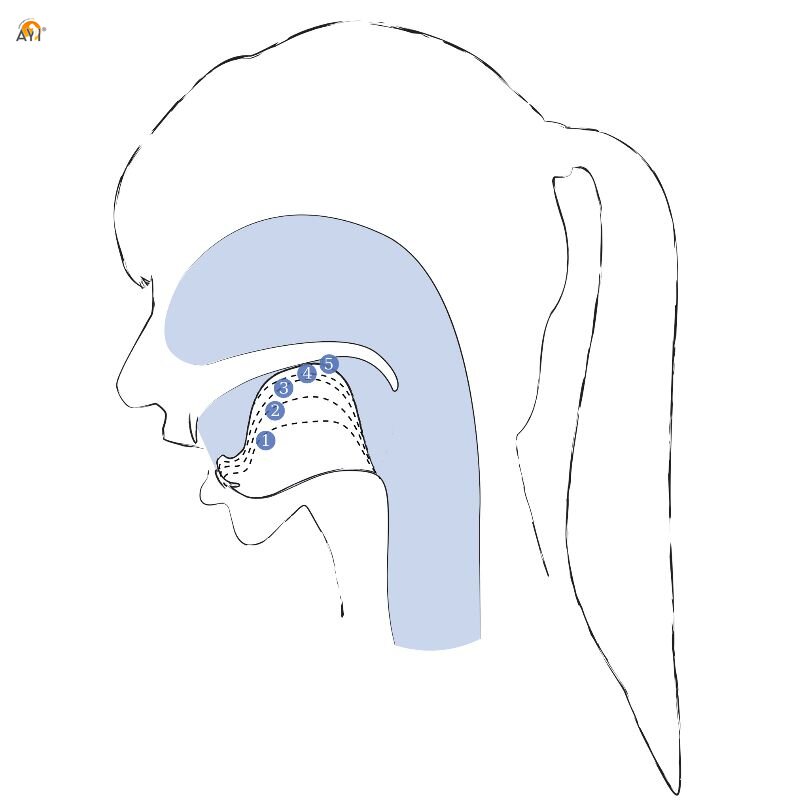
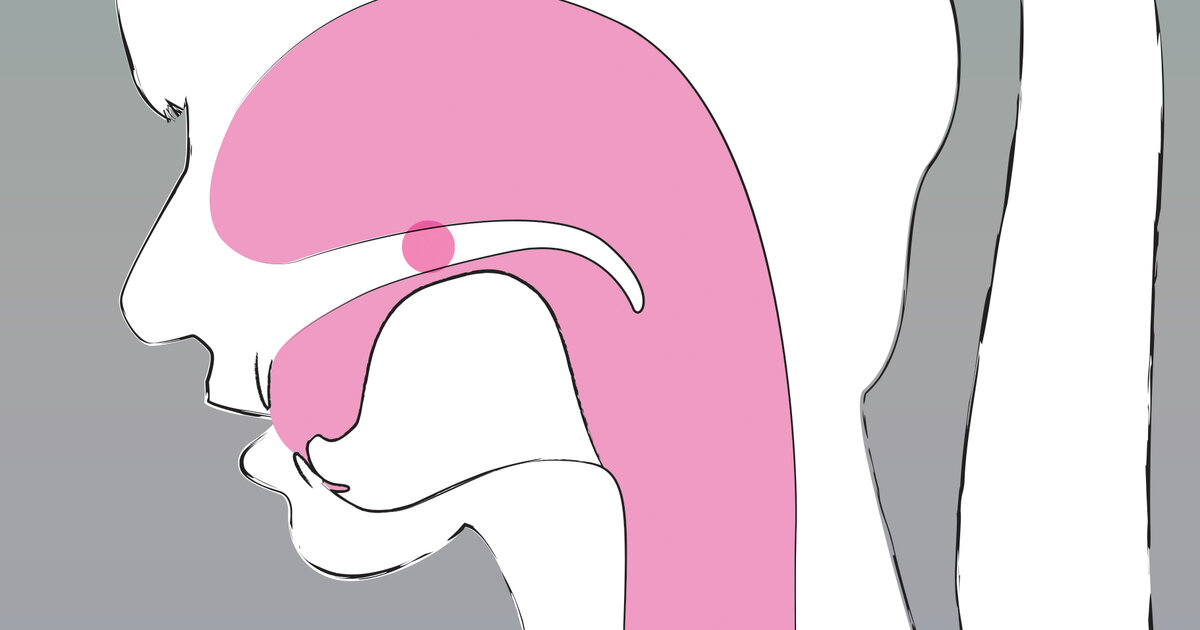
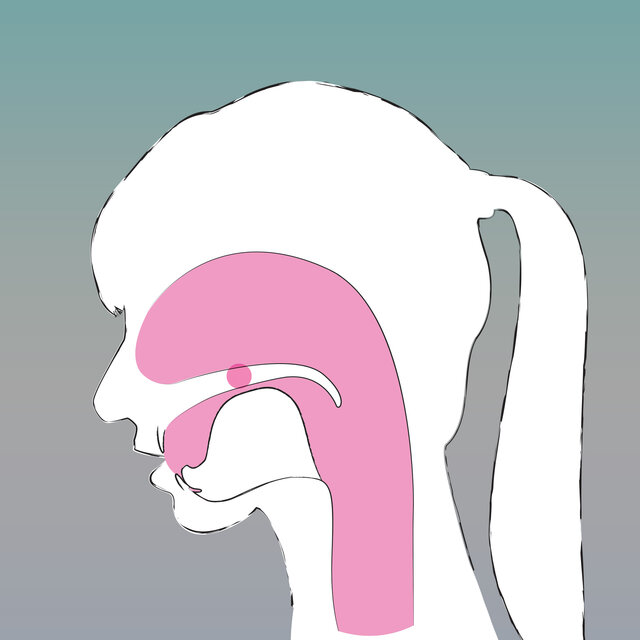
Vowel (1), semivowel (2), fricative (3), plosive (4), nasal (5)

Classes of Sounds

The Saṃskṛt alphabet first organizes sounds by type. From this perspective, we distinguish vowels, plosives, nasals, semivowels, and fricatives. Listening to and articulating these classes consciously makes recitation more precise.

Places of Articulation
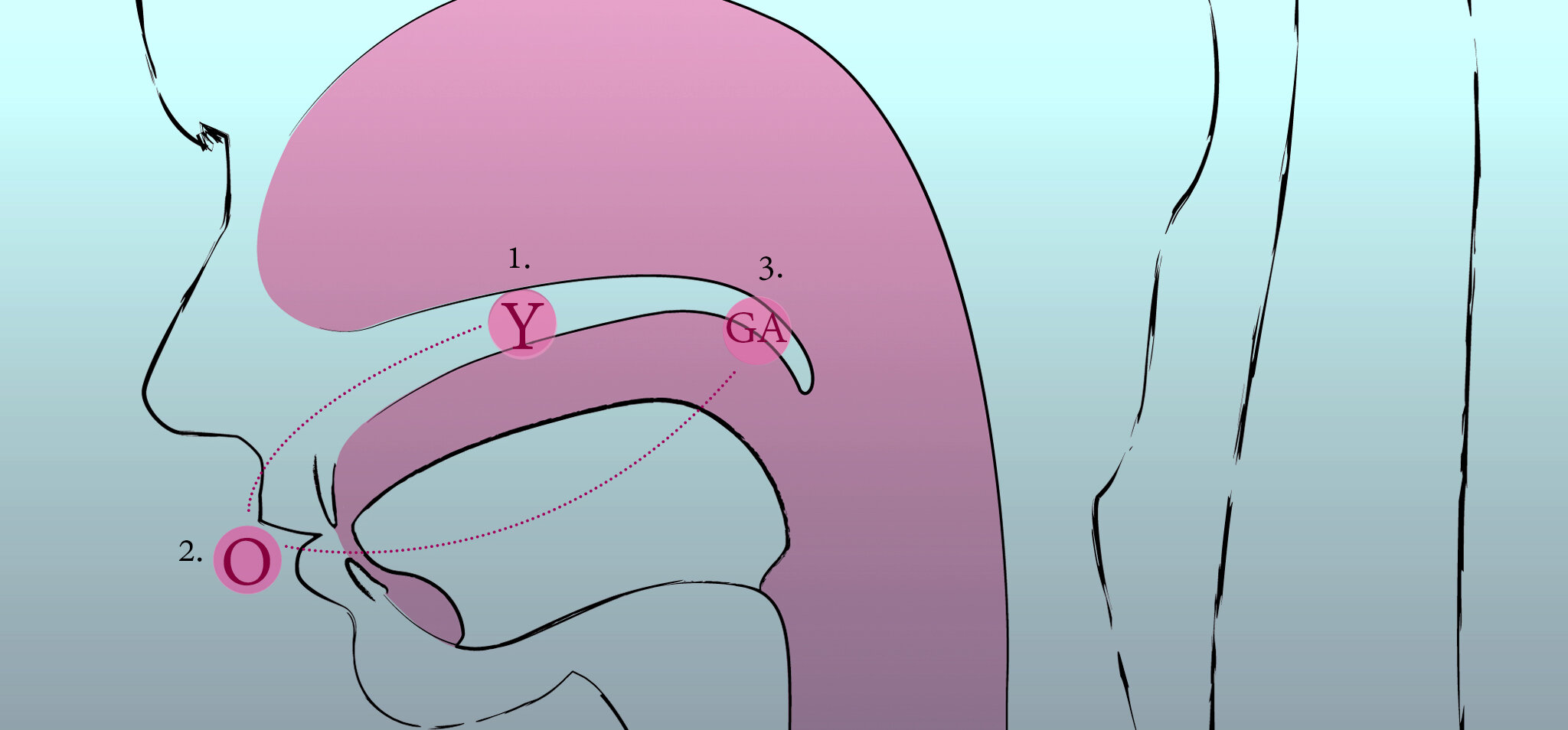
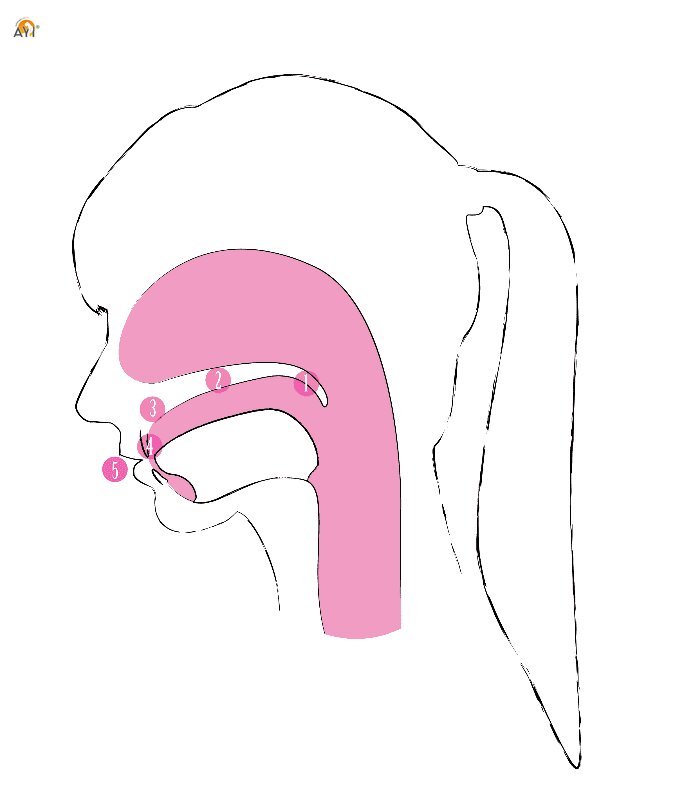
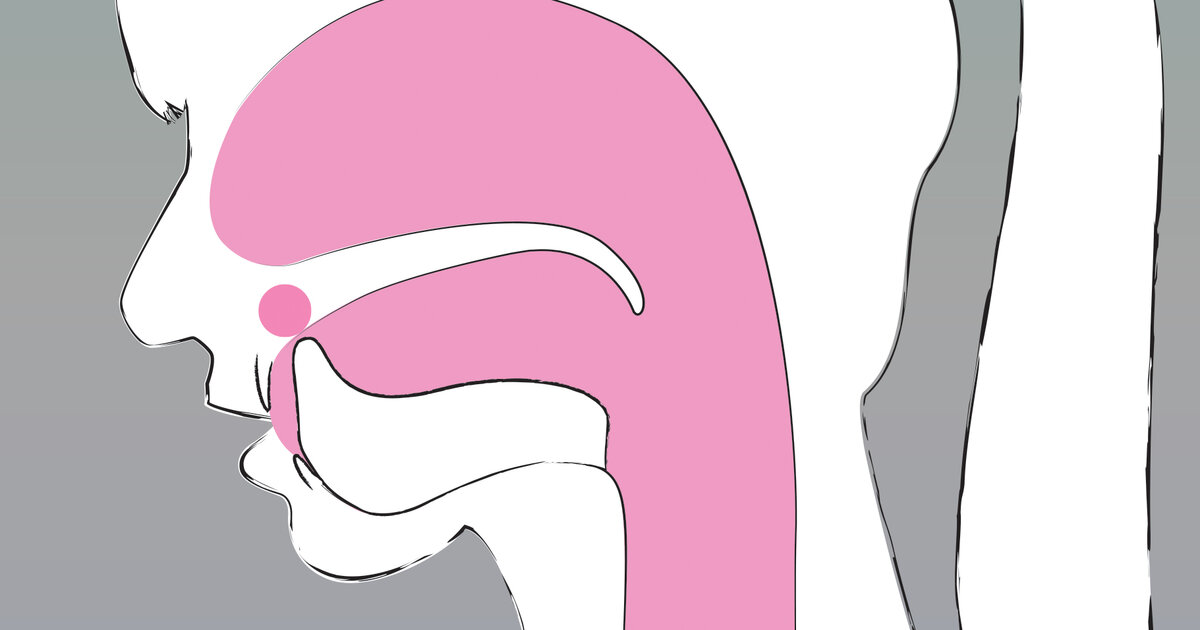
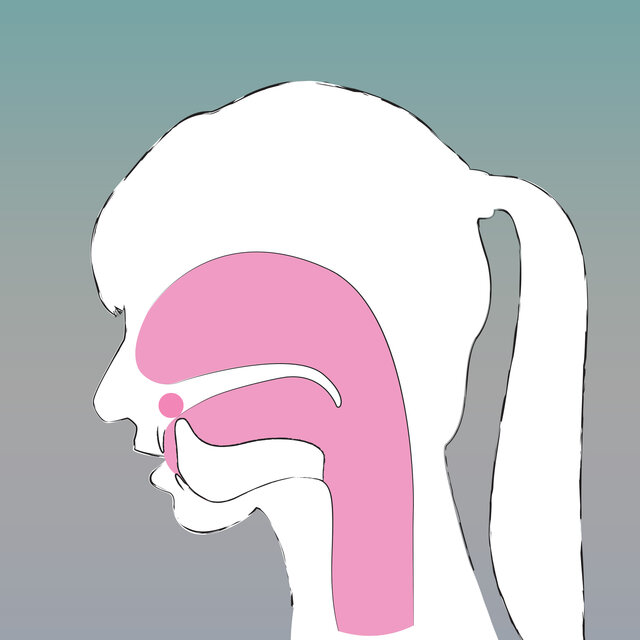
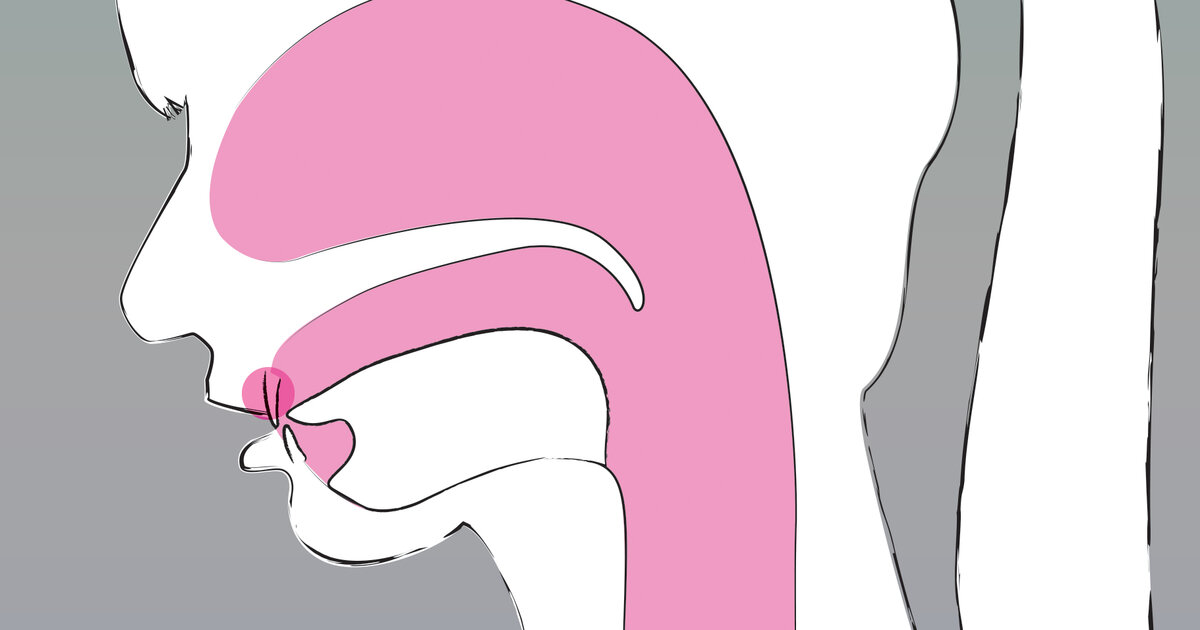
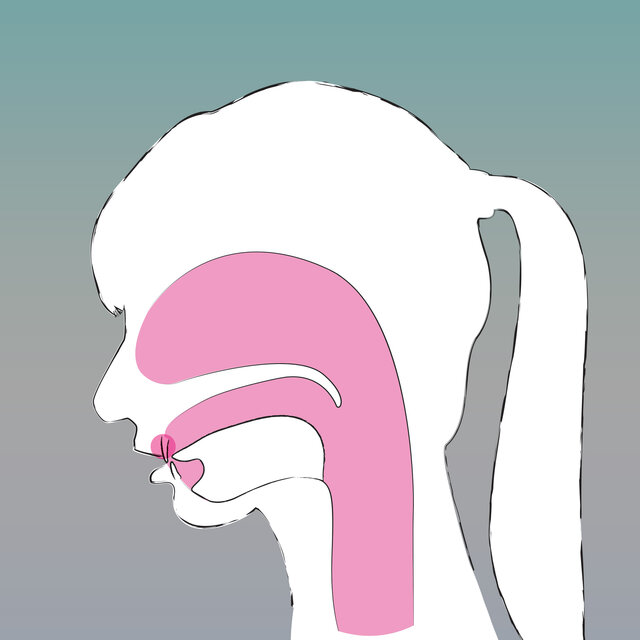
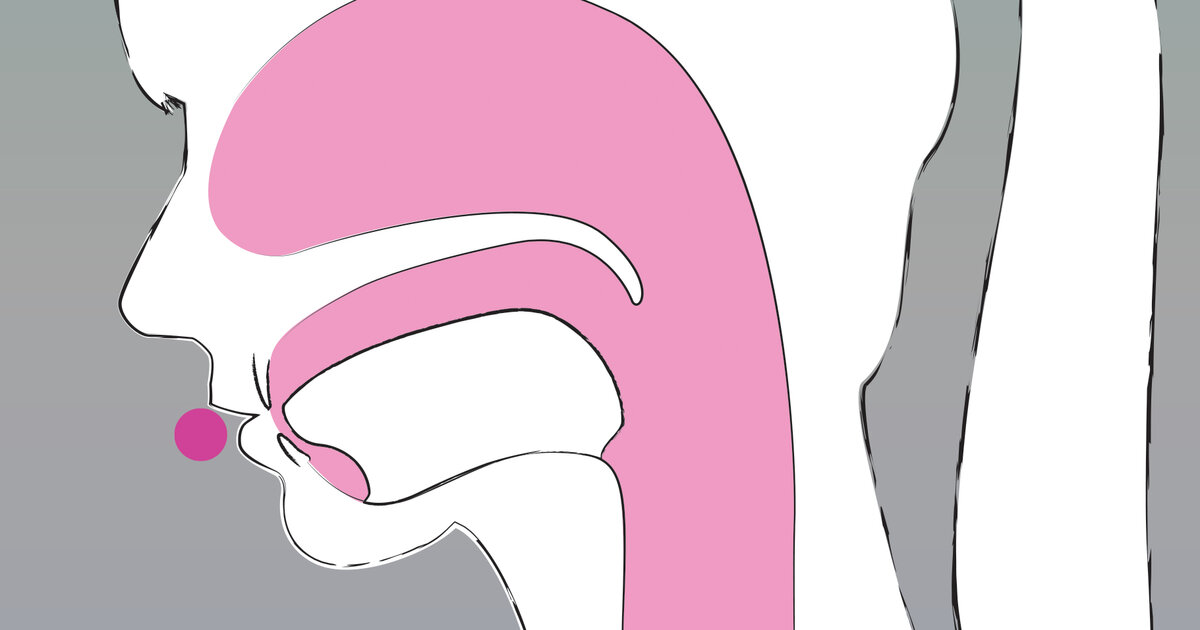
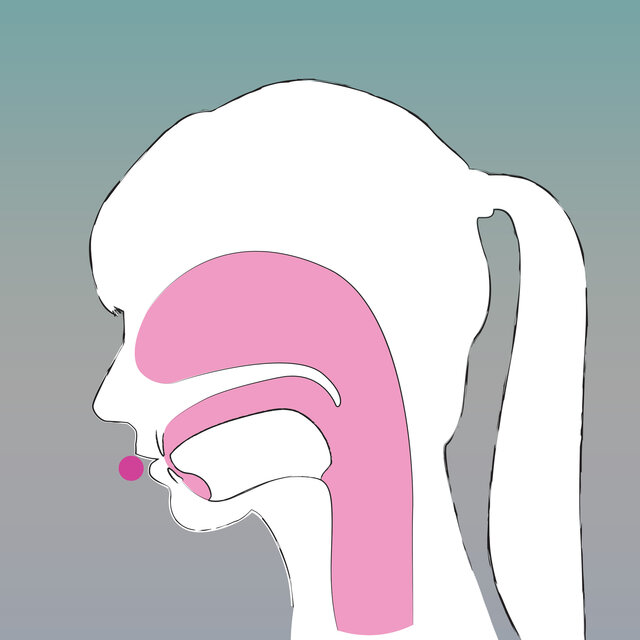
Guttural (1), palatal (2), retroflex (3), dental (4), labial (5)

Places of Articulation

Within each class of sound, Saṃskṛt also organizes sounds by their place of articulation. Moving from back to front, we distinguish guttural, palatal, retroflex, dental, and labial sounds. This reveals how systematically the language uses the mouth as a resonant space.

Visarga (ḥ) and Anusvāra (ṁ)

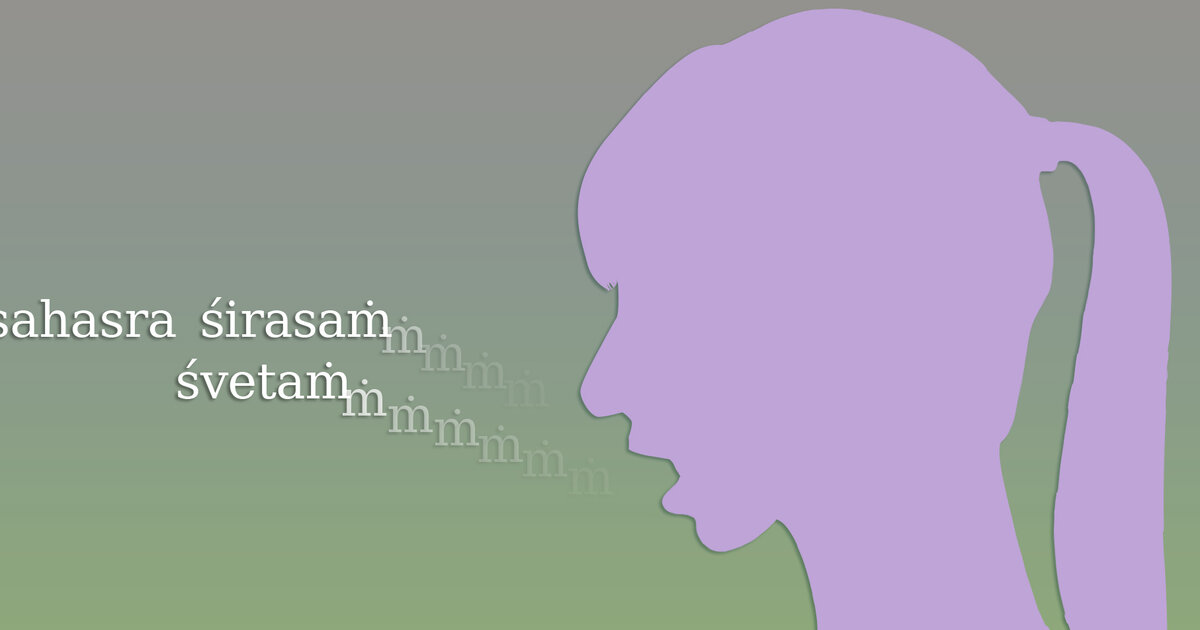
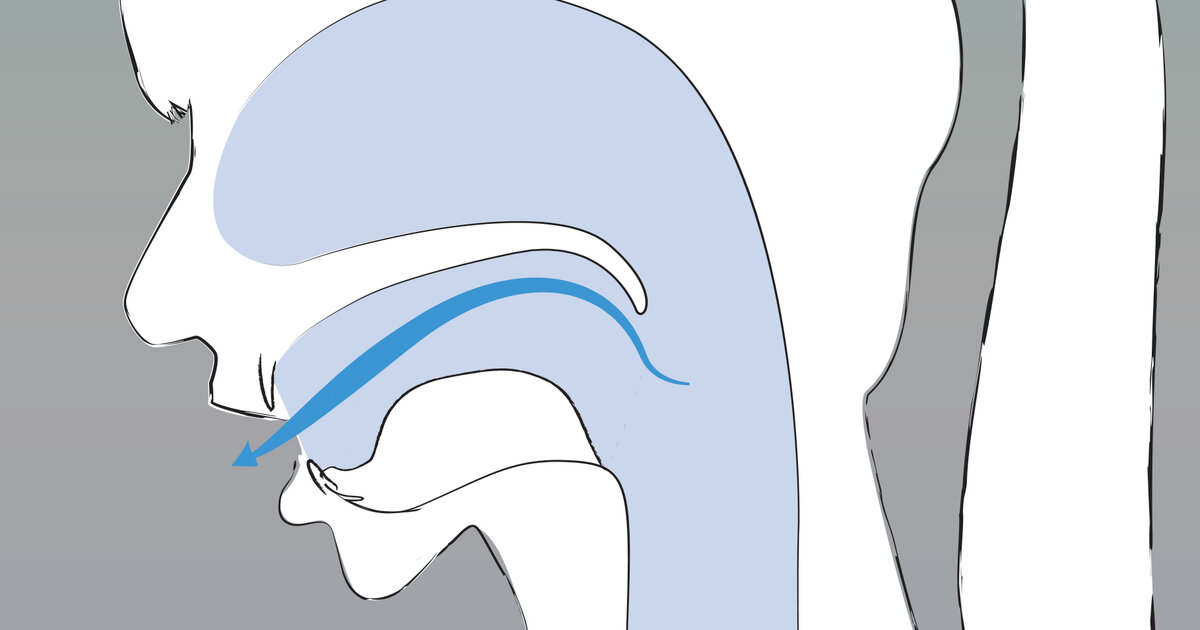
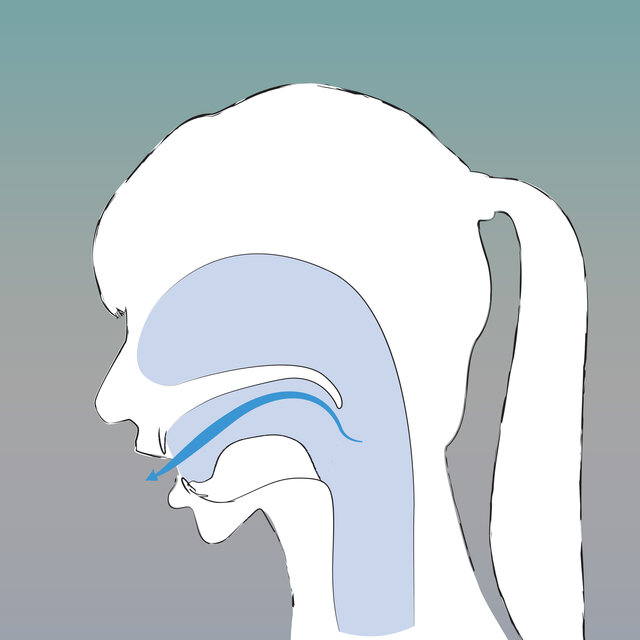
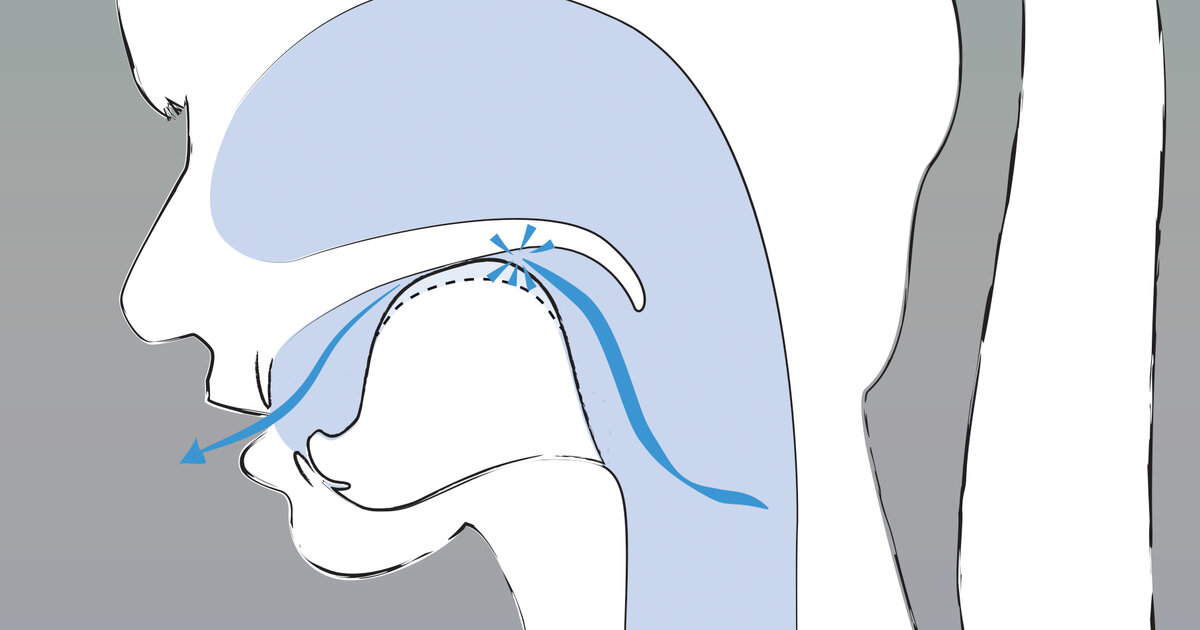
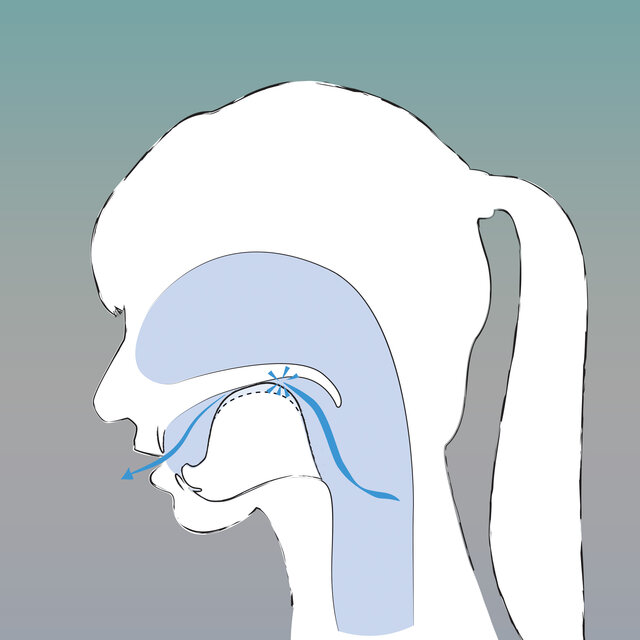
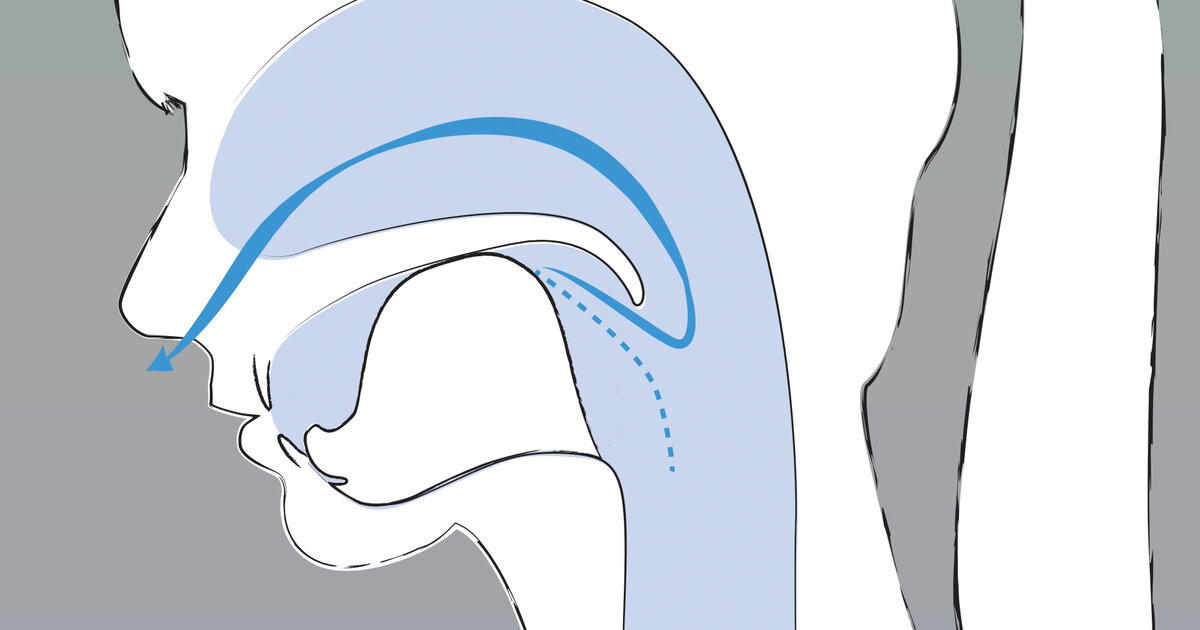
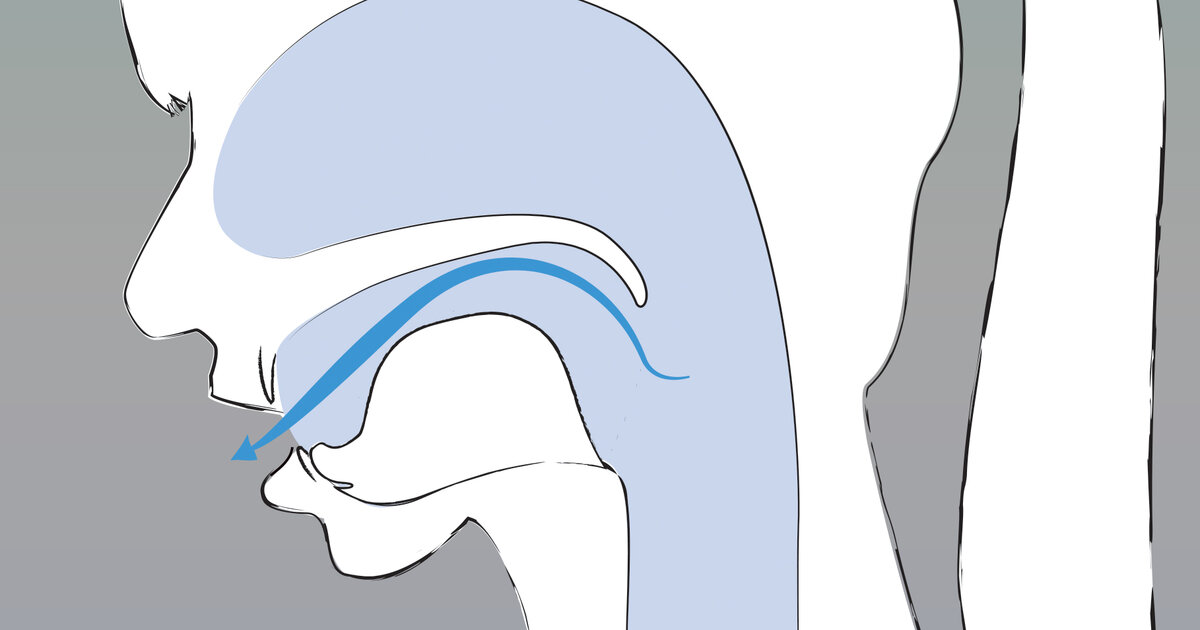
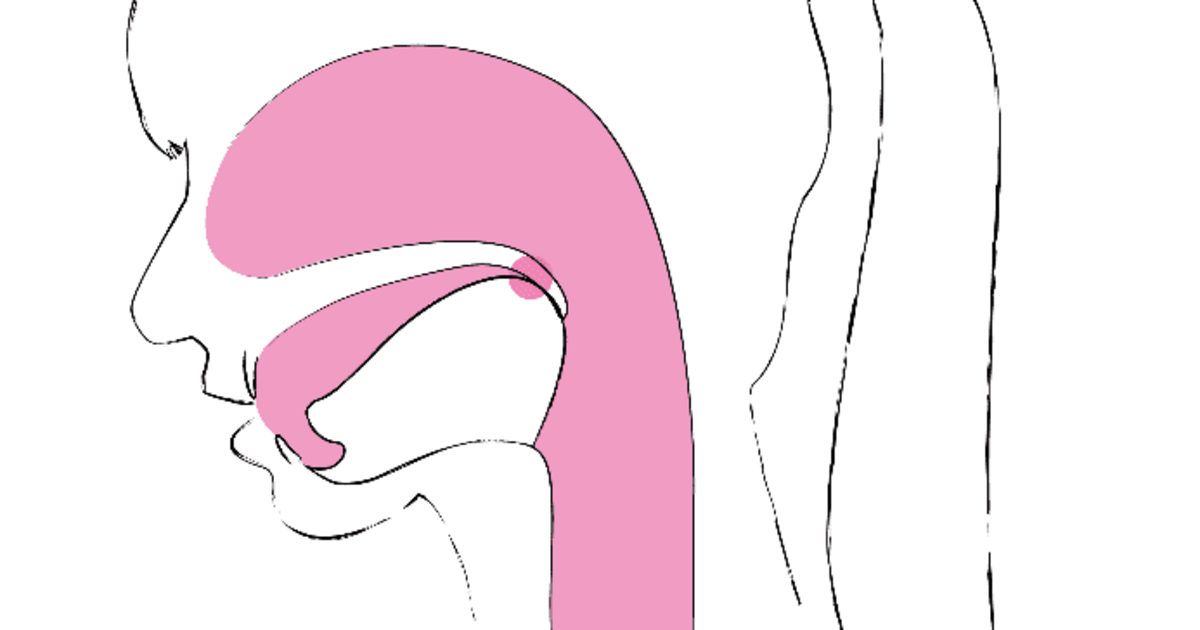
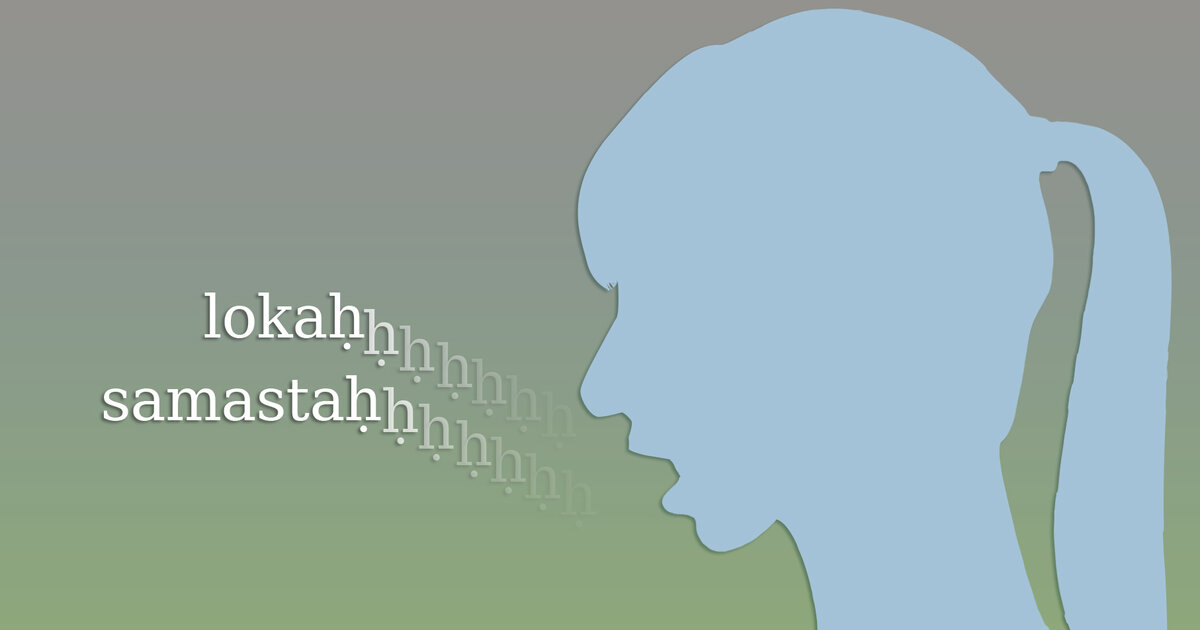
Visarga (ḥ) and Anusvāra (ṁ) are special features of Saṃskṛt pronunciation. Both are closely shaped by the sound that follows: Visarga appears as a breathed resonance, while Anusvāra appears as a nasal sound or nasalization. In mantra and recitation, these subtle transitions are essential to the flow of sound.
Connections and Counting

Confident reading and recitation also depend on the connections between letters. Conjuncts show how individual signs become flowing syllables and words.

The traditional count connects spoken practice with Devanāgarī and transliteration. This makes pronunciation something you can understand and feel rhythmically.

Continue with AYI Free