

gṛha गृह – der Handreichung thut, Diener.
Substantiv Maskulin · Substantiv Neutrum · Worttyp nicht bestimmt
Wörterbuchquellen
Cappeller 1891 Substantiv Maskulin
Originaltext · Englisch · Substantiv Maskulin
gṛhá ·m. a servant (lit. who grasps or lays hold on anything); n. house (as the receiving or containing), mansion, habitation (also m. pl., sgl. only in Veda); temple, bower (mostly --°), sign of the zodiac; m. pl. inhabitants of a house, a family.
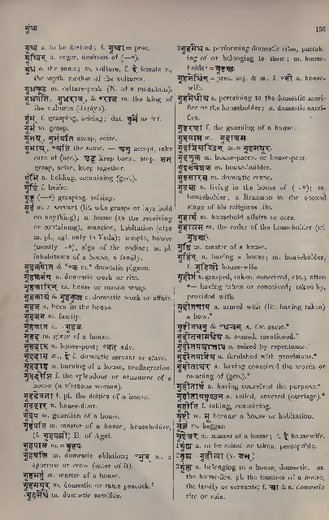
Monier-Williams 1872 Worttyp nicht bestimmt
Originaltext · Englisch · Worttyp nicht bestimmt
Gṛha, am or ās, n. or m. pl. (in Ved. also m. sing.), a house, a habitation, a mansion; (mṛnmayo gṛhaḥ, ‘the house of earth,’ the grave; gṛhās, m. pl. a house as containing several rooms); the inhabitants of a house, a family (pl.); a wife (sing. or pl.); a sign of the zodiac (sing.); a name, an appellation (sing.); (as), m., Ved. an assistant, servant; [cf. anti-gṛha, devatā-gṛha, bhūmi-gṛha, śayyā-gṛha, su-gṛ- ha; cf. also Germ. kirche (?); Old Germ. kiricha; Island. kyrkia; Angl. Sax. ciric for circ.]
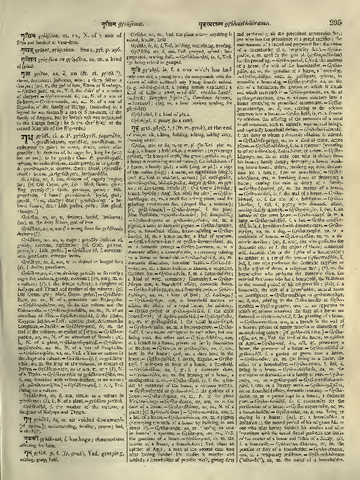
Petersburger 1855 Substantiv Maskulin · Substantiv Neutrum · Worttyp nicht bestimmt
Originaltext · Deutsch · Substantiv Maskulin · Substantiv Neutrum
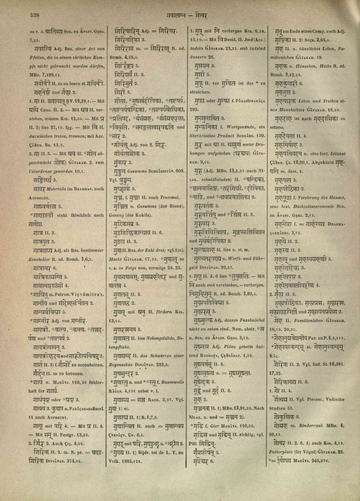
gṛhá (von grah) 1〉 m. der Handreichung thut, Diener: gṛ̱ho yā̱myaràṃkṛto de̱vebhyò havya̱vāhànaḥ ṚV. 10,119,13. — 2〉 Haus, Wohnstatt; in der älteren Sprache stets m., in der späteren nur im pl. m., sonst n. NIR. 3,13. P. 3,1,144. gaṇa ardharcādi zu P. 2,4,31. AK. 2,2,4. AK. 2,2,5. TRIK. 2,2,5. TRIK. 3,5,6. TRIK. 3,5,10. H. 989. H. an. 2,599. MED. h. 5. SIDDH. K. 251,b,5. ka̱lyā̱ṇīrjā̱yā su̱raṇàṃ gṛ̱he tè ṚV. 3,53,6. ṚV. 8,10,1. pibàtaṃ dā̱śuṣò gṛ̱he ṚV. 4,49,6. AV. 7,83,1. gṛ̱he vàsatu̱ no 'tìthiḥ AV. 10,6,4. ya̱masyà AV. 6,29,3. mṛ̱nmayò gṛ̱haḥ das Haus von Erde, Grab ṚV. 7,89,1. a̱sau yò 'dha̱rādgṛ̱haḥ die Unterwelt AV. 2,14,3. AV. 5,6,4. AV. 5,6,11. gṛ̱haṃ kṛ̱tvā martyàṃ de̱vāḥ purùṣa̱māvìśan AV. 11,8,18. AV. 11,8,1. AV. 14,2,19. gṛ̱hasyà bu̱dhna āsī̀nāḥ AV. 2,14,4. AIT. BR. 8,21. M. 2,34. M. 3,33. M. 3,71. M. 3,103. M. 3,105. M. 7,76. ā maraṇāttiṣṭhedgṛhe (kanyā) M. 9,89. kūpodyānagṛhāṇi M. 4,202. — N. 6,9. N. 9,36. N. 13,48. N. 20,34. R. 1,6,26. RAGH. 3,11. VID. 189. kasmānna kuruṣe gṛham PAÑCAT. I, 436. dhanapati˚ MEGH. 73. pati˚ ŚĀK. 84. madavarodha˚ ŚĀK. 139. vetasa˚ 74. mādhavīlatā˚ ŚĀK. 81,21, v. l. iṣṭakā˚ HIT. I, 186. caṇḍikā˚ Tempel der C. KATHĀS. 25,86. KATHĀS. 25,111; vgl. devatāgṛha. Uneig.: bhayakārkaśyakopānāṃ gṛhaṃ hi cchāndasā dvijāḥ VID. 40. kapaṭaśata˚ PAÑCAT. I, 204. Sehr häufig im pl. gebraucht: das Haus als ein aus mehreren Räumen und Gebäuden bestehendes: i̱daṃ hi vā̀ṃ pra̱divi̱ sthāna̱mokà i̱me gṛ̱hā àśvine̱daṃ dùro̱ṇam ṚV. 5,76,4. avà kranda dakṣiṇa̱to gṛ̱hāṇā̀m ṚV. 2,42,3. te gṛ̱hāsò ghṛta̱ścyutò bhavantu ṚV. 10,18,12. ṚV. 10,142,4. gṛ̱hāngàccha gṛ̱hapàtnī̱ yathāsàḥ ṚV. 85,26. ṚV. 165,2. VS. 2,32. VS. 4,33. VS. 18,44. pṛ̱ṇa̱to gṛ̱hān AV. 1,27,4. AV. 3,10,11. AV. 6,137,1. gṛhānitaḥ Gast AIT. BR. 2,31. gahā vā okaḥ sveṣveva tadgṛheṣu suhito vasati AIT. BR. 2,8. AIT. BR. 2,26. ŚAT. BR. 1,1,2,22. ŚAT. BR. 1,6,1,19. te 'sya viśve devā gṛhānāgacchanti ŚAT. BR. 2,1,4,1. M. 4,250. gṛhānupayayau N. 18,19. ŚĀK. 93,5. BHĀG. P. 9,14,43. Am Ende eines adj. comp. f. ā R. 1,5,9. vānaramūrkheṇa sugṛhī nirgṛhī kṛtā PAÑCAT. I, 435. — 3〉 m. pl. die Bewohner des Hauses, die Familie: te 'sya gṛhāḥ paśava upamūryamāṇā īyuḥ ŚAT. BR. 1,7,4,12. gataśrīṣu gṛheṣu BHĀG. P. 3,2,7. Hausfrau, Gattin AK. 3,4,31,240. H. 512. H. an. MED. P. 3,1,144, Sch. In dieser Bed. auch n. sg.: na gṛhaṃ gṛhamityāhurgṛhiṇī gṛhamucyate . gṛhaṃ hi gṛhiṇīhīnamaraṇyasadṛśaṃ matam .. PAÑCAT. III, 152. — 4〉 n. Zodiakalbild VARĀH. BṚH. S. 95,13. VARĀH. BṚH. S. 104,7. VARĀH. BṚH. S. 104,10. VARĀH. BṚH. S. 104,17. — 5〉 n. Name ŚABDAR._im_ŚKDR. — Vgl. antigṛha, devatā˚, bhūmi˚, śayyā˚, su˚.
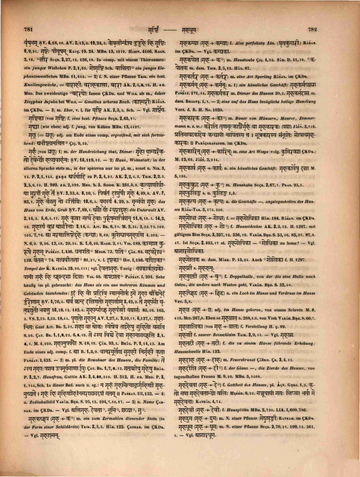
Originaltext · Deutsch · Worttyp nicht bestimmt
gṛha 3〉 gṛhaiḥ saha mit der Familie KATHĀS. 20,21. gāḍho gṛheṣu grahaḥ Spr. 1973. = gṛhastha BHĀG. P. 11,8,9. — 4〉 auch ein astrologisches Haus VARĀH. BṚH. 1,16. VARĀH. BṚH. 4,20. VARĀH. BṚH. 5,13. — 6〉 Bez. des 4ten astrologischen Hauses VARĀH. BṚH. 1,16.

Böhtlingk 1879 Substantiv Maskulin · Substantiv Neutrum · Worttyp nicht bestimmt
Originaltext · Deutsch · Substantiv Maskulin · Substantiv Neutrum
gṛhá — 1〉 m. der Handreichung thut, Diener. — 2〉 m. n. (später) Haus, Wohnstatt. mṛnmáya so v. a. Grab. adharā́t die Unterwelt. Sehr häutig Pl. das Haus als ein aus mehreren Räumen und Gebäuden bestehendes. In Verbindung mit einem Götternamen Tempel, mit einem Pflanzennamen Laube Chr. 305,11. — 3〉 m. Pl. — a〉 die Bewohner des Hauses, die Familie. — b〉 Hausfrau, Gattin. — 4〉 m. Haushalter, -herr. — 5〉 n. — a〉 Zodiakalbild. — b〉 ein astrologisches Haus. — c〉 das 4te astrologische Haus. — d〉 Feld auf einem Spielbrett Ind. St. 13,472. KĀD. 6,9. — e〉 *Name.
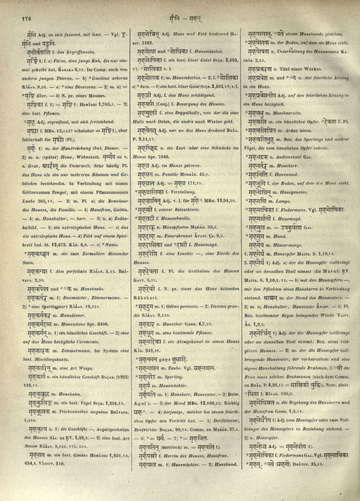
Originaltext · Deutsch · Worttyp nicht bestimmt
gṛha II. n. häusliches Leben, Familienleben JĀTAKAM. 19. [Nachtrag, Band 7]
Apte 1890 Substantiv Maskulin · Substantiv Neutrum
Originaltext · Englisch · Substantiv Maskulin · Substantiv Neutrum
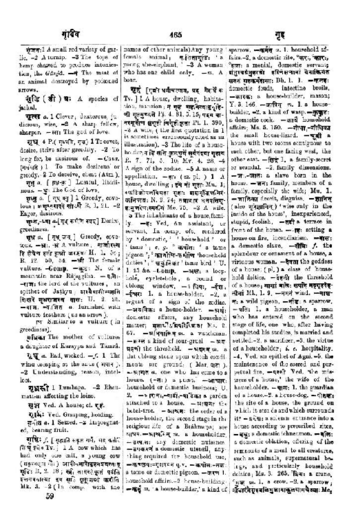
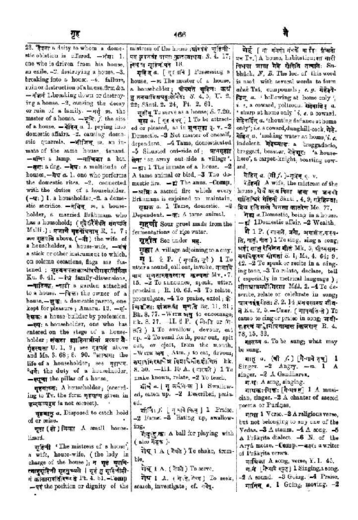
gṛhaṃ [gṛhyate dharmācaraṇāya, grah gehārthe ka Tv.] 1 A house, dwelling, habitation, mansion; na gṛhaṃ gṛhamityāhurgṛhiṇī gṛhamucyate Pt. 4. 81, Pt. 5. 15; paśya vānaramūrkheṇa sugṛhī nirgṛhīkṛtā Pt. 1. 390. 2 A wife; (the first quotation in 1 is sometimes erroneously cited as an illustration). 3 The life of a householder; na hi sati kuladhurye sūryavaṃśyā gṛhāya R. 7. 71, R. 5. 10; Mv. 4. 28. 4 A sign of the zodiac. 5 A name or appellation. — hāḥ (m. pl.) 1 A house, dwelling; ime no gṛhāḥ Mu. 1; sphaṭikopalavigrahā gṛhāḥ śaśabhṛdbhittaniraṃkabhittayaḥ N. 2. 74; tatrāgāraṃ dhanapatigṛhānuttareṇāsmadīyaṃ Me. 75. 2 A wife. 3 The inhabitants of a house, family. — haḥ Ved. An assistant, or servant. In comp. oft. rendered by ‘domestic,’ ‘household’ or ‘tame’; e. g. ˚kapotaḥ ‘a tame pigeon’; ˚kāryāṇi-karmāṇi ‘household duties’; ˚śakuṃtikā ‘tame bird’ U. 1. 45 &c. Comp. — akṣaḥ a loophole, eyelet-hole, a round or oblong window. — adhipaḥ, -īśaḥ, — īśvaraḥ 1 a house-holder. 2 a regent of a sign of the zodiac. — ayanikaḥ a house-holder. — arthaḥ domestic affairs, any household matter; gṛhārtho'gniparipkriyā Ms. 2. 67. — aṃbhipālin m. a watchman. — amlaṃ a kind of sour-gruel — avagrahaṇī the threshold. — aśman m. a flat oblong stone upon which condiments are ground; (Mar. pāṭā). — āgata a. one who has come to a house. — (taḥ) a guest. — ācāraḥ household or domestic business; U. 2. — ārāmaḥ, -vāṭī, -vāṭikā a garden attached to a house. — āśayā the betel-tree. — āśramaḥ the order of a house-holder, the second stage in the religious life of a Brāhmaṇa; see āśrama. — āśramin m. a householder. — utpātaḥ any domestic nuisance — upakaraṇaṃ a domestic utensil, anything required for household use. — kacchapaḥ = gṛhāśman q. v. — kapotaḥ -takaḥ a tame or domestic pigeon. — karaṇaṃ 1 household affairs. 2 house-building. — kartṛ m. ‘a house-builder,’ a kind of ([Page 0465-c]) sparrow. — karman n. 1 household affairs. 2 a domestic rite. ˚karaḥ, ˚kāraḥ, ˚dāsaḥ a menial, domestic servant; śaṃbhusvayaṃbhuharayo hariṇekṣaṇānāṃ yenākriyaṃta satataṃ gṛhakarmadāsāḥ Bh. 1. 1. — kalahaḥ domestic feuds, intestine broils. — kārakaḥ a house-builder, mason; Y. 3. 146. — kārin m. 1 a housebuilder. 2 a kind of wasp. — kukkuṭaḥ a domestic cock. — kāryaṃ household affairs; Ms. 5. 150. — godhā, -godhikā the small house-lizard. — cūllī a house with two rooms contiguous to each other, but one facing west, the other east. — chidraṃ 1 a family-secret or scandal. 2 family dissensions. — jaḥ, -jātaḥ a slave born in the house. — janaḥ family, members of a family, especially the wife; Mu. 1. — jālikā deceit, disguise. — jñānin (also gṛhejñānin) ‘wise only in the inside of the house’, inexperienced, stupid, foolish. — taṭī a terrace in front of the house. — dāhaḥ setting a house on fire, incendiarism. — dāsaḥ a domestic slave. — dīptiḥ f. the splendour or ornament of a house, a virtuous woman. — devatā the goddess of a house; (pl.) a class of household deities. — dehalī the threshold of a house; yāsāṃ baliḥ sapadi madgṛhadehalīnāṃ Mk. 1. 9. — namanaṃ wind. — nāśanaḥ a wild pigeon. — nīḍaḥ a sparrow. — patiḥ 1 a householder, a man who has entered on the second stage of life, one who, after having completed his studies, is married and settled. 2 a sacrificer. 3 the virtue of a householder; i. e. hospitality. 4 Ved. an epithet of Agni. 5 the maintenance of the sacred and perpetual fire. — patnī Ved. ‘the mistress of a house,’ the wife of the householder. — pālaḥ 1 the guardian of a house. 2 a house-dog. — potakaḥ the site of a house, the ground on which it stands and which surrounds it. — praveśaḥ a solemn entrance into a house according to prescribed rites. — babhruḥ a domestic ichneumon. — baliḥ a domestic oblation, offering of the remnants of a meal to all creatures, such as animals, supernatural beings, and particularly household deities; Ms. 3. 265. ˚priyaḥ a crane. ˚bhuj m. 1 a crow. 2 a sparrow; nīḍāraṃbhaigṛhabalibhujāmākulagrāmacaityāḥ ([Page 0466-a]) Me. 23. ˚devatā a deity to whom a domestic oblation is offered. — bhaṃgaḥ 1 one who is driven from his house, an exile. 2 destroying a house. 3 breaking into a house. 4 failure, ruin or destruction of a house, firm &c. — bhaṃjanaṃ 1 breaking down or destroying a house. 2 causing the decay or ruin of a family. — bhartṛ m. the master of a house. — bhūmiḥ f. the site of a house. — bhedin a. 1 prying into domestic affairs. 2 causing domestic quarrels. — bhojin m. an inmate of the same house, tenant. — maṇiḥ a lamp. — mācikā a bat. — mṛgaḥ a dog. — meghaḥ a multitude of houses. — medha a. 1 one who performs the domestic rites. 2 connected with the duties of a householder. — (dhaḥ) 1 a householder. 2 a domestic sacrifice. — madhin m. a householder, a married Brāhmaṇa who has a household; (gṛhairdārairmedhaṃte saṃgacchaṃte Malli.); prajāyai gṛhamedhinām R. 1. 7; see gṛhapati above. — (nī) the wife of a householder, a house-wife. — yaṃtraṃ a stick or other instrument to which, on solemn occasions, flags are fastened; gṛhayaṃtrapatākāśrīrapaurādaranirmitā Ku. 6. 41. — raṃdhraṃ family-dissensions. — vāṭikā, -vāṭī a garden attached to a house. — vittaḥ the owner of a house. — śukaḥ a domestic parrot, one kept for pleasure; Amaru. 13. — saṃveśakaḥ a house-builder by profession. — sthaḥ a householder, one who has entered on the stage of a householder; saṃkaṭā hyāhitāgnīnāṃ pratyavāyairgṛhasthatā U. 1. 9; see gṛhapati above and Ms. 3. 68; Ms. 6. 90. ˚āśramaḥ the life of a householder; see gṛhāśrama. ˚dharmaḥ the duty of a householder. — sthūṇā the pillar of a house.
Cappeller 1887 Substantiv Maskulin
Originaltext · Deutsch · Substantiv Maskulin
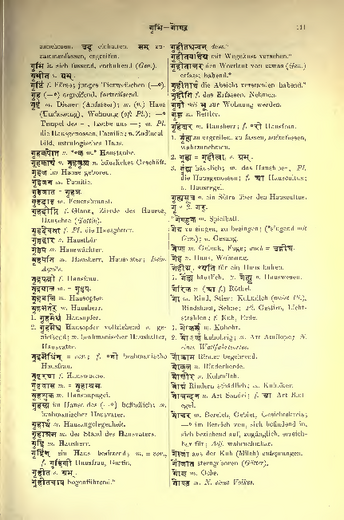
gṛha m. Diener (Anfasser); m. (n.) Haus (Umfassung), Wohnung (oft Pl.); —˚ Tempel des —, Laube aus —; m. Pl. die Hausgenossen, Familie; n. Zodiacalbild, astrologisches Haus.
Burnouf 1866 Substantiv Maskulin · Substantiv Neutrum
Originaltext · Französisch · Substantiv Maskulin · Substantiv Neutrum
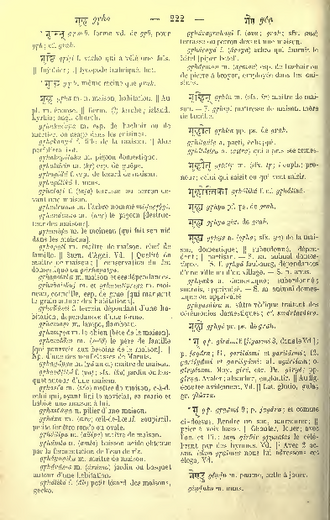
gṛha gṛha m. n. maison, habitation. Au pl. m. épouse. Germ. (?) kirche; island. kyrkia; angl. church. gṛhakachapa m. esp. de hachoir ou de mortier, en usage dans les cuisines. gṛhakanyā f. fille de la maison. Aloe perfoliata, bot. gṛhakapotaka m. pigeon domestique. gṛhakārin m. (kṛ) esp. de guêpe. gṛhagodhā f. esp. de lézard de maison. gṛhagolikā f. mms. gṛhataṭī f. (taṭa) terrasse ou perron devant une maison. gṛhadruma m. l'arbre nommé meḍhaśṛṅgī. gṛhanāśana m. (naś) le pigeon [destructeur des maisons]. gṛhanīḍa m. le moineau [qui fait son nid dans les maisons]. gṛhapati m. maître de maison, chef de famille. Surn. d'Agni, Vd. Qualité de maître de maison; conservation du feu domestique ou gārhapatya. gṛhapotaka m. maison et ses dépendances. gṛhabalibhuj m. et gṛhabalipriya m. moineau, corneille, esp. de grue [qui mangent le grain autour des habitations]. gṛhabhūmi f. terrain dépendant d'une habitation, dépendances d'une ferme. gṛhamaṇi m. lampe, flambeau. gṛhamṛga m. le chien [bête de la maison]. gṛhamedhin m. (medh) le père de famille [qui pourvoit aux besoins de la maison]. Np. d'une des neuf classes de Maruts. gṛhayāpya m. (yā au c.) maître de maison. gṛhavāṭikā f. (vaṭ; sfx. ika) jardin ou bosquet autour d'une maison. gṛhastha m. (sthā) maître de maison, c-à-d. celui qui, ayant fini le noviciat, se marie et habite une maison à lui. gṛhasthūṇa n. pilier d'une maison. gṛhākṣa m. (akṣa) œil-de-bœuf, soupirail, petite fenêtre ronde ou ovale. gṛhādhipa m. (adhipa) maître de maison. gṛhāmla n. (amla) boisson acide obtenue par la fermentation de l'eau de riz. gṛhāyaṇika m. maître de maison. gṛhārāma m. (ārāma) jardin ou bosquet autour d'une habitation. gṛhālikā f. (āli) petit lézard des maisons, gecko. [Page222-2] gṛhāvagrahaṇī f. (ava; grah; sfx. ana) terrasse ou perron devant une maison. gṛhāśayā f. (āśaya) arbre qui fournit le bétel [piper betel]. gṛhāśman m. (aśman) esp. de hachoir ou de pierre à broyer, employée dans les cuisines.
Quelltextfundstellen (4)
GoS 1 Fundstelle
SiSa 3 Fundstellen
SiSa 5.223-5.233: Praxis im Leben 2 Fundstellen
Direkt belegt
-
SiSa 5.227 Segment 1
-
SiSa 5.230 Segment 13
Mit AYI Free weitermachen
Bildquelle: AYI Archiv.