

kavi कवि – seer; sage; poet
adjective · substantive feminine · substantive masculine · Word type unspecified
Dictionary sources
AYI dictionary substantive masculine
seer; sage; poet
Cappeller 1891 adjective
Original text · English · adjective
kaví ·a. wise, thoughtful; m. a wise man, seer, sage, poet (esp. of artificial poems); N. of sev. men.
Monier-Williams 1872 Word type unspecified
Original text · English · Word type unspecified
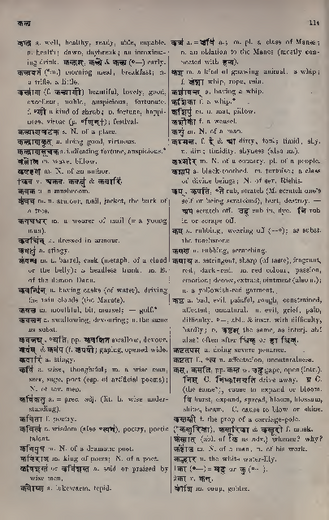
kavi kavi, is, is or ī, i (said to be fr. rt. 3. ku; but perhaps related to ākūta, ākūti), sensible, intelligent, prudent, clever, wise, learned; a thinker, a wise man, a sage, an intelligent man; (metaphoric- ally) epithet of the gates of the sacrificial enclosure; epithet of the Ṛbhus (as skilful in contrivance); epithet of the old sages or patriarchs, now as spirits surrounding the sun; epithet of the gods, especially of Agni, Indra, Varuṇa, the Maruts, and Ādityas; epithet of the Soma priest &c.; (is), m. a poet, especially one who composes artificial poems; N. of a man, according to some genealogies a son of Brahmā, according to others a son of Bhṛgu and father of Śukra; epithet of Śukra, the regent of the planet Venus and preceptor of the demons; the sons of several Manus are also called Kavis; N. of a son of Kauśika and pupil of Garga; also a son of Ṛṣabha; N. of Vālmīki, the inventor of poesy and author of the Rāmāyaṇa; the sun ?; (is or ī), f. the bit of a bridle or the reins altogether; a ladle.
Petersburger 1855 adjective · substantive feminine · substantive masculine · Word type unspecified
Original text · German · adjective · substantive masculine
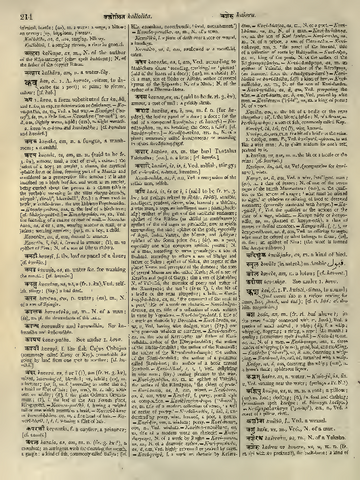
1. kaví Uṇ. 4,140. 1〉 adj. subst. sinnig, verständig, klug, weise: ein Denker, Weiser, kluger Mann NAIGH. 3,15. AK. 2,7,5. TRIK. 3,3. TRIK. 3,413. H. 341. H. an. 2,519. MED. v. 4. yaḥ sòma sa̱khye tavà rā̱raṇàddeva̱ martyàḥ . taṃ dakṣàḥ sacate ka̱viḥ ṚV. 1,91,14. ka̱virbu̱dhnaṃ parì marmṛjyate̱ dhīḥ ṚV. 1,95,8. ka ù te śami̱tā ka̱viḥ VS. 23,39. dū̱to ha̱vyā ka̱virvàha ṚV. 1,188,1. hotā̀raṃ yaja̱taṃ ka̱vim ṚV. 1,128,8. hotā̀rā̱ daivyā̀ ka̱vī ṚV. 142,8. ṚV. 188,7. VS. 28,30. VS. 28,34. ka̱viryaḥ pu̱traḥ sa īmā cìketa ṚV. 1,164,16. tri̱ṃśatsvasā̀ra̱ upà yanti niṣkṛ̱taṃ sàmā̱naṃ ke̱tuṃ pràtimu̱ñcamā̀nāḥ . ṛ̱tūṃstànvate ka̱vayàḥ prajāna̱tīḥ TS. 4,3,11,3. Uebertragen von den Thoren des Opferplatzes TS. 5,1,11,2 (s. u. kavaṣa 1). von der Erde AV. 12,1,63. kratùṃ punā̱naḥ ka̱vibhìḥ pa̱vitraìḥ ṚV. 3,1,5. ṚV. 3,1,31. ṚV. 3,1,16. sa̱pta sùpa̱rṇāḥ ka̱vayo̱ ni ṣèduḥ AV. 8,9,17. compar. kavítara ṚV. 7,86. AV. 5,11,4. superl. kavítama ṚV. 3,14,1. ṚV. 5,42,3. ṚV. 5,42,85. ṚV. 5,42,6. ṚV. 7,9,1. Häufiger subst.: ka̱vīnpṛ̀cchāmi vi̱dmane̱ na vi̱dvān ṚV. 1,164,6. ṚV. 10,88,18. ta idde̱vānā̀ṃ sadha̱mādà āsannṛ̱tāvā̀naḥ ka̱vayàḥ pū̱rvyāsàḥ ṚV. 7,76,4. sa̱mā̱naminmè ka̱vayàścidāhuḥ ṚV. 86,3. ṚV. 1,185,1. VS. 19,80. AV. 9,4,8. ta̱ntūnvi tàtnire ka̱vaya̱ ota̱vā ù ṚV. 1,164,5. (śālām) ka̱vibhi̱rnimìtām AV. 9,3,19. ete vai kavayo yadṛṣayaḥ ŚAT. BR. 1,4,2,8. kavayo vadanti KAṬHOP. 3,14. So heissen die kunstfertigen Ṛbhu: i̱daṃ tṛ̱tīya̱ṃ savànaṃ kavī̱nāmṛ̱tena̱ ye càma̱samairàyanta AV. 6,47,3. ṚV. 4,36,7. die weisen Väter der Vorzeit, welche jetzt als Geister die Sonne umschweben u. s. w.: sa̱hasràṇīthāḥ ka̱vayo̱ ye gòpā̱yanti̱ sūryam ṚV. 4,36,10. ṚV. 4,151,5. ṚV. 1,163,12. ṚV. 7,53,1. AV. 13,1,23. AV. 18,3,19. AV. 18,3,47. die verschiedensten Götter, vornämlich Agni: ka̱viḥ kàvī̱nām ṚV. 2,23,1. vi̱śāṃ ka̱viḥ ṚV. 2,23,10. ṚV. 5,4,3. pa̱da̱vīḥ kàvī̱nām ṚV. 3,5,1. ṚV. 1,31,2. ṚV. 1,76,5. Indra ṚV. 1,130,9. ṚV. 1,175,4. ṚV. 3,42,6. die Marut ṚV. 1,31,1. ṚV. 5,52,13. ṚV. 5,57,8. ṚV. 6,49,11. AV. 4,27,3. Varuṇa und die Āditya ṚV. 2,28,1. ṚV. 1,2,9. ṚV. 3,54,10. die Aśvin ṚV. 1,117,23. ṚV. 8,8,2. ṚV. 8,8,5. ṚV. 8,8,23. ṚV. 10,40,6. andere Götter ṚV. 3,54,17. ṚV. 4,2,12. ṚV. 10,88,13. der Soma ṚV. 9,7,4. ṚV. 9,12,4. ṚV. 9,71,7. ṚV. 9,96,6. ṚV. 9,7,17. der Soma- Priester und andere beim Opfer Thätige ṚV. 9,37,6. ṚV. 9,72,6. ṚV. 9,73,7. ṚV. 9,79,4. ṚV. 3,52,6. ṚV. 3,8,4. — caturo brāhmaṇasyādyānpraśastānkavayo viduḥ M. 4,24. M. 7,49. kaviṃ purāṇam BHAG. 8,9. kavirmūkavadātmānaṃ svadṛṣṭyā darśayennṛṇām BHĀG. P. 7,13,10. RĀJA-TAR. 4,495. kavayaḥ kiṃ na paśyanti VET. 26,19. Brahman H. 211. MBH. 13,4150. fg. BHĀG. P. 3,24,33. kaviḥ paraḥ BHĀG. P. 7,12,29. Uśanas heisst kavīnāṃ kaviḥ BHAG. 10,37. Viṣṇu — kaviranuttamaḥ HARIV. 14188. adhyāpayāmāsa pitṝn śiśurāṅgirasaḥ kaviḥ M. 2,151. — 2〉 m. Dichter, insbes. Kunstdichter TRIK. H. an. MED. gadyapadye kṛtau kaveḥ AK. 3,6,3,31. evaṃ pūrvamidaṃ kāvyaṃ munibhiḥ pratipūjitam . jīvabhūtaṃ manuṣyāṇāṃ kavīnāmupajīvanam .. R. 1,4,23. kaviyaśaḥprārthin RAGH. 1,3. RĀJA-TAR. 1,4. RĀJA-TAR. 1,5. RĀJA-TAR. 1,45—RĀJA-TAR. 1,47. sukavi RĀJA-TAR. 3. kavīśvara BHARTṚ. 2,21. kavivālmīki ŚABDAR._im_ŚKDR. — 3〉 als N. pr. könnte Kavi verstanden werden in Stellen wie ṚV. 10,49,3. ṚV. 10,99,9; vgl. ?ṚV. 6,26,3. Nach MBH. 13,4123. fg. MBH. 13,4142. fg. MBH. 13,4150 ist Kavi wie Bhṛgu ein Sohn Brahmanʼs; nach MBH. 1,2606 ein Sohn Bhṛguʼs und Vater Śukraʼs; vgl. MBH. 1,3204. BHĀG. P. 4,1,45 und kāvya. somapāstu kaveḥ (KULL.: = bhṛgoḥ) putrāḥ M. 3,198. Śukra (Venus) selbst führt auch den Namen Kavi AK. 1,1,2,26. TRIK. H. 119. H. an. MED. RĀJA-TAR. 4,495. Ind. St. 2,261. Die Söhne verschiedener Manu tragen den Namen Kavi HARIV. 71. HARIV. 434. BHĀG. P. 9,1,12. VP. 98. Kavi ein Sohn Kauśikaʼs und Schüler Gargaʼs HARIV. 1189. ein Sohn Ṛṣabhaʼs BHĀG. P. 5,4,11. Priyavrataʼs BHĀG. P. 1,25. BHĀG. P. 1,26. Duritakṣayaʼs BHĀG. P. 9,21,19 (Urnkṣaya und Kapi VP. 451). Vālmīki, der älteste Dichter, heisst schlechtweg kavi nach H. 846 und MED.; vgl. kavijyeṣṭha, ādikavi, ādikāvya. ŚKDR. und WILS. führen kavi auch als Bein. der Sonne auf, was aber auf einer falschen Deutung von sūri in der MED. beruht. — Wohl eines Ursprungs mit ākūta und ākūti. Vgl. akavi.
Original text · German · substantive feminine
2. kavi f. Gebiss eines Zaumes TRIK. 3,3,413. H. an. 2,519. MED. v. 4. Auch kavī H. 1250. BHAR._zu_AK._im_ŚKDR. — Vgl. kavika, kavikā, kaviya, kavīya.
Original text · German · substantive feminine
3. kavi f. Löffel H. 1021 (v. l. kambi).
Original text · German · Word type unspecified
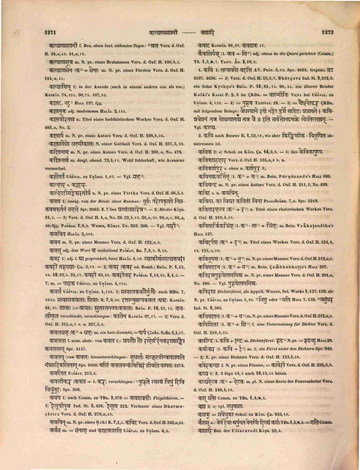
1. kavi 1〉 tatkavayo vadanti AV. PRĀT. 3,65. Spr. 4053. Gegens. jaḍa Spr. 4197. Spr. 4636. — 3〉 Verz. d. Oxf. H. 53,b,7. Bhārgava Ind. St. 3,212,b. ein Sohn Kṛṣṇaʼs BHĀG. P. 10,61,14. BHĀG. P. 10,90,34. ein älterer Bruder Kalkiʼs KALKI-P. 2. KALKI-P. 3_im_ŚKDR. = vālmīki VIŚVA_bei_UJJVAL._zu_UṆĀDIS. 4,138. — 4〉 = puruṣa TATTVAS. 18. — 5〉 = caurayoddhar ŚKDR. mit folgendem Belege: vedhasthāne raṇe bhaṅgo durge khaṇḍiḥ prajāyate . kavipraveśanaṃ tatra yodhāghātaśca tatra vai .. iti sarvatobhadracakre jyotistattvam. — Vgl. kāvya.
Original text · German · Word type unspecified
2. kavi nach BENFEY R. 1,53,18, wo aber kiṅkiṇīka — vibhūṣita abzutrennen ist.
Böhtlingk 1879 adjective · substantive feminine · substantive masculine · Word type unspecified
Original text · German · adjective · substantive masculine
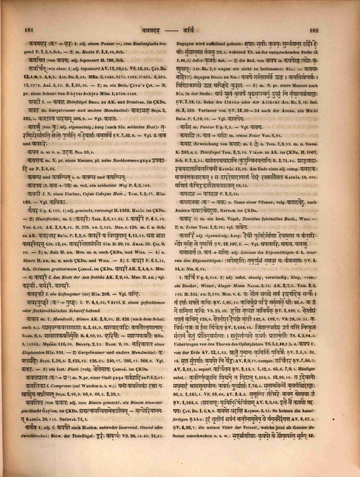
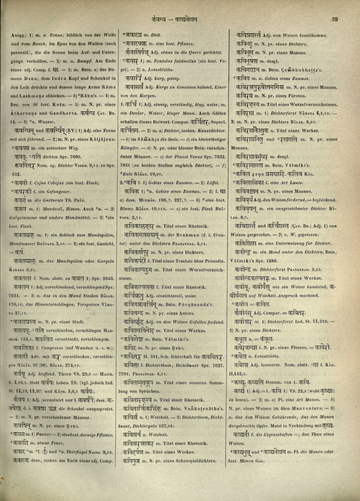
1. kaví — 1〉 Adj. sinnig, verständig, klug, weise; m. ein Denker, Weiser, kluger Mann. Auch Götter erhalten dieses Beiwort. Compar. kavítara, Superl. kavítama. — 2〉 m. — a〉 Dichter, insbes. Kunstdichter. — b〉 im Sāṃkhya die Seele. — c〉 ein hinterlistiger Kämpfer. — d〉 N. pr. oder blosser Bein. verschiedener Männer. — e〉 der Planet Venus Spr. 7632. Spr. 7861 (an beiden Stellen zugleich Dichter). — f〉 *Eule RĀJAN. 19,91.
Original text · German · substantive feminine
2. *kavi f. — 1〉 Gebiss eines Zaumes. — 2〉 Löffel.
Original text · German · Word type unspecified
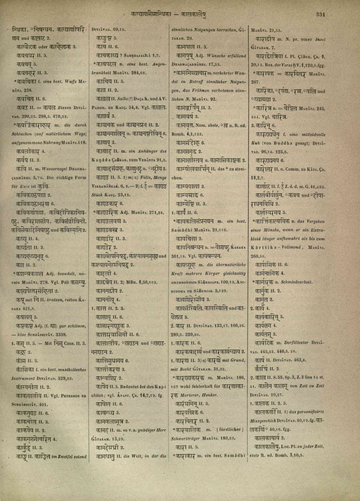
kavi II. m. Wasservogel DHARMAŚARMĀBHY. 5,70. Die richtige Form für Eule ist kuvi. [Nachtrag, Band 7]
Apte 1890 adjective · substantive masculine
Original text · English · adjective · substantive masculine
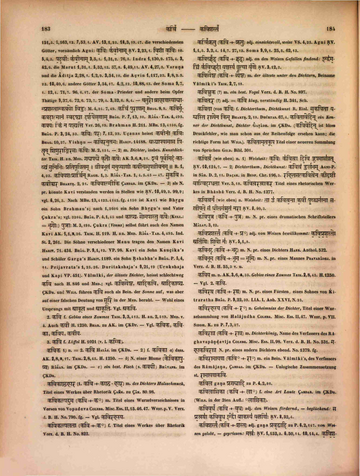
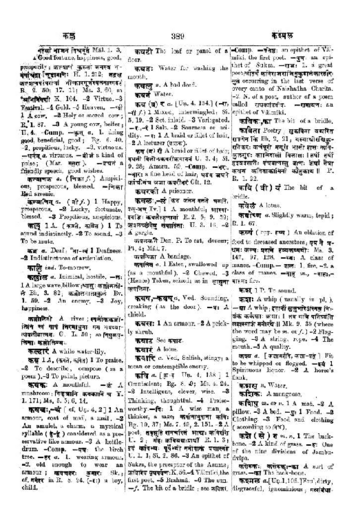
kavi a. [ku-i Uṇ. 4. 138] 1 Omniscient; Bg. 8. 9; Ms. 4. 24. 2 Intelligent, clever, wise. 3 Thinking, thoughtful. 4 Praiseworthy. — viḥ 1 A wise man, a thinker, a sage; kavīnāmuśanā kaviḥ Bg. 10. 37; Ms. 7. 49, Ms. 2. 151. 2 A poet; tadbrūhi rāmacaritaṃ ādyaḥ kavirasi U. 2; maṃdaḥ kaviyaśaḥprārthī R. 1. 3; idaṃ kavibhyaḥ pūrvebhyo namovākaṃ praśāsmahe U. 1. 1; Śi. 2. 86. 3 An epithet of Śukra, the preceptor of the Asuras; kaviriva vṛṣaparvaṇaḥ K. 56. 4 Vālmīki, the first poet. 5 Brahmā. 6 The sun. — f. The bit of a bridle; see kavikā. ([Page 0389-c]) Comp. — jyeṣṭhaḥ an epithet of Vālmīki, the first poet. — putraḥ an epithet of Śukra. — rājaḥ 1 a great poet; śrīharṣaṃ kavirājarājimukuṭālaṃkārahīraḥ sutaṃ occurring in the last verse of every canto of Naiṣadha Carita. 2 N. of a poet, author of a poem called rāghavapāṃḍavīya. — rāmāyaṇaḥ an epithet of Vālmīki.
Cappeller 1887 Word type unspecified
Original text · German · Word type unspecified
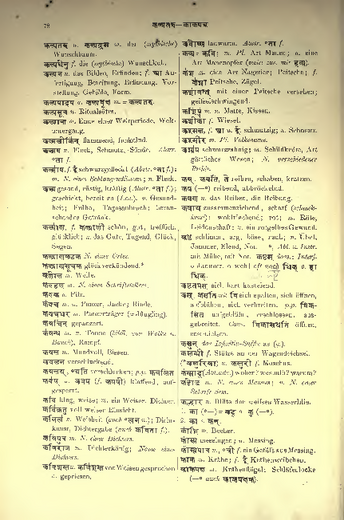
kaví klug weise; m. ein Weiser, Dichter.
Burnouf 1866 adjective
Original text · French · adjective
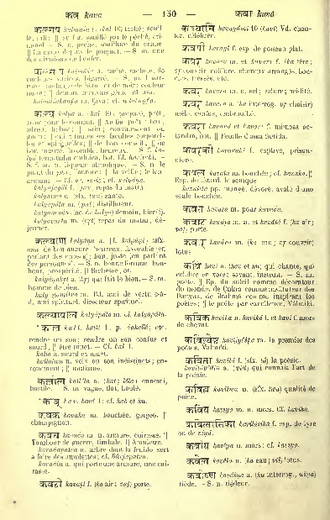
kavi kavi a. (kav et ku) qui chante, qui célèbre en vers; savant, instruit. — S. m. poète. Ép. du soleil comme décorateur du monde, de Śukra comme instituteur des Daityas, de Brahmā comme inspirant les poètes; le poète par excellence, Vālmīki.
Occurrences in source texts (4)
DYS 1 occurrence
IVU 1 occurrence
SiSa 1 occurrence
SVU 1 occurrence
Continue with AYI Free
Image source: AYI archive.