

oṣadhi ओषधि – medicinal herb; plant
substantive feminine · Word type unspecified
Dictionary sources
AYI dictionary substantive feminine
medicinal herb; plant
Cappeller 1891 substantive feminine
Original text · English · substantive feminine
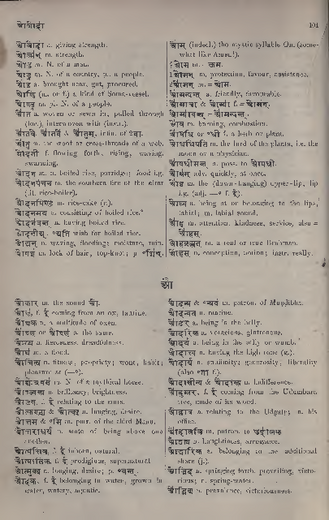
óṣadhi ·f. a herb or plant.
Monier-Williams 1872 Word type unspecified
Original text · English · Word type unspecified
oṣadhi oṣadhi, is, or ī, f. (a contraction fr. avasa and dhi, ‘containing refreshment or food?;’ according to Pāṇini VI. 3. 132, the form in ī is only used for the oblique cases in the Veda; but this re- striction does not seem to be universal), a herb, a plant, medicinal plant; an annual plant or herb, one that dies after becoming ripe.
Petersburger 1855 substantive feminine · Word type unspecified
Original text · German · substantive feminine
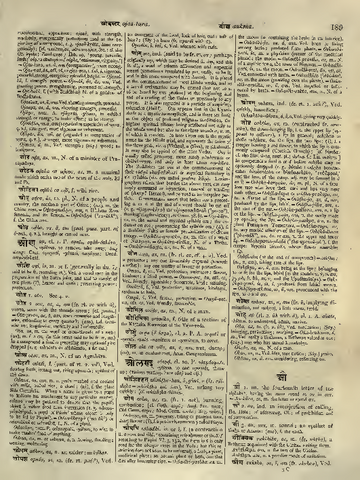
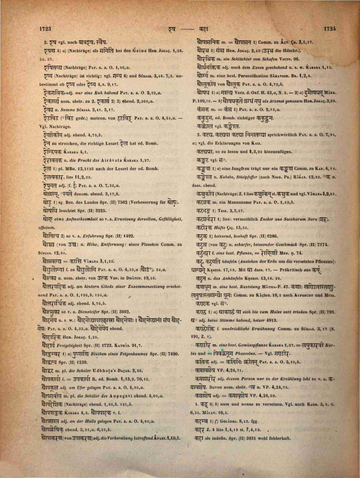
óṣadhi und oṣadhī f. Die letztere Form soll nach P. 6,3,132 nur den obliquen cass. im Veda zu Grunde liegen, wir finden aber auch oṣadhī (!) R. 6,82,49. mahauṣadhī SUŚR. 2,171,15. SUŚR. 2,171,19. oṣadhīm R. 2,25,36. R. 3,72,16. SUŚR. 2,171,21 (lies auṣadhīm). VET. 3,8. oṣadhyaḥ nom. pl. M. 1,46. M. 5,40. MBH. 3,138. SUŚR. 1,12,16. AK. 2,4,1,6. AK. 2,4,5,1 am Anf. eines comp. MBH. 13,4728. R. 4,37,32. Aus der ved. Lit. sind zu belegen die Formen: oṣadhis; ˚dhim und dhīm (AV. 8,2,6); nom. pl. ˚dhayas und ˚dhīs; acc. ˚dhīs; ˚dhībhis; ˚dhībhyas, ˚dhīṣu. Kraut, Pflanze (im Gegens. gegen Baum); Heilkraut; im System: eine einjährige Pflanze AK. 2,4,1,6. AK. 2,4,5,1 H. 1117. viśvò vo̱ ajmànbhayate̱ vana̱spatī̀ rathī̱yantī̀va̱ pra jìhīta̱ oṣàdhiḥ ṚV. 1,166,5. ṚV. 1,187,10. ṚV. 3,54,21. ṚV. 4,33,7. ṚV. 4,57,3. ṚV. 7,35,5. ṚV. 10,97,1. fgg. VS. 1,21. AV. 18,1,17. nānā̀vīryā̱ oṣàdhī̱ryā bibhàrti AV. 12,1,2. AV. 12,1,17. AV. 12,1,19. AV. 12,1,23. ŚAT. BR. 2,2,4,5. ŚAT. BR. 3,6,1,7. ŚAT. BR. 3,6,2,26. ŚAT. BR. 3,7,4,4. oṣadhiloká ŚAT. BR. 13,8,1,20. oṣadhivanaspatí n. ŚAT. BR. 6,1,1,13. oṣadhayo vanaspatayaḥ TAITT. UP. 1,7. oṣadhivanaspatayaḥ AIT. UP. 1,4. MUṆḌ. UP. 2,1,9. oṣadhībhyo 'nnam TAITT. UP. 2,1. oṣadhyaḥ phalapākāntā bahupuṣpaphalopagāḥ M. 1,46. SUŚR. 1,4,18. ādadītātha paḍbhāgaṃ drumāṃsamadhusarpiṣām . gandhauṣadhirasānāṃ ca puṣpamūlaphalasya ca .. M. 7,131. M. 10,87. M. 11,63. kṛṣṭajānāmoṣadhīnāṃ jātānāṃ ca svayaṃ vane M. 144. M. 168. YĀJÑ. 3,71. R. 6,82,55. R. 6,82,60 PAÑCAT. I, 425. RAGH. 2,32. majjīvanauṣadhimiva pramadām CAURAP. 47. VID. 145. Nachdem man sich daran gewöhnt hatte, den Mond in enger Verbindung mit dem Soma-Safte zu betrachten (vgl. den Artikel indu), kam man auch darauf, einen nähern Zusammenhang zwischen dem Monde und den Kräutern überhaupt zu suchen. puṣṇāmi (Kṛṣṇa spricht) cauṣadhīḥ sarvāḥ somo bhūtvā rasātmakaḥ BHAG. 15,13. oṣadhīroṣadhīpatiḥ . divastejaḥ samuddhṛtya janayāmāsa vāriṇā .. MBH. 3,137. patiroṣadhīnām heisst der Mond ŚĀK. 77. nāthamivauṣadhīnām RAGH. 2,73. oṣadhīnāmadhipasya KUMĀRAS. 7,1. Vgl. oṣadhīgarbha, oṣadhīpati, oṣadhīśa. Eine Etymologie des Wortes wird schon NIR. 9,27 versucht: oṣadhaya oṣaddhayantīti vauṣatyenā dhayantīti vā doṣaṃ dhayantīti vā. Vgl. ŚAT. BR. 2,2,4,5. Wir wären geneigt das Wort für zusammengezogen zu halten aus avasadhi d. i. avasa Labung, Nahrung und dhi enthaltend. — Vgl. auṣadhi und auṣadha.
Original text · German · Word type unspecified
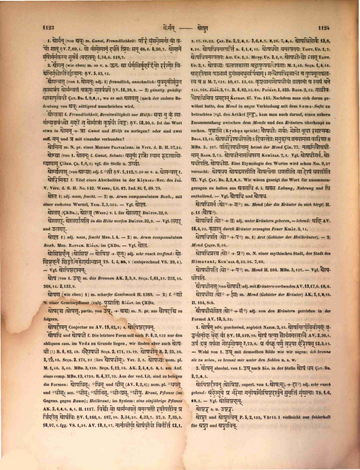
oṣadhi [vgl. [1:1141]] Z. 2 streiche: auṣadhībhyaḥ bis zum Ende der Zeile. (revision)

Original text · German · Word type unspecified
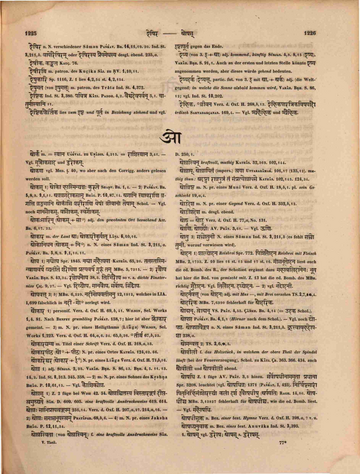
oṣadhi Z. 1 füge AV. PRĀT. 3,5 hinzu. sarvauṣadhīnāmamṛtā pradhānā Spr. 5208. leuchtet (vgl. oṣadhija) Spr. 1371 (PAÑCAT. I, 425). nirviṣṭasārāṃ pitṛbhirhimāṃśorantyāṃ kalāṃ darśa ivauṣadhīṣu (arpayati) RAGH. 14,80. oṣadhīṃśca MBH. 3,13827 fehlerhaft für oṣadhīśca, wie die ed. Bomb. liest. — Vgl. mahauṣadhi.
Original text · German · Word type unspecified
oṣadhi leuchtet Spr. (II) 3225.
Böhtlingk 1879 substantive feminine
Original text · German · substantive feminine
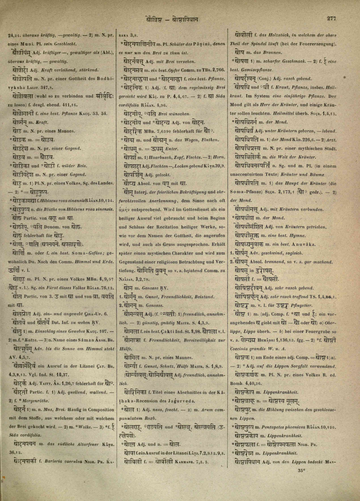
óṣadhi und ˚dhī f. Kraut, Pflanze, insbes. Heilkraut. Im System eine einjährige Pflanze. der Mond gilt als Herr der Kräuter, und einige Kräuter sollen leuchten. Heilmittel überh. SUŚR. 1,4,15.
Apte 1890 substantive feminine
Original text · English · substantive feminine
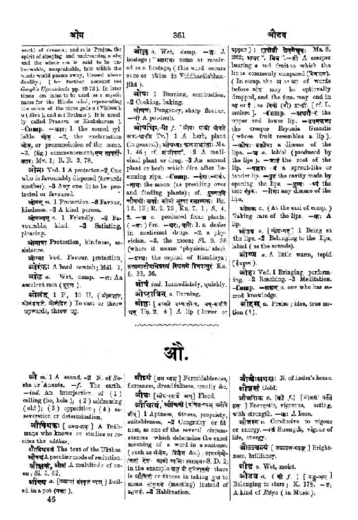
oṣadhiḥ, -dhī f. [oṣaḥ pāko dhīyate atra, -dhā ki Tv.] 1 A herb, plant (in general); oṣadhyaḥ phalapākāṃtāḥ Ms. 1. 46; cf. saṃjīvana˚. 2 A medicinal plant or drug. 3 An annual plant or herb which dies after becoming ripe. Comp. — īśaḥ,-garbhaḥ, — nāthaḥ the moon (as presiding over and feeding plants); cf. puṣṇāmi cauṣadhīḥ savoḥ somo bhūtvā rasātmakaḥ Bg. 15. 13; R. 2. 73: Ku. 7. 1; Ś. 4. 2. — ja a. produced from plants. — (jaḥ) fire. — dharaḥ, -patiḥ 1 a dealer in medicinal drugs. 2 a physician. 3 the moon; Śi. 9. 36 (where it means ‘physician’ also). — prasthaḥ the capital of Himālaya; tatprayātauṣadhiprasthaṃ sthitaye himavatpuraṃ Ku. 6. 33, Ku. 6. 36.
Cappeller 1887 Word type unspecified
Original text · German · Word type unspecified
óṣadhi u. ˚dhī f. Kraut, Pflanze.

Burnouf 1866 Word type unspecified
Original text · French · Word type unspecified
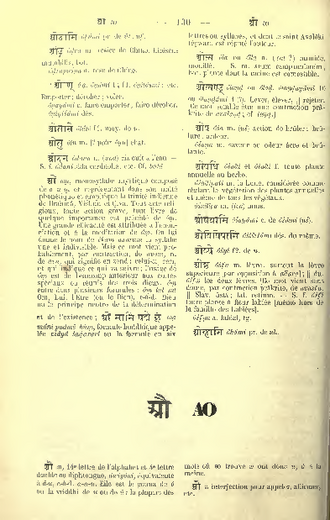
oṣadhi oṣadhi et oṣadhi f. toute plante annuelle ou herbe. oṣadhīpati m. la Lune, considérée comme réglant la végétation des plantes annuelles et même de tous les végétaux. oṣadhīśa m. (īśa) mms.
Occurrences in source texts (2)
PYS 1 occurrence
SVU 1 occurrence
Continue with AYI Free
Image source: AYI archive.