

sita सित – as, ā, am, (for 2. see p. 1113, col. 2; for 3. see under rt. 1. so), bound, tied, fastened
adjective · substantive masculine · substantive neuter · Word type unspecified
Dictionary sources
Cappeller 1891 adjective · Word type unspecified
Original text · English · Word type unspecified
sitá1 ·-> sā & si.
Original text · English · adjective
sita2 ·a. white, bright, clear, pure.
Monier-Williams 1872 adjective · Word type unspecified
Original text · English · adjective
1. sita, as, ā, am, (for 2. see p. 1113, col. 2; for 3. see under rt. 1. so), bound, tied, fastened; sur- rounded.
Original text · English · adjective
3. sita, as, ā, am, (for 1. see under rt. si; for 2. see p. 1113, col. 2), destroyed, brought to an end, finished, completed, concluded; ascertained, known; (as), m. an arrow (probably for śita, cf. sāyaka, śāyaka).
Original text · English · Word type unspecified
sita 2 . sita, as, ā or ī, am (thought by some to be fr. 2. asita, q. v.; apparently connected with śiti, p. 1005, cf. śvita, śveta, p. 1031, and see sina; for 1. see under rt. si, for 3. see under rt. 1. so), white; (as), m. the colour white; the light half of the month from new to full moon; the planet Venus or its regent, = śukra; (ā), f. candied sugar, sugar; moonlight; a handsome woman; spirituous liquor; white Dūrvā grass; Arabian jas- mine; a sort of Clitoria; a kind of Aparājitā plant (growing on mountains); various other plants or trees, = śveta-kaṇṭakārī; = vākucī; = vidārī; = kuṭumbinī; = piṅgā; = trāyamāṇā; = tejanī; (am), n. silver; sandal; a radish (= mūlaka).
Petersburger 1855 adjective · substantive masculine · substantive neuter · Word type unspecified
Original text · German · adjective · substantive masculine · substantive neuter
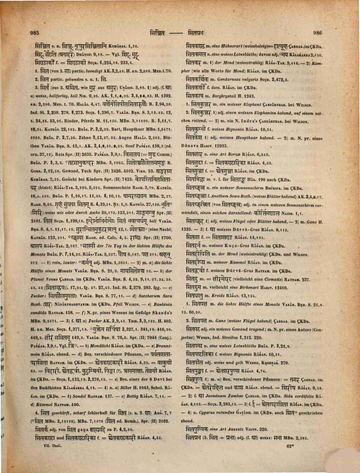
3. sitá (aus 2. asita, wie sura aus asura) UṆĀDIS. 3,89. 1〉 adj. (f. ā) a〉 weiss, hellfarbig, hell NIR. 9,26. AK. 1,1,4,22. AK. 3,4,14,83. H. 1392. H. an. 2,206. MED. t. 70. HALĀY. 4,47. varṇairnīlapītasitāruṇaiḥ R. 2,94,20. Ind. St. 2,258. Ind. St. 2,278. Ind. St. 8,273. SUŚR. 1,296,7. VARĀH. BṚH. S. 3,19. VARĀH. BṚH. S. 3,42. VARĀH. BṚH. S. 12,5. VARĀH. BṚH. S. 24,35. VARĀH. BṚH. S. 53,96. Rinder, Pferde M. 11,130. MBH. 3,11898. R. 5,11,7. R. 5,12,34. KATHĀS. 22,182. BHĀG. P. 3,2,29. Bart, Haupthaar MBH. 1,3471. MBH. 1,5330. BHĀG. P. 2,7,26. Zähne BHĀG. P. 3,13,27. BHĀG. P. 3,13,32. Augen HALĀY. 2,283. Blüthen VARĀH. BṚH. S. 15,1. AK. 2,4,2,51. AK. 2,4,3,28 Senf PAÑCAT. 158,3 (ed. orn. 57,12). Reis Spr. (II) 2635. PAÑCAR. 3,9,1. kisalaya (= śuddha Comm.) BHĀG. P. 5,3,6. ˚taṭasānukandara MBH. 3,1663. sitoccaśailottamaśṛṅga R. GORR. 2,12,38. Gewand, Tuch Spr. (II) 2426. Spr. (II) 4102. VIKR. 53. aṅgarāga KUMĀRAS. 7,32. Gesicht bei Kindern Spr. (II) 7423. kopastimitasitādhara (bleich) RĀJA-TAR. 3,293. RĀJA-TAR. 5,324. Sonnenschein RAGH. 3,70. KATHĀS. 18,4. KATHĀS. 18,403. BHĀG. P. 1,10,17. BHĀG. P. 1,11,28. BHĀG. P. 8,10,13. cāmaravyajana MBH. 2,37. RAGH. 9,66. gṛhaṃ sudhayā sitam R. 4,33,21. ṚT. 1,9. KATHĀS. 27,136. bhūti˚ (giri) weiss wie oder durch Asche KATHĀS. 50,173. KATHĀS. 123,211. gāṅgamambu Spr. (II) 2101. tila SUŚR. 1,198,18. indorbhābhirbhānoḥ sitaṃ bhavatyardham hell VARĀH. BṚH. S. 4,1. VARĀH. BṚH. S. 11,17. VARĀH. BṚH. S. 11,19. surānsitamukuṭaratnān VARĀH. BṚH. S. 12,1. jyotsnā˚ (eine Nacht) KATHĀS. 123,211. ˚cchāyā RAGH. ed. Calc. 4,5. rātryaḥ Spr. (II) 1700. ātapa RĀJA-TAR. 2,167. ˚saptamī der 7te Tag in der lichten Hälfte des Monats BHĀG. P. 7,14,22. RĀJA-TAR. 5,327. pauṣa RĀJA-TAR. 6,187. pakṣa RĀJA-TAR. 311. ahan RĀJA-TAR. 312. — b〉 rein, lauter: ˚karman adj. MBH. 1,3641. — 2〉 m. a〉 die lichte Hälfte eines Monats VARĀH. BṚH. S. 21,9. māghasitottha 10. — b〉 der Planet Venus ŚABDAR._im_ŚKDR. VARĀH. BṚH. S. 4,22. VARĀH. BṚH. S. 9,11. VARĀH. BṚH. S. 9,27. VARĀH. BṚH. S. 9,34. VARĀH. BṚH. S. 9,38. VARĀH. BṚH. S. 9,42. VARĀH. BṚH. S. 9,45 (sitāhvayaḥ). VARĀH. BṚH. S. 17,24. fg. VARĀH. BṚH. S. 17,27. VARĀH. BṚH. S. 27,42. Ind. St. 2,279. Ind. St. 2,283. fgg. — c〉 Zucker: sitaśailamustāḥ VARĀH. BṚH. S. 77,11. — d〉 Saccharum Sara Roxb. (śara) NĀNĀRTHADHVANIM._im_ŚKDR. Pfeil WILSON. — e〉 Bauhinia candida RATNAM. 158. — f〉 N. pr. eines Wesens im Gefolge Skandaʼs MBH. 9,2571. — 3〉 f. ā a〉 Zucker AK. 2,9,43. TRIK. 3,3,192. H. 403. H. an. MED. SUŚR. 1,377,18. ˚yuktena sarpiṣā SUŚR. 2,327,1. SUŚR. 2,341,19. SUŚR. 2,410,20. SUŚR. 2,449,2. kṣīraṃ sasitam SUŚR. 149,5. VARĀH. BṚH. S. 76,6. Spr. (II) 7044 (Conj.). PAÑCAR. 3,9,1. Vgl. tri˚. — b〉 Mondlicht RĀJAN._im_ŚKDR. — c〉 Branntwein RĀJAN. ebend. — d〉 Bez. verschiedener Pflanzen, = parvatajātāparājitā RATNAM._im_ŚKDR. = śvetakaṇṭakārī RĀJAN. 4,33. = vākucī 63. = vidārī, śvetadūrvā, kuṭumbinī, piṅgā (?), trāyamāṇā, tejanī RĀJAN._im_ŚKDR. — SUŚR. 1,133,19. SUŚR. 2,276,15. — e〉 Bez. einer der 8 Devī bei den Buddhisten KĀLACAKRA 4,18. — 4〉 n. a〉 Silber H. 1043, Schol. RĀJAN._im_ŚKDR. — b〉 Sandel RATNAM. 137. — c〉 Rettig RĀJAN. 7,14. — d〉 Kümmel RATNAM. 100.
Original text · German · Word type unspecified
1. sita (von 3. sā) partic. beendigt AK. 3,2,48. H. an. 2,206. MED. t. 70.
Original text · German · Word type unspecified
2. sita partic. gebunden s. u. 1. si.
Original text · German · Word type unspecified
4. sita geschärft, scharf fehlerhaft für śita (s. u. 2. śā) ARJ. 7,7 (˚sita MBH. 3,12109). MBH. 7,1078 (śita ed. Bomb.). Spr. (II) 3162.
Böhtlingk 1879 adjective · substantive neuter · Word type unspecified
Original text · German · adjective · substantive neuter
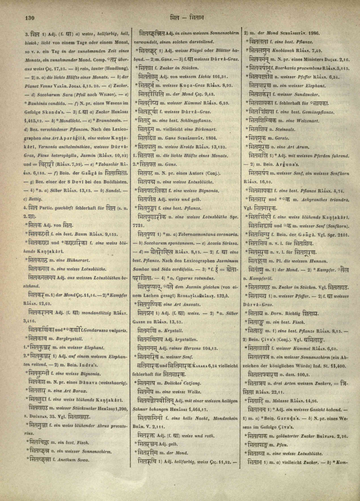
3. sita — 1〉 Adj. (f. ā) — a〉 weiss, hellfarbig, hell, bleich; licht von einem Tage oder einem Monat, so v. a. ein Tag in der zunehmenden Zeit eines Monats, ein zunehmender Mond. Comp. ˚tara überaus weiss ŚIŚ. 17,25. — b〉 rein, lauter (Handlung). — 2〉 n. — a〉 die lichte Hälfte eines Monats. — b〉 der Planet Venus VARĀH. YOGAY. 4,15. 20. — c〉 Zucker. — d〉 Saccharum sara (Pfeil nach WILSON). — e〉 *Bauhinia candida. — f〉 N. pr. eines Wesens im Gefolge Skandaʼs. — 3〉 f. ā — a〉 Zucker HEMĀDRI 1,415,12. — b〉 *Mondlicht. — c〉 *Branntwein. — d〉 Bez. verschiedener Pflanzen. Nach den Lexicographen eine Art Aparājitā, eine weisse Kaṇṭakārī, Vernonia anthelmintica, weisses Dūrvā-Gras, Ficus heterophylla, Jasmin (RĀJAN. 10,82) und = vidārī (RĀJAN. 7,99). — e〉 *Tabaschir RĀJAN. 6,188. — f〉 Bein. der Gaṅgā in sitāsitā. — g〉 Bez. einer der 8 Devī bei den Buddhisten. — 4〉 *n. — a〉 Silber RĀJAN. 13,15. — b〉 Sandel. — c〉 Rettig.
Original text · German · Word type unspecified
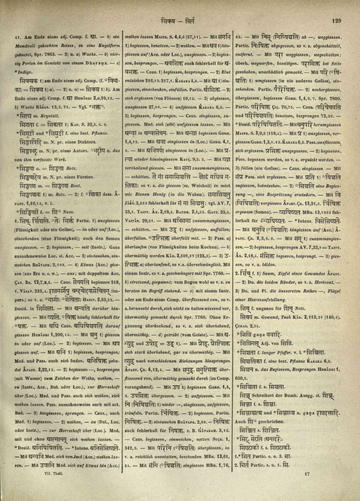
1. *sita Partic. s. u. 3 sā.
Original text · German · Word type unspecified
2. sitá Partic. s. u. 1. si.
Original text · German · Word type unspecified
4. sita Partic. geschärft fehlerhaft für śita (s. u. 2. śā).
Apte 1890 adjective · substantive masculine · substantive neuter
Original text · English · adjective · substantive masculine · substantive neuter
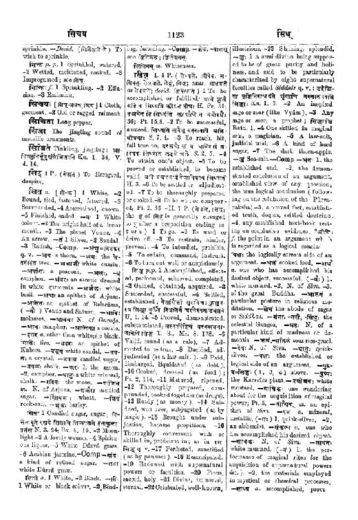
sita a. [so-kta] 1 White. 2 Bound, tied, fastened, fettered. 3 Surrounded. 4 Ascertained, known. 5 Finished, ended. — taḥ 1 White colour. 2 The bright half of a lunar month. 3 The planet Venus. 4 An arrow. — taṃ 1 Silver. 2 Sandal. 3 Radish. Comp. — aṃśu = sitakara q. v. — agraḥ a thorn. — aṃgaḥ the śvetarohita tree. — ajājī white cumin. — apāṃgaḥ a peacock. — abhraḥ, -bhraṃ camphor. — aṃbaraḥ an ascetic dressed in white garments. — arjakaḥ white basil. — aśvaḥ an epithet of Arjuna. — asitaḥ an epithet of Balarāma. — (tau) Venus and Saturn. — ādiḥ molasses. — ānanaḥ N. of Garuḍa. — ābhaḥ camphor. — ālikā a cockle. — itara a. other than white; i. e. black. ˚gatiḥ fire. — udaraḥ an epithet of Kubera. — udbhavaṃ white sandal. — upalaḥ a crystal. — upalā candied sugar. — upalaḥ chalk. — karaḥ 1 the moon. 2 camphor. — dhātuḥ a white mineral, chalk. — raśimaḥ the moon. — vājin m. N. of Arjuna. — śarkarā candied sugar. — śiṃbikaḥ wheat. — śivaṃ rock-salt. — śūkaḥ barley.
Cappeller 1887 Word type unspecified
Original text · German · Word type unspecified
1. sitá s. sā u. si.

Original text · German · Word type unspecified
2. sita weiß, hell; rein, lauter.
Burnouf 1866 adjective
Original text · French · adjective
sita sita pp. de si, lié. — Pp. de so, fini, achevé; détruit, conclu; connu.
Original text · French · adjective
sita sita a. blanc. — S. m. couleur blanche. La planète de Vénus. Flèche. S. n. argent [métal]; sandal. — S. f. sitā sucre blanc ou candi. Clair de lune. Liqueur spiritueuse. Femme blanche et belle. Esp. de clitoria; jasmin zambac; dūrbā à fleurs blanches; bot. sitakuñjara m. l'éléphant blanc d'Indra, Indra. sitacihna m. le scinque, lézard. sitachattra n. parasol blanc. — F. [ī] anethum sowa, bot. sitachada m. oie. — F. dūrbā à fleurs blanches. sitadīdhiti m. la Lune. sitadru m. esp. de plante. sitadhātu m. craie. sitapakṣa m. oie. sitapuṣpa a. qui a les fleurs blanches. — S. m. le tagara, arbre; le saccharum spontaneum; bot. — S. n. cyperus rotundus, bot. — S. f. [ā] jasmin zambac. sitamārica n. poivre long. sitamāṣa m. dolichos catjang, bot. sitarañjana m. couleur blanche. sitaraśmi m. la Lune. sitaśimbika m. froment. sitaśiva n. sel gemme. sitaśūka m. orge. sitaśmaśru a. qui a une barbe blanche. sitasapti m. Arjuna. sitasarṣapa m. moutarde blanche. sitasindhu f. [le fleuve blanc] le Gange. sitasiva n. sel gemme. sitākhaṇḍa m. sucre blanc. sitāṅka m. (aṅka) scinque. sitāgra m. (agra) épine. sitādi m. (dā) melasse. sitānana m. (ānana) Garuḍa. sitāpāṅga m. (apāṅga) paon. sitābja n. (abja) lotus blanc. sitābha m. (ā; bhā) camphre. sitābhra m. n. (abhra) camphre. sitāmbara a. (ambara) qui porte des vêtements blancs. — S. m. ascète vêtu de blanc. sitāmbhoja n. (ambhoja) lotus blanc. sitālatā f. dūrvā à fleurs blanches. sitāśva m. (aśva) Arjuna. sitāsita a. noir et blanc. — S. m. Baladeva. siti a. (sfx. ti) blanc. sitiman m. (sfx. man) blancheur. sitivāsas m. Baladeva. sitetaragati m. (itara) Agni, le feu. sitodara m. (udara) Kuvera. sitopala n. (upalā) craie. — M. cristal. — F. sucre blanc ou candi.
Occurrences in source texts (1)
SiSa 1 occurrence
Continue with AYI Free
Image source: AYI archive.