

aja अज – unborn
adjective · substantive masculine · substantive neuter · Word type unspecified
Dictionary sources
AYI dictionary adjective · substantive masculine
Cappeller 1891 adjective · substantive masculine
Original text · English · substantive masculine
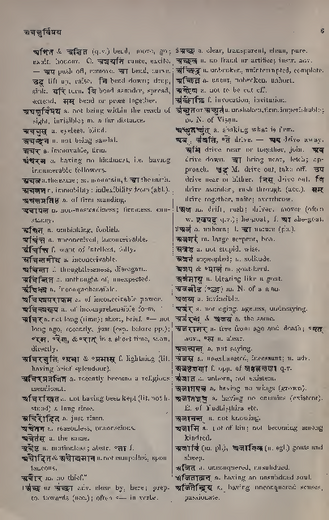
ajá1 ·m. drift, rush; driver, mover (often w. ekapad q.v.); N. of a king; he-goat, f. ā she-goat.
Original text · English · adjective
ajá2 ·a. unborn; f. ā nature (ph.).
Monier-Williams 1872 adjective · substantive masculine · Word type unspecified
Original text · English · adjective
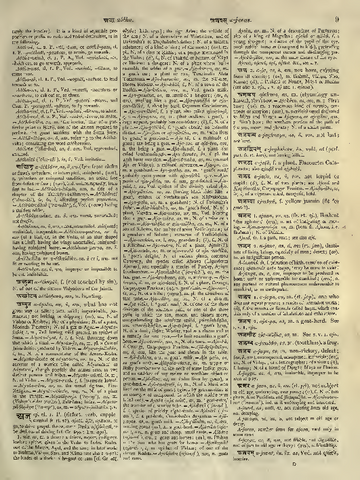
aja 2 . a-ja, as, ā, am, not born, existing from all eternity; (as), m. Brahmā, Viṣṇu, Śiva, Kāma; (ā), f. Prakṛti or Nature, Māyā or Illusion (see also 1. aja, s. v. aj and 1. ajana).
Original text · English · substantive masculine
1. aja, as, m. a drove; a driver, mover, instigator, leader; epithet given in the Vedas to Indra. Rudra, one of the Maruts, Agni, and the sun; in later works to Brahmā, Viṣṇu, Śiva, and Kāma (see also 2 a-ja); the leader of a flock; a he-goat or ram [cf. Gr. αἴξ αἰγος Lith. ožys]; the sign Aries; the vehicle of the sun; N. of a descendant of Viśvāmitra, and of Daśaratha's or Dīrghabāhu's father; N. of a mineral substance; of a kind of rice; of the moon; (as), m. pl., N. of a class of Ṛṣis; of a people mentioned in the Vedas; (ā), f., N. of Prakṛti or Nature, of Māyā or Illusion; a she-goat; N. of a plant whose bulbs resemble the udder of a goat.
Original text · English · Word type unspecified
1. aja; for ‘(as), m. pl.’ read (ās), m. pl.
Petersburger 1855 adjective · substantive masculine · substantive neuter · Word type unspecified
Original text · German · adjective · substantive masculine
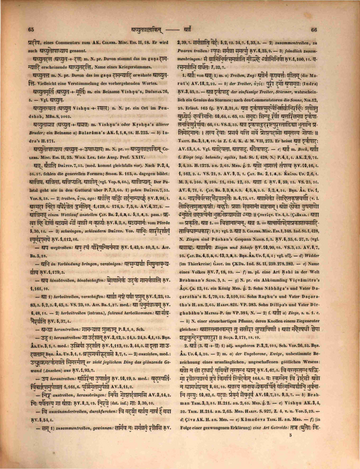
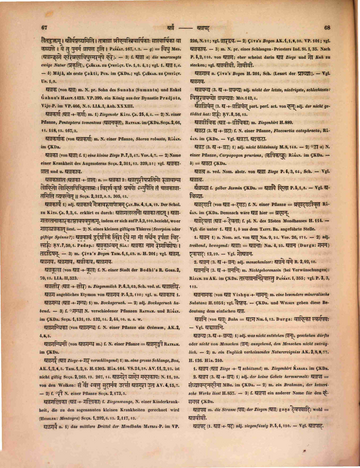
2. ajá (3. a + ja) 1〉 adj. ungeboren P. 3,2,101, Sch. VOP. 26,33. BṚH. ĀR. UP. 4,4,20. — 2〉 m. a〉 der Ungeborene, Ewige, unbestimmte Bezeichnung eines uranfänglichen, ungeschaffenen göttlichen Wesens: a̱jo na kṣāṃ dā̱dhārà pṛthi̱vīṃ ta̱stambha̱ dyām ṚV. 1,67,5. vi yasta̱stambha̱ ṣaḻimā̱ rajā̀ṃsya̱jasyà rū̱pe kimapì svi̱dekàm ṚV. 1,164,6. yaḥ ska̱mbhena̱ vi rodàsī a̱jo na dyāmadhā̀rayat ṚV. 8,41,10. a̱jasya̱ nābhā̱vadhyeka̱marpìta̱ṃ yasmi̱nviśvā̀ni̱ bhuvànāni ta̱sthuḥ ṚV. 10,82,6. yada̱jaḥ pràtha̱maṃ sàṃba̱bhūvà AV. 10,7,31. AV. 9,5,7. — b〉 Brahman TRIK. 3,3,81. H. 211. H. an. 2,65. MED. j. 2. — c〉 Viṣṇu AK. 3,4,32. TRIK. H. 214. H. an. 2,65. MED. HARIV. S. 927, Z. 4, v. u. VOP. 5,29. — d〉 Śiva AK. H. an. MED. — e〉 Kāmadeva TRIK. H. an. MED. — f〉 (in Folge einer gezwungenen Erklärung) eine Art Getreide: tatra (śrutau) kilaitaduktam . ajairyaṣṭavyamiti . tatrājā brīhayastrivārṣikāḥ saptavārṣikā vā kathyante . ye tu punarna jāyanta iti . PAÑCAT. 167,1. PAÑCAT. 167,2. — g〉 = vidhu MED. (ajaśchāge haribrahmavidhusmaranṛpe hare). — 3〉 f. ajā a〉 die unerzeugte ewige Natur (prakṛti), ŚAṂK._zu_ŚVETĀŚV. UP. 1,9. ŚVETĀŚV. UP. 4,5; vgl. 1. aja 1,c. — b〉 Māyā, als erste Śakti, PUR._im_ŚKDR.; vgl. ŚAṂK._zu_ŚVETĀŚV. UP. 1,9.
Original text · German · substantive masculine
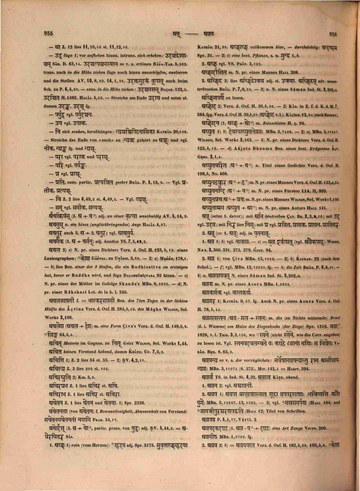
1. ajá (von aj) 1〉 m. a〉 Treiben, Zug: a̱jenà kṛ̱ṇvantàḥ śī̱tam (die Marutʼs) AV. 18,2,22. — b〉 der Treiber, ἀγός: pu̱rāṃ da̱rmo a̱pāma̱jaḥ (Indra) ṚV. 3,45,2. — a̱ja ekàpād der einfüssige Treiber, Stürmer, wahrscheinlich ein Genius des Sturmes; nach den Commentatoren die Sonne, NIR. 12,29. Erläut. 165. fg. ṚV. 2,31,6. a̱ja ekàpātsu̱havèbhi̱rṛkvàbhi̱rahìḥ śṛṇotu bu̱dhnyo̱3̱̀ havī̀mabhiḥ ṚV. 10,64,4. ṚV. 10,65,13. sa̱mu̱draḥ sindhū̱ rajò a̱ntarìkṣama̱ja ekàpāttanayi̱tnuràrṇa̱vaḥ ṚV. 10,66,11. VS. 5,33. aja ekapādudarātpurastādviśvā bhūtāni pratimodamānaḥ . tasya devāḥ prasavaṃ yanti sarve proṣṭhapadāso amṛtasya gopāḥ .. TAITT. BR. 3,1,2,10. in Z. f. d. K. d. M. VII, 273. Er heisst a̱ja ekàpādaḥ AV. 13,1,6. Vgl. ajadevatā, ajapād, ajaikapād. — c〉 ajá m. Bock, ajā́ f. Ziege (eig. behende, agilis, Ind. St. I, 428, N.) P. 4,1,4. AK. 2,9,76. AK. 3,4,32. H. 1275. H. an. 2,65. MED. j. 2. a̱jo bhā̱gastaṃ tàpasva ṚV. 10,16,4. ṚV. 1,162,2. ṚV. 1,162,4. VS. 21,9. AV. 9,5,1. ŚAT. BR. 2,1,4,3. CHĀND. UP. 2,6,1. M. 3,6. M. 3,260. M. 8,298. M. 11,136. M. 12,55. ajā f. ṚV. 8,59,15. VS. 23,56. AV. 6,71,1. ŚAT. BR. 3,3,3,8. ŚAT. BR. 3,3,3,9. ŚAT. BR. 4,5,5,2. ŚAT. BR. 4,5,5,5. ŚAT. BR. 5,2,1,24. BṚH. ĀR. UP. 1,4,4. nārācairvatsadantairajāmukhaiḥ R. 6,75,47. ajāmekāṃ lohitakṛṣṇavarṇāṃ (v. l. lohitaśuklakṛṣṇāṃ) bahvīḥ prajāḥ sṛjamānāṃ sarūpām . ajo hyeko juṣamāṇo 'nuśete jahātyenāṃ bhuktabhogyāmajo 'nyaḥ .. ŚVETĀŚV. UP. 4,5. (ŚAṂK.: ajā = prakṛti, aja 1. = vijñānātman, aja 2. = ācāryopadeśaprakāśāvasāditāvidyāndhakāra) ŚVETĀŚV. UP. 1,9; vgl. 2. aja 3. COLEBR. Misc. Ess. I, 348. Ind. St. I, 428, N. Ziegen sind Pūṣanʼs Gespann NAIGH. 1,5. ṚV. 6,55,6. ṚV. 6,57,3. (vgl. ajāśva). ajāváyaḥ Ziegen und Schafe ṚV. 10,90,10. VS. 3,43. AV. 8,7,25. ŚAT. BR. 4,5,5,6. ŚAT. BR. 13,3,3,3. BṚH. ĀR. UP. 1,4,4; vgl. αἴξ. — d〉 Widder (im Thierkreise) JYOT._im_ŚKDR. Ind. St. II, 259. Ind. St. II,278. Ind. St. II,282. — e〉 Name eines Volkes ṚV. 7,18,19. — f〉 m. pl. eine Art Ṛṣi in der Welt Brahmanʼs SUND. 3,5. — g〉 N. pr. ein Abkömmling Viśvāmitraʼs ĀŚV. ŚR. 12,14. ein König MED. j. 2. Sohn Nābhāgaʼs und Vater Daśarathaʼs R. 1,70,42. R. 2,110,34. Sohn Raghuʼs und Vater Daśarathaʼs H. an. 2,65. HARIV. 821. VP. 383. Sohn Dilīpaʼs und Vater Dīrghabāhuʼs MATSYA-P._im_VP. 384, N. — 2〉 f. ajā́ a〉 Ziege, s. u. 1,c. — b〉 N. einer strauchartigen Pflanze, deren Knollen einem Ziegeneuter gleichen: ajāstanābhakandā tu sakṣīrā kṣuparūpiṇī . ajā mahauṣadhī jñeyā śaṅkhakundendupāṇḍurā .. SUŚR. 2,171,18. SUŚR. 2,171,19.
Original text · German · substantive neuter
2. aja 1〉 von Śiva MBH. 13,1042. — 2〉b〉 CAURAP. 22 (nach dem Schol.). — f〉 vgl. MBH. 12,12820. fg. — h〉 die Zeit BHĀG. P. 8,8,21. — 4〉 n. ajamāyavam N. eines Sāman Ind. St. 3,202,a.
Original text · German · Word type unspecified
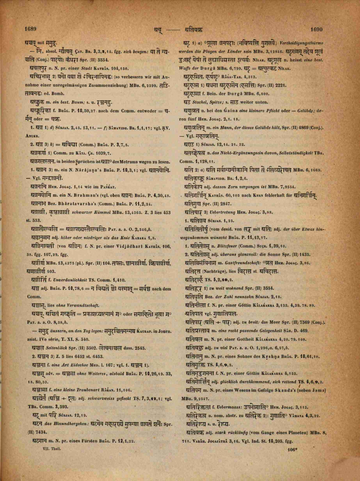
1. aja 1〉b〉 vgl. nāvāja. — c〉 = a̱ja ekàpāt (vgl. ajaikapād) WEBER, Nax. 2,300. WEBER, Nax. 2,331. WEBER, Nax. 2,375. WEBER, Nax. 2,379. JYOT. 94.
Original text · German · Word type unspecified
1. aja 1〉d〉 SŪRYAS. 2,45. SŪRYAS. 13,11. — f〉 SĀMAVIDH. BR. 1,1,17?; vgl. ṚV. ANUKR.
Original text · German · Word type unspecified
2. aja 3〉b〉 = avidyā (Comm.) BHĀG. P. 3,7,5.
Böhtlingk 1879 adjective · substantive masculine
Original text · German · adjective · substantive masculine
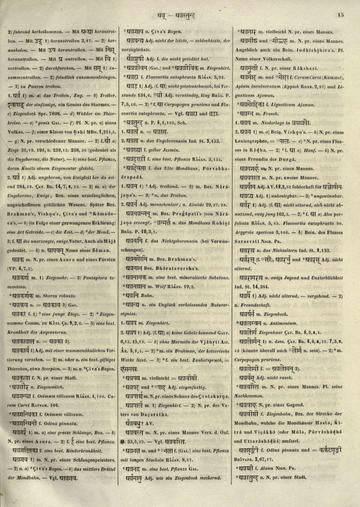
2. ajá — 1〉 Adj. ungeboren, von Ewigkeit her da seiend Chr. 284,32. ŚAT. BR. 14,7,2,23. — 2〉 m. — a〉 der Ungeborene, Ewige, Bez. eines uranfänglichen, ungeschaffenen göttlichen Wesens. Später Bez. Brahmanʼs, Viṣṇuʼs, Śivaʼs und *Kāmadevaʼs. — b〉 (in Folge einer gezwungenen Erklärung) eine Art Getreide. — c〉 die Zeit. — d〉 *der Mond. — 3〉 f. ā die unerzeugte, ewige Natur. Auch als Māyā gedeutet. — 4〉 n. āyavam Name eines Sāman.
Original text · German · substantive masculine
1. ajá — 1〉 m. — a〉 das Treiben, Zug. — b〉 Treiber. ikapād der einfüssige, ein Genius des Sturmes. — c〉 Ziegenbock Spr. 7698. — d〉 Widder im Thierkreise. — e〉 *penis GAL. — f〉 Pl. N. pr. — α〉 eines Volkes. — β〉 einer Klasse von Ṛṣi MBH. 1,211,5. — g〉 N. pr. verschiedener Männer. — 2〉 f. ā́ — a〉 Ziege Chr. 31,19. Chr. 191,9. Chr. 239,13. Chr. 258,30 (gedeutet als die Ungeborene, die Natur). — b〉 eine best. Pflanze, deren Knolle einem Ziegeneuter gleicht.
Apte 1890 adjective · substantive masculine
Original text · English · adjective · substantive masculine
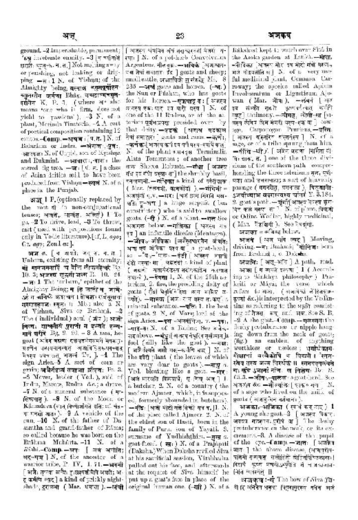
aja a. [na jāyate; jaṇ-ḍa. na. ta.] Unborn, existing from all eternity; yo māmajamanādiṃ ca vetti lokamaheśvaraṃ Bg. 10. 3; ajasya gṛhṇato janma R. 10. 24. — jaḥ 1 The ‘unborn,’ epithet of the Almighty Being; na hi jāto na jāye'haṃ na janiṣye kadācana . kṣetrajñaḥ sarvabhūtānāṃ tasmādahamajaḥ smṛtaḥ .. Mb.; also a N. of Viṣṇu, Śiva or Brahmā. 2 The (individual) soul (jīva); ajo nityaḥ śāśvatoyaṃ purāṇo na hanyate hanyamāne śarīre Bg. 2. 20. 3 A ram, hegoat [ajena brahmaṇā dakṣayajñabhaṃgasamaye meṣarūpagrahaṇena palāyamānatvāt ajādhiṣṭhitarūpavattvāt meṣasya upacārāt ajatvaṃ Tv.]. 4 The sign Aries. 5 A sort of corn or grain; ajairyaṣṭavyaṃ tatrājā vrīhayaḥ Pt. 3. 6 Mover, leader (Ved.), said of Indra, Maruts, Rudra &c.; a drove. 7 N. of a mineral substance ( mākṣikadhātu). 8 N. of the Moon or Kāmadeva (āt viṣṇorjāyate iti; cf. caṃdramā manaso jātaḥ). 9 A vehicle of the sun. 10 N. of the father of Daśaratha and grand-father of Rāma; so called because he was born on the Brāhma Muhūrta. 11 N. of a Ṛṣi. Comp. — adaḥ [ajaṃ attīti; ad-ghañ] N. of the ancestor of a warrior tribe, P. IV. 1. 71. — adanī [ajaiḥ tṛptyā anyaiḥ duḥkhasparśatvepi adyate; ad karmaṇi lyuṭ] a kind of prickly nightshade, durālabhā (Mar. dhamāsā). — aṃtrī ([Page 0023-b]) [ajasya aṃtramiva aṃtraṃ tadākāravatī maṃjarī yasyāḥ] N. of a potherb Convolvulus Argenteus, nīlabuhnā. — avikaṃ [ ajāścāvayaśca teṣāṃ samāhāraḥ dvaṃdva] goats and sheep; small cattle; ajāvike tu saṃruddhe Ms. 8 235. — aśvaṃ goats and horses. — (śvaḥ) the Sun or Pūṣan, who has goats for his horses. — ekapād-daḥ [ajasya chāgasya ekaḥ pāda iva pādo yasya] N. of one of the 11 Rudras, or of the asterism pūrvābhādrapadā presided over by that deity. — eḍakaṃ [ajāśca eḍakāśca teṣāṃ samāhāraḥ] goats and rams. — karṇaḥ, — karṇakaḥ [ajasya karṇa iva parṇaṃ yasya-svārthe kan] N. of the plant asanavṛkṣa Terminalia Alata Tomentosa; of another tree sāla Shorea Robusta. — gaṃdhā [ajasya gaṃdha iva gaṃdho yasyāḥ sā] the shrubby basil, vanayāmānī. — gaṃdhikā a kind of varvarīśāka (Mar. tilavaṇī, kānaphoḍī). — gaṃdhinī = ajaśṛṃgī q. v. — garaḥ [ajaṃ chāgaṃ girati bhakṣayati; gṝ-ac] a huge serpent (boa constrictor) who is said to swallow goats. — (rī) N. of a plant. — gala See ajāgala below. — gallikā [ajasya galla iva] an infantile disease (Mentagra). — jīvaḥ, -jīvikaḥ [ajaistaccāraṇena jīvati; ajā eva jīvikā yasya vā] a goatherd; so — ˚paḥ, -˚pālaḥ. — daṃḍī [ajasya brahmaṇo daṃḍo yasyāḥ sā] brahmadaṃḍī a kind of plant (brahmaṇo yajñārthadaṃḍasya tadīyakāṣṭhena karaṇāt tathātvaṃ). — devatā 1 N. of the 25th asterism. 2 fire, the presiding deity of goats (raudrī dhenurvinirdiṣṭā chāga āgneya ucyate). — nāmakaḥ [ajaḥ nāma yasya saḥ kap] a mineral substance. — patiḥ 1 the best of goats. 2 N. of Mars; lord of the sign Aries. — pathaḥ = ajavīthiḥ q. v. — padaḥ, — pād -daḥ N. of a Rudra; See ajaikapāda above. — baṃdhuḥ [ajasya baṃdhuriva mūrkhatvāt] a fool (silly like the goat). — bhakṣaḥ [ajairbhakṣyate asau bhakṣ-karmaṇi ghañ] N. of the varvarī plant (the leaves of which are very dear to goats). — māyu a. Ved. bleating like a goat. — māraḥ [ajaṃ mārayati vikrayārthaṃ; mṛ-ṇic-aṇ] 1 a butcher. 2 N. of a country (the modern Ajmeer, which, it is supposed, formerly abounded in butchers). — mīḍhaḥ [ajo mīḍho yajñe sikto yatra ba.] 1 N. of the place called Ajmeer. 2 N. of the eldest son of Hasti, born in the family of Puru, son of Yayāti. 3 surname of Yudhiṣṭhira. — mukha a. goat-faced. — (khaḥ) N. of a Prajāpati (Dakṣa.) When Dakṣa reviled Śiva at his sacrificial session, Vīrabhadra pulled out his face, and afterwards at the request of Śiva himself he put up a goat's face in place of the original human one. — (khī) N. of a ([Page 0023-c]) Rākṣasī kept to watch over Sītā in the Aśoka garden at Laṅkā. — modā, — modikā [ajasya moda iva modo gaṃdho yasyāḥ, ajaṃ modayatīti vā] N. of a very useful medicinal plant, Common Carroway; the species called Apium Involucratum or Ligusticum Ajowan (Mar. oṃvā). — laṃbanaṃ [aja iva laṃbyate gṛhyate kṛṣṇavarṇatvāt karmaṇi lyuṭ] antimony. — loman, -lomī -mā [ ajasya lomeva loma maṃjarī yasya-syā vā] cowage, Carpopogen Pruriens. — vastiḥ [ajasya vastiriva vastiryasya] N. of a sage, or of a tribe sprung from him. — vīthiḥ -thī f. [ajena brahmaṇā nirmitā vīthiḥ śāka. ta.] one of the three divisions of the southern path comprehending the three asterisms mūla, pūrvāṣāḍhā and uttarāṣāḍhā; a sort of heavenly passage (gaganasetu, yamanālā); pitṛyāno'javīthyāśca yadagastyasya cāṃtaraṃ Y. 3. 184. 2 goat's path. — śṛṃgī [ajasya meṣasya śṛṃgamiva phalaṃ yasyāḥ sā] N. of plant, viṣāṇī or Odina Wodier, highly medicinal, (Mar. meṃḍhaśiṃgī), See meṣaśṛṃgī.
Cappeller 1887 substantive masculine · Word type unspecified
Original text · German · substantive masculine
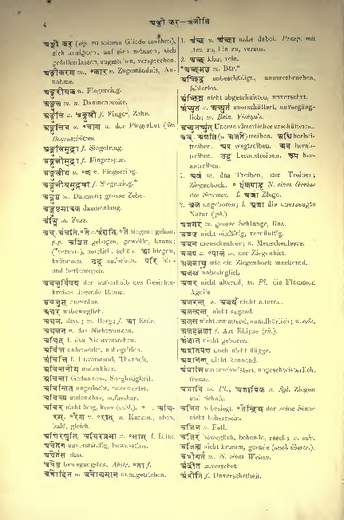
1. ajá m. das Treiben. der Treiber; Ziegenbock. ˚ékapād N. eines Genius des Sturmes. f. ajā́ Ziege.
Original text · German · Word type unspecified
2. ajá ungeboren; f. ajā die unerzeugte Natur (ph.)
Burnouf 1866 substantive masculine
Original text · French · substantive masculine
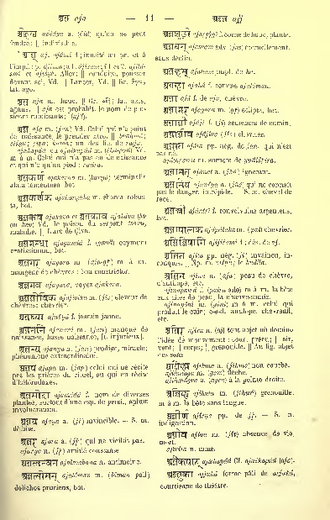
aja aja m. bouc. Gr. αἴξ; lat. axis, agnus. aja est probablt. le nom de plusieurs ruminants; (aj?).
Original text · French · substantive masculine
aja aja m. (jan) Vd. Celui qui n'a point de naissance, le premier Etre. brahmā; viṣṇu; śiva; kāma; un des fils de raghu. ajaikapād ou ajaikapād m. (eka-pad) Vd. m à m. Celui qui n'a pas eu de naissance et qui n'a qu'un pied: rudra.
Occurrences in source texts (4)
Continue with AYI Free
Image source: AYI archive.