

dur दुर् – bad; ill; difficult
particle · previx · substantive feminine · Word type unspecified
Dictionary sources
AYI dictionary previx
bad; ill; difficult
Cappeller 1891 substantive feminine · Word type unspecified
Original text · English · substantive feminine
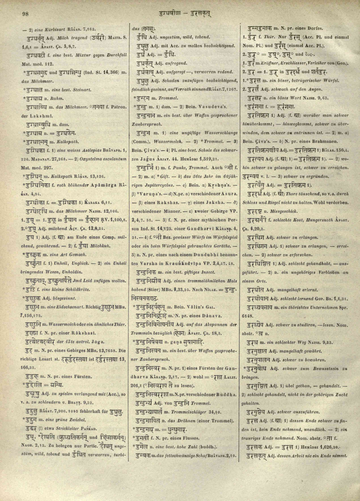
dúr1 ·f. door (only dúras & durás).

Original text · English · Word type unspecified
dur2 ·(°--) = dus.
Monier-Williams 1872 particle · substantive feminine
Original text · English · particle
dur 2 . dur, ind. a prefix substituted for dus, q. v., at the beginning of a compound before vowels and soft consonants; (for the comps. begin- ning duḥ, duś, duṣ, dus, see under dus.)

Original text · English · substantive feminine
dur 1 . dur, f., Ved. (occurring only in nom. and acc. pl. duras), = dvār, a door; (at the end of a comp. the form dura is used, see 2. dura.)
Petersburger 1855 substantive feminine · Word type unspecified
Original text · German · substantive feminine
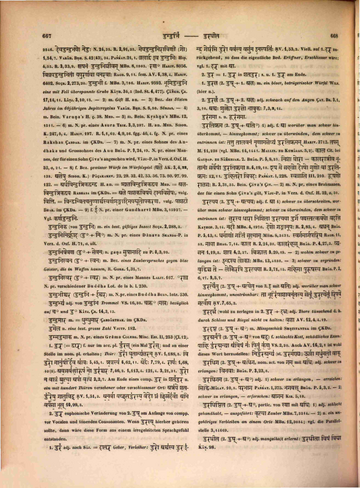
1. dur (= dvār) f. nur im acc. pl. dúras (ein Mal durás) und an einer Stelle im nom. pl. erhaiten; Thür: durò ghṛ̱tānyàkṣaran ṚV. 1,188,5. vi duro̱ mānùṣīrde̱va ā̀vaḥ ṚV. 5,45,1. vra̱jasyà ṚV. 6,62,11. adrèḥ ṚV. 7,79,4. rāyàḥ ṚV. 1,68,10. (5) ava̱nnavàntā̱rupà no̱ duràścara ṚV. 7,46,2. ṚV. 1,113,4. ṚV. 1,121,4. ṚV. 3,21,21. du̱ro na vāja̱ṃ śrutyā̱ apā̀ vṛdhi ṚV. 2,2,7. Am Ende eines comp. dura in śatádura n. ein mit hundert Thüren versehener oder verschlossener Ort: atràye śa̱tadùreṣu gātu̱vid ṚV. 1,51,3. a̱na̱rvā yaccha̱tadùrasya̱ vedo̱ ghnaṃ chi̱śnadèvām̐ a̱bhi varpàsā̱ bhūt ṚV. 10,99,3.
Original text · German · Word type unspecified
2. √dur euphonische Veränderung von 2. duṣ am Anfange von compp. vor Vocalen und tönenden Consonanten. Wenn durasy hierher gehören sollte, dann wäre diese Form aus einem irregeleiteten Sprachgefühl entstanden.
Original text · German · Word type unspecified
1. √dur auch ṚV. 4,4,6.
Böhtlingk 1879 substantive feminine · Word type unspecified
Original text · German · substantive feminine
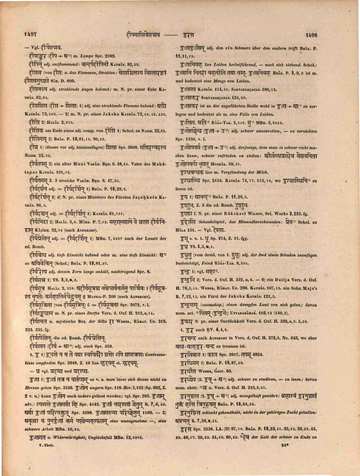
1. dúr f. Thür. Nur dúras (Acc. Pl. und einmal Nom. Pl.) und durás (einmal Acc. Pl.).
Original text · German · Word type unspecified
2. dur˚ = duṣa˚, dus˚ und δυς-.
Apte 1890 particle
Original text · English · particle
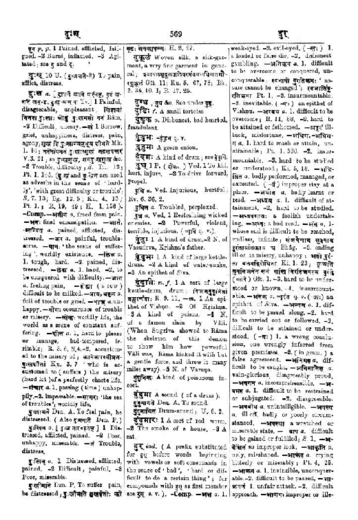
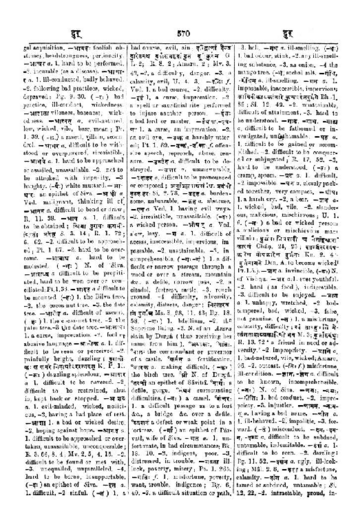
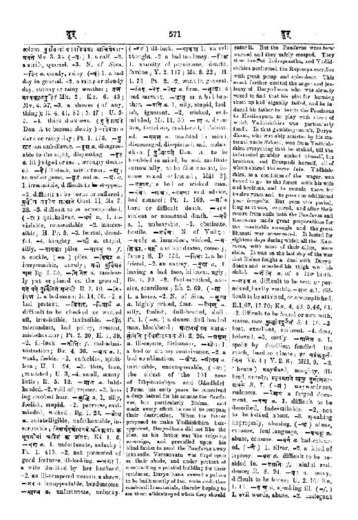
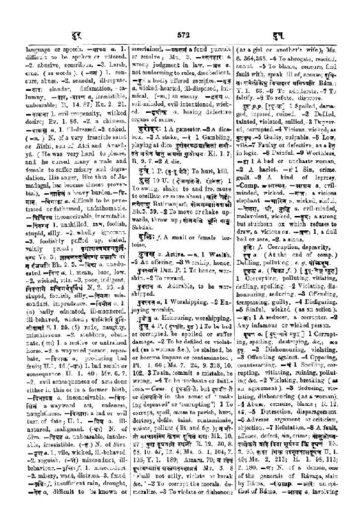
dur ind. (A prefix substituted for dus before words beginning with vowels or soft consonants in the sense of ‘bad’, ‘hard or difficult to do a certain thing’; for compounds with dus as first member see dus s. v.). Comp. — akṣa a. 1 ([Page 0569-c]) weak-eyed. 2 evil-eyed. — (kṣaḥ) 1 a loaded or false die. 2 dishonest gambling. — atikrama a. 1 difficult to be overcome or conquered, unconquerable; svabhāvo duratikramaḥ ‘nature cannot be changed’; svajātirduratikramā Pt. 1. 2 insurmountable. 3 inevitable. — (maḥ) an epithet of Viṣṇu. — atyaya a. 1 difficult to be overcome; R. 11. 88. 2 hard to be attained or fathomed. — adṛṣṭaṃ illluck, misfortune. — adhiga, — adhigama a. 1 hard to reach or attain, unattainable; Pt. 1. 330. 2 insurmountable. 3 hard to be studied or understood; Ki. 5. 18. — adhiṣṭhita a. badly performed, managed, or executed. — (taṃ) improper stay at a place. — adhīta a. badly learnt or read. — adhyaya a. 1 difficult of attainment. 2 hard to be studied. — adhyavasāyaḥ a foolish undertaking. — adhvaḥ a bad road. — aṃta a. 1 whose end is difficult to be reached, endless, infinite; saṃkarṣaṇāya sūkṣmāya duraṃtāyāṃtakāya ca Bhāg. 2 ending ill or in misery, unhappy; aho duraṃtā balavadvirodhitā Ki. 1. 23; nṛtyati yuvatijanena samaṃ sakhi virahijanasya duraṃte (vasaṃte) Gīt. 1. 3 hard to be understood or known. 4 insurmountable. — aṃtaka a. = duraṃta q. v. — (kaḥ) an epithet of Śiva. — anvaya a. 1 difficult to be passed along. 2 hard to be carried out or followed. 3 difficult to be attained or understood. — (yaḥ) 1 a wrong conclusion, one wrongly inferred from given premisses. 2 (in gram.) a false agreement. — abhigraha a. difficult to be caught. — abhimānin a. vain-glorious, disagreeably proud. — avagama a. incomprehensible. — avagraha a. 1 difficult to be restrained or subjugated. 2 disagreeable. — avabodha a. unintelligible. — avastha a. ill off, badly or poorly circumstanced. — avasthā a wretched or miserable state. — vāpa a. difficult to be gained or fulfilled; Ś. 1. — avekṣitaṃ an improper look. — ākṛti a. ugly, misshaped. — ākraṃda a. crying bitterly or miserably; Pt. 4. 29. — ākrama a. 1 invincible, unconquerable. 2 difficult to be passed, — ākramaṇaṃ 1 unfair attack. 2 difficult approach. — āgamaḥ improper or ([Page 0570-a]) illegal acquisition. — āgrahaḥ foolish obstinacy, headstrongness, pertinacity. — ācara a. 1 hard to be performed. 2 incurable (as a disease). — ācāra a. 1 ill-conducted, badly behaved. 2 following bad practices, wicked, depraved; Bg. 9. 30. — (raḥ) bad practice, ill-conduct, wickedness. — ātmatā vileness, baseness, wickedness. — ātman a. evil-natured, low, wicked, vile, base, mean; Pt. 1. 39. ( — m.) a rascal, villain, scoundrel. — ādhara a. difficult to be withstood or overpowered, irresistible, — ādharṣa a. 1 hard to be approached or assailed, unassailable. 2 not to be attacked with impunity. 3 haughty. — (rṣaḥ) white mustard. — ādhāraḥ an epithet of Śiva. — ādhī a Ved. malignant, thinking ill of — ānama a. difficult to bend or draw; R. 11. 38. — āpa a. 1 difficult to be obtained; śriyā durāpaḥ kathamīpsito bhavet Ś. 3. 14; R. 1. 72; R. 6. 62. 2 difficult to be approached; Pt. 1. 67. 3 hard to be overcome. — ābādha a. hard to be molested. — (dhaḥ) N. of Śiva. — ārādhya a. difficult to be propitiated, hard to be won over or conciliated; Pt. 1. 38. — āruha a. difficult to be mounted. — (haḥ) 1 the Bilva tree. 2 the cocoa-nut tree. 3 the date tree. — āroha a. difficult of ascent. — (haḥ) 1 the cocoa-nut tree. 2 the palm tree. 3 the date tree. — ālāpaḥ 1 a curse, imprecation. 2 foul or abusive language. — āloka a. 1 difficult to be seen or perceived. 2 painfully bright, dazzling; durālokaḥ sa samare nidāghāṃvararatnavat K. P. 10. — (kaḥ) dazzling splendour. — āvāra a 1 difficult to be covered. 2 difficult to be restrained, shut in, kept back or stopped. — āśaya a. 1 evil-minded, wicked, malicious. 2 having a bad place of rest. — āśā 1 a bad or wicked desire. 2 hoping against hope. — āsada a. 1 difficult to be approached or overtaken, unassailable, unconquerable; R. 3. 66, R. 8. 4; Mv. 2. 5, Mv. 4. 15. 2 difficult to be found or met with. 3 unequalled, unparalleled. 4 hard to be borne, insupportable. — (daḥ) an epithet of Śiva. — ita a. 1 difficult. 2 sinful. — (taṃ) 1 a ([Page 0570-b]) bad course, evil, sin; daridrāṇāṃ dainyaṃ duritamatha durvāsanahṛdāṃ drutaṃ dūrīkurvana G. L. 2; R. 8. 2; Amaru. 2; Mv. 3. 43. 2 a difficulty, danger. 3 a calamity, evil; U. 4. 3. — itiḥ f. Ved. 1 a bad course. 2 difficulty. — iṣṭaṃ 1 a curse, imprecation. 2 a spell or sacrificial rite performed to injure another person. — īśaḥ a bad lord or master. — īṣaṇā, — eṣaṇā 1 a curse, an imprecation. 2 an evil eye. — ukta a. harshly uttered; Pt. 1. 89. — uktaṃ, -uktiḥ f. offensive speech, reproach, abuse, censure. — uccheda a. difficult to be destroyed. — uttara a. unanswerable. — udāhara a. difficult to be pronounced or composed; anujjhitārthasaṃbaṃdhaḥ prabaṃdho durudāharaḥ Śi. 2. 73. — udvaha a. burdensome, unbearable. — ūha a. abstruse. — eva a. Ved. 1 having evil ways. 2 irresistible, unassailable. — (vaḥ) a wicked person. — oṣas a. Ved. slow, lazy. — ga a. 1 difficult of access, inaccessible, impervious, impassable. 2 unattainable. 3 incomprehensible. — (gaḥ, -gaṃ) 1 a difficult or narrow passage through a wood or over a stream, mountain &c., a defile, narrow pass. 2 a citadel, fortress, castle. 3 rough ground. 4 difficulty, adversity, calamity, distress, danger; nistārayati durgācca Ms. 3. 98, Ms. 11. 43; Bg. 18. 58. — (gaḥ) 1 bdellium. 2 the Supreme Being. 3 N. of an Asura slain by Durgā (thus receiving her name from him). ˚adhyakṣaḥ, ˚patiḥ, ˚pālaḥ the commandant or governor of a castle. ˚karman n. fortification. ˚kāraka a. making difficult. — (kaḥ) the birch tree. ˚ghnī N. of Durgā. ˚taraṇī an epithet of Sāvitrī. ˚mārgaḥ a defile, gorge. ˚laṃghanaṃ surmounting difficulties. — (naḥ) a camel. ˚saṃcaraḥ 1 a difficult passage as to a fort &c., a bridge &c. over a defile. ˚vyasanaṃ a defect or weak point in a fortress. — (rgā) an epithet of Pārvatī, wife of Śiva. — gata a. 1 unfortunate, in bad circumstances; Bk. 18. 10. 2 indigent, poor. 3 distressed, in trouble. — gatatā illluck, poverty, misery; Pt. 1. 265. — gatiḥ f. 1 misfortune, poverty, want, trouble, indigence; Bg. 6. 40. 2 a difficult situation or path. ([Page 0570-c]) 3 hell. — gaṃdha a. ill-smelling. — (dhaḥ) 1 bad odour, stink. 2 any ill-smelling substance. 3 an onion. 4 the mango tree. — (dhaṃ) sochal salt. — gaṃdhi, — gaṃdhin a. ill-smelling. — gama a. 1 impassable, inaccessible, impervious; kāminīkāyakāṃtāre kucaparvatadurgame Bh. 1. 86; Śi. 12. 49. 2 unattainable, difficult of attainment. 3 hard to be understood. — gāḍha, -gādha, -gāhya a. difficult to be fathomed or investigated, unfathomable. — graha a. 1 difficult to be gained or accomplished. 2 difficult to be conquered or subjugated; R. 17. 52. 3 hard to be understood. — (haḥ) a cramp, spasm. — ghaṭa a. 1 difficult. 2 impossible. — ghaṇa a. closely packed together, very compact. — ghoṣaḥ 1 a harsh cry. 2 a bear. — jana a. 1 wicked, bad, vile. 2 slanderous, malicious, mischievous; U. 1. 6. — (naḥ) a bad or wicked person, a malicious or mischievous man, villain; durjanaḥ priyavādī ca naitadviśvāsakāraṇaṃ Chāṇ. 24, Chāṇ. 25; śāmyetpratyapakāreṇa nopakāreṇa durjanaḥ Ku. 2. 40. (durjanāyate Den. A. to become wicked; Pt. 1. 5.). — jaya a. invincible. — (yaḥ) N. of Viṣṇu. — jara a. 1 ever youthful. 2 hard (as food), indigestible. 3 difficult to be enjoyed. — jāta a. 1 unhappy, wretched. 2 badtempered, bad, wicked. 3 false, not genuine. — (taṃ) 1 a misfortune, calamity, difficulty; tvaṃ tāvaddurjāte metyaṃtasāhāyyakāriṇī bhava M. 3; durjātabaṃdhuḥ R. 13. 72 ‘a friend in need or adversity.’ 2 impropriety. — jāti a. 1 bad-natured, vile, wicked; Amaru. 96. 2 outcast. ( — tiḥ f.) misfortune, ill-condition. — jñāna, -jñeya a. difficult to be known, incomprehensible. — (yaḥ) N. of Śiva. — ṇayaḥ, -nayaḥ, — nītiḥ 1 bad conduct. 2 impropriety. 3 injustice. — ṇāman, — nāman a. having a bad name. — ṇīta a. 1 ill-behaved. 2 impolitic. 3 forward. — (taṃ) misconduct. — dama, — damana, -damya a. difficult to be subdued, untamable, indomitable. — darśa a. 1 difficult to be seen. 2 dazzling; Bg. 11. 52. — darśana a. ugly, ill-looking; Māl. 2. 8. — daśā a misfortune, calamity. — dāṃta a. 1 hard to be tamed or subdued, untamable; Śi. 12. 22. 2 intractable, proud, ([Page 0571-a]) insolent; durdāṃtānāṃ damanavidhayaḥ kṣatriyeṣvāyataṃte Mv. 3. 34. — (taḥ) 1 a calf. 2 a strife, quarrel. 3 N. of Śiva. — dina a. cloudy, rainy. — (naṃ) 1 a bad day in general. 2 a rainy or cloudy day, stormy or rainy weather; unnamatyakāladurdinaṃ Mk. 5; Ku. 6. 43; Mv. 4. 57. 3 a shower (of any. thing); R. 4. 41, R. 4. 82, R. 5. 47; U. 5. 5. 4 thick darkness. (durdināyate Den. A.to become cloudy.) — divasaḥ a dark or rainy day; Pt. 1. 173. — durūṭaḥ an unbeliever. — dṛśa a. disagreeable to the sight, disgusting. — dṛṣṭa a. ill-judged or seen, wrongly decided. — daivaṃ ill-luck, misfortune. — dyūta an unfair game. — drumaḥ onion. — dhara a. 1 irresistible, difficult to be stopped. 2 difficult to be borne or suffered; durdhareṇa madanena sādyate Ghaṭ. 11; Ms. 7. 28. 3 difficult to be accomplished. — (raḥ) quicksilver. — dharṣa a. 1 inviolable, unassailable. 2 inaccessible; H. Pr. 5. 3 fearful, dreadful. 4 haughty. — dhī a. stupid, silly. — nāmakaḥ piles. — nāman m. f. a cockle. ( — n.) piles. — nigraha a. irrepressible, unruly; mano durnigrahaṃ calaṃ Bg. 6. 35. — nimita a. carelessly put or placed on the ground; pade pade durnimite galaṃtī R. 7. 10. — nimittaṃ 1 a bad omen; R. 14. 50. 2 a bad pretext. — nivāra, -nivārya a. difficult to be checked or warded off, irresistible, invincible. — nītaṃ misconduct, bad policy, demerit, misbehaviour; Pt. 2. 20; H. 1. 39. 2 ill-luck. — nītiḥ f. mal-administration; Bv. 4. 36. — bala a. 1 weak, feeble. 2 enfeebled, spiritless; U. 1. 24. 3 thin, lean, emaciated; U. 3. 4 small, scanty, little; R. 5. 12. — bāla a. baldheaded. 2 void of prepuce. 3 having crooked hair. — buddhi a. 1 silly, foolish, stupid. 2 perverse, evilminded, wicked; Bg. 1. 23. — bodha a. unintelligible, unfathomable, inscrutable; nisargadurbodhamabodhaviklavāḥ kva bhūpatīnāṃ caritaṃ kva jaṃtavaḥ Ki. 1. 6. — bhaga a. 1 unfortunate, unlucky; Pt. 1. 415. 2 not possessed of good features, ill-looking. — bhagā 1 a wife disliked by her husband. 2 an ill-tempered woman, a shrew. — bhara a. insupportable, burdensome. — bhāgya a. unfortunate, unlucky. ([Page 0571-b]) — (gyaṃ) ill-luck. — bhāvanā 1 an evil thought. 2 a bad tendency. — bhikṣaṃ 1 scarcity of provisions, dearth, famine; Y. 2. 147; Ms. 8. 22; H. 1. 73; Pt. 2. 2 want in general. — bhida, -bheda, -bhedya a. firm. — bhṛtyaḥ a bad servant. — bhrātṛ m. a bad brother. — mati a. 1 silly, stupid, foolish, ignorant. 2 wicked, evilminded; Ms. 11. 30. — mada a. drunken, ferocious, maddened, infatuated. — manas a. troubled in mind, discouraged, disspirited, sad, melancholy. [durmanāyate Den. A. to be troubled in mind, be sad, meditate sorrowfully, to be disconsolate, become vexed or fretted; Māl. 3]. — manuṣyaḥ a bad or wicked man. — maṃtraḥ, -maṃtritaṃ, -maṃtraṇā evil advice, bad counsel; Pt. 1. 169. — maraṃ a hard or difficult death. — maraṇaṃ violent or unnatural death. — marṣa a. 1 unbearable. 2 obstinate, hostile. — marṣaṇaḥ N. of Viṣṇu. — maryāda a. immodest, wicked. — mallikā, -mallī a minor drama, comedy, farce; S. D. 553. — mitraḥ 1 a bad friend. 2 an enemy. — mukha a. 1 having a bad face, hideous, ugly; Bh. 1. 90. 2 foul-mouthed, abusive, scurrilous; Bh. 2. 69. — (khaḥ) 1 a horse. 2 N. of Śiva. — mūlya a. highly priced, dear. — medhas a. silly, foolish, dull-headed, dull; Pt. 1. ( — m.) a dunce, dull-headed man, blockhead; graṃthānadhītya vyākartumiti durmedhaso'pyalaṃ Śi. 2. 26. — yaśas n. ill-repute, dishonour. — yogaḥ 1 a bad or clumsy contrivance. 2 a bad combination. — yodha, -yodhana a. invincible, unconquerable. — (naḥ) the eldest of the 101 sons of Dhṛtarāṣṭra and Gāndhārī [From his early years he conceived a deep hatred for his cousins the Pāṇḍavas, but particularly Bhīma, and made every effort he could to compass their destruction. When his father proposed to make Yudhiṣṭhira heirapparent, Duryodhana did not like the idea, as his father was the reigning sovereign, and prevailed upon his blind father to send the Pāṇḍavas away into exile. Vāraṇāvata was fixed upon as their abode, and under pretext of constructing a palatial building for their residence, Duryodhana caused a palace to be built mostly of lac, resin and other combustible materials, thereby hoping to see them all destroyed when they should ([Page 0571-c]) enter it. But the Pāṇḍavas were forewarned and they safely escaped. They then lived at Indraprastha, and Yudhiṣṭhira performed the Rājasūya sacrifice with great pomp and splendour. This event further excited the anger and jealousy of Duryodhana who was already vexed to find that his plot for burning them up had signally failed, and he induced his father to invite the Pāṇḍavas to Hastināpura to play with dice (of which Yudhiṣṭhira was particularly fond). In that gambling-match, Duryodhana, who was ably assisted by his maternal uncle Śakuni, won from Yudhiṣṭhira everything that he staked, till the infatuated gambler staked himself, his brothers, and Draupadī herself, all of whom shared the same fate. Yudhiṣṭhira, as a condition of the wager, was forced to go to the forest with his wife and brothers, and to remain there for twelve years and to pass one additional year incognito. But even this period, long as it was, expired, and after their return from exile both the Pāṇḍavas and Kauravas made great preparations for the inevitable struggle and the great Bhāratī war commenced. It lasted for eighteen days during which all the Kauravas, with most of their allies, were slain. It was on the last day of the war that Bhīma fought a duel with Duryodhana and smashed his thigh with his club.]. — yoni a. of a low birth. — lakṣya a. difficult to be seen or perceived, hardly visible. — labha a. 1 difficult to be attained, or accomplished; R. 1. 67, R. 17. 70; Ku. 4. 40, Ku. 5. 46, Ku. 5. 61. 2 difficult to be found or met with, scarce, rare; śuddhāṃtadurlabhaṃ Ś. 1. 16. 3 best, excellent, eminent. 4 dear, beloved. 5 costly. — lalita a. 1 spoilt by fondling, fondled too much, hard to please; hā madaṃkadurlalita Ve. 4; V. 2. 8; Māl. 9. 2 (hence) wayward, naughty, illbred, unruly; spṛhayāmi khalu durlalitāyāsmai Ś. 7 — (taṃ) waywardness, rudeness. — lekhyaṃ a forged document. — vaca a. 1 difficult to be described, indescribable. 2 not to be talked about. 3 speaking improperly, abusing. — (caṃ) abuse, censure, foul language. — vacas n. abuse, censure. — varṇa a. bad-coloured. — (rṇaṃ) 1 silver. 2 a kind of leprosy. — vasa a. difficult to be resided in. — vasatiḥ f. painful residence; R. 8. 94. — vaha a. heavy, difficult to be borne; U. 2. 10; Ku. 1. 11. — vāc a. speaking ill. ( — f.) 1 evil words, abuse. 2 inelegant ([Page 0572-a]) language or speech. — vācya a. 1 difficult to be spoken or uttered. 2 abusive, scurrilous. 3 harsh, cruel (as words). — (cyaṃ) 1 censure, abuse. 2 scandal, ill-repute. — vādaḥ slander, defamation, calumny. — vāra, -vāraṇa a. irresistible, unbearable; R. 14. 87; Ku. 2. 21. — vāsanā 1 evil propensity, wicked desire; Bv. 1. 86. 2 a chimera. — vāsas a. 1 ill-dressed. 2 naked. ( — m.) N. of a very irascible saint or Ṛṣi, son of Atri and Anasūyā. (He was very hard to please, and he cursed many a male and female to suffer misery and degradation. His anger, like that of Jamadagni, has become almost proverbial). — vāhitaṃ a heavy burden. — vigāha, -vigāhya a. difficult to be penetrated or fathomed, unfathomable. — viciṃtya inconceivable, inscrutable — vidagdha 1 unskilled, raw, foolish, stupid, silly. 2 wholly ignorant. 3 foolishly puffed up, elated, vainly proud; vṛthāśastragrahaṇadurvidagdha Ve. 3; jñānalavadurvidagdhaṃ brahmāpi naraṃ na raṃjayati Bh. 2. 3. — vidya a. uneducated. — vidha a. 1 mean, base, low. 2 wicked, vile. 3 poor, indigent; vidadhāte rucigarvadurvidhaṃ N. 2. 23. 4 stupid, foolish, silly. — vinayaḥ misconduct, imprudence. — vinīta a. 1 (a) badly educated, ill-mannered, ill-behaved, wicked; śāsitari durvinītānāṃ Ś. 1. 25. (b) rude, naughty, mischievous. 2 stubborn, obstinate. — (taḥ) 1 a restive or untrained horse. 2 a wayward person, reprobate. — vipāka a. producing bad fruit; U. 1. 46. — (kaḥ) 1 bad result or consequence; U. 1. 40; Mv. 6. 7. 2 evil consequences of acts done either in this or in a former birth. — vibhāvya a. inconceivable. — vilasitaṃ a wayward act, rudeness, naughtiness. — vilāsaḥ a bad or evil turn of fate; U. 1. — viṣa a. illnatured, malignant. — (ṣaḥ) N. of Śiva. — viṣaha a. unbearable, intolerable, irresistible. — (haḥ) N. of Śiva — vṛtta a. 1 vile, wicked, ill-behaved. 2 roguish. — (ttaṃ) misconduct, illbehaviour. — vṛttiḥ f. 1 misconduct. 2 misery, want, distress. 3 fraud — vṛṣṭiḥ f. insufficient rain, drought. — veda a. difficult to be known or ([Page 0572-b]) ascertained. — vyasanaṃ a fond pursuit or resolve; Mu. 3. — vyavahāraḥ a wrong judgment in law. — vrata a. not conforming to rules, disobedient. — hutaṃ a badly offered sacrifice. — hṛd a. wicked-hearted, ill-disposed, inimical. ( — m.) an enemy. — hṛdaya a. evil-minded, evil-intentioned, wicked. — hṛṣīka a. having defective organs of sense.
Cappeller 1887 substantive feminine
Original text · German · substantive feminine
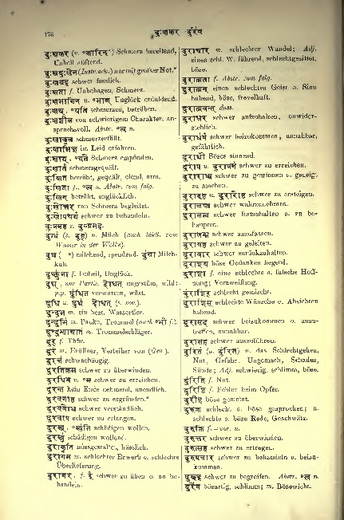
dúr f. Thür.
Burnouf 1866 Word type unspecified
Original text · French · Word type unspecified
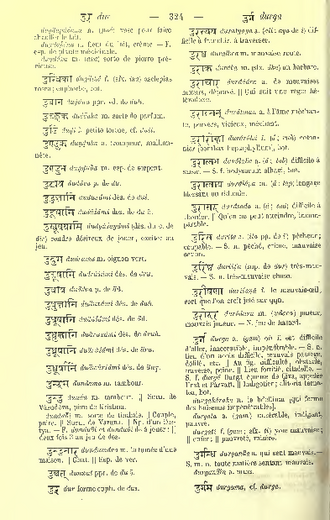
dur dur forme euph. de dus.
Occurrences in source texts (4)
DYS 3 occurrences
SiSa 1 occurrence
Continue with AYI Free
Image source: AYI archive.