

garbha गर्भ – containing
adjective · substantive masculine · Word type unspecified
Dictionary sources
AYI dictionary adjective · substantive masculine
Monier-Williams 1872 substantive masculine
Original text · English · substantive masculine
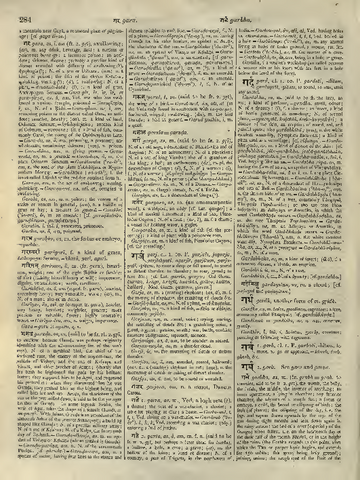
garbha garbha, as, m. (fr. grabh = grah, to conceive, said to be fr. 2. gṝ), the womb, the belly, the inside, the middle, the interior of anything; an inner apartment, a lying-in chamber; any interior chamber, the adytum of a temple &c.; a fœtus or embryo, a child, the brood or offspring of birds; the fruit (of plants); the offspring of the sky, i. e. the fogs and vapour drawn upwards by the rays of the sun during eight months and sent down again in the rainy season; the bed of a river (especially of the Ganges) when fullest, i. e. on the fourteenth day of the dark half of the month Bhadrā, or in the height of the rains, (the Garbha extends to this point, after which the Tīra or proper bank begins, and extends for 150 cubits; this space being holy ground); joining, union; the rough coat of the fruit of the Jaka; the calyx of the lotus. (Garbha is often found at the end of compounds in the sense of having in the interior, containing, filled with; e. g. jala-gar- bha, as, ā, am, filled with water; agni-garbha, as, ā, am, containing fire); [cf. amṛta-garbha, ardha- g˚, kṛṣṇa-g˚, mūḍha-g˚, viśva-g˚, hiraṇya-g˚: cf. also Hib. cilfin, ‘the belly;’ Angl. Sax. hrif; Germ. kalb (?); Eng. calf; Gr. δελφός.]

Petersburger 1855 substantive masculine · Word type unspecified
Original text · German · substantive masculine
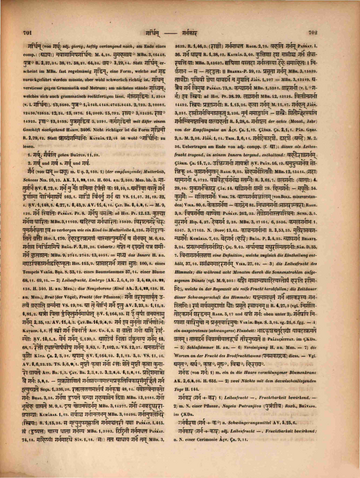
gárbha (von grabh = grah) m. Uṇ. 3,150. 1〉 (der empfangende) Mutterleib, Schooss NIR. 10,23. AK. 3,4,22,138. H. 604. H. an. 2,308. MED. bh. 3. mā̱turgarbhè ṚV. 8,72,8. garbhe̱ nu naù jani̱tā daṃpàtī kaḥ ṚV. 10,10,5. amī̀vā̱ yaste̱ garbhàṃ du̱rṇāmā̱ yonìmā̱śayè ṚV. 10,162,1. sāgniṃ bìbhartu̱ garbha̱ ā VS. 11,57. VS. 31,19. VS. 32,4. ṚV. 1,148,5. ṚV. 4,27,1. ṚV. 8,43,9. AV. 11,4,14. ŚAT. BR. 8,4,2,1. — M. 9,126. garbhe sthitiḥ PAÑCAT. Pr. 8. garbheṣu vasatiḥ ad HIT. Pr. 12. HIT. Pr. 13. kuntyā garbheṇa dhāritaḥ MBH. 3,11169. adityā garbhadhāritaḥ MBH. 3,15839. virāṭanagare ceruḥ punargarbhadhṛtā iva so verborgen wie ein Kind im Mutterleibe MBH. 4,336. garbhādutpatite jantau HIT. I, 170. dehādutkramaṇaṃ cāsmātpunargarbhe ca saṃbhavam M. 6,63. garbhānna nirjigamiṣe BHĀG. P. 3,34,20. Uebertr.: naṣṭo na dṛśyate yatra śamīgarbhe hutāśanaḥ MBH. 9,2741. MBH. 9,2745. MBH. 13,4051. = madhya das Innere H. an. maṇḍapikāgarbhādbahiṣkṛtaḥ HIT. 115,9. prāsādagarbhaṃ gatvā suptaḥ HIT. 100,8. eines Tempels VARĀH. BṚH. S. 55,12. eines Baumstammes VARĀH. BṚH. S. 57,14. einer Blume VARĀH. BṚH. S. 68,11. VARĀH. BṚH. S. 69,16. — 2〉 Leibesfrucht, Embryo (AK. 2,6,1,39. AK. 3,4,13,48. AK. 3,4,22,138. H. 540. H. an. MED.); das Neugeborene (Kind AK. 3,4,22,138. H. an. MED.), Brut (der Vögel), Frucht (der Pflanzen): garbhò ja̱rāyu̱ṇāvṛ̀ta̱ ulvàṃ jahāti̱ janmànā VS. 19,76. ā te̱ yoni̱ṃ garbhà etu AV. 3,23,2. AV. 1,11,2. AV. 6,81,2. atrā̀ pi̱tā dùhi̱turgarbha̱mādhā̀t ṚV. 1,164,33. sa ī̱ṃ vṛṣā̀ janaya̱ttāsu̱ garbhàm ṚV. 2,35,13. AV. 11,4,3. ŚAT. BR. 14,9,4,9. garbha iva subhṛto garbhiṇībhiḥ KAṬHOP. 4,8. taṃ strī garbhaṃ bibharti AIT. UP. 4,3. sa jā̱to garbhò asi̱ rodàsyoḥ ṚV. 10,1,2. verna garbhàm ṚV. 1,130,3. ā̱ṇḍevà bhi̱ttvā śàku̱nasya̱ garbhàm ṚV. 10,68,7. retò dadhā̱tyoṣàdhīṣu̱ garbhàm ṚV. 5,83,1. ṚV. 7,102,2. VS. 12,37. anantargarbhau kuśau KĀTY. ŚR. 2,3,31. a̱pām ṚV. 1,164,52. ṚV. 3,1,12. ṚV. 3,5,3. VS. 11,46. AV. 8,6,23. AV. 8,6,25. TS. 5,6,9,1. muṣṭī kṛtvā garbho 'ntaḥ śete muṣṭī kṛtvā kumāro jāyate AIT. BR. 1,3. ŚAT. BR. 2,3,1,3. ŚAT. BR. 3,2,1,6. ŚAT. BR. 6,1,1,11. prādeśamātro vai garbhaḥ ŚAT. BR. 6,5,2,8. — śukraśoṇitaṃ garbhāśayasthamātmaprakṛtivikārasaṃmūrchitaṃ garbha ityucyate SUŚR. 1,336,20. raktalakṣaṇamārtavaṃ garbhakṛcca SUŚR. 48,14. yatholvenāvṛto garbhaḥ BHAG. 3,38. garbheṇa duṣyate kanyā gṛhavāsena dvijaḥ MBH. 13,2181. garbho bhūtveha jāyate M. 9,8. eṣa cejjanayedgarbham MBH. 3,14277. garbho 'bhavadbhūdhararājapatnyāḥ KUMĀRAS. 1,19. sarvāśca garbhānalabhan MBH. 3,10496. garbhānupalebhire (striyaḥ) R. 1,15,25. sa mṛtyumupagṛhṇāti garbhamaśvatarī yathā PAÑCAT. I, 415. tvaṃ (duṣyanta) cāsya dhātā garbhasya MBH. 1,3103. ṭiṭṭibhī garbhamadhatta PAÑCAT. 74,18. mahiṣyāṃ garbhamādadhe SĀV. 1,18. (saḥ) tata ādhāya garbhaṃ tam MBH. 3,8639. R. 1,46,3. (rājñī) garbhamādhatta RAGH. 2,75. vahati garbham PAÑCAT. I, 36. garbhaṃ dhāraya R. 1,38,12. KATHĀS. 5,60. kukṣiṇā daśa māsāṃśca garbhaṃ saṃdhārayanti yāḥ MBH. 3,13637. ṛṣiṇā yastadā garbhastasyā dehe samāhitaḥ . nirjagāma — sa — tadaṅgataḥ .. BRAHMA-P. 59,12. prasūtā garbham MBH. 3,15839. tāvadgauḥ pṛthivī jñeyā yāvadgarbhaṃ na muñcati YĀJÑ. 1,207 = MBH. 3,13419. atraiva garbhaṃ vimuñca PAÑCAT. 75,9. kanyāgarbha MBH. 1,5381. jāragarbhā (v. l. ˚garbha) iva striyaḥ ad HIT. Pr. 38. HIT. Pr. 39. lagnagarbhā MBH. 12,13126. vilīnagarbhā MBH. 12,14492. striyaḥ prarūḍhagarbhāḥ R. 1,15,26. hatvā garbham M. 11,87. garbhahan YĀJÑ. 3,251. dāsīgarbhavināśakṛt YĀJÑ. 2,236. nūnaṃ mamāṅgāni — śastraiḥ śitaiśchetsyati garbhānvinaṣṭāniva śalyahartā R. 5,28,6. garbhāṣṭama der achte (Monat, Jahr) von der Empfängniss an ĀŚV. ŚR. 1,19. ŚĀṄKH. ŚR. 2,1,1. PĀR. GṚHY. 2,2. M. 2,36. YĀJÑ. 1,14. TRIK. 2,6,11. garbhādekādaśe, dvādaśe (abde) M. 2. M. 36. Uebertragen am Ende von adj. compp. (f. ā); dieses als Leibesfrucht tragend, in seinem Innern bergend, enthaltend: bahadvairājagarbham ŚĀṄKH. ŚR. 15,7,2. uṣṇiggarbhā gāyatrī ṚV. PRĀT. 16,19. anuṣṭubgarbhaiva soṣṇik ṚV. PRĀT. 16,26. kuśagarbhamukham RAGH. 9,55. snehagarbhaistilaiḥ MBH. 12,13414. (gadā) aśmagarbhā MBH. 6,3722. vajravaidūryagarbhaiśca stambhaiḥ R. 3,61,7. jalagarbhāḥ (vātāḥ) R. 3,61,4. R. 3,29,10. śukagarbhakoṭara ŚĀK. 14. agnigarbhā śamī ŚĀK. 79. himagarbhaiḥ — mayūkhaiḥ ŚĀK. 54. kusumaiḥ — salilagarbhaiḥ VIKR. 78. vāṣpagarbhamañjālam (von BOLL. missverstanden) VIKR. 80,6. kekāgarbheṇa — kaṇṭhena VIKR. 81. nidhānagarbhā (sāgarāmbarā) RAGH. 3,9. viṣagarbheṇa vāṣpeṇa PAÑCAT. 262,22. tejogarbhāstapasvinaḥ SUND. 3,5. suragarbha HIḌ. 4,27. devagarbha HIḌ. 2,28. MBH. 3,17161. MBH. 6,5836. kamalagarbhābha MBH. 6,1. MBH. 6,6567. MBH. 3,17163. N. (BOPP) 13,63. kāñcanagarbhābhā R. 3,53,33. mukhairāsavagandhagarbhaiḥ KUMĀRAS. 7,62. vedagarbha (hari) BHĀG. P. 2,4,25. nyāyagarbha BHARTṚ. 3,24. pragalbhamatigarbhagiraḥ ŚIŚ. 9,62. bhartsanāśca madhurasmitagarbhāḥ SĀH. D. 55. SĀH. D. 7. vibhāgagarbhalakṣaṇa eine Definition, welche zugleich die Eintheilung enthält, SĀH. D. 37,10. sasaṃbhramamādaragarbham VIKR. 27,10. — 3〉 die Leibesfrucht des Himmels; die während acht Monaten durch die Sonnenstrahlen aufgesogenen Dünste (vgl. M. 9,305: aṣṭau māsānyathādityastoyaṃ harati raśmibhiḥ), welche in der Regenzeit als reife Frucht herabfallen; die Zeitdauer dieser Schwangerschaft des Himmels: aṣṭamāsadhṛtaṃ garbhaṃ bhāskarasya gabhastibhiḥ . rasaṃ marvasamudrāṇāṃ dyauḥ prasūte rasāyanam .. R. 4,27,3 (vgl. nirgalitodakagarbhaṃ śaradghanam RAGH. 5,17 und apāṃ garbhaḥ oben unter 2). garbheṣvapi niṣpannā vārimuco na prabhūtavārimucaḥ VARĀH. BṚH. S. 3,16. sg. VARĀH. BṚH. S. 21,6. fgg. — 4〉 ein ausgetretenes (schwangeres) Flussbett: bhādrakṛṣṇacaturdaśyāṃ yāvadākramate jalam . tāvadgarbhaṃ vijānīyāttadūrdhvaṃ tīramucyate .. PRĀYAŚCITTAT._im_ŚKDR. — 5〉 Schlafzimmer H. an. — 6〉 Vereinigung H. an. MED. — 7〉 die Warzen an der Frucht des Brodfruchtbaums (panasakaṇṭaka) diess. — Vgl. amṛta˚, ardha˚, kṛṣṇa˚, mūḍha˚, viśva˚, hiraṇya˚.
Original text · German · Word type unspecified
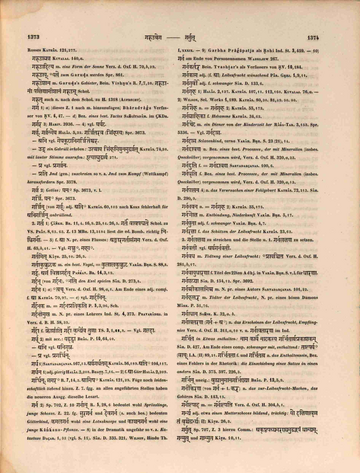
garbha 2〉 Sp. 702, Z. 10 garbhān R. 5,28,6 bedeutet wohl Sprösslinge, junge Schosse. Z. 22. fg. suragarbha und devagarbha (s. auch bes.) bedeuten Götterkind, kamalagarbha wohl eine Lotusknospe und kāñcanagarbha wohl eine junge Kāñcana-Pflanze. — 8〉 in der Dramatik ungefahr so v. a. Katastase DAŚAR. 1,33 (vgl. S. 11). SĀH. D. 335. SĀH. D. 321. WILSON, Hindu Th. I, XXXIX. — 9〉 Garbha Prājāpatya als Ṛṣi Ind. St. 3,459. — 10〉 garbha am Ende von Personennamen WASSILJEW 267.
Original text · German · Word type unspecified
garbha 2〉 indīvara˚ Knospe Spr. (II) 5543.
Böhtlingk 1879 substantive masculine · Word type unspecified
Original text · German · substantive masculine
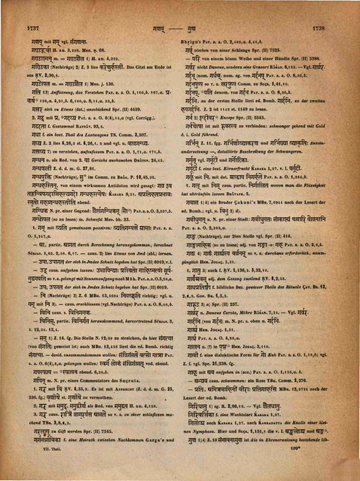
gárbha m. (adj. Comp. f. ā) — 1〉 Mutterleib, Schooss (auch in übertr. Bed.). — 2〉 das Innere überh. Chr. 152,21. Spr. 7686. Spr. 7774. indīvara˚ Spr. 5543 kamala˚ MBH. 1,172,9. MBH. 3,133,63. MBH. 3,309,11. padma˚ VARĀH. BṚH. S. 70,11. Chr. 249,25. ambhoja˚ Chr. 319,8. NAIṢ. 11,78. rambhā˚ Chr. 313,19. Am Ende eines adj. Comp. — in seinem Innern bergend, — enthaltend. — 3〉 *Schlafgemach. — 4〉 Leibesfrucht, Embryo (R. 5,28,6); ein neugeborenes Kind, Kind, Spross überh.; Brut der Vögel; Pflanzenkeim. amara˚, deva˚, sura˚ das Kind eines Gottes Chr. 47,5. Chr. 72,18. MBH. 1,152,27. MBH. 3,309,9. MBH. 6,122,19. MBH. 1,154,3. — 5〉 die Leibesfrucht des Himmels: die während acht Monaten durch die Sonnenstrahlen aufgesogenen Dünste, welche in der Regenzeit als reife Frucht herabfallen, BĀLAR. 236,13. die Zeitdauer dieser Schwangerschaft des Himmels. — 6〉 *ein ausgetretenes Flussbett. — 7〉 *die Warzen an der Frucht des Brotfruchtbaumes. — 8〉 in der Dramatik so v. a. Katastase. — 9〉 *Vereinigung. — 10〉 N. pr. eines Ṛṣi.
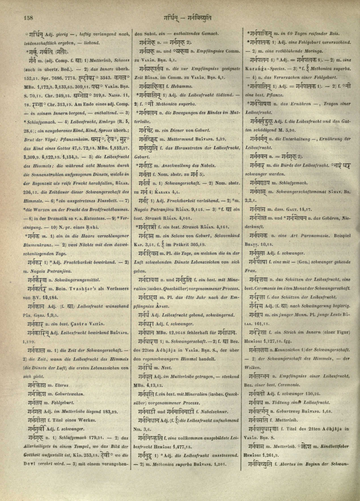
Original text · German · Word type unspecified
gárbha 4〉 tā́ antárevá gárbhaḥ sántā avadatām MAITR. S. 1,6,12. [Nachtrag, Band 2]
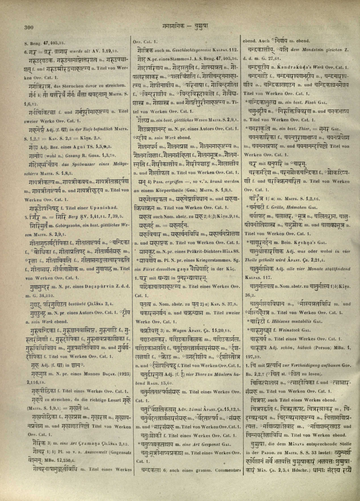
Original text · German · Word type unspecified
garbha auch die Katamenien VIṢṆUS. 27,1. [Nachtrag, Band 3]
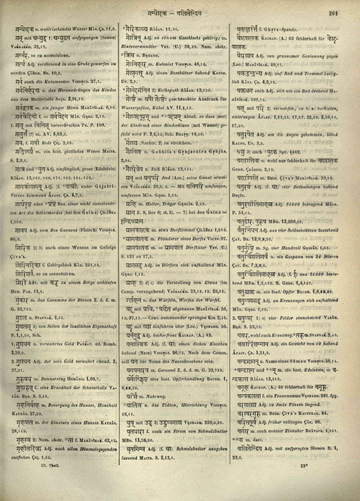
Original text · German · Word type unspecified
garbha auch *Feuer ZACH. Beitr. 34. [Nachtrag, Band 5]
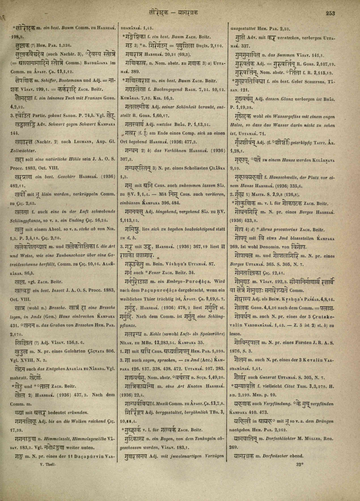
Original text · German · Word type unspecified
gárbha II. 2. 3. 5. [Nachtrag, Band 7]
Apte 1890 substantive masculine
Original text · English · substantive masculine
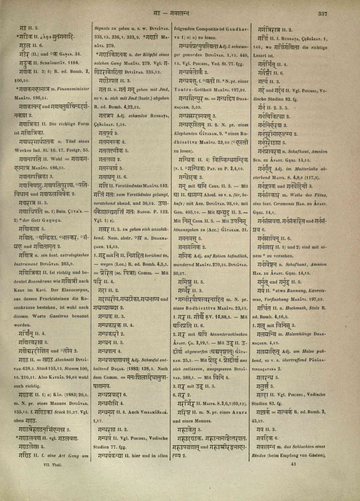
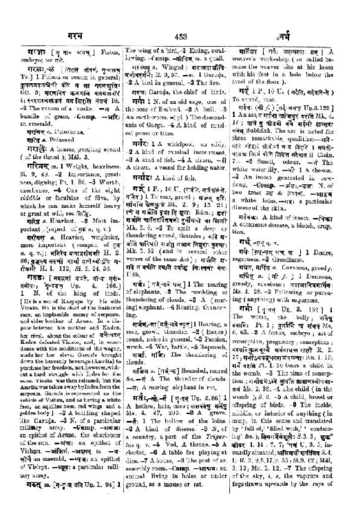
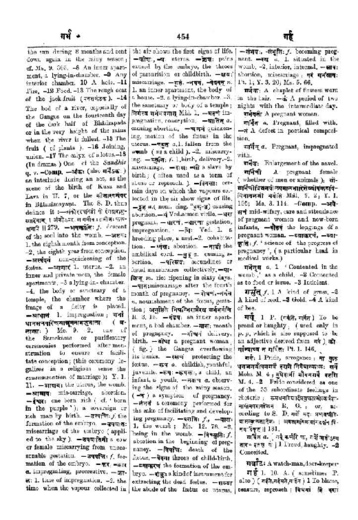
garbhaḥ [gṝ-bhan Uṇ. 3. 152] 1 The womb, the belly; garbheṣu vasatiḥ Pt. 1; punargarbhe ca saṃbhavaṃ Ms. 6. 63. 2 A fœtus, embryo; act of conception, pregnancy; conception; narapatikulabhūtyai garbhamādhatta rājñī R. 2. 75; garbho'bhavadbhūdhararājapatnyāḥ Ku. 1. 19; garbhaṃ vahati Pt. 1. 30 bears a child in the womb. 3 The time of conception; garbhāṣṭame'bde kurvīta brāhmaṇasyopanāyanaṃ Ms. 2. 36. 4 The child (in the womb); Ś. 6. 5 A child, brood or offspring of birds. 6 The inside, middle, or interior of anything (in comp. in this sense and translated by ‘full of,’ ‘filled with,’ ‘containing’ &c.); himagarbhairmayūkhaiḥ Ś. 3. 3; śuka˚ koṭara Ś. 1. 14; Ś. 7. 7; ˚patraṃ U. 3. 5. inwardly situated; agnigarbhāṃ śamīmiva Ś. 4. 1; R. 3. 9, R. 5. 17, R. 9. 55; Śi. 9. 62; Māl. 3. 12; Mu. 1. 12. 7 The offspring of the sky, i. e. the vapours and fogs drawn upwards by the rays of ([Page 0454-a]) the sun during 8 months and sent down again in the rainy season; cf. Ms. 9. 305. 8 An inner apartment, a lying-in-chamber. 9 Any interior chamber. 10 A hole. 11 Fire. 12 Food. 13 The rough coat of the jack-fruit (panasakaṃṭaka). 14 The bed of a river, especially of the Ganges on the fourteenth day of the dark half of Bhādrapada or in the very height of the rains when the river is fullest. 15 The fruit (of plants). 16 Joining, union. 17 The calyx of a lotus. 18 (In dramas) One of the Saṃdhis q. v. Comp. — aṃkaḥ (also garmeṃ'kaḥ) an interlude during an act, as the scene of the birth of Kuśa and Lava in U. 7, or the sītāsvayaṃvara in Bālarāmāyaṇa. The S. D. thus defines it: — aṃkodarapraviṣṭo yo raṃgadvārāmukhādimān . aṃko'paraḥ sa garbhāṃkaḥ sabījaḥ phalavānapi .. S. D. 279. — avakrāṃtiḥ f. descent of the soul into the womb. — aṣṭamaḥ 1 the eighth month from conception. 2 the eighth year from conception. — aspaṃdanaṃ non-quickening of the fœtus. — āgāraṃ 1 uterus. 2 an inner and private room, the female apartments. 3 a lying-in-chamber. 4 the body or sanctuary of a temple, the chamber where the image of a deity is placed. — ādhānaṃ 1 impregnation; garbhā dhānakṣaṇaparicayānnūnamābaddhamālāḥ ( balākāḥ) Me. 9. 2 one of the Saṃskāras or purificatory ceremonies performed after menstruation to ensure or facilitate conception; (this ceremony legalizes in a religious sense the consummation of marriage); Y. 1. 11. — āśayaḥ the uterus, the womb. — āsrāvaḥ mis-carriage, abortion. — īśvaraḥ one born rich (cf. ‘born in the purple’); a sovereign or rich man by birth. — utpattiḥ f. the formation of the embryo. — upaghātaḥ miscarriage of the embryo (applied to the sky). — upaghātinī a cow or female miscarrying from unseasonable gestation. — upapattiḥ f. formation of the embryo. — kara, -kāra a. impregnating, procreative. — kālaḥ 1 time of impregnation. 2 the time when the vapour collected in ([Page 0454-b]) the air shows the first signs of life. — kośaḥ, -ṣaḥ uterus. — kleśaḥ pains caused by the embryo, the throes of parturition or childbirth. — kṣayaḥ miscarriage. — gṛhaṃ, -bhavanaṃ, -veśman n. 1 an inner apartment, the body of a house. 2 a lying-in-chamber. 3 the sanctuary or body of a temple; nirgatya garbhabhavanāt Māl. 1. — grahaṇaṃ impregnation, conception. — ghātin a. causing abortion. — calanaṃ quickening, motion of the fœtus in the uterus. — cyuta a. 1 fallen from the womb (as a child). 2 miscarrying. — cyutiḥ f. 1 birth, delivery. 2 miscarriage. — dāsaḥ -sī a slave by birth; (often used as a term of abuse or reproach.). — divasāḥ certain days on which the vapours collected in the air show signs of life. — druh a. (nom. sing. ˚dhruk-ḍa) causing abortion. — dhaṃ Ved. semen virile. — dharā pregnant. — dhāraṇaṃ, -dhāraṇā gestation, impregnation. — dhiḥ Ved. 1 a breeding place, a nest. 2 cohabitation. — dhvaṃsaḥ abortion. — nāḍī the umbilical cord. — nud a. causing abortion. — parisravaḥ secundines or fœtal membranes collectively. — pākin m. rice ripening in sixty days. — pātaḥ miscarriage after the fourth month of pregnancy. — poṣaṇaṃ, -bharman n. nourishment of the fœtus, gestation; anuṣṭhite bhiṣagbhirāptairatha garbhabharmaṇi R. 3. 12. — maṃḍapaḥ an inner apartment, a bed-chamber. — māsaḥ month of pregnancy. — mocanaṃ delivery, birth. — yoṣā a pregnant woman; (fig.) the Ganges overflowing its banks. — rakṣaṇaṃ protecting the fœtus. — rūpa a. childish, youthful, juvenile. — rūpaḥ -rūpakaḥ, a child, an infant, a youth. — lakṣaṇa a. observing the signs of the rainy season. — (ṇaṃ) a symptom of pregnancy. — laṃbhanaṃ a ceremony performed for the sake of facilitating and developing pregnancy. — vasatiḥ f., — vāsaḥ 1 the womb; Ms. 12. 78. 2 being in the womb. — vicyutiḥ f. abortion in the beginning of pregnancy. — vipattiḥ death of the fœtus. — vedanā throes of child-birth. — vyākaraṇaṃ the formation of the embryo. — śaṃkuḥ a kind of instrument for extracting the dead fœtus. — śayyā the abode of the fœtus or uterus. ([Page 0454-c]) — saṃbhavaḥ, -saṃbhūtiḥ f. becoming pregnant. — stha a. 1 situated in the womb. 2 interior, internal. — srāvaḥ abortion, miscarriage; varaṃ garbhasrāvaḥ Pt. 1; Y. 3. 20; Ms. 5. 66.
Cappeller 1887 substantive masculine
Original text · German · substantive masculine
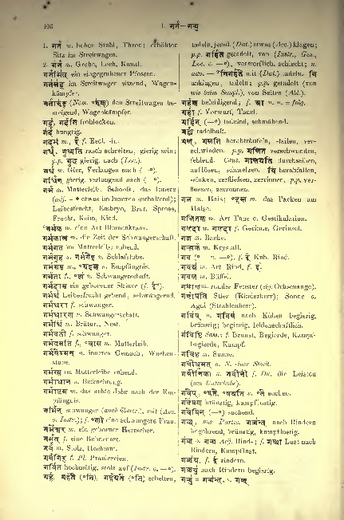
gárbha m. Mutterleib, Schooß, das Innere (adj. —˚ etwas im Inneren enthaltend); Leibesfrucht, Embryo, Brut, Spross, Frucht, Keim, Kind.
Burnouf 1866 substantive masculine
Original text · French · substantive masculine
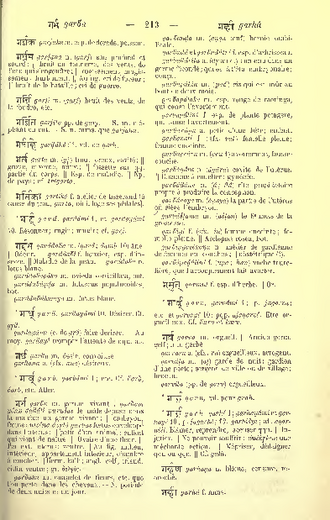
garbha garbha m. germe vivant: garbham yonau dadhāti puruṣas le mâle dépose dans la matrice un germe vivant; embryon, fœtus: ulvena āvṛto garbhas fœtus enveloppé dans l'utérus; petit d'un animal; enfant qui vient de naître. Ovaire d'une fleur. Par ext. utérus; ventre. Au fig. milieu, intérieur; appartement intérieur, chambre à coucher. Germ. kalb; angl. calf; irland. cilfin ventre; gr. δελφύς. garbhaka m. chapelet de fleurs, etc. que l'on porte dans les cheveux. — N. période de deux nuits et un jour. [Page213-2] garbhaṇḍa m. (aṇḍa œuf) hernie ombilicale. garbhadā et garbhadātrī f. esp. d'arbrisseau. garbhadhārita a. (dṛ au c.) contenu dans un germe fécondé; qui est à l'état embryonaire; conçu. garbhapākin m. (pac) riz qui est mûr au bout de deux mois. garbhapātaka m. esp. rouge de moringa, qui cause l'avortement. garbhapātinī f. esp. de plante potagère, qui cause l'avortement. garbharūpa a. petit d'une bête; enfant. garbhavatī f. (sfx. vat) femelle pleine; femme enceinte. garbhaśrāva m. (śru 1) avortement, faussecouche. garbhāgāra n. (āgāra) cavité de l'utérus. Chambre à coucher; gynécée. garbhādhāna n. (ā; dhā) rite propitiatoire propre à produire la conception. garbhāśaya m. (āśaya) la partie de l'utérus où siège l'embryon. garbhāṣṭama m. (aṣṭan) le 8ᵉ mois de la grossesse. garbhiṇī f. (sfx. in) femme enceinte; femelle pleine. Asclepias rosea, bot. garbhiṇyavekṣaṇa n. métier de gardienne de femmes en couches; obstétrique (?). garbhopaghātinī f. (upa; han) vache taurelière, que l'accouplement fait avorter.
Occurrences in source texts (7)
GoS 1 occurrence
HP 1 occurrence
SS 1 occurrence
SVU 4 occurrences
Continue with AYI Free
Image source: AYI archive.