

pāla पाल – guardian; protector
substantive masculine · substantive neuter
Dictionary sources
AYI dictionary substantive masculine
guardian; protector
Cappeller 1891 substantive masculine · substantive neuter
Original text · English · substantive masculine
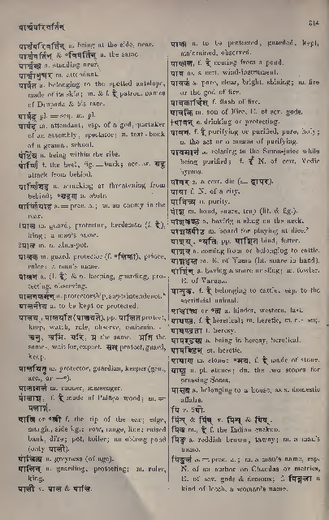
pāla1 ·m. guard, protector, herdsman (f. ī), king; a man's name.
Original text · English · substantive masculine · substantive neuter
pāla2 ·m. n. alms-pot.
Monier-Williams 1872 substantive masculine
Original text · English · substantive masculine
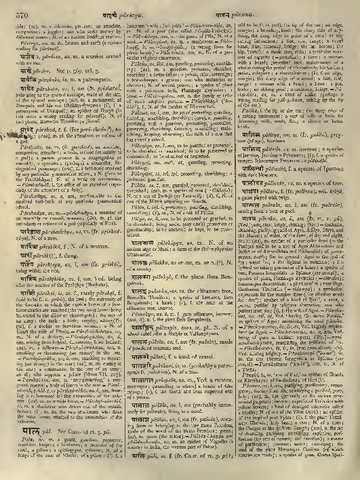
Pāla, as, m. a guard, guardian, protector, nourisher, keeper; a herdsman; a protector of the earth, a prince; a spitting-pot, spittoon; N. of a Nāga of the race of Vāsuki; of a prince; (ī), f. a herdsman's wife; [cf. pāli.]
Petersburger 1855 substantive masculine
Original text · German · substantive masculine
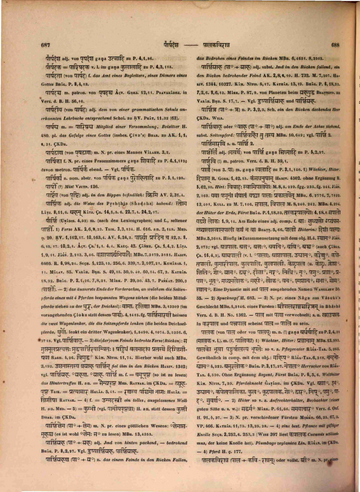
pālá (von 3. pā) m. gaṇa jvalādi zu P. 3,1,140. 1〉 Wächter, Hüter: diśām R. GORR. 1,42,15. kaṃsadhanuṣām HARIV. 4502. ohne Ergänzung R. 5,62,10. Hirt: vivādaḥ svāmipālayoḥ M. 8,5. fgg. M. 8,229. M. 8,235. fg. M. 8,244. YĀJÑ. 2,163. yathā paśūnāṃ saṃghātaṃ yaṣṭyā pālaḥ prakālayet MBH. 6,2776. MBH. 7,7822. MBH. 13,401. KULL._zu_M. 7,106. sapāla, vipāla M. 8,240. M. 8,242. MBH. 4,294. der Hüter der Erde, Fürst BHĀG. P. 1,18,33. taskarapālayoḥ BHĀG. P. 4,18,8. sapālo yadvaśe lokaḥ BHĀG. P. 1,9,14. Am Ende eines adj. comp. f. āḥ kṣudhyanto 'pyaghasanvyālāstvāmapālāṃ kathaṃ na vā BHAṬṬ. 5,66. pālī Hüterin: diśāṃ pālyaḥ MBH. 5,3608. Häufig in Zusammensetzung mit dem obj. H. 4. sthāna˚ YĀJÑ. 2,173; vgl. ajapāla, anta˚, antaḥ˚, avani˚, avi˚, aśva˚ (auch ŚĀṄKH. ŚR. 16,4,5), āmrapālī (v. l. ˚pālā), āśāpāla, udyāna˚, kareṇu˚, kapotapālī, kumārīpāla, kulapāli, kulapālī, koṭṭapāla (u. koṭṭa), kośa˚, kṣiti˚, go˚, grāma˚, dvāra˚, dīkṣā˚, nara˚, nidhi˚, nṛ˚, paśu˚, prajā˚, prapanna˚, bhūta˚, madhyamaloka˚, mahī˚, loka˚, vana˚, śmaśāna˚, sabhā˚, soma˚, sthāna˚. Eine Dynastie mit auf pāla ausgehenden Namen WASSILJEW 50. WASSILJEW 55. — 2〉 Spucknapf H. 683. — 3〉 N. pr. eines Nāga aus Vāsukiʼs Geschlecht MBH. 1,2146. eines Fürsten: śrīpālarājñaścaritram in Bhāṣā Verz. d. B. H. No. 1362. — pāla mit pāṇa verwechselt; s. u. khaṇḍapāla. In karapāla und pattrapāla scheint pāla = pāli zu sein.
Böhtlingk 1879 substantive masculine · substantive neuter
Original text · German · substantive masculine
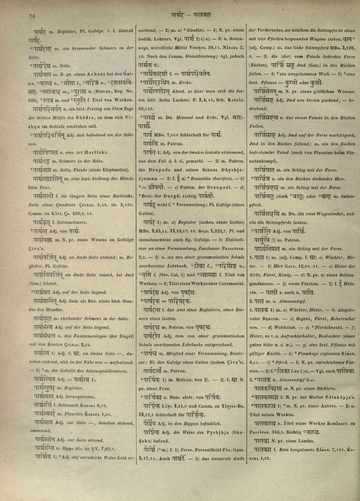
1. pāla — 1〉 m. (adj. Comp. f. ā) — a〉 Wächter, Hüter. — b〉 Hirt GAUT. 12,20. 21. — c〉 Hüter der Erde, Fürst, König. — d〉 N. pr. — α〉 eines Schlangendämons. — β〉 eines Fürsten. — 2〉 f. ī Hüterin. pālī s. auch u. pāli.
Original text · German · substantive masculine · substantive neuter
2. pāla m. n. Almosentopf.
Apte 1890 substantive masculine
Original text · English · substantive masculine
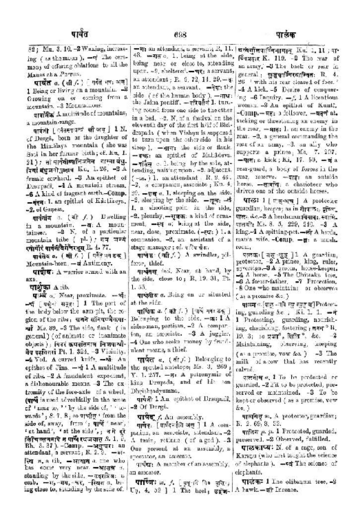
pālaḥ 1 [pāl-ac] A protector guardian, keeper; as in gopālaḥ, vṛṣṇipālaḥ, &c. 2 A herdsman; vivādaḥ, svāmipālayoḥ Ms. 8. 5, Ms. 8. 229, Ms. 8. 240. 3 A king. 4 A spitting-pot. — lī A herdsman's wife. Comp. — ghnaḥ a mushroom.
Cappeller 1887 substantive masculine · substantive neuter
Original text · German · substantive masculine
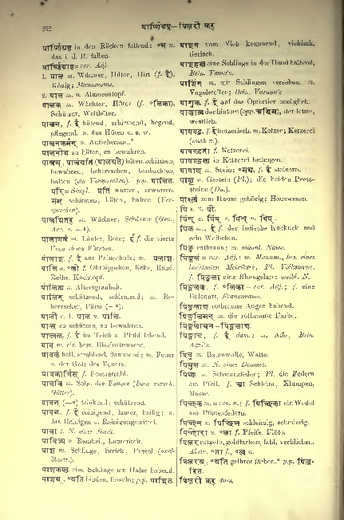
1. pāla m. Wächter, Hüter, Hirt (f. ī), König; Mannsname.
Original text · German · substantive masculine · substantive neuter
2. pāla m. n. Almosentopf.
Burnouf 1866 substantive masculine
Original text · French · substantive masculine
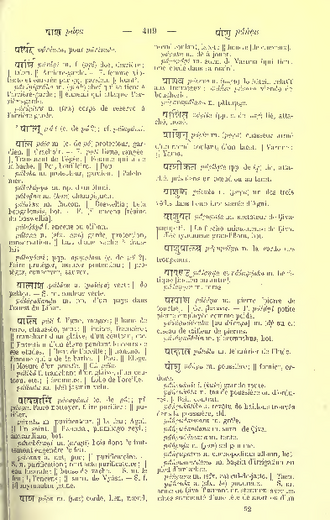
pāla pāla m. (c. de pā) protecteur, gardien. Crachoir. — F. pālī ligne, rangée. Tranchant de l'épée. Femme qui a de la barbe. Pot, bouilloire. Pou. pālaka m. protecteur, gardien. Palefrenier. pālakāpya m. np. d'un Muni. pālaghna m. (han) champignon. pālaṅka m. faucon. Boswellia; beta bengalensis, bot. — F. [î] encens [résine du boswellia]. pālaṅkyā f. encens ou oliban. pālana n. (sfx. ana) garde, protection, conservation. Lait d'une vache à fraislait. pālayāmi; pqp. apīpalam (c. de pā 2). Faire protéger, assurer protection; protéger, conserver, sauver.
Derived words
Occurrences in source texts (2)
MAN 1 occurrence
SiSa 1 occurrence
Continue with AYI Free
Image source: AYI archive.