

prakṛti प्रकृति – prakṛti; primordial nature
substantive feminine · substantive masculine · Word type unspecified
Dictionary sources
AYI dictionary substantive feminine
prakṛti; primordial nature
Derived from
Cappeller 1891 substantive feminine
Original text · English · substantive feminine
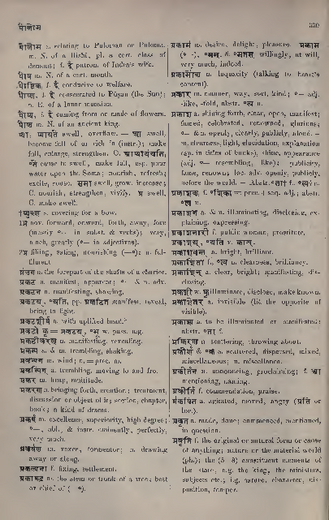
prakṛti ·f. the original or natural form or cause of anything; nature or the material world (ph.); the (5--8) constituent elements of the state, e.g. the king, the ministers, subjects etc.; i.g. nature, character, disposition, temper.
Monier-Williams 1872 substantive feminine
Original text · English · substantive feminine
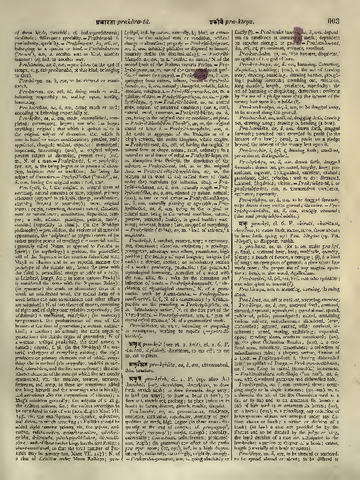
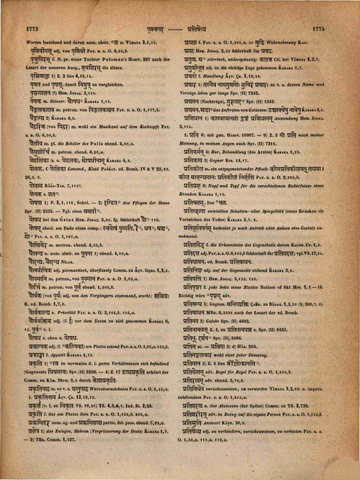
Pra-kṛti, is, f. the original or natural form of anything, natural condition, or state, original, primary substance (opposed to vi-kṛti, change, modification, anything derived or secondary); cause, original source; origin, extraction, descent; nature, character, usual or natural state; constitution, disposition, tem- per; a rule, scheme, paradigm, pattern, model, standard (especially in ritual); (in the Sāṅkhya philosophy) = pra-dhāna, the evolver of all material appearances, the ‘originant’ or original source of (or rather passive power of creating) the material world, (generally called Nature as opposed to Puruṣa or Spirit); (in mythology) a goddess, the personified will of the Supreme in the creation (identified with Māyā or Illusion and in an especial manner the prototype of the female sex; hence the same with the Śakti or personified energy or bride of a deity, as Lakṣmī, Durgā, &c.; in some systems Pra-kṛti is considered the same with the Supreme Being); (in grammar) the crude or elementary form of a word, an uninflected word, the radical form of a word before the case-terminations and other affixes are subjoined; N. of two classes of metres, consisting of eight and of eighty-four syllables respectively; (in arithmetic) a coefficient, multiplier; (in anatomy) temperament, the predominance of one of the humors at the time of generation; a woman, woman- kind; a mother; an animal; the male organ of generation; the female organ of generation; N. of a woman; tṛtīyā prakṛtiḥ, the third nature, a eunuch; (ayas), f. pl. (in the Sāṅkhya) the ma- terial archetypes of everything existing; the eight producers or primary elements out of which every- thing else is evolved (viz. a-vyakta, buddhi or ma- hat, ahaṅkāra, and the five tan-mātras); the con- stituent elements of the state (of which five are usually enumerated, viz. the minister, treasure, territory, fortresses, and army, to these are sometimes added the king himself and the sovereign who is his ally, and sometimes also the corporations of citizens); a king's ministers generally; the subjects of a king, the citizens, artizans, &c.; the various sovereigns to be considered in case of war (according to Manu VII. 155, viz. the madhyama, vi-jigīṣu, ud-āsīna, and śatru, to which according to Kullūka should be added eight remoter princes, viz. the mitra, ari- mitra, mitra-mitra, arimitra-mitra, pārṣṇi- grāha, ā-kranda, pārṣṇigrāhāsāra, ākrandā- sāra; each of these twelve kings has the five Prakṛtis above-mentioned, so that the total number of Pra- kṛtis may be seventy-two, Manu VII. 157); N. of a class of divinities under Manu Raibhya; pra- kṛtyā, ind. by nature, naturally, by birth or extrac- tion; in the original state or condition, without change or alteration; properly.
Petersburger 1855 substantive feminine · substantive masculine · Word type unspecified
Original text · German · substantive feminine
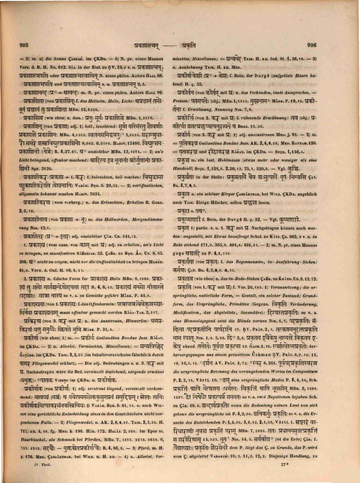
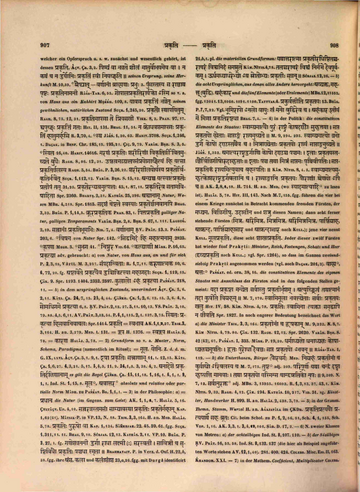
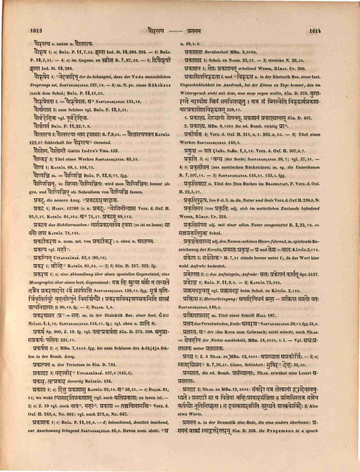
prakṛti (von 1. kar mit pra) f. VOP. 26,183. 1〉 Voraussetzung; die ursprüngliche, natürliche Form, — Gestalt, ein solcher Zustand; Grundform, das Ursprüngliche, Primitive (Gegens. vikṛti Veränderung, Modification, das Abgeleitete, Secundäre): digghastaprakṛtiḥ so v. a. eine Himmelsgegend setzt die Hände voraus NIR. 1,7. padaprakṛtiḥ saṃhitā padaprakṛtīni pārṣadāni NIR. 17. ṚV. PRĀT. 2,1. tatkathamanudāttaprakṛti nāma syāt NIR. 1,8. NIR. 5,23. dvi˚ NIR. 2,2. prakṛtaya evaikeṣu bhāṣyante vikṛtaya ekeṣu ebend. tanoteḥ pūrvayā prakṛtyā NIR. 28. JAIM. 1,10. sparśasyoṣmaprakṛteḥ herhervorgegangen aus einem primitiven Ūṣman ṚV. PRĀT. 6,9. ṚV. PRĀT. 6,10. ṚV. PRĀT. 11,19. ṚV. PRĀT. 16,5. ṚV. PRĀT. 16,14. ˚darśana AV. PRĀT. 4,73. ˚svara S. 261. pūrvapadaprakṛtisvaratva die ursprüngliche Betonung des vorangehenden Wortes im Compositum P. 2,2,18, Vārtt. 10. ˚jaś eine ursprüngliche Media P. 8,4,54, Sch. prakṛtiṃ cāpi vetthāsya (dharmasya) vikṛtiṃ cāpi bhūyasīm MBH. 3,1298. MBH. 3,1297. dvau niṣedhau prakṛtyarthaṃ gamayataḥ so v. a. zwei Negationen bejahen Sch. zu ŚĀK. 10,6. śabdārthaprakṛtau wenn die Bedeutung «einen Laut von sich geben» die ursprüngliche ist P. 6,2,80. janikartuḥ prakṛtiḥ so v. a. die Ursache des Entstehenden P. 1,4,30. P. 5,1,12 P. 2,1,36, Vārtt. 1. sraṣṭāraṃ vāridhārāṇāṃ bhuvaśca prakṛtiṃ parām MBH. 7,2864. tataḥ praghānamasṛjatprakṛtiṃ sa śarīriṇām MBH. 14,522. bhūta˚ NIR. 14,3. sarvabīja˚ (ist die Erde) ŚĀK. 1. (paiśācyāḥ) prakṛtiḥ śaurasenī dem P. liegt das Ś. zu Grunde, das P. wird vom Ś. abgeleitet VARARUCI 10,2. VARARUCI 11,2. VARARUCI 12,2. Diejenige Handlung, zu welcher ein Opferspruch u. s. w. zunächst und wesentlich gehört, ist dessen prakṛti, ĀŚV. ŚR. 3,2. pitryaṃ vā bhajate śīlaṃ māturvobhayameva vā . na kathaṃ ca na duryoniḥ prakṛtiṃ svāṃ niyacchati .. seinen Ursprung, seine Herkunft M. 10,59. ˚śraiṣṭhyāt — varṇānāṃ brāhmaṇaḥ prabhuḥ 3. puṃsastasya sa rājñātha pṛṣṭaḥ prakṛtināmanī RĀJA-TAR. 6,55. gopālaprakṛtirāryako 'smi so v. a. von Haus aus ein Kuhhirt MṚCCH. 109,8. yāvanna prakṛtiṃ bhajet seinen gewöhnlichen, natürlichen Zustand SUŚR. 1,245,20. prakṛtau sthāpayitum RAGH. 8,75. RAGH. 12,31. prakṛtimāpannā te priyasakhī VIKR. 8,2. PRAB. 97,17. śvapucchaḥ prakṛtiṃ gataḥ HIT. II, 131. BHAG. 11,51. na krodhavaśamāpannaḥ prakṛtiṃ hātumarhasi R. 3,70,4. ˚stha YĀJÑ. 1,20. YĀJÑ. 1,63. HARIV. 5708. SUŚR. 1,246,1. DAŚAK._in_BENF. Chr. 185,15. BENF. Chr. 195,21. ŚIŚ. 9,79. VARĀH. BṚH. S. 3,5. ˚sthita VARĀH. BṚH. S. 16,40. HARIV. 14616. maraṇaṃ prakṛtiḥ śarīriṇāṃ vikṛtirjīvitamucyate budhaiḥ RAGH. 8,86. RAGH. 12,31. uṣṇatvamagnyātapasaṃprayogācchaityaṃ hi yatsā prakṛtirjalasya RAGH. 5,54. BHĀG. P. 3,26,22. śarīraśīlayoryasya prakṛtervikṛtirbhavet SUŚR. 1,112,12. VARĀH. BṚH. S. 15,12. anyacca yatsyātprakṛteḥ pratīpaṃ tat VARĀH. BṚH. S. 31,25. prakṛteranyatvamutpātaḥ VARĀH. BṚH. S. 45,1. VARĀH. BṚH. S. 87,11. prakṛtireva satāmaviṣāditā Spr. 2360. BHARTṚ. 2,31. KATHĀS. 25,296. aśvānām Natur, Wesen MBH. 4,318. Spr. 1815. sadṛśaṃ ceṣṭate svasyāḥ prakṛterjñānavānapi BHAG. 3,33. BHĀG. P. 1,14,5. krūraprakṛtika PRAB. 83,1. pittaprakṛti galliger Natur, galligen Temperaments VARĀH. BṚH. 2,8. BṚH. S. 67,1. BṚH. S. 67,111. LAGHUJ. 2,19. sattvānāṃ prakṛtibhūmabhiḥ NIR. 7,4. varṇānām ṚV. PRĀT. 13,2. PAÑCAT. 203,6. ˚viṣama von Natur Spr. 142. ˚siddhamidaṃ hi mahātmanām Spr. 2825. ˚kṛpaṇa MEGH. 5. ˚subhaga MEGH. 41. ˚niṣṭhura VID. 64. ˚kalyāṇī MĀRK. P. 16,65. prakṛtyā adv. gebraucht: a〉 von Natur, von Haus aus, an und für sich P. 2,3,18, Vārtt. M. 3,257. saṃpadānvitāḥ R. 1,7,11. karuṇātmaka R. 10,6. R. 6,72,20. fg. aṣṭāvete prakṛtyaiva duścikitsyā mahāgadāḥ SUŚR. 1,119,15. ŚĀK. 9. Spr. 1193. Spr. 1404. Spr. 2352. Spr. 2597. kulālo 'haṃ prakṛtyā PAÑCAT. 218,11. — b〉 in dem ursprünglichen Zustande, unverändert ĀŚV. ŚR. 1,6. ĀŚV. ŚR. 2,11. KĀTY. ŚR. 24,7,15. KĀTY. ŚR. 25,4,44. ŚĀṄKH. ŚR. 1,2,6. ŚĀṄKH. ŚR. 1,2,12. ŚĀṄKH. ŚR. 1,2,15. ŚĀṄKH. ŚR. 1,3,6. ŚĀṄKH. ŚR. 1,4,8. somadhigame prakṛtyā ŚĀṄKH. ŚR. 1,6,8. ṚV. PRĀT. 2,12. ṚV. PRĀT. 2,27. ṚV. PRĀT. 5,11. ṚV. PRĀT. 10,13. VS. PRĀT. 3,10. VS. PRĀT. 3,79. VS. PRĀT. 3,88. VS. PRĀT. 4,5. VS. PRĀT. 6,11. AV. PRĀT. 3,33. AV. PRĀT. 3,54. P. 6,1,115. P. 6,2,1. P. 6,1,137. P. 6,3,75. sthitaḥ prakṛtyā himavānivācalaḥ Spr. 1414. prakṛti = svabhāva AK. 1,1,7,37. TRIK. 3,3,164. H. an. 3,279. MED. t. 131. = rūpa H. 1376. = svarūpa HALĀY. 5,78. = kāraṇa HALĀY. 5,78. — 2〉 Grundform so v. a. Muster, Norm, Schema, Paradigma (namentlich im Ritual); = mūla, yoni. Z. d. d. m. G. IX, LXVI. ĀŚV. ŚR. 5,1. ĀŚV. ŚR. 9,1. eṣā prakṛtiḥ sattrāṇām ĀŚV. ŚR. 11,1. ĀŚV. ŚR. 12,15. KĀTY. ŚR. 1,6,27. KĀTY. ŚR. 4,3,21. KĀTY. ŚR. 4,5,17. KĀTY. ŚR. 5,4,5. KĀTY. ŚR. 5,11,9. KĀTY. ŚR. 24,1,5. KĀTY. ŚR. 24,3,38. KĀTY. ŚR. 24,4,2. anādeśe prakṛtirdakṣiṇānām es gilt die Regel ŚĀṄKH. ŚR. 15,11,18. ŚĀṄKH. ŚR. 1,16,1. ŚĀṄKH. ŚR. 6,1,1. ŚĀṄKH. ŚR. 9,1,1. Ind. St. 1,15,8. mūla˚, avāntara˚ absolute und relative oder partielle Norm MĀDH._zu_PAÑCAV. BR. 1,1,1. — 3〉 in der Philosophie: a〉 = pradhāna die Natur (im Gegens. zum Geist) AK. 1,1,4,7. HALĀY. 5,16. ŚVETĀŚV. UP. 4,10. sattvarajastamasāṃ sāmyāvasthā prakṛtiḥ prakṛtermahān KAP. 1,62 (61). MĀTSYA-P._in_VP. 13, N. 18. TRIK. 3,3,164. H. an. MED. HALĀY. 5,78. prakṛtiḥ puruṣo vā KAP. 1,134. SĀṂKHYAK. 22. SĀṂKHYAK. 45. SĀṂKHYAK. 59. SĀṂKHYAK. 61. fgg. SUŚR. 1,311,11. SUŚR. 1,311,14. BHAG. 9,10. SŪRYAS. 12,13. KATHĀS. 2,11. VP. 10. BHĀG. P. 3,27,1. fg. gaṇeśajananī durgā rādhā lakṣmī[ḥ] sarasvatī . sāvitrī ca sṛṣṭividhau prakṛtiḥ pañcadhā smṛtā .. BRAHMAVAIV. P._in_Verz. d. Oxf. H. 22,b,38. fgg. ihre aṃśa, kalā und kalāṃśāṃśa Verz. d. Oxf. H. 23,a,26. fgg. mit Durgā identificirt Verz. d. Oxf. H. 21,b,1. pl. die materiellen Grundformen: yathāntarātmā prakṛtīradhiṣṭhitaścarācaraṃ viśvamidaṃ samaśnute KĀM. NĪTIS. 4,78. tataścarācaraṃ viśvaṃ nirmame devapūrvakam . ūrdhvamadhyādharebhyo 'tha srotobhyaḥ prakṛtīḥ sṛjan .. SŪRYAS. 12,26. — b〉 die acht Ursprünglichen, aus denen alles Andere hervorgeht: avyakta, mahant (buddhi), ahaṃkāra und die fünf Elemente (oder Urelemente) MBH. 12,11552. fgg. MBH. 12,13041. MBH. 13,1060. fgg. MBH. 13,1091. fgg. MBH. 13,1100. TATTVAS. 4. prakurvantīti prakṛtayaḥ TATTVAS. 13. BHĀG. P. 7,7,22. Vgl. bhūmirāpo 'nalo vāyuḥ khaṃ mano buddhireva ca . ahaṃkāra itīyaṃ me minnā prakṛtiraṣṭadhā BHAG. 7,4. — 4〉 in der Politik: die constitutiven Elemente des Staates: svāmyamātyau puraṃ rāṣṭraṃ koṣadaṇḍau suhṛttathā . sapta prakṛtayo hyetāḥ saptāṅgaṃ rājyamucyate .. M. 9,294. M. 9,295. svāmyamātyo jano durgaṃ koṣo daṇḍastathaiva ca . mitrāṇyetāḥ prakṛtayo rājyaṃ maptāṅgamucyate .. YĀJÑ. 1,352. amātyarāṣṭradurgāṇi koṣo daṇḍaśca pañcamaḥ . etāḥ prakṛtayastajjñairvijigīṣorudāhṛtāḥ .. etāḥ pañca tathā mitraṃ saptamaḥ pṛthivīpatiḥ . saptaprakṛtikaṃ rājyamityuvāca bṛhaspatiḥ .. KĀM. NĪTIS. 8,4. KĀM. NĪTIS. 8,5. svāmyamātyasuhṛtkośarāṣṭradurgabalāni ca . rājyāṅgāni prakṛtayaḥ paurāṇāṃ śreṇayo 'pi ca .. AK. 2,8,1,18. H. 714. H. an. MED. (wo syādamātyādi˚ zu lesen ist). HALĀY. 5,78. HIT. III, 143. Nach M. 7,155. fgg. führen die vier bei einem Kriege zunächst in Betracht kommenden fremden Fürsten, der madhyama, vijigīṣu, udāsīna und śatru diesen Namen; dann acht ferner stehende Fürsten (mitra, arimitra, mitramitra, arimitramitra, pārṣṇigrāha, ākranda, pārṣṇigrāhāsāra und ākrandāsāra nach KULL.); jene vier nennt KULL. mūlaprakṛti, diese acht śākhāprakṛti. Jeder dieser zwölf Fürsten hat wieder fünf Prakṛti: Minister, Reich, Festungen, Schatz und Heer (dravyaprakṛti nach KULL.; vgl. Spr. 1264), so dass im Ganzen zweiundsiebzig Prakṛti angenommen werden (vgl. auch DAŚAK. 201,2). bāhya˚, antaḥ˚ PAÑCAT. ed. orn. 38,16. die constitutiven Elemente des eigenen Staates mit Ausschluss des Fürsten sind in den folgenden Stellen gemeint: yadā prakṛṣṭā manyeta sarvāstu prakṛtīrbhṛśam . atyucchritaṃ tathātmānaṃ tadā kurvīta vigraham .. M. 7,170. svāmimūlā bhavantyetāḥ sarvāḥ prakṛtayaḥ khalu HIT. IV, 58. KĀM. NĪTIS. 4,78. prakṛtiḥ svāminā tyaktā samṛddhāpi na jīvati Spr. 1827. In noch engerer Bedeutung bezeichnet das Wort a〉 die Minister TRIK. 3,3,164. prakṛtīnāṃ ca dūṣakān M. 9,232. N. 8,7. KĀM. NĪTIS. 4,79. KĀM. NĪTIS. 4,80. ŚĀK. 132. RAGH. 12,12. Spr. 2620. VARĀH. BṚH. S. 42 (43), 67. PAÑCAT. I, 335. MĀRK. P. 19,20. dharmādhyakṣo dhanādhyakṣaḥ koṣādhyakṣaścamūpatiḥ . dūtaḥ purodhā daivajñaḥ sapta prakṛtayo 'bhavan .. RĀJA-TAR. 1,119. — b〉 die Unterthanen, Bürger (pauravarga) MED. nigrahaṃ prakṛtīnāṃ ca kuryādyo 'ribalasya ca M. 7,175. tuṣṭa˚ adj. 209. paripūrṇaṃ yathā candraṃ dṛṣṭvā hṛṣyanti mānavāḥ . tathā prakṛtayo yasminsa cāndravratiko nṛpaḥ .. M. 9,309. N. 7,12. sarvānurakta˚ adj. MBH. 3,15955. MBH. 3,16003. R. 1,3,13. R. 1,3,37. R. 1,43,1. KĀM. NĪTIS. 9,33. RAGH. 4,12. ŚĀK. 194. KATHĀS. 10,217. VID. 51. sg. Künstler, Handwerker H. 899. H. an. HALĀY. 2,438. HALĀY. 5,78. — 5〉 in der Gramm. Thema, Stamm, Wurzel H. an. AJAYAPĀLA_im_ŚKDR. prakṛtipratyayau pratyayārthaṃ saha brūtaḥ Cit. beim Schol. zu P. 1,2,56. P. 1,2,51, Sch. P. 4,1,155, Sch. VOP. 1,16. AK. 3,3,1. AK. 3,4,17,101. SĀH. D. 17,2. — 6〉 N. zweier Klassen von Metren: a〉 der achtsilbigen Ind. St. 8,107. Ind. St. 8,110. — b〉 der 84silbigen ṚV. PRĀT. 16,55. ṚV. PRĀT. 16,58. Ind. St. 8,132. Ind. St. 8,137 (die hier als Beispiel angeführten Worte stehen AV. 12,1,40). Ind. St. 281. Ind. St. 400. Ind. St. 424. COLEBR. Misc. Ess. II, 163. CHANDOM. XXI. — 7〉 in der Mathem. Coefficient, Multiplicator COLEBR. Alg. 170. COLEBR. Alg. 246. COLEBR. Alg. 363. SIDDHĀNTAŚIR. 241, N. — 8〉 tṛtīyā prakṛtiḥ die dritte Grundform so v. a. Eunuch AK. 2,6,1,39. H. 562. yuktametattṛtīyāyāṃ prakṛtau MBH. 2,1434. MBH. 4,54. — 9〉 Bez. einer Klasse von Göttern unter Manu Ṛaibhya HARIV. 432. — 10〉 N. pr. eines Frauenzimmers BURN. Intr. 205. fgg. — Die Lexicographen kennen noch folgende Bedd.: yoni weibliche Scham AK. 3,4,14,75. TRIK. 2,6,22. H. an. MED. liṅga das männliche Glied AK. H. an. MED. śakti Energie und yoṣit Weib ŚABDAR._im_ŚKDR. paramātman der höchste Geist DHAR. ebend. die fünf Elemente; karaṇa; guhya; jantu; mātar NĀNĀRTHARATNAM. ebend. — Vgl. prākṛta, prākṛtika.

Original text · German · substantive masculine
prakṛti 3〉a〉 ˚bandha (der Seele) SARVADARŚANAS. 38,7; vgl. SARVADARŚANAS. 37,21. — 4〉b〉 prakṛtījana (aus metrischen Rücksichten) m. sg. die Unterthanen R. 7,107,11. — 5〉 SARVADARŚANAS. 134,21. SARVADARŚANAS. 135,4. fgg.
Original text · German · Word type unspecified
prakṛti 1〉 ˚stha in normalen d. i. guten Verhältnissen sich befindend (Gegensatz viṣamastha) Spr. (II) 5296. — 4〉 Z. 17 dravyaprakṛti erklärt der Comm. zu KĀM. NĪTIS. 5,2 durch kośaprakṛti.
Böhtlingk 1879 substantive feminine
Original text · German · substantive feminine
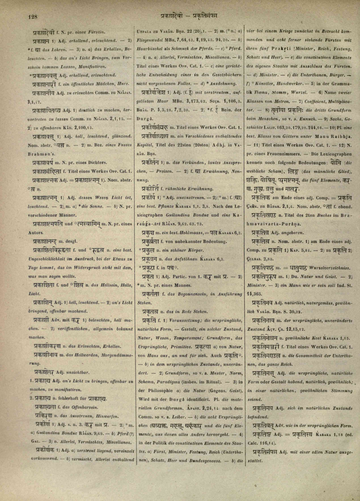
prakṛti f. — 1〉 Voraussetzung; die ursprüngliche, natürliche Form, — Gestalt, ein solcher Zustand, Natur, Wesen, Temperament; Grundform, das Ursprüngliche, primitive. prakṛtyā — a〉 von Natur, von Haus aus, an und für sich. Auch prakṛti˚ — b〉 in dem ursprünglichen zustande, unverändert. — 2〉 Grundform. so v. a. Muster, Norm, Schema, paradigma (insbes. im Ritual). — 3〉 in der Philosophie — a〉 die Natur (Gegens. Geist). Wird mit der Durgā identificirt. Pl. die materiellen Grundformen. ĀPAST. 2,24,14. nach dem Comm. so v. a. Leiber. — b〉 die acht Ursprünglichen (avyakta, mahant, ahaṃkāra und die fünf Elemente), aus denen alles Andere hervorgeht. — 4〉 in der Politik die constitutiven Elemente des Staates. — a〉 Fürst, Minister, Festung, Reich, (Unterthanen), Schatz, Heer und Bundesgenosse. — b〉 [Page4-128-c] die vier bei einem Kriege zunächst in Betracht kommenden und acht ferner stehende Fürsten mit ihren fünf Prakṛti (Minister, Reich, Festung, Schatz und Heer). — c〉 die constitutiven Elemente des eigenen Staates mit Ausschluss des Fürsten. — d〉 Minister. — e〉 die Unterthanen, Bürger. — f〉 *Künstler, Handwerker. — 5〉 in der Grammatik Thema, Stamm, Wurzel. — 6〉 Name zweier Klassen von Metren. — 7〉 Coefficient, Multiplicator. — 8〉 tṛtīyā prakṛtiḥ die dritte Grundform beim Menschen so v. a. Eunuch. — 9〉 Sache, Geschichte LALIT. 63,20. 179,20. 244,16. — 10〉 Pl. eine best. Klasse von Göttern unter Manu Raibhya. — 11〉 Titel eines Werkes OPP. CAT. 1. — 12〉 N. pr. eines Frauenzimmers. — Die Lexicographen kennen noch folgende Bedeutungen: yoni (die weibliche Scham), liṅga (das männliche Glied), śakti, yoṣit, paramātman die fünf Elemente karaṇa, guhya, jantu und mātar.
Apte 1890 substantive feminine
Original text · English · substantive feminine
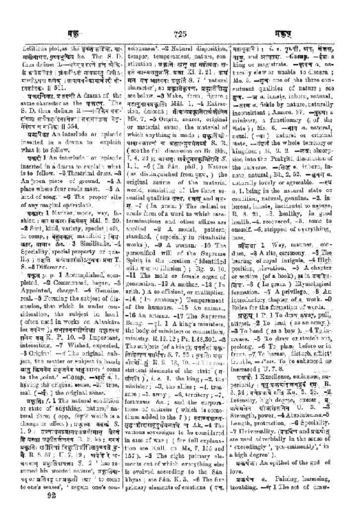
prakṛtiḥ f. 1 The natural condition or state of anything, nature, natural form (opp. vikṛti which is a change or effect); prakṛtyā yadvakraṃ Ś. 1. 9; uṣṇatvamagnyātapasaṃprayogāt śaityaṃ hi yatsā prakṛtirjalasya R. 5. 54; maraṇaṃ prakṛtiḥ śarīriṇāṃ vikṛtirjīvitamucyate budhaiḥ R. 8. 87; U. 7. 19; apehi re atrabhavān prakṛtimāpannaḥ Ś. 2 ‘has resumed his wonted nature’; prakṛtimāpaṭ or pratipad or prakṛtau sthā ‘to come to one's senses’, ‘regain one's ([Page 0725-b]) consciousness’. 2 Natural disposition, temper, temperament, nature, constitution; prakṛtiḥ khalu sā mahīyasaḥ sahate nānyasamunnatiṃ yayā Ki. 2. 21; kathaṃ gata eva ātmanaḥ prakṛtiṃ Ś. 7 ‘natural character’; so prakṛtikṛpaṇa, prakṛtisiddha see below. 3 Make, form, figure; mahānubhāvaprakṛtiḥ Māl. 1. 4 Extraction, descent; gopālaprakṛtirāryakosmi Mk. 7. 5 Origin, source, original or material cause, the material of which anything is made; prakṛtiścopādānakāraṇaṃ ca brahyābhyupagaṃtavyaṃ Ś. B. (see the full discussion on Br. Sūt. I. 4. 23); yāmāhuḥ sarvabhūtaprakṛtiriti Ś. 1. 1. 6 (In Sān. phil.) Nature (as distinguished from puruṣa,) the original source of the material world, consisting of the three essential qualities sattva, rajas and tamas. 7 (In gram.) The radical or crude form of a word to which caseterminations and other affixes are applied 8 A model, pattern, standard, (especially in ritualistic works). 9 A woman. 10 The personified will of the Supreme Spirit in the creation (identified with māyā or illusion); Bg. 9. 10. 11 The male or female organ of generation. 12 A mother. 13 (In arith.) A co-efficient, or multiplier. 14 (In anatomy) Temperament of the humours. 15 An animal. 16 An artisan. 17 The Supreme Being. -pl. 1 A king's ministers, the body of ministers or counsellors, ministry; R. 12. 12; Pt. 1. 48, Pt. 1. 301. 2 The subjects (of a king); pravartatāṃ prakṛtihitāya pārthivaḥ Ś. 7. 35; nṛpatiḥ prakṛtīravekṣituṃ R. 8. 18, R. 8. 10. 3 The constituent elements of the state ( saptāṃgāni), i. e. 1. the king; 2. the minister; 3. the allies; 4. treasure; 5. army; 6. territory; 7. fortresses &c.; and the corporations of citizens (which is sometimes added to the 7); svāmyamātyasuhṛtkośarāṣṭradurgabalāni ca Ak. 4 The various sovereigns to be considered in case of war; (for full explanation see Kull. on Ms. 7. 155 and Ms. 7. 157). 5 The eight primary elements out of which everything else is evolved according to the Sānkhyas; see Sāṅ. K. 3. 6 The five primary elements of creations ( ([Page 0725-c]) paṃcamahābhūtāni); i. e. pṛthvī, ap, tejas, vāyu, and ākāśa. Comp. — īśaḥ a king or magistrate. — kṛpaṇa a. naturally slow or unable to discern; Me. 5. — guṇaḥ one of the three constituent qualities of nature; see guṇa. — ja a. innate, inborn, natural. — tarala a. fickle by nature, naturally inconsistent; Amaru. 27. — puruṣaḥ a minister, a functionary (of the state); Me. 6. — bhāva a. natural, usual. — (vaḥ) natural or original state. — maṃḍalaṃ the whole territory or kingdom; R. 9. 2. — layaḥ absorption into the Prakṛti, dissolution of the universe. — siddha a. inborn, innate, natural; Bh. 2. 52. — subhaga a. naturally lovely or agreeable. — stha a. 1 being in the natural state or condition, natural, genuine. 2 inherent, innate, incidental to nature; R. 8. 21. 3 healthy, in good health. 4 recovered. 5 come to oneself. 6 stripped of everything, bare.
Cappeller 1887 substantive feminine
Original text · German · substantive feminine
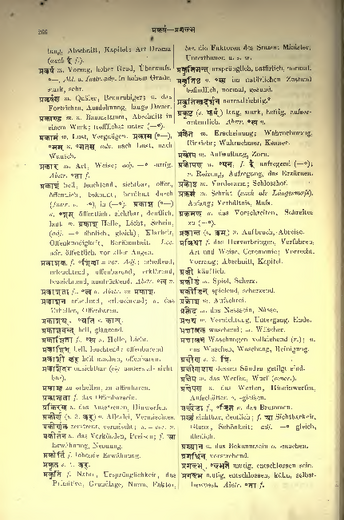
prakṛti f. Natur, Ursprünglichkeit, das Primitive, Grundlage, Norm, Faktor, [Page266-2] bes. die Faktoren des Statts: Minister, Unterthanen u. s. w.
Burnouf 1866 substantive feminine
Original text · French · substantive feminine
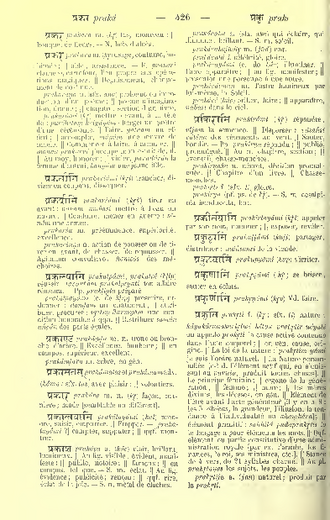
prakṛti prakṛti f. (kṛ; sfx. ti) nature: kāyakāraṇakartṛtve hetus prakṛtir ucyate on appelle prakṛti la cause active contenue dans l'acte corporel; en gén. cause, origine. La loi de la nature: prakṛtim yāmi je suis l'ordre naturel. La Nature personnifiée [c-à-d. l'élément actif qui, en s'unissant au puruṣa, produit toutes choses]. Le principe féminin; organe de la génération; femme; mère; les mères divines, les déesses, en gén. Elément de l'être avant l'acte générateur [il y en a 8: les 5 ākāśas, la grandeur, l'illusion, la tendance à l'individualité ou ahaṃkāra]; élément primitif: saṃhitā padaprakṛtis le le langage a pour éléments les mots. Qqf. élément ou partie constitutive d'une administration royale [par ex. l'armée, les finances, le roi, ses ministres, etc.]. Stance de 4 vers, de 21 syllabes chacun. Au pl. prakṛtayas les sujets, les peuples. prakṛtija a. (jan) naturel; produit par la prakṛti.
Occurrences in source texts (6)
GoS 1 occurrence
PYS 3 occurrences
SiSa 1 occurrence
SVU 1 occurrence
Continue with AYI Free
Image source: AYI archive.