
Lautbildung Luft 02 semivokal

Semivowels

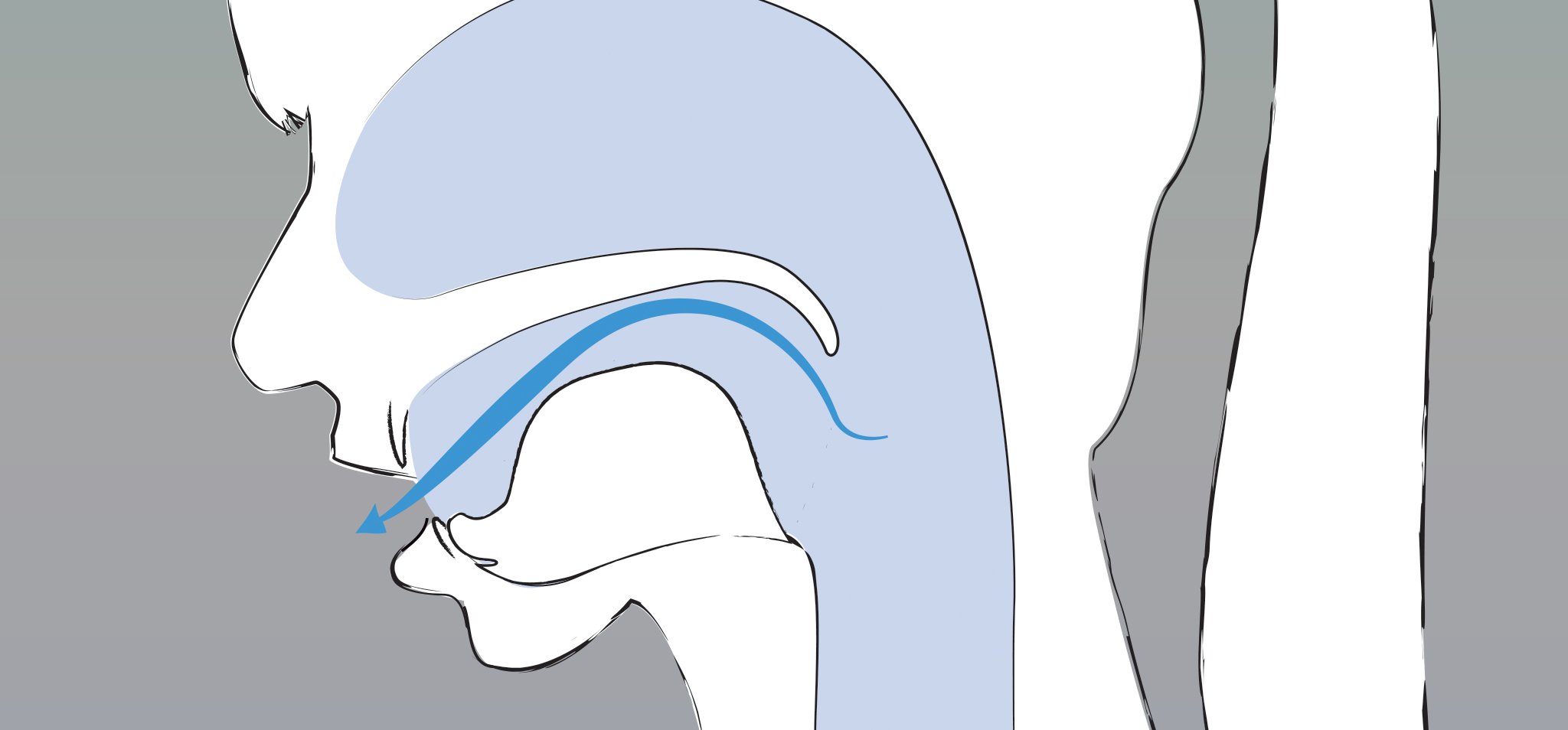
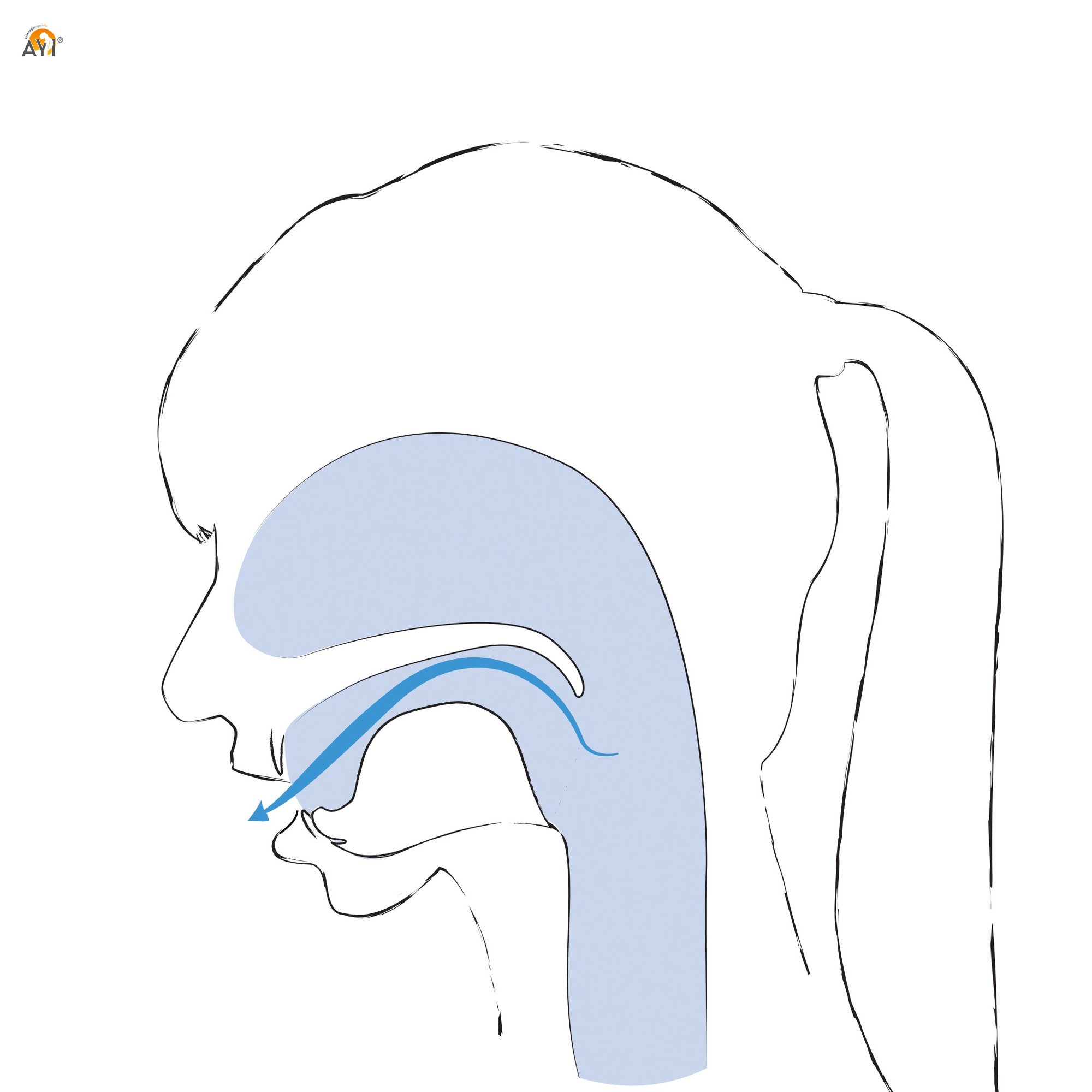
Phonetically, a semivowel lies between a vowel and a plosive. In contrast to a vowel, a semivowel does not represent a syllable on its own when articulated. Neither is the vocal tract blocked for the pressure characteristic of a plosive. The tongue moves in the direction of the place of articulation to produce an approximant. In contrast to a fricative, though, the approximation does not go so far as to produce the friction necessary for a fricative. In Saṃskṛt, there are semivowels for four of the five places of articulation (y, r, l, v).

Semivokale

Semivowels

Semivowels are very close to the vowels produced at the same place of articulation:

  • i (vowel) - ya (semivowel) - ja (plosive) all three palatal (at the palate)
  • r̥ (vowel) - ra (semivowel) - ḍa (plosive) all three retroflex (with the tongue rolled back)
  • l̥ (vowel) - la (semivowel) - da (plosive) all three dental (with the tongue at the teeth)
  • u (vowel) - va (semivowel) - ba (plosive) all three labial (at the lips)

While vowel sounds on its own, the semivowel forms almost automatically when we add an "a". If the contact is intensified on articulation, the voiced plosive is produced.

In Saṃskṛt, the sound change from vowel to semivowel happens via the Sandhi rules. In other languages, semivowels often turn into plosives.

Guttural semivowel

In Saṃskṛt, there is no guttural semivowel.

Palatal semivowel

  • ya: produced by bringing the tongue closer to the palate (palatal).

Beispiele:

  • ya: ja, Saṃskṛt: Yoga
    Pronounced like a German j, not like a y as in Yvonne.

Retroflex semivowel

  • ra: Produced by bringing the tongue closer to the back of the teeth (retroflex).

Examples:

  • ra: Rollen, rot
    A rolling r as commonly used in Southern Germany, or, historically speaking, in Germany as a whole.

Dental semivowel

  • la: produced by bringing the tongue closer to the teeth (dental).

Examples:

  • la: Land
    Exactly as in German.

Labial semivowel

  • va: produced by bringing the tongue closer to the lips (labial).

Examples:

  • va: Wasser, wann
    Not like the German v as in Vogel, but like a German w.

Continue with AYI Free

Messages and ratings
0 messages

Please log in to write a message. Go to login

No messages yet.