

vṛddha वृद्ध – old
adjective · substantive feminine · substantive masculine · substantive neuter · Word type unspecified
Dictionary sources
AYI dictionary adjective · substantive masculine
Cappeller 1891 adjective
Original text · English · adjective
vṛddhá ·a. grown up, adult, large, tall, strong, intense, great, high, important, aged, old, skilful, clever, distinguished or eminent by (instr. or --°); glad, cheerful, haughty, arrogant; subject to Vṛddhi (g.).
Monier-Williams 1872 adjective · Word type unspecified
Original text · English · adjective
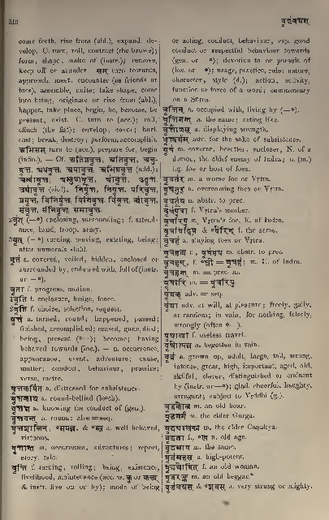
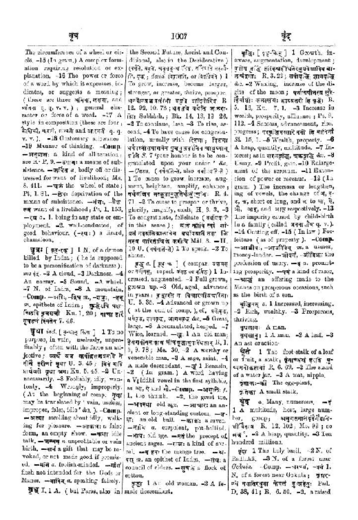
Vṛddha, as, ā, am (compar. jyāyas or varṣī- yas, superl. jyeṣṭha or varṣiṣṭha, q. q. v. v.), increased, augmented; grown up, full grown, duly expanded; old, aged, advanced in years, ancient, mighty, great, large; accumulated, heaped; wise, learned; (as), m. an old man or one past seventy; a sage, saint; a respectable man; a male descendant (= gotra); a proper N.; = vṛddha-dāraka below; (ā), f. an old woman (either one past childbearing or one with grey hair); a female descendant; (am), n. (in grammar) a word having a Vṛddhi vowel in the first syllable; benzoin.
Original text · English · adjective
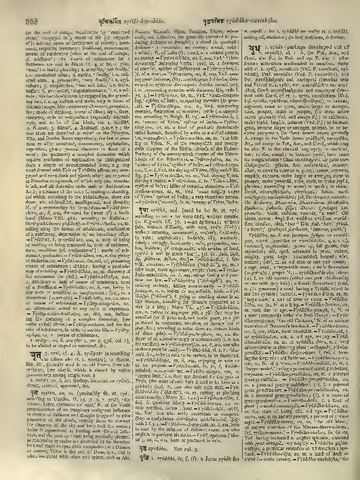
Vṛddha, as, ā, am, cut off, (see 1. vṛddhi.)
Original text · English · Word type unspecified
vṛddha vṛddha. See col. 3.
Petersburger 1855 adjective · substantive feminine · substantive masculine · substantive neuter
Original text · German · adjective · substantive feminine · substantive masculine · substantive neuter
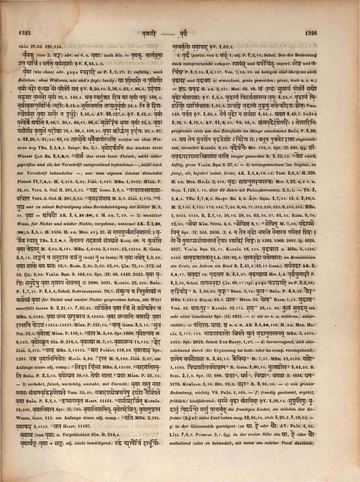
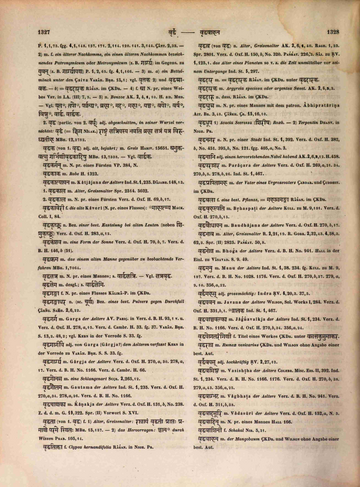
1. vṛddhá (partic. von 1. vardh) 1〉 adj. P. 7,2,15, Schol. Der der Bedeutung nach entsprechende compar. jyāyaṃs und varṣīyaṃs, superl. jyeṣṭha und barṣiṣṭha P. 5,3,62. P. 6,4,157. VOP. 7,56. VOP. 7,58. zu belegen sind übrigens auch vṛddhatara und vṛddhatama. a〉 erwachsen, gross geworden; gross, hoch u. s. w.; = rūḍha, pravṛddha H. an. 2,251. MED. dh. 18. tvaṃ (indra) su̱tasyà pī̱tayè sa̱dyo vṛ̱ddho àjāyathāḥ ṚV. 1,5,6. vṛ̱ddhasyà cidvardhatāmasya ta̱nūḥ ṚV. 6,24,7. vṛ̱ddhasyà ci̱dvardhàto̱ dyāmìnakṣataḥ ṚV. 1,51,9. utsaṅge vṛddhānāṃ guruṣu bhavetkīdṛśaḥ snehaḥ VIKR. 148. parvata ṚV. 5,60,3. yenà vṛ̱ddho na śavàsā ṚV. 6,44,3. atasa ṚV. 8,49,7. Indra ṚV. 3,32,7. ṚV. 4,19,1. AV. 11,8,34. VS. 18,4. kramavṛddhairdaśottaraiḥ . toyādibhiḥ progressiv stets um das Zehnfache an Menge zunehmend BHĀG. P. 3,26,52. atha tena suvarṇena vṛddhakośo 'cireṇa saḥ . babhūva putrako rājā angewachsen, vermehrt KATHĀS. 3,24. vṛddhairdhanaiḥ HIT. 115,3. Spr. (II) 630. fgg. śītavṛddhatarāyāmāstriyāmā yānti länger geworden R. 3,22,12. ˚vega stark, heftig, gross VARĀH. BṚH. S. 27,6. — b〉 herangewachsen (im Gegens. zu jung), alt, bejahrt (subst. Greis) AK. 2,6,1,12. AK. 2,6,1,42. TRIK. 2,6,9. H. 339. H. an. MED. HALĀY. 2,348. vṛddhaḥ saptatyuttaravayaskaḥ MIT. I, 23,a,3 v. u. SUŚR. 1,129,1. SUŚR. 1,129,10. über 80 Jahre alt PRĀYAŚCITTENDUŚ. 2,b,4. — TS. 2,2,4,4. TBR. 1,7,2,3. ṢAḌV. BR. 4,6. ĀŚV. GṚHY. 1,7,21. ĀŚV. GṚHY. 1,14,8. ĀŚV. GṚHY. 3,10,6. M. 2,150. M. 4,154. M. 4,179. M. 4,184. M. 7,38. M. 8,66. M. 8,71. M. 8,312. M. 8,350. M. 8,395. M. 9,230. M. 9,283. MBH. 1,6032. MBH. 1,6130. R. 2,1,10. R. 2,50,19. R. 2,59,20. R. 2,63,30. R. 2,1,37. R. 2,64,34. RAGH. 9,78. RAGH. 12,20. ˚sevā KĀM. NĪTIS. 4,6. ˚sevitva KĀM. NĪTIS. 8,7. ˚sevin M. 7,38. vṛddhopasevin Spr. (II) 504. Spr. (II) 2836. Spr. (II) (I) 4. na tena vṛddho bhavati yenāsya palitaṃ śiraḥ . yo vai yuvāpyadhīyānastaṃ devāḥ sthaviraṃ viduḥ .. Spr. 1392. Spr. 1968. Spr. 2891. fg. Spr. 4624. Spr. 4627. VARĀH. BṚH. 24,11. KATHĀS. 18,255. vṛddhabāla n. MBH. 5,5428. MBH. 5,5436. āvṛddhabālakam LA. (III) 92,9. jñānavṛddho vayobālaḥ an Kenntnissen ein Greis, an Jahren ein Kind R. 2,45,8 (R. 2,43,10 GORR.). ardhavṛddhā AK. 2,6,1,17. avṛddhā AK. 18. vṛddhatama R. 5,1,97. vṛddhavyāghra HIT. I, 4. vṛddhákumārī P. 6,2,95, Schol. tāpasavṛddhā ŚĀK. 68,17 (vgl. gaṇa kaḍārādi zu P. 2,2,38). harivīra˚ R. 5,60,20. kuru˚ BHAG. 1,12. kula˚ BHĀG. P. 4,9,39. paura˚ MBH. 1,4615. DAŚAK. 94,8. grāma˚ MEGH. 31. ghoṣa˚ RAGH. 1,45. śuddhānta˚ VIKR. 43. antaḥpura˚ KATHĀS. 32,174. gṛha˚ KATHĀS. 28,46. KATHĀS. 28,96. kulaṃ suvṛddham ein sehr altes Geschlecht Spr. (II) 1821. — c〉 alt so v. a. erfahren, unterrichtet; = paṇḍita, prājña, jña u. s. w. AK. 3,4,18,103. H. an. MED. HALĀY. 2,177. HALĀY. 2,155. nāprāptakālo mriyate śrutaṃ vṛddhānuśāsanam MBH. 3,2570. MBH. 3,3038. Spr. 2619. Schol. 2 zu BHAṬṬ. 1,27. — d〉 hervorragend, sich auszeichnend durch (die Ergänzung im instr. oder im comp. vorangehend): jñānena vayasaujasā R. 2,45,13. traividya˚. M. 7,37. MBH. 13,5109. yaśo˚ MBH. 1,4692. vidyāśīlavayojñāna˚ R. GORR. 1,80,14. kulaśīla˚ R. GORR. 5,44,20. R. SCHL. 2,1,9. Spr. (II) 688. prajñā˚, dharma˚, vidyā˚, vayasā Spr. (I) 1834. dhana˚ Spr. (I) 5178. KUMĀRAS. 5,16. HIT. 19,3. jarā˚ R. 3,61,26. — e〉 von grosser Bedeutung, wichtig VS. PRĀT. 1,169. — f〉 freudig gestimmt, ergötzt, fröhlich; hochfahrend: a̱sme vṛ̱ddhā àsanni̱ha ṚV. 1,38,15. (suṣṭutiṣu) bṛ̱ddhāsù ci̱dvardhàno̱ yāsù cā̱kanàt die freudigen Lieder, an welchen der Erfrener (Agni) seine Lust haben mag, ṚV. 10,91,12. stolz ṚV. 5,20,2. ṚV. 7,18,12. — g〉 in der Grammatik gesteigert (zu ā, ai oder au) AV. PRĀT. 4,55. LĀṬY. 7,8,5. PUṢPAS. 5,1. fgg. in der ersten Silbe ein ā, ai oder au enthaltend (oder so behandelt, als wenn ein solcher Vocal dastände) P. 1,1,73. fgg. P. 4,1,148. P. 4,1,157. fgg. P. 4,1,171. P. 4,2,114. fgg. P. 4,1,120. P. 4,1,141. fgg. P. 4,3,144. ŚĀNT. 2,33. — 2〉 m. f. ein älterer Nachkomme, ein einen älteren Nachkommen bezeichnendes Patronymicum oder Metronymicum (z. B. gārgya) im Gegens. zu yuvan (z. B. gārgyāyaṇa) P. 1,2,65. fg. P. 4,1,166. — 3〉 m. a〉 ein Bettelmönch unter den Śaiva VARĀH. BṚH. 15,1; vgl. vṛttaka 2〉 und vṛddhaśrāvaka. — b〉 = vṛddhadāraka RĀJAN._im_ŚKDR. — 4〉 f. ā N. pr. eines Weibes VET. in LA. (III) 7,5. — 5〉 n. Benzoe AK. 2,4,1,10. H. an. MED. — Vgl. ghṛta˚, tapo˚, parjanya˚, brahma˚, mada˚, mahā˚, yajña˚, vayo˚, varṣa˚, viṣṇu˚, vārddha, vārddhaka.
Original text · German · adjective
2. vṛddha (partic. von 2. vardh) adj. abgeschnitten, in seiner Wurzel vernichtet: vṛddhaṃ (= chinna NĪLAK.) rāṣṭraṃ kṣatriyasya bhavati brahma kṣatraṃ yatra virudhyatīha MBH. 12,2782.
Böhtlingk 1879 adjective · substantive feminine · substantive masculine · substantive neuter
Original text · German · adjective · substantive feminine · substantive masculine · substantive neuter
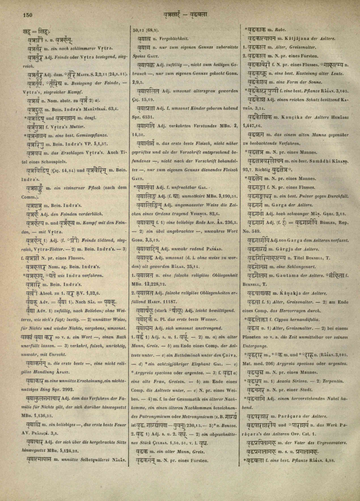
1. vṛddhá — 1〉 Adj. s. u. 1. vardh. — 2〉 m. — a〉 ein alter Mann, Greis. — b〉 am Ende eines Comp. der Aelteste unter. — c〉 ein Bettelmönch unter den Śaiva. — d〉 *ein achtzigjähriger Elephant GAL. — e〉 *Argyreia speciosa oder Argyreia argentea — 3〉 f. vṛddhā — a〉 eine alte Frau, Greisin. — b〉 am Ende eines Comp. die Aelteste unter. — c〉 N. pr. eines Weibes. — 4〉 m. f. in der Grammatik ein älterer Nachkomme, ein einen älteren Nachkommen bezeichnendes Patronymicum oder Metronymicum (z. B. gārgya ist vṛddha, gārgyāyaṇa — yuvan) Chr. 230,15. — 5〉 *n. Benzoe.
Original text · German · adjective
2. vṛddha — 1〉 Adj. s. u. 2. vardh. — 2〉 ein abgeschnittenes Stück ŚULBAS. 1,50. 51. v. l. vṛdhra.
Apte 1890 adjective · substantive masculine · substantive neuter
Original text · English · adjective · substantive masculine · substantive neuter
vṛddha a. [vṛdh-kta] (compar. jyāyas or varṣīṃyas, superl. jyeṣṭha or varṣiṣṭha) 1 Increased, augmented. 2 Full grown, grown up. 3 Old, aged, advanced in years; vṛddhāste na vicāraṇīyacaritāḥ U. 5. 35. 4 Advanced or grown up (at the end of comp.), cf. vayovṛddha, dharmavṛddha, jñānavṛddha, āgamavṛddha &c. 5 Great, large. 6 Accumulated, heaped. 7 Wise, learned. — ddhaḥ 1 An old man; haiyaṃgavīnamādāya ghoṣavṛddhānupasthitān R. 1. 5, R. 9. 78; Me. 30. 2 A worthy or venerable man. 3 A sage, saint. 4 A male descendant. — ddhaṃ 1 Benzoin. 2 (In gram.) A word having a Vṛddhi vowel in the first syllable, as ā, ai and au. Comp. — aṃguliḥ f. 1 the thumb. 2 the great toe. — avasthā old age. — ācāraḥ an ancient or long-standing custom. — ukṣaḥ an old bull. — kākaḥ a raven. — nabhi a. corpulent, pot-bellied. — bhāvaḥ old age. — mataṃ the precept of ancient sages. — rājaḥ a kind of sorrel. — vahanaḥ the mango tree. — śravas m. an epithet of Indra. — saṃghaḥ a council of elders. — sūtrakaṃ a flock of cotton.
Cappeller 1887 Word type unspecified
Original text · German · Word type unspecified
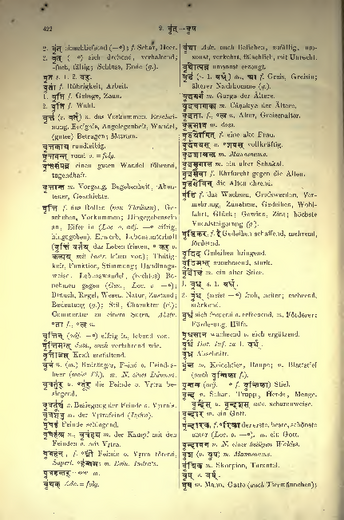
vṛddhá (s. 1. vardh) m., ā f. Greis, Greisin; älterer Nachkomme (g.).
Burnouf 1866 Word type unspecified
Original text · French · Word type unspecified
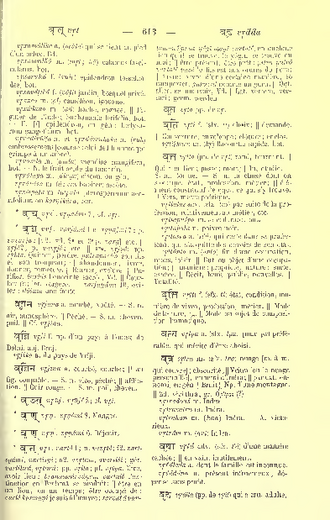
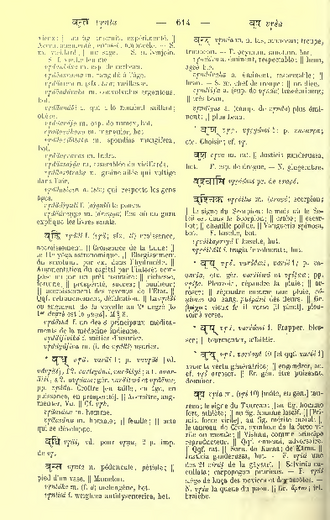
vṛddha vṛddha (pp. de vṛdh) qui a cru, adulte, [Page614-1] vieux; au fig. instruit, expérimenté. Accru, augmenté; entassé, amoncelé. — S. m. vieillard; un sage. — S. n. benjoin. — S. f. vieille femme. vṛddhakāka m. esp. de corbeau. vṛddhakrama m. rang dû à l'âge. vṛddhatva n. (sfx. tva) vieillesse. vṛddhadāraka m. convolvulus argenteus, bot. vṛddhanābhi a. qui a le nombril saillant; obèse. vṛddharāja m. esp. de rumex, bot. vṛddhavāhana m. manguier, bot. vṛddhavibhītaka m. spondias mangifera, bot. vṛddhaśravas m. Indra. vṛddhasaṅgha m. assemblée de vieillards. vṛddhasūtraka n. graine ailée qui voltige dans l'air. vṛddhasevin a. (sev) qui respecte les gens âgés. vṛddhāṅguli f. (aṅguli) le pouce. vṛddhāraṇya m. (āraṇya) lieu où un guru explique les livres saints.
Occurrences in source texts (7)
DYS 2 occurrences
HP 4 occurrences
SiSa 1 occurrence
Continue with AYI Free
Image source: AYI archive.