

yakṣa यक्ष – Yakṣa; mythisches Wesen
Substantiv Maskulin · Substantiv Neutrum · Worttyp nicht bestimmt
Wörterbuchquellen
AYI Wörterbuch Substantiv Maskulin
Yakṣa; mythisches Wesen
Cappeller 1891 Substantiv Neutrum
Originaltext · Englisch · Substantiv Neutrum
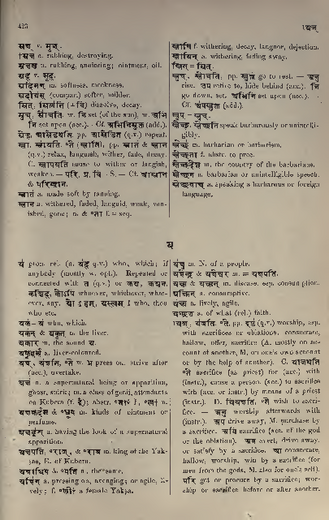
yakṣá ·n. a supernatural being or apparition, ghost, spirit; m. a class of genii, attendants on Kubera (f. ī); abstr. °tāÅ f., °tvaÅ n.
Monier-Williams 1872 Substantiv Neutrum
Originaltext · Englisch · Substantiv Neutrum
Yakṣa, am, n. (the neut. form is found only in Ved.), a living supernatural being (or a being deserv- ing of worship, cf. rt. 1. yaj), an unsubstantial or spiritual apparition, a ghost, spirit; (according to Sāy.) worship, adoration (= pūjā); sacrifice (= yajña); anything honoured or revered; (as), m., N. of certain mythical beings or demigods who, like the Guhyakas, are attendants on Kuvera, the god of wealth, and employed in the care of his garden and treasures, (they are variously described as sons of Pulastya, of Pulaha, of Krodhā, of Kaś- yapa; or in Hari-vaṃśa 11794. as sprung from the feet of Brahmā; according to the Vāyu-Purāṇa they were descended from Khasā or Khaśā, who had two sons, Yakṣa and Rakṣas, severally the progenitors of the Yakṣas and Rākṣasas; the Viṣṇu-Purāṇa 1. 5. narrates that they were produced by Brahmā as beings emaciate with hunger, of hideous aspect, and with long beards, and that crying out ‘let us eat,’ they were denominated Yakṣas, [fr. jakṣ, to eat]; in the Brahma-Purāṇa thirteen Yakṣas are appointed by Viṣṇu as guardians of a particular city; though generally regarded as beings of a benevolent and inoffensive disposition, like the Yakṣa described in Kālidāsa's Megha-dūta, they are nevertheless occa- sionally classed with Piśācas and other malignant spirits; the Buddhists give them a prominent posi- tion, describing them in some of their legends as cruel demons who feast on human flesh and have the power of raising storms; in others, as harmless beings who delight in songs, dances, &c.); a sub- division of a Vyantara (with Jainas); N. of Kuvera; of a Muni; of the palace of Indra; (ī), f. a female Yakṣa; N. of Kuvera's wife; (as, ā, am), a Vedic word said to be formed fr. the Aor. of rt. 1. yaj, and used at the end of a comp.

Petersburger 1855 Substantiv Maskulin · Substantiv Neutrum · Worttyp nicht bestimmt
Originaltext · Deutsch · Substantiv Maskulin · Substantiv Neutrum
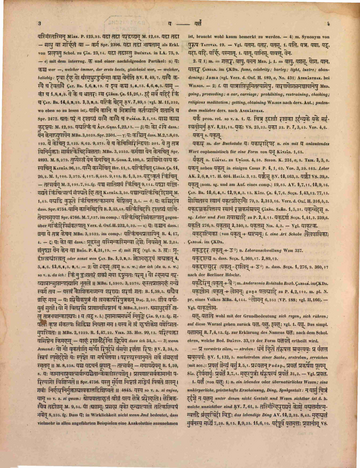
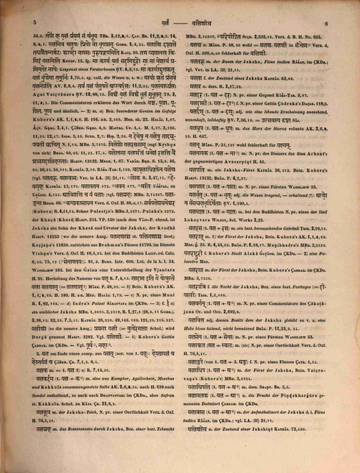
1. yakṣá (von yakṣ) 1〉 n. ein lebendes oder übernatürliches Wesen; eine unkörperliche, geisterhafte Erscheinung, Ding, Spukgestalt: na yāsù ci̱traṃ dadṛ̀śe̱ ya̱kṣam unter denen nicht Gestalt und Wesen sichtbar ist d. h. welche unsichtbar sind ṚV. 7,61,5. tasmìnhira̱ṇyaye̱ kośe̱ yadya̱kṣamā̀tmanvattadvai bràhma̱vidò viduḥ das lebendige Ding AV. 10,2,32. AV. 10,8,43. ma̱hadya̱kṣaṃ bhuvànasya̱ madhyè AV. 7,38. AV. 8,15. AV. 8,9,25. AV. 11,6,10. yadàpū̱rvaṃ ya̱kṣama̱ntaḥ pra̱jānā̀m VS. 34,2. tapò ha ya̱kṣaṃ pràtha̱maṃ saṃ bàbhūva TBR. 3,12,3,1. ŚAT. BR. 11,2,3,5. ŚAT. BR. 14,8,5,1. yakṣamiva cakṣuṣaḥ priyo vo bhūyāsam GOBH. 3,4,24. yakṣāṇi daśyante tadyathaitanmarkaṭaḥ śvāpado vāyasaḥ puruṣarūpamiti KAUŚ. 95. tanna vyajānanta kimidaṃ yakṣamiti KENOP. 15. fg. mā kasyà ya̱kṣaṃ sada̱middhu̱ro gā̱ mā ve̱śasyà pramina̱to māpeḥ Gespenst eines Verstorbenen ṚV. 4,3,13. mā kasyā̀dbhutakratū yakṣaṃ bhùjemā ta̱nūbhìḥ ṚV. 5,70,4. sg. coll. die Wesen u. s. w.: yasyā̀ vra̱te pràsa̱ve yakṣamejàti AV. 8,9,8. tavà ya̱kṣaṃ pàśupate a̱psva1̱̀ntaḥ AV. 11,2,24. ya̱kṣasyādhyàkṣaḥ Agni Vaiśvānara ṚV. 10,88,13. viśvàṃ ya̱kṣaṃ viśvàṃ bhū̱taṃ subhū̱tam TS. 3,11,1,1. Die Commentatoren erklären das Wort durch yajña, pūjā, pūjita, pūjya und ähnlich. — 2〉 m. a〉 Bez. besonderer Genien im Gefolge Kuberaʼs AK. 1,1,1,6. H. 194. H. an. 2,569. MED. ṣ. 22. HALĀY. 1,87. ĀŚV. GṚHY. 3,4,1. ŚĀṄKH. GṚHY. 4,9. MAITR. UP. 1,4. M. 1,37. M. 3,196. M. 11,95. M. 12,47. INDR. 5,25. SUND. 2,7. HIḌ. 2,36. na deveṣu na yakṣeṣu tādṛgrūpavatī kvacit N. 1,13. MBH. 5,7476. vitteśo yakṣarakṣasām (sagt Kṛṣṇa von sich) BHAG. 10,23. BHAG. 11,22. BHAG. 17,4. yakṣottamā yakṣapatiṃ dhaneśaṃ rakṣanti vai prāsagadāsihastāḥ HARIV. 13132. MEGH. 1. MEGH. 67. VARĀH. BṚH. S. 13,8. VARĀH. BṚH. S. 46,92. VARĀH. BṚH. S. 48,25. VARĀH. BṚH. S. 54,111. KATHĀS. 2,18. RĀJA-TAR. 1,159. vaṭavṛkṣādhirūḍhena yakṣeṇa (vgl. yakṣataru, yakṣāvāsa) VET. in LA. (II) 21,11. ˚loka R. 3,47,11. ˚devagṛha KATHĀS. 13,170. yakṣāyatana KATHĀS. 172. ˚bhavana KATHĀS. 177. ˚bali UJJVAL._zu_UṆĀDIS. 4,123. āviśanti ca yaṃ yakṣāḥ (vgl. yakṣagraha) MBH. 3,14507. yakṣāṅganā MEGH. 69. ˚kanyakāsādhana Verz. d. Oxf. H. 88,a,17. sarvayakṣeśadhaneśvara (Kubera) R. 4,11,12. Söhne Pulastyaʼs MBH. 1,2571. Pulahaʼs MBH. 1,2572. der Khaśā (Khasā) HARIV. 234. VP. 150 (nach dem VĀYU-P. ebend. ist Yakṣa ein Sohn der Khasā und Urvater der Yakṣa). der Krodhā HARIV. 11555 (wo die neuere Ausg. yakṣagaṇāśca st. pakṣigaṇāśca liest). Kaśyapaʼs HARIV. 11850. entstehen aus Brahmanʼs Füssen HARIV. 11794. im Dienste Viṣṇuʼs Verz. d. Oxf. H. 18,b,35. bei den Buddhisten LALIT. ed. Calc. 8,20. LALIT. ed. Calc. 75,12 (˚senāpatayaḥ) LALIT. ed. Calc. 81,9. BURN. Intr. 600. Lot. de la b. l. 54. WASSILJEW 164. bei den Jaina eine Unterabtheilung der Vyantara H. 91. Herleitung des Namens von yakṣ R. 7,4,13. khādāma iti ye cocuste yakṣā yakṣaṇāt (= jakṣaṇāt?) MĀRK. P. 48,20. — b〉 Bein. Kuberaʼs AK. 1,1,1,65. H. 189. H. an. MED. HALĀY. 1,79. — c〉 N. pr. eines Muni R. 6,82,162. — d〉 Indraʼs Palast SĀRASVATA_im_ŚKDR. — 3〉 f. ī a〉 ein weiblicher Yakṣa MBH. 1,3895. MBH. 3,2519. R. 1,27,8 (R. 28,8. R. 1,11 GORR.). R. 3,38,15. R. 3,52,35. R. 7,5,41. KATHĀS. 26,220. KATHĀS. 49,166. KATHĀS. 49,169. KATHĀS. 121,20. KATHĀS. 121,216. KATHĀS. 121,227. yakṣīṇāṃ (so die neuere Ausg.) prathamā yakṣī (= kuberamātā Schol.) wird Durgā genannt HARIV. 3282. Vgl. yakṣiṇī. — b〉 Kuberaʼs Gattin ŚABDAR._im_ŚKDR. — Vgl. pūrva˚, mahā˚.
Originaltext · Deutsch · Worttyp nicht bestimmt
2. yakṣa am Ende eines comp. aus yakṣat (aor. von 1. yaj): hotāyakṣaṃ ca hotaryajaṃ ca ŚĀṄKH. ŚR. 7,1,5. ŚĀṄKH. ŚR. 7,8,4.
Böhtlingk 1879 Substantiv Maskulin · Substantiv Neutrum · Worttyp nicht bestimmt
Originaltext · Deutsch · Substantiv Maskulin · Substantiv Neutrum
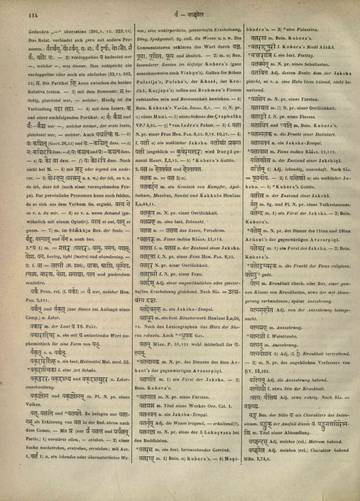
1. yakṣá — 1〉 n. ein lebendes oder übernatürliches Wesen; [Page5-114-b] eine unkörperliche, geisterhafte Erscheinung, Ding, Spukgestalt. Sg. coll. die Wesen u. s. w. Die Commentatoren erklären das Wort durch yaja, pujā, pujita, pujya und ähnlich. — 2〉 m. — a〉 Bez. besonderer Genien im Gefolge Kuberaʼs (ganz ausnahmsweise auch Viṣṇuʼs). Gelten für Söhne Pulastyaʼs, Pulahaʼs, der Khasā, der Krodhā, Kaśyapaʼs; sollen aus Brahmanʼs Füssen entstanden sein und Besessenheit bewirken. — b〉 Bein. Kuberaʼs VARĀH. YOGAY. 6,1. — c〉 N. pr. — α〉 eines Muni. — β〉 eines Sohnes des Śvaphalka VP. 24,95. — γ〉 *von Indraʼs Palast. — 3〉 f. yakṣā N. pr. einer Frau HEM. PAR. 8,25. 9,78. 10,37. — 4〉 f. yakṣī — a〉 ein weiblicher Yakṣa. yakṣīṇāṃ prathamāyakṣī (angeblich = kuberamātar) wird Durgā genannt HARIV. 2,3,15. — b〉 *Kuberaʼs Gattin.
Originaltext · Deutsch · Worttyp nicht bestimmt
2. yakṣa in hotaryakṣa und hotāyakṣa.
Originaltext · Deutsch · Worttyp nicht bestimmt
2. yakṣa , streiche „hotaryakṣa und“. [Nachtrag, Band 6]
Originaltext · Deutsch · Worttyp nicht bestimmt
2. yakṣa V. 6. [Nachtrag, Band 7]
Apte 1890 Substantiv Maskulin · Substantiv Neutrum
Originaltext · Englisch · Substantiv Maskulin · Substantiv Neutrum
yakṣaḥ [yakṣyate, yakṣ-karmaṇi ghañ] 1 N. of a class of demigods who are described as attendants of Kubera, the god of riches, and employed in guarding his gardens and treasures; yakṣottamā yakṣapatiṃ dhaneśaṃ rakṣaṃti vai prāsagadādihastāḥ Hariv., Me. 1, Me. 66; Bg. 10. 23, Bg. 11. 22. 2 A kind of ghost or spirit. 3 N. of the palace of Indra. 4 N. of Kubera. 5 Worship. — kṣaṃ 1 A ghost, 2 Sacrifice. 3 Anything honoured. — kṣī 1 A female Yakṣa. 2 N. of Kubera's wife. Comp. — adhipaḥ. — adhipatiḥ, -iṃdraḥ Kubera, the lord of Yakṣas. — āmalakaṃ the fruit of the piṃḍakharjūra tree. — āvāsaḥ the fig-tree. — kardamaḥ an ointment consisting of camphor, agallochum, musk and Kakkola (according to others, also sandal and saffron) mixed in equal proportions; (karpūrāgṛrukastūrīkakkolairyakṣakardamaḥ Ak.; kukumāgurukastūrī karpūraṃ cadanaṃ tathā . mahāsu ([Page 0883-b]) gaṃdhamityuktaṃ nāmato yakṣakardamaḥ ..). — grahaḥ the being possessed by Yakṣas or evil spirits. — taruḥ the fig-tree. — dhūpaḥ resin, incense. — rasaḥ a kind of intoxicating drink. — rāj m. N. of Kubera. 2 a place prepared for wrestling and boxing. — rājaḥ N. of Kubera. — rātriḥ f. the festival called Dīpālī. q. v. — vittaḥ one who is like a Yakṣa, i. e. the guardian of wealth, but who never uses it.
Cappeller 1887 Substantiv Neutrum
Originaltext · Deutsch · Substantiv Neutrum
yakṣá n. Geist, Spuk, erscheinung; m. Art Halbgötter im Gefolge Kubera's, f. ī; Abstr. yakṣatā f., ˚tva n.
Burnouf 1866 Substantiv Maskulin
Originaltext · Französisch · Substantiv Maskulin
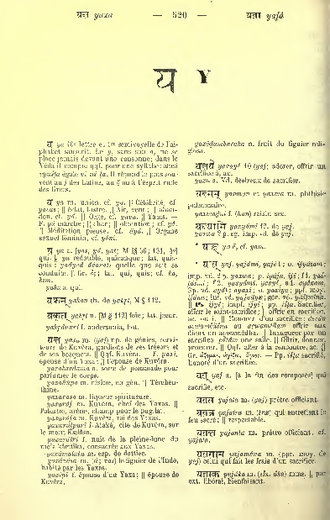
yakṣa yakṣa m. (yaj) np. de génies, serviteurs de Kuvera, gardiens de ses trésors et de ses bosquets. Qqf. Kuvera. — F. yakṣī, épouse d'un Yakṣa; l'épouse de Kuvera. yakṣakardama n. sorte de pommade pour parfumer le corps. yakṣadhūpa m. résine, en gén. Térébenthine. yakṣarasa m. liqueur spiritueuse. yakṣarāj m. Kuvera, chef des Yakṣas. Palestre, arène, champ pour le pugilat. yakṣarāja m. Kuvera, roi des Yakṣas. yakṣarāṭpurī f. Alakā, cité de Kuvera, sur le mont Kailāsa. yakṣarātri f. nuit de la pleine-lune du mois kārttika, consacrée aux Yakṣas. yakṣāmalaka m. esp. de dattier. yakṣāvāsa m. (ā; vas) le figuier de l'Inde, habité par les Yakṣas. yakṣiṇī f. épouse d'un Yakṣa; épouse de Kuvera. [Page520-2] yakṣoḍumbaraka n. fruit du figuier religiosa.
Quelltextfundstellen (3)
DYS 1 Fundstelle
SiSa 2 Fundstellen
Mit AYI Free weitermachen
Bildquelle: AYI Archiv.