

jyotis ज्योतिस् – light
substantive feminine · substantive masculine · substantive neuter · Word type unspecified
Dictionary sources
AYI dictionary substantive neuter
light
Cappeller 1891 substantive neuter
Original text · English · substantive neuter
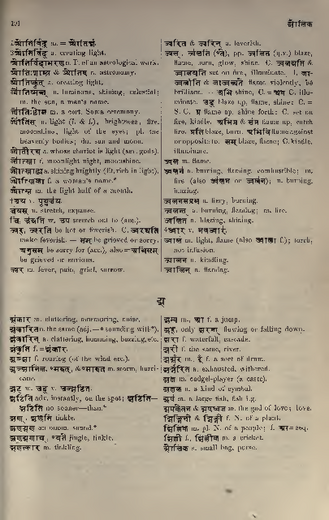
jyótis ·n. light (l. & f.), brightness, fire, moonshine, light of the eyes; pl. the heavenly bodies; du. sun and moon.
Monier-Williams 1872 substantive neuter · Word type unspecified
Original text · English · substantive neuter
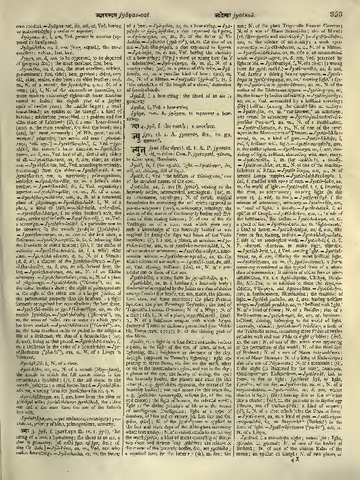
Jyotis, is, n. light in various forms and under various aspects, as the light of the sun, of dawn, of fire, of lightning, &c.; brightness or clearness of the sky, daylight (opposed to Tamas); lightning; light ap- pearing in three forms, viz. fire on the earth, ether or air in the intermediate region, and sun in the sky; a glance of the eye, the faculty of seeing, the eye; the heavenly bodies, the planets and stars (in this sense pl., e. g. jyotiṣām ayanam, the course of the heavenly bodies); sun and moon (in this sense du., e. g. jyotiṣor upasargāḥ, eclipses &c. of the sun and moon); the light of heaven, the celestial world; light as the divine principle of life or as the source of intelligence, intelligence; light as a type of freedom, of bliss and of victory, [cf. Lat. lux and Gr. φάος, φῶς]; N. of the Jyotiṣṭoma as applied to the first and sixth days of the Abhi-plava ceremony which lasts six days; N. of certain formularies containing the word jyotis; a kind of metre consisting of thirty- two short and sixteen long syllables; the science of the course of the heavenly bodies, &c., see jyotiṣa; a mystical term for the letter r; (is), m. fire; the sun; N. of the plant Trigonella Fœnum Græcum; N. of a son of Manu Svārociṣa; also of Marut; [cf. citra-jyotis and dakṣiṇā-j˚.]
Original text · English · Word type unspecified
jyotis jyotis, &c. See p. 353, col. 2.
Petersburger 1855 substantive feminine · substantive masculine · substantive neuter · Word type unspecified
Original text · German · substantive feminine · substantive masculine · substantive neuter
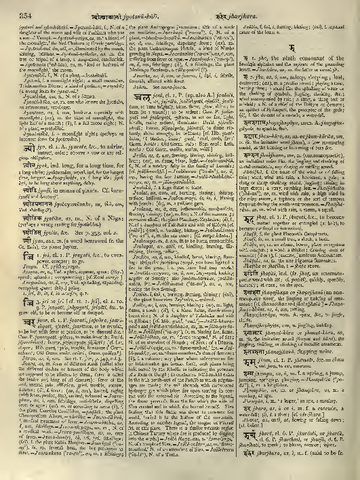
jyótis (von jyut) Uṇ. 2,106. f.n. TRIK. 3,5,20. 1〉 n. a〉 Licht, Helle, Schein (Gegens. tamas) der Sonne, Morgenröthe, des Feuers, Blitzes, Himmels, Tages u. s. w.; auch pl. AK. 3,4,30,232. H. 99. H. an. 2,580. MED. s. 21. utsūryo̱ jyotìṣā de̱va èti ṚV. 4,13,1. ṚV. 4,124,1. AV. 12,1,15. rātryā̱ṃ tamo̱ adàdhu̱rjyoti̱rahàn ṚV. 10,68,11. i̱daṃ śreṣṭha̱ṃ jyotìṣā̱ṃ jyoti̱rāgā̀t die Uṣas ṚV. 1,113,1. ṚV. 1,92,4. jyotī̀ṃṣi (agneḥ) ṚV. 8,44,17. rodàsī̱ jyotìṣā̱ vahni̱rātànot ṚV. 2,17,4. ṚV. 1,87,10. ṚV. 3,2,3. ṚV. 6,9,4. yathāgnirindhanairiddho mahājyotiḥ prakāśate MBH. 14,1154. vi̱dyutàḥ ṚV. 7,33,10. AV. 4,10,1. prabhātaralaṃ jyotiḥ so v. a. Blitz ŚĀK. 25. ekaṃ jyotiḥ ein einzelner Blitzstrahl ŚĀK. 126. tvaṃ jyotìṣā̱ vi tamò vavartha ṚV. 1,91,22. gū̱ḻhaṃ jyotìḥ pi̱taro̱ anvàvindan ṚV. 7,76,4. ṚV. 4,1,14. ṚV. 3,34,4. vyàvātte̱ jyotìrabhū̱dapa̱ tvattamò akramīt AV. 8,1,21. des Auges, sowohl von der Sehkraft als auch von dem Glanze, den das Auge ausstrahlt: jyotìra̱ndhāyà cakrathurvi̱cakṣè ṚV. 1,117,17. jyotiḥ prahīṇa blind MBH. 1,6817. jyotiḥ (jyotis = dṛṣṭi Auge AK. MED. = diś, soll heissen dṛś, H. an.) paśyati rūpāṇi MBH. 1,6853. nayanasamutthaṃ jyotiratreriva dyauḥ (adhatta) RAGH. 2,75. valmīkarandhre dadṛśe khadyote iva jyotiṣī BHĀG. P. 9,3,3. BHĀG. P. 9,3,4. BHĀG. P. 9,3,7. des Mondes im pl. ŚAT. BR. 10,4,2,2. nakṣatratārāgahanaṃ jyotirbhiravabhāsate R. 1,35,16. — jyotirannādam apsu jyotiḥ pratiṣṭhitam jyotiṣyāpaḥ pratiṣṭhitāḥ TAITT. UP. 3,8. vāyorapi vikurvāṇādvirociṣṇu tamonudam . jyotirutpadyate bhāsvattadrūpaguṇamucyate .. M. 1,77. jyotiṣaśca vikurvāṇādāpo rasaguṇāḥ smṛtāḥ M. 78. YĀJÑ. 3,70. BHĀG. P. 3,5,33. fgg. śabdaḥ sparśaśca rūpaṃ ca triguṇaṃ jyotirucyate MBH. 12,6852. jyotiṣā cakṣuṣā rūpaṃ sparśaṃ vetti ca vāyunā MBH. 12,6846. jyotiḥ paśyati cakṣurbhyām MBH. 12,6849. pṛthivī vāyurākāśamāpo jyotiśca pañcamam R. 5,94,5. die drei Lichter d. i. die Erscheinung des Lichtes in den drei Weltgebieten: (prajāpatiḥ) trīṇi̱ jyotī̀ṃṣi sacate VS. 8,36. AV. 9,5,8. MBH. 3,10660. personif. als Feuer, Wind, Sonne ŚAT. BR. 11,5,8,2. ŚĀṄKH. ŚR. 16,21,2. Ind. St. 2,83. Ind. St. 2,303. uttare jyotiṣī NIR. 7,20. NIR. 7,23. jyotiṣkar beleuchten: yathātìthi̱ṃ jyotìṣkṛ̱tvā pàri̱vevèṣṭi TBR. 2,1,3,9. — b〉 pl. die Gestirne AK. H. 107. H. an. MED. jyotiṣāṃ raviraṃśumānaham BHAG. 10,21. M. 1,38. M. 12,49. R. 1,60,30. R. 1,60,31. R. 2,25,12. R. 5,31,5. SUŚR. 1,113,16. ŚĀK. 165. VARĀH. BṚH. S. 2. VARĀH. BṚH. S. 8. ad HIT. I, 17. jyotiṣāṃ copasarjane M. 4,105. jyotirgaṇāḥ M. 142. VARĀH. BṚH. S. 27,a,3. dvitīyamiva cākāśaṃ puṣpajyotirgaṇāvṛtam R. 5,17,7. jyotirudgamana P. 1,3,40, Vārtt. 2. jyotiṣāmayanam der Lauf der Gestirne, die Regeln darüber, das Jyotiṣa ŚIKṢĀ 41. LĀṬY. 4,8,1. du. Sonne und Mond: jyotiṣorupasargāḥ auffallende Erscheinungen an Sonne und Mond GOBH. 3,3,16. dvau jyotirindrau die beiden Fürsten unter den Gestirnen, Sonne und Mond ŚATR. 1,28. — c〉 das Licht der himmlischen, ewigen Welt, diese Lichtwelt selbst (jyotiruttamam VS. 20,21. AV. 18,3,64. uttaram AV. 1,9,1. tṛtīyam ṚV. 10,56,1; s. u. a): a̱mṛtā̀ abhū̱māgànma̱ jyoti̱ravìdāma de̱vān ṚV. 8,48,3. VS. 8,52. ṚV. 9,4,2. jyotiṣaspatī Mitra-Varuṇa ṚV. 1,23,5. a̱nta̱rikṣā̱ddiva̱mārùha̱ṃ divo̱ nākàsya pṛ̱ṣṭhātsva1̱̀rjyotìragāma̱ham AV. 4,14,3. VS. 17,67. VS. 17,72. yatra̱ jyoti̱rajàsra̱ṃ yasmìṃ lo̱ke svàrhi̱tam ṚV. 9,113,7. ma̱ḥo jyotìṣaḥ para̱me vyòman ṚV. 4,50,4. AV. 11,1,37. taddevā jyotiṣāṃ jyotirāyurhyopāsate 'mṛtam ŚAT. BR. 14,7,2,20. — d〉 das Licht als das himmlische Lebensprincip in den Geschöpfen, die Intelligenz in den vernünftigen Wesen: i̱daṃ jyoti̱rhṛdàya̱ āhìta̱ṃ yat ṚV. 6,9,6 (vgl. AV. 10,2,31. ŚAT. BR. 10,6,3,2). yatpra̱jñānàmu̱ta ceto̱ dhṛtìśca̱ yajjyotìra̱ntara̱mṛtàṃ pra̱jāsù VS. 24,3. ajasra AV. 16,2,5. jyotiṣāmapi tajjyotistamasaḥ paramucyate . jñānaṃ jñeyaṃ jñānagamyaṃ hṛdi sarvasya dhiṣṭhitam .. BHAG. 13,17. yo 'ntaḥsukho 'ntarārāmastathāntarjyotireva yaḥ . sa yogī brahmanirvāṇaṃ brahmabhūto 'dhigacchati .. BHAG. 5,24. — e〉 das Licht als Bild für ungehemmtes Leben, Freiheit, Freude; Hülfe, Heil, Sieg; vgl. den Gebrauch von lux und φάος, φῶς. abhàya̱ṃ jyotìraśyām ṚV. 2,27,11. svàrva̱jjyoti̱rabhàyaṃ sva̱sti ṚV. 6,47,8. ṚV. 10,36,3. ṚV. 2,28,7. uru̱ jyotìrnaśate deva̱yuṣṭè ṚV. 6,3,1. ṚV. 9,91,6. ṚV. 9,94,5. VS. 14,17. jyotī̀ṃṣi kṛ̱ṇvannàvṛ̱kāṇì yajyàve ṚV. 1,55,6. ni dasyū̱ṃrokàso agna āja u̱ru jyotìrja̱naya̱nnāryā̀ya ṚV. 7,5,6. ṚV. 7,101,2. ṚV. 2,11,18. jī̱vā jyotìraśīmahi ṚV. 7,32,26. kartā̀ra̱ṃ jyotìḥ sa̱matsù ṚV. 8,16,10. ma̱ḥām̐ asùnvato va̱dho bhūri jyotī̀ṣi sunva̱taḥ ṚV. 51,12. ṚV. 15,5. ṚV. 4,25,1. ṚV. 9,35,1. a̱sya dèvāḥ pra̱diśi̱ jyotìrastu AV. 1,9,2. parā̀kte̱ jyoti̱rapàthaṃ te a̱rvāk AV. 10,1,16. AV. 8,5,17. āyuḥ, jyotiḥ ŚAT. BR. 14,1,1,33. (vāyuḥ) jyotirmṛdbhāti dehinām SUŚR. 1,261,13. — f〉 so v. a. jyotiṣṭoma, als N. des 1ten und 6ten Tages des sechstägigen Abbiplava: jyotirgaurāyuriti stomebhiryanti AIT. BR. 4,15. ubhayatojyotiṣā ṣaḻahena yanti ebend. ŚAT. BR. 12,2,2,1. ŚAT. BR. 12,2,2,12. ŚAT. BR. 13,5,4,3. TS. 7,9,11,3. ĀŚV. ŚR. 12,5. KĀTY. ŚR. 20,8,14. Sch. zu KĀTY. ŚR. 1,2,12. KĀTY. ŚR. 7,1,4. LĀṬY. 4,8,5. — g〉 bestimmte Sprüche, welche das Wort enthalten: agnijyotis u. s. w. LĀṬY. 1,8,13. — h〉 ein best. Metrum (32 Kürzen + 16 Längen) COLEBR. Misc. Ess. II, 155 (4,1). 87. Vgl. u. jyotiṣmant 1. am Ende. — i〉 = jyotiṣa 2. H. 250. — k〉 (wie auch die Namen für Feuer) myst. Bez. des Buchstabens ra Ind. St. 2,316. — 2〉 m. a〉 Feuer. — b〉 die Sonne H. an. (ohne Angabe des Geschlechts). MED. RUDRA_bei_UJJVAL._zu_UṆĀDIS. 2,111. — c〉 = methikā Trigonella foenum graecum RĀJAN._im_ŚKDR. — d〉 N. pr. eines Sohnes des Manu Svārokiṣa HARIV. 429. eines Marutʼs HARIV. 11545. — Vgl. citra˚, dakṣiṇā˚, śukra˚, sa˚, hiraṇya˚ u. s. w.
Original text · German · Word type unspecified
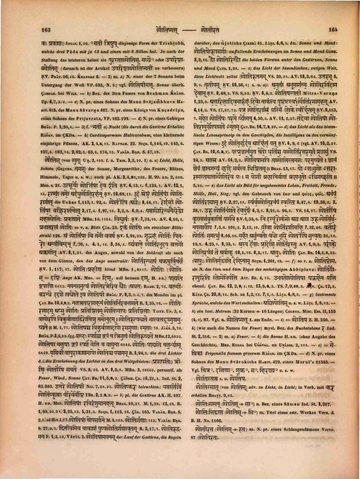
jyotis 1〉a〉 Z. 9 prabhātaralaṃ jyotiḥ = vidyut nach KĀṬAVEMA, ŚAṂK. (nach MONIER WILLIAMS) bezieht es auch auf die Strahlen der Sonne und des Mondes. — d〉 pauruṣaṃ jyotiḥ SARVADARŚANAS. 37,8. paraṃ jyotiḥ das höchste Licht so v. a. die höchste Intelligenz, der höchste Geist, die höchste Wahrheit WEBER, RĀMAT. UP. 338. WEBER, RĀMAT. UP. 349. fg. Spr. 1307. SARVADARŚANAS. 34,2. — f〉 ein Ekāha der Trikadruka Schol. zu PAÑCAV. BR. 16,1,1. der vier Sāhasra PAÑCAV. BR. 16,8,1. ein anderer, der auch agneḥ stomaḥ heisst, PAÑCAV. BR. 19,11,1. — h〉 Ind. St. 8,319. fgg.
Böhtlingk 1879 substantive masculine · substantive neuter
Original text · German · substantive masculine · substantive neuter
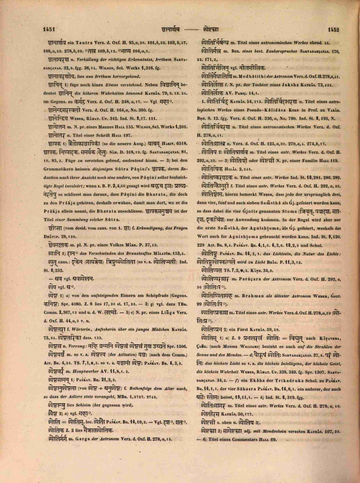
jyótis — 1〉 n. — a〉 Sg. und Pl. Licht, Helle, Schein, Feuer (MEGH.); trī́ṇi jyótīṃṣi die drei Lichter, d. i. die Erscheinung des Lichtes in den drei Weltgebieten. Personificirt als Feuer, Wind und Sonne. jyótiṣkar beleuchten. — b〉 Mondschein ṚV. 3,34,4. AV. 4,18,1. — c〉 Augenlicht. — d〉 Auge. — e〉 Pl. die Gestirne. Du. Sonne und Mond. — f〉 das Licht der himmlischen, ewigen Welt, diese Lichtwelt selbst. — g〉 das Licht als das himmlische Lebensprincip in den Geschöpfen, die Intelligenze in den vernünftigen Wesen. para das höchste Licht, so v. a. die höchste Intelligenz, der höchste Geist, die höchste Wahrheit. — h〉 das Licht als Bild für ungehemmtes Leben, Freiheit, Freude; Hülfe, Heil, Sieg. — i〉 Bez. verschiedener Ekāha. — k〉 Bez. bestimmter Sprüche, welche das Wort jyotis enthalten. [Page2-279-b] — l〉 ein best. Metrum. — m〉 = jyotiṣa 4〉. — n〉 mystische Bez. des Lautes ra. — 2〉 m. — a〉 *Feuer. — b〉 *die Sonne. — c〉 *Trigonella foenum-graecum. — d〉 N. pr. — α〉 eines Marut. — β〉 eines Sohnes des Manu Svārociṣa. — γ〉 eines Prajāpati VP.² 3,5.
Apte 1890 substantive masculine · substantive neuter
Original text · English · substantive masculine · substantive neuter
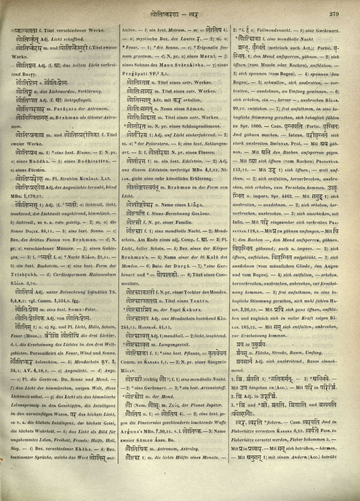
jyotis n. [dyut-isun āderdasya jaḥ, jyut-isun vā] 1 Light, lustre, brightness, flash; jyotirekaṃ jagāma Ś. 5. 30; R. 2. 75; Me. 5. 2 Light of Brahman, light regarded as the Supreme spirit; Bg. 5. 24, Bg. 13. 17; U. 4. 18. 3 Lightning. 4 A heavenly body. 5 A heavenly body, a luminary (planet, star &c.); jyotirbhirudyādbhiriva triyāmā Ku. 7. 21; Bg. 10. 21; H. 1. 21; Ku. 2. 19; Ś. 7. 6. 6 Brightness of the sky, day-light (opp. tamas). 7 The sun and moon (dual). 8 Light as the divine principle of life, intelligence. 9 The science of the course of heavenly bodies; astronomy. see jyotiṣa. 10 The faculty of seeing. 11 The celestial world. — m. 1 The sun. 2 Fire. 3 An epithet of Viṣṇu. Comp. — iṃgaḥ, -iṃgaṇaḥ the fire-fly. — kaṇaḥ a spark of fire. — gaṇaḥ the heavenly bodies collectively; — cakraṃ the zodiac. — jñaḥ an astronomer or astrologer. — maṃḍalaṃ the stellar sphere. — milin m. — vī(bī)jaṃ a firefly. — rathaḥ (jyotīrathaḥ) the polar star. — lokaḥ the supreme spirit. — vid m. an astronomer or astrologer. — vidyā, — śāstraṃ (jyotiḥśśāstraṃ) astronomy or astrology. — stomaḥ (jyotiṣṭomaḥ) a Soma sacrifice considered as the type of a whole class of sacrificial ceremonies. — hastā N. of Durgā.
Cappeller 1887 substantive neuter
Original text · German · substantive neuter
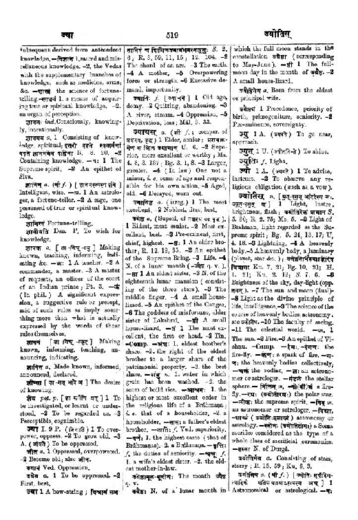
jyótis n. Licht (vielf. übertr.), Helle, Glanz; Augenlicht; die Lichtwelt. Pl. die Gestirne; Du. Sonne u. Mond.
Burnouf 1866 substantive neuter
Original text · French · substantive neuter
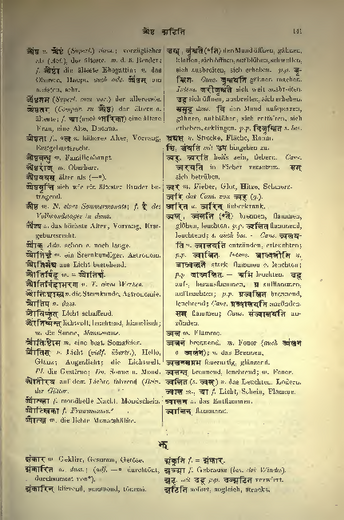
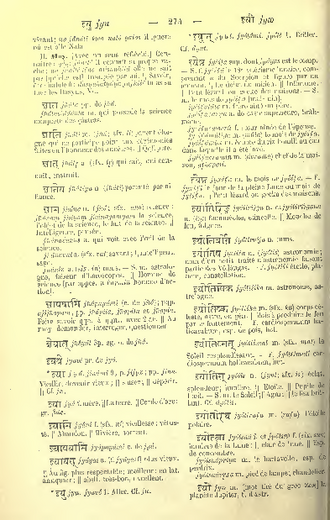
jyotis jyotis n. (jyut; sfx. is) éclat, splendeur; lumière. Etoile. Pupile de l'œil. — S. m. le Soleil; Agni; le feu brillant. Cf. dyotis.
Derived words
Occurrences in source texts (14)
HP 4 occurrences
MAN 1 occurrence
PYS 2 occurrences
SiSa 4 occurrences
Continue with AYI Free
Image source: AYI archive.