

nava नव – fresh
adjective · numeral · substantive masculine · substantive neuter · Word type unspecified
Dictionary sources
AYI dictionary adjective · numeral
Cappeller 1891 adjective · substantive masculine
Original text · English · adjective
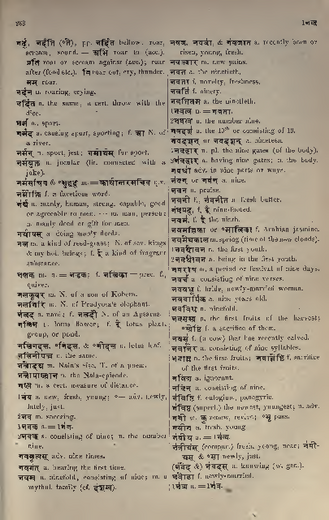
náva1 ·a. new, fresh, young; °-- adv. newly, lately, just.
Original text · English · substantive masculine
nava2 ·m. sneezing.
Monier-Williams 1872 adjective · substantive masculine · Word type unspecified
Original text · English · adjective
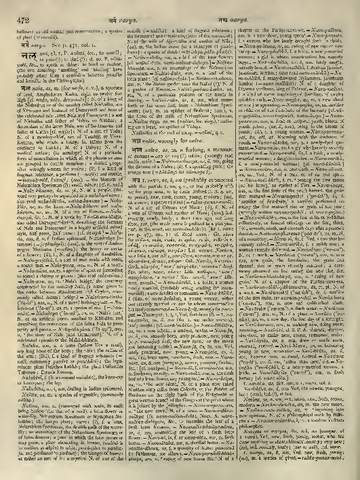
nava 1 . nava, as, ā, am (probably connected with the particle 1. nu, q. v., or less probably with nu for prep. anu, or by some derived fr. rt. 4. nu, to praise), new, fresh, recent, young, modern; (as), m. a crow; a species of plant (= rakta-punar-navā); N. of a son of Uśīnara and Navā; (ā), f., N. of a wife of Uśīnara and mother of Nava; (am), ind. recently, newly, lately, a short time ago, not long since, just, (the crude nava is prefixed to a past pass. part. in this sense, see nava-baddha); [for 2. nava see p. 473, col. 1: cf. Zend nava: Gr. νέο-ς, for νέϝο-ς, νεός, νειός, νε-αρό-ς, νε-ᾱν, νεᾱν-ία-ς, νέ-ᾱξ, νε-οσσό-ς, νε-οττ-ία, νε-οχ-μό-ς, νε-βρό-ς, νέ-ατο-ς, νεί-αιρα, νει-ρό-ν: Lat. novu-s, Noviu-s, nov-īciu-s, nov-āli-s, nov-ellu-s, nov-āre, nov-er-ca, nū-nt-iu-s, de-nuo, nū-per: Osk. Nuv-la, Nuceria: Goth. niu-yi-s, ‘new;’ niuyi-tha, ‘newness:’ Angl. Sax. niwe, neow, niwa: Lith. naú-ye-s, ‘new;’ nauyó-ka-s, ‘a novice:’ Slav. nov-ŭ, ‘new:’ Hib. nua, nuadh.]
Original text · English · substantive masculine
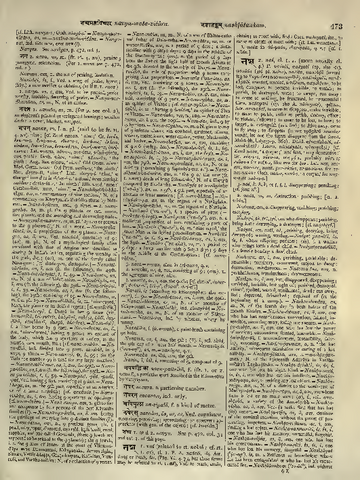
nava 2 . nava, as, m. (fr. rt. 4. nu), praise; panegyric, celebration. (For 1. nava see p. 472, col. 2.)
Original text · English · Word type unspecified
3. nava = navan, nine, in tri-ṇava, q. v.
Petersburger 1855 adjective · substantive masculine · Word type unspecified
Original text · German · adjective · substantive masculine
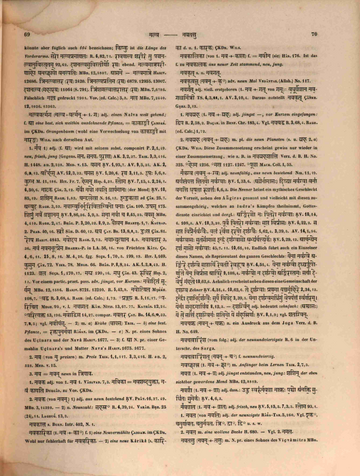
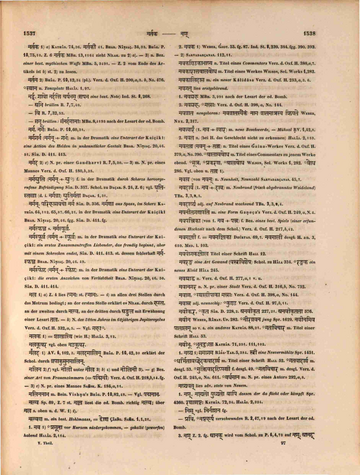
1. náva 1〉 adj. (f. ā) wird mit seinem subst. componirt P. 2,1,49. neu, frisch, jung (Gegens. sana, sanaya, purāṇa) AK. 3,2,27. TRIK. 3,3,416. H. 1448. H. an. 2,528. MED. v. 15. vasana ṚV. 1,95,7. AV. 9,5,25. AK. 2,6,3,13. barhis AV. 12,3,32. camasa ṚV. 1,20,6. ratha ṚV. 3,11,5. iṣaḥ ṚV. 5,6,8. kumbha M. 11,186. HIT. Pr. 7. heman HIḌ. 4,31. stoma ṚV. 7,15,4. ṚV. 2,24,1. ṚV. 6,50,6. nāṭaka ŚĀK. 3,12. navò navo bhavati̱ jāyàmānaḥ (der Mond) ṚV. 10,85,19. śaśin RAGH. 1,83. candralekhā N. 16,13. indukalā ad ŚĀK. 25,7. ambuda RAGH. 3,53. navāmbubhirbhūrivilambino ghanāḥ ŚĀK. 109. uṣas ŚĀK. 175. śiśu̱ṃ navàṃ jajñā̱nam ṚV. 9,86,36. ṚV. 5,9,3. sanā̱ navā̀ ca ṚV. 8,45,25. vayas MBH. 4,410. RAGH. 2,47. BHĀG. P. 3,20,32. BHĀG. P. 8,9,2. yauvana BHARTṚ. 1,7. CAURAP. 2. PRAB. 40,16. strī SĀH. D. 60,12. agha ŚAT. BR. 13,8,1,2. duḥkha ŚĀK. 81. roṣa HARIV. 4843. navodaya RAGH. 2,73. navābhyutthāna RAGH. 4,3. navāvatāra RAGH. 3,36. navaṃ navamabhūtprema BRAHMA-P. in LA. 56,16. von Früchten KĀTY. ŚR. 4,6,11. KĀTY. ŚR. 25,8,16. M. 4,26. fgg. SUŚR. 1,70,5. SUŚR. 1,199,19. HIT. I, 169. kusuma ŚĀK. 72. VIKR. 78. MEGH. 66. BHĀG. P. 8,8,24. AK. 1,2,3,42. H. 1123. jala SUŚR. 1,170,17. madya SUŚR. 190,16. madhu ŚĀK. 43. rudhira HIḌ. 2,11. Vor einem partic. praet. pass. adv. jüngst, vor Kurzem: navoditaṃ sūryam MBH. 12,1586. HARIV. 8721. HARIV. 13210. R. 5,42,9. navotthita MṚCCH. 108,7. ˚baddha R. 3,68,4. RAGH. (ed. Calc.) 1,72. ˚prarūḍha R. 5,11,17. ˚paricita MEGH. 94, v. l. navāgata KĀM. NĪTIS. 13,67. KĀM. NĪTIS. 13,77. KATHĀS. 12,24. ˚parityakta KATHĀS. 13,196. navodbhinna KATHĀS. 14,27. compar. navatara ŚAT. BR. 14,6,9,33. ŚAT. BR. 14,7,2,5; vgl. navīyaṃs. — 2〉 m. a〉 Krähe (vāyasa) TRIK. — b〉 eine best. Pflanze, = raktapunarnavā RĀJAN._im_ŚKDR. — c〉 N. pr. eines Sohnes des Uśinara und der Navā HARIV. 1677. — 3〉 f. ā N. pr. einer Gemahlin Uśīnaraʼs und Mutter Navaʼs HARIV. 1675. HARIV. 1677.
Original text · German · substantive masculine
2. nava (von nu preisen) m. Preis TRIK. 1,1,117. TRIK. 3,3,416. H. an. 2,528. MED. v. 15.
Original text · German · Word type unspecified
3. nava = navan neun in triṇava.
Original text · German · Word type unspecified
1. nava 1〉 ˚prasūtā vor Kurzem niedergekommen, — gekalbt (geworfen) habend HALĀY. 2,114.
Böhtlingk 1879 adjective · substantive masculine · Word type unspecified
Original text · German · adjective · substantive masculine
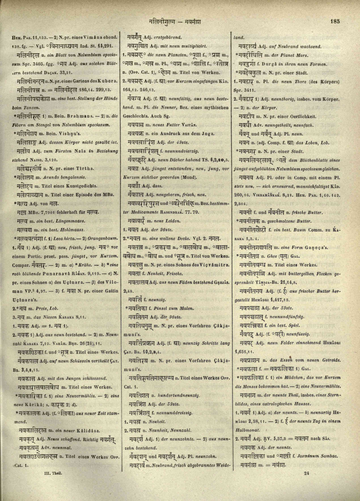
1. náva — 1〉 Adj. (f. ā) neu, frisch, jung. nava˚ vor einem Partic. praet. pass. jüngst, vor Kurzem. Compar. návatara. — 2〉 m. — a〉 *Krähe. — b〉 *eine roth blühende Punarnavā RĀJAN. 9,119. — c〉 N. pr. eines Sohnes — α〉 des Uśīnara. — β〉 des Viloman VP.² 4,97. — 3〉 f. navā N. pr. einer Gattin Uśīnaraʼs.
Original text · German · substantive masculine
2. *nava m. Preis, Lob.
Original text · German · substantive masculine
3. nava m. das Niesen CARAKA. 8,11.
Original text · German · Word type unspecified
1. nava III. m. ein jüngerer Mönch MAHĀVY. 270,31. DIVYĀVAD. 349,26. n. neues Getreide KAUŚ. 38,10. [Nachtrag, Band 7]
Apte 1890 adjective · substantive masculine · substantive neuter
Original text · English · adjective · substantive masculine · substantive neuter
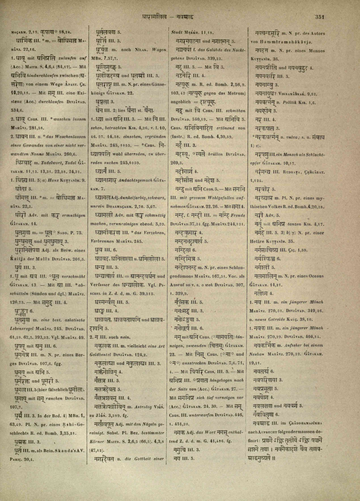
nava a. 1 New, fresh, young, recent; cittayonirabhavatpunarnavaḥ R. 19. 46; ete vayaṃ punarnavīkṛtāḥ smaḥ Ś. 5; kleśaḥ phalena hi punarnavatāṃ vidhatte Ku. 5. 86; U. 1. 19; R. 1. 83, R. 2. 47, R. 3. 53, R. 4. 3, R. 4. 11; Śi. 1. 4; nayavayasi Mu. 3. 3.; Śi. 3. 31; Ki. 9. 43. 2 Modern. — vaḥ 1 A crow. 2 Praise. — vaṃ ind. Recently, newly, lately, not long ago. Comp. — aṃgī a woman. — annaṃ 1 new rice or grain. 2 a ceremony performed on first eating the newrice. — aṃbu n. fresh water. — ahaḥ the first day of a fortnight. — itara a. old; R. 8. 22. — uddhṛtaṃ fresh butter. — ūḍhā, -pāṇigrahaṇā 1 a newly, married woman, a bride; H. 1. 212 Bh. 1. 4; R. 8. 7. 2 a kind of heroine (in dramas). — kārikā, — kālikā, -phalikā 1 a woman newly married. 2 a woman in whom menstruation has recently commenced. — chātraḥ a fresh student, novice, tyro. — nī f., — nītaṃ fresh butter; ahonavanītakalpahṛdaya āryaputraḥ M. 3. — nītakaṃ 1 clarified butter. 2 fresh butter. — pāṭhakaḥ a new teacher. — prasūtā a woman who has lately brought forth (a child). — prāśanaṃ eating of new rice. — mallikā, -mālikā a kind of jasmine. — yajñaḥ an offering of the first fruits of the harvest. — yauvanaṃ fresh youth, bloom or prime of youth. — (nā) a young woman. — rajas f. a girl who has recently menstruated. — vadhūḥ, -varikā 1 a newlymarried girl. 2 a daughter-in-law. — vallabhaṃ a kind of sandal. — vastraṃ new cloth. — śasyaṃ the first fruits of the year's harvest. — śaśibhṛt m. an epithet of Śiva; Me. 43. — sūtiḥ f., — sūtikā 1 a milch-cow. 2 a woman recently delivered.
Cappeller 1887 substantive masculine · Word type unspecified
Original text · German · substantive masculine
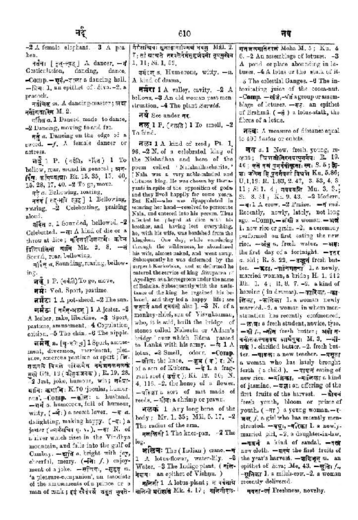
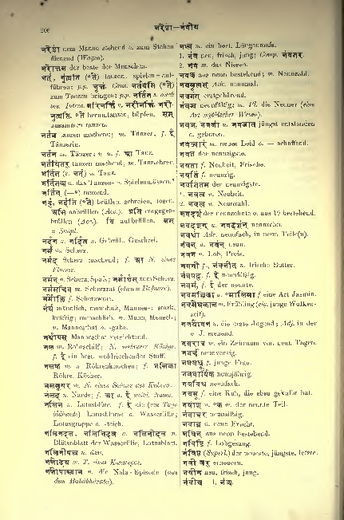
2. nava m. das Niesen.
Original text · German · Word type unspecified
1. náva neu, frisch, jung; Comp. návatara.
Burnouf 1866 adjective
Original text · French · adjective
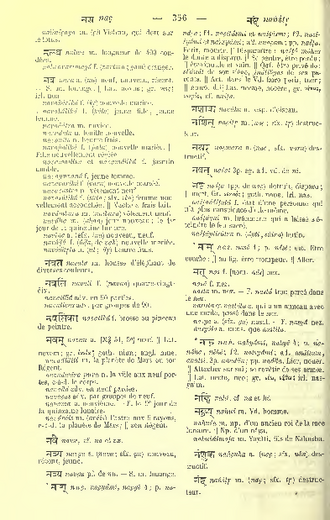
nava nava a. (nu) neuf, nouveau, récent. — S. m. louange. Lat. novus; gr. νέος; irl. nua. navakārikā f. (kṛ) nouvelle mariée. navakālikā f. (kāla) jeune fille, jeune femme. navachātra m. novice. navadala n. feuille nouvelle. navanīta n. beurre frais. navaphalikā f. (phala) nouvelle mariée. Fille nouvellement réglée. navamallikā et navamālikā f. jasmin double. navayauvanā f. jeune femme. navavarikā f. (vara) nouvelle mariée. navavastra n. vêtement neuf. navasūtikā f. (sūta; sfx. ika) femme nouvellement accouchée. Vache à frais lait. navāmbara m. (ambara) vêtement neuf. navāha m. (ahan) jour nouveau; le 1ᵉʳ jour de la quinzaine lunaire. navīna a. (sfx. īna) nouveau, neuf. navoḍhā f. (ūḍha de vah) nouvelle mariée. navoddhṛta n. (ut; dhṛ) beurre frais.
Occurrences in source texts (7)
DYS 1 occurrence
SiSa 3 occurrences
SVU 1 occurrence
Continue with AYI Free
Image source: AYI archive.