

itara इतर – other
adjective · adverb · pronoun · pronoun quant · substantive neuter · Word type unspecified
Dictionary sources
AYI dictionary adjective · pronoun quant
Cappeller 1891 Word type unspecified
Original text · English · Word type unspecified
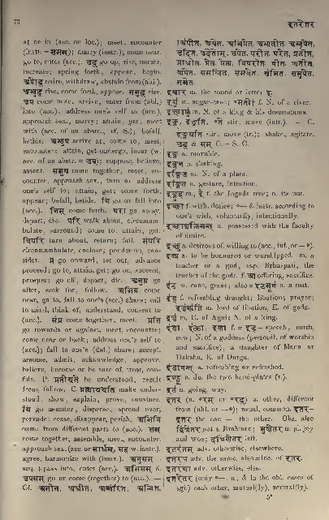
ítara ·(n. °ram or °rad) a. other, different from (abl. or --°); usual, common. itaraitara the one -- the other. Obs. also dvijetara not a Brahman; sukhetara n. pl. joy and woe; dakṣiṇetara left.
Monier-Williams 1872 Word type unspecified
Original text · English · Word type unspecified
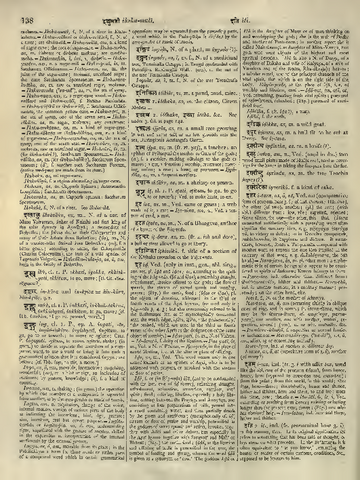
itara i-tara, as, ā, at, Ved. am (comparative form of pronom. base 3. i; cf. Lat. iterum; Hib. iter), the other (of two), another; (pl.) the rest; (with abl.) different from; low, vile; expelled, rejected; itara itara, the one — the other, this — that. (Itara connected antithetically with a preceding word often signifies the contrary idea, e. g. vijayāya itarāya vā, to victory or defeat; so in Dvandva compounds, sukhetareṣu, in happiness and distress. It some- times, however, forms a Tat-puruṣa compound with another word to express the one idea implied in the contrary of that word, e. g. dakṣiṇetara, the left hand.)
Petersburger 1855 adjective · adverb · Word type unspecified
Original text · German · adjective
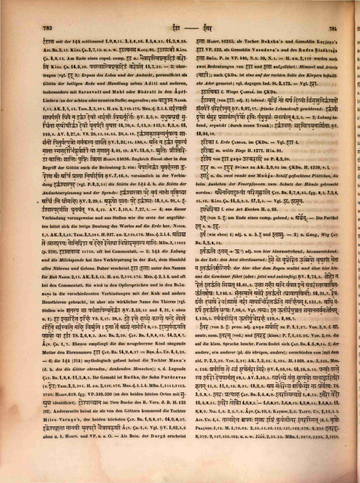
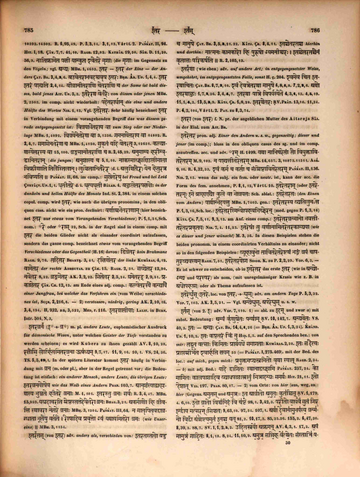
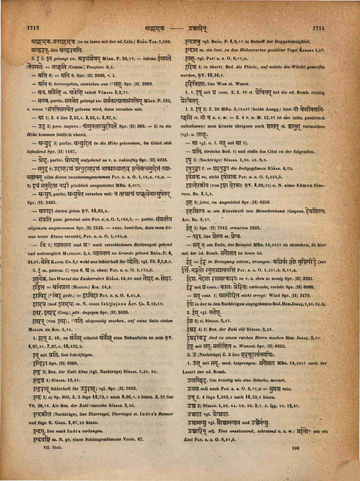
ítara (von 2. i) pron. adj. gaṇa sarvādi zu P. 1,1,27. VOP. 3,9. f. ā, neutr. nom. itaram (ved.) und itarad (klass.) P. 7,1,25. P. 7,1,26. VOP. 3,88. die auf die klass. Sprache beschr. Form findet sich ŚAT. BR. 4,5,8,14. 1〉 der andere, ein anderer (pl. die übrigen, andere); verschieden von (mit dem abl. P. 2,3,29. VOP. 5,21) AK. 3,2,32. AK. 3,4,194. H. 1468. H. an. 3,522. MED. r. 116. bravā̀ṇi̱ te 'gnà i̱tthetàrā̱ giràḥ ṚV. 6,16,16. ṚV. 10,16,9. ṚV. 10,16,10. panthā̱ṃ yaste̱ sva itàro deva̱yānā̀t ṚV. 10,18,1. AV. 3,10,4. vya1̱̀nye yàntu mṛ̱tyavo̱ yānā̱huritàrāṃ cha̱tam AV. 11,5. AV. 11,1,13. AV. 8,31. AV. 18,2,9. atha̱ metàrebhya̱ ṛṣìbhyo̱ mā pravòcaḥ TS. 3,5,2,1. itaraḥ pratyāha ŚAT. BR. 5,4,4,9. itarasminyajñe ŚAT. BR. 5,1,4,12. itarau vedau ŚAT. BR. 10,4,2,24. itarau lokau ŚAT. BR. 4,6,7,2. -- ŚAT. BR. 1,6,3,27. ŚAT. BR. 3,6,3,13. ŚAT. BR. 4,5,8,14. ŚAT. BR. 9,4,3,2. ŚAT. BR. 13,8,2,9. NIR. 1,6. NIR. 2,2. NIR. 2,7. NIR. 2,8. ĀŚV. ŚR. 10,8. KAṬHOP. 5,5. TAITT. UP. 1,11,2. TAITT. UP. 1,11,3. AIT. UP. 4,4. tasmādeta ṛṣayaḥ śukla iṣṭiṃ kurvantītara itarasmin (d. i. kṛṣṇe) PRAŚNOP. 1,12. M. 1,70. M. 1,82. M. 3,35. M. 3,41. M. 3,46. M. 3,113. M. 3,137. M. 3,182. M. 3,276. M. 4,225 (itarad). M. 8,379. M. 9,107. M. 9,156. M. 9,162. u. s. w. YĀJÑ. 2,35. YĀJÑ. 2,53. MBH. 1,3075. MBH. 1,3988. MBH. 3,1338. MBH. 3,10392. MBH. 3,14302. R. 6,95,49. P. 5,3,14. P. 3,1,13. Vārtt. 2. PAÑCAT. II, 94. HIT. I, 18. ŚĀK. 7,7. ŚĀK. 41,10. RAGH. 12,82. KATHĀS. 19,50. SĀH. D. 11,20. SĀH. D. 56,9. nātikrāmeta pakṣī yānkuta evetare mṛgāḥ (die mṛgāḥ im Gegensatz zu den Vögeln; vgl. anya) MBH. 1,4652. itara — itara der Eine — der Andere ŚAT. BR. 3,4,3,6. baḍavetarābhavadaśvavṛṣa itaraḥ BṚH. ĀR. UP. 1,4,4. itara itaraṃ paśyati BṚH. ĀR. UP. 2,4,14. vījānītarāṇi cetarāṇi ca der Same ist bald dieses, bald jenes AIT. UP. 5,3. itarairatha vetaraiḥ von diesen oder jenen MBH. 2,2503. im comp. nicht wiederholt: padetarārdhān die eine und andere Hälfte des Wortes NIR. 1,13. Vgl. itaretara. Sehr häufig bezeichnet itara in Verbindung mit einem vorangehenden Begriff das was diesem gerade entgegengesetzt ist: vijayāyetarāya vā zum Sieg oder zur Niederlage MBH. 1,4092. vijayenetareṇa vā MBH. 3,1336. gamanāyetarāya vā MBH. 3,14802. R. 2,4,7. samāsenatareṇa ca MBH. 1,4150. sukṛtaṃ yadi vetarat MBH. 3,12631. kalyāṇasyetarasya vā MBH. 15,100. jaṅgamānītarāṇi ca R. 2,45,29. anumānya harīnvṛddhānitarān (die jungen) anuśāsya ca R. 5,1,10. nākasmācchāṇḍilīmātā vikrīṇāti tilaistilān . luñcitānitarair (d. i. aluñcitair) yena heturatra bhaviṣyati .. PAÑCAT. II, 68. im comp.: sukhetareṣu bei Freud und bei Leid ŚVETĀŚV. UP. 1,1. dhṛtītare d. i. dhṛtyadhṛtī BĀLAB. 4. bahuletarapakṣayoḥ in der dunkeln und hellen Hälfte des Monats Ind. St. 2,384. in einem solchen copul. comp. wird itara, wie auch die übrigen pronomina, in den obliquen cass. nicht wie ein pron. declinirt: varṇāśrametarāṇām (hier bezeichnet itara nur etwas vom Vorangehenden Verschiedenes) P. 1,1,31, Sch. nom.: ˚re oder ˚rās P. 1,1,32, Sch. in der Regel sind in einem comp. mit itara die beiden Glieder nicht als einander coordinirt aufzufassen, sondern das ganze comp. bezeichnet etwas vom vorangehenden Begriff Verschiedenes oder das Gegentheil (H. 16) davon: dvijetara kein Brahmane RAGH. 9,76. taditara BHARTṚ. 3,41. dakṣiṇetara der linke KUMĀRAS. 4,19. vāmetara der rechte ADBHUTAS._zu_ŚĀK. 15. RAGH. 2,31. savyetara RAGH. 12,90. navetara RAGH. 8,22. jaṅgametara AK. 3,2,23. sitetara AK. 2,5,24. ghanetarad AK. 2,9,51. prakāśetara ŚĀK. CH. 12,13. am Ende eines adj. comp.: kalpetarasyai kanyāyai einer Jungfrau, bei welcher das Verfahren ein (vom Weibe) verschiedenes ist, SUŚR. 2,216,8. — 2〉 verstossen, niedrig, gering AK. 2,10,16. AK. 3,4,194. H. 932. H. an. 3,522. MED. r. 116. itarajātīyāḥ LALIT._in_BURN. Intr. 504, N. 3.
Original text · German · adverb
itara , itarad (Conj.) adv. dagegen Spr. (II) 2639.
Original text · German · Word type unspecified
itara , itarad ŚAT. BR. 13,8,2,9. — 1〉 Z. 3 vom Ende lies 141,12 st. 12,13. — 2〉 gewöhnlich, gemein: ˚phaṇin eine gewöhnliche Schlange im Gegens. zu vanitābhogin eine Schlange von Weib Spr. 142. itarendhana im Gegens. zu aguru Spr. 132. gemein, niedrig: ayuddhamanaso bhītānasmānhaṃsi yathetaraḥ R. 7,8,3.
Böhtlingk 1879 adjective
Original text · German · adjective
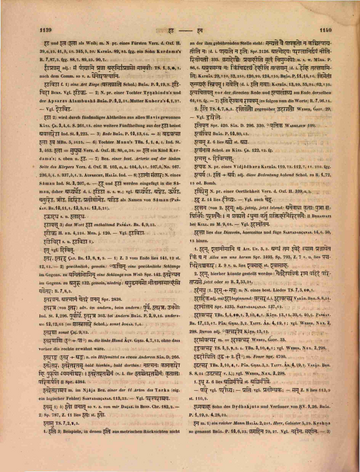
ítara — 1〉 Adj. (f. ā, Nom. Acc. n. ítaram und ítarad ŚAT. BR. itarad in der späteren Sprache) — a〉 ein anderer, der andere. In na pakṣī kuta evetare mṛgāḥ und ähnlichen Verbindungen hebt itara den schon durch mṛga ausgesprochenen Gegensatz nur nach stärker hervor. itara — itara der eine — der andere. padetarārdhān die eine und andere Hälfte des Wortes. — b〉 ein anderer als, verschieden von (Abl.). dvijetara ein anderer Mann als eine Brahman svasvetara Chr. 267,16. — c〉 unter Zweien der andere. d. i. entgegengesetzt. vijayāyetarāya vā zum Siege oder zur Niederlage, jaṅgamānītarāṇi ca Bewegliches und Unbewegliches, sukhetareṣu bei Freud und bei Leid, bahuletarapakṣayoḥ in der dunkelen und hellen Monatshälfte, dakṣiṇetara der linke. — d〉 gewöhnlich, alltäglich, gemein Spr. 1093. KĀD. II,123,24. yathāyamitarojanaḥ wie dieser gewöhnliche Mensch, so v. a. wie Unsereins MBH. 3,30,38. — 2〉 f. ā angeblich N. pr. der Mutter des Aitareya. — 3〉 itarad Adv. dagegen Spr. 2639 (Conj.).
Apte 1890 pronoun
Original text · English · pronoun
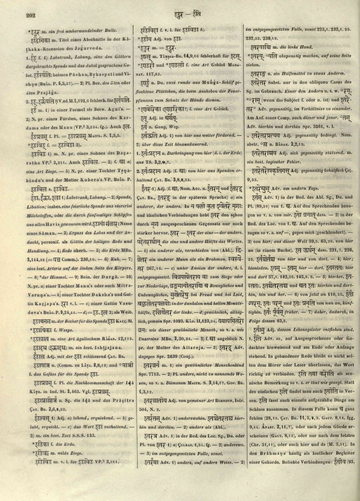
itara pron. a. (rā f., — rat n.) 1 Another, the other (of two), the remaining one of the two; itaro dahane svakarmaṇāṃ R. 8. 20 v. l. 2 The rest or others (pl.). 3 Other than, different from (with abl.); itaratāpaśatani yathecchayā vitara tāni sahe caturānana Udb.; itaro rāvaṇādeṣa rāghavānucaro yadi Bk. 8. 106. 4 Opposite of, either used by itself as an adj. or at the end of comp.; jaṃgamānītarāṇi ca Rām.; vijayāyetarāya vā Mb.; sulabhetarasaṃprayogāṃ M. 5. 3 opposite of, other than easy, difficult; so dakṣiṇa˚ left; vāma˚ right &c. 5 Low, mean, vulgar, ordinary; itara iva paribhūya jñānaṃ manmathena jaḍīkṛtaḥ K. 154, K. 160, K. 203, K. 273. itara-itara the one-the other, this-that. Comp. — itara pron. a. respective, reciprocal, one with another (chiefly in oblique cases or in comp.); viyuktāvitaretaraṃ Ms. 9. 102; ˚kāmyayā Ms. 3. 35; R. 7. 54. ˚āśrayaḥ mutual dependence, inter-connection. ˚yogaḥ 1 mutual connection or union; Śi. 10. 24. 2 a variety of the Dvandva compound (opp. samāhāradvaṃdba) where each member of the compound is viewed separately; as plakṣanyagrodhau chinatti. — janāḥ (pl.) 1 other men. 2 euphemistically said of certain beings considered as spirits of darkness of which Kubera is one.
Cappeller 1887 substantive neuter
Original text · German · substantive neuter
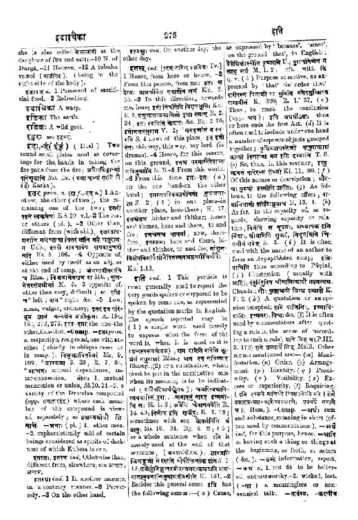
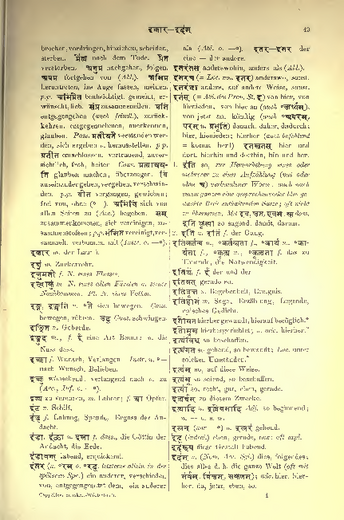
ítara (n. ˚ram o. ˚rad letzteres allein in der späteren Spr.) ein anderer, verschieden von, entgegengesetzt dem, ein anderer [Page049-2] als (Abl. o. —˚). itara - itara der eine — der andere.
Burnouf 1866 adjective
Original text · French · adjective
itara itara a. (sfx. tara) l'autre [de deux] M§ 113. Lat. iterum. itarathā adv. hors ce cas, autrement. itaretara a. mutuel; l'un l'autre, l'un à l'autre, etc. Cf. anyonya. itaredyus adv. (dyu) l'autre jour [de deux].

Derived words
Occurrences in source texts (9)
HP 3 occurrences
HTK 1 occurrence
HTK 10.34*2–38*1: Asvaṅgaśṛṅkhalā and Kumbhāntaraśṛṅkhalā 1 occurrence
Direct occurrences
-
HTK 10.38 Segment 3
PYS 3 occurrences
Continue with AYI Free
Image source: AYI archive.