










Īśāvāsya Upaniṣad: Self, World, and Letting Go

Probably composed in the last centuries BCE, this short text joins self-knowledge, unattached action, knowledge, and the passage through death.

Dr. Ronald Steiner Dr. Ronald Steiner Nils Jacob Liersch Nils Jacob Liersch
IVU 0: Peace Formula of Fullness

Īśāvāsya Upaniṣad: Śānti Mantra of Fullness

The Śānti Mantra opens the text with fullness, wholeness, and threefold peace as quiet preparation.

IVU 1-3: Non-Attachment

Īśāvāsya Upaniṣad 1-3: Non-Attachment

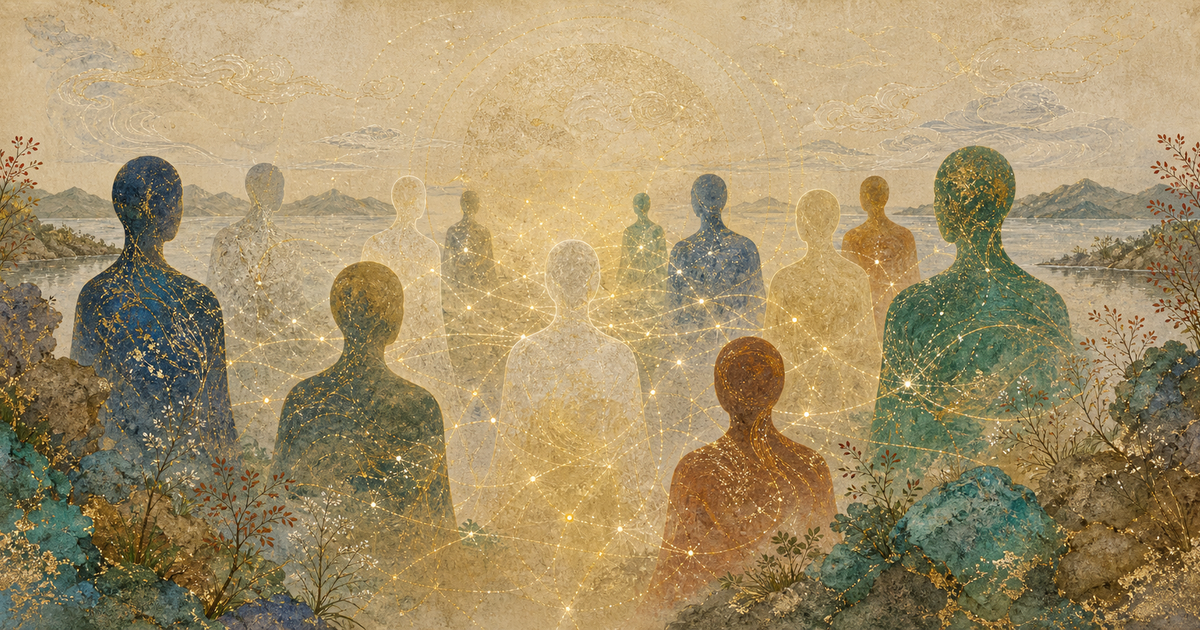
Letting go opens a new relation to world and possession; whoever misses the Self enters dark worlds.

Īśāvāsya Upaniṣad 1
Metre: Anuṣṭubh; Oṃ extrametrical
Om (oṃ). By the Lord (īśā | ins sg), this (idaṃ | nom sg n) whole [world] (sarvaṃ | nom sg n) is to be covered (vāsyam | nom sg n pfp), whatever (yat | nom sg n) moving thing (jagat | nom sg) there may be (kim | nom sg n) at all (ca) in the moving world (jagatyāṃ | loc sg); through this (tena | ins sg n) renunciation (tyaktena | ins sg n ppp), may you enjoy (bhuñjīthā | 2p sg med opt); do not (mā) covet (gṛdhaḥ | 2p sg act inj) anyone's (kasya | gen sg m) wealth (dhanam | acc sg), whoever it may belong to (svid).
Dr. Ronald Steiner - 2026 - historically literal
Īśāvāsya Upaniṣad 2
Metre: Anuṣṭubh
[One] may wish to live (jijīviṣet | 3p sg act opt des) a hundred (śataṃ | acc sg n) years (samāḥ | acc pl) while doing (kurvan | nom sg m pca) deeds (karmāṇi | acc pl) precisely (eva) here (iha); thus (evaṃ) it is (asti | 3p sg act pres) for you (tvayi | loc sg), not (na) otherwise (anyathā) than this (itaḥ): no (na) action (karma | nom sg) clings (lipyate | 3p sg pas pres) to the human being (nare | loc sg).
Dr. Ronald Steiner - 2026 - historically literal
Īśāvāsya Upaniṣad 3
Metre: Anuṣṭubh
Demonic (asuryāḥ | nom pl m), so called (nāma), are those (te | nom pl m) worlds (lokāḥ | nom pl), covered (āvṛtāḥ | nom pl m ppp) with blind (andhena | ins sg n) darkness (tamasā | ins sg); into them (tān | acc pl m) go (abhigacchanti | 3p pl act pres), after dying (pretya | abs), those (te | nom pl m) people (janāḥ | nom pl), whoever (ye | nom pl m) they may be (ke | nom pl m) at all (ca), [who] destroy the Self (ātma-hanaḥ | nom pl m).
Dr. Ronald Steiner - 2026 - historically literal
IVU 4-5: The Unmoving Self

Īśāvāsya Upaniṣad 4-5: Movement and Stillness

The Self remains unmoving yet is swifter than the mind; it is at once near and far, within and without.

Īśāvāsya Upaniṣad 4
Metre: Pāda 1: Upendravajrā; pāda 2: Śālinī; pāda 3: Indravajrā; pāda 4: Śālinī
Unmoving (anejat | nom sg n pca), the One (ekaṃ | nom sg n), is swifter (javīyaḥ | nom sg n comp) than the mind (manasaḥ | gen sg); the gods (devāḥ | nom pl) did not (na) reach (āpnuvan | 3p pl act pret) this (enat | acc sg n), [for] it moved (arṣat | 3p sg act aor) ahead (pūrvam). This (tat | nom sg n), standing (tiṣṭhat | nom sg n pca), overtakes (atyeti | 3p sg act pres) the other (anyān | acc pl m) runners (dhāvataḥ | acc pl m pca); in this (tasmin | loc sg n) Mātariśvan (mātariśvā | nom sg) places (dadhāti | 3p sg act pres) the works (apaḥ | acc pl).
Dr. Ronald Steiner - 2026 - historically literal
Īśāvāsya Upaniṣad 5
Metre: Anuṣṭubh
This (tad | nom sg n) moves (ejati | 3p sg act pres); this (tat | nom sg n) does not (na) move (ejati | 3p sg act pres); this (tad | nom sg n) is far (dūre | loc sg), this (tad | nom sg n) is also (u) near (antike | loc sg). This (tad | nom sg n) is within (antar) this (asya | gen sg n) whole (sarvasya | gen sg n); this (tad | nom sg n) is also (u) outside (bāhyataḥ) this (asya | gen sg n) whole (sarvasya | gen sg n).
Dr. Ronald Steiner - 2026 - historically literal
IVU 6-7: All Beings in the Self

Īśāvāsya Upaniṣad 6-7: Unity without Aversion

Whoever sees all beings in the Self and the Self in all beings overcomes aversion, delusion, and sorrow.

IVU 8: The Bodiless Self

Īśāvāsya Upaniṣad 8: Pure, Bodiless, and Self-Existent

The Self is described as pure, bodiless, all-embracing, and self-existent, beyond ordinary limitations.

IVU 9-11: Insufficiency of Knowledge

Īśāvāsya Upaniṣad 9-11: Knowledge and Non-Knowledge

The text warns against one-sided worship of knowledge or non-knowledge and seeks the right joining of both.

Īśāvāsya Upaniṣad 9
Metre: Anuṣṭubh
Those (ye | nom pl m) who worship (upāsate | 3p pl med pres) non-knowledge (avidyām | acc sg) enter (praviśanti | 3p pl act pres) blind (andhaṃ | acc sg n) darkness (tamaḥ | acc sg); then (tataḥ) those (te | nom pl m) who (ye | nom pl m) are indeed (u) absorbed (ratāḥ | nom pl m ppp) in knowledge (vidyāyām | loc sg), as it were (iva), [enter] still greater (bhūyaḥ | acc sg n comp) darkness (tamaḥ | acc sg).
Dr. Ronald Steiner - 2026 - historically literal
Īśāvāsya Upaniṣad 10
Metre: Anuṣṭubh
[Something] different (anyat | nom sg n) indeed (eva), they say (āhuḥ | 3p pl act perf), [comes] through knowledge (vidyayā | ins sg); [something] different (anyat | nom sg n), they say (āhuḥ | 3p pl act perf), [comes] through non-knowledge (avidyayā | ins sg). Thus (iti) we have heard (śuśruma | 1p pl act perf) from the wise (dhīrāṇām | gen pl), who (ye | nom pl m) explained (vicacakṣire | 3p pl med perf) this (tat | acc sg n) to us (naḥ | dat pl).
Dr. Ronald Steiner - 2026 - historically literal
Īśāvāsya Upaniṣad 11
Metre: Anuṣṭubh
Whoever (yaḥ | nom sg m) knows (veda | 3p sg act perf) knowledge (vidyām | acc sg) and (ca) non-knowledge (avidyām | acc sg), and (ca) this (tat | acc sg n) pair (ubhayam | acc sg n) together (saha), crosses (tīrtvā | abs) death (mṛtyum | acc sg) through non-knowledge (avidyayā | ins sg) and attains (aśnute | 3p sg med pres) immortality (amṛtam | acc sg) through knowledge (vidyayā | ins sg).
Dr. Ronald Steiner - 2026 - historically literal
IVU 12-14: Insufficiency of Becoming

Īśāvāsya Upaniṣad 12-14: Becoming and Passing Away

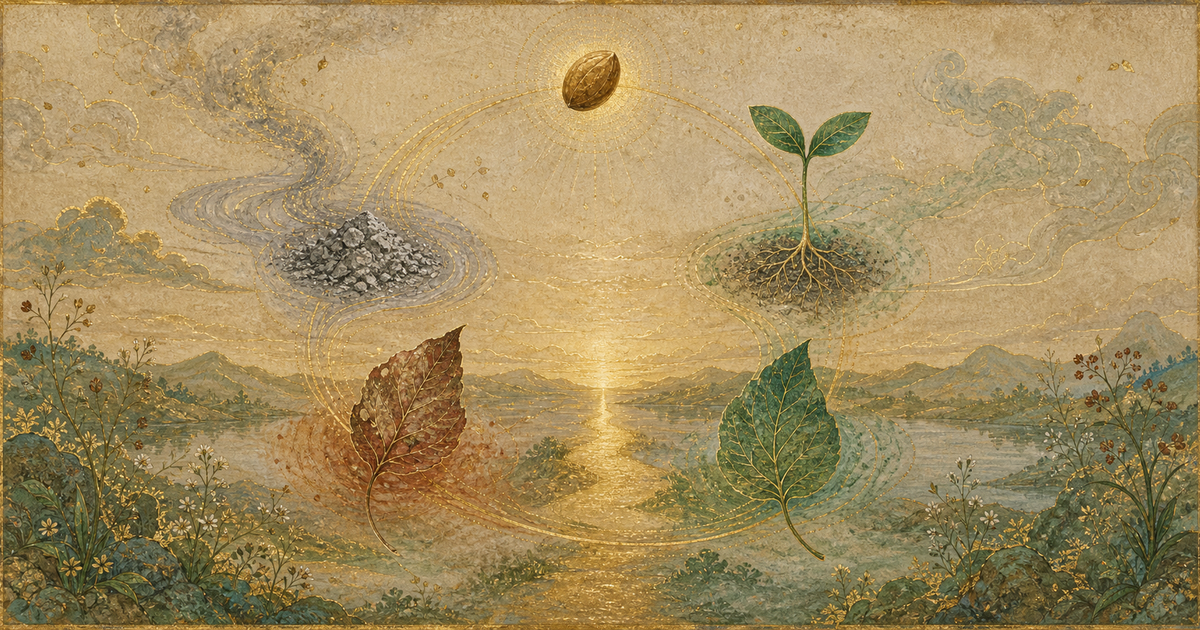
Becoming and passing away are shown as limited paths; only their connection opens the way beyond death.

Īśāvāsya Upaniṣad 12
Metre: Anuṣṭubh
Those (ye | nom pl m) who worship (upāsate | 3p pl med pres) non-arising (asambhūtim | acc sg) enter (praviśanti | 3p pl act pres) blind (andhaṃ | acc sg n) darkness (tamaḥ | acc sg); then (tataḥ) those (te | nom pl m) who (ye | nom pl m) are indeed (u) absorbed (ratāḥ | nom pl m ppp) in becoming (sambhūtyām | loc sg), as it were (iva), [enter] still greater (bhūyaḥ | acc sg n comp) darkness (tamaḥ | acc sg).
Dr. Ronald Steiner - 2026 - historically literal
Īśāvāsya Upaniṣad 13
Metre: Anuṣṭubh
[Something] different (anyat | nom sg n) indeed (eva), they say (āhuḥ | 3p pl act perf), [comes] from becoming (saṃbhavāt | abl sg); [something] different (anyat | nom sg n), they say (āhuḥ | 3p pl act perf), [comes] from non-becoming (asaṃbhavāt | abl sg). Thus (iti) we have heard (śuśruma | 1p pl act perf) from the wise (dhīrāṇām | gen pl), who (ye | nom pl m) explained (vicacakṣire | 3p pl med perf) this (tat | acc sg n) to us (naḥ | dat pl).
Dr. Ronald Steiner - 2026 - historically literal
Īśāvāsya Upaniṣad 14
Metre: Anuṣṭubh
Whoever (yaḥ | nom sg m) knows (veda | 3p sg act perf) becoming (saṃbhūtiṃ | acc sg) and (ca) passing away (vināśaṃ | acc sg), and (ca) this (tat | acc sg n) pair (ubhayam | acc sg n) together (saha), crosses (tīrtvā | abs) death (mṛtyum | acc sg) through passing away (vināśena | ins sg) and attains (aśnute | 3p sg med pres) immortality (amṛtam | acc sg) through becoming (saṃbhūtyā | ins sg).
Dr. Ronald Steiner - 2026 - historically literal
IVU 15-16: Sun, Puruṣa, and Self

Īśāvāsya Upaniṣad 15-16: Unveiling the Self

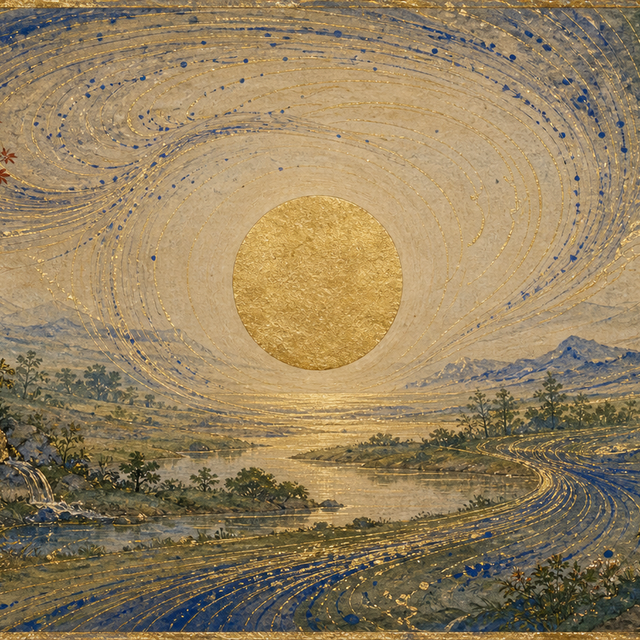
In the image of the sun, the dying one asks for unveiling and recognizes the Puruṣa there as his own Self.

Īśāvāsya Upaniṣad 15
Metre: Anuṣṭubh
The mouth (mukham | nom sg) of truth (satyasya | gen sg) is covered (apihitam | nom sg n ppp) by a golden vessel (hiraṇmayena pātreṇa | ins sg). You (tvaṃ | nom sg), O Pūṣan (pūṣan | voc sg), uncover (apāvṛṇu | 2p sg act imp) it (tat | acc sg n) so that the one whose law is truth (satya-dharmāya | dat sg) [may] see (dṛṣṭaye | dat sg).
Dr. Ronald Steiner - 2026 - historically literal
Īśāvāsya Upaniṣad 16
Metre: Sections 1–3 of 13, 9 and 14 syllables: metre not determined; section 4: Śālinī
O Pūṣan (pūṣan | voc sg), sole seer (eka-rṣe | voc sg), O Yama (yama | voc sg), O Sun (sūrya | voc sg), O offspring of Prajāpati (prājāpatya | voc sg), spread apart (vyūha | 2p sg act imp) the rays (raśmīn | acc pl), gather (samūha | 2p sg act imp) the radiance (tejaḥ | acc sg); whichever (yat | acc sg n) form (rūpaṃ | acc sg) of yours (te | gen sg) [is] the most auspicious (kalyāṇatamaṃ | acc sg n sup), that (tat | acc sg n) I see (paśyāmi | 1p sg act pres) [as] yours (te | gen sg); that yonder (asau | nom sg m) Puruṣa (puruṣaḥ | nom sg), who (yaḥ | nom sg m) [is] there (asau | nom sg m)—I (aham | nom sg) am (asmi | 1p sg act pres) he (saḥ | nom sg m).
Dr. Ronald Steiner - 2026 - historically literal
IVU 17-18: Breath, Memory, and the Good Path

Īśāvāsya Upaniṣad 17-18: Remembrance at Death

Breath and body return to their elements; the mind is called to remember, and Agni is to lead the dying person along the good path.

Īśāvāsya Upaniṣad 17
Metre: Anuṣṭubh; Oṃ extrametrical
The breath (vāyuḥ | nom sg) [goes] into the immortal (amṛtam | acc sg m) wind (anilam | acc sg); now (atha) this (idaṃ | nom sg n) body (śarīram | nom sg) ends in ash (bhasmāntam | nom sg n). Om (oṃ). O mind (krato | voc sg), remember (smara | 2p sg act imp) what has been done (kṛtaṃ | acc sg n ppp), remember (smara | 2p sg act imp); O mind (krato | voc sg), remember (smara | 2p sg act imp) what has been done (kṛtaṃ | acc sg n ppp), remember (smara | 2p sg act imp).
Dr. Ronald Steiner - 2026 - historically literal
Īśāvāsya Upaniṣad 18
Metre: Pāda 1: Śālinī; pāda 2: Indravajrā; pāda 3: Upendravajrā; pāda 4: Śālinī
O Agni (agne | voc sg), lead (naya | 2p sg act imp) us (asmān | acc pl) by a good path (supathā | ins sg) to well-being (rāye | dat sg), O god (deva | voc sg), knowing (vidvān | nom sg m ppa) all (viśvāni | acc pl n) ways (vayunāni | acc pl); keep (yuyodhi | 2p sg act imp) crooked guilt (juhurāṇam enaḥ | acc sg) away from us (asmaj | abl pl); may we offer (vidhema | 1p pl act opt) to you (te | dat sg) the fullest (bhūyiṣṭhām | acc sg f sup) utterance of homage (namas-uktiṃ | acc sg).
Dr. Ronald Steiner - 2026 - historically literal

Continue with AYI Free

Illustrations: AI-generated.

Editor

Dr. Ronald Steiner

From Ulm

The "Yoga Doc" - Dr. Ronald Steiner is the founder of the AYI method. This method links traditional Ashtanga Yoga with innovative Yogatherapy and living Philosophy. This forms a practice that is personal for each and... more ›

Nils Jacob Liersch

Meine Begeisterung für Yoga, indische Philosophie und Sanskrit führte mich zum Studium der Indologie und Religionswissenschaft an der Universität Heidelberg. Seit 2004 befinde ich mich auf meinem persönlichen Yogaweg... more ›