

samāna समान – gleich; gemeinsam
Adjektiv · Substantiv Maskulin · Substantiv Neutrum · Worttyp nicht bestimmt
Wörterbuchquellen
AYI Wörterbuch Adjektiv · Substantiv Maskulin
Adjektiv
gleich; gemeinsam
Substantiv Maskulin
Verdauungsenergie; ausgleichende Lebensenergie
Herkunft
Cappeller 1891 Substantiv Maskulin · Worttyp nicht bestimmt
Originaltext · Englisch · Worttyp nicht bestimmt
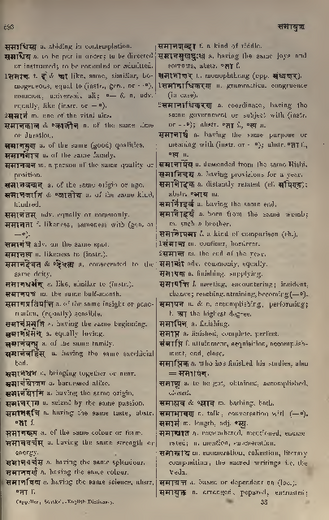
samāná ·f. ī́1 & ā like, same, similiar, homogeneous, equal to (instr., gen., or --°), common, universal, all; °-- & n. adv. equally, like (instr. or --°).
Originaltext · Englisch · Substantiv Maskulin
samāná2 ·m. one of the vital airs.
Monier-Williams 1872 Worttyp nicht bestimmt
Originaltext · Englisch · Worttyp nicht bestimmt
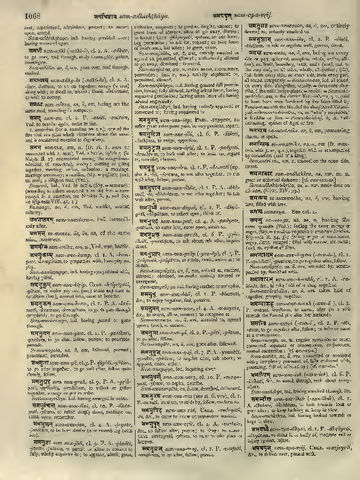
1. sam-āna (for 2. samāna see s. v.), one of the five vital airs (that which circulates about the navel and is considered essential to digestion).
Originaltext · Englisch · Worttyp nicht bestimmt
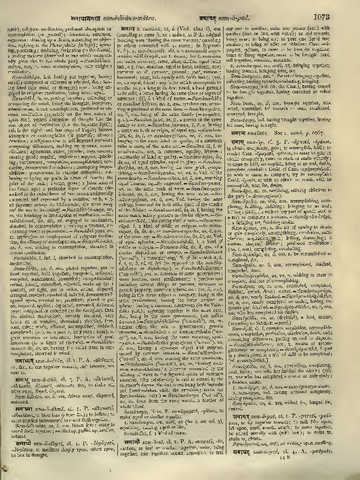
samāna 2 . samāna, as, ā (Ved. also ī), am (according to some fr. sa + māna, as if the original meaning were ‘having the same measure,’ according to others connected with 1. sama; in Ṛg-veda V. 87, 4. samānasmāt, abl. c. = samasmāt = sar- veṣām sādhāraṇāt, see 1. sama; for 1. sam-āna see under sam-an), same, alike, similar, equal (with inst., e. g. tena samāna, equal to him), uniform, one; common to all, common, general; good, virtuous; honoured; (am), ind. equally with (with inst.); (as), m. an equal, friend; any letter which corresponds to another (e. g. a long to its short vowel, a hard guttural to its soft), a letter having the same place or organ of utterance; (ī), f. a kind of metre.
Petersburger 1855 Adjektiv · Substantiv Maskulin
Originaltext · Deutsch · Adjektiv
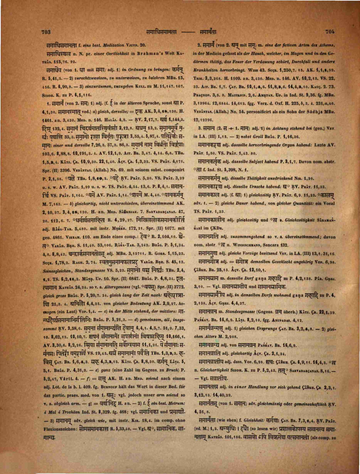
1. samāná (von 2. sama) 1〉 adj. (f. ī in der älteren Sprache, sonst ā P. 4,1,30. samānasmāt ved.) a〉 gleich, derselbe; = eka AK. 3,4,18,130. H. 1461. H. an. 3,430. MED. n. 146. HALĀY. 4,9. — ṚV. 2,17,7. artha ṚV. 1,144,3. diś ṚV. 1,132,4. sa̱mā̱naṃ ci̱drathàmātasthi̱vāṃsā̀ ṚV. 2,12,8. adhvan ṚV. 2,13,2. sa̱mā̱namū̱rvaṃ na̱dyàḥ pṛṇanti ṚV. 2,35,3. sa̱mā̱no rājā̱ vibhṛ̀taḥ puru̱trā ṚV. 3,55,4. ṚV. 5,87,4. pati̱rekàḥ samā̱naḥ einer und derselbe ṚV. 7,26,3. ṚV. 7,57,3. ṚV. 7,86,3. sa̱mā̱naṃ nāma̱ bibhràto̱ virū̀pāḥ ṚV. 103,6. ṚV. 8,88,8. ṚV. 10,191,3. ṚV. 7,4. AV. 12,1,9. AIT. BR. 3,47. AIT. BR. 4,14. AIT. BR. 6,8. TBR. 1,5,3,4. KĀTY. ŚR. 10,9,30. KĀTY. ŚR. 22,1,40. ĀŚV. ŚR. 1,3,32. VS. PRĀT. 4,171. Spr. (II) 3396. VEDĀNTAS. (Allah.) No. 69 mit seinem subst. componirt P. 2,1,58. ˚pakṣe TBR. 1,8,10,2. ˚pade ṚV. PRĀT. 5,20. VS. PRĀT. 3,29 u. s. w. AV. PRĀT. 1,99 u. s. w. TS. PRĀT. 4,54. TS. PRĀT. 13,6. P. 8,4,1. samānarci VS. PRĀT. 1,164. ˚yame AV. PRĀT. 1,14. ˚śayane M. 4,40. ˚yānakarman M. 7,163. — b〉 gleichartig, nicht unterschieden, übereinstimmend AK. 2,10,37. AK. 3,4,18,130. H. an. MED. SĀṂKHYAK. 7. SARVADARŚANAS. 47,20. SARVADARŚANAS. 112,6. SARVADARŚANAS. 112,7. ˚dharmārthasamāhita R. 4,29,27. nikhilalokasamānakīrti adj. RĀJA-TAR. 5,480. mit instr. MṚCCH. 172,21. Spr. (II) 1077. mit gen. Spr. (II) 4861. VIKRAM. 110. am Ende eines comp.: deva˚ R. 2,104,10. śveta˚ VARĀH. BṚH. S. 11,40. VARĀH. BṚH. S. 53,106. RĀJA-TAR. 3,242. BHĀG. P. 5,1,34. BHĀG. P. 5,4,8. BHĀG. P. 8,8,42. candrārkasamānatejas adj. MBH. 3,15711. R. GORR. 1,15,23. SUŚR. 1,78,2. RAGH. 2,74. svatanusamānaphalaprada VARĀH. BṚH. S. 45,13. Seinesgleichen, Standesgenosse VS. 5,23. sa̱mā̱no yaśca̱ niṣṭyàḥ TBR. 2,4,1,2. TS. 6,2,11,2. MĀṆḌ. UP. 10. Spr. (II) 6847. BHĀG. P. 4,8,34. etatsamāna KATHĀS. 24,24. so v. a. Altersgenosse (vgl. ˚vayas) Spr. (II) 3772. gleich gross BHĀG. P. 5,20,7. BHĀG. P. 5,20,24. gleich lang der Zeit nach: ahorātrāṇi BHĀG. P. 21,3. BHĀG. P. 21,4. anilau BHĀG. P. 4,4,25. von gleicher Bedeutung AK. 2,9,27. homogen (ein Laut) VOP. 1,4. — c〉 in der Mitte stehend, der mittlere: māndyadairdhyasamānābhirgatibhiḥ BHĀG. P. 5,21,3. — d〉 gemeinsam, all, insgesammt ṚV. 3,58,6. sa̱ma̱nā sàmā̱nānyàkṣi de̱vān ṚV. 6,4,1. ṚV. 4,5,7. ṚV. 4,51,9. ṚV. 7,33,13. ṚV. 8,62,12. ṚV. 10,10,7. ṛṣa̱bhaṃ sàmā̱nānā̀ṃ sa̱patnā̀nāṃ viṣāsa̱him ṚV. 10,166,1. AV. 3,30,6. AV. 8,2,26. śri̱yā sàmā̱nānati̱ sarvā̀nsyāma AV. 11,1,21. ye sàmā̱nāḥ samànasaḥ pi̱tarò yama̱rājyè VS. 19,45. agràṃ samā̱nānā̱ṃ paryèti TBR. 1,3,2,3. havis ŚAT. BR. 1,6,4,3. graha ŚAT. BR. 4,3,3,15. KĀTY. ŚR. 8,8,30. karman LĀṬY. 5,5,1. BHĀG. P. 4,31,3. — e〉 ganz (eine Zahl im Gegens. zu Bruch) P. 5,2,47, Vārtt. 4. — f〉 = sant AK. H. an. MED. seiend nach einem adj. Lot. de la b. l. 409. fg. BURNOUF hält das Wort in dieser Bed. für das partic. praes. med. von 1. as; vgl. jedoch unser arm seiend so v. a. obgleich arm. — g〉 = varṇabhid H. an. — 2〉 f. ī ein best. Metrum: 4 Mal 4 Trochäen Ind. St. 8,329. fg. Ind. St. 8,468; vgl. samānikā und pramāṇī. — 3〉 samānam adv. gleich wie, mit instr. KIR. 18,4. im comp. ohne Flexionszeichen: somasamānakānta R. 5,33,40. — Vgl. a˚, sāmānika, sāmānya.
Originaltext · Deutsch · Adjektiv
3. samāna (2. sa + 1. māna) adj. 1〉 in Achtung stehend bei (gen.) VET. in LA. (III) 1,15. — 2〉 nebst Groll BHĀG. P. 1,16,36.
Originaltext · Deutsch · Substantiv Maskulin
2. samāná (von 2. an mit sam) m. eine der fictiven Arten des Athems, in der Medicin gefasst als der Hauch, welcher, im Magen und in den Gedärmen thätig, das Feuer der Verdauung schürt, Durchfall und andere Krankheiten hervorbringt. WISE 43. SUŚR. 1,250,7. SUŚR. 1,250,15. AK. 1,1,1,59. TRIK. 3,3,268. H. 1109. H. an. 3,430. MED. n. 146. AV. 10,2,13. VS. 22,33. AIT. BR. 1,7. ŚAT. BR. 10,1,4,6. ŚAT. BR. 11,8,3,6. ŚAT. BR. 14,4,3,10. KAUŚ. 2. KAUŚ. 73. PRAŚNOP. 3,5. PRAŚNOP. 3,8. MAITRYUP. 2,6. AMṚTAN. UP._in_Ind. St. 9,36. fg. MBH. 3,13964. MBH. 12,6844. MBH. 14,612. fgg. Verz. d. Oxf. H. 225,b,3. Verz. d. Oxf. H. 225,b,4. Verz. d. Oxf. H. 231,a,40. VEDĀNTAS. (Allah.) No. 54. personificirt als ein Sohn der Sādhya MBH. 12,12396.
Böhtlingk 1879 Adjektiv · Substantiv Maskulin
Originaltext · Deutsch · Adjektiv
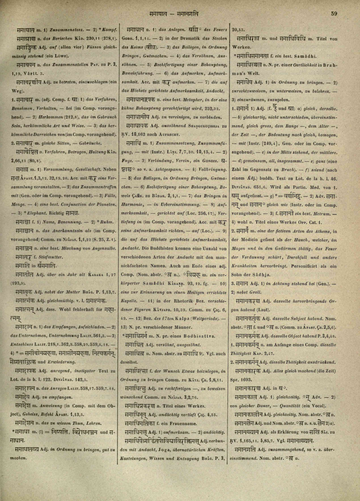
1. samāná — 1〉 Adj. (f. ī́) und ā — a〉 gleich, derselbe. — b〉 gleichartig, nicht unterschieden, übereinstimmend, gleich gross, dem Range —, dem Alter —, der Zeit —, der Bedeutung nach gleich, homogen, — mit (Instr. [Chr. 249,4], Gen. oder im Comp. vorangehend). — c〉 in der Mitte stehend, der mittlere. — d〉 gemeinsam, all, insgesammt. — e〉 ganz (eine Zahl im Gegensatz zu Bruch). — f〉 seiend (nach einem) Adj. buddh. Text zu Lot. de la b. l. 46. DIVYĀVAD. 651,6. wird als Partic. Med. von 1. as aufgefasst. — g〉 = varṇabhid — 2〉 Adv. samānam und samāna˚ gleich wie (Instr. oder im Comp. vorangehend). — 3〉 f. samānī ein best. Metrum. — 4〉 wohl n. Titel eines Werkes OPP. CAT. 1.
Originaltext · Deutsch · Adjektiv
3. samāna Adj. — 1〉 in Achtung stehend bei (Gen.) — 2〉 nebst Groll.
Originaltext · Deutsch · Substantiv Maskulin
2. samāná m. eine der fictiven Arten des Athems, in der Medicin gefasst als der Hauch, welcher, im Magen und in den Gedärmen thätig, das Feuer der Verdauung schürt, Durchfall und andere Krankheiten hervorbringt. Personificirt als ein Sohn der Sādhya.
Apte 1890 Adjektiv · Substantiv Maskulin · Substantiv Neutrum
Originaltext · Englisch · Adjektiv · Substantiv Maskulin · Substantiv Neutrum
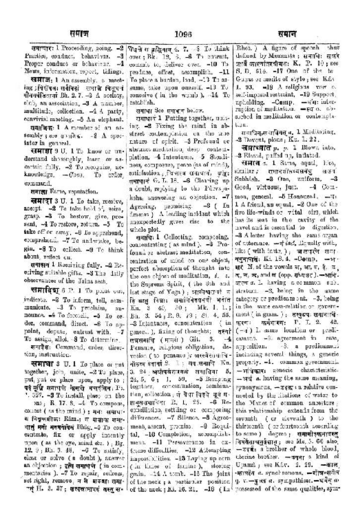
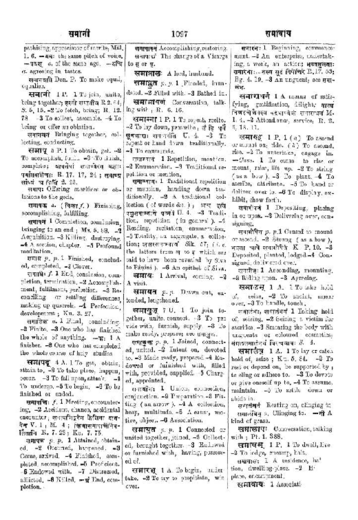
samāna a. 1 Same, equal, like, similar; samānaśīlavyasaneṣu sakhyaṃ Subhāṣ. 2 One, uniform. 3 Good, virtuous, just. 4 Common, general. 5 Honoured. — naḥ 1 A friend, an equal. 2 One of the five life-winds or vital airs, which has its seat in the cavity of the navel and is essential to digestion. 3 A letter having the same organ of utterance. — naṃ ind. Equally with, like (with instr.); jaladharaṇe samānamumāpatiḥ Ki. 18. 4. Comp. — akṣaraṃ N. of the vowels a, ā, i, ī, u, ū, ṛ, ṝ, and ḷ (opp. saṃdhyakṣara). — adhikaraṇa a. 1 having a common substratum. 2 being in the same category or predicament. 3 being in the same case-relation or government (in gram.); tatpuruṣaḥ samānādhikaraṇaḥ karmadhārayaḥ P. I. 2. 42. — (ṇaṃ) 1 same location or predicament. 2 agreement in case, apposition. 3 a predicament including several things, a generic property. 4 common government. — adhikāraḥ generic characteristic. — artha a. having the same meaning, synonymous. — udakaḥ a relative connected by the libations of water to the Manes of common ancestors; this relationship extends from the seventh (or eleventh) to the thirteenth (or fourteenth according to some) degree; samānodakabhāvastu nivartetācaturdaśāt; see Ms. 5. 60 also. — udaryaḥ a brother of whole blood, uterine brother. — upamā a kind of Upamā; see Kāv. 2. 29. — kāla, — kālīna a. synchronous. — gotra = sagotra q. v. — duḥkha a. sympathiser. — dharman a. possessed of the same qualities, ([Page 1097-a]) sympathising, appreciator of merits; Māl. 1. 6. — yamaḥ the same pitch of voice. — vayas a. of the same age. — ruci a. agreeing in tastes.
Cappeller 1887 Substantiv Maskulin · Worttyp nicht bestimmt
Originaltext · Deutsch · Substantiv Maskulin
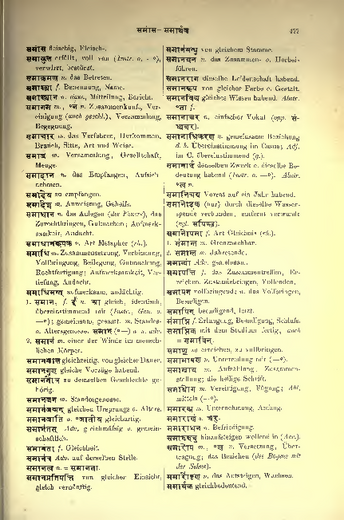
2. samāná m. einer der Winde im menschlichen Körper.
Originaltext · Deutsch · Worttyp nicht bestimmt
1. samāná, f. ī́ u. ā gleich, identisch, übereinstimmend mit (Instr., Gen. 0. —˚); gemeinsam, gesamt. m. Standes- o. Altersgenosse. samāna (˚—) u. n. adv.
Burnouf 1866 Adjektiv · Substantiv Maskulin
Originaltext · Französisch · Adjektiv
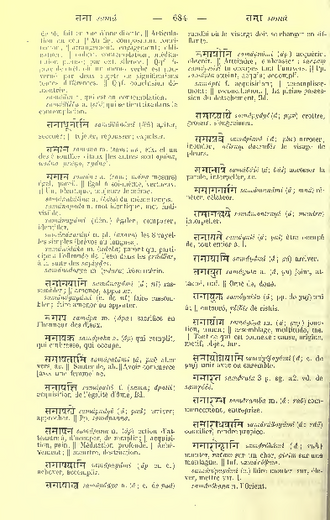
samāna samāna a. (sam; māna mesure) égal, pareil. Egal à soi-même, vertueux. Un, identique, toujours le même. samānakālīna a. (kāla) du même temps. samānapada n. mot identique, mot indivisible. samānayāmi (dén.) égaler, comparer, identifier. samānākṣarāṇi n. pl. (akṣara) les 8 voyelles simples [brèves ou longues]. samānodaka m. (udaka) parent qui participe à l'offrande de l'eau dans les śrāddhas, à la suite des sapiṇḍas. samānodarya m. (udara) frère utérin.
Originaltext · Französisch · Substantiv Maskulin
samāna samāna m. (sam; an; sfx. a) un des 5 souffles vitaux [les autres sont apāna, udāna, prāṇa, vyāna].
Quelltextfundstellen (7)
MandUp 1 Fundstelle
PYS 1 Fundstelle
SiSa 3 Fundstellen
Mit AYI Free weitermachen
Bildquelle: AYI Archiv.