

ṣaṣ षष् – six
adjective · adverb · numeral · Word type unspecified
Dictionary sources
AYI dictionary numeral
Cappeller 1891 Word type unspecified
Original text · English · Word type unspecified
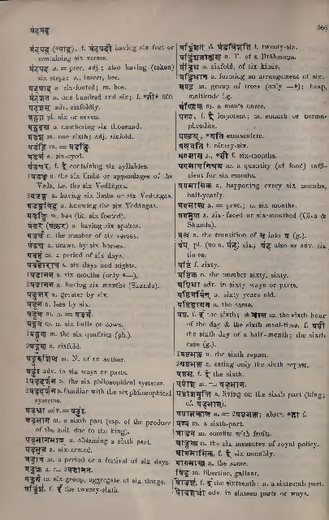
ṣáṣ ·pl. (nom. ṣáṭ) six; ṣáṭ also as adv. six times.
Monier-Williams 1872 adjective
Original text · English · adjective
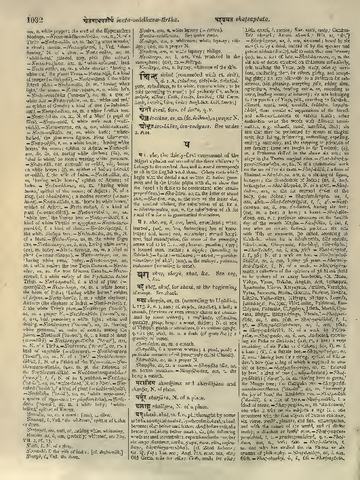
ṣaṣ ṣaṣ, ṣaṭ, m. f. n. pl. (thought by some to be for an original svakṣ, by others for kṣaṣ; ṣaṣ becomes ṣaṭ before hard letters, ṣaḍ before soft, ṣo before ḍ, and ṣaṇ before nasals), six, (the following words are used as symbolical expressions for the number six, aṅga, darśana, tarka, guṇa, rasa, ṛtu, vajra- koṇa, kārttikeya-mukha); [cf. Zend kṣvas; Gr. ἕξ, ϝέξ; Lat. sex; Angl. Sax. seox, sex, six; Old Germ. sehs for sihs; Goth. saihs for sihs; Lith. szeszi, f. szezios; Slav. sesti, sesty; Cambro- Brit. chwech; Armor. chuech; Hib. se, ‘six.’]
Petersburger 1855 Word type unspecified
Original text · German · Word type unspecified
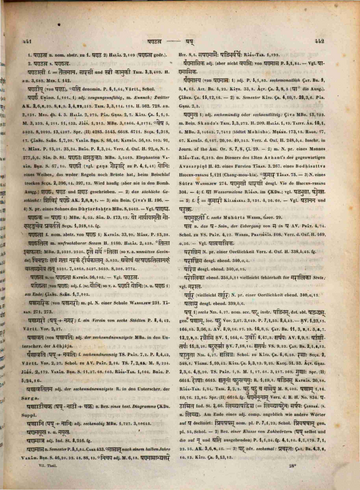
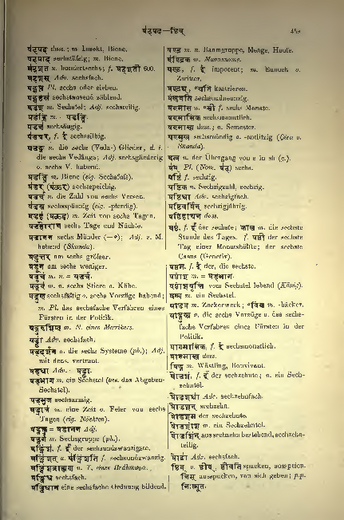
ṣaṣ 1〉 sechs NIR. 4,27. nom. acc. ṣaṭ, instr. ṣaḍbhis, dat. abl. ṣaḍbhyas, gen. ṣaṇṇām, loc. ṣaṭsu VOP. 2,27. VOP. 3,149. P. 7,1,55. P. 8,4,42. — ṚV. 1,23,15. ṚV. 1,164,15. ṚV. 3,56,2. AV. 8,9,16. AV. 8,9,17. AV. 8,9,23. AV. 10,8,5. ŚAT. BR. 11,3,2,1. ŚAT. BR. 11,5,4,7. ŚAT. BR. 12,2,2,3. rajā̀ṃsi ṚV. 1,164,6. u̱rvīḥ ṚV. 6,47,3. ṛṣàyaḥ AV. 8,9,7. ṣaḍàśī̱tayàḥ AV. 11,3,21. ṣaṭsa̱hasrā̀ ṚV. 7,18,14. ṛ̱tavàḥ VS. 9,32. ŚAT. BR. 2,1,1,13. ṣaḍṛtutā NIR. 4,27. ṛtvijaḥ Schol. zu KĀTY. ŚR. 6,6,28. rasāḥ SUŚR. 2,548,1. VĀGBH. 1,10,42. KĀTY. ŚR. 5,3,13. KĀTY. ŚR. 5,9,25. KAUŚ. 51. KAUŚ. 53. ĀŚV. GṚHY. 2,5,6. ĀŚV. GṚHY. 4,8,20. TS. PRĀT. 1,9. M. 1,17. M. 1,61. M. 3,217. M. 3,269. guṇāḥ Spr. (II) 6614. doṣāḥ Spr. (II) 6615. ṛtūnāṃ ṣaṭsamatyayuḥ R. 1,19,1. ṣaḍbhis KATHĀS. 20,88. RĀJA-TAR. 1,54. TRIK. 2,2,2. ṣaṭsu ṣaṭsu ca māseṣu M. 8,403. ṣaṇṇām M. 1,16. M. 10,76. M. 12,86. Spr. (II) 6616. fg. ṣaṇmanūnām Verz. d. B. H. No. 834. ṣaḍāśrita Ind. St. 2,66. likhyāṣadbhiśca (= likhyāṣaṭkena) sarṣapaḥ ŚABDAC. (s. u. likhya). Am Ende eines adj. comp. angeblich wie andere Wörter auf ṣa declinirt: priyaṣaṣas nom. pl. P. 7,1,22, Schol. priyaṣaṣām gen. pl. P. 7,1,55, Schol. — 2〉 Bez. einer Klasse von Zahlwörtern (ṣaṣ selbst und die auf n und snati ausgehenden) P. 1,1,24. fg. P. 4,1,10. P. 6,1,179. fg. P. 7,1,22. fg. P. 7,1,55. AK. 3,6,8,46. — 3〉 ṣaṭ adv. sechsmal: pracarataḥ ŚAT. BR. 4,3,1,10. ŚAT. BR. 4,3,1,13. KĀTY. ŚR. 9,13,13.
Böhtlingk 1879 adjective · adverb
Original text · German · adjective · adverb
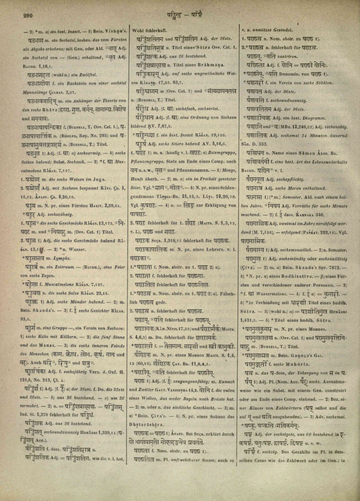
ṣáṣ — 1〉 Adj. Pl. (Nom. Acc. ṣáṭ) sechs. Ausnahmsweise wie ein Subst. mit einem Gen. construirt oder am Ende eines Comp. stehend. — 2〉 Bez. einer Klasse von Zahlwörtern (ṣaṣ selbst und die auf n und ati ausgehenden). — 3〉 Adv. sechsmal.
Apte 1890 Word type unspecified
Original text · English · Word type unspecified
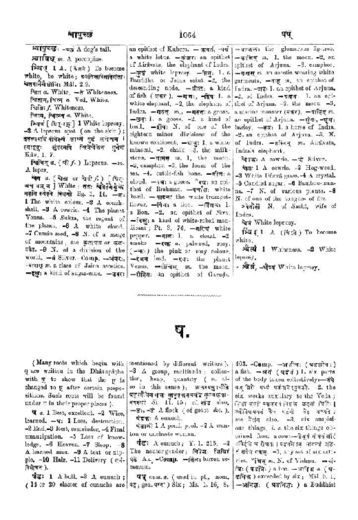
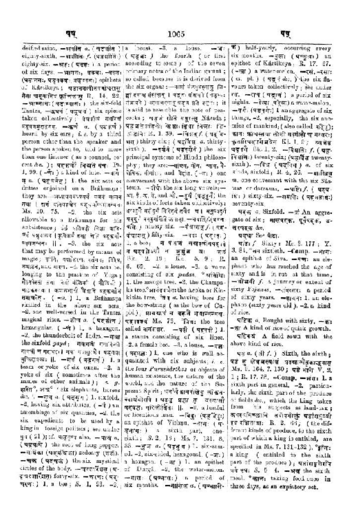
ṣaṣ num. a. (used in pl., nom. ṣaṭ; gen. ṣaṇṇāṃ) Six; Ms. 1. 16, ([Page 1064-1c]) Ms. 8. 403. Comp. — akṣīṇaḥ (ṣaḍakṣīṇaḥ) a fish. — aṃgaṃ (ṣaḍaṃgaṃ) 1 six parts of the body taken collectively:-jaṃghe bāhū śiro madhyaṃ ṣaḍaṃgamidamucyate. 2 the six works auxiliary to the Veda; śikṣā kalpo vyākaraṇaṃ niruktaṃ chaṃdasāṃ citiḥ . jyotiṣāmayanaṃ caiva ṣaḍaṃgo veda ucyate; see vedāṃga also. 3 six auspicious things, i. e. the six things obtained from a cow:-gomūtraṃ gomayaṃ kṣīraṃ sarpirdadhi ca rocanā . ṣaḍagametan māṃgalyaṃ paṭhitaṃ sarvadā gavām. 3 any set of six articles. ˚jit m. N. of Viṣṇu. — aṃghriḥ (ṣaḍaṃghriḥ) a bee. — adhika a. ( ṣaḍadhika) exceeded by six; Māl. 5. 1. — abhijñaḥ (ṣaḍabhijñaḥ) a Buddhist ([Page 1065-a]) deified saint. — aśīta a. (ṣaḍaśīta) eighty-sixth. — aśītaḥ f. (ṣaḍaśītiḥ) eighty-six. — ahaḥ (ṣaḍahaḥ) a period of six days. — ānanaḥ, -vaktraḥ, -vadanaḥ (ṣaḍānanaḥ, ṣaḍvaktraḥ, ṣaḍvadanaḥ) epithets of Kārtikeya; ṣaḍānanāpītapayodharāsu netā camūnāmiva kṛttikāsu R. 14. 22. — āmnāyaḥ (ṣaḍāmnāyaḥ) the six-fold Tantra. — ūṣaṇaṃ (ṣaḍūṣaṇaṃ) six spices taken collectively; paṃcakrolaṃ samaricaṃ ṣaḍūṣaṇamudāhṛtam. — karṇa a. (ṣaṭkarṇa) heard by six ears; i. e. by a third person other than the speaker and the person spoken to, told to more than one listener (as a counsel, secret &c.); ṣaṭkarṇo bhidyate maṃtraḥ Pt. 1. 99. — (rṇaḥ) a kind of lute. — karman n. (ṣaṭkarman) 1 the six acts or duties enjoined on a Brāhmaṇa; they are:-adhyāpanamadhyayanaṃ yajanaṃ yājanaṃ tathā . dānaṃ pratigrahaścaiva ṣaṭkarmāṇyagrajanmanaḥ Ms. 10. 75. 2 the six acts allowable to a Brāhmaṇa for his subsistence; uṃchaṃ pratigraho bhikṣā vāṇijyaṃ paśupālana . kṛṣikarma tathā ceti ṣaṭkarmāṇyagrajanmanaḥ ... 3 the six acts that may be performed by means of magic; śāṃti, vaśakiraṇa, staṃbhata, vidveṣa, uccāṭana, and māraṇa. 4 the six acts belonging to the practice of Yoga; dhautirvastī tathā netī nīlikī (naulikī) trāṭakastathā . kapālabhātī caitāni ṣaṭkarmāṇi samācaret. ( — m.) 1 a Brāhmaṇa skilled in the above six acts. 2 one well-versed in the Tantra magical rites. — koṇa a. (ṣaṭakoṇa) hexangular. — (ṇaṃ) 1 a hexagon. 2 the thunderbolt of Indra. — gayā the sixfold gayā; gayāgajo gayādityo gāyatrī ca gadādharaḥ . gayā gayāsuraścaiva ṣaḍgayā muktidāyakāḥ ... — gavaṃ (ṣaḍgavaṃ) 1 a team or yoke of six oxen. 2 a yoke of six (sometimes after the names of other animals); e. g. hasti˚, aśva˚ ‘six elephants, horses &c.’. — guṇa a. (ṣaḍguṇa) 1 sixfold. 2 having six attributes. — (ṇaṃ) an assemblage of six qualities. 2 the six expedients to be used by a king in foreign polities; see under guṇa (21); cf. ṣāḍguṇya also. — graṃthi n. (ṣaḍgraṃthi) the root of long pepper. — grāṃthikā (ṣaḍgraṃthikā) zedoary (śaṭhī). — cakraṃ (ṣaṭcakraṃ) the six mystical circles of the body. — catvāriṃśat ( ṣaṭcatvāriṃśat) forty-six. — caraṇaḥ ( ṣaṭcaraṇaḥ) 1 a bee; Ś. 1. 23. 2 ([Page 1065-b]) a locust. 3 a louse. — jaḥ (ṣaḍjaḥ) the fourth (or first according to some) of the seven primary notes of the Indian gamut; so called because it is derived from the six organs: — nāsāṃ kaṃṭhamurastālu jihvāṃ datāṃśca saṃspṛśan . ṣaḍjaḥ saṃjāyate (ṣaḍbhyaḥ saṃjāyate) yasmāttasmāt ṣaḍja iti smṛtaḥ; it is said to resemble the note of peacocks; ṣaḍjaṃ rauti mayūrastu Nārada; ṣaḍjasaṃvāditīḥ kekāḥ dvidhā bhinnāḥ śivaṃḍibhiḥ R. 1. 39. — triṃśat f. ( ṣaṭtriṃśat) thirty-six; (ṣaṭtriṃśa a. thirtysixth). — darśanaṃ (ṣaḍadarśanaṃ) the six principal systems of Hindu philosophy; they are:-sāṃkhya, yoga, nyāya, vaiśeṣika, mīmāṃsā, and vedāṃta. — (naḥ) one conversant with the above six systems. — dīrghaḥ the six long vowels:- ā, ī, ū, ai, and au. — durgaṃ (ṣaḍdurgaṃ) the six kinds of forts taken collectively; dhanvadurgaṃ mahīdurgaṃ giridurgaṃ tathaiva ca . manuṣyadurgaṃ mṛddurgaṃ vanadurgāmiti kramāt .. — navati f. ( ṣaṇṇavatiḥ) ninety-six. — paṃcāśat f. ( ṣaṭpaṃcāśat) fifty-six. — padaḥ (ṣaṭpadaḥ) 1 a bee; na paṃkajaṃ tadyadalīnaṣaṭdaṃ na ṣaṭpado'sau na juguṃja yaḥ kalaṃ Bk. 2. 19; Ku. 5. 9; R. 6. 69. 2 a louse. 3 a verse consisting of six padas. ˚atithiḥ 1 the mango tree. 2 the Champaka tree. ˚ānaṃdavardhanaḥ the Aśoka or Kinkirāta tree. ˚jya a. having bees for the bow-string (as the bow of Cupid); prāyaścāpaṃ na vahati bhayānmanmathaḥ ṣaṭpadajyaṃ Me. 73. ˚priyaḥ the tree called nāgakeśara. — padī (ṣaṭpadī) 1 a stanza consisting of six lines. 2 a female bee. 3 a louse. — prajñaḥ (ṣaṭprajñaḥ) 1 one who is well acquainted with six subjects; i. e. the four Puruṣārthas or objects of human existence, the nature of the world, and the nature of the Supreme Spirit; dharmāryakāmamokṣeṣu lokatattvārthayorapi . ṣaṭsu prajñā tu yasyāsau ṣaṭprajñaḥ parikīrtitaḥ ... 2 a lustful or licentious man. — biṃduḥ (ṣaḍbiṃduḥ) an epithet of Viṣṇu. — bhāgaḥ ( ṣaḍbhāgaḥ) a sixth part, onesixth; Ś. 2. 13; Ms. 7. 131, Ms. 8. 33. — bhuja a. (ṣaḍbhuja) 1 six-armed. 2 six-sided, hexagonal. — (jaḥ) a hexagon. — (jā) 1 an epithet of Durgā. 2 the water-melon. — māsaḥ (ṣaṇmāsaḥ) a period of six months. — māsika a. ( ([Page 1065-c]) ṣaṇmāsika) half-yearly, occurring every six months. — mukhaḥ (ṣaṇmukhaḥ) an epithet of Kārtikeya; R. 17. 67. — (khā) a water-melon. — rasaṃ, -rasāḥ (m. pl.) (ṣaḍrasaṃ &c.) the six flavours taken collectively; see under rasa. — rātraṃ (ṣaḍrātraṃ) a period of six nights. — rekhā (ṣaḍrekhā) a water-melon. — vargaḥ (ṣaḍvargaḥ) 1 an aggregate of six things. 2 especially, the six enemies of mankind; (also called ṣaḍripu); kāmaḥ krodhastathā lobho madamohau ca matsaraḥ; kṛtāriṣaḍvargajayena Ki. 1. 9; vyajeṣṭa ṣaḍvargaṃ Bk. 1. 2. — viṃśatiḥ f. ( ṣaḍviṃśatiḥ) twenty-six; (ṣaḍviṃśa twentysixth). — vidha (ṣaḍvidha) a. of six kinds, sixfold; R. 4. 26. — śāstrin m. one conversant with the six Śāstras or darśanas. — ṣaṣṭiḥ f. ( ṣaṭṣaṣṭiḥ) sixty-six. — saptatiḥ (ṣaṭsaptatiḥ) seventy-six.
Cappeller 1887 Word type unspecified
Original text · German · Word type unspecified
ṣáṣ Pl. (Nom. ṣáṭ) sechs.
Burnouf 1866 adjective
Original text · French · adjective
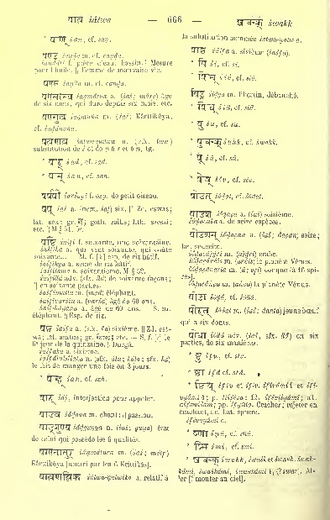
ṣaṣ ṣaṣ a. [nom. ṣaṭ] six. Zd. cswas; lat. sex; gr. ἕξ; goth. saihs; lith. szeszi; etc. M§ 51, 5°.
Occurrences in source texts (16)
HP 4 occurrences
HTK 1 occurrence
HTK 10.33*2–34*1: Bhūtaśuddhi: Purifying the elements 1 occurrence
Direct occurrences
-
HTK 10.34 Segment 7
SiSa 9 occurrences
SiSa 2.25-2.31: Nāḍī-Netz 3 occurrences
Direct occurrences
SiSa 3.68-3.80: Vāyusādhana 2 occurrences
Direct occurrences
SVU 1 occurrence
VBT 1 occurrence
Continue with AYI Free
Image source: AYI archive.