

ṛṣi ऋषि – Weise; Seher; Weisen
Substantiv Maskulin · Worttyp nicht bestimmt
Wörterbuchquellen
AYI Wörterbuch Substantiv Maskulin
Weise; Seher; Weisen
Cappeller 1891 Substantiv Maskulin
Originaltext · Englisch · Substantiv Maskulin
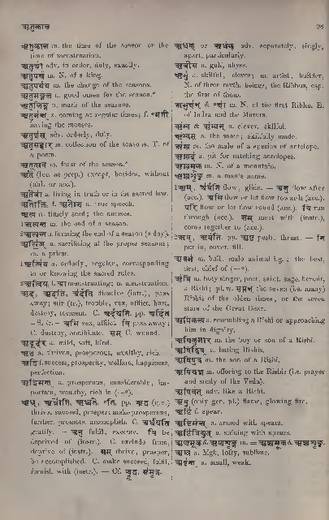
ṛ́ṣi ·m. holy singer, poet, saint, sage, hermit, a Rishi; pl. w. saptan the seven (i.e. many) Rishis of the olden times, or the seven stars of the Great Bear.
Monier-Williams 1872 Substantiv Maskulin
Originaltext · Englisch · Substantiv Maskulin
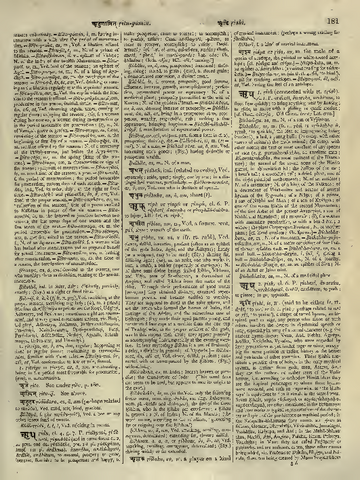
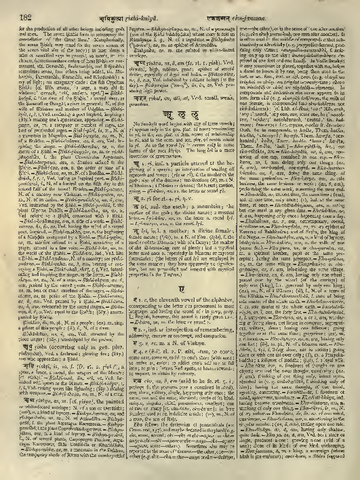
ṛṣi ṛṣi, is, m. (said to be either fr. rt. dṛś, ‘to see,’ or fr. 1. ṛṣ; perhaps related to arc or ṛc, ‘to praise’), a singer of sacred hymns, an in- spired poet or sage, any person who alone or with others invokes the deities in rhythmical speech or song, especially in song of a sacred character (e. g. the ancient hymn-singers Kutsa, Atri, Rebha, Agastya, Kuśika, Vasiṣṭha, Vy-aśva, who were regarded by later generations as patriarchal sages or saints, occupy- ing the same position in Indian history as the heroes and patriarchs of other countries. They Ṛṣis con- stitute a peculiar class of beings in the early mythical system, as distinct from gods, men, Asuras, &c.; they are the authors or rather seers of the Vedic hymns, i. e. according to orthodox Hindū ideas they are the inspired personages to whom these hymns were revealed, and such an expression as ‘the Ṛṣi says’ is equivalent to ‘so it stands in the sacred texts.’ Seven Ṛṣi, sapta ṛṣayaḥ or saptaṛṣayaḥ or saptarṣayaḥ, are often mentioned in the Brāhmaṇas and later works as typical representatives of the charac- ter and spirit of the pre-historic or mythical period; in the Śatapatha-Brāhmaṇa their names are given as follows, Gotama, Bharadvāja, Viśvā-mitra, Jamadagni, Vasiṣṭha, Kaśyapa, and Atri; in the Mahā-bhārata thus, Marīci, Atri, Aṅgiras, Pulaha, Kratu, Pulastya, Vasiṣṭha; in Manu they are called Prajāpatis or patriarchs, and are reckoned as ten, three other names being added, viz. Pracetas or Dakṣa, Bhṛgu, and Nā- rada, these ten being created by Manu Svāyambhuva for the production of all other beings including gods and men. The seven Ṛṣis form in astronomy the constellation of ‘the Great Bear.’ Metaphorically, the seven Ṛṣis may stand for the seven senses or the seven vital airs of the body); in later times a saint or sanctified sage in general, an ascetic, an an- chorite, (sometimes three orders of these Ṛṣis are enu- merated, viz. Devarṣis, Brahmarṣis, and Rājarṣis; sometimes seven, four others being added, viz. Ma- harṣis, Paramarṣis, Śrutarṣis, and Kāṇḍarṣis); a ray of light; an imaginary circle; the fish Cyprinus Ṛṣi; [cf. Hib. arsan, ‘a sage, a man old in wisdom;’ arrach, ‘old, ancient, aged.’]
Petersburger 1855 Substantiv Maskulin · Worttyp nicht bestimmt
Originaltext · Deutsch · Substantiv Maskulin
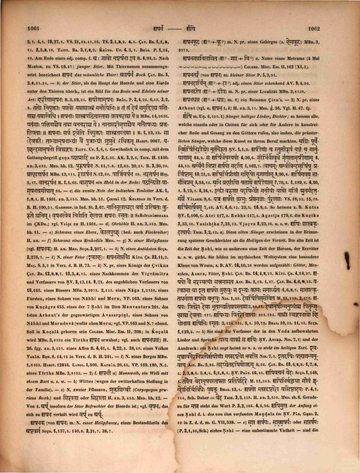
ṛ́ṣi m. Uṇ. 4,121. 1〉 Sänger heiliger Lieder, Dichter; so heissen alle, welche einzeln oder in Chören für sich oder für Andere in kunstreicher Rede und Gesang zu den Göttern rufen, also insbes. die priesterlichen Sänger, welche diese Kunst zu ihrem Beruf machten. a̱gniḥ pūrvèbhi̱rṛṣìbhi̱rīḍyo̱ nūtànairuta ṚV. 1,1,2. ṛṣī̀ṇāṃ ca stu̱tīrupà ya̱jñaṃ ca̱ mānùṣāṇām ṚV. 1,84,2. sa ṛṣìrvaca̱syayā̀ ṚV. 4,36,6. gī̱rbhirvā̀vṛ̱dhe gṛ̀ṇa̱tāmṛṣī̀ṇām ṚV. 6,44,13. anvèna̱ṃ viprā̱ ṛṣàyo madanti ṚV. 1,162,7. (vācam) anvàvinda̱nnṛṣìṣu̱ pravìṣṭām ṚV. 10,71,3. ṛṣi̱rviprā̀ṇāṃ mahi̱ṣo mṛ̱gāṇā̀m ṚV. 9,96,6. ṛṣìmavatha̱ sāmàvipram ṚV. 5,54,14. a̱bhi brahmā̀ṇi cakṣāthe̱ ṛṣī̀ṇām ṚV. 7,70,5. ṚV. 1,189,8. ṚV. 4,50,1. ṚV. 5,75,1. ṚV. 6,34,1. indrā̀ varuṇā̱ yadṛ̱ṣibhyò manī̱ṣāṃ vā̱co ma̱tiṃ śru̱tamàdatta̱magrè VĀLAKH. 9,6. yatra̱ ṛṣàyo ja̱gmuḥ pràthama̱jāḥ pùrā̱ṇāḥ VS. 18,52. VS. 15,10. ṛṣìmārṣe̱yam VS. 7,46. AV. 4,6,12. AV. 4,23,5. AV. 10,8,3. So heissen z. B. Kutsa ṚV. 1,106,6. Atri ṚV. 1,117,3. Rebha ṚV. 1,117,4. Agastya ṚV. 1,179,6. die Kuśika ṚV. 3,53,10. Vasiṣṭha ṚV. 7,33,13. Vyaśva ṚV. 8,23,16. u. s. w. ṛṣiḥ śāstrakṛdācāryaḥ TRIK. 3,2,12. a〉 Diese alten Sänger erscheinen in der Erinnerung späterer Geschlechter als die Heiligen der Vorzeit. Die alte Zeit ist die Zeit der Ṛṣi, wie es anderswo eine Zeit der Heroen, der Erzväter u. s. w. giebt. Sie bilden im mythischen Weltsystem eine besondere Klasse von Wesen, z. B. AV. 10,10,26 werden aufgezählt: Götter, Menschen, Asura, Väter, Ṛṣi. ŚAT. BR. 14,4,2,21. KĀTY. ŚR. 4,14,27. ṛṣayo vai sarasvatyāṃ sattramāsata AIT. BR. 2,19. AIT. BR. 1,27. ŚAT. BR. 4,6,9,23. yatkāmā vā eta ṛṣayo juhavuḥ sa ebhyaḥ kāmaḥ samārdhyata ŚAT. BR. 1,6,2,7. sākṣātkṛtadharmāṇa ṛṣayo babhūvuḥ NIR. 1,20. devarṣipitṛsevita M. 11,210. M. 2,176. ṛṣayaḥ pitaro devā bhūtānyatithayastathā M. 3,80. M. 3,81. devānṛṣīnmanuṣyāṃśca pitṝngṛhyāśca devatāḥ M. 117. ṛṣibhyaḥ pitaro jātāḥ M. 201. M. 194. nāmnāṃ svarūpabhāvo hi bhobhāva ṛṣibhiḥ smṛtaḥ M. 2,124. M. 2,154. M. 5,1. M. 10,72. BHAG. 10,13. BHAG. 11,15. SUŚR. 1,159,2. — b〉 Sie sind die Verfasser der in den Veda aufbewahrten Lieder und Sprüche (yasya vākyaṃ sa ṛṣiḥ ṚV. ANUKR. NIR. 7,1) und der Ausdruck: ein Ṛṣi sagt heisst so v. a. es steht im heiligen Text. evamuccāvacairabhiprāyairṛṣīṇāṃ mantradṛṣṭayo bhavanti NIR. 7,3. etadṛṣiḥ paśyannabhyanūvāca AIT. BR. 2,25. tadapyetadṛṣiṇoktam AIT. BR. 8,26. ŚAT. BR. 10,4,1,9. ŚAT. BR. 1,7,4,4. ŚAT. BR. 2,3,3,6. ŚAT. BR. 2,5,1,4. ŚAT. BR. 6,1,1,1. ṚV. PRĀT. 16,10. ṛṣivacanaṃ vedaḥ SUŚR. 1,148,1. tathaiva vedānṛṣayastapasā pratipedire M. 11,243. ṛṣibhirbahudhā gītaṃ chandobhirvividhaiḥ pṛthak BHAG. 13,4. ṛṣayo mantradraṣṭāro vasiṣṭhādayaḥ P. 4,1,114, Sch. Daher = veda TRIK. 3,3,435. H. an. 2,558. MED. ṣ. 6. Geradezu für mantra steht das Wort P. 3,2,186. P. 4,4,96. ṛṣimukha der Anfang eines Ṛṣi d. i. des von ihm verfassten Maṇḍala im ṚV. PĀR. GṚHY. 2,10_in_Z. d. d. m. G. VII, 538. — c〉 sa̱pta ṛṣàyaḥ, sa̱pta̱ṛ̱ṣayàḥ oder saptarṣayaḥ (P. 2,1,50, Sch.) sieben Ṛṣi — eine unbestimmte Vielheit — sind die Repräsentanten jener heiligen Vorzeit: ṛṣàyaḥ sa̱pta daivyā̀ḥ ṚV. 10,130,7. asmāka̱matrà pi̱tara̱sta ā̀sansa̱pta ṛṣàyo daurga̱he ba̱dhyamā̀ne ṚV. 4,42,8. (vgl. ŚAT. BR. 13,5,4,5). sa̱pta̱ṛ̱ṣaya̱stapàse̱ ye nìṣe̱duḥ ŚAT. BR. 13,10,109,4. VS. 14,28. AV. 11,1,1. AV. 11,1,24. AV. 12,1,39. ŚAT. BR. 14,5,2,4. ŚAT. BR. 14,5,2,5. saptaṛṣīṇāṃ sukṛtāṃ yatra lokastatremaṃ yajñaṃ yajamānaṃ ca dhehi KĀTY. ŚR. 2,2,8 (vgl. VS. 18,52). Eine namentliche Aufzählung derselben wird nachmals versucht, z. B. ŚAT. BR. 14,5,2,6: Gotama, Bharadvāja, Viśvāmitra, Jamadagni, Vasiṣṭha, Kaśyapa, Atri; ebenso in einem Pariśiṣṭa zu ĀŚV. ŚR. 12,15. MBH. 1,4807. MBH. 13,4461. fgg. Marīci, Atri, Aṅgiras, Pulaha, Kratu, Pulastya, Vasiṣṭha (Söhne Brahmanʼs und zugleich die MBH. 13,7 Prajāpati) MBH. 12,12724. fg. sind die sieben Ṛṣi im 1sten Manvantara HARIV. 413. VP. 49, N. 2. die der folgenden werden aufgezählt HARIV. 417. fgg. VP. 260. fgg. saptarṣi sg. einer der sieben Ṛṣi MBH. 13,1339. saptarṣikuṇḍa pl. den sieben Ṛṣi geheiligte Badeplätze MBH. 3,6042. saptarṣika HARIV. 464. Am Himmel sind die sieben Ṛṣi die sieben Sterne des grossen Bären NAIGH. 1,5. NIR. 10,26. AK. 1,1,2,28. H. 124. yatrā̀ saptaṛ̱ṣīnpa̱ra ekàmā̱huḥ ṚV. 10,82,2. sa̱pta̱ṛ̱ṣī̱ṇāṃ cà ha̱viṣābhàyaṃ no astu AV. 6,40,1. saptarṣīnu ha sma vai purarkṣā ityācakṣate, amī hyuttarāhi saptarṣaya udyanti ŚAT. BR. 2,1,2,4. ŚAT. BR. 13,8,1,9. ĀŚV. GṚHY. 1,7. KAUŚ. 127. MBH. 14,2633. R. 1,13,29. tato brahmatapoyogātprajāpatirivāparaḥ . (kauśikaḥ) sasarja dakṣiṇe bhāge saptarṣīnaparānpunaḥ .. VIŚV. 10,20. VP. 485. fg. COLEBR. Misc. Ess. II, 352. COLEBR. Misc. Ess. II,355. Für jede Weltgegend verschiedene 7 Ṛṣi MBH. 13,7108. fgg. MBH. 13,7663. fgg. Bildlich bezeichnet der Ausdruck die sieben Ṛṣi auch die sieben Sinne oder den siebenfachen Hauch (prāṇa) NIR. 12,37. NIR. 12,38. VS. 34,55. ŚAT. BR. 14,5,2,4. ŚAT. BR. 14,5,2,5. KĀTY. ŚR. 9,12,4. — d〉 in der Folge bezeichnet Ṛṣi überh. jede durch Frömmigkeit und Weisheit geheiligte Person, namentl. einen Einsiedler: ṛṣayaḥ satyavacasaḥ AK. 2,7,42. H. 76. H. an. 2,558. ṛṣayo dīrghasaṃdhyatvāddīrghamāyuravāpnuyuḥ . prajāṃ yaśaśca kīrtiṃ ca brahmavarcasameva ca .. M. 4,94. ṛṣayaḥ saṃyatātmānaḥ phalamūlānilāśanāḥ . tapasaiva prapaśyanti trailokyaṃ sacarācaram .. M. 11,236. BHAG. 5,25. N. 12,54. R. 1,1,42. R. 1,4,13. R. 1,7,1. ŚĀK. 17. ŚĀK. 62,16. RAGH. 1,50. ṛṣikuleṣu RAGH. 12,25. ṛṣikumāra ein junger Einsiedler ŚĀK. 27,15. ṛṣikumāraka ŚĀK. 50,1. — e〉 drei Arten von Ṛṣi werden erwähnt VP. 284: Devarṣi, Brahmarṣi, Rājarṣi; dieselben und ausserdem Maharṣi, Paramarṣi, Śrutarṣi und Kāṇḍarṣi TRIK. 2,7,15. fgg. — 2〉 Lichtstrahl MED. ṣ. 6. — 3〉 an imaginary circle KĀLAS. p. 379. — 4〉 N. eines Fisches, Cyprinus Rishi, CAREY_bei_HAUGHTON, A Dict. BENG. and S. — Die Ableitung des Wortes von darś, wobei die Ṛṣi als die mit dem geistigen Auge die göttlichen Geheimnisse und das Lob der Götter Erschauenden, also besonderer Offenbarung Theilhaftigen, gedacht werden, giebt schon AUPAMANYAVA NIR. 2,11; eine Legende führt es auf arṣ zurück ebend. und TAITT. ĀR. 2,9. Begrifflich stellt sich das Wort am natürlichsten zu 1. arc, aber der Wechsel zwischen ca und ṣa macht Schwierigkeit. — Vgl. ekarṣi, yatharṣi, viprarṣi und die u. 1,e. aufgeführten Zusammensetzungen.
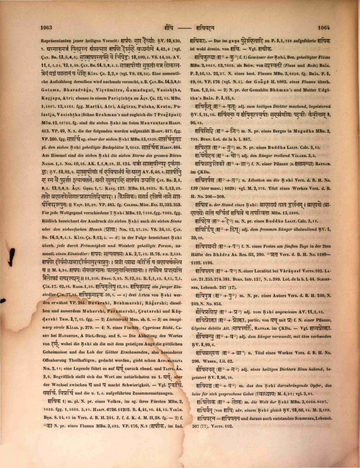
Originaltext · Deutsch · Worttyp nicht bestimmt
ṛṣi 5〉 Bez. der Zahl sieben Ind. St. 8,167. — 6〉 der Mond WEBER, JYOT. 89. fgg.
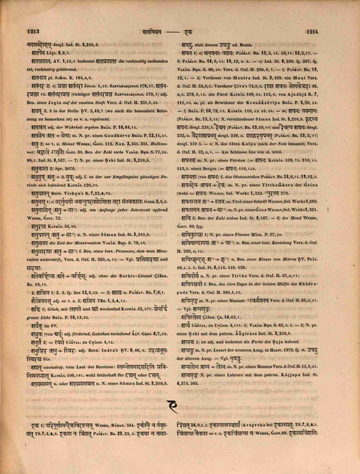
Böhtlingk 1879 Substantiv Maskulin · Worttyp nicht bestimmt
Originaltext · Deutsch · Substantiv Maskulin
ṛ́ṣi m. — 1〉 Sänger heiliger Lieder, Dichter, ein Heiliger der Vorzeit. Pl. eine best. Klasse hochverehrter Wesen, deren Zahl häufig als sieben bestimmt wird. in der späteren Kosmologie hat jedes Manvantara seine besondern sieben Ṛṣi. — 2〉 ein von einem Sänger der Vorzeit gedichtetes Lied. — 3〉 später eine durch Frömmigkeit und Weisheit geheiligte Person, insbes. ein solcher Einsiedler. — 4〉 Pl. die sieben Sterne des grossen Bären. — 5〉 Bez. der Zahl sieben. — 6〉 der Mond. — 7〉 *Lichtstrahl. — 8〉 an imaginary circle. — 9〉 *Cyprinus rishi.
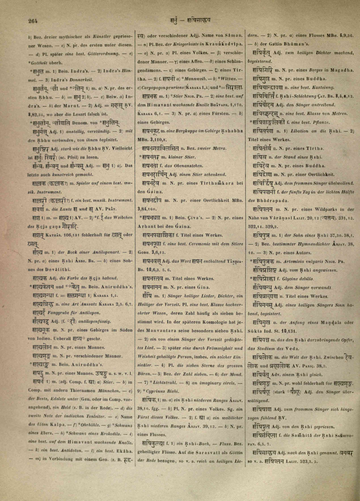
Originaltext · Deutsch · Worttyp nicht bestimmt
ṛṣi 3〉 nimmt die 7te Stelle unter den Brahmanen ein; steht zwischen dem ṛṣikalpa und dem muni HEMĀDRI 1,26,4. HEMĀDRI 1,27,1. [Nachtrag, Band 4]
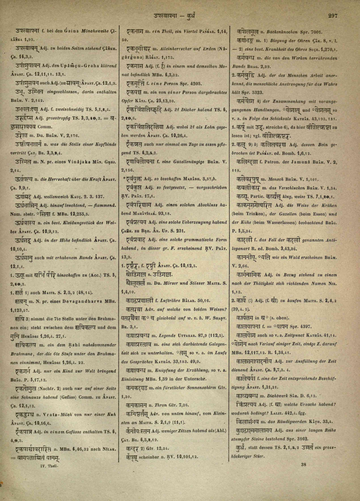
Originaltext · Deutsch · Worttyp nicht bestimmt
ṛṣi I. 4. [Nachtrag, Band 7]
Apte 1890 Substantiv Maskulin
Originaltext · Englisch · Substantiv Maskulin
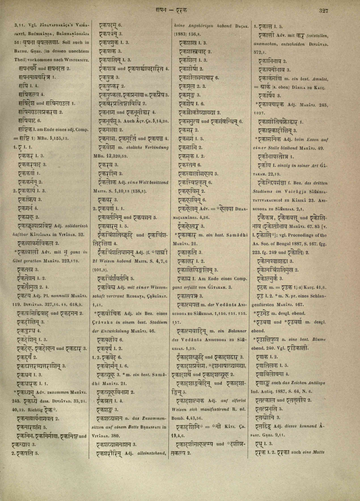
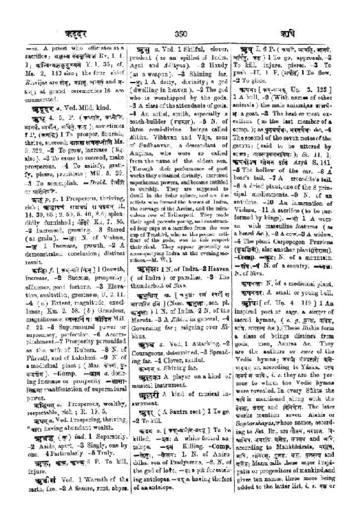
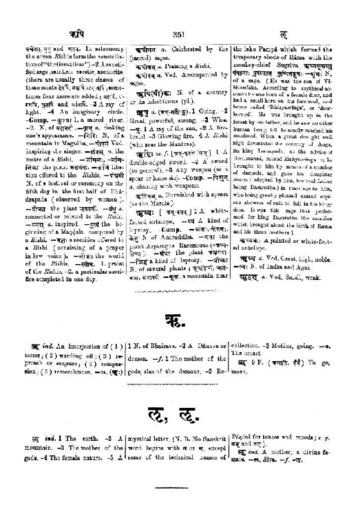
ṛṣiḥ [cf. Uṇ. 4. 119] 1 An inspired poet or sage, a singer of sacred hymns, (e. g. kutsa, vasiṣṭha, atri, agastya &c.). (These Ṛṣis form a class of beings distinct from gods, men, Asuras &c. They are the authors or seers of the Vedic hymns; ṛṣayo maṃtradraṣṭāro vasiṣṭhādayaḥ; or, according to Yāska, yasya vākyaṃ sa ṛṣiḥ, i. e. they are the persons to whom the Vedic hymns were revealed. In every Sūkta the ṛṣi is mentioned along with the devatā, chaṃdas and viniyoga. The later works mention seven Ṛṣis or Saptarṣayas, whose names, according to Śat. Br., are gautama, bharadvāja, viśvāmitra, jamadagni, vasiṣṭha, kaśyapa and atri; according to Mahābhārata, marīci, atri, aṃgiras, pulaha, kratu, pulastya and vasiṣṭha; Manu calls these sages Prajāpatis or progenitors of mankind, and gives ten names, three more being added to the latter list, i. e. dakṣa or ([Page 0351-a]) pracetas, bhṛgu and nārada. In astronomy the seven Ṛṣis form the constellation of “the Great Bear”). 2 A sanctified sage, saint, an ascetic, anchorite; there are usually three classes of these saints; devarṣi, brahmarṣi or rājarṣi; sometimes four more are added; maharṣi, paramarṣi, śrutarṣi and kāṃḍarṣi. 3 A ray of light. 4 An imaginary circle. Comp. — kulyā 1 a sacred river. 2 N. of mahānadī. — kṛt a. making one's appearance. — giriḥ N. of a mountain in Magadha. — codanaṃ Ved. inspiring the singer. — chaṃdas n. the metre of a Ṛṣi. — jāṃgalaḥ, — jāṃgalikā the plant ṛkṣagaṃdhā. — tarpaṇaṃ libation offered to the Ṛṣis. — paṃcamī N. of a festival or ceremony on the fifth day in the first half of Bhādrapada (observed by women). — proktā the plant māṣaparṇī. — baṃdhu a. connected or related to the Ṛṣi. — manas a. inspired. — mukhaṃ the beginning of a Maṇḍala composed by a Ṛṣi. — yajñaḥ a sacrifice offered to a Ṛṣi (consisting of a prayer in low voice). — lokaḥ the world of the Ṛṣis. — stomaḥ 1 praise of the Ṛṣis. 2 a particular sacrifice completed in one day.
Cappeller 1887 Substantiv Maskulin
Originaltext · Deutsch · Substantiv Maskulin
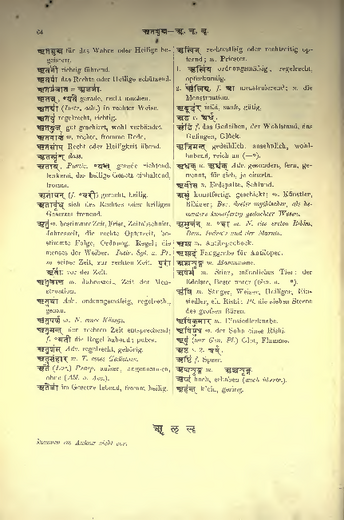
ṛ́ṣi m. Sänger, Weiser, Heiliger, Einsiedler, ein Rishi; Pl. die sieben Sterne des großen Bären.
Burnouf 1866 Substantiv Maskulin
Originaltext · Französisch · Substantiv Maskulin
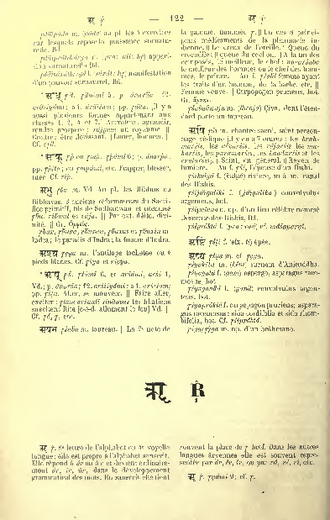
ṛṣi ṛṣi m. chantre sacré, saint personnage védique [il y en a 7 ordres: les brahmarṣis, les devarṣis, les rājarṣis les maharṣis, les paramarṣis, les kandarṣis et les śrutarṣis]. Saint, en général. Rayon de lumière. — Au f. ṛṣī, l'épouse d'un Ṛṣi. ṛṣikulyā f. (kulyā) rivière, m à m. canal des ṛṣis. ṛṣijāṅgalikī f. (jāṅgalika) convolvulus argenteus, bot. ṛṣipatana n. np. d'un lieu célèbre nommé Descente-des-Rishis, Bd. ṛṣiproktā f. (pra; vac) cf. māṣaparṇī.
Quelltextfundstellen (8)
DYS 2 Fundstellen
IVU 1 Fundstelle
SiSa 2 Fundstellen
Mit AYI Free weitermachen
Bildquelle: AYI Archiv.