

vrata व्रत – Gelübde; Observanz
Adjektiv · Substantiv Maskulin · Substantiv Neutrum · Worttyp nicht bestimmt
Wörterbuchquellen
AYI Wörterbuch Substantiv Neutrum
Gelübde; Observanz
Cappeller 1891 Substantiv Neutrum
Originaltext · Englisch · Substantiv Neutrum
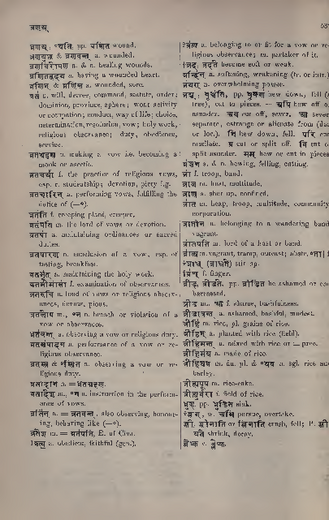
vratá ·n. will, decree, command, statute, order; dominion, province, sphere; wont activity or occupation; conduct, way of life; choice, determination, resolution, vow; holy work, religious observance; duty, obedience, service.
Monier-Williams 1872 Substantiv Maskulin · Substantiv Neutrum
Originaltext · Englisch · Substantiv Maskulin · Substantiv Neutrum
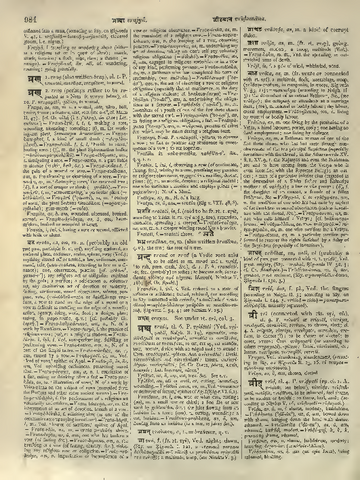
vrata vrata, as, am, m. n. (probably an old past pass. participle fr. rt. vṛ), anything enclosed, an enclosed place, enclosure, realm, sphere, sway (Ved.); anything fenced off or settled, a law, ordinance, com- mand, rule, (anu-vratam, according to law or ordi- nance); rite, observance, practice [cf. arka-v˚, yama-v˚]; any religious act or obligation enjoined by the gods; a sacrifice; a self-chosen or voluntary act, any meritorious act of devotion or austerity, fasting, continence, vowed observance, solemn pur- pose, vow, (asi-dhārā-vrata or āsidhāraṃ vra- tam, a vow to stand on the edge of a sword or a vow as difficult as standing on the edge of a sword); action, agency, doing, work, deed; a design, plan; eating, in payo-vrata, q. v.; [cf. probably Gr. ἑορτή.]
Petersburger 1855 Substantiv Maskulin · Substantiv Neutrum · Worttyp nicht bestimmt
Originaltext · Deutsch · Substantiv Maskulin · Substantiv Neutrum
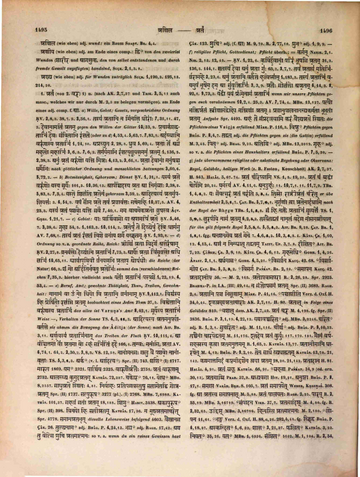
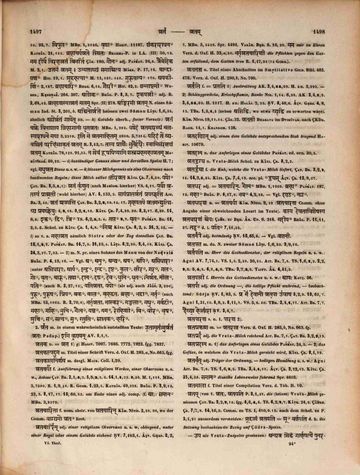
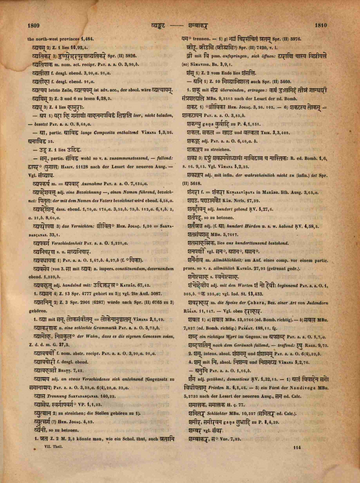
1. vratá (von 2. var) 1〉 n. (nach AK. 2,7,37 und TRIK. 3,5,11 auch masc., welches wir nur durch M. 2,3 zu belegen vermögen). am Ende eines adj. comp. f. ā. a〉 Wille, Gebot; Gesetz, vorgeschriebene Ordnung ṚV. 2,8,3. ṚV. 2,38,7. ṚV. 2,8,9. ṚV. 3,56,1. tasyà vra̱tāni̱ na mìnanti̱ dhīrā̀ḥ ṚV. 7,31,11. ṚV. 7,47,3. de̱vānā̱matì vra̱tam gegen den Willen der Götter ṚV. 10,33,9. pra̱cākàśadbra̱tānì de̱vaḥ sàvi̱tābhi ràkṣate (oder zu d) ṚV. 4,53,4. ṚV. 5,63,7. ṚV. 7,83,9. adàbdhāni̱ varùṇasya vra̱tānì ṚV. 1,24,10. apracyuta ṚV. 2,28,8. dhruva ṚV. 5,69,4. vra̱tā tè agne maha̱to ma̱hānì ṚV. 3,6,5. ṚV. 7,6,2. tamàrya̱mābhi ràkṣatyṛjū̱yanta̱manù vra̱tam ṚV. 1,136,5. ṚV. 2,38,3. anù vra̱taṃ varùṇo yanti mi̱traḥ ṚV. 4,13,2. ṚV. 3,61,1. vra̱tā de̱vānā̱ṃ manùṣaśca̱ dharmàbhiḥ nach göttlicher Ordnung und menschlichen Satzungen ṚV. 3,60,6. ṚV. 5,72,2. — b〉 Botmässigkeit, Gehorsam; Dienst ṚV. 1,31,1. yasyà vra̱te varùṇo̱ yasya̱ sūryàḥ ṚV. 101,3. ṚV. 10,36,13. āpàścidasya vra̱ta ā nimṛ̀grāḥ ṚV. 2,38,2. ṚV. 5,83,5. ṚV. 7,5,4. yaste̱ śikṣàti vra̱tenà gehorsam ṚV. 3,59,2. ā̱di̱tyasyà vra̱tamùpakṣi̱yantàḥ ṚV. 3,59,3. ṚV. 6,54,9. va̱yaṃ sòma vra̱te tavà pra̱jāvàntaḥ sacemahi ṚV. 10,57,5. AV. 4,25,3. yasyà vra̱taṃ pa̱śavo̱ yanti̱ sarvè AV. 7,40,1. mama vācamekavrato juṣasva ĀŚV. GṚHY. 1,21,7. — c〉 Gebiet: yāḥ pārthìvāso̱ yā a̱pāmapì vra̱te ṚV. 5,46,7. ṚV. 3,38,6. guhya ṚV. 54,5. ṚV. 1,163,3. ṚV. 10,114,2. vra̱teṣù te di̱vyeṣù devi̱ dhāmàsu AV. 7,68,1. tasyà vra̱taṃ ràkṣataṃ vi̱śe janā̀ya̱ śarmà yacchatam ṚV. 1,93,8. — d〉 Ordnung so v. a. geordnete Reihe, Reich: trīṇì vra̱tā vi̱dathè a̱ntarèṣām ṚV. 2,27,8. ja̱nayànto̱ daivyā̀ni vra̱tānì ṚV. 7,75,3. āryā̀ vra̱tā vìsṛ̱janto̱ adhi̱ kṣamì ṚV. 10,65,11. dyāvā̀pṛthi̱vī jànayanna̱bhi vra̱tāpa̱ oṣàdhīḥ die Reiche (der Natur) ṚV. 10,66,9. śaṃ no̱ adìtirbhavatu vra̱tebhìḥ sammt den (verschiedenen) Reichen ṚV. 7,35,9. hierher vielleicht auch yatò vra̱tānì paspa̱śe ṚV. 1,22,19. ṚV. 4,53,4. — e〉 Beruf, Amt; gewohnte Thätigkeit, Thun, Treiben, Gewohnheit: nā̱nā̱naṃ vā ù no̱ dhiyo̱ vi vra̱tāni̱ janā̀nām ṚV. 9,112,1. viśvàsya̱ hi preṣìto̱ rakṣàsi vra̱tam beobachtest eines Jeden Thun ṚV. 9,37,5. viśvettāni̱ varùṇasya vra̱tānì das alles ist Varuṇaʼs Amt ṚV. 8,42,1. sūryàsya vra̱tānì Weise —, Verhalten der Sonne TS. 4,3,11,3. ādityasya vratamanuparyābartante sie ahmen die Bewegung des Āditya (der Sonne) nach AIT. BR. 3,11. a̱rṇa̱vasyà vra̱tāmìnāt das Treiben der Fluth ṚV. 10,111,4. ā vàści̱ttamā vò vra̱tamā vo̱ 'haṃ samìtiṃ dade ṚV. 10,166,4. tanvaḥ, manāṃsi, vratā AV. 6,74,1. AV. 6,64,2. AV. 2,30,2. AV. 3,8,5. VS. 12,58. nānā̀manasaḥ khalu̱ vai pa̱śavo̱ nānā̀vṛtāḥ TS. 5,3,1,3. arka˚ (v. l. āditya˚) Spr. (II) 743. śaśi˚ Spr. (I) 1717. māruta Spr. (I) 1869. yama˚ Spr. (I) 2321. pārthiva Spr. (I) 2325. vāruṇairvrataiḥ Spr. (I) 2751. vrataṃ vāruṇam Spr. (I) 2752. ālambya kumudavratam KATHĀS. 72,287. cakora˚ KATHĀS. 76,11. yodha˚ MBH. 8,2557. sādhuvrate sthitaḥ MBH. 4,81. nirvāhaḥ pratipannavastuṣu satāmetaddhi gotravratam Spr. (II) 1737. satpuruṣa˚ Spr. (II) 3277 (pl.). Spr. (I) 2768. MBH. 7,6988. KATHĀS. 101,37. sahajaṃ satāṃ vratam KATHĀS. 18,188. śiśu˚ HARIV. 3438. akāpuruṣa˚ Spr. (II) 398. vinayo hi satīvratam KATHĀS. 17,56. na mūḍhavratamācaret Spr. 4778. samānavratabhṛt dieselbe Lebensweise befolgend Spr. 4603. vaikhānasa ŚĀK. 26. tulyanāma˚ adj. BHĀG. P. 4,24,13. bhagna˚ adj. RAGH. 17,42. atha tu vetsi śuci vratamātmanaḥ so v. a. wenn du ein reines Gewissen hast ŚĀK. 123. śuci˚ adj. (f. ā) M. 9,70. R. 2,77,10. śubha˚ adj. R. 1,9,9. — f〉 religiöse Pflicht, Gottesdienst; Pflicht überh.; = karman NAIGH. 2,1. NIR. 2,13. NIR. 12,45. — ṚV. 1,22,6. ka̱virde̱vānā̱ṃ parì bhūṣasi vra̱tam ṚV. 31,2. ṚV. 136,5. ṚV. 144,1. ṛ̱tasyà de̱vā anù vra̱tā gùḥ ṚV. 65,3. ṚV. 3,7,7. tavà vra̱tāyà ma̱tibhìrjarāmahe ṚV. 2,23,6. anù vra̱tāni̱ vartàte ha̱viṣmā̀n ṚV. 1,183,3. tasyà vra̱tānì va̱yamupà bhūṣema̱ dama̱ ā sùvṛ̱ktibhìḥ ṚV. 3,3,9. vra̱taiḥ sīkṣànto avra̱tam ṚV. 6,14,3. ṚV. 8,92,1. ṚV. 9,73,3. yadvò va̱yaṃ pràmi̱nāmà vra̱tānì wenn wir unsere Pflichten gegen euch verabsäumen ṚV. 10,2,4. ṚV. 10,25,3. AV. 7,74,4. MBH. 13,127. patyau bhaktirvrataṃ strīṇāmadroho mantriṇāṃ vratam . prajānupālanānanyakarmatā bhūbhṛtāṃ vratam Aufgabe Spr. 4495. ahaṃ te saṃpradāsyāmi karaṃ vaiśyavrate sthiṃtaḥ die Pflichten eines Vaiśya erfüllend MĀRK. P. 116,3. viṣṇu˚ Pflichten gegen BHĀG. P. 8,4,7. tadvrata adj. die Pflichten gegen sie (die Gattin) erfüllend M. 3,45. pitṛ˚ adj. BHAG. 9,25. atithi˚ adj. MBH. 13,2019. gṛha˚ adj. so v. a. die Pflichten eines Haushalters erfüllend BHĀG. P. 7,5,30. — g〉 jede übernommene religiöse oder asketische Begehung oder Observanz: Regel, Gelübde, heiliges Werk (z. B. Fasten, Keuschheit) AK. 2,7,37. H. 843. HALĀY. 5,67. HALĀY. 5,74. vra̱taṃ càriṣyāmi VS. 1,5. VS. 19,30. vra̱taṃ cà śra̱ddhāṃ copaìmi VS. 20,24. gha̱rmasyà AV. 4,11,6. a̱na̱ḍuhàḥ AV. 4,11,11. AV. 10,7,1. AV. 4,11,11. AV. 11,7,9. TBR. 1,4,4,2. yaḥ sàṃvatsa̱raṃ vra̱taṃ caràti TBR. 5,3,4. ti̱sro rātrī̀rvra̱taṃ càret er übe Enthaltsamkeit TBR. 2,5,1,7. ŚAT. BR. 5,7,6,1. bhṛgū̀ṇāṃ tvā vra̱tenādàdhāmi nach der Regel der Bhṛgu TBR. 1,1,4,8. saṃ hi naktàṃ vra̱tānì sṛ̱jyantè TS. 1,5,9,5. kṣu̱rapàvi̱ nāmà vra̱tam TS. 6,2,5,2. tasyaitadvrataṃ nānṛtaṃ vadenna māṃsamaśnīyāt für ihn gilt folgende Regel TS. 2,5,5,6. TS. 5,5,4,3. AIT. BR. 8,28. ŚAT. BR. 1,1,1,1. fgg. anaśanameva vrataṃ mene ŚAT. BR. 7. ŚAT. BR. 4,6,4,2. ŚAT. BR. 10,3,4,2. ŚAT. BR. 10,3,4,4. KĀTY. ŚR. 1,10,12. KĀTY. ŚR. 4,15,4. annaṃ na nindyāt tadvratam TAITT. UP. 3,7. TAITT. UP. 3,8. dīkṣita˚ AIT. BR. 7,23. ŚĀṄKH. ŚR. 3,8,10. KĀTY. ŚR. 4,6,13. gṛhamedhi˚ GOBH. 1,4,26. ĀPAST. 2,1,1. ardhamāsa˚ GOBH. 4,5,21. ˚visarjana KAUŚ. 42. KAUŚ. 68. ˚visarjanīya ŚAT. BR. 5,5,3,2. ˚visarga PAÑCAV. BR. 2,10. ˚samāpana KAUŚ. 42. vratādānīya KAUŚ. 56. — M. 2,165. vratopavāsaparā R. 2,26,28. Spr. 2925. BRAHMA-P. in LA. (III) 49,14. na saṃtoṣasamaṃ vratam Spr. (II) 3689. RAGH. 2,4. vratāni pañca bhikṣūṇām MĀRK. P. 41,16. ˚pañcāśīti Verz. d. Oxf. H. 34,b,44. ekabrahmavratācārāḥ AK. 2,7,11. H. 80. bratāt in Folge eines Gelübdes H. 810. ˚vaśāt dass. AK. 2,7,43. vrataṃ car M. 4,198. fg. Spr. (II) 3836. BHĀG. P. 3,1,19. BHĀG. P. 4,22,12. yathāvaccarita˚ adj. MBH. 3,2246. carita˚ adj. R. 1,3,1. sucarita˚ adj. M. 11,116. cīrṇa˚ adj. BHĀG. P. 9,10,33. taccaināṃ cārayedbratam M. 11,176. etadeva vrataṃ kuryuḥ M. 117. M. 170. M. 181. maunaṃ varṣasahasrasya kṛtvā vratamanuttamam R. 1,65,2. KATHĀS. 13,77. vratānīmāni dhārayet M. 4,13. BHĀG. P. 9,2,10. tena sārdhaṃ vyadhādbratam KATHĀS. 13,78. KATHĀS. 21,142. kathamāttamidaṃ kaṣṭamīdṛśena tvayā vratam KATHĀS. 28,20. KATHĀS. 21,142. vratādāna H. 81. HALĀY. 4,91. vrataṃ grah KATHĀS. 66,91. ˚grahaṇa PAÑCAT. 34,9 (PAÑCAT. ed. orn. 30,13). vratamāśri PRAB. 52,9. adhyavasā HIT. 19,21. anuṣṭhā BHĀG. P. 8,17,1. samāpta VARĀH. BṚH. S. 105,7. vrataṃ samāpayet WEBER, KṚṢṆAJ. 308. fg. ā vratasya samāpanāt M. 5,88. vrataṃ pālayataḥ RAGH. 2,25. pāray R. 2,55,19. MBH. 3,16719. ˚saṃpādana VIKR. 37,7. vratamādiś M. 4,80. fg. R. 2,52,65. uddiś MBH. 3,16716. hinasti vratamātmanaḥ M. 2,180. ˚lopana M. 11,61. ˚bhaṅga Verz. d. Oxf. H. 88,a,26. Verz. d. Oxf. H. 282,b,41. fg. cchidra BHĀG. P. 6,18,57. askandita˚ BHĀG. P. 1,6,32. śānta˚ BHĀG. P. 3,21,37. phalita˚ KATHĀS. 3,23. niyata˚ KATHĀS. 35,26. yata˚ MBH. 1,6936. saṃśita˚ MBH. 1,5102. M. 1,104. R. 2,54,10. R. 2,95,7. vipula˚ MBH. 1,5126. vṛthā˚ HARIV. 11187. śaṃkarārādhana˚ KATHĀS. 21,142. brahmacaryavrate sthitaḥ BRAHMA-P. in LA. (III) 50,13. mama dīrghaṃ virahavrataṃ bibharti ŚĀK. 180. mauna˚ adj. PAÑCAT. 94,8. traivedika M. 3,1. uttamaṃ vratam . unmattākhyaṃ samāśritya MĀRK. P. 17,16. cāndrāyaṇa˚ HIT. 19,1. śūdrahatyā˚ M. 11,131. M. 11,140. gurutalpa˚ M. 170. avakīrṇi˚ M. 2,187. brahmacāri˚ BHAG. 6,14. gaurī˚ HIT. 42,2. janmāṣṭamī˚ WEBER, KṚṢṆAJ. 264. WEBER, KṚṢṆAJ. 307. aloka˚ BHĀG. P. 8,3,7. ekapatnī˚ adj. R. 2,64,42. brāhmaṇasyāvrataṃ malam Spr. (II) 278. aṅgirasāṃ vratam N. eines Sāman Ind. St. 3,201,b. aśvinorvrate heissen zwei Sāman LĀṬY. 1,6,34. ähnlich agnervrataṃ gāyet LĀṬY. 39. — h〉 Gelübde überh., fester Vorsatz: vrataṃ cakre vināśāya jihmagānāṃ dhṛtavrataḥ MBH. 1,982. yathedaṃ vratamārabdhaṃ nalasyārādhane mayā MBH. 3,2210. iti me vratamāhitam MBH. 3,2600. MBH. 5,7314. yadidaṃ te vyavasitaṃ parahiṃsākṛtaṃ vratam R. 3,13,7. tasya prāṇaiḥ sutairdāraiḥ svāmisaṃrakṣaṇaṃ vratam KATHĀS. 78,128. KATHĀS. 91,53. na tvevaṃ dūṣayiṣyāmi śastragrahamahāvratam MAHĀVĪRAC. 40,22. — i〉 beständiger Genuss einer und derselben Speise H. 7; vgl. madhuvrata Biene u. s. w. — k〉 blosser Milchgenuss als eine Observanz nach bestimmten Regeln; diese Milch selbst (kṣīravrata KĀTY. ŚR. 7,4,20. payo˚ ŚAT. BR. 9,5,1,1): vra̱taṃ kṛ̀ṇuta (nach MAHĪDH. hierher) VS. 4,11. pūrvā̀ vra̱tasyà prāśna̱ṃtī (wohl hierher) AV. 6,133,2. sāyaṃprātarvrataṃ prayacchanti AIT. BR. 3,40. vrataṃ śrapayanti ŚAT. BR. 3,2,2,10. ŚAT. BR. 3,2,2,14. ŚAT. BR. 3,2,2,17. gṛhapataye vratamabhyutsicya prayaccheyuḥ ŚAT. BR. 4,2,15. ŚAT. BR. 9,2,1,18. KĀTY. ŚR. 7,4,29. KĀTY. ŚR. 7,4,32. KĀTY. ŚR. 8,3,17. KĀTY. ŚR. 8,6,30. KĀTY. ŚR. 16,6,8. eka˚, dvi˚, tri˚ TS. 6,2,5,3. TS. 6,2,5,4. tapta˚ TS. 2,7. ghṛta˚ PAÑCAV. BR. 18,2,5. PAÑCAV. BR. 18,2,6. Schol. zu KĀTY. ŚR. 1,4,8. ˚miśra KĀTY. ŚR. 8,2,2. KĀTY. ŚR. 26,3,33. — l〉 so v. a. mahāvrata nämlich Stotra oder der Tag desselben ŚAT. BR. 10,1,2,7. PAÑCAV. BR. 16,7,5. PAÑCAV. BR. 21,15,4. LĀṬY. 8,2,20. LĀṬY. 9,4,18. KĀTY. ŚR. 24,3,27. KĀTY. ŚR. 24,7,33. — 2〉 m. N. pr. eines Sohnes des Manu von der Naḍvalā BHĀG. P. 4,13,16. — Vgl. a˚, anu˚, anya˚, apa˚, api˚, asidhārā˚ (unter asidhārā), ārya˚, indu˚, indra˚, iṣṭa˚, kula˚, kṣīra˚, gara˚, gala˚, go˚, ghṛta˚, cāru˚, tathā˚, dāna˚, dṛḍha˚, deva˚, dhuni˚, dhṛta˚, nirvrata, nīla˚, pati˚ (auch R. 2,27,12), pativratā, payo˚ (als adj. auch YĀJÑ. 3,290), puru˚, puruṣa˚, priya˚, baka˚, bāla˚, bṛhadbrata, brahma˚, bhadrā˚, bhartṛ˚ (auch MBH. 15,1062. R. 2,70,8), bhartṛvratā, bhāskara˚, maṅgalā˚, madhu˚, markaṭī˚, mahā˚, mahi˚, muni˚, mauna˚, yajña˚, yama˚, rohiṇī˚, vi˚, vīra˚, vṛṣa˚, śuci˚, sa˚, satya˚, su˚, stuti˚, snātaka˚, hari˚.
Originaltext · Deutsch · Substantiv Maskulin
2. vráta m. in einem wahrscheinlich entstellten Texte: u̱tāmṛtā̀su̱rvratà (vrataḥ Padapāṭha padap.) emi kṛ̱ṇvan AV. 5,1,7.
Originaltext · Deutsch · Worttyp nicht bestimmt
1. vrata Z. 2 M. 2,3 könnte man, wie ein Schol. thut, auch bratāni yama˚ trennen. — 1〉g〉 bhagnaṃ cirasaṃcitaṃ vratam Spr. (II) 5976.
Böhtlingk 1879 Adjektiv · Substantiv Maskulin · Substantiv Neutrum
Originaltext · Deutsch · Adjektiv · Substantiv Maskulin · Substantiv Neutrum
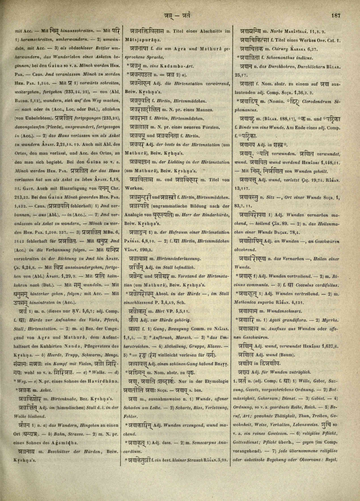
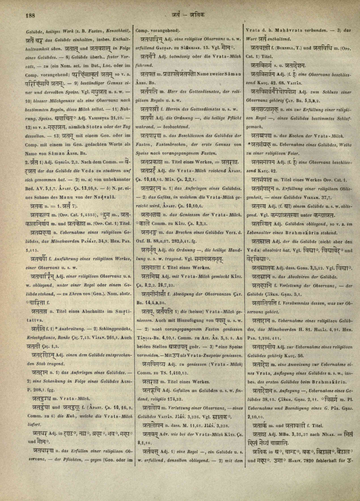
1. vratá n. (adj. Comp. f. ā) — 1〉 Wille, Gebot, Satzung, Gesetz, vorgeschriebene Ordnung. — 2〉 Botmässigkeit, Gehorsam; Dienst. — 3〉 Gebiet. — 4〉 Ordnung, so v. a. geordnete Reihe, Reich. — 5〉 Beruf, Art; gewohnte Thätigkeit, Thun, Treiben, Gewohnheit, Weise, Verhalten, Lebensweise. śuci so v. a. ein reines Gewissen. — 6〉 religiöse Pflicht, Gottesdienst; Pflicht überh., — gegen (im Comp. vorangehend). — 7〉 jede übernommene religiöse oder asketische Begehung oder Observanz; Regel, [Page6-188-a] Gelübde, heiliges Werk (z. B. Fasten, Keuschheit). vratáṃ car das Gelübde einhalten, insbes. Enthaltsamkeit üben. vratāt und vratavaśāt in Folge eines Gelübdes. — 8〉 Gelübde überh., fester Vorsatz, — zu (ein Nom. act. im Dat., Loc. oder im Comp. vorangehend: parahiṃsākṛtaṃ vratam so v. a. parihiṃsāyai vratam). — 9〉 beständiger Genuss einer und derselben Speise. Vgl. madhuvrata u. s. w. — 10〉 blosser Milchgenuss als eine Observanz nach bestimmten Regeln, diese Milch selbst. — 11〉 Nahrung, Speise. ayācita˚ Adj. VASIṢṬHA 21,20. — 12〉 so v. a. mahāvrata, nämlich Stotra oder der Tag desselben. — 13〉 vratam mit einem Gen. oder im Comp. mit einem im Gen. gedachten Worte als Name von Sāman ĀRṢ. BR. 2. — vráta — 1〉 Adj. GṚHYĀS. 2,3. Nach dem Comm. — vedavrata der das Gelübde die Veda zu studiren auf sich genommen hat. — 2〉 m. — a〉 von unbekannter Bed. AV. 5,1,7. ĀPAST. ŚR. 13,16,8. — b〉 N. pr. eines Sohnes des Manu von der Naḍvalā.
Apte 1890 Substantiv Maskulin · Substantiv Neutrum
Originaltext · Englisch · Substantiv Maskulin
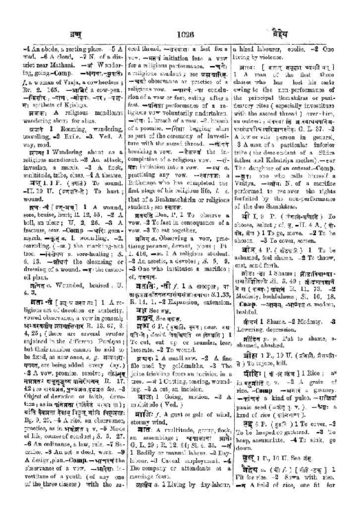
vrataḥ -taṃ [vraj-gha jasya taḥ] 1 A religious act of devotion or austerity, vowed observance, a vow in general; abhyasyatīva vratamāsidhāraṃ R. 13. 67, R. 2. 4, R. 2. 25; (there are several vratas enjoined in the different Purāṇas; but their number cannot be said to be fixed, as new ones, e. g. satyanārāyaṇavrata, are being added every day.) 2 A vow, promise, resolve; so'bhūd bhagnavrataḥ śatrūnuddhṛtya pratiropayan R. 17. 42; so satyavrata, puṇyavrata, dṛḍhavrata &c. 3 Object of devotion or faith, devotion; as in pativratā (patirvrataṃ yasyāḥ sā); yāṃti devavratā devān pitṝn yāṃti pitṛvratāḥ Bg. 9. 25. 4 A rite, an observance, practice, as in arkavrata q v. 5 Mode of life, course of conduct; Ś. 5. 27. 6 An ordinance, a law, rule. 7 Sacrifice. 8 An act, a deed, work. 9 A design, plan. Comp. — ācaraṇaṃ the observance of a vow. — ādeśaḥ investiture of a youth (of any one of the three classes) with the ([Page 1026-b]) sacred thread. — upavāsaḥ a fast for a vow. — grahaṇaṃ initiation into a vow for a religious performance. — caryaḥ a religious student; see brahmacārin. — caryā observance or practice of a religious vow. — pāraṇaṃ, -ṇā conclusion of a vow or fast, eating after a fast. — pratiṣṭhā performance of a religious vow voluntarily undertaken. — bhaṃgaḥ 1 breach of a vow. 2 breach of a promise. — bhikṣā begging alms as part of the ceremony of investiture with the sacred thread. — lopanaṃ breaking a vow. — vaikalyaṃ the incompletion of a religious vow. — saṃgrahaḥ initiation into a vow. — stha a. practising any vow. — snātakaḥ a Brāhmaṇa who has completed the first stage of his religious life, i. e. that of a Brahmacārin or religious student; see snātaka.
Originaltext · Englisch · Substantiv Neutrum
vrataḥ -taṃ [vraj-gha jasya taḥ] 1 A religious act of devotion or austerity, vowed observance, a vow in general; abhyasyatīva vratamāsidhāraṃ R. 13. 67, R. 2. 4, R. 2. 25; (there are several vratas enjoined in the different Purāṇas; but their number cannot be said to be fixed, as new ones, e. g. satyanārāyaṇavrata, are being added every day.) 2 A vow, promise, resolve; so'bhūd bhagnavrataḥ śatrūnuddhṛtya pratiropayan R. 17. 42; so satyavrata, puṇyavrata, dṛḍhavrata &c. 3 Object of devotion or faith, devotion; as in pativratā (patirvrataṃ yasyāḥ sā); yāṃti devavratā devān pitṝn yāṃti pitṛvratāḥ Bg. 9. 25. 4 A rite, an observance, practice, as in arkavrata q v. 5 Mode of life, course of conduct; Ś. 5. 27. 6 An ordinance, a law, rule. 7 Sacrifice. 8 An act, a deed, work. 9 A design, plan. Comp. — ācaraṇaṃ the observance of a vow. — ādeśaḥ investiture of a youth (of any one of the three classes) with the ([Page 1026-b]) sacred thread. — upavāsaḥ a fast for a vow. — grahaṇaṃ initiation into a vow for a religious performance. — caryaḥ a religious student; see brahmacārin. — caryā observance or practice of a religious vow. — pāraṇaṃ, -ṇā conclusion of a vow or fast, eating after a fast. — pratiṣṭhā performance of a religious vow voluntarily undertaken. — bhaṃgaḥ 1 breach of a vow. 2 breach of a promise. — bhikṣā begging alms as part of the ceremony of investiture with the sacred thread. — lopanaṃ breaking a vow. — vaikalyaṃ the incompletion of a religious vow. — saṃgrahaḥ initiation into a vow. — stha a. practising any vow. — snātakaḥ a Brāhmaṇa who has completed the first stage of his religious life, i. e. that of a Brahmacārin or religious student; see snātaka.
Cappeller 1887 Substantiv Neutrum
Originaltext · Deutsch · Substantiv Neutrum
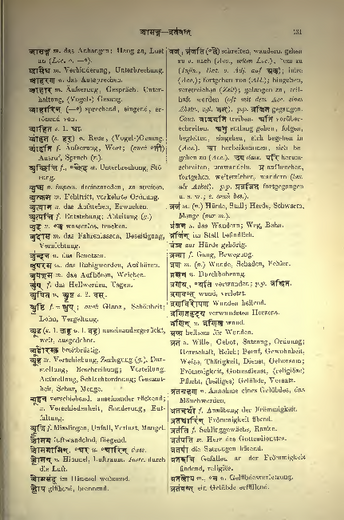
vratá n. Wille, Gebot, Satzung, Ordnung; Herrschaft, Reich; Beruf,Gewohnheit, Weise, Thätigkeit, Dienst, Gehorsam; Frömmigkeit, Gottesdienst, (religiöse) Pflicht, (heiliges) Gelübde, Vorsatz.
Burnouf 1866 Substantiv Maskulin · Substantiv Neutrum
Originaltext · Französisch · Substantiv Maskulin · Substantiv Neutrum
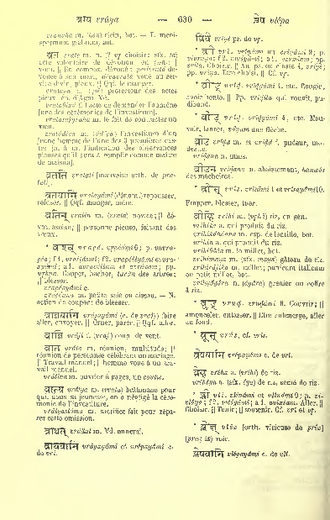
vrata vrata m. n. (? vṛ choisir; sfx. ta) acte volontaire de dévotion, en gén.; vœu. En compos. dévoué: pativratā dévouée à son mari, devavrata voué au service divin, pieux. Qqf. le manger. vratapa a. (pā) protecteur des actes pieux, ép. d'Agni, Vd. vratabhikṣā f. l'acte de demander l'aumône [une des cérémonies de l'investiture]. vratasaṅgraha m. le fait de contracter un vœu. vratādeśa m. (ādeśa) l'investiture d'un jeune homme de l'une des 3 premières castes [m à m. l'indication des observances pieuses qu'il aura à remplir comme maître de maison].
Abgeleitete Wörter
Quelltextfundstellen (6)
HP 1 Fundstelle
PYS 1 Fundstelle
SiSa 2 Fundstellen
SS 1 Fundstelle
SVU 1 Fundstelle
Mit AYI Free weitermachen
Bildquelle: AYI Archiv.