

Nāḍi Śodhana: A Rollercoaster Ride for the Nerves
From feelings of disappointment and discouragement to those of contentment and balance: Sandrine Bremer spoke with us about her experiences while practicing the Second Series and how they have affected the way she shows up on and off the mat.
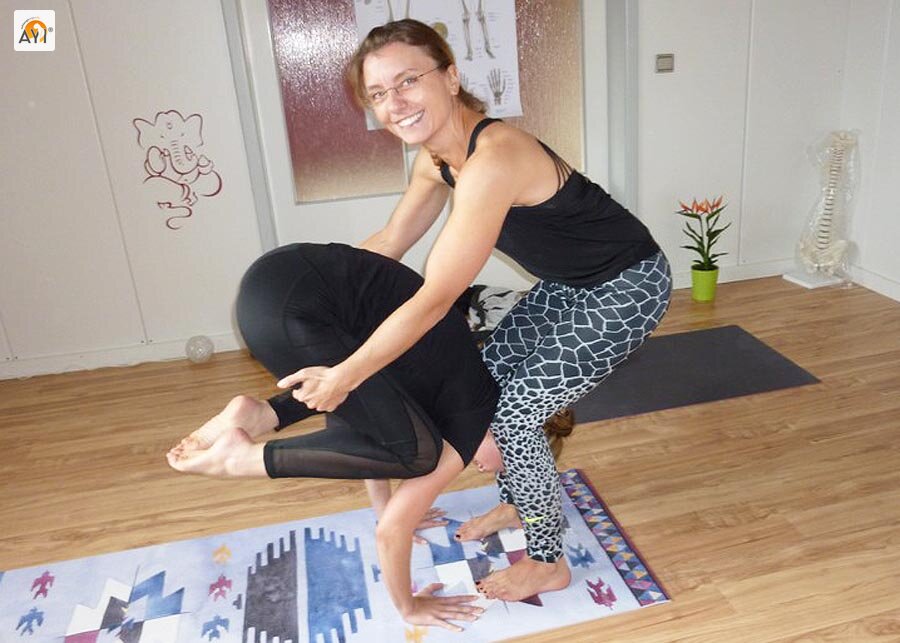
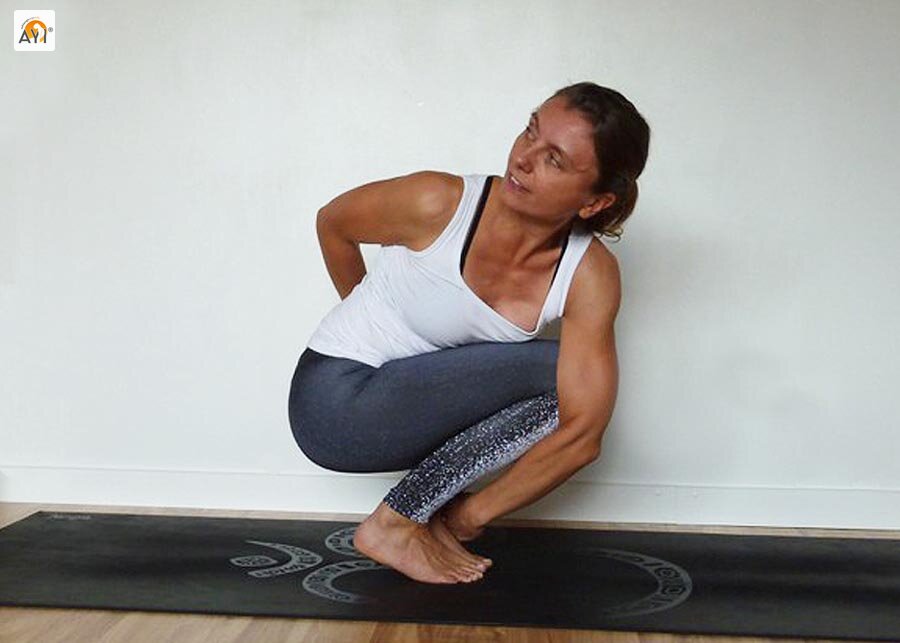
Saṃśaya: self-sabotage from within
“The brain does what brains do,” Anna had told us during training. Mine is admittedly particularly good at it, and I spent a great deal of time brooding. First, I wondered when and why the acute back pain had appeared. Had I given an unhelpful adjustment? Had I missed a moment in everyday life that needed more attention? And why now, just when I had begun seriously examining my unhelpful patterns?
After a good four days with no improvement in sight, the thoughts kept circling: “What if this is not just acute lower back pain? What else could it be? Who can help me? Will I get well again?” A whole tangle of fear, uncertainty, doubt, impatience, self-pity and sadness pulled me further down the spiral. I felt helpless, unsupported and alone.
At the same time, I placed all kinds of expectations and high demands on myself. “I have to get back to work!” my inner voice said. I felt terribly guilty about calling work every week to report sick. What would my colleagues and managers think of me? I practised yoga yet could not move. It felt like a complete standstill.
Returning to life
The longer I brooded, the darker my thoughts became and the less I could move. A real downward spiral developed.
The turning point came only when I began focusing on things I could do. At first these were very small things, such as lying rigidly on my back, buying groceries, cooking something for myself and walking in the woods. After four weeks, my back really did become a little more mobile. I could sit for short periods again, drive short distances and wear proper shoes. Full recovery took several more weeks, however, and even today my back lets me know when it needs extra care.
Autogenic training led me to a surprising mental insight: I could let go of the expectation that I had to be healthy, and that only being healthy made me valuable and lovable. What an enormous relief. Visualisation was another helpful tool. I began imagining myself back on my yoga mat, practising the most beautiful sun salutation I could picture. I also imagined sitting on my meditation cushion one day and telling my students about what I was experiencing: “Back then, something extraordinary happened to me …” This made me realise how strongly my thoughts shape my life. In other words, I decide how I see the world: bleak and unfair, or colourful and friendly. With this vision in mind, I bought a flight ticket for two weeks at Purple Valley later that same year.
Pramāda and Upekṣā: (un)mindfulness and equanimity
During this period of immobility, I also began consciously re-examining my own yoga practice. I realised that I had previously experienced no discomfort while practising; I had always felt good and very balanced afterwards. Even so, I had not always maintained a loving, caring connection with my back or my body as a whole. Even during my illness, there were days when I dragged myself onto the mat and practised although my back was practically crying out for a break.
“Yoga has to help me!” was my only thought at those moments. The next day, I would once again be unable to bend. I first had to let go of this idea too, and turn towards mental flexibility, clarity and stillness of thought. Eventually, I became able to accept the situation as the next step in my development and engage with it. This also gave me the strength to address difficult aspects of my past, including finally working through my relationship with my mother—a process that was very painful at times. In the end, it was worthwhile and became another important part of my return to vitality and balance.
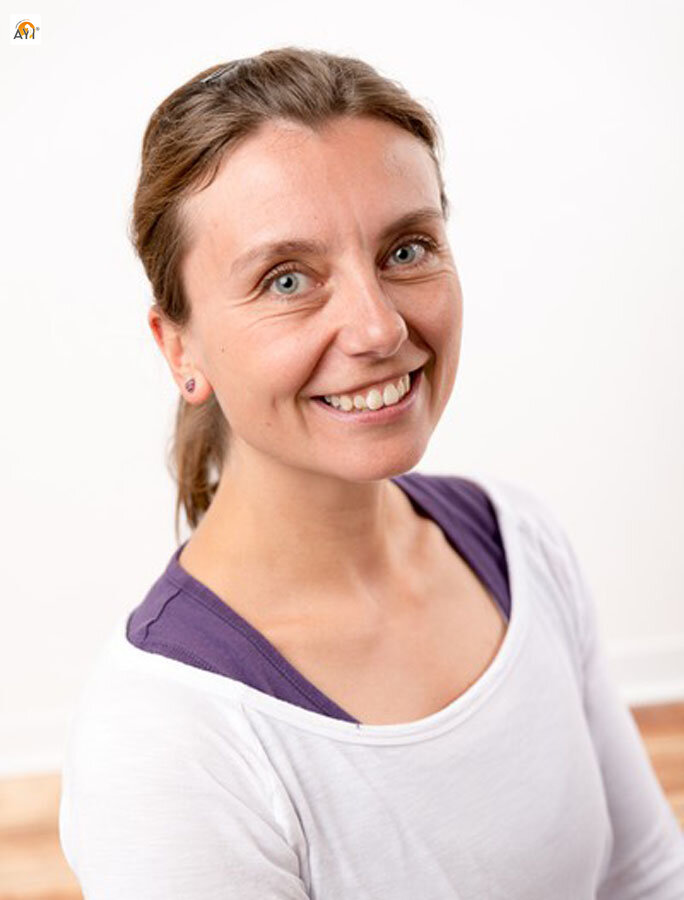
Cultivating gratitude
Looking back, I am certain that being forced to remain immobile was—and still is—very valuable to me. It drew my attention to things I would probably not otherwise have seen so clearly. I noticed how many things I do in daily life as a matter of course, without being aware of them: getting up refreshed and rested, taking a peaceful walk, enjoying a cup of tea, simply driving a car or practising yoga. All these activities were there, but they had become such a habit that I no longer appreciated them. This experience makes it easier for me to see life's beautiful aspects and remain mindful and curious. I want to share this experience because some of you may be in a similar situation, or may have been there before: caught up in your thoughts or confronted with fears and doubts. I want to encourage you to treat yourself attentively and lovingly, and to make the most of your life. After the rain comes sunshine.
Please log in to write a message. Go to login
No messages yet.