Supta Kūrmasana Basic Form
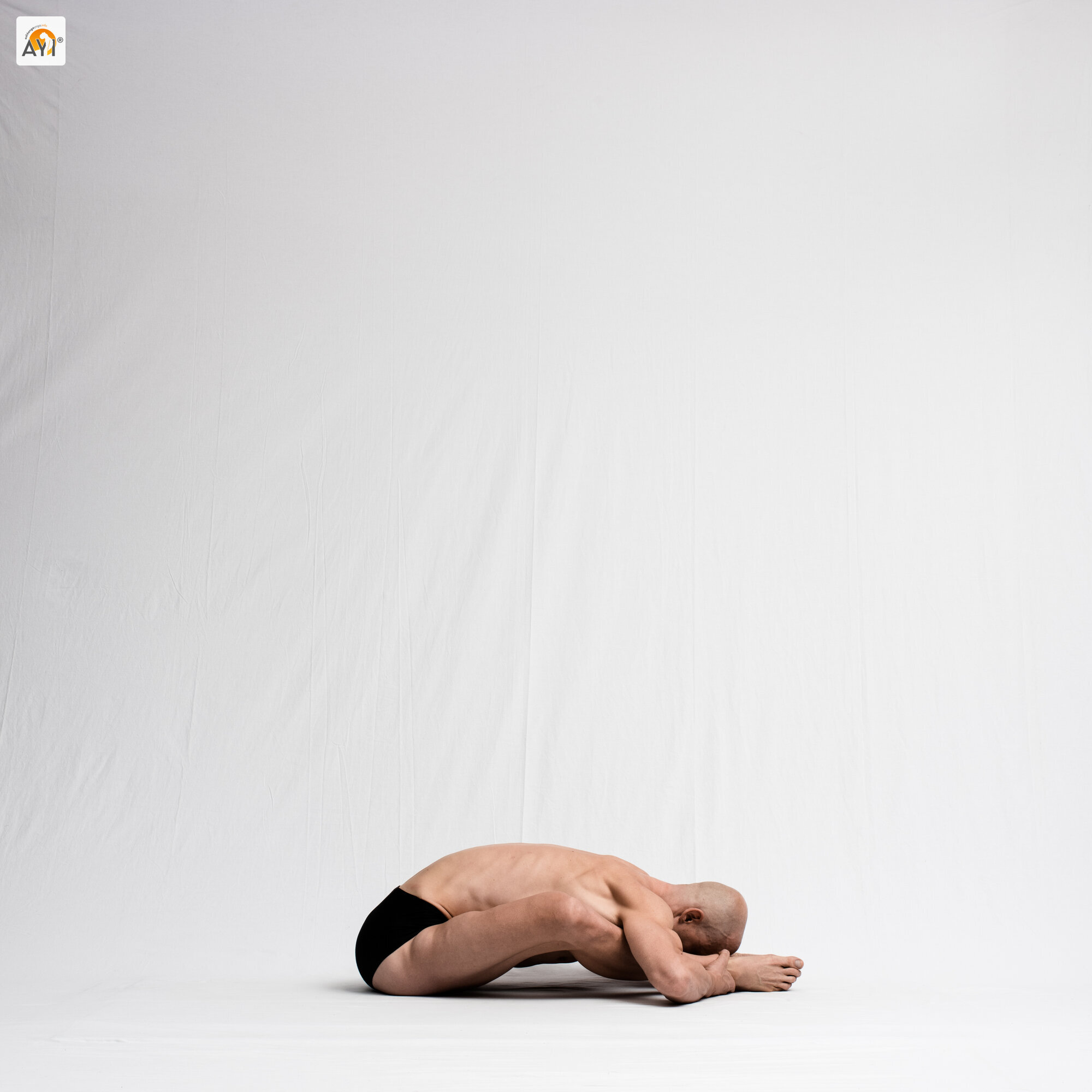
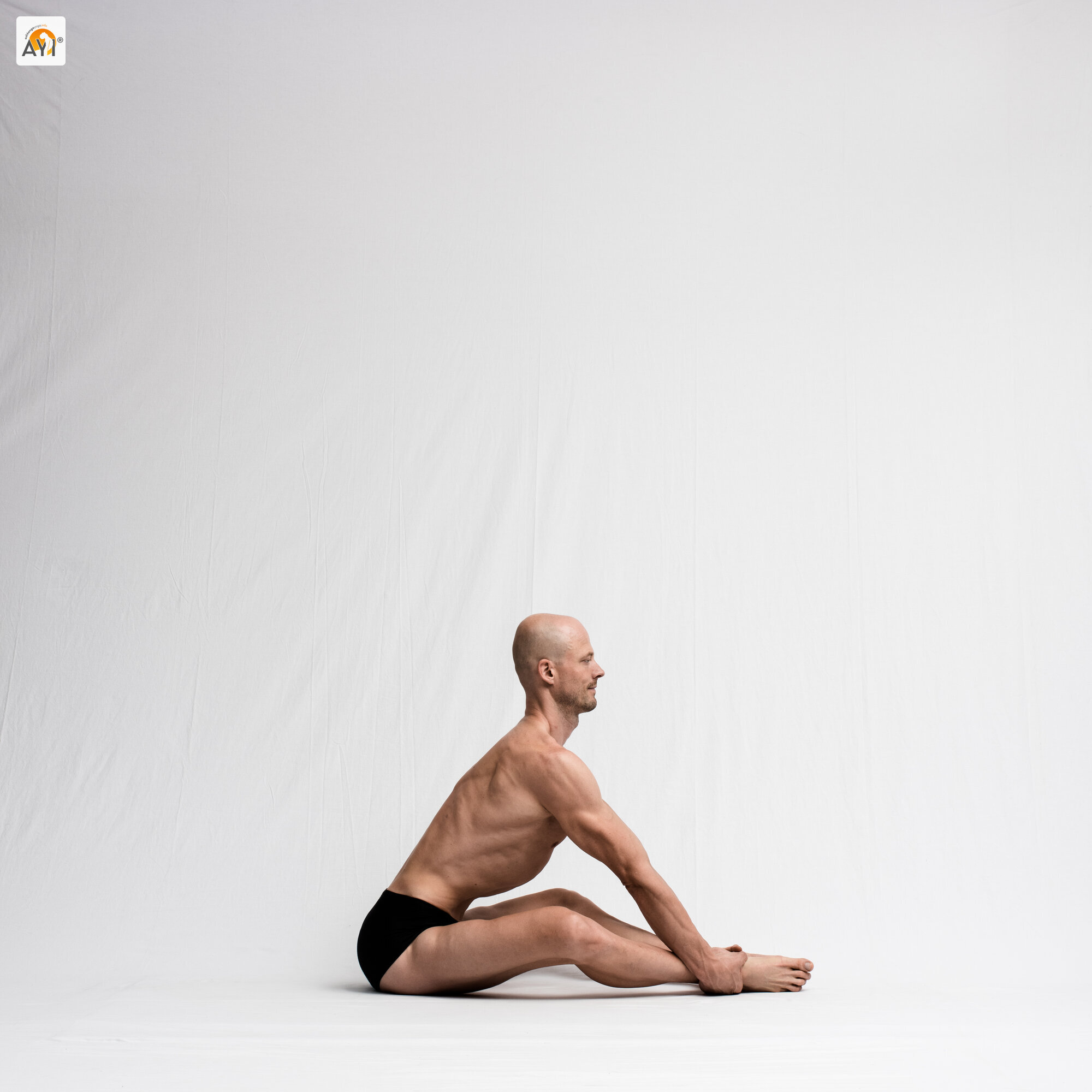
Supta Kūrmasana basic - get in
Supta Kūrmāsana — Traditional Form
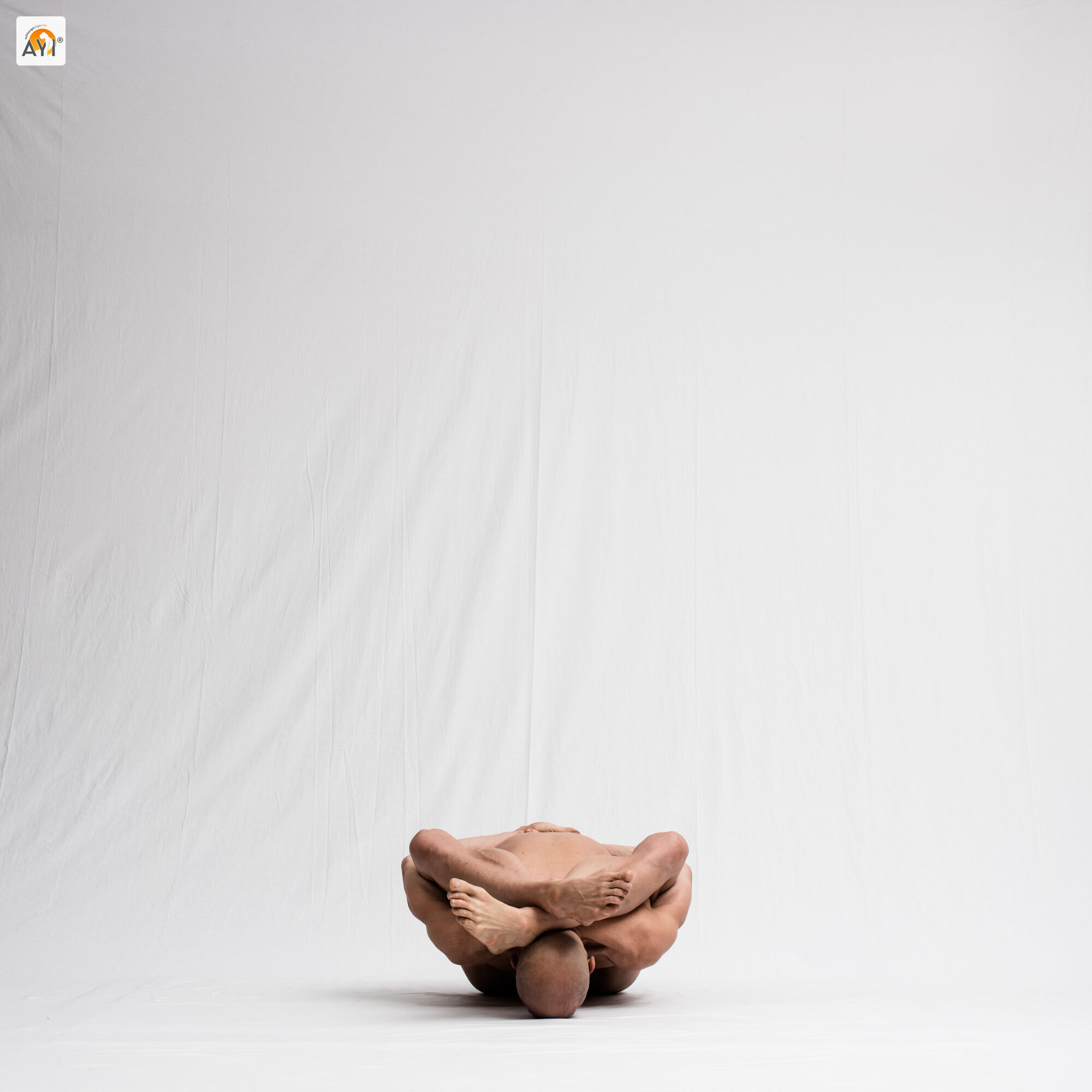
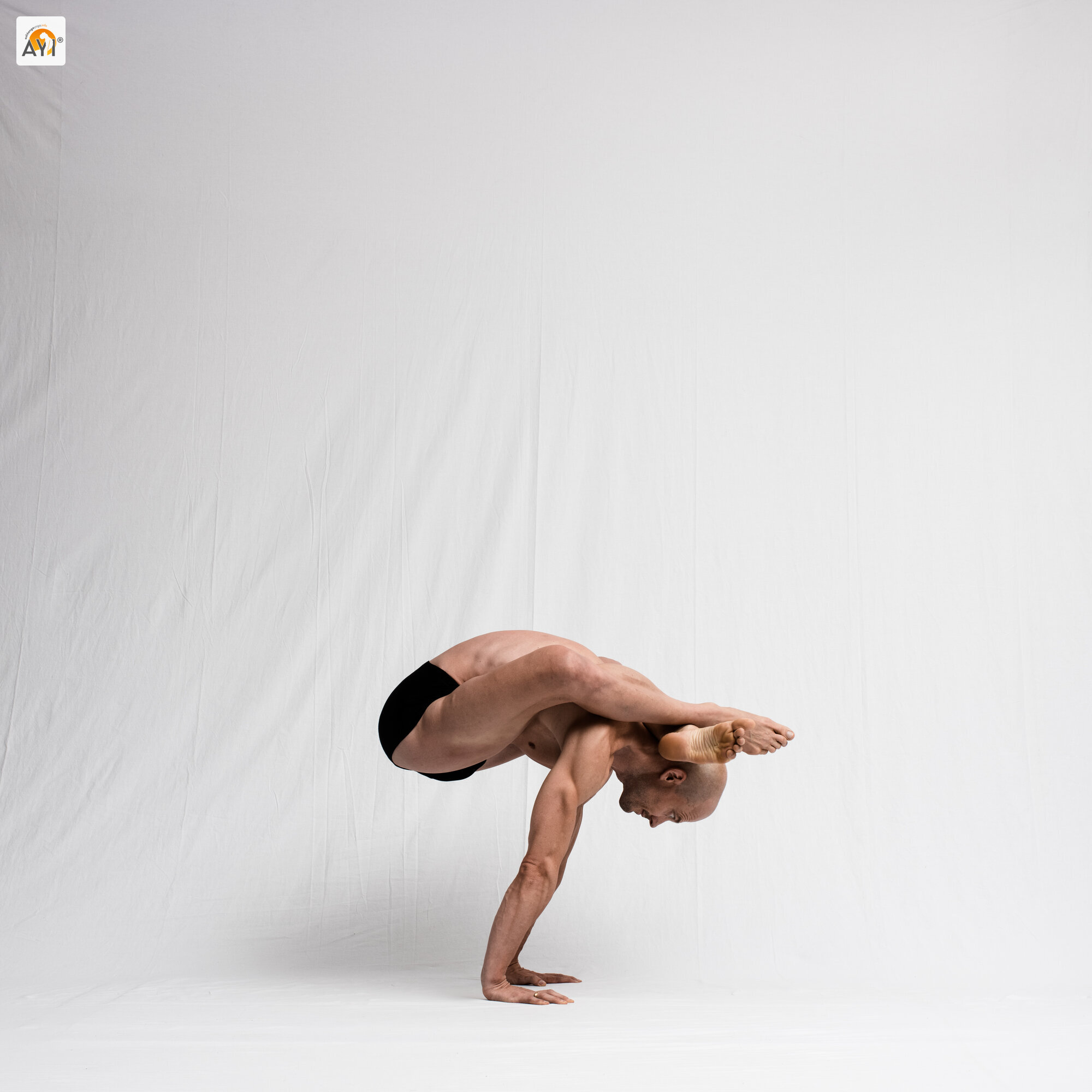
Supta Kūrmāsana — Entering the Traditional Form
Effect
Supta Kūrmāsana is one of the most complete hip-opening postures. It develops flexibility in the hip joints through a combination of external rotation and flexion.
ALIGNMENT TIPS
In this posture, choosing the right version for you is particularly important. Attempting the traditional form without sufficient flexibility can easily overload the body and, in the worst case, injure the back or shoulders. The following tips help you practise safely:
Inward rotation from the pelvis, outward rotation in the thighs:
To create maximum freedom of movement in the hip joints, rotate inwards from the pelvis while countering with outward rotation in the thighs. You will feel your spine lengthen.
Keep the back long:
In both forms, keep the upper body long and the back relatively flat. In the Basic Form, bring your face towards your feet, which are positioned well forwards. In the traditional form, first bring your feet behind your head while sitting. This allows the back to retain its length as you lower forwards.
Do not cross the legs while lying on the floor:
If you try to cross your ankles behind your neck from a prone position, you lose this length in the back and unnecessarily increase pressure on the intervertebral discs.
Shoulder blades in front of the thighs:
When binding the arms, it is tempting to reach underneath the thighs. Reaching backwards in this way creates an unfavourable lever at the shoulder joints, pushing the head of the upper-arm bone forwards in its socket. Only begin working with the arm bind once your elbows can touch the floor in front of your shins in the Basic Form. You can then slide your shoulder blades far enough in front of your thighs to reach backwards with ease.
Do not use a strap to extend the arms:
As long as your upper arms, rather than your shoulder blades, are beneath your thighs, normal body proportions will prevent you from clasping your hands behind your back. A strap is unfortunately not a good idea, because its pull creates even greater shear force at the shoulder joint and increases the risk of injury.
How to Practise
Because the traditional form of Supta Kūrmāsana carries some risk of injury, we begin with its Basic Form, shown in the photo on the right. Here you can safely develop the necessary hip mobility and experience its pleasant effects.
Step 1: Sit with the entire soles of your feet together on the floor in front of you. Place your feet as far from your pelvis as possible.
Step 2: Wrap your hands around the outside of your heels so that the heels lift slightly while the little toes remain on the floor.
Step 3: Bend your arms out to the sides and lengthen your upper body as far forwards as possible. Your elbows approach the floor beside your feet, and your face approaches your feet.
Only begin exploring the traditional form, shown above, when you can comfortably rest your face on your feet in the Basic Form and bring your elbows to the floor in front of your shins.
Step 1: Begin seated. Bring first your left foot, then your right behind your head, crossing the ankles at the back of your neck.
Step 2: Support yourself with both hands on the floor and bring your body into a horizontal position until you lie on your front with your feet behind your head.
Step 3: Your arms are already in front of your thighs. Slide a little further until your shoulder blades are also in front of your thighs. You can then reach backwards and clasp your hands behind your back.
In Aṣṭāṅga Yoga, Supta Kūrmāsana is a posture from the Second Series, Nāḍī Śodhana. Find out more about this and the posture here >>>


Please log in to write a message. Go to login
No messages yet.