

dhāraṇa धारण – retention; sustaining; holding; wearing
adjective · substantive masculine · substantive neuter · Word type unspecified
Dictionary sources
AYI dictionary substantive neuter
retention; sustaining; holding; wearing
Cappeller 1891 Word type unspecified
Original text · English · Word type unspecified
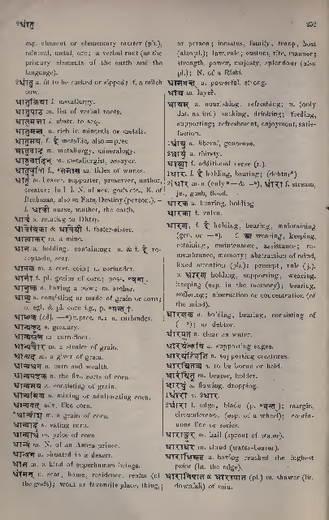
dhāraṇa ·f. ī holding, bearing, maintaining (gen. or --°). -- f. ā wearing, keeping, retaining, maintenance, assistance; remembrance, memory; abstraction of mind, fixed attention (ph.); precept, rule (j.). n. dhā́raṇa holding, supporting, wearing, keeping (esp. in the memory); bearing, suffering; abstraction or concentration (of the mind).
Monier-Williams 1872 adjective
Original text · English · adjective
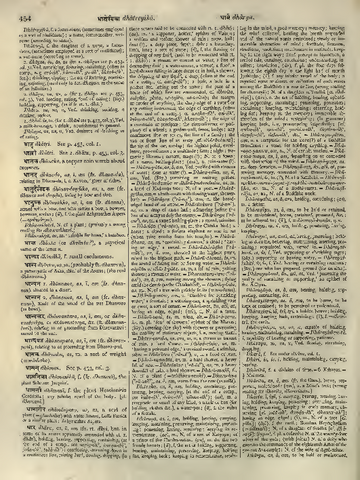
Dhāraṇa, as, ī, am, holding, bearing, carrying. keeping, sustaining, preserving, maintaining, protect- ing; possessing, having, assuming; keeping in re- membrance; (as), m., N. of a son of Kaśyapa; of a prince of the Candra-vatsas; (au), m. du. the two female breasts; (ā), f. the act of holding, supporting, bearing, maintaining, preserving, keeping, holding fast, keeping back; keeping in remembrance, retain- ing in the mind, a good memory; memory; keeping the mind collected, holding the breath suspended and all the natural wants restrained; steady or im- movable abstraction of mind; fortitude, firmness, steadiness, resolution; continuance in rectitude, keep- ing in the right way; fixed precept or injunction, a settled rule, certainty, conclusion; understanding, in- tellect; conviction; (ās), f. pl. the four days fol- lowing the eighth day in the light half of month Jyaiṣṭha; (ī), f. any tubular vessel of the body; a mystical verse or charm or collection of such verses among the Buddhists; a row or line, (wrong reading for dhoraṇī); N. of a daughter of Svadhā [cf. dhā- riṇī]; (am), n. the act of holding, bearing, uphold- ing, supporting, sustaining; possessing, possession; containing; keeping, maintaining; observing, hold- ing fast; keeping in the memory; immovable ab- straction of the mind; restraining; (in grammar) keeping back, i. e. pronouncing imperfectly; [cf. aṅka-dh˚, asu-dh˚, garbha-dh˚, chattra-dh˚, daṇḍa-dh˚, deha-dh˚, &c.]
Petersburger 1855 adjective · substantive masculine · substantive neuter · Word type unspecified
Original text · German · adjective · substantive masculine · substantive neuter
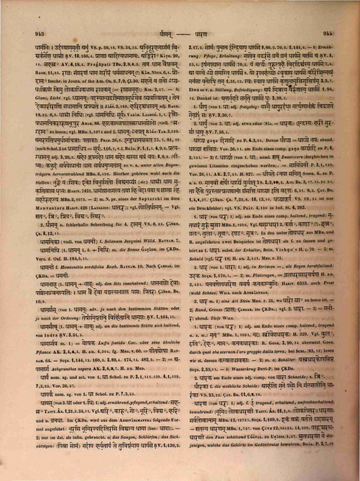
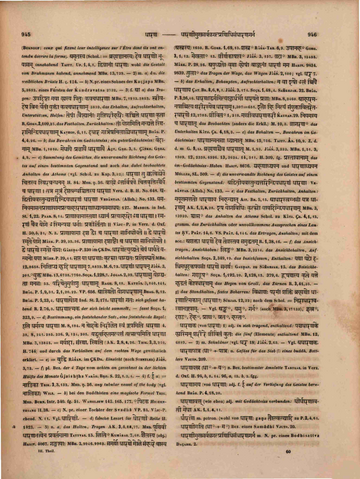
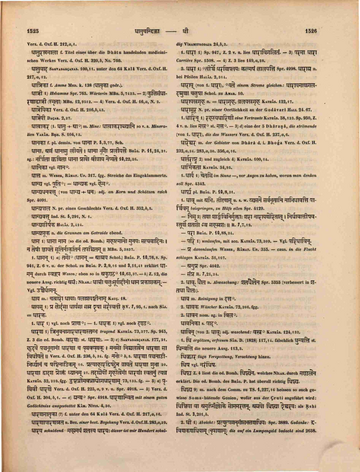
dhāraṇa (von dhar) 1〉 adj. f. ī tragend, erhaltend, aufrechterhaltend, bewahrend: (bhūmiḥ) lokadhāraṇī TAITT. ĀR. 10,1,8. (lokapitaraḥ) dhāraṇāḥ sarvalokānām MBH. 12,12751. SUŚR. 1,169,9. ekaṃ cakraṃ vartate dvādaśāram — ṛtasya dhāraṇam MBH. 1,727. von Śiva MBH. 12,10424. MBH. 14,208. pādūścaraṇadhāraṇī den Fuss schützend UJJVAL._zu_UṆĀDIS. 1,87. śrutadhāraṇā ye diejenigen, welche das Gehörte im Gedächtniss bewahren, BHĀG. P. 2,7,46 (BURNOUF: ceux qui fixent leur intelligence sur lʼÊtre dont ils ont entendu décrire la forme). amṛtasya (Schol.: = brahmajñānasya) deva dhāraṇo bhūyāsam innehabend TAITT. UP. 1,4,1. dvijānāṃ dhāraṇaḥ wohl die Gestalt von Brahmanen habend, annehmend MBH. 13,739. — 2〉 m. a〉 du. die weiblichen Brüste H. ś. 124. — b〉 N. pr. eines Sohnes des Kaśyapa MBH. 5,3632. eines Fürsten der Candravatsa MBH. 5,2732. — 3〉 f. ā a〉 das Tragen: upadiṣṭā mayā hyasya pituḥ kavacadhāraṇā MBH. 7,1912. MBH. 7,3853. strīvadeṣa bibhartyetāṃ yuktāṃ kavacadhāraṇām MBH. 7,3859. das Erhalten, Aufrechterhalten, Unterstützen, Helfen: teṣāṃ (vaiśyānāṃ) guptiparīhāraiḥ kaccitte dhāraṇā kṛtā R. GORR. 2,109,25. das Festhalten, Zurückhalten: tāṃ yogamiti manyante sthirāmindriyadhāraṇām KAṬHOP. 6,11. dadhāra gātreṣvanilāgnidhāraṇām BHĀG. P. 4,4,26. — b〉 das Bewahren im Gedächtniss; ein gutes Gedächtniss: vedānām MBH. 1,1010. medhāyai prajñāyai dhāraṇāyai ĀŚV. GṚHY. 3,5. ŚĀṄKH. GṚHY. 4,9. — c〉 Sammlung des Gemüthes, die unverwandte Richtung des Geistes auf einen bestimmten Gegenstand und auch das dabei beobachtete Anhalten des Athems (vgl. Schol zu Kap. 3,32): dhāraṇā tu kvaciddhyeye, cittasya sthirabandhanam H. 84. MED. ṇ. 56. bāhye 'ntarviṣaye cittavṛttisthairyaṃ ca dhāraṇā . tatra sūtraṃ deśabandhaścittasya dhāraṇā Verz. d. B. H. No. 648. advitīyavastunyantarindriyadhāraṇaṃ dhāraṇā VEDĀNTAS. (Allah.) No. 133. yamaniyamāsanaprāṇāyāmapratyāhāradhāraṇādhyānasamādhayaḥ VEDĀNTAS. (Allah.) 127. MADHUS._in_Ind. St. 1,22. PRAB. 8,14. prāṇāyāmāstathā dhyānaṃ pratyāhāro 'tha dhāraṇā . smaraṇaṃ caiva yoge 'sminpañca dharmāḥ prakīrtitāḥ .. VĀYU-P._in_Verz. d. Oxf. H. 50,b,31, N. 3. prāṇāyāmā daśa dvau ca dhāraṇā sābhidhīyate .. dve dhāraṇe smṛte yoge MĀRK. P. 39,35. MĀRK. P. 39,36. prāṇāyāmā daśāṣṭau ca dhāraṇā sābhidhīyate . dve dhāraṇe smṛto yogaḥ GĀRUḌA-P. 230_im_ŚKDR. dhāraṇetyucyate ceyaṃ dhāryate yanmano yayā MĀRK. P. 39,41. sapta yā dhāraṇāḥ kṛtsnā vāgyataḥ pratipadyate MBH. 12,8658. nikṣipya hṛdi dhāraṇām MBH. 7,8859. M. 6,72. dhāraṇāṃ dhārayan YĀJÑ. 3,201. ˚yukta MBH. 13,6738. MBH. 13,7760. SUŚR. 1,228,7. YOGAS. 2,39. dhāraṇāsu yogyatā manasaḥ YOGAS. 2,53. paricetumupāṃśu dhāraṇām RAGH. 8,18. KATHĀS. 5,140. KATHĀS. 5,141. BHĀG. P. 1,9,31. BHĀG. P. 2,1,20. BHĀG. P. 2,1,22. VP. 656. āsthito yogadhāraṇām BHAG. 8,12. BHĀG. P. 5,23,4. dhāraṇāyoga Ind. St. 2,171. dhāraṇāṃ gataḥ sich gefasst habend R. 2,76,3. dhāraṇātmaka der sich leicht sammelt, — fasst SUŚR. 1,323,9. — d〉 Bestimmung, ein feststehender Satz, eine feststehende Regel: iti dharmasya dhāraṇā M. 8,184. na codake nirīkṣeta svaṃ rūpamiti dhāraṇā M. 4,38. M. 8,241. M. 8,285. M. 8,336. M. 9,124. M. 9,205. yadbhūtahitamatyantaṃ tatsatyamiti dhāraṇā MBH. 3,13845. = maryādā, saṃsthā, sthiti (AK. 2,8,1,26. TRIK. 3,3,210. H. 744) und durch das Verbleiben auf dem rechten Wege gewöhnlich erklärt. — e〉 = buddhi RĀJAN._im_ŚKDR. Einsicht (nach STENZLER) YĀJÑ. 3,73. — f〉 pl. Bez. der 4 Tage vom achten an gerechnet in der lichten Hälfte des Monats Jyaiṣṭha VARĀH. BṚH. S. 22,1. VARĀH. BṚH. S. 22,2. VARĀH. BṚH. S. 22,4. — 4〉 f. ī a〉 = nāḍikā TRIK. 3,3,132. MED. ṇ. 56. any tubular vessel of the body (vgl. nālikā) WILS. — b〉 bei den Buddhisten eine magische Formel TRIK. MED. BURN. Intr. 540. fg. BURN. Intr. 51. WASSILJEW 142. WASSILJEW 165. WASSILJEW 177. ˚piṭaka HIOUENTHSANG II. 38. — c〉 N. pr. einer Tochter der Svadhā VP. 84. VĀYU-P. ebend. N. 11. Vgl. dhāriṇī. — d〉 falsche Lesart für dhoraṇī Reihe H. 1423. — 5〉 n. a〉 das Halten, Tragen AK. 3,4,14,77. MED. pṛthivī dhāraṇabhāvena pravartamānā TATTVAS. 15. kṣiti˚ KUMĀRAS. 7,68. śailasya (obj.) HARIV. 4067. gaṅgāyāḥ MBH. 3,9946. MBH. 3,9962. samartho dhāraṇe mokṣe saṃhāre cāsya (astrasya) MBH. 3,1650. R. GORR. 1,69,13. śastra˚ RĀJA-TAR. 6,9. upānaha˚ GOBH. 3,1,12. mekhalā˚ GOBH. 13. jīrṇakāṣāya˚ YĀJÑ. 3,157. jaṭā˚ MBH. 3,13455. MĀRK. P. 28,26. ayudhyato vṛthā hyeṣāṃ bāhūnāṃ dhāraṇaṃ mama HARIV. 9834. HARIV. 9839. tulā˚ das Tragen der Wage, das Wägen YĀJÑ. 2,100; vgl. dhar YĀJÑ. 7. — b〉 das Erhalten, Behaupten, Aufrechterhalten: na vā eṣo 'laṃ śriyai dhāraṇāya ŚAT. BR. 8,6,2,1. YĀJÑ. 3,174. SUŚR. 1,48,4. SĀṂKHYAK. 32. BHĀG. P. 3,26,46. dhāraṇāddharmamityāhurdharmo dhārayate prajāḥ MBH. 8,3460. āhāramanapāśritya śarīrasyeva dhāraṇām MBH. 1,307 = MBH. 1,651. etau hi nityaṃ saṃyuktāvitaretaradhāraṇe MBH. 12,2785. jīvita˚ MBH. 1,218. majjīvadhāraṇakarī CAURAP. 29. niyamasya ca dhāraṇāt das Beobachten (anders die Erkll.) M. 10,3. jāgaraṇa˚ das Unterhalten KĀTY. ŚR. 4,18,3. — c〉 das Behalten —, Bewahren im Gedächtniss: dhāraṇānmanasā dhyānāt MBH. 15,756. TAITT. ĀR. 10,9. Z. d. d. m. G. 9, LI. brahmaṇaścaiva dhāraṇāt M. 1,93. YĀJÑ. 3,333. MBH. 1,51. MBH. 3,1309. MBH. 12,2338. MBH. 12,6996. MBH. 13,3624. MBH. 14,511. H. 309. fg. prastāvānām das im-Gedächtniss-Haben HARIV. 8676. grahaṇādhyayana und dhāraṇādhyayana MÜLLER, SL. 509. — d〉 die unverwandte Richtung des Geistes auf einen bestimmten Gegenstand: advitīyavastunyantarindriyadhāraṇaṃ dhāraṇā VEDĀNTAS. (Allah.) No. 133. — e〉 das Festhalten, Zurückhalten, Anhalten: mayūkhamantato dhāraṇāya nihanyāt AIT. BR. 5,15. ādhārastvambhasāṃ yatra dhāraṇam AK. 1,2,3,28. eṣa yogavidhiḥ kṛtsno yāvadindriyadhāraṇam MBH. 3,13939. śvāsa˚ das Anhalten des Athems Schol. zu KĀTY. ŚR. 4,1,13. gramm. das Zurückhalten oder unvollkommene Aussprechen eines Lautes ṚV. PRĀT. 14,6. VS. PRĀT. 4,141. das Ertragen, Aushalten; mit dem acc.: aśaktā dhāraṇe deva tejastava samuddhatam R. 1,38,16. — f〉 das Ansich tragen, Ansichhaben: liṅga˚ MBH. 3,2214. das Ansichbehalten, Aufsichbehalten SUŚR. 2,349,19. das Insichfassen, Enthalten: yathā ghaṭo dadhimadhūdakapayasāṃ dhāraṇe samarthaḥ GAUḌAP._zu_SĀṂKHYAK. 15. das Beisichbehalten: gaṇḍūṣa˚ SUŚR. 1,192,20. SUŚR. 2,128,15. SUŚR. 2,379,6. dūṣaṇasya kṛte yatte hṛdgataṃ kopadhāraṇam das Hegen von Groll, das Zürnen R. 3,41,35. — g〉 das Standhalten, festes Beharren: bibhrāṇaḥ paramāṃ śaktiṃ brahmaṇo dhāraṇātmikām (dhāraṇā?) SŪRYAS. 12,32; nach dem Schol. = nirādhārāvasthānarūpām. — Vgl. aṅka˚, asu˚, garbha˚ (auch MBH. 3,17133), chattra˚, daṇḍa˚, deha˚, prāṇa˚, vrata˚, hasta˚.
Original text · German · Word type unspecified
dhāraṇa 1〉 tribhuvanāgāradhāraṇastambha tragend KATHĀS. 73,377. Sp. 945, Z. 3 die ed. Bomb. vāraṇaḥ st. dhāraṇaḥ. — 3〉c〉 SARVADARŚANAS. 177,21. hṛdaye pañcabhūtānāṃ dhāraṇā ca pṛthakpṛthak . manaso niścalatvena dhāraṇā sā vidhīyate .. Verz. d. Oxf. H. 236,b,34. fg. nabho˚ b, 5. dhāraṇā pañcanāḍībhirdhyānaṃ ca ṣaṣṭināḍikam 10. pratyāhāradviṣaṭkena jāyate dhāraṇā śubhā 20. dhāraṇā dvādaśa proktaṃ dhyānam 21. tadāgneyīṃ gṛhītvemāṃ dhāraṇāṃ svatanuṃ tyaja KATHĀS. 52,259. fgg. duṣṭaghnīmabadhnādyogadhāraṇām KATHĀS. 73,135. fg. — 5〉a〉 pṛthivī dhāraṇe Verz. d. Oxf. H. 225,a,9 v. u. Spr. 4918. — b〉 Verz. d. Oxf. H. 304,b,1. — c〉 grantha˚ Spr. 4918. dhāraṇānvita mit einem guten Gedächtniss ausgestattet KĀM. NĪTIS. 4,30.
Böhtlingk 1879 adjective · substantive masculine · substantive neuter
Original text · German · adjective · substantive masculine · substantive neuter
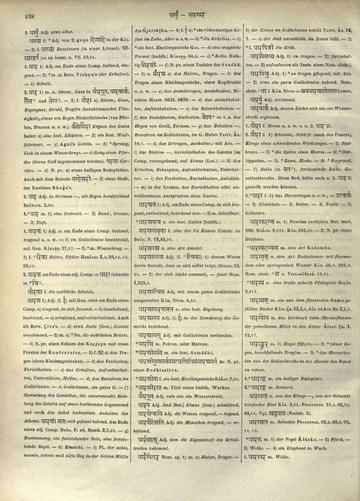
dhāraṇa — 1〉 Adj. (f. ī) mit Gen. oder am Ende eines Comp. — a〉 tragend, in sich fassend. — b〉 innehabend, besitzend. — c〉 erhaltend, aufrechterhaltend. Auch als Beiw. Śivaʼs. — d〉 etwa Jmds (Gen.) Gestalt annehmend. — 2〉 m. — a〉 *Du. die weiblichen Brüste. — b〉 N. pr. eines Sohnes des Kaśyapa und eines Fürsten der Candravatsa. — 3〉 f. ā — a〉 das Tragen (eines Kleidungsstückes). — b〉 das Festhalten, Zurückhalten. — c〉 das Erhalten, Aufrechterhalten, Unterstützen, Helfen. — d〉 das Bewahren im Gedächtniss. — e〉 Gedächtniss, ein gutes G. — f〉 Sammlung des Gemüthes, die unverwandte Richtung des Geistes auf einen bestimmten Gegenstand und auch das dabei beobachtete Anhalten des Athems. dhāraṇāṃ gataḥ sich gefasst habend. Am Ende eines adj. Comp. BHĀG. P. ed. Bomb. 2,7,46. — g〉 Bestimmung, ein feststehender Satz, eine feststehende Regel. — h〉 Einsicht. — i〉 Pl. der achte, neunte, zehnte und eilfte Tag in der lichten Hälfte. [Page3-158-b] des Jyaiṣṭha. — 4〉 f. ī — a〉 *ein röhrenartiges Gefäss im Leibe, Ader u. s. w. — b〉 *die Erde GAL. — c〉 *ein best. Knollengewächs GAL. — d〉 eine magische Formel (buddh.) KĀRAṆḌ. 84,9. — e〉 *Reihe. Richtig dhoraṇī. — f〉 N. pr. einer Tochter der Svadhā. — 5〉 n. dhā́raṇa — a〉 das Halten, Tragen. — b〉 das Tragen eines Kleidungsstücks, einer Kopftracht u. s. w. — c〉 das Ansichtragen, Ansichhaben, Besitzen. HARIV. 9834. 9839. — d〉 das Ansichbehalten, Aufsichbehalten. — e〉 das Beisichbehalten. — f〉 das Insichfassen, Enthalten. kopa˚ so v. a. das Hegen von Groll, Zürnen. — g〉 das Behalten —, Bewahren im Gedächtniss, im G. Haben TAITT. ĀR. 10,7. — h〉 das Ertragen, Aushalten; mit Acc. — i〉 das Richten —, Gerichtethaben des Geistes (im Comp. vorangehend) auf Etwas (Loc.). — k〉 das Erhalten, Behaupten, Aufrechterhalten, Unterhalten. — l〉 das Festhalten, Zurückhalten, Anhalten. — m〉 in der Gramm. das Zurückhalten oder unvollkommene Aussprechen eines Lautes.
Apte 1890 adjective · substantive neuter
Original text · English · adjective · substantive neuter
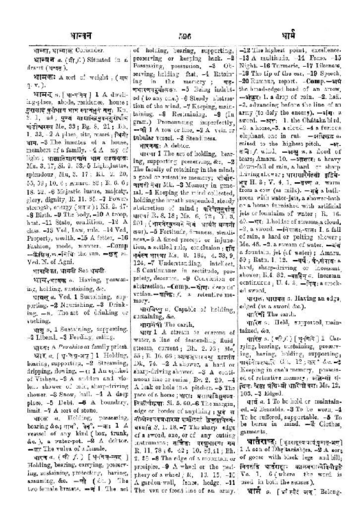
dhāraṇa a. (ṇī f.) [dhṛ-ṇic-lyuṭ] Holding, bearing, carrying, preserving, sustaining, protecting, having, assuming, &c. — ṇau (du.) The two female breasts. — ṇaṃ 1 The act ([Page 0596-b]) of holding, bearing, supporting, preserving or keeping back. 2 Possessing, possession. 3 Observing; holding fast. 4 Retaining in the memory; grahaṇadhāraṇapaṭurbālakaḥ. 5 Being indebted (to any one.) 6 Steady abstraction of the mind. 7 Keeping, maintaining. 8 Restraining. 9 (In gram.) Pronouncing imperfectly, — ṇī 1 A row or line. 2 A vein or tubular vessel. 3 Steadiness.
Cappeller 1887 Word type unspecified
Original text · German · Word type unspecified
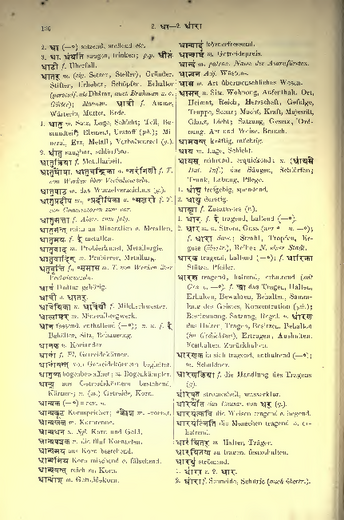
dhāraṇa tragend, haltend, erhaltend (mit Gen. o. —˚). f. ā das Tragen, Halten, Erhalten, Bewahren, Behalten, Sammlung des Geistes, Konzentration (ph.); Bestimmung, Satzung, Regel. n. dhā́raṇa das Halten, Tragen, Besitzen, Behalten (im Gedächtnis), Ertragen, Aushalten, Festhalten, Zurückhalten.
Burnouf 1866 substantive neuter
Original text · French · substantive neuter
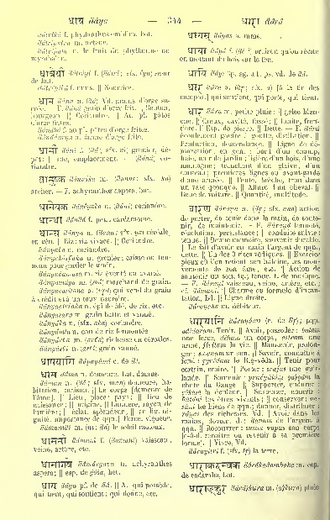
dhāraṇa dhāraṇa n. (dhṛ; sfx. ana) action de porter, de tenir dans la main, de soutenir, de maintenir. — F. dhāraṇā fermeté, résolution, persistance; conduite suivie; tenue. Bonne mémoire, souvenir durable. Le fait d'avoir en main l'argent de qqn., dette. Un des 3 rites védiques. Exercice pieux où l'on retient son haleine, les mouvements de son âme, etc. Action de soutenir un son, tg.; tenue, t. de musique. — F. dhāmanī. Charme ou formule d'incantation, Bd. Ligne droite. dhāraṇaka m. débiteur.
Occurrences in source texts (21)
DYS 9 occurrences
DYS 73–78: Kevala Kumbhaka 3 occurrences
Direct occurrences
DYS 112–121: Five Elements 3 occurrences
Direct occurrences
HP 6 occurrences
SiSa 6 occurrences
SiSa 3.39-3.40: Kumbhaka-Kraft 2 occurrences
Direct occurrences
SiSa 4.81-4.90: Bindu-Bewahrung 3 occurrences
Direct occurrences
Continue with AYI Free
Image source: AYI archive.