

rajas रजस् – Menstrualflüssigkeit; Rajas; Menstruationsblut
Substantiv Maskulin · Substantiv Neutrum
Wörterbuchquellen
AYI Wörterbuch Substantiv Neutrum
Menstrualflüssigkeit; Rajas; Menstruationsblut
Cappeller 1891 Substantiv Neutrum
Originaltext · Englisch · Substantiv Neutrum
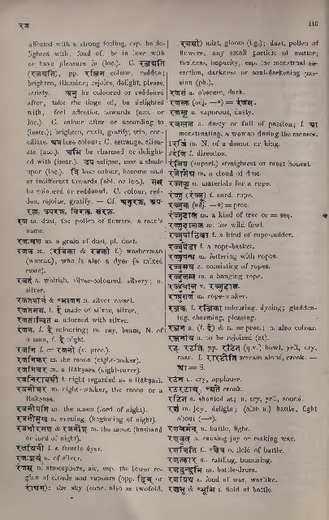
rájas ·n. atmosphere, air, esp. the lower region of clouds and vapours (opp. dív or rā́cana); the sky (conc. also as twofold, rajasī) mist, gloom (i.g.); dust, pollen of flowers, any small particle of matter; foulness, impurity, esp. the menstrual secretion, darkness or soul-darkening passion (ph.).
Monier-Williams 1872 Substantiv Neutrum
Originaltext · Englisch · Substantiv Neutrum
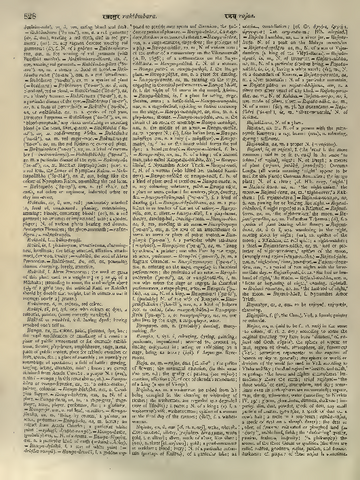
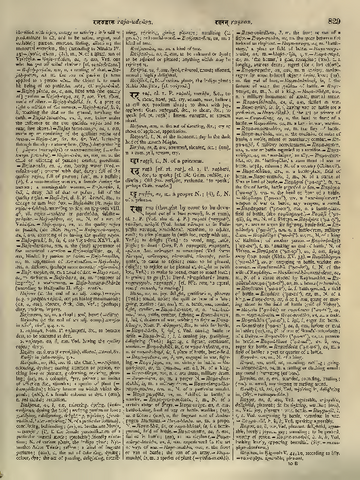
Rajas, as, n. (said to be fr. rt. rañj in the sense ‘to colour,’ cf. rt. 2. arj; according to some the original meaning may have been ‘dimness,’ cf. ra- jani and Goth. riquis), the sphere of vapour or mist, region of clouds, atmosphere, air, firmament (Ved.; sometimes represented as the expanse of heaven or sky in general); any sphere or world or division of the world (so used in Ved. according to Yāska and Sāy.; the dual rajasī = ‘heaven and earth,’ or perhaps ‘the lower and higher atmospheres’ im- mediately above the earth; trīṇi rajāṃsi = ‘the three worlds’ or earth, atmosphere, and sky; some- times even six such spheres are enumerated); vapour, mist, clouds, rain-water, water (according to Nirukta IV. 19); gloom, gloominess, dimness, darkness; im- purity, dirt, dust, powder, speck of dust, any small particle of matter, (go-rajas, a speck of dust on a cow's hair; a mote in a sun-beam; eḍaka-rajas, a speck of dust on a sheep's fleece); the dust or pollen of flowers; cultivated or ploughed land (as ‘dusty’), arable land, fields; the ‘darkening’ quality, passion, foulness, impurity; (in philosophy) the second of the three Guṇas or qualities, (the three are called sattva, goodness, rajas, passion, and tamas, darkness; cf. guṇa; of these rajas is sometimes identified with tejas, energy or activity: it is said to predominate in air, and to be active, urgent, and variable); passion, emotion, feeling, affection; the menstrual excretion; tin; (according to Nirukta IV. 19) = jyotis, ahan; (ās), m., N. of a Ṛṣi, son of Vasiṣṭha.
Petersburger 1855 Substantiv Maskulin · Substantiv Neutrum
Originaltext · Deutsch · Substantiv Maskulin · Substantiv Neutrum
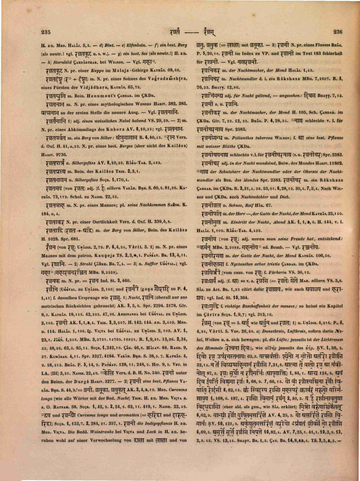
rájas (von raj = 5. arj wie arjuna und rajata) 1〉 n. UṆĀDIS. 4,216. P. 6,4,24, Vārtt. 5. VOP. 26,68. a〉 Dunstkreis, Luftkreis, sofern darin Nebel, Wolken u. a. sich bewegen; pl. die Lüfte; jenseits ist der Lichtraum des Himmels (rocanā divaḥ), wie αἰϑήρ jenseits des ἀήρ. ṚV. 1,56,5. di̱vo raja̱ upàramastabhāyaḥ ṚV. 1,62,5. yatsravàntīḥ śye̱no na bhī̱to atàro̱ rajā̀ṃsi ṚV. 1,32,14. na tè vivyaṅmahi̱māna̱ṃ rajā̀ṃsi ṚV. 7,21,6. ā̱tmā te̱ vāto̱ raja̱ ā nàvīnot ṚV. 7,87,2. raja̱ḥ sūryo̱ na ra̱śmibhìḥ (āpṛṇakti) ṚV. 1,84,1. aptya ṚV. 1,124,5. a̱yaṃ di̱va ìyarti̱ viśva̱mā rajàḥ ṚV. 9,68,9. ṚV. 7,66,15. yo vā̱ṃ rajā̀ṃsyaśvi̱nā rathò viyāti̱ rodàsī ṚV. 8,62,13. kvà svida̱sya rajàso ma̱haspara̱ṃ kvāvàraṃ maruto̱ yasmìnnāya̱ya ṚV. 1,168,6. ṚV. 1,187,4. rajàso vi̱māna̱ṃ rathàm ṚV. 2,40,3. ya ī̱ṃ rājā̀nāvṛtu̱thā vi̱dadha̱drajàso (eher abl. als gen., wie SĀY. erklärt) mi̱tro varùṇa̱ścikètat ṚV. 6,62,9. yābhyā̱ṃ rajò yupi̱tama̱ntarìkṣe AV. 4,25,2. yo antarìkṣe̱ rajàso vi̱mānàḥ ṚV. 10,121,5. akṛ̀ṇuta̱mantarìkṣa̱ṃ varī̱yo 'pràthataṃ jī̱vasè no̱ rajā̀ṃsi ṚV. 6,69,5. a̱sūrte̱ sūrte̱ rajàsi niṣa̱tte ṚV. 10,82,4. AV. 7,25,1. AV. 7,41,1. AV. 10,3,9. AV. 13,2,8. AV. 13,2,43. VS. 13,44. ṢAḌV. BR. 1,2. ŚAT. BR. 14,8,15,4. TS. 3,5,4,2. — Im Besondern α〉 eines der Weltgebiete: di̱vo vā̱ pārthìvā̱dadhi . ma̱ho vā̱ rajàsaḥ ṚV. 1,6,10. ṚV. 1,149,4. di̱vi kṣayàntā̱ rajàsaḥ pṛthi̱vyām ṚV. 7,64,1. pārthivam, rajaḥ, divaḥ sadāṃsi VS. 34,32. di̱vo rajàsaḥ pṛthi̱vyāḥ VĀLAKH. 9,3. yā dha̱rtārā rajàso roca̱nasyo̱tādi̱tyā di̱vyā pārthìvasya ṚV. 5,69,4. ṚV. 5,54,4. ṚV. 6,7,7. pārthivāni, rajāṃsi ṚV. 6,31,2. pārthìvānyu̱ru rajò a̱ntarìkṣam ṚV. 6,61,11. vī̀ndra yāsi di̱vyānì roca̱nā vi pārthìvāni̱ rajàsā ṚV. 10,32,2. ṚV. 10,149,2. AV. 13,1,7. AV. 4,1,4. — β〉 irdischer und himmlischer Dunstkreis; in manchen der folgenden Stellen kann aber pārthiva als subst. gefasst werden: Erdenraum; vgl. die Stellen unter α〉. ā pàprau̱ pārthìva̱ṃ rajò badba̱dhe ròca̱nā di̱vi ṚV. 1,81,5. ṚV. 1,90,7. ṚV. 9,72,8. na tvā̀ vivyāca̱ rajà indra̱ pārthìvam ṚV. 8,77,5. ṚV. 1,154,1. ṚV. 6,49,3. ye pārthìve̱ raja̱syā niṣàttāḥ ṚV. 10,15,2. āprā̱ rajā̀ṃsi di̱vyāni̱ pārthìvā ṚV. 4,53,3. ṛ̱bhavo̱ vājàmaruhandi̱vo rajàḥ ṚV. 1,110,6. — γ〉 drei Dunstkreise: antarikṣam, trī rajāṃsi, trīṇi rocanā ṚV. 4,53,5. je drei rocanā, dyāvaḥ, rajāṃsi ṚV. 5,69,1. AV. 13,3,21. tṛ̱tīye̱ rajàsi ṚV. 10,45,3. ṚV. 10,123,8. ṚV. 9,74,6. AV. 13,1,11. sechs ṚV. 1,164,6. — δ〉 du. die untere und die obere Region (über der Erde) NAIGH. 3,30. ṚV. 1,160,4. vi̱va̱rtayàntī̱ rajàsī̱ samànte ṚV. 7,80,1. u̱bhe tè vidma̱ rajàsī ṚV. 7,99,1. ma̱hī àpā̱re rajàsī vi̱vevìdat ṚV. 9,68,3. ahàśca kṛ̱ṣṇama̱hararjùnaṃ ca̱ vi vàrtete̱ rajàsī ve̱dyābhìḥ ṚV. 6,9,1. dū̱to de̱vānā̱ṃ rajàsī̱ samī̀yase ṚV. 15,9. ṚV. 4,42,3. ṚV. 6,6. urvī̱ gàbhī̱re rajàsī su̱mekè ava̱ṃśe dhīra̱ḥ śacyā̱ samaìrat ṚV. 4,56,3. — ε〉 die obere und untere Grenze des Dunstkreises (pāra und budhna): (tvametān) ayòdhayo̱ rajàsa indra pā̱re ṚV. 1,33,7. kṣayàntama̱sya rajàsaḥ parā̱ke ṚV. 7,100,5. yo a̱sya pā̱re rajàso vi̱veṣà ṚV. 10,27,7. dū̱re pā̱re rajàso ro ca̱nākàram ṚV. 10,49,6. yā sisràtū̱ rajàsaḥ pā̱re adhvànaḥ VĀLAKH. 11,2. a̱po vṛ̱tvī rajàso bu̱dhnamāśàyat ṚV. 1,52,6. taṃ de̱vā bu̱dhne rajàsaḥ suda̱ṃsasàṃ di̱vaspṛ̀thi̱vyoràra̱tiṃ nyèrire ṚV. 2,2,3. ṚV. 4,1,11. ṚV. 4,17,14. antaù ṚV. 5,47,3. pūrve̱ ardhè ṚV. 1,92,7. ṚV. 1,124,5. — ζ〉 rajasaspatiḥ ṚV. 7,35,5 nach SĀY. Indra. — b〉 Dust, Nebel; Düsterkeit, Dunkel (vgl. ἀήρ); = rātri NAIGH. 1,7. ā kṛ̱ṣṇena̱ rajàsā̱ vartàmāno nive̱śayànna̱mṛta̱ṃ martyàṃ ca ṚV. 1,35,2. ṚV. 1,35,4. jā̱hu̱ṣaṃ su̱gebhi̱rnaktàmūhathū̱ rajòbhiḥ im Dunkel ṚV. 116,20. ṚV. 6,62,6. rathàsya bhā̱nuṃ rùrucū̱ rajòbhiḥ ṚV. 6,62,2. raja̱stamo̱ mopà gāḥ AV. 8,2,1. pā̱rayā̀mi tvā̱ rajàsa̱ uttvā̀ mṛ̱tyoràpīparam AV. 8,2,9. ke̱tu̱mānu̱dyansahàmāno̱ rajā̀ṃsi̱ viśvā̀ āditya pra̱vato̱ vi bhā̀si AV. 13,2,28. sūryàsya̱ cakṣū̱ rajàsai̱tyāvṛ̀tam ṚV. 1,164,14. sūryo̱ na cakṣū̱ rajàso vi̱sarjàne ṚV. 5,59,3. pu̱rūṇì ci̱nni tàtānā̱ rajā̀ṃsi ṚV. 10,111,4. tantùṃ ta̱nvanrajàso bhā̱numanvìhi vom Dunst zum Licht ṚV. 10,53,6. dhūmenāgnī rajasā ca madhyamaḥ NIR. 12,26. — c〉 Dunst, Staub (AK. 2,8,2,66. AK. 3,4,3,22. H. 970. MED. s. 30. fg. HALĀY. 2,288); Unreinigkeit, kleine Partikeln irgend eines Stoffes: kṛ̱ṣṇā rajā̀ṃsi patsu̱taḥ pra̱yāṇè jā̱tavèdasaḥ ṚV. 8,43,6. yasyā̱ṃ vātò māta̱riśveyàte̱ rajā̀ṃsi kṛ̱ṇvan AV. 12,1,51. aśvà iva̱ rajò dudhuve̱ vi tāṃ janā̀n AV. 12,1,57. AV. 10,1,32. rajaḥ sparśe medhyam M. 5,133. M. 11,110. pārthivaṃ rajaḥ MBH. 1,6021. R. 1,28,14. R. 2,33,19. praśaśāma mahīrajaḥ R. 40,33. R. 72,31. R. 3,76,33. R. 4,39,9. rajodhūmākulā diśaḥ SUŚR. 1,22,2. SUŚR. 1,118,5. rajaḥkaṇa RAGH. 1,85. VARĀH. BṚH. S. 3,9. VARĀH. BṚH. S. 3,38. VARĀH. BṚH. S. 9,41. VARĀH. BṚH. S. 16,40. VARĀH. BṚH. S. 30,2. dhūtādhvarajas adj. KATHĀS. 18,113. KATHĀS. 18,244. PRAB. 77,9. BHĀG. P. 3,17,5. BHĀG. P. 4,5,7. rajobhisturagotkīrṇaiḥ RAGH. 1,42. RAGH. 4,29. RAGH. 6,33. RAGH. 12,82. ŚĀK. 8. Spr. 2700. Spr. 2816. PAÑCAR. 1,14,100. ayo˚ KAUŚ. 8. malayaja˚ Spr. 3268. Staubkörnchen: jalāntaragate bhānau yatsūkṣmaṃ dṛśyate rajaḥ . prathamaṃ tatpramāṇānāṃ trasareṇuṃ pracakṣate .. M. 8,132. YĀJÑ. 1,361. VARĀH. BṚH. S. 58,1. VARĀH. BṚH. S. 58,2. Ind. St. 8,436. yaḥ pārthivānyapi kavirvimame rajāṃsi BHĀG. P. 2,7,40. BHĀG. P. 8,23,19. Vgl. loha˚. — d〉 Blüthenstaub MED. sumano˚ AK. 2,4,1,17. padmapuṣpa˚ R. 3,79,29. MEGH. 34. MEGH. 66. ŚĀK. 86. ŚĀK. 131. VIKR. 26. MĀLAV. 44. BHĀG. P. 4,24,22. ajāta˚ adj. Spr. 135. — e〉 das Staubige d. i. das aufgerissene und bebaute Land: ukṣantyàsmai ma̱rutò hi̱tā ìva pu̱rū rajā̀ṃsi̱ payàsā mayo̱bhuvàḥ ṚV. 1,166,3. ghṛ̱tairgavyū̀timukṣata̱ṃ madhvā̱ rajā̀ṃsi ṚV. 3,62,16. pari̱ jrayā̀ṃsi bharate̱ rajā̀ṃsi sie fährt über die Flächen, die Felder ṚV. 10,75,7. — f〉 die menses (eig. Unreinigkeit) NIR. 4,19. AK. 2,6,1,21. AK. 3,4,30,233. H. 536. MED. arajovittā kumārī KAUŚ. 37. GṚHYASAṂGR. 2,31. SUŚR. 1,30,16. rasādeva striyā raktaṃ rajaḥsaṃjñaṃ pravartate SUŚR. 43,16. SUŚR. 44,18. rajasābhiplutāṃ nārīm M. 4,41. rajasā samabhiplutām M. 42. rajasyuparate M. 5,66. M. 5,108. rajasābhipariplutā MBH. 3,523. asaṃprāptarajā gaurī prāpte rajasi rohiṇī Spr. 282. Spr. 2907. VARĀH. BṚH. S. 74,9. ajāta˚ adj. Spr. 135. adṛṣṭa˚ HALĀY. 2,329. — g〉 in der Philosophie die mittlere der drei Qualitäten (sattva, rajas oder tejas und tamas), die den Geist verdüsternde Leidenschaft (wobei an raj, rañj, rāga angeknüpft wird) AK. 1,1,4,7. AK. 3,4,30,233. MED. MAITRYUP. 5,2. M. 12,24. rāgadveṣau rajaḥ smṛtam M. 26. yattu duḥkhasamāyuktamaprītikaramātmanaḥ . tadrajo 'pratighaṃ vidyāt M. 28. tamaso lakṣaṇaṃ kāmo rajasastvartha ucyate . sattvasya lakṣaṇaṃ dharmaḥ M. 38. kāma eṣa krodha eṣa rajoguṇasamudbhavaḥ M. 3,37. SĀṂKHYAK. 13. SĀṂKHYAK. 54. MADHUS._in_Ind. St. 1,23,17. SUŚR. 1,81,7. SUŚR. 2,537,18. VARĀH. BṚH. S. 66,9. BṚH. 2,7. WEBER, RĀMAT. UP. 289. WEBER, RĀMAT. UP. 324. BHĀG. P. 3,8,13. rajo'dhika in dem das Rajas vorherrscht VARĀH. BṚH. S. 69,8. Leidenschaft überh. MBH. 3,1086. śānta˚ adj. BHAG. 6,27. rajoviriktamanāḥ śaśāsa RAGH. 14,85. antargatamapāstaṃ me rajaso 'pi paraṃ tamaḥ KUMĀRAS. 6,60. KATHĀS. 20,128. BHĀG. P. 3,15,20. roṣarajobhiḥ (zugleich Staub) Spr. 2816. — h〉 Zinn H. ś. 159 (kein Fehler st. raṅga, da dieses im Text sich findet). — i〉 = jyotis, udaka, loka, ahan NIR. 4,19. — 2〉 m. N. pr. eines Sohnes des Vasiṣṭha VP. 83. — Vgl. a˚, danta˚, nī˚, paro˚, pāda˚, puṣpa˚, bhṛṅga˚, mahī˚, vi˚, sa˚, rājasa.
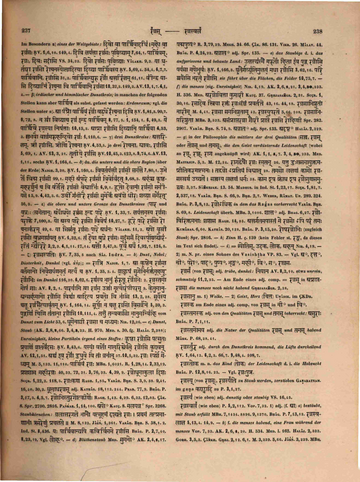
Böhtlingk 1879 Substantiv Maskulin · Substantiv Neutrum
Originaltext · Deutsch · Substantiv Maskulin · Substantiv Neutrum
rájas — 1〉 n. — a〉 Dunstkreis, Luftkreis, insofern darin Nebel, Wolken u. s. w. sich bewegen; Pl. die Lüfte. Im Besondern — α〉 eines der Weltgebiete. — β〉 irdischer und himmlischer Dunstkreis. — γ〉 drei und sechs Dunstkreise. — δ〉 Du. die untere und die obere Region (über der Erde.) — ε〉 die obere und untere Grenze des Dunstkreises. — b〉 Dunst, Nebel; Düsterkeit, Dunkel. — c〉 Staub; Unreinigkeit, kleine Partikeln irgend eines Stoffes; Staubkörnchen. — d〉 Blüthenstaub. — e〉 das Staubige, d. i. das aufgerissene und bebaute Land, Feld. — f〉 die menses. — g〉 Leidenschaft; m. der Philosophie die mittlere der drei Qualitäten, die den Geist verdüsternde Leidenschaftlichkeit. — h〉 Zinn. — i〉 eine best. Pflanze, = parpaṭa RĀJAN. 5,8. BHĀVAPR. 3,101. — k〉 = jyotis udaka loka ahan. — 2〉 m. N. pr. eines Sohnes des Vasiṣṭha.
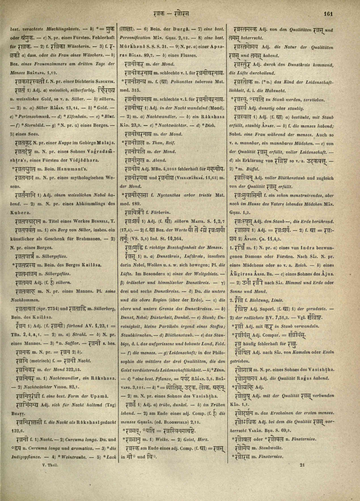
Apte 1890 Substantiv Neutrum
Originaltext · Englisch · Substantiv Neutrum
rajas n. [raṃj-asun nalopaḥ] 1 Dust, powder, dirt; dhanyāstadaṃgarajasāṃ malinībhavaṃti Ś. 7. 17; ātmoddhatairapi rajobhiralaṃghanīyāḥ Ś. 1. 8; R. 1. 42; R. 6. 33. 2 The dust or pollen of flowers; bhūyātkuśeśayarajomṛdureṇurasyāḥ (paṃthāḥ) Ś. 4. 10; Me. 33, Me. 65. 3 A mote in a sun-beam, any small particle (of matter); cf. Ms. 8. 132 and Y. 1. 362. 4 A ploughed or cultivated land, arable field. 5 Gloom, darkness. 6 Foulness, passion, emotion, moral or mental darkness; apathe padamarpayaṃti hi śrutavaṃto'pi rajonimīlitāḥ R. 9. 74. 7 The second of the three Guṇas or constituent qualities of all material substances (the other two being sattva and tamas; rajas is supposed to be the cause of the great activity seen in creatures; it predominates in men, as Sattva and Tamas predominate in gods and demons); aṃtargatamapāstaṃ me rajasopi paraṃ tamaḥ Ku. 6. 60; Bg. 6. 27; rajojuṣe janmani K.; Māl. 1. 20. 8 Menstrual discharge, menses; Ms. 4. 41; Ms. 5. 66. 9 Safflower. 10 Tin. 11 Ved. Air, atmosphere. 12 A division of the world. 13 Vapour. 14 Cloud or rain-water. Comp. — guṇaḥ see (7) above. — tamaska a. being under the influence of both rajas and tamas. — tokaḥ -kaṃ, -putraḥ 1 greediness, avarice. 2 ‘the child of passion’, a term applied to a person to show that he is quite insignificant. — darśanaṃ the first appearance of the menstrual excretion, first menstrual flow. — nimīlita a. blinded by passion; R. 9. 74. — paṭalaṃ a coating of dust. — baṃdhaḥ suppression of menstruation. — rasaḥ, — valaṃ darkness. — śuddhiḥ f. pure condition of the menses. — haraḥ ‘dirt-remover’. a washerman.
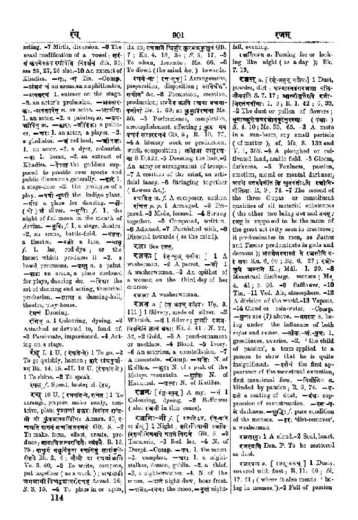
Cappeller 1887 Substantiv Neutrum
Originaltext · Deutsch · Substantiv Neutrum
rájas n. Dunstkreis, Atmosphäre, Luftraum (2 0. 3. angen., opp. ) rocana = aer: aether, Dunkel, Nebel, Staub; die menses; Trieb, Leidenschaft (ph.).
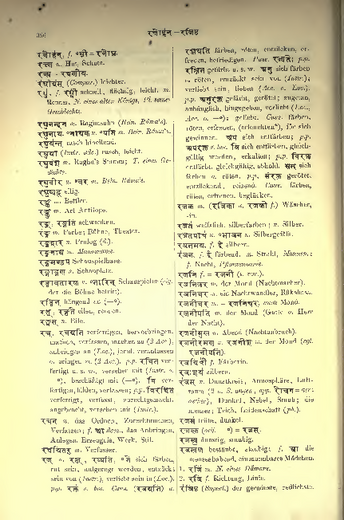
Burnouf 1866 Substantiv Neutrum
Originaltext · Französisch · Substantiv Neutrum
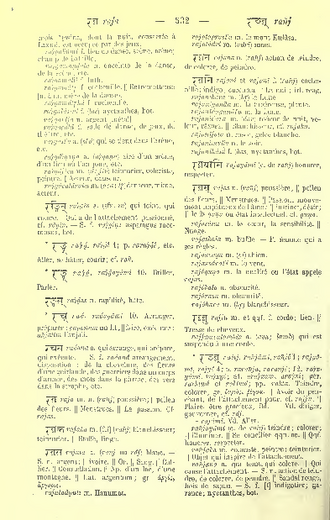
rajas rajas n. (rañj) poussière; pollen des fleurs. Menstrues. Passion, mouvement impétueux de l'âme; instinct, désir; le 2ᵉ guṇa ou état intellectuel, cf. guṇa. rajasānu m. le cœur, la sensibilité. Nuage. rajasbala m. buffle. — F. femme qui a ses règles. rajasśaya m. (śī) chien. rajassārathi m. le vent. rajoguṇa m. la qualité ou l'état appelé rajas. rajobala n. obscurité. rajorasa m. obscurité. rajohara m. (hṛ) blanchisseur.
Quelltextfundstellen (22)
DYS 7 Fundstellen
GoS 2 Fundstellen
HP 5 Fundstellen
SiSa 8 Fundstellen
SiSa 1.82-1.90: Guṇas und Gegenstände 2 Fundstellen
Direkt belegt
SiSa 4.81-4.90: Bindu-Bewahrung 4 Fundstellen
Direkt belegt
Mit AYI Free weitermachen
Bildquelle: AYI Archiv.