

jīva जीव – living
adjective · substantive masculine · substantive neuter · Word type unspecified
Dictionary sources
AYI dictionary adjective · substantive masculine
Cappeller 1891 adjective
Original text · English · adjective
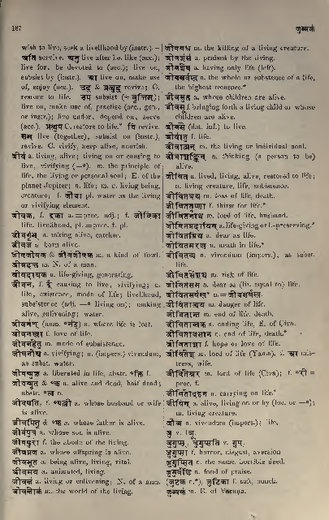
jīvá ·a. living, alive; living on or causing to live, vivifying (--°). m. the principle of life, the living or personal soul; E. of the planet Jupiter; n. life; m. n. living being, creature; f. jīvā pl. water as the living or vivifying element.
Monier-Williams 1872 adjective
Original text · English · adjective
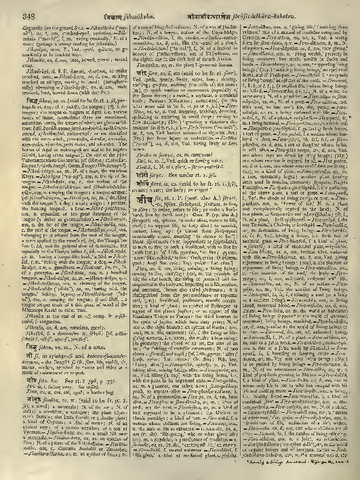
Jīva, as, ā, am, living, existing, a living being; causing to live, vivifying; (as), m. the principle of life, the vital breath, the living or personal soul in- corporated in the body and imparting to it life, motion, and sensation, (hence also called jīvātman; it is distinguished from the paramātman or supreme soul, q. v.); livelihood, profession, specific occupa- tion; a kind of plant; an epithet of Bṛhaspati as regent of the planet Jupiter; or as regent of the Nakṣatra Tiṣya or Puṣya; the third lustrum in the cycle of Jupiter which lasts sixty years; N. of one of the eight Maruts; an epithet of Karṇa; (as, am), m. n. life, existence; (ā), f. the living or life- giving element, i. e. water; the earth; a bow-string; (in geometry) the chord of an arc, the sine of an arc; the tinkling of metallic ornaments; N. of two plants, = jīvantī and vacā; [cf. Lith. gywas, ‘alive;’ Goth. qvivs; Lat. vivus; Gr. βίος; Hib. beo, ‘living, alive.’]
Petersburger 1855 adjective · substantive masculine · substantive neuter
Original text · German · adjective · substantive masculine · substantive neuter
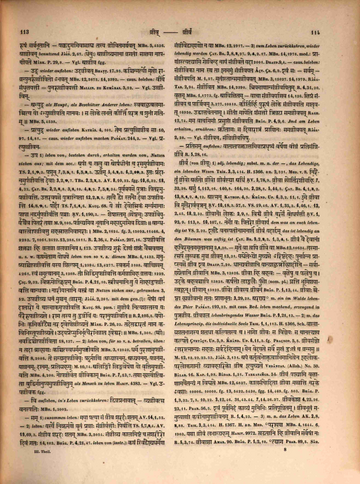
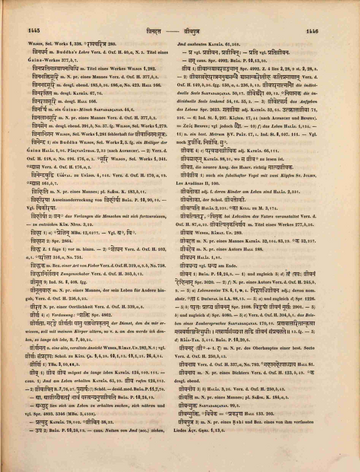
jīvá (von jīv) 1〉 adj. lebendig; subst. m.n. der —, das Lebendige, ein lebendes Wesen TRIK. 3,3,414. H. 1366. H. an. 2,521. MED. v. 8. ni̱raitù jī̱vo akṣàto jī̱vo jīvàntyā̱ adhì ṚV. 5,78,9. jī̱vā jyotìraśīmahi ṚV. 7,32,26. asù ṚV. 1,113,16. ṚV. 1,140,8. ṚV. 1,164,30. ṚV. 2,28,8. ṚV. 5,44,5. ŚAT. BR. 4,1,3,2. ŚAT. BR. 13,8,1,9. ŚAT. BR. 13,8,4,12. ātman KATHOP. 4,5. CHĀND. UP. 6,3,2. CHĀND. UP. 6,11,1. i̱me jī̱vā vi mṛ̱tairāvàvṛtran ṚV. 10,18,3. ṚV. 10,57,5. VS. 19,46. AV. 1,35,2. AV. 6,46,1. AV. 12,2,45. AV. 18,2,52. jī̱vānā̀ṃ lo̱kaḥ AV. 2,9,1. viśvàṃ jī̱vaṃ ca̱rasè bo̱dhayàntī ṚV. 1,92,9. ṚV. 1,113,8. ṚV. 10,107,1. namò vaḥ pitaro jī̱vāyà dem was an euch lebendig ist VS. 2,32. etadvai vanaspatīnāmanārtaṃ jīvaṃ yadārdram das ist lebendig an den Bäumen was saftig ist ŚAT. BR. 9,2,2,3. ŚAT. BR. 1,3,4,1. jīvaṃ vai devānāṃ haviramṛtamamṛtānām ŚAT. BR. 1,2,1,20. — mṛte vā tvayi jīve vā MBH. 12,10634. tasmātsarpaṃ lubdhaka muñca jīvam MBH. 13,31. yadyetebhyo mucyase 'riṣṭadehaḥ punarjanma prāpsyase jīva eva DRAUP. 7,20. dhānyavījāni yānyāhurvrīhyādīni — sarvāṇyetāni jīvāni MBH. 3,13826. jīvā hi bahavaḥ — vṛkṣeṣu ca phaleṣu ca . udake bahavaścāpi MBH. 3,13828. karṣanto lāṅgalaiḥ puṃso (nom. pl.) ghnanti bhūmiśayānbahūn . jīvān MBH. 3,13825. jīvo jīvasya jīvane BHĀG. P. 1,13,44. jīvāḥ śreṣṭhā hyajīvānāṃ tataḥ prāṇabhṛtaḥ BHĀG. P. 3,29,28. araṇya˚ m. ein im Walde lebendes Thier PAÑCAT. 193,23. mit caus. Bed. leben machend, erzeugend in putrajīva, jīvajala lebenbringendes Wasser BHĀG. P. 9. BHĀG. P. 21,13. — 2〉 m. das Lebensprincip, die individuelle Seele TRIK. 1,1,113. H. 1366, Sch. vālāgraśatabhāgasya śatadhā kalpitasya ca . bhāgo jīvaḥ sa vijñeyaḥ sa cānantyāya kalpate ŚVETĀŚV. UP. 5,9. CHĀND. UP. 6,11,2. fg. PRAŚNOP. 5,5. jīvasaṃjño 'ntarātmānyaḥ sahajaḥ sarvadehinām . yena vedayate sarvaṃ sukhaṃ duḥkhaṃ ca janmasu .. M. 12,12. M. 12,22. M. 12,23. M. 12,53. YĀJÑ. 3,131. ayaṃ kartṛtvabhoktṛtvābhimānitvena ihalokaparalokagāmī vyāvahāriko jīva ityucyate VEDĀNTAS. (Allah.) No. 50. BĀLAB. 16. KAP. 1,98. BĀDAR. 1,31. TARKASAM̃GR. 54. jīvaṃ paśyāmi vṛkṣāṇāmacaitanyaṃ na vidyate MBH. 12,6837. kālasaṃcoditā jīvā majjanti narake 'vaśāḥ MBH. 12,10006. MBH. 12,10008. fg. MBH. 13,5422. MBH. 12,5430. fgg. MBH. 14,469. fg. MBH. 12,503. BHĀG. P. 1,3,32. BHĀG. P. 1,7,5. BHĀG. P. 1,10,22. BHĀG. P. 3,12,46. BHĀG. P. 3,12,31. BHĀG. P. 3,12,43. BHĀG. P. 3,12,44. BHĀG. P. 7,14,36. BHĀG. P. 7,14,37. jīvakośa BHĀG. P. 4,22,26. BHĀG. P. 4,23,11. PRAB. 56,5. evaṃ pūrvamidaṃ kāvyaṃ munibhiḥ pratipūjitam . jīvabhūtaṃ manuṣyāṇāṃ kavīnāmupajīvanam R. 1,4,23. — 3〉 m.n. das Leben AK. 2,8,2,88. TRIK. 3,3,414. H. 1367. H. an. MED. ˚parāyaṇa MBH. 4,1644. MBH. 4,6. MBH. 4,1903. yathā jīvaṃ labhāmyaham HARIV. 9972. tvadgatāni hi jīvāni sarveṣāṃ naḥ R. 5,3,74. jīvāśā AMAR. 90. BHĀG. P. 1,2,10. ˚tyāga PRAB. 89,5. SĀH. D. 182. karma jīvānapekṣi AK. 3,4,14,80. gata˚ todt KATHĀS. 5,16. anutkrānta˚ KATHĀS. 4,111. — 4〉 m. Lebensunterhalt, Gewerbe MED.; vgl. jalacara˚, rūpajīva. Könnte hier auch adj. sein: lebend von. — 5〉 m. eine best. Pflanze H. an. MED. — 6〉 m. Bein. Bṛhaspatiʼs, der Planet Jupiter AK. 1,1,2,26. TRIK. 3,3,414. H. 118. H. an. MED. HĀR. 36. VARĀH. BṚH. S. 5,66. VARĀH. BṚH. S. 9,38. VARĀH. BṚH. S. 16,25. VARĀH. BṚH. S. 17,19. VARĀH. BṚH. S. 20,7. LAGHUJ. 1,8. LAGHUJ. 1,14. LAGHUJ. 2,3. fgg. SŪRYAS. 1,69. SŪRYAS. 2,55. SŪRYAS. 9,2. als Regent des Nakṣatra Tiṣya oder Puṣya VARĀH. BṚH. S. 98,1. des 3ten Lustrum im 60 jährigen Jupiter-Cyclus VARĀH. BṚH. S. 8,26; vgl. VARĀH. BṚH. S. 23. — 7〉 N. eines der 8 Marut MIT. 142,13. — 8〉 m. Bein. Karṇaʼs DHAR._im_ŚKDR. — 9〉 jīva am Ende von Mannsnamen WASSILJEW 268. — 10〉 f. ā a〉 das lebendige oder lebenbringende Element, Wasser (vgl. jīvikā, jīvajala u. jīva 1, jīvana u. s. w.): jīvābhirācamya KAUŚ. 3. KAUŚ. 58. KAUŚ. 90. — b〉 die Erde MED. — c〉 Bogensehne TRIK. 2,8,51. TRIK. 3,3,414. H. 776. MED. in der Geom. die Sehne COLEBR. Alg. 89. der Sinus eines Bogens (vgl. jyā) SŪRYAS. 2,57; vgl. tri˚, tribha˚, dṛggati˚, lamba˚, śaṅku˚. — d〉 das Klangen metallischer Schmucksachen MED. — e〉 N. zweier Pflanzen: α〉 = jīvantī AK. 2,4,5,7. H. 1185. MED. — β〉 = vacā MED. — VARĀH. BṚH. S. 47,39. — Vgl. a˚, ati˚, kumāra˚, kṣudrajīvā, ciraṃjīva, jagajjīva, pāpa˚, putra˚, bandhu˚, yāvajjīvam, rūpajīva, sa˚. Bisweilen werden jīva und vīja (durch Versetzung der Consonanten) mit einander verwechselt, so z. B. MBH. 5,1109.
Original text · German · substantive neuter
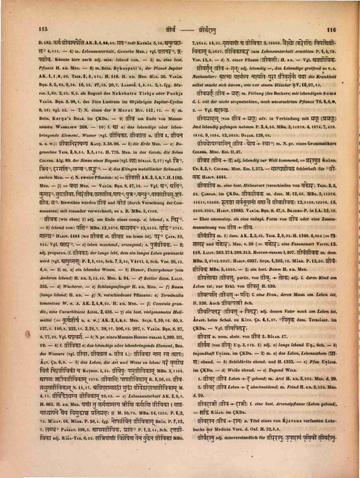
jīva 1〉 jīvānsthāvarajaṅgamān Spr. 4992. Z. 4 lies 2,28,9 st. 2,28,8. — 2〉 jīvastvahorātramanuśvasanvai śvāsānkarotīha katipramāṇān Verz. d. Oxf. H. 149,b,20. fgg. Verz. d. Oxf. H. 150,a,4. fgg. Verz. d. Oxf. H. 236,b,13. jīvaparamātmānau die individuelle Seele SARVADARŚANAS. 50,17. jīveśvarau SARVADARŚANAS. 69,12. ˚niyāmaka die individuelle Seele lenkend SARVADARŚANAS. 54,16. SARVADARŚANAS. 55,2. — 3〉 jīvotsarga das Aufgeben des Lebens Spr. 2623. gatajīvā adj. KATHĀS. 52,65. utkrāntajīvā KATHĀS. 71,226. — 6〉 Ind. St. 5,297. KĀŚĪKH. 17,44 (nach AUFRECHT und BENFEY). = Ζεύς BENFEY; vgl. jedoch jyau. — 10〉f〉 das Leben HALĀY. 1,134. — 11〉 n. ein best. Metrum ṚV. PRĀT. 17,4. Ind. St. 8,107. Ind. St. 8,111. — Vgl. noch durjīva, nirjīva, su˚.
Böhtlingk 1879 adjective · substantive masculine · substantive neuter · Word type unspecified
Original text · German · adjective · substantive masculine · substantive neuter
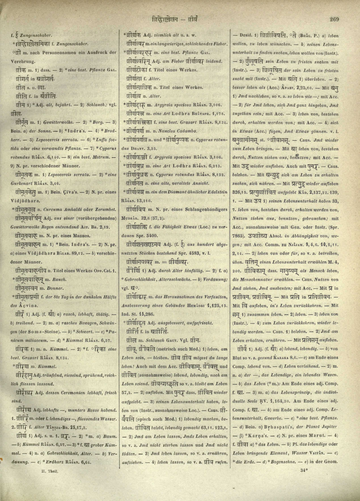
jīvá — 1〉 Adj. (f. ā́) — a〉 lebend, lebendig. — b〉 von Blut so v. a. gesund CARAKA. 8,6. — c〉 am Ende eines Comp. lebend von. — d〉 Leben verleihend. — 2〉 m. n. — a〉 der —, das Lebendige, ein lebendes Wesen. — b〉 das Leben (*m.). Am Ende eines adj. Comp. f. ā. — 3〉 m. — a〉 das Lebensprincip, die individuelle Seele ṚV. 1,164,30. Am Ende eines adj. Comp. f. ā. — b〉 am Ende eines adj. Comp. Lebensunterhalt, Gewerbe. — c〉 *eine best. Pflanze. — d〉 Bein. — α〉 Bṛhaspatiʼs, der Planet Jupiter. — β〉 *Karṇaʼs. — e〉 N. pr. eines Marut. — 4〉 f. jīvā — a〉 *das Leben. — b〉 Pl. das lebendige oder Leben bringende Element, Wasser VAITĀN. — c〉 *die Erde. — d〉 *Bogensehne. — e〉 in der Geom. [Page2-270-a] die Sehne. — f〉 der Sinus eine Bogens. — g〉 eine best. Pflanze. Nach den Lexicographen = jīvantī und vacā. — h〉 *das Klingen metallischer Schmucksachen. — 5〉 n. ein best. Metrum. — jīvāt MBH. 5,1109 fehlerhaft für bījāt.
Original text · German · Word type unspecified
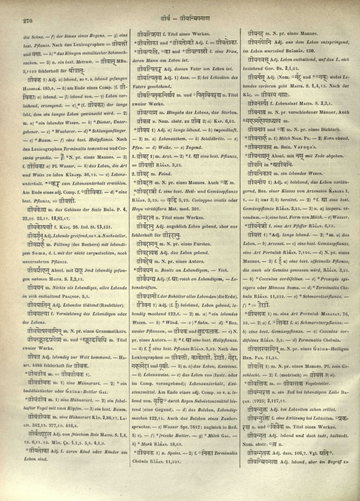
jīva 4〉b〉 lies Bez. bestimmter Sprüche J. A. O. S. 11,380. J. A. O. S. 11,386. fg. [Nachtrag, Band 6]
Original text · German · Word type unspecified
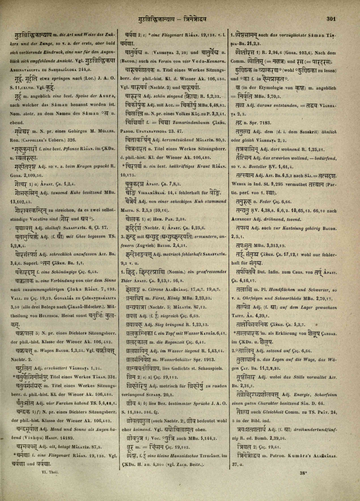
jīva II. 6. [Nachtrag, Band 7]
Apte 1890 adjective · substantive masculine
Original text · English · adjective · substantive masculine
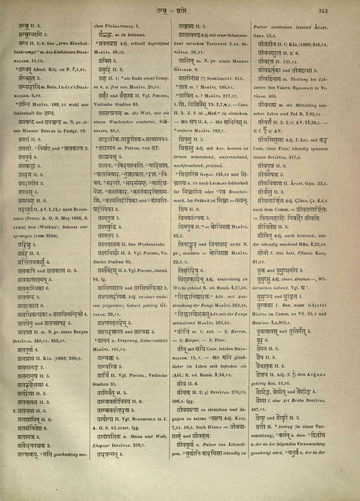
jīva a. [jīv-kartari ka] Living, existing. — vaḥ 1 The principle of life, the vital breath, life, soul; gatajīva, jīvatyāga, jīvāśā, &c. 2 The individual or personal soul enshrined in the human body and imparting to it life, motion and sensation (called jīvātman as opposed to paramātman the Supreme soul); Y. 3. 131; Ms. 12. 22-23. 3 Life, existence. 4 A creature, living being. 5 Livelihood, profession. 6 N. of Karṇa. 7 N. of one of the Maruts. 8 The constellation puṣya. 9 N. of Bṛhaspati. 10 The third lustrum in the cycle of Jupiter. 11 Association of cause and effect. 12 N. of Viṣṇu. Comp. — aṃtakaḥ 1 a bird-catcher, fowler. 2 a murderer, slayer. — ajībādhāraḥ the world of organic and inorganic creation. — ātman m. the individual soul enshrined in the human body (as opposed to paramātman ‘the Supreme soul’). — ādānaṃ abstracting healthy blood, bleeding, (in medic.). — ādhānaṃ preservation of life. — ādhāraḥ the heart. — iṃdhanaṃ glowing fire-wood, burning wood. — utsargaḥ ‘casting off life,’ voluntary death, suicide. — upādhiḥ the three states, i. e. waking, dreaming and sleeping. — ūrṇā the wool of a living animal. — gṛhaṃ, -maṃdiraṃ ‘the abode of the soul,’ the body. — grāhaḥ a prisoner taken alive. — ghanaḥ Brahmā. — ja a. born alive. — jīvaḥ (also jīvaṃjīvaḥ) the Cakora bird. — tokā a woman whose children are living. — daḥ 1 a physician. 2 an enemy. — daśā mortal existence. — dhanaṃ ‘living wealth’, property in the shape of living creatures, live-stock. — dhānī the earth. — nikāyaḥ a being endowed with life. — patiḥ f., — patnī a woman whose husband is alive. — patraṃ a fresh leaf. — pitṛ, -pitṛka a. (a son or daughter) whose father is still alive. — putrā, -vatsā a woman ([Page 0515-c]) whose son is living. — mātṛkā the seven mothers or female divinities; (kumārī dhanadā naṃdā vimalā maṃgalā balā . padmā ceti ca vikhyātāḥ saptaitā jīvamātṛkāḥ). — yoniḥ a sentient being. — raktaṃ menstrual blood. — lokaḥ 1 the world of living beings, the world of mortals, the world or worldly existence; tvatprayāṇe śātāṃlokaḥ sarvato jīvalokaḥ Māl. 9. 37; jīvalokatilakaḥ pralīyate Māl. 9. 21; so svapneṃdrajālasadṛśaḥ khalu jīvalokaḥ Śānti. 2. 2; Bg. 11. 7; U. 4. 17. 2 living beings, mankind; divasa ivābhraśyāmastapātyaye jīvalokasya Ś. 3. 12; or ālokamarkādiva jīvalokaḥ R. 5. 35. — vṛttiḥ f. breeding or keeping cattle. — śeṣa a. one to whom only life is left, escaping only with life and nothing more. — śoṇitaṃ living, i. e., healthy blood. — saṃkramaṇaṃ transmigration of the soul. — sādhanaṃ grain, corn. — sāphalyaṃ relization or attainment of the chief end of human existence. — sūḥ ‘the mother of living beings’, a woman whose children are living. — sthānaṃ 1 a joint, an articulation. 2 the vital parts, heart.
Cappeller 1887 Word type unspecified
Original text · German · Word type unspecified
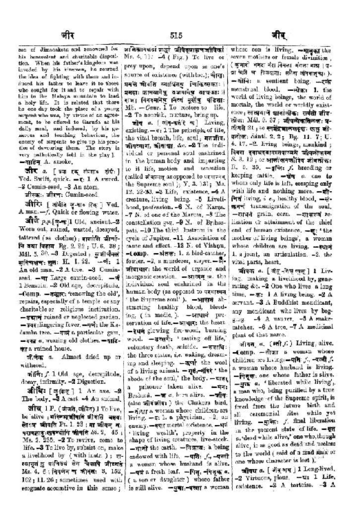
jīvá lebend, lebendig, lebend von (—˚); m. Lebewesen, Lebensprinzip, die Einzelseele (ph.)
Burnouf 1866 adjective
Original text · French · adjective
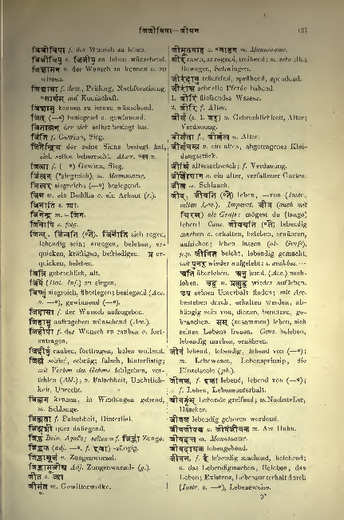
jīva jīva a. vivant, vif. — S. m. n. et jīvā f. vie; l'âme vivante et individuelle [par oppos. à parameśvara l'âme universelle]; jivam rudanti Vd. ils crient vivat! Genre de vie, profession, moyens d'existence. — F. terre; corde de l'are; clochettes ou grelots; celtis orientalis ou micocoulier, arbre. — N. une des 21 virāṭ de la gāyatrī. Lat. vivus; lith. gywas; got. qvivs; gr. βίος. jīvaka a. (jīv au c.) qui reçoit grâce de la vie; qui vit par le fait d'autrui. — S. m. et f. mendiant; usurier; esclave, serviteur. Animal; être vivant, en gén. Esp. de plante médicinale qui fournit un des 8 principaux médicaments [en ce sens jīvaka signifie qui fait vivre]. Chasseur de serpents, qui guérit leurs morsures. Pentaptera tomentosa, bot. [Page270-1] jivajīva et jīvañjīva m. faisan (?) La bartavelle (?) Esp. d'arbre.


Occurrences in source texts (22)
DYS 2 occurrences
HP 2 occurrences
HTK 2 occurrences
HTK 10.39–39*1: Jīvacālaka / Jīvacāla 2 occurrences
Direct occurrences
-
HTK 10.39 Segment 21
-
HTK 10.39*1 Segment 2
MAN 1 occurrence
SiSa 11 occurrences
SiSa 1.93-1.99: Karmische Verkörperung 4 occurrences
Direct occurrences
SiSa 2.35-2.40: Jīva und Karma 2 occurrences
Direct occurrences
SiSa 5.208-5.222: Rājayoga 2 occurrences
Direct occurrences
-
SiSa 5.210 Segment 3
-
SiSa 5.214 Segment 6
SS 1 occurrence
SVU 1 occurrence
Continue with AYI Free
Image source: AYI archive.