

sthiti स्थिति – stability; continuance; persistence
substantive feminine · Word type unspecified
Dictionary sources
AYI dictionary substantive feminine
stability; continuance; persistence
Derived from
Cappeller 1891 substantive feminine
Original text · English · substantive feminine
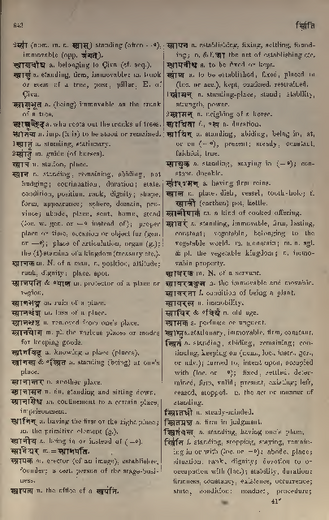
sthíti ·f. standing, stopping, staying, remaining in or with (loc. or --°); abode, place; situation, rank, dignity; devotion to or occupation with (loc.); stability, duration; firmness, constancy, existence, occurrence; state, condition; conduct, procedure; axiom, maxime, rule, custom, usage, boundary, limit; rectitude, virtue.
Monier-Williams 1872 substantive feminine
Original text · English · substantive feminine
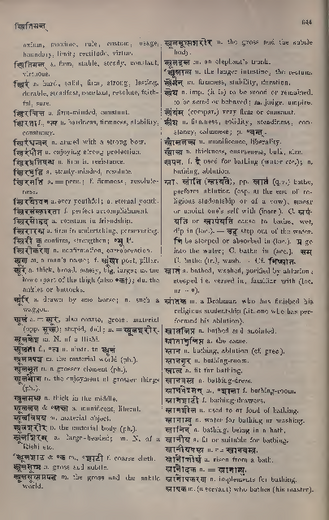
Sthiti, is, f. standing, staying, remaining, con- tinuing, living, residing, abiding; stay, residence; standing still, stopping, continuance in one state; remaining stationary, stability, duration, fixedness, fixity, a firm position; stop, cessation; pause; any situation, state, position; posture, condition, natural state, state of a case; good condition, well-doing, welfare; station, high station, rank, dignity; per- manence; continuance or steadfastness in the path of duty, steadiness, correctness of conduct, propriety, good manners; consistency; establishment of good order (in a government); settled rule, sure or fixed decision, ordinance, decree, axiom, maxim; settled determination; term, limit, boundary; (in philo- sophy) inertia, resistance to motion; one of the three states through which the system of created things and every individual being passes, (these three states are, 1. utpatti, arising into being; 2. sthiti, continuance in life; 3. laya, dissolution); (in astronomy) duration of an eclipse; (in Vedic grammar) the standing of a word by itself (i. e. without the particle iti, see sthita).
Petersburger 1855 Word type unspecified
Original text · German · Word type unspecified
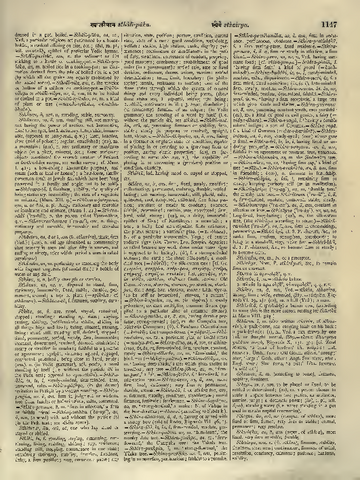
sthíti (von 1. sthā) f. = sthāna AK. 3,4,18,120. H. an. 2,206. MED. t. 70. HALĀY. 5,51. = āsyā, āsanā AK. 3,3,21. H. 1498. = avasthā daśā H. 1377. = avasthāna MED. = vyavasthā HALĀY. = maryādā AK. 2,8,1,26. TRIK. 3,3,191. H. 744. MED. = sīman H. an. MED. = kāṣṭhā AK. 3,4,10,43. = niveśa, racanā H. 1499. 1〉 das Stehen, Stillstehen: sthitimācareḥ bleibe stehen RAGH. 1,89. hyo 'bhavallavaṇotse me dinānte śrāmyataḥ sthitiḥ ich machte Halt RĀJA-TAR. 6,46. das Aufrechtstehen SUŚR. 2,148,3. — 2〉 das Bleiben —, Verweilen —, Sichbefinden an einem Orte, Aufenthalt MĀLATĪM. 152,20. eteṣāṃ svagṛhaṃ sthitaye dadau KATHĀS. 13,116. maṭhaṃ ca vidadhe sthityai daiśikānāṃ dvijanmanām RĀJA-TAR. 6,304. RĀJA-TAR. 4,605. KATHĀS. 20,22. KATHĀS. 78,25. HIT. ed. JOHNS. 1794. SARVADARŚANAS. 36,9. ciram RĀJA-TAR. 3,105. ayogya˚ adj. (deśa) Z. d. d. m. G. 27,83. payodharabhara˚ das Verbleiben am Orte so v. a. das Nichtherunterfallen Spr. (II) 3756. uccaiḥ payodānām Spr. (II) 2209. gāṃ ca khaṃ cāntarā R. GORR. 2,39,46. mit einem loc.: rakṣogṛhe UTTARAR. 3,3 (5,1). nāryā bhartṛgṛhe Spr. (II) 4430. sanmuktimārge Spr. (II) 5046. garbhe Spr. (II) 5960, v. l. puṇye 'raṇye Spr. (II) 7228. KATHĀS. 59,84. ŚUK. in LA. (III) 33,14. ŚUK. in LA. (III) H. 33,59. gurau prāṇāntikī KĀM. NĪTIS. 2,22. mūrdhni UTTARAR. 7,2 (UTTARAR. 10,9 = MĀLATĪM. 160,6). gṛhe mṛtasthitiḥ MĀRK. P. 50,90. tava kaṇṭhe kavacasya PAÑCAR. 1,4,34. anyasparśānāmavikṛtānāṃ padānte Comm. zu TS. PRĀT. 14,28. asaṃbhāvyasthitiṃ tatra marāvambhojinīmiva KATHĀS. 25,186. in comp. mit dem im loc. gedachten Worte: citta˚ KAP. 1,59. bhava˚ Spr. (II) 4315. svagṛha˚ KATHĀS. 4,26. KATHĀS. 19,29. RĀJA-TAR. 4,507. AK. 2,7,35. SARVADARŚANAS. 50,12. sthitiṃ kar Halt machen, seinen Wohnsitz aufschlagen KATHĀS. 12,126. KATHĀS. 15,31. KATHĀS. 29,106. RĀJA-TAR. 3,287. tuṅgānāmupari kṣitibhṛtām Z. d. d. m. G. 27,62. tadabhyarṇakṛta˚ RĀJA-TAR. 1,221. RĀJA-TAR. 1,238. gṛhasthitiṃ kar KATHĀS. 19,43. sthitiṃ grah KATHĀS. 26,202. KATHĀS. 43,57. KATHĀS. 51,71. bhaj KATHĀS. 24,174 (gṛhasthitim). RĀJA-TAR. 1,58. vi-dhā RĀJA-TAR. 3,530. — 3〉 Niederlage, Aufbewahrung: likhita˚ RĀJA-TAR. 3,385. sākṣirahitā bhartṛdhanasthitiḥ eine ohne Zeugen geschehene Ueberlieferung des Geldes des Gatten KATHĀS. 4,45. — 4〉 Standort ŚAT. BR. 14,6,10,18. balasya svāminaścaiva M. 7,167. (senāyāḥ) sthitiḥ = śibira H. 746. der Fische Spr. (II) 2478. salila˚ AK. 3,4,19,132. — 5〉 Rang, Stellung, Würde M. 11,237. kula˚ YAJÑ. 1,342 (Verhältniss ST.). brāhmī BHAG. 2,72. cyutaḥ punarvindati cātmanaḥ sthitim HARIV. 11273. dhairyātkadācitsthitimāpnuyāt Spr. (II) 2636. RĀJA-TAR. 1,365. RĀJA-TAR. 1,367. — 6〉 das Sichbefinden in einem Zustande, — Verhältnisse: rājya˚ das Herrschen, Herrschaft, Regierung Spr. (II) 6919. RĀJA-TAR. 1,361. PAÑCAT. 251,9. — 7〉 das Obliegen, Hingegebensein, Bedachtsein auf (loc.): yajñe tapasi dāne ca BHAG. 17,27. satye MBH. 1,4165. priyahite MBH. 1,6166. dharme MBH. 3,2228. R. GORR. 2,18,47. — 8〉 das Feststehen, Unbeweglichkeit: eines Berges RAGH. 12,31. kṣmāṃ sthitaye bibharti BHĀG. P. 5,25,13. — 9〉 Beharrlichkeit, Stetigkeit BHAG. 6,33. SARVADARŚANAS. 169,1. SARVADARŚANAS. 178,18. — 10〉 Bestand, Fortbestand ŚVETĀŚV. UP. 6,16. śarīra˚ RAGH. 5,9. kulasya KUMĀRAS. 1,18. VIKR. 153. amīṣāṃ jantūnāṃ katipayanimeṣasthitijuṣām Spr. (II) 525. satata˚ (pl.) Spr. (II) 1317. prāṇānubandha˚ Spr. (II) 1637. prāṇānām Spr. (II) 1985. ceṣṭānām Spr. (II) 5888. jagat˚ KATHĀS. 41,18. sthitiḥ prāptā tataḥ prabhṛti RĀJA-TAR. 4,141. avyaya˚ adj. (prāsāda) RĀJA-TAR. 5,37. dharmasya kurute sthitim VP._bei_MUIR, ST. 4,217. karoti ˚pālanam MĀRK. P. 19,36. ˚prada MĀRK. P. 99,28. ˚kartar MĀRK. P. 100,7. maṇḍala˚ BHĀG. P. 5,1,22. ŚAṂK._zu_BṚH. ĀR. UP. S. 280. zu CHĀND. UP. S. 35. SARVADARŚANAS. 35,5. brahmā tvaṃ sṛṣṭikāleṣu sthitau viṣṇurasi prabho . saṃhāre rudranāmāsi HARIV. 14935. sthityutpattivināśānām R. 6,102,29. SUŚR. 1,194,16. SUŚR. 1,249,12. SĀṂKHYAK. 69. RAGH. 2,44. Spr. (II) 1889. VARĀH. BṚH. 1,1. KATHĀS. 35,99. WEBER, RĀMAT. UP. 337. WEBER, RĀMAT. UP. 341. KṚṢṆAJ. 294. MĀRK. P. 103,2. BHĀG. P. 1,2,23. BHĀG. P. 2,5,18. BHĀG. P. 2,8,10. BHĀG. P. 2,10,4. BHĀG. P. 3,5,16. BHĀG. P. 3,5,22. BHĀG. P. 3,5,42. BHĀG. P. 3,7,28. BHĀG. P. 3,9,14. BHĀG. P. 3,5,16. BHĀG. P. 4,1,16. BHĀG. P. 4,1,56. BHĀG. P. 4,9,15. BHĀG. P. 4,11,16. BHĀG. P. 4,29,79. BHĀG. P. 5,17,21. BHĀG. P. 5,18,38. BHĀG. P. 5,20,39. BHĀG. P. 6,3,12. BHĀG. P. 7,9,31. BHĀG. P. 8,5,22. PAÑCAR. 3,15,23. SARVADARŚANAS. 60,6. SARVADARŚANAS. 60,10. SARVADARŚANAS. 84,5. — 11〉 Dauer: manvantara˚ MĀRK. P. 100,45. MĀRK. P. 101,1. manūnām S. 658, Z. 15. nātīva svalpā, nātīva dīrghā RĀJA-TAR. 3,152. einer Eklipse SŪRYAS. 4,15. GOLĀDHY. GRAHAṆAV. 7. fgg. GAṆIT. CANDRAGR. 13,15. GAṆIT. CANDRAGR. 13,18. fg. Lebensdauer MĀRK. P. 59,22. — 12〉 das Bestehende so v. a. Welt BHĀG. P. 2,6,18. — 13〉 das Dasein, Vorkommen, Angetroffenwerden MBH. 6,391. SĀH. D. 534. SĀH. D. 543. SĀH. D. 756. SARVADARŚANAS. 9,16. — 14〉 Verfahren, Benehmen: sthitiriyaṃ durjanānām HIT. 23,1. HIT. 129,17. KATHĀS. 64,102. vyavahāra˚ M. 8,7. — 15〉 Zustand: jīvasya PRAB. 56,5. rājakulasya PRAB. 100,1. BHĀG. P. 3,4,19. gṛhaṃ vidhurasthiti KATHĀS. 2,48. pṛthak˚ VIKR. 102. nirvyāpāra˚ AK. 3,4,13,50. Lage (eines Menschen): yathā bhāryā tathā sthitiḥ Spr. (II) 2449. kuṭilaśvaśrūparatantravadhū˚ KATHĀS. 29,74. RĀJA-TAR. 6,146. sarveṣāmapi jantūnāmeveyaṃ sthitiḥ in dieser Lage befinden sich alle Wesen, so verhält es sich mit a W. PAÑCAT. 124,4. — 16〉 Bestimmung, Vorschrift, Regel ŚAT. BR. 4,6,5,4. ŚAT. BR. 6,1,2,25. ŚAT. BR. 13,4,3,4. ŚĀṄKH. BR. 11,7. ŚĀṄKH. BR. 12,7. ṚV. PRĀT. 2,44. NIR. 8,22. M. 2,224. M. 3,120. M. 4,33. M. 5,80. M. 5,98. M. 5,129. M. 8,162. M. 8,200. M. 8,265. M. 9,189. M. 9,283. M. 10,55. M. 10,78. M. 11,146. M. 12,94. Spr. (II) 3685. YĀJÑ. 2,21. YĀJÑ. 2,126. WEBER, JYOT. 52. WEBER, JYOT. 61. Citat im Comm. zu AV. PRĀT. 1,10. vyavahāre M. 8,199. sthitireṣā hi bhaimānāṃ kṛtā (so die neuere Ausg.) kṛṣṇena HARIV. 8310. sthitirnāstyeva mātrāyāḥ ŚĀRṄG. SAṂH. 1,1,28. Verordnung KATHĀS. 13,168. rājñā pravartitāḥ sthitayaḥ RĀJA-TAR. 4,53. Brauch: anādirdeśe tatredṛśī sthitiḥ KATHĀS. 65,23. Einrichtung, Institution: yaudhiṣṭhirī RĀJA-TAR. 1,120. — 17〉 feste Ansicht, Ueberzeugung: śyenaḥ kapotānattīti sthitireṣā sanātanī MBH. 3,10581. YĀJÑ. 3,153. ekaiva daṇḍanītistu vidyetyauśanasī sthitiḥ KĀM. NĪTIS. 2,5. — 18〉 das Bestehen —, Etwas — Geben auf (loc.): vayasi Spr. (II) 3668, v. l. — 19〉 das Verbleiben auf dem Pfade des Gesetzes, der Tugend MBH. 1,436. MBH. 3,2410. R. GORR. 1,49,6. RAGH. 1,25. Spr. (II) 2478. Spr. (II) 7009, v. l. — 20〉 die sittlichen Schranken: bhṛtyaṃ bhaktaṃ sthitaṃ sthityām R. 2,52,53 (R. 2,51,21 GORR.). Spr. (II) 1858. ˚jña KUMĀRAS. 1,18. sthitiṃ bhindan BHAṬṬ. 7,68. ˚bhid RAGH. 11,65. sthiterabhettā RAGH. 3,27. abhinna˚ adj. ŚĀK. 107. sthityatikrānti KIR. 11,54. anapoḍha˚ adj. RAGH. 12,31. — 21〉 Form, Gestalt MĀRK. P. 57,4. — 22〉 die einfache Stellung eines Wortes ohne iti ṚV. PRĀT. 11,15. — 23〉 fehlerhaft für sthala (so ed. Bomb.) MBH. 12,6138. — Vgl. niyama˚, bala˚, yathā˚, rājya˚, loka˚, vaṃśa˚, samyak˚, su˚.
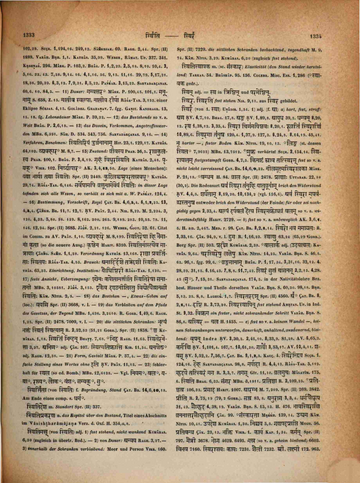
Böhtlingk 1879 substantive feminine
Original text · German · substantive feminine
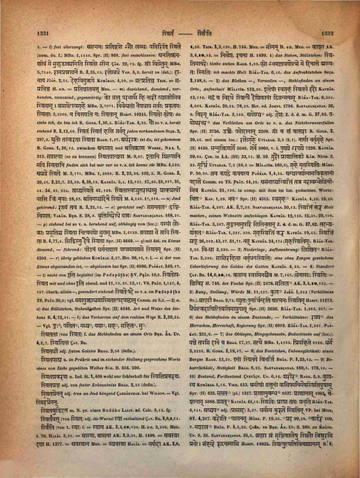
sthíti f. — 1〉 das Stehen, Stillstehen, Haltmachen. — 2〉 das Aufrechtstehen. — 3〉 das Bleiben —, Verweilen —, Sichbefinden an einem Orte oder bei Jmd (Loc. oder im Comp. vorangehend), Aufenthalt. Acc. mit kar, graha, bhaj oder vi-dhā seinen Aufenthalt nehmen, seinem Wohnsitz aufschlagen. — 4〉 das Bleiben am Orte, so v. a. das Nichtherunterfallen. — 5〉 Niederlage, Aufbewahrung Deponirung. — 6〉 Standort. — 7〉 Rang, Stellung, Würde. — 8〉 das Sichbefinden in einem Zustande, — in einem Verhältnisse. Vgl. rājya˚ — 9〉 das Obliegen, Hingegebensein, Bedachtsein auf (Loc.). — 10〉 das Feststehen, Unbeweglichkeit. — 11〉 Beharrlichkeit, Stetigkeit. — 12〉 Bestand, Fortbestand. Auch Pl. — 13〉 Dauer. — 14〉 Lebensdauer. — 15〉 das Bestehende, so v. a. die Welt. — 16〉 das Dasein, Vorkommen, Angetroffenwerden. — 17〉 Verfahren, Benehmen ŚIŚ. 17,19. — 18〉 Zustand, Lage (eines Menschen). — 19〉 Bestimmung, [Page7-215-a] Vorschrift, Regel, Verordnung. — 20〉 Brauch, Herkommen. — 21〉 Einrichtung, Institution. — 22〉 feste Ansicht, Ueberzeugung. — 23〉 das Bestehen —, Etwas Geben auf (Loc.). — 24〉 das Verbleiben auf dem Pfade des Gesetzes, — der Tugend. — 25〉 Grenze, Schranken (ŚIŚ. 12,36. 17,12), insbes. die sittlichen. — 26〉 Form, Gestalt. — 27〉 die einfache Stellung eines Wortes ohne iti. — 28〉 MBH. 12,613 fehlerhaft für sthala.
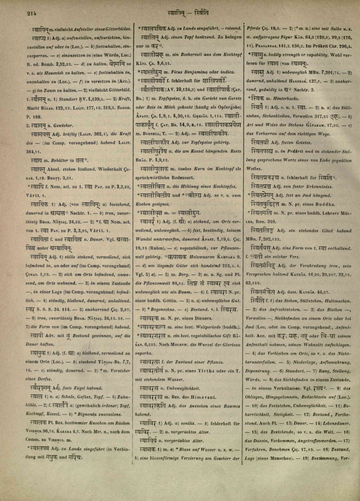

Apte 1890 substantive feminine
Original text · English · substantive feminine
sthitiḥ f. [sthā-ktin] 1 Standing, remaining, staying, abiding, living, stay, residence; sthitiṃ no re dadhyāḥ kṣaṇamapi madāṃdhekṣaṇa sakhe Bv. 1. 52; rakṣogṛhe sthitirmūlamagniśuddhau tvaniścayaḥ U. 1. 6. 2 Stopping, standing still, ([Page 1149-c]) continuance in one state; prasthitāyāṃ pratiṣṭhethāḥ sthitāyāṃ sthitimācareḥ R. 1. 89. 3 Remaining stationary, fixity, steadiness, firmness, steady application or devotion; mama bhūyāt paramātmani sthitiḥ Bv. 4. 23; Māl. 5. 22. 4 A state, position, situation, condition. 5 Natural state, nature, habit; atha vā sthitiriyaṃ maṃdamatīnāṃ H. 4. 6 Stability, permanence, perpetuation, continuance; vaṃśasthiteradhigamānmahati pramode V. 5. 15; kanyāṃ kulaṃsya sthitaye sthitijñaḥ Ku. 1. 18 R. 3. 27. 7 Correctness of conduct, steadfastness in the path of duty, decorum, duty, moral rectitude, propriety; R. 3. 27, R. 11. 65, R. 12. 31; Ku. 1. 18; Ś. 5. 10, 8 Maintenance of discipline, establishment of good order (in astate); R. 1. 25. 9 Rank, dignity, high station or rank. 10 Maintenance, sustenance; Māl. 9. 32, R. 5. 9. 11 Continuance in life, preservation (one of the three states of human beings); sargasthitipratyavahārehatuḥ R. 2. 44; Ku. 2. 6. 12 Cessation, pause, stop. 13 Wellbeing, welfare. 14 Consistency. 15 A settled rule, ordinance, decree, an axiom or maxim. 16 Settled determination. 17 Term, limit, boundary. 18 Inertia, resistance to motion. 19 Duration of an eclipse. 20 Regard, consideration, account; nāsāṃ ca vayasi sthitiḥ Pt. 1. 143. Comp. — padaṃ the proper basin (for flow), the right path; Mu. 3. 8. — sthāpaka a. fixing in the original position, having the power of restoring to a previous state, having elastic properties. — (kaḥ) elasticity, capability of recovering the former position.

Cappeller 1887 substantive feminine
Original text · German · substantive feminine
sthíti (sthití) f. das Stehen, Verweilen, Aufenthalt, Sichbefinden in (Loc. o. —˚); Stellung, Rang; das Fortbestehen, Beharrlichkeit, Dauer, Beständigkeit, Tugend; das Bedachtsein o. Bestehen auf (Loc.); Zustand, Lage, Verfahren, Benehmen, Art und Weise, Ordnung, Einrichtung, Satzung, Regel.

Burnouf 1866 substantive feminine
Original text · French · substantive feminine
sthiti sthiti f. (sthā; sfx. ti) station; immobilité; fixité; persévérance, ordre constant; constance dans la vertu. Arrêt, cessation, terme; limite, frontière. Simple énonciation d'un mot isolé, tg. sthitikṣāmi (dén.) supporter, endurer.
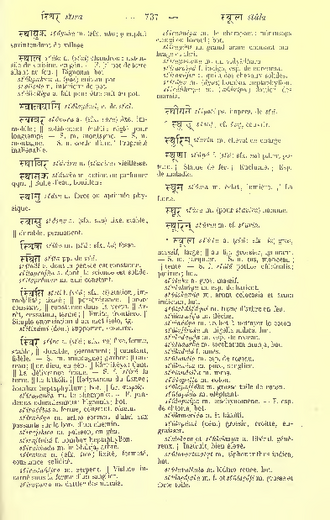
Occurrences in source texts (16)
GoS 1 occurrence
HTK 1 occurrence
PJH 1 occurrence
PJH 7-8: Tantric Cosmology and the Revelation of Divine Awareness 1 occurrence
Direct occurrences
-
PJH 8 Segment 5
PYS 3 occurrences
SiSa 3 occurrences
SS 2 occurrences
SVU 1 occurrence
Continue with AYI Free
Image source: AYI archive.