



Chapter 2 of the Śiva Saṃhitā – The body as cosmos

Śiva Saṃhitā 2: the body, the nāḍīs, inner fire and liberating knowledge

Chapter 2 describes the body as a cosmos, its channels (nāḍīs) and its inner fire. It moves from karma and māyā to liberating knowledge. Its Sanskrit title is Tattvajñānopadeśa.

Dr. Ronald Steiner Dr. Ronald Steiner
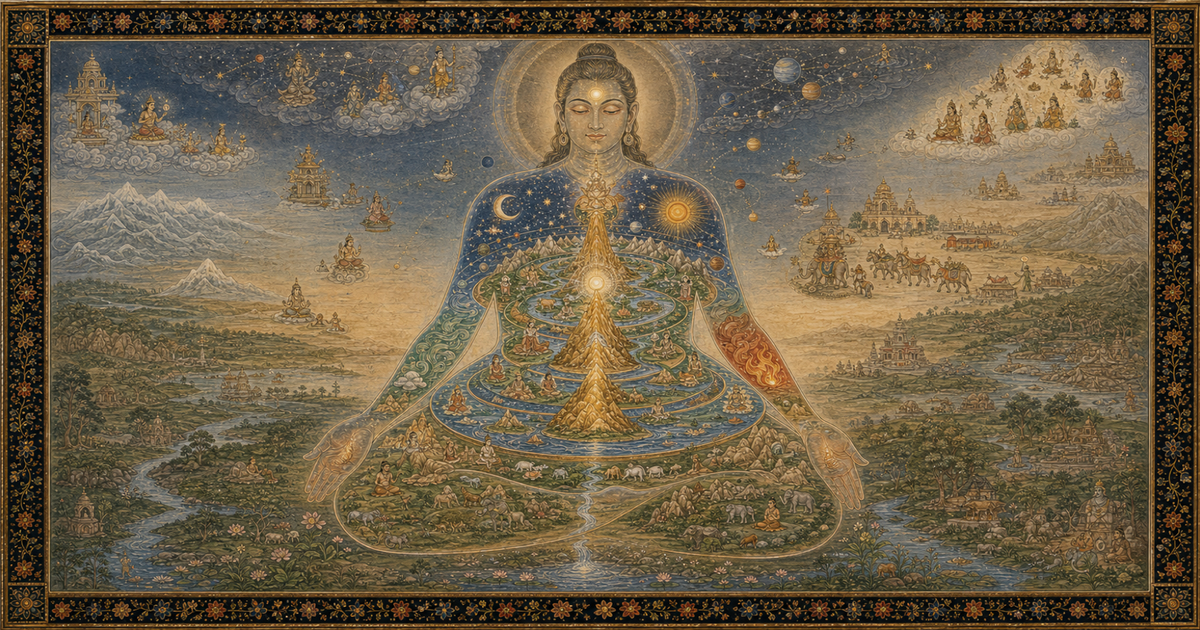
SiSa 2.1-2.5: The body as cosmos

Śiva Saṃhitā 2.1-2.5: the body as cosmos

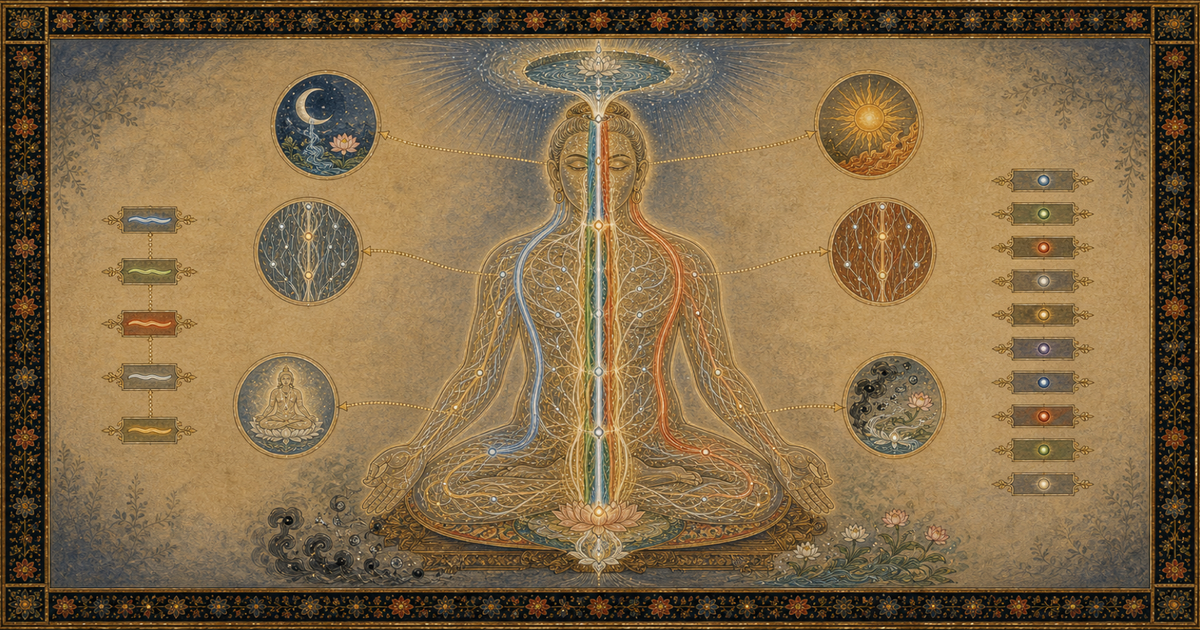
The body contains Meru, worlds, elements and sacred places; one who recognises this inner cosmology is regarded as a Yogi.

Śiva Saṃhitā 2.1
In this body (dehe 'smin | loc sg) is situated (vartate | 3p sg med pres) Meru (meruḥ | nom sg), endowed with the seven islands (sapta-dvīpa-samanvitaḥ | nom sg m ppp); rivers (saritaḥ | nom pl), oceans (sāgarāḥ | nom pl), mountains (śailāḥ | nom pl), regions (kṣetrāṇi | nom pl) and guardians of the regions (kṣetra-pālakāḥ | nom pl) [are there].
Dr. Ronald Steiner - 2026 - historically literal
Śiva Saṃhitā 2.2
Seers (ṛṣayaḥ | nom pl), sages (munayaḥ | nom pl), all (sarve | nom pl m) the constellations (nakṣatrāṇi | nom pl), the planets (grahāḥ | nom pl) likewise (tathā), sacred places of pilgrimage (puṇya-tīrthāni | nom pl), seats (pīṭhāni | nom pl) and deities of the seats (pīṭha-devatāḥ | nom pl) are situated [within it] (vartante | 3p pl med pres).
Dr. Ronald Steiner - 2026 - historically literal
Śiva Saṃhitā 2.3
The two agents of creation and dissolution (sṛṣṭi-saṃhāra-kartārau | nom du), the moon and sun (śaśi-bhāskarau | nom du), circle (bhramantau | nom du m pca); space (nabhaḥ | nom sg), wind (vāyuḥ | nom sg) and (ca) fire (vahniḥ | nom sg), and (ca) water (jalaṃ | nom sg) and (ca) earth (pṛthvī | nom sg) likewise (tathā), indeed (eva), [are there].
Dr. Ronald Steiner - 2026 - historically literal
Śiva Saṃhitā 2.4
Whatever beings (yāni bhūtāni | nom pl) [are] in the three worlds (trailokye | loc sg), all (sarvāṇi | nom pl n) these (tāni | nom pl n) [are] from the body (dehataḥ | abl sg); encircling (saṃveṣṭya | abs) Meru (meruṃ | acc sg), worldly activity (vyavahāraḥ | nom sg) takes place (pravartate | 3p sg med pres) everywhere (sarvatra).
Dr. Ronald Steiner - 2026 - historically literal
Śiva Saṃhitā 2.5
Whoever (yaḥ | nom sg m) knows (jānāti | 3p sg act pres) all (sarvam | acc sg n) this (idaṃ | acc sg n), that person (saḥ | nom sg m) [is] a yogi (yogī | nom sg); [there is] no (na) doubt (saṃśayaḥ | nom sg) about this (atra).
Dr. Ronald Steiner - 2026 - historically literal
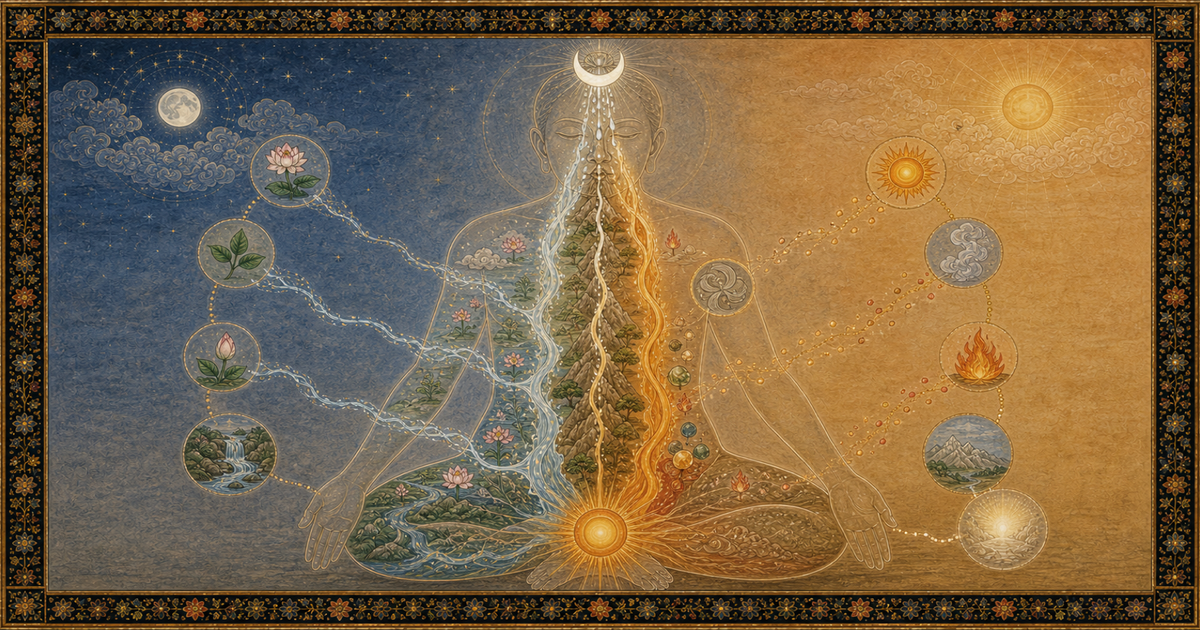
SiSa 2.6-2.12: Moon and sun

Śiva Saṃhitā 2.6-2.12: moon, sun and streams of nectar

Moon and sun move nectar, Amṛta and the power of fire through the inner pathways; Iḍā, the right-hand path and Meru are interpreted in cosmological terms.

Śiva Saṃhitā 2.6
In the body called the Brahma egg (brahmāṇḍa-saṃjñake dehe | loc sg), [it] is arranged (vyavasthitaḥ | nom sg m ppp) according to its place (yathā-deśaṃ | acc sg); on the summit of Meru (meru-śṛṅge | loc sg) [is] the nectar ray (sudhā-raśmiḥ | nom sg), endowed with eight kalās (aṣṭa-kalā-yutaḥ | nom sg m ppp) towards the outside (bahis).
Dr. Ronald Steiner - 2026 - historically literal
Śiva Saṃhitā 2.7
It (saḥ | nom sg m) also (api) remains (vartate | 3p sg med pres) day and night (aharniśam); with its face directed downwards (adho-mukhaḥ | nom sg m), it pours forth (varṣati | 3p sg act pres) nectar (sudhāṃ | acc sg). From there (tataḥ), the Amṛta (amṛtaṃ | nom sg), having become twofold (dvidhā-bhūtaṃ | nom sg n ppp), subtle (sūkṣmaṃ | nom sg n), flows (yāti | 3p sg act pres): as (yathā), and (ca), indeed (vai).
Dr. Ronald Steiner - 2026 - historically literal
Śiva Saṃhitā 2.8
Through the path of Iḍā (iḍā-mārgeṇa | ins sg), the water of Mandākinī (mandākinī-jalam | nom sg) flows (yāti | 3p sg act pres) for the purpose of strengthening (puṣṭy-arthaṃ | acc sg); it certainly (niścitam) nourishes (puṣṇāti | 3p sg act pres) the whole body (sakalaṃ deham | acc sg) through the path of Iḍā (iḍā-mārgeṇa | ins sg).
Dr. Ronald Steiner - 2026 - historically literal
Śiva Saṃhitā 2.9
This (eṣaḥ | nom sg m) nectar ray (pīyūṣa-raśmiḥ | nom sg), indeed (hi), is situated (vyavasthitaḥ | nom sg m ppp) on the left side (vāma-pārśve | loc sg). The other (aparaḥ | nom sg m), resembling pure milk (śuddha-dugdhābhaḥ | nom sg m), draws (karṣati | 3p sg act pres) forcibly (haṭhāt) from the disc (maṇḍalāt | abl sg); through the middle path (madhya-mārgeṇa | ins sg), the moon (candramāḥ | nom sg) enters (saṃyāti | 3p sg act pres) Meru (merau | loc sg) for the purpose of creation (sṛṣṭy-arthaṃ | acc sg).
Dr. Ronald Steiner - 2026 - historically literal
Śiva Saṃhitā 2.10
At the root of Meru (meru-mūle | loc sg) is situated (sthitaḥ | nom sg m ppp) the sun (sūryaḥ | nom sg), endowed with twelve kalās (kalā-dvādaśa-saṃyutaḥ | nom sg m ppp); along the right-hand path (dakṣiṇe pathi | loc sg), the lord of creatures (prajā-patiḥ | nom sg) leads (vahati | 3p sg act pres) upwards (ūrdhvam) with rays (raśmibhiḥ | ins pl).
Dr. Ronald Steiner - 2026 - historically literal
Śiva Saṃhitā 2.11
[It] constantly (dhruvam) consumes (grasati | 3p sg act pres) the outflow of the nectar ray (pīyūṣa-raśmi-niryāsaṃ | acc sg) and (ca) the dhātus (dhātūn | acc pl); in the sphere of wind (samīra-maṇḍale | loc sg), the sun (sūryaḥ | nom sg) wanders (bhramate | 3p sg med pres) throughout the body (sarva-vigrahe | loc sg).
Dr. Ronald Steiner - 2026 - historically literal
Śiva Saṃhitā 2.12
This (eṣā | nom sg f) other form of the sun (sūrya-parā-mūrtiḥ | nom sg) carries (vahate | 3p sg med pres) Nirvāṇa (nirvāṇaṃ | acc sg) along the right-hand path (dakṣiṇe pathi | loc sg); through a favourable conjunction (lagna-yogena | ins sg), [it] brings about creation and dissolution (sṛṣṭi-saṃhāra-kārakaḥ | nom sg m).
Dr. Ronald Steiner - 2026 - historically literal
SiSa 2.13-2.20: Suṣumṇā and Citrā

Śiva Saṃhitā 2.13-2.20: Suṣumṇā, Citrā and Brahmarandhra

The Nāḍīs are counted and arranged; Suṣumṇā, Citrā and Brahmarandhra are presented as the central path to Amṛta and liberation.

Śiva Saṃhitā 2.13
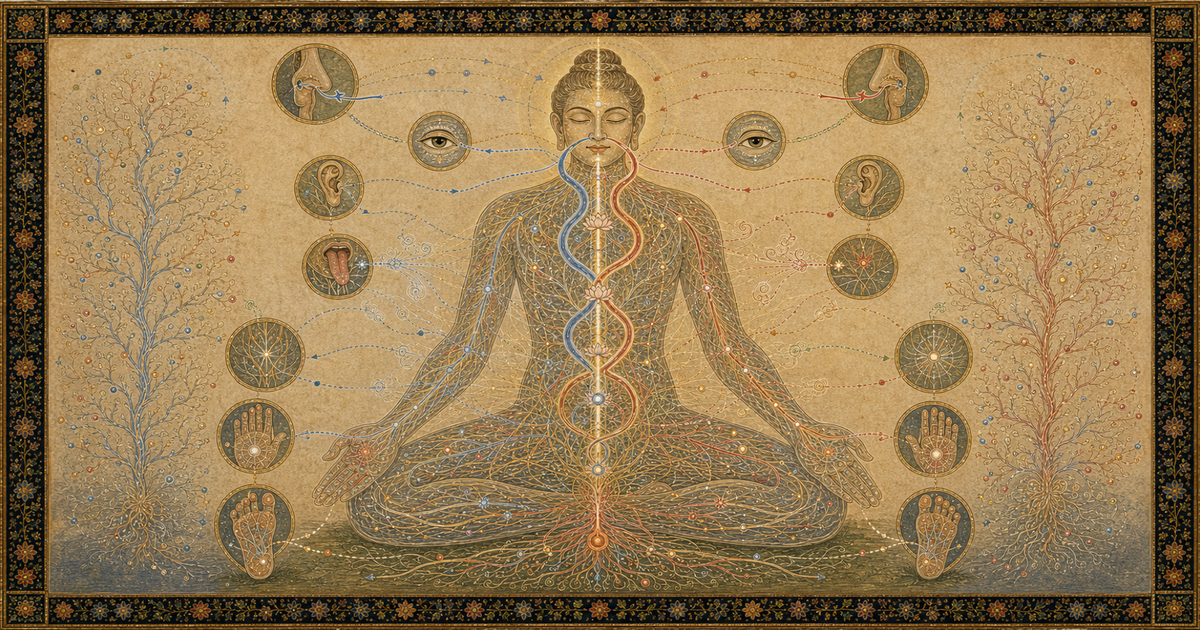
Three and a half lakhs (sārdha-lakṣa-trayaṃ | nom sg n) of nāḍīs (nāḍyaḥ | nom pl) are (santi | 3p pl act pres) inside the body (dehāntare | loc sg) of human beings (nṛṇām | gen pl); but (tu) of the nāḍīs (nāḍyaḥ | nom pl) that have become principal (pradhāna-bhūtāḥ | nom pl f ppp), among these (tāsu | loc pl f), fourteen (caturdaśaḥ | nom pl f) [are] the most important (mukhyāḥ | nom pl f).
Dr. Ronald Steiner - 2026 - historically literal
Śiva Saṃhitā 2.14
Suṣumṇā (suṣumṇā | nom sg), Iḍā (iḍā | nom sg) and (ca) Piṅgalā (piṅgalā | nom sg), Gāndhārī (gāndhārī | nom sg), Hastijihvikā (hasti-jihvikā | nom sg); Kuhū (kuhūḥ | nom sg), Sarasvatī (sarasvatī | nom sg), Pūṣā (pūṣā | nom sg), Śaṅkhinī (śaṅkhinī | nom sg) and (ca) Payasvanī (payasvanī | nom sg) [are such nāḍīs].
Dr. Ronald Steiner - 2026 - historically literal
Śiva Saṃhitā 2.15
Vāruṇī (vāruṇī | nom sg) and indeed (caiva) Alambusā (alambusā | nom sg), Viśvodarī (viśvodarī | nom sg), Yaśasvinī (yaśasvinī | nom sg); among these (etāsu | loc pl f), three (tisraḥ | nom pl f) may be (syuḥ | 3p pl act opt) the most important (mukhyāḥ | nom pl f): Piṅgalā (piṅgalā | nom sg), Iḍā (iḍā | nom sg), Suṣumṇikā (suṣumṇikā | nom sg).
Dr. Ronald Steiner - 2026 - historically literal
Śiva Saṃhitā 2.16
Among the three (tisraṣu | loc pl f), one (ekā | nom sg f), Suṣumṇā itself (suṣumṇaiva | nom sg), is the most important (mukhyā | nom sg f); it (sā | nom sg f) is dear to the yogis (yogi-vallabhā | nom sg f). The other (anyāḥ | nom pl f) nāḍīs (nāḍyaḥ | nom pl) of embodied beings (dehinām | gen pl) exist (santi | 3p pl act pres), indeed (hi), having taken (kṛtvā | abs) this as their basis (tad-āśrayaṃ | acc sg).
Dr. Ronald Steiner - 2026 - historically literal
Śiva Saṃhitā 2.17
These (tāḥ | nom pl f) nāḍīs (nāḍyas | nom pl), however (tu), are situated (sthitāḥ | nom pl f ppp) with their openings directed downwards (adho-vaktrāḥ | nom pl f), resembling lotus fibres (padma-tantu-nibhāḥ | nom pl f); as [they] rest (samāśritya | abs) on the spine (pṛṣṭha-vaṃśaṃ | acc sg), [it] has the form of moon, sun and fire (soma-sūryāgni-rūpiṇī | nom sg f).
Dr. Ronald Steiner - 2026 - historically literal
Śiva Saṃhitā 2.18
In the middle (madhye | loc sg) of these (tāsāṃ | gen pl) is situated (gatā | nom sg f ppp) the nāḍī (nāḍī | nom sg) Citrā (citrā | nom sg); it (sā | nom sg f) is dear (vallabhā | nom sg f) to me (mama | gen sg). And (ca) right there (tatraiva) is the opening of Brahman (brahma-randhraṃ | nom sg), auspicious (śubham | nom sg n) and finer (sūkṣmataraṃ | nom sg n) than the fine (sūkṣmāt | abl sg n).
Dr. Ronald Steiner - 2026 - historically literal
Śiva Saṃhitā 2.19
Shining in five colours (pañca-varṇojjvalā | nom sg f) and pure (śuddhā | nom sg f), Suṣumṇā (suṣumṇā | nom sg) runs through the middle (madhya-cāriṇī | nom sg f); it (sā | nom sg f) has the form of the body's foundation (dehasyopādhi-rūpā | nom sg f): Suṣumṇā (suṣumṇā | nom sg), having the central form (madhya-rūpiṇī | nom sg f).
Dr. Ronald Steiner - 2026 - historically literal
Śiva Saṃhitā 2.20
[One has] proclaimed (proktam | acc sg m ppp) this (idaṃ | acc sg m) divine path (divya-mārgam | acc sg), which brings about immortality and bliss (amṛtānanda-kārakam | acc sg m); through meditation alone (dhyāna-mātreṇa | ins sg), the lord of yogis (yogīndraḥ | nom sg) may destroy (vināśayet | 3p sg act opt caus) the flood of evil (duritaughaṃ | acc sg).
Dr. Ronald Steiner - 2026 - historically literal
SiSa 2.21-2.24: Ādhāra and Kuṇḍalī

Śiva Saṃhitā 2.21-2.24: Ādhāra, Yoni and Kuṇḍalī

The secret Yoni lies in the Ādhāra lotus; Kuṇḍalī appears there as the supreme creative goddess and the source of language.

Śiva Saṃhitā 2.21
Two fingerbreadths (dvy-aṅgulāt | abl sg) above (ūrdhvam) the anus (gudāt | abl sg), however (tu), and two fingerbreadths (dvy-aṅgulāt | abl sg) below (adhaḥ) the penis (meḍhrāt | abl sg), however (tu), lies (vartate | 3p sg med pres) the Ādhāra (ādhāraṃ | nom sg), extending four fingerbreadths (catur-aṅgula-vistāram | acc sg m) and level (samam | nom sg n).
Dr. Ronald Steiner - 2026 - historically literal
Śiva Saṃhitā 2.22
In this Ādhāra lotus (tasminn ādhāra-padme | loc sg) and (ca) in its seed capsule (karṇikāyāṃ | loc sg) is situated (vartate | 3p sg med pres) a very beautiful (suśobhanā | nom sg f), triangular (tri-koṇā | nom sg f) yoni (yoniḥ | nom sg), concealed (gopitā | nom sg f ppp) in all the Tantras (sarva-tantreṣu | loc pl).
Dr. Ronald Steiner - 2026 - historically literal
Śiva Saṃhitā 2.23
There (tatra) is Kuṇḍalī (kuṇḍalī | nom sg), the supreme goddess (para-devatā | nom sg), in the form of a tendril of lightning (vidyul-latākārā | nom sg f); formed in three and a half turns (sārddha-tri-karā | nom sg f), coiled (kuṭilā | nom sg f), she is situated in the path of Suṣumṇā (suṣumṇā-mārga-saṃsthitā | nom sg f ppp).
Dr. Ronald Steiner - 2026 - historically literal
Śiva Saṃhitā 2.24
She (sā | nom sg f) has the form of the creation of the world (jagat-saṃsṛṣṭi-rūpā | nom sg f) and is constantly (satata) intent (udyatā | nom sg f ppp) on bringing forth (nirmāṇe | loc sg); inexpressible (avācyā | nom sg f pfp) in words (vācām | gen pl), she is the goddess of speech (vāg-devī | nom sg), always (sadā) revered (namaskṛtā | nom sg f ppp) by the gods (devaiḥ | ins pl).
Dr. Ronald Steiner - 2026 - historically literal
SiSa 2.25-2.31: The network of Nāḍīs

Śiva Saṃhitā 2.25-2.31: Iḍā, Piṅgalā and the network of Nāḍīs

The positions of Iḍā, Piṅgalā and Suṣumṇā are described; from them, the branching network of Nāḍīs extends throughout the body.

Śiva Saṃhitā 2.25
The nāḍī (nāḍī | nom sg) which (yā | nom sg f) is called Iḍā (iḍā-nāmnī | nom sg f) is situated (vyavasthitā | nom sg f ppp) along the left-hand path (vāma-mārge | loc sg); joining closely (samāśliṣya | abs) to Suṣumṇā (suṣumṇāyāṃ | loc sg), it has reached (gatā | nom sg f ppp) the right nostril (dakṣa-nāsā-puṭe | loc sg).
Dr. Ronald Steiner - 2026 - historically literal
Śiva Saṃhitā 2.26
The nāḍī (nāḍī | nom sg) which (yā | nom sg f) is called (nāma) Piṅgalā (piṅgalā | nom sg) is situated (vyavasthitā | nom sg f ppp) along the right-hand path (dakṣa-mārge | loc sg); joining closely (samāśliṣya | abs) to the middle nāḍī (madhya-nāḍīṃ | acc sg), it has reached (gatā | nom sg f ppp) the left nostril (vāma-nāsā-puṭe | loc sg).
Dr. Ronald Steiner - 2026 - historically literal
Śiva Saṃhitā 2.27
In the middle (madhye | loc sg) of Iḍā and Piṅgalā (iḍā-piṅgalayoḥ | gen du) is indeed (khalu) Suṣumṇā (suṣumṇā | nom sg), which (yā | nom sg f) may be (bhavet | 3p sg act opt) [there]; in six stations (ṣaṭ-sthāneṣu | loc pl), the yogis (yoginaḥ | nom pl) know (viduḥ | 3p pl act perf) also (ca) the sixfold Śakti (ṣaṭ-śaktiṃ | acc sg) [and] the lotus comprising six lotuses (ṣaṭ-padmaṃ | acc sg).
Dr. Ronald Steiner - 2026 - historically literal
Śiva Saṃhitā 2.28
[There is] the fivefold station (pañca-sthānaṃ | nom sg) of Suṣumṇā (suṣumṇāyāḥ | gen sg), and (ca) [its] names (nāmāni | nom pl) may be (syuḥ | 3p pl act opt) many (bahūni | nom pl n); here (iha), these (tāni | nom pl n) are to be known (jñātavyāni | nom pl n pfp) according to their purpose (prayojana-vaśāt | abl sg), in accordance with scripture (śāstrataḥ).
Dr. Ronald Steiner - 2026 - historically literal
Śiva Saṃhitā 2.29
There is (asti | 3p sg act pres) another (anyā | nom sg f), which (yā | nom sg f) is a further nāḍī (aparā nāḍī | nom sg), arisen (samutthitā | nom sg f ppp) from Mūlādhāra (mūlādhārāt | abl sg); [it reaches] the tongue, penis and eye (rasanā-meḍhra-nayanaṃ | acc sg), the big toe of the foot (pādāṅguṣṭhe | loc sg) and (ca) the ear (śrotrakam | acc sg); the belly, armpit, thumb and ear (kukṣi-kakṣāṅguṣṭha-karṇaṃ | acc sg), the entire body (sarvāṅgaṃ | acc sg), the anus and lower abdomen (pāyu-kukṣikam | acc sg). Having reached (labdhvā | abs) this (tāṃ | acc sg f), they indeed (vai) return (nivartante | 3p pl med pres), as (yathā) they arose from their place (deśa-samudbhavāḥ | nom pl m ppp).
Dr. Ronald Steiner - 2026 - historically literal
Śiva Saṃhitā 2.30
Precisely (eva) from these nāḍīs (etābhyaḥ nāḍībhyaḥ | abl pl) and from branches and sub-branches (śākhopaśākhataḥ | abl sg), three and a half lakhs (sārdha-lakṣa-trayaṃ | nom sg n) have arisen (jātam | nom sg n ppp), successively (kramāt | abl sg), and are arranged (vyavasthitam | nom sg n ppp) according to their respective portions (yathā-bhāgaṃ | acc sg).
Dr. Ronald Steiner - 2026 - historically literal
Śiva Saṃhitā 2.31
These (etāḥ | nom pl f) nāḍīs (nāḍyaḥ | nom pl) carry experiences (bhoga-vahāḥ | nom pl f) and are able to convey the wind (vāyu-sañcāra-dakṣakāḥ | nom pl f); woven lengthwise and crosswise (ota-protāḥ | nom pl f ppp), having thoroughly permeated [it] (susaṃvyāpya | abs), they exist (tiṣṭhanti | 3p pl act pres) in this body (asmin kalevare | loc sg).
Dr. Ronald Steiner - 2026 - historically literal
SiSa 2.32-2.34: Inner fire

Śiva Saṃhitā 2.32-2.34: Vaiśvānara as the inner sacrificial fire

The inner fire in the lower abdomen digests food, strengthens the body and vital forces, and is tended through daily offerings in Yoga.

Śiva Saṃhitā 2.32
Situated in the middle of the solar disc (sūrya-maṇḍala-madhya-sthaḥ | nom sg m), endowed with twelve kalās (kalā-dvādaśa-saṃyutaḥ | nom sg m ppp), the blazing fire (jvalad-vahniḥ | nom sg) is situated (vartate | 3p sg med pres) in the region of the lower abdomen (vasti-deśe | loc sg), and (ca) it digests food (anna-pācakaḥ | nom sg m). This (eṣaḥ | nom sg m) is indeed (vai) the Vaiśvānara fire (vaiśvānaro'gniḥ | nom sg), arisen from a portion of the fire (tejo'ṃśa-sambhavaḥ | nom sg m ppp) that is mine (mama | gen sg); occupying (āsthitaḥ | nom sg m ppp) the body (deham | acc sg) of living beings (prāṇināṃ | gen pl), it carries out (karoti | 3p sg act pres) manifold digestion (vividhaṃ pākaṃ | acc sg).
Dr. Ronald Steiner - 2026 - historically literal
Śiva Saṃhitā 2.33
The fire (vahniḥ | nom sg) bestows (pradāyakaḥ | nom sg m) life (āyuḥ | acc sg); it (saḥ | nom sg m) gives (dadāti | 3p sg act pres) strength (balaṃ | acc sg) and nourishment (puṣṭiṃ | acc sg), and also (cāpi) suppleness of the body (śarīra-pāṭavaṃ | acc sg), [as well as] bringing about the destruction of disease (dhvasta-roga-samudbhavaḥ | nom sg m).
Dr. Ronald Steiner - 2026 - historically literal
Śiva Saṃhitā 2.34
Therefore (tasmāt), once the wise one (sudhīḥ | nom sg) has kindled (prajvālya | abs) the Vaiśvānara fire (vaiśvānarāgniṃ | acc sg) also (ca) in accordance with the rule (vidhivat), the yogi (yogī | nom sg) should offer (hunet | 3p sg act opt) food (annaṃ | acc sg) into it (tasmin | loc sg m) every day (praty-ahaṃ | acc sg), through the guru's instruction (guru-śikṣayā | ins sg).
Dr. Ronald Steiner - 2026 - historically literal
SiSa 2.35-2.40: Jīva and Karma

Śiva Saṃhitā 2.35-2.40: the Jīva, locations within the body and Karma

The account of subtle anatomy is followed by the Jīva: it lives in the body, is shaped by Vāsanās, and experiences happiness and suffering according to Karma.

Śiva Saṃhitā 2.35
And (ca) in the body called the Brahma egg (brahmāṇḍa-saṃjñake dehe | loc sg), there are (syuḥ | 3p pl act opt) many (bahūni | nom pl n) places (sthānāni | nom pl); the principal ones (pradhānāni | nom pl n), spoken of by me (mayoktāni | nom pl n ppp), are to be known (jñātavyāni | nom pl n pfp) here (iha), in this teaching text (śāstrake | loc sg).
Dr. Ronald Steiner - 2026 - historically literal
Śiva Saṃhitā 2.36
Names of many kinds (nānā-prakāra-nāmāni | nom pl) and (ca) diverse (vividhāni | nom pl n) places (sthānāni | nom pl): these (tāni | nom pl n) are situated (vartante | 3p pl med pres) in the body (vigrahe | loc sg); to enumerate them (kathituṃ | inf) is simply not (naiva) possible (śakyate | 3p sg pas pres).
Dr. Ronald Steiner - 2026 - historically literal
Śiva Saṃhitā 2.37
In the body arranged (prakalpite dehe | loc sg) in this way (itthaṃ) dwells (vasati | 3p sg act pres) the Jīva (jīvaḥ | nom sg), moving everywhere (sarva-gaḥ | nom sg m); adorned with the garland of beginningless impressions (anādi-vāsanā-mālālaṃkṛtaḥ | nom sg m ppp), it is bound by karma (karma-śaṃkhalaḥ | nom sg m).
Dr. Ronald Steiner - 2026 - historically literal
Śiva Saṃhitā 2.38
And (ca), endowed with qualities of many kinds (nānā-vidha-guṇopetaḥ | nom sg m ppp), bringing about all activities (sarva-vyāpāra-kārakaḥ | nom sg m), [the Jīva] experiences (bhunakti | 3p sg act pres) the varied (vividhāni | acc pl n) karmas (karmāṇi | acc pl) acquired previously (pūrvārjitāni | acc pl n ppp).
Dr. Ronald Steiner - 2026 - historically literal
Śiva Saṃhitā 2.39
Whatever (yad | nom sg n) is seen (saṃdṛśyate | 3p sg pas pres) on each occasion (yat | nom sg n) in the world (loke | loc sg), all (sarvaṃ | nom sg n) that (tat | nom sg n) has arisen from karma (karma-sambhavam | nom sg n ppp); according to all its karma (sarva-karma-anusāreṇa | ins sg), the living being (jantuḥ | nom sg) indeed (vai) undergoes (bhunakti | 3p sg act pres) experiences (bhogān | acc pl).
Dr. Ronald Steiner - 2026 - historically literal
Śiva Saṃhitā 2.40
Whatever (ye | nom pl m) faults (doṣāḥ | nom pl) [there are], whichever (ye | nom pl m) they may be, beginning with desire (kāmādayaḥ | nom pl m) and causing happiness and suffering (sukha-duḥkha-pradāyakāḥ | nom pl m), all (sarve | nom pl m) of these (te | nom pl m), every one (te | nom pl m), operate (pravartante | 3p pl med pres) in accordance with the Jīva's karma (jīva-karmānusārataḥ).
Dr. Ronald Steiner - 2026 - historically literal
SiSa 2.41-2.43: Projection through Māyā

Śiva Saṃhitā 2.41-2.43: Karma, Māyā and projection

Puṇya and Pāpa colour consciousness; appearances arise from Māyā, and through Karma the world is projected onto Brahman.

Śiva Saṃhitā 2.41
In consciousness coloured by merit (puṇyoparakta-caitanye | loc sg), [it] nourishes (prīṇāti | 3p sg act pres) only (kevalam) the vital forces (prāṇān | acc pl); in the external realm (bāhye | loc sg n), once [one] has attained (prāpya | abs) what is meritorious (puṇya-mayaṃ | acc sg n), the object to be experienced (bhojya-vastu | nom sg) comes into being (bhavet | 3p sg act opt) of its own accord (svayam).
Dr. Ronald Steiner - 2026 - historically literal
Śiva Saṃhitā 2.42
Hence (tataḥ), through the power of karma (karma-balāt | abl sg) belonging to a person (puṃsaḥ | gen sg), happiness (sukhaṃ | nom sg) or (vā), indeed (eva), suffering (duḥkham | nom sg) also (ca) [arises]. Consciousness coloured by harm (pāpoparakta-caitanyaṃ | nom sg) certainly (niścitam) does not (naiva) remain (tiṣṭhati | 3p sg act pres). This one too (so'pi | nom sg m) may be (bhavet | 3p sg act opt) not (na) separate from it (tad-bhinnaḥ | nom sg m ppp); but (tu) nothing whatsoever (kiñcana | nom sg n) is separate from it (tad-bhinnaḥ | nom sg m ppp). From consciousness conditioned by Māyā (māyopahita-caitanyāt | abl sg), every thing (sarvaṃ vastu | nom sg) arises (prajāyate | 3p sg med pres).
Dr. Ronald Steiner - 2026 - historically literal
Śiva Saṃhitā 2.43
At the appropriate time too (yathā-kāle'pi | loc sg), various forms of arising (vividhodbhavaḥ | nom sg m) come about for the experience (bhogāya | dat sg) of living beings (jantūnāṃ | gen pl). Just as (yathā), through the power of an error (doṣa-vaśāt | abl sg), a superimposition of silver (rajatāropaṇaṃ | nom sg) may arise (bhavet | 3p sg act opt) on mother-of-pearl (śuktau | loc sg), so (tathā), indeed (vai), through the error of one's own karma (sva-karma-doṣāt | abl sg), the world (jagat | nom sg) is superimposed (āropyate | 3p sg pas pres caus) on Brahman (brahmaṇi | loc sg).
Dr. Ronald Steiner - 2026 - historically literal
SiSa 2.44-2.48: The path of knowledge

Śiva Saṃhitā 2.44-2.48: knowledge that dispels delusion

Knowledge uproots error and Vāsanās; without discriminating insight, the world continues to appear as multiplicity and illusion.

Śiva Saṃhitā 2.44
If (cet) such (īdṛśaṃ | nom sg n) knowledge (jñānaṃ | nom sg) has arisen (utpannaṃ | nom sg n ppp), [it] would be (syāt | 3p sg act opt) a means to liberation (mokṣa-prasādhanam | nom sg), supremely capable (ati-samarthanam | nom sg n) of uprooting the [state] arisen from error together with its impressions (sa-vāsanā-bhramotpannonmūlana | nom sg n).
Dr. Ronald Steiner - 2026 - historically literal
Śiva Saṃhitā 2.45
The immediate (sākṣāt) particular way of seeing (vaiśeṣa-dṛṣṭiḥ | nom sg), however (tu), is the cause (kāraṇaṃ | nom sg) within the delusion that brings about manifestation (sākṣāt-kāriṇi vibhrame | loc sg); by argument (yuktyā | ins sg), [it is] not (na) otherwise (anyathā). True (satyaṃ | nom sg n), true (satyaṃ | nom sg n) is [this] statement of mine (mayoditam | nom sg n ppp).
Dr. Ronald Steiner - 2026 - historically literal
Śiva Saṃhitā 2.46
Within the error that brings about manifestation (sākṣāt-kāri-bhrame | loc sg), [one] directly (sākṣāt) destroys (nāśayet | 3p sg act opt caus) that which brings about manifestation (sākṣāt-kāriṇi | loc sg m); if [one thinks:] this (saḥ | nom sg m), indeed (hi), is not (nāsti | 3p sg act pres) so (iti), then the error (bhramaḥ | nom sg) in Saṃsāra (saṃsāre | loc sg) does not (naiva) cease (nivartate | 3p sg med pres).
Dr. Ronald Steiner - 2026 - historically literal
Śiva Saṃhitā 2.47
The cessation of false knowledge (mithyā-jñāna-nivṛttiḥ | nom sg), however (tu), arises (bhavet | 3p sg act opt) through discerning insight (viśeṣa-darśanāt | abl sg); otherwise (anyathā), there would be (syāt | 3p sg act opt) no (na) cessation (nivṛttiḥ | nom sg): one sees (dṛśyate | 3p sg pas pres) the error concerning silver (rajata-bhramaḥ | nom sg).
Dr. Ronald Steiner - 2026 - historically literal
Śiva Saṃhitā 2.48
And (ca), as long as (yāvat) knowledge (jñānaṃ | nom sg) does not (na) arise (utpadyate | 3p sg med pres) in unblemished direct realisation (sākṣāt-kāre nirañjane | loc sg), for that long (tāvat) all things (sarvāṇi bhūtāni | nom pl) are seen (dṛśyante | 3p pl pas pres) as diverse (vividhāni | nom pl n).
Dr. Ronald Steiner - 2026 - historically literal
SiSa 2.49-2.54: Liberating knowledge

Śiva Saṃhitā 2.49-2.54: the body, action and liberating knowledge

The body gains purpose when it serves liberation; action without seeking its fruits and knowledge of the Self dissolve desire and bondage.

Śiva Saṃhitā 2.49
When (yadā) the body acquired through karma (karmārjitaṃ dehaṃ | acc sg) becomes (bhavet | 3p sg act opt) a means (sādhanaṃ | nom sg) towards Nirvāṇa (nirvāṇe | loc sg), then (tadā) bearing the body (śarīra-vahanaṃ | nom sg) would be (syāt | 3p sg act opt) fruitful (saphalaṃ | nom sg n), and (ca) not (na) otherwise (anyathā).
Dr. Ronald Steiner - 2026 - historically literal
Śiva Saṃhitā 2.50
Whatever the nature (yādṛśī | nom sg f) of the fundamental impression (vāsanā mūlā | nom sg) that accompanies the Jīva (jīva-saṃginī | nom sg f), of that same nature (tādṛśaṃ | acc sg m) is the error (bhramam | acc sg) that the living being (jantuḥ | nom sg) bears (vahate | 3p sg med pres) in the ordering of what is to be done and what is not to be done (kṛtyākṛtya-vidhau | loc sg).
Dr. Ronald Steiner - 2026 - historically literal
Śiva Saṃhitā 2.51
If (yadi) the yoga practitioner (yoga-sādhakaḥ | nom sg) should wish (icchet | 3p sg act opt des) to cross (tartuṃ | inf) the ocean of Saṃsāra (saṃsāra-sāgaraṃ | acc sg), then, having performed (kṛtvā | abs) the action (karma | acc sg) belonging to social rank and stage of life (varṇāśramaṃ | acc sg), they should perform (ācaret | 3p sg act opt) it (tat | acc sg n) free of its fruits (phala-varjaṃ | acc sg n).
Dr. Ronald Steiner - 2026 - historically literal
Śiva Saṃhitā 2.52
People (puruṣāḥ | nom pl) who are attached to objects of the senses (viṣayāsakta-puruṣāḥ | nom pl), who seek pleasure (sukhepsavaḥ | nom pl m) in objects of the senses (viṣayeṣu | loc pl), and whose Nirvāṇa is obstructed by words (vācābhiruddha-nirvāṇāḥ | nom pl m), remain (vartante | 3p pl med pres) in unwholesome karma (pāpa-karmaṇi | loc sg).
Dr. Ronald Steiner - 2026 - historically literal
Śiva Saṃhitā 2.53
Seeing (paśyan | nom sg m pca) the self (ātmānam | acc sg) through the self (ātmanā | ins sg), [one] does not (na) see (paśyati | 3p sg act pres) anything (kiñcit | acc sg n) here (iha); then (tadā) there is (asti | 3p sg act pres) no (na) fault (doṣaḥ | nom sg) in giving up action (karma-parityāge | loc sg): [such is] my (mama | gen sg) view (mataṃ | nom sg n ppp).
Dr. Ronald Steiner - 2026 - historically literal
Śiva Saṃhitā 2.54
Desire and the other [disturbances] (kāmādayaḥ | nom pl m) dissolve (vilīyante | 3p pl med pres) through insight (jñānāt | abl sg) alone (eva), and (ca) not (na) otherwise (anyathā); in the absence (abhāve | loc sg) of all principles (sarva-tattvānāṃ | gen pl), reality (tattvaṃ | nom sg) shines forth (prakāśate | 3p sg med pres) of its own accord (svayam).
Dr. Ronald Steiner - 2026 - historically literal

Continue with AYI Free

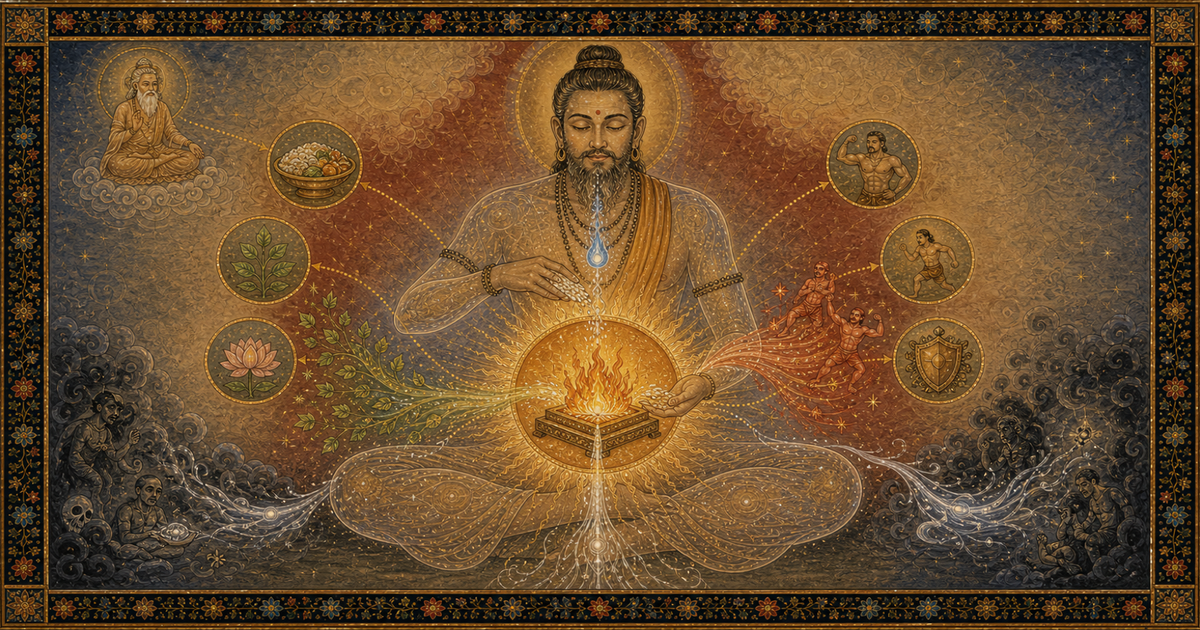
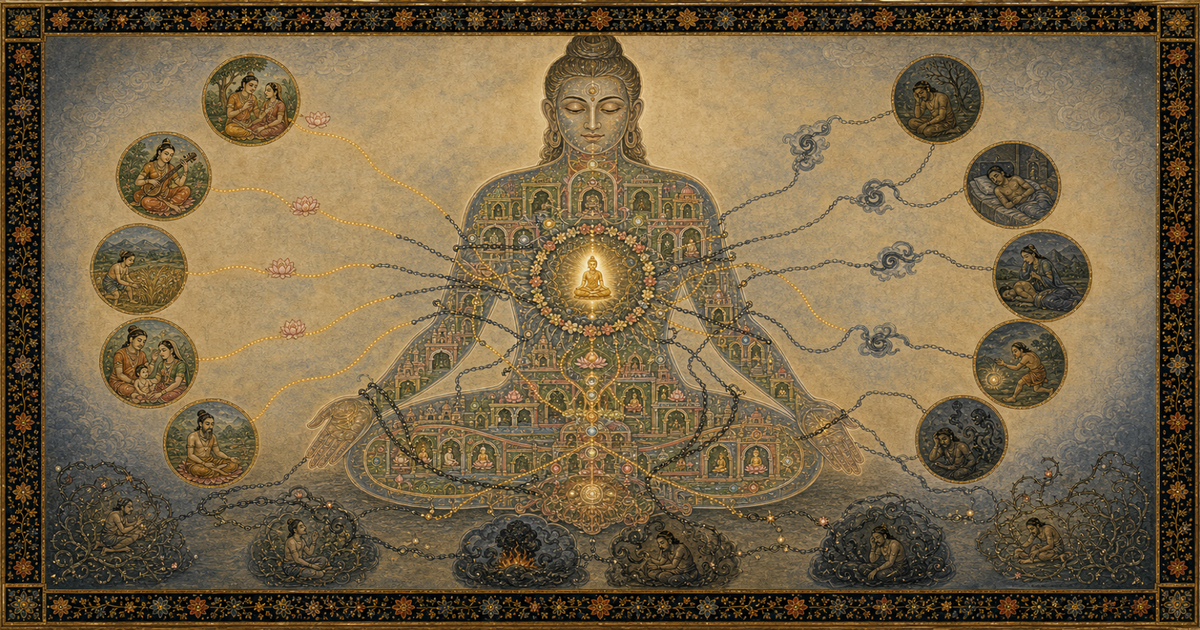
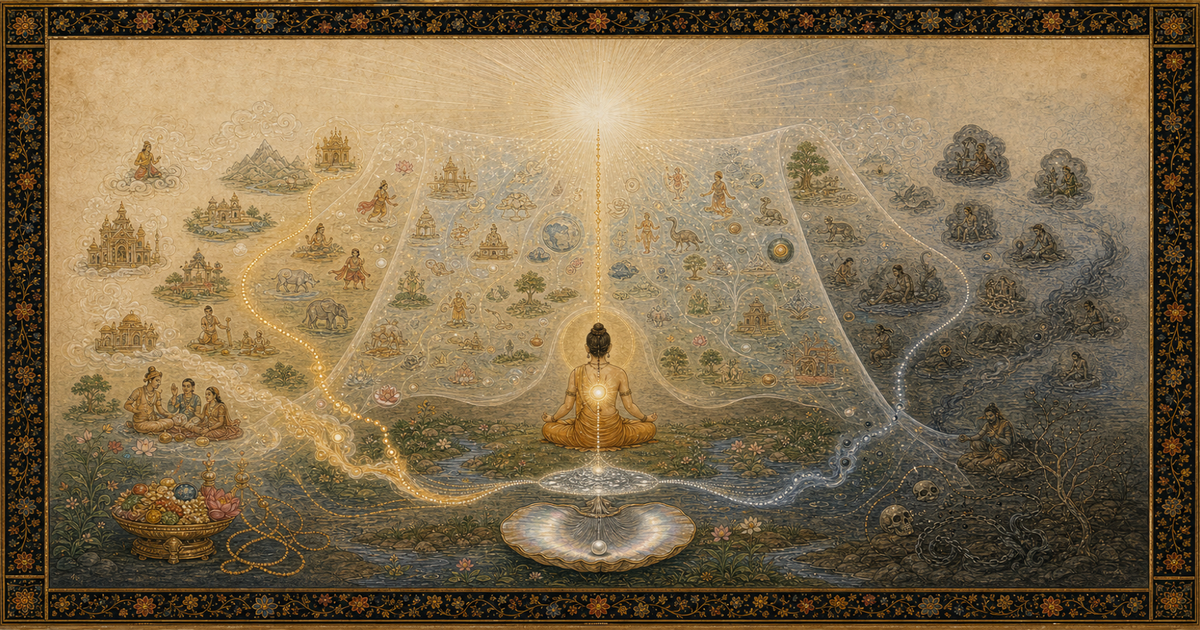
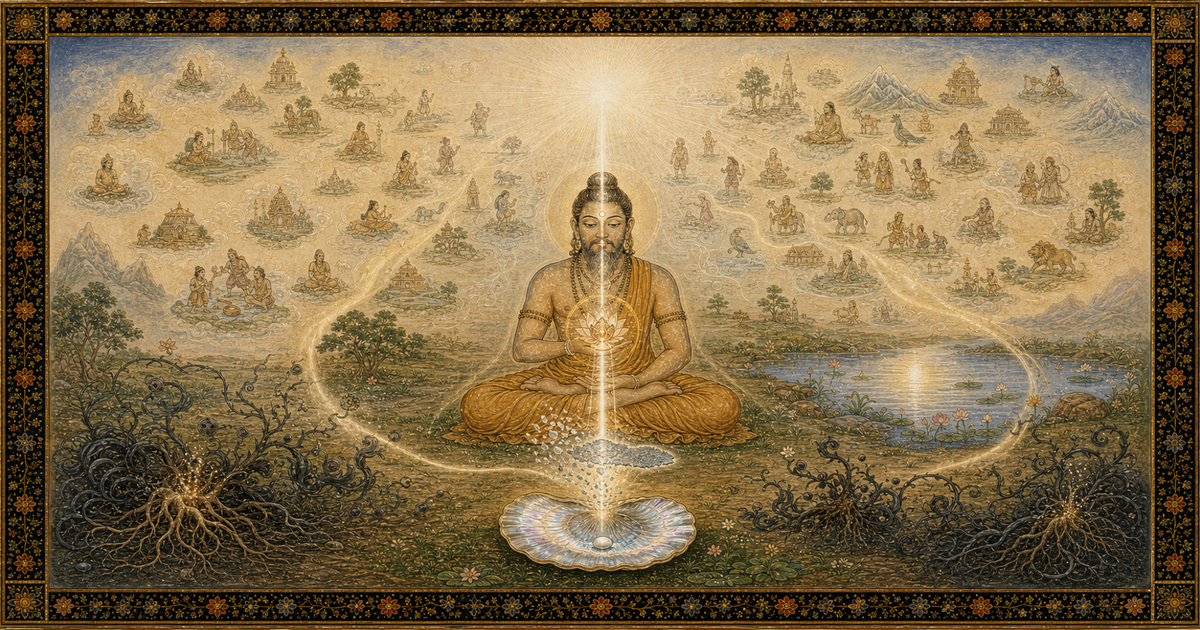
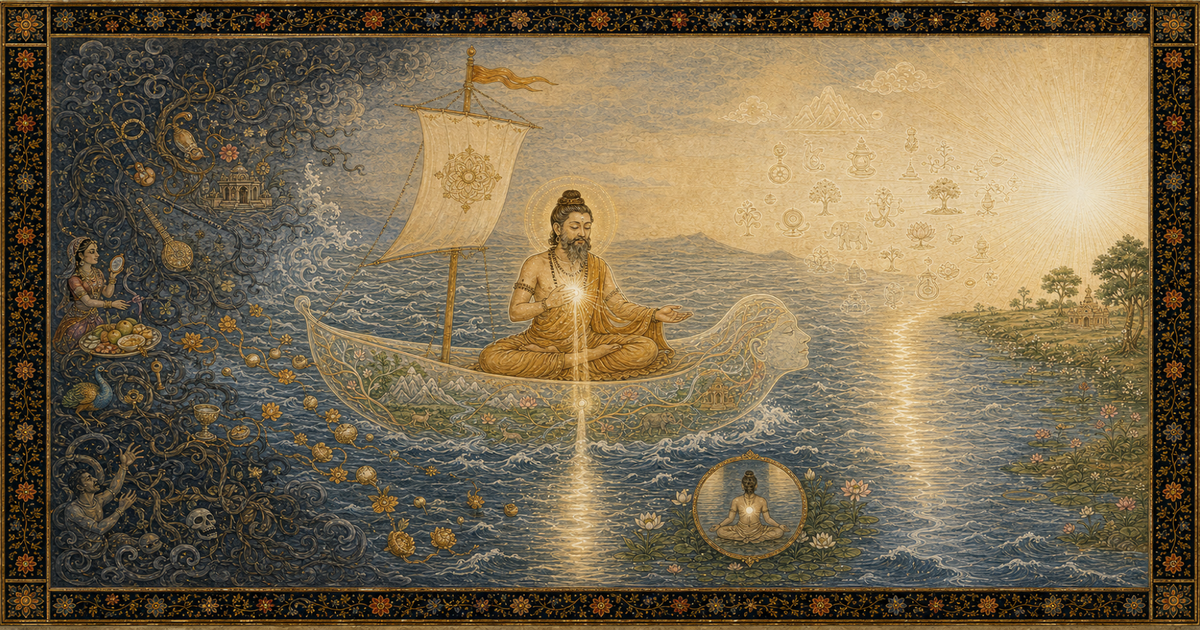
AI-generated illustrations.

Editor

Dr. Ronald Steiner

AYI Expert teacher

From 89075 Ulm

The "Yoga Doc" - Dr. Ronald Steiner is the founder of the AYI method. This method links traditional Ashtanga Yoga with innovative Yogatherapy and living Philosophy. This forms a practice that is personal for each and... more ›