























Chapter 3 of the Śiva Saṃhitā – Practice and āsana

Śiva Saṃhitā 3: prāṇa, rules of practice, kumbhaka, siddhis and āsanas

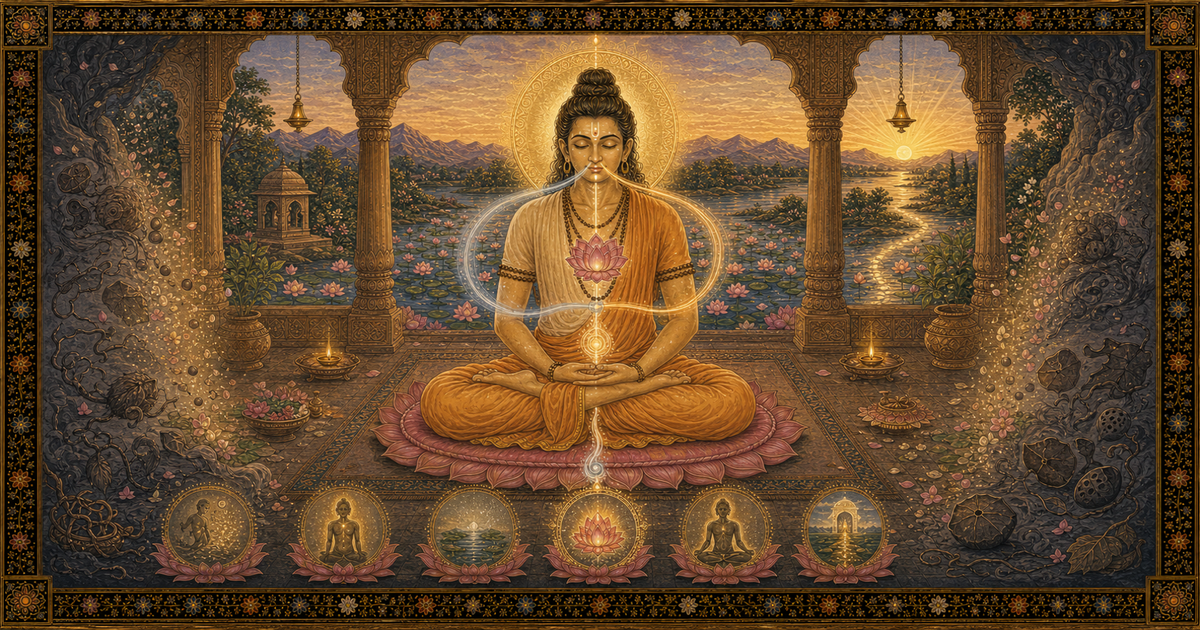
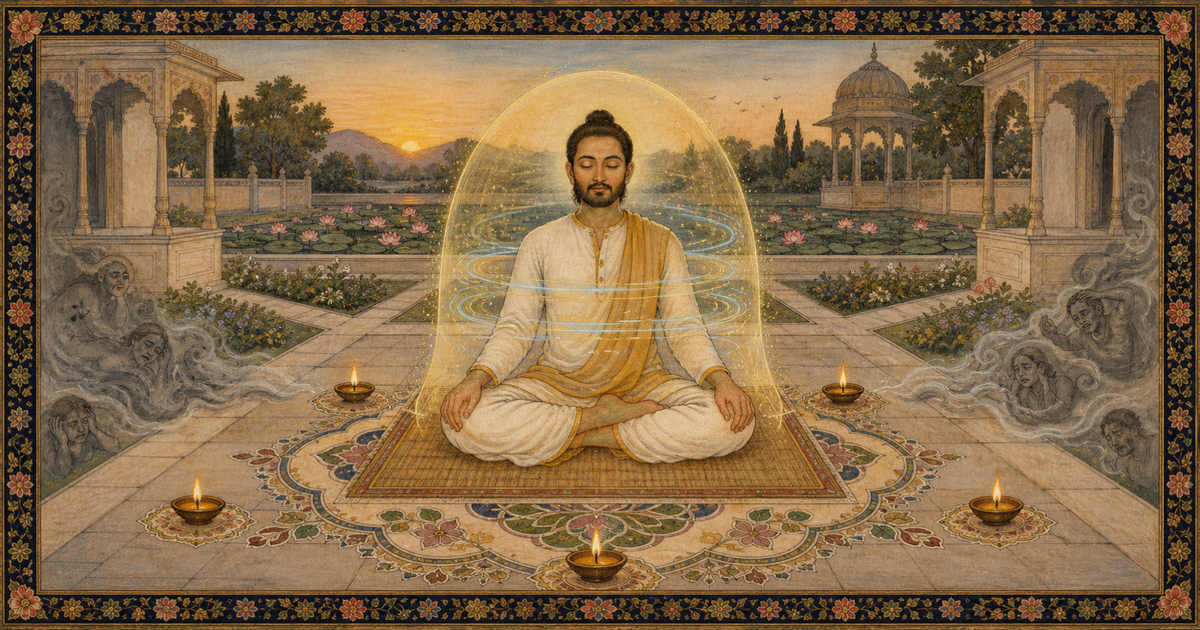
Chapter 3 moves from teachings on prāṇa and the rules of practice through the stages of breath retention (kumbhaka) and the siddhis to four central postures. Its short Sanskrit title is Yogābhyāsatattva.

Dr. Ronald Steiner Dr. Ronald Steiner
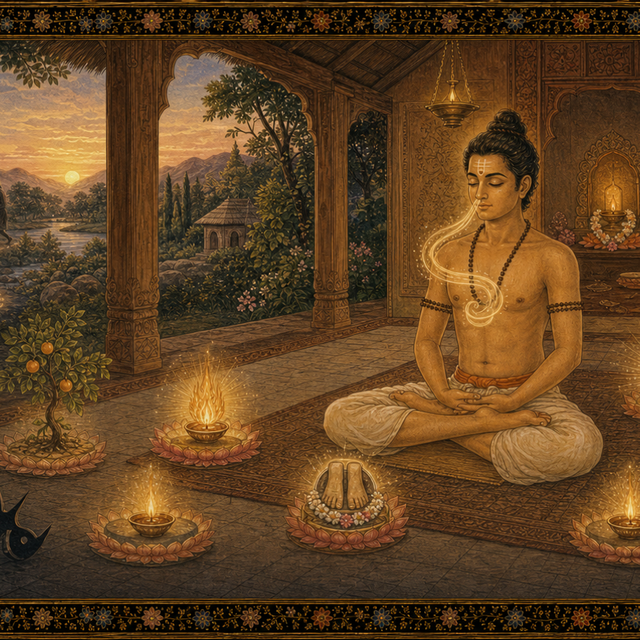
SiSa 3.1-3.10: The heart lotus and Prāṇa

Śiva Saṃhitā 3.1-3.10: the heart lotus, Prāṇa and the body as cosmos

This section locates Prāṇa in the heart lotus, names the ten vital winds and interprets the body as Brahmāṇḍa.

Śiva Saṃhitā 3.1
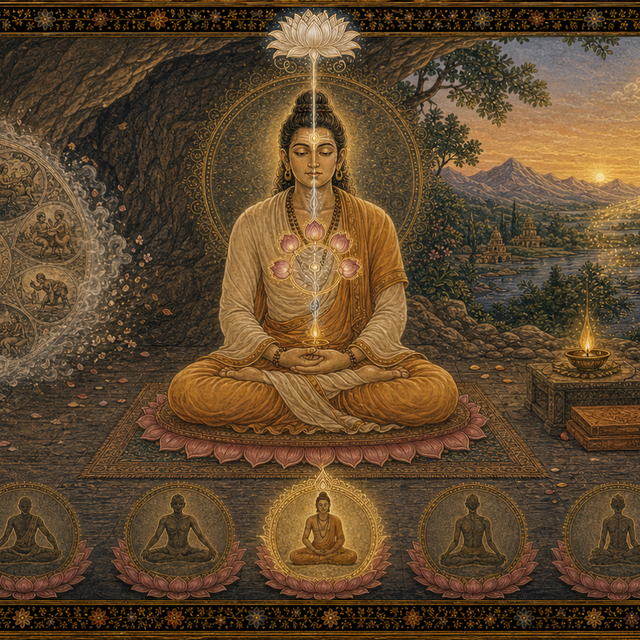
In the heart (hṛdi | loc sg) is situated (asti | 3p sg act pres) a divine lotus (paṅkajaṃ divyaṃ | nom sg), adorned (bhūṣitam | nom sg n ppp) with a divine liṅga (divya-liṅgena | ins sg); endowed with the syllables from ka to ṭha (kādi-ṭhāntākṣaropetam | nom sg n ppp), adorned with twelve spokes (dvādaśārṇa-vibhūṣitam | nom sg n ppp).
Dr. Ronald Steiner - 2026 - historically literal
Śiva Saṃhitā 3.2
Prāṇa (prāṇaḥ | nom sg) dwells (vasati | 3p sg act pres) in that very place (tatraiva), adorned (alaṃkṛtaḥ | nom sg m ppp) with vāsanās (vāsanābhiḥ | ins pl); connected with beginningless karma (anādi-karma-saṃśliṣṭaḥ | nom sg m ppp), [and], having attained [it] (prāpya | abs), joined with Ahaṃkāra (ahaṅkāra-saṃyutaḥ | nom sg m ppp).
Dr. Ronald Steiner - 2026 - historically literal
Śiva Saṃhitā 3.3
And (ca), according to the different functions (vṛtti-bhedena | ins sg) of Prāṇa (prāṇasya | gen sg), various names (nāmāni vividhāni | nom pl) exist (vartante | 3p pl med pres); to enumerate (kathituṃ | inf) all (sarvāṇi | nom pl n) of them (tāni | nom pl n) is simply not (naiva) possible (śakyate | 3p sg pas pres).
Dr. Ronald Steiner - 2026 - historically literal
Śiva Saṃhitā 3.4
Prāṇa (prāṇaḥ | nom sg), Apāna (apānaḥ | nom sg), Samāna (samānaḥ | nom sg) and (ca) Udāna (udānaḥ | nom sg), and (ca) Vyāna (vyānaḥ | nom sg) as the fifth (pañcamaḥ | nom sg m); Nāga (nāgaḥ | nom sg), Kūrma (kūrmaḥ | nom sg) and (ca) Kṛkara (kṛkaraḥ | nom sg), Devadatta (devadattaḥ | nom sg), Dhanañjaya (dhanañjayaḥ | nom sg).
Dr. Ronald Steiner - 2026 - historically literal
Śiva Saṃhitā 3.5
The ten (daśa | nom pl n) principal names (nāmāni mukhyāni | nom pl) have been stated (uktāni | nom pl n ppp) by me (mayā | ins sg) here (iha) in the scripture (śāstrake | loc sg); these (te | nom pl m), driven (preritāni | nom pl n ppp) by their own karmas (sva-karmabhiḥ | ins pl), perform (kurvanti | 3p pl act pres) the tasks (kāryāṇi | acc pl) here (atra).
Dr. Ronald Steiner - 2026 - historically literal
Śiva Saṃhitā 3.6
Among these too (atrāpi), of the ten (daśataḥ | abl sg), five (pañca | nom pl m) winds (vāyavaḥ | nom pl) are (syuḥ | 3p pl act opt) again (punaḥ) the principal ones (mukhyāḥ | nom pl m); among these too (tatrāpi), Prāṇa and Apāna (prāṇāpānau | nom du) have been named (uditau | nom du m ppp) by me (mayā | ins sg) as the two foremost agents (śreṣṭha-kartārau | nom du).
Dr. Ronald Steiner - 2026 - historically literal
Śiva Saṃhitā 3.7
Prāṇa (prāṇaḥ | nom sg) [is] in the heart (hṛdi | loc sg), Apāna (apānaḥ | nom sg) in the anus (gude | loc sg), Samāna (samānaḥ | nom sg) in the region of the navel (nābhi-maṇḍale | loc sg); Udāna (udānaḥ | nom sg) is situated in the throat region (kaṇṭha-deśa-sthaḥ | nom sg m), and Vyāna (vyānaḥ | nom sg) moves throughout the entire body (sarva-śarīra-gaḥ | nom sg m).
Dr. Ronald Steiner - 2026 - historically literal
Śiva Saṃhitā 3.8
The five (pañca | nom pl m) winds beginning with Nāga (nāgādi-vāyavaḥ | nom pl), these (te | nom pl m) also (ca) bring about (kurvanti | 3p pl act pres) in the body (vigrahe | loc sg): belching and opening [of the eyes] (udgāra-unmīlanam | nom sg), hunger, thirst and yawning (kṣut-tṛḍ-jṛmbhā | nom sg), and (ca) hiccups (hikkā | nom sg) as the fifth (pañcamaḥ | nom sg m).
Dr. Ronald Steiner - 2026 - historically literal
Śiva Saṃhitā 3.9
Whoever (yaḥ | nom sg m), indeed (vai), recognises (vetti | 3p sg act pres) the body (vigraham | acc sg) as the Brahma egg (brahmāṇḍaṃ | acc sg) in this way (anena vidhinā | ins sg), that person (saḥ | nom sg m), freed from all harm (sarva-pāpa-vinirmuktaḥ | nom sg m ppp), reaches (yāti | 3p sg act pres) the highest goal (paramāṃ gatim | acc sg).
Dr. Ronald Steiner - 2026 - historically literal
Śiva Saṃhitā 3.10
Now (adhunā) I will explain (kathayiṣyāmi | 1p sg act fut caus), swiftly (kṣipram), for success (siddhaye | dat sg) in yoga (yogasya | gen sg); having understood (jñātvā | abs) this (yat | acc sg n), yogis (yoginaḥ | nom pl) do not (na) fail (avasīdanti | 3p pl act pres) in yoga practice (yoga-sādhane | loc sg).
Dr. Ronald Steiner - 2026 - historically literal
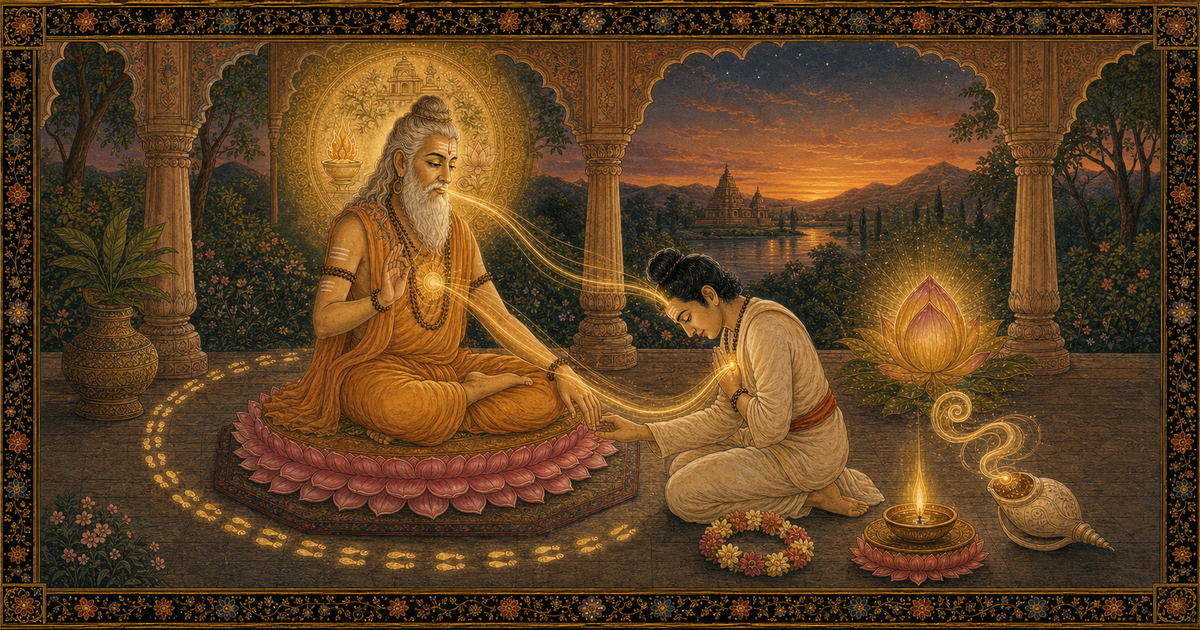
SiSa 3.11-3.16: Guru and Śraddhā

Śiva Saṃhitā 3.11-3.16: transmission through the Guru, service and Śraddhā

Vidyā becomes effective through the Guru; reverence, devotion and trust lay the foundation for Siddhi.

Śiva Saṃhitā 3.11
Vidyā (vidyā | nom sg) would be powerful (vīryavatī | nom sg f) when it has emerged from the guru's mouth (guru-vaktra-samudbhavā | nom sg f ppp); otherwise (anyathā), it would be fruitless (phala-hīnā | nom sg f), also powerless (nirvīryā | nom sg f) and a cause of great suffering (ati-duḥkha-dā | nom sg f).
Dr. Ronald Steiner - 2026 - historically literal
Śiva Saṃhitā 3.12
Those who (ye | nom pl m), indeed (vai), have pleased (santoṣya | abs) the guru (gurum | acc sg) with care (yatnena | ins sg) and devote themselves (upāsate | 3p pl med pres) to Vidyā (vidyām | acc sg), attain (avāpnuyāt | 3p sg act opt) its (tasyāḥ | gen sg f) fruit (phalam | acc sg), relying (avalambena | ins sg) on Vidyā (vidyāyāḥ | gen sg).
Dr. Ronald Steiner - 2026 - historically literal
Śiva Saṃhitā 3.13
The guru (guruḥ | nom sg) is the father (pitā | nom sg), the guru (guruḥ | nom sg) is the mother (mātā | nom sg), the guru (guruḥ | nom sg) is God (devaḥ | nom sg); [of this there is] no (na) doubt (saṃśayaḥ | nom sg). Therefore (tasmāt), he is revered (prasevyate | 3p sg pas pres) by all (sarvaiḥ | ins pl m) through action (karmaṇā | ins sg), mind (manasā | ins sg) and word (vācā | ins sg).
Dr. Ronald Steiner - 2026 - historically literal
Śiva Saṃhitā 3.14
Through the guru's grace (guru-prasādataḥ | abl sg), all (sarvam | nom sg n) that is good (śubham | nom sg n) for the self (ātmanaḥ | gen sg) is attained (labhyate | 3p sg pas pres); therefore (tasmāt), the guru (guruḥ | nom sg) is always (nityam) to be revered (sevyaḥ | nom sg m pfp). Otherwise (anyathā), nothing (na) good (śubham | nom sg n) arises (bhavet | 3p sg act opt).
Dr. Ronald Steiner - 2026 - historically literal
Śiva Saṃhitā 3.15
Having completed (kṛtvā | abs) three circumambulations clockwise (pradakṣiṇā-trayam | acc sg) and touched [the lotus foot] (spṛṣṭvā | abs) with the left hand (savyena pāṇinā | ins sg), one should bow (namaskuryāt | 3p sg act opt) with eight limbs (aṣṭāṅgena | ins sg n) before the lotus of the guru's feet (guru-pāda-saroruham | acc sg).
Dr. Ronald Steiner - 2026 - historically literal
Śiva Saṃhitā 3.16
Through trust (śraddhayā | ins sg), success (siddhiḥ | nom sg) is certain (niścitā | nom sg f ppp) for self-controlled people (ātmavatāṃ puṃsām | gen pl m); for the others (anyeṣām | gen pl m), however (ca), there will be (syāt | 3p sg act opt) no (na) success (siddhiḥ | nom sg). Therefore (tasmāt), one should practise (sādhayet | 3p sg act opt caus) with care (yatnena | ins sg).
Dr. Ronald Steiner - 2026 - historically literal
SiSa 3.17-3.20: Beginning practice

Śiva Saṃhitā 3.17-3.20: obstacles, signs of success and the beginning of practice

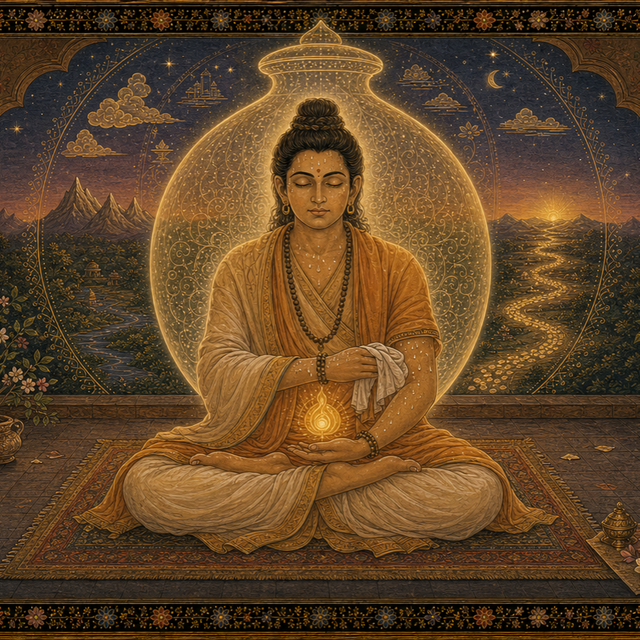
Without trust, reverence for the Guru and moderation, there is no Siddhi. Seven signs indicate readiness, after which practice begins in a suitable seated posture.

Śiva Saṃhitā 3.17
For those bound by attachment (saṅga-yuktānām | gen pl m ppp), no (na) success arises (bhavet | 3p sg act opt); likewise (tathā) also (api) for those without trust (aviśvāsinām | gen pl m), for those without reverence for the guru (guru-pūjā-vihīnānām | gen pl m ppp), and (ca) likewise (tathā) for those who socialise excessively (bahu-saṅginām | gen pl m). For those who delight in false speech (mithyā-vāda-ratānām | gen pl m ppp), and (ca) likewise (tathā) for those who speak harshly (niṣṭhura-bhāṣiṇām | gen pl m), for those who have not satisfied the guru (guru-santoṣa-hīnānām | gen pl m), success (siddhiḥ | nom sg) will (syāt | 3p sg act opt) not (na) ever (kadācana) occur.
Dr. Ronald Steiner - 2026 - historically literal
Śiva Saṃhitā 3.18
Trust (viśvāsaḥ | nom sg) that it will bear fruit (phaliṣyati | 3p sg act fut), thus (iti), is the first sign (prathama-lakṣaṇam | nom sg) of success (siddheḥ | gen sg); the second (dvitīyam | nom sg n) is connected (yuktam | nom sg n ppp) with faith (śraddhayā | ins sg), and the third (tṛtīyam | nom sg n) is reverence for the guru (guru-pūjanam | nom sg). The fourth (caturtham | acc sg m) is an attitude of equanimity (samatā-bhāvam | acc sg), the fifth (pañcama | kd) is restraint of the senses (indriya-nigraham | acc sg), and (ca) the sixth (ṣaṣṭham | acc sg m) is a measured diet (pramita-āhāram | acc sg); a seventh (saptamam | nom sg n) simply does not (naiva) exist (vidyate | 3p sg med pres).
Dr. Ronald Steiner - 2026 - historically literal
Śiva Saṃhitā 3.19
Having received (saṃprāpya | abs) instruction in yoga (yogopadeśam | acc sg) and found (labdhvā | abs) a guru knowledgeable in yoga (yoga-vidaṃ gurum | acc sg), one should practise (sādhayet | 3p sg act opt caus) with insight (dhiyā | ins sg), firmly resolved (niścitya | abs), according to the method taught by the guru (guru-upadiṣṭa-vidhinā | ins sg).
Dr. Ronald Steiner - 2026 - historically literal
Śiva Saṃhitā 3.20
The yogi (yogī | nom sg), seated in Padmāsana (padma-āsana-samanvitaḥ | nom sg m ppp), should perform (ācaret | 3p sg act opt) the breathing practice (pavana-abhyāsam | acc sg), having settled (saṃviśya | abs) on top (upari) of the seat (āsana | tp loc) in a beautiful place of practice (suśobhane maṭhe | loc sg).
Dr. Ronald Steiner - 2026 - historically literal
SiSa 3.21-3.31: Purifying the Nāḍīs

Śiva Saṃhitā 3.21-3.31: breathing through the Nāḍīs, purification and the first signs of practice

Reverence for teachers and deities is followed by alternate-nostril breathing; this brings purification of the Nāḍīs, signs of progress and the first states of Yoga.

Śiva Saṃhitā 3.21
With an upright body (samakāyaḥ | nom sg m) and (ca) the hands joined (prāñjaliḥ | nom sg m), the wise one (sudhīḥ | nom sg m) should [offer reverence], having bowed (praṇamya | abs) before the gurus (gurūn | acc pl), and (ca) then (punaḥ) on the right (dakṣe | loc sg n), on the left (vāme | loc sg n), and (ca) before Vighneśa (vighneśam | acc sg) and Kṣetrapāla-Ambikā (kṣetrapāla-ambikām | acc sg).
Dr. Ronald Steiner - 2026 - historically literal
Śiva Saṃhitā 3.22
Then (tataḥ), however (ca), the wise one (sudhīḥ | nom sg m), having closed (niruddhya | abs) Piṅgalā (piṅgalām | acc sg) with the right thumb (dakṣāṅguṣṭhena | ins sg), should draw in (pūrayet | 3p sg act opt caus) the breath (vāyum | acc sg) through Iḍā (iḍayā | ins sg) and then (tu) retain it (kumbhayet | 3p sg act opt caus) according to their capacity (yathā-śaktyā | ins sg); after that (tataḥ), having released (tyaktvā | abs), they should [exhale] through Piṅgalā (piṅgalayā | ins sg) slowly (śanaiḥ), indeed (eva), not (na) with speed (vegataḥ | abl sg).
Dr. Ronald Steiner - 2026 - historically literal
Śiva Saṃhitā 3.23
Again (punaḥ), having inhaled (āpūrya | abs) through Piṅgalā (piṅgalayā | ins sg), one should then (tu) retain the breath (kumbhayet | 3p sg act opt caus) according to one's capacity (yathā-śaktyā | ins sg); one should exhale (recayet | 3p sg act opt caus) the breath (vāyum | acc sg) through Iḍā (iḍayā | ins sg), not (na) with speed (vegena | ins sg), slowly (śanaiḥ), slowly (śanaiḥ).
Dr. Ronald Steiner - 2026 - historically literal
Śiva Saṃhitā 3.24
One should do (kuryāt | 3p sg act opt) this (idam | acc sg n) according to the method of yoga (yoga-vidhānena | ins sg): twenty kumbhakas (viṃśati-kumbhakān | acc pl), daily (pratyaham), free from all pairs of opposites (sarva-dvandva-vinirmuktaḥ | nom sg m ppp) and free from sluggishness (vigata-alasaḥ | nom sg m).
Dr. Ronald Steiner - 2026 - historically literal
Śiva Saṃhitā 3.25
In the morning (prātaḥ-kāle | loc sg) and (ca) at noon (madhyāhne | loc sg), at sunset (sūryāste | loc sg) and (ca) at midnight (arddha-rātrake | loc sg), one should perform (kuryāt | 3p sg act opt) kumbhakas (kumbhakān | acc pl) in this way (evam), four times (catur-vāram | acc sg), at these times (kāleṣu eteṣu | loc pl).
Dr. Ronald Steiner - 2026 - historically literal
Śiva Saṃhitā 3.26
In this way (ittham), one should practise (kuryāt | 3p sg act opt) for three months (māsa-trayam | acc sg), without sluggishness (anālasyaḥ | nom sg m), day (dine | loc sg) after day (dine | loc sg); thereafter (tataḥ), purification of the nāḍīs (nāḍī-viśuddhiḥ | nom sg) certainly (niścitam) arises (syāt | 3p sg act opt) without delay (avilambena | ins sg).
Dr. Ronald Steiner - 2026 - historically literal
Śiva Saṃhitā 3.27
When (yadā), now (tu), purification of the nāḍīs (nāḍī-śuddhiḥ | nom sg) occurs (syāt | 3p sg act opt) in the yogi who sees reality (yoginaḥ tattva-darśinaḥ | gen sg), then (tadā) the blemish is destroyed (vidhvasta-doṣaḥ | nom sg), and (ca) the arising of Ārambha (ārambha-sambhavaḥ | nom sg) takes place (bhavet | 3p sg act opt).
Dr. Ronald Steiner - 2026 - historically literal
Śiva Saṃhitā 3.28
Signs (cihnāni | nom pl) are seen (dṛśyante | 3p pl pas pres) in the body (dehe | loc sg) of the yogi (yoginaḥ | gen sg) as a result of the purification of the nāḍīs (nāḍi-śuddhitaḥ | abl sg); now (tu) all the characteristics (samastāny aṅgāni | nom pl) are stated (kathyante | 3p pl pas pres) briefly (saṃkṣepataḥ | abl sg) by me (mayā | ins sg).
Dr. Ronald Steiner - 2026 - historically literal
Śiva Saṃhitā 3.29
With an upright body (samakāyaḥ | nom sg m), fragrant (sugandhiḥ | nom sg m) and (ca) of beautiful radiance (sukāntiḥ | nom sg), adept in sound (svara-sādhakaḥ | nom sg m); Ārambha and Ghaṭa (ārambha-ghaṭakaḥ | nom sg), and indeed (caiva), likewise (yathā), then (tadā) Paricaya (paricayaḥ | nom sg) and Niṣpatti (niṣpattiḥ | nom sg): these (tāḥ | nom pl f) states of yoga (yoga-avasthāḥ | nom pl) arise (bhavanti | 3p pl act pres) in all forms of yoga (sarva-yogeṣu | loc pl).
Dr. Ronald Steiner - 2026 - historically literal
Śiva Saṃhitā 3.30
Ārambha (ārambhaḥ | nom sg) has been explained (kathitaḥ | nom sg m ppp) by us (asmābhiḥ | ins pl); now (adhunā), for mastery of the breath (vāyu-siddhaye | dat sg), the next [state] (aparaḥ | nom sg m) is explained (kathyate | 3p sg pas pres) subsequently (paścāt), destroying the entire flood of suffering (sarva-duḥkhaugha-nāśanaḥ | nom sg m).
Dr. Ronald Steiner - 2026 - historically literal
Śiva Saṃhitā 3.31
A strong digestive fire (prauḍha-vahniḥ | nom sg), enjoying well (subhogī | nom sg m) and (ca) happy (sukhī | nom sg m), beautiful throughout the body (sarvāṅga-sundaraḥ | nom sg m), with a fulfilled heart (saṃpūrṇa-hṛdayaḥ | nom sg), the yogi (yogī | nom sg), endowed with full energy and strength (sarvotsāha-balānvitaḥ | nom sg m ppp): all (sarvam | nom sg n) this (etat | nom sg n) certainly (avaśyam) arises (jāyate | 3p sg med pres) in the body (kalevare | loc sg) of the yogi (yoginaḥ | gen sg).
Dr. Ronald Steiner - 2026 - historically literal
SiSa 3.32-3.33: Obstacles to practice

Śiva Saṃhitā 3.32-3.33: obstacles to practice that should be avoided

The text names foods, behaviours and inner attitudes that hinder Yoga and should therefore be firmly given up.

Śiva Saṃhitā 3.32
Now (atha) I will explain (pravakṣyāmi | 1p sg act fut) what is to be avoided (varjyam | acc sg n pfp), the great (param | acc sg n) cause of obstacles to yoga (yoga-vighna-karam | acc sg n), through which (yena | ins sg n) yogis (yoginaḥ | nom pl), having crossed (tīrtvā | abs) the ocean of suffering in Saṃsāra (saṃsāra-duḥkha-abdhim | acc sg), will proceed [further] (yāsyanti | 3p pl act fut).
Dr. Ronald Steiner - 2026 - historically literal
Śiva Saṃhitā 3.33
Sour foods (āmlaṃ | acc sg n), dry foods (rūkṣaṃ | acc sg n), likewise (tathā) spicy foods (tīkṣṇaṃ | acc sg n), salty foods (lavaṇaṃ | acc sg n), foods containing mustard (sārṣapaṃ | acc sg n), bitter foods (kaṭum | acc sg n); excessive walking about (bahulaṃ bhramaṇam | acc sg) and bathing (snānam | acc sg) early in the morning (prātaḥ), things that heat with oil (taila-vidāhakam | acc sg n); stealing (steyam | acc sg), violence (hiṃsām | acc sg), hatred of people (jana-dveṣam | acc sg) and (ca) pride (ahaṅkāram | acc sg), insincerity (anārjavam | acc sg); fasting (upavāsam | acc sg), untruth (asatyam | acc sg) and (ca) delusion (moham | acc sg), and (ca) tormenting living beings (prāṇi-pīḍanam | acc sg); association with women (strī-saṅgam | acc sg), service to fire (agni-sevām | acc sg) and (ca) excessive talk (bahv-ālāpam | acc sg), the pleasant and unpleasant (priya-apriyam | acc sg n), excessive (atīva) eating (bhojanam | acc sg): the yogi (yogī | nom sg) should certainly (niścitam) give up (tyajet | 3p sg act opt) these (etāni | acc pl n).
Dr. Ronald Steiner - 2026 - historically literal
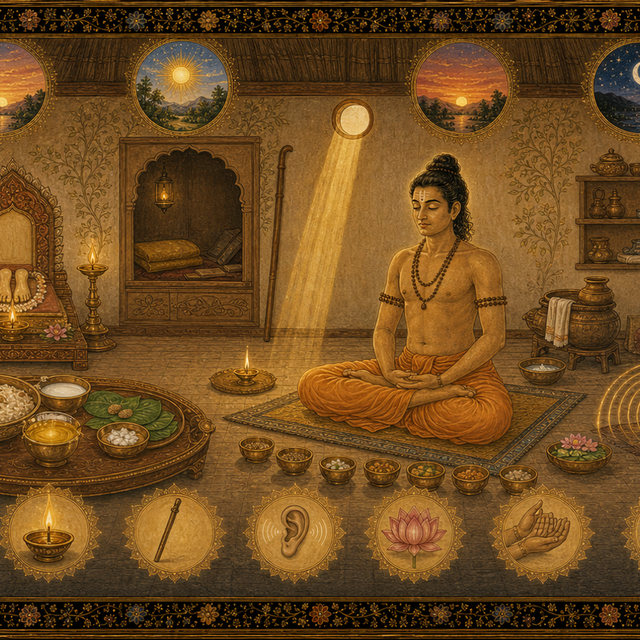
SiSa 3.34-3.38: Support for practice

Śiva Saṃhitā 3.34-3.38: supportive measures, Niyamas and times for practice

After the things to avoid come the means to success: suitable food, place and posture, service to the Guru, the timing of breathing practice and moderate eating.

Śiva Saṃhitā 3.34
I will also (ca) swiftly (kṣipram) explain (pravakṣyāmi | 1p sg act fut) a means (upāyam | acc sg) to success (siddhaye | dat sg) in yoga (yogasya | gen sg), to be kept secret (gopanīyam | acc sg n pfp) by practitioners (sādhakānām | gen pl), through which (yena | ins sg n) success (siddhiḥ | nom sg) certainly (khalu) arises (bhavet | 3p sg act opt).
Dr. Ronald Steiner - 2026 - historically literal
Śiva Saṃhitā 3.35
Ghee (ghṛtam | acc sg), milk (kṣīram | acc sg) and (ca) sweet dishes (miṣṭānnam | acc sg), betel (tāmbūlam | acc sg) free from powder (cūrṇa-varjitam | acc sg n ppp); camphor (karpūram | acc sg), hulled foods (niṣtuṣam | acc sg n), sweet foods (miṣṭam | acc sg n), a good place of practice (sumaṭham | acc sg), a small opening (sūkṣma-randhrakam | acc sg); hearing the teaching (siddhānta-śravaṇam | acc sg) continually (nityam), dispassion and care of the house (vairāgya-gṛha-sevanam | acc sg); singing the name (nāma-saṅkīrtanam | acc sg) of Viṣṇu (viṣṇoḥ | gen sg), supreme listening to beautiful sound (sunāda-śravaṇam param | acc sg n); steadfastness (dhṛtiḥ | nom sg), patience (kṣamā | nom sg), asceticism (tapaḥ | nom sg), purity (śaucam | nom sg), modesty (hrīḥ | nom sg), insight (matiḥ | nom sg), service to the guru (guru-sevanam | nom sg): the yogi (yogī | nom sg) should always (sadā) practise (samācaret | 3p sg act opt) these (etāni | acc pl n) niyamas (niyamāni | acc pl) to the highest degree (param).
Dr. Ronald Steiner - 2026 - historically literal
Śiva Saṃhitā 3.36
And (ca), when the breath (anile | loc sg) has entered the sun (arka-praveśe | loc sg), yogis (yogibhiḥ | ins pl) should always (sadā) eat (bhoktavyam | nom sg n pfp); when the wind (vāyau | loc sg) has entered (praviṣṭe | loc sg m ppp) the moon (śaśini | loc sg), sleep (śayanam | nom sg) is [to be taken] by the best practitioners (sādhakottamaiḥ | ins pl m).
Dr. Ronald Steiner - 2026 - historically literal
Śiva Saṃhitā 3.37
Immediately (sadyaḥ) after eating (bhukte | loc sg n ppp), or also (api) when hungry (kṣudhite | loc sg m), no (na) practice (abhyāsaḥ | nom sg) is performed (kriyate | 3p sg pas pres) by the wise (budhaiḥ | ins pl m); at the time of practice (abhyāsa-kāle | loc sg), one should first (prathamam) prepare (kuryāt | 3p sg act opt) a dish of milk and ghee (kṣīrājya-bhojanam | acc sg).
Dr. Ronald Steiner - 2026 - historically literal
Śiva Saṃhitā 3.38
Then (tataḥ), when practice (abhyāse | loc sg) has become established (sthirībhūte | loc sg m ppp), there is no (na) such adherence to rules (tādṛṅ-niyama-grahaḥ | nom sg); the practitioner (abhyāsinā | ins sg) should eat (vibhoktavyam | nom sg n pfp) little (stokam | acc sg n) by little (stokam | acc sg n), spread over many occasions (anekadhā). At the times stated earlier (pūrvokta-kāle | loc sg), however (tu), one should perform (kuryāt | 3p sg act opt) kumbhakas (kumbhakān | acc pl) daily (prativāsare).
Dr. Ronald Steiner - 2026 - historically literal
SiSa 3.39-3.40: The power of Kumbhaka

Śiva Saṃhitā 3.39-3.40: the power of Kumbhaka and the first bodily response

The breath can increasingly be held at will; as success begins, sweat appears and should be rubbed into the body.

Śiva Saṃhitā 3.39
Then (tataḥ), in the yogi (yoginaḥ | gen sg), the ability to act at will (yatheṣṭā śaktiḥ | nom sg) arises (syāt | 3p sg act opt) in holding the breath (vāyu-dhāraṇe | loc sg); through holding (dhāraṇāt | abl sg) the breath (vāyoḥ | gen sg) at will (yatheṣṭam), kumbhaka (kumbhakaḥ | nom sg) certainly (dhruvam) succeeds (sidhyati | 3p sg act pres). When pure kumbhaka (kevale kumbhake | loc sg) is perfected (siddhe | loc sg m ppp), what (kim | nom sg n) would (syāt | 3p sg act opt) not (na) be [possible] here (iha) for the yogi (yoginaḥ | gen sg)?
Dr. Ronald Steiner - 2026 - historically literal
Śiva Saṃhitā 3.40
Sweat (svedaḥ | nom sg) arises (saṃjāyate | 3p sg med pres) in the body (dehe | loc sg) of the yogi (yoginaḥ | gen sg) during the initial effort (prathama-udyame | loc sg). When (yadā) sweat (svedaḥ | nom sg) arises (saṃjāyate | 3p sg med pres), the wise one (sudhīḥ | nom sg m) should have (kārayet | 3p sg act opt caus) rubbing in (mardanam | acc sg) performed; otherwise (anyathā), the bodily element (dhātuḥ | nom sg) is (bhavati | 3p sg act pres) lost (naṣṭaḥ | nom sg m ppp) in the body (vigrahe | loc sg) of the yogi (yoginaḥ | gen sg).
Dr. Ronald Steiner - 2026 - historically literal
SiSa 3.41-3.48: The power of breath and obstacles

Śiva Saṃhitā 3.41-3.48: increasing the power of breath and dealing with obstacles

Practice leads from trembling through lightness to Vāyu-Siddhi; obstacles are overcome through perseverance and recitation of Praṇava.

Śiva Saṃhitā 3.41
In the second stage (dvitīye | loc sg n), indeed (hi), trembling (kampaḥ | nom sg) arises (bhavet | 3p sg act opt); in the middle stage (madhyame | loc sg n), [the movement] is regarded as frog hopping (dārdurī matā | nom sg f). Then (tataḥ), through further intensified practice (adhikatarābhyāsāt | abl sg), the practitioner (sādhakaḥ | nom sg) becomes one who moves in the air (gagane-cara | up).
Dr. Ronald Steiner - 2026 - historically literal
Śiva Saṃhitā 3.42
When the yogi (yogī | nom sg), even though (api) seated in Padmāsana (padma-āsana-sthaḥ | nom sg m), has left (utsṛjya | abs) the ground (bhuvam | acc sg) and remains (vartate | 3p sg med pres), then (tadā) this is to be recognised (jñeyā | nom sg f pfp) as mastery of the breath (vāyu-siddhiḥ | nom sg), which destroys the darkness of Saṃsāra (saṃsāra-dhvānta-nāśinī | nom sg f).
Dr. Ronald Steiner - 2026 - historically literal
Śiva Saṃhitā 3.43
For that long (tāvat-kālam | acc sg), one should maintain (prakurvīta | 3p sg med opt) adherence to the rules taught in yoga (yogokta-niyama-graham | acc sg); little sleep (alpa-nidrā | nom sg), faeces (purīṣam | nom sg) and (ca) little (stokam | nom sg n) urine (mūtram | nom sg) also (ca) arise (jāyate | 3p sg med pres).
Dr. Ronald Steiner - 2026 - historically literal
Śiva Saṃhitā 3.44
Freedom from illness (arogitvam | nom sg) and freedom from dejection (adīnatvam | nom sg) [arise] in the yogi who sees reality (yoginaḥ tattva-darśinaḥ | gen sg); sweat (svedaḥ | nom sg), saliva (lālā | nom sg) and indeed (caiva) infestation with worms (kṛmiḥ | nom sg) do not (na) arise (jāyate | 3p sg med pres) at all (sarvathaiva).
Dr. Ronald Steiner - 2026 - historically literal
Śiva Saṃhitā 3.45
Kapha, Pitta and Vāta (kapha-pitta-anilāḥ | nom pl) indeed (caiva) [do not arise] in the body (kalevare | loc sg) of the practitioner (sādhakasya | gen sg); at this time (tasmin kāle | loc sg), the practitioner (sādhakasya | gen sg) has no adherence to restrictions (aniyama-grahaḥ | nom sg) concerning foods (bhojyeṣu | loc pl n).
Dr. Ronald Steiner - 2026 - historically literal
Śiva Saṃhitā 3.46
Having eaten (bhuktvā | abs) very little (atyalpam) on many occasions (bahudhā), this (saḥ | nom sg m) yogi (yogī | nom sg), indeed (hi), does not (na) suffer (vyathate | 3p sg med pres); then (atha), through the power of practice (abhyāsa-vaśāt | abl sg), the yogi (yogī | nom sg) attains (āpnuyāt | 3p sg act opt) Bhūcarī-Siddhi (bhūcarīṃ siddhim | acc sg), just as (yathā) the movement (gatiḥ | nom sg) of frogs (dardura-jantūnām | gen pl) arises (syāt | 3p sg act opt) from clapping the hands (pāṇi-tāḍanāt | abl sg).
Dr. Ronald Steiner - 2026 - historically literal
Śiva Saṃhitā 3.47
Here (atra) there are (santi | 3p pl act pres) many (bahavaḥ | nom pl m) obstacles (vighnāḥ | nom pl), terrible (dāruṇāḥ | nom pl m) and difficult to ward off (durnivāraṇāḥ | nom pl m); nevertheless (tathāpi), the yogi (yogī | nom sg) should practise (sādhayet | 3p sg act opt caus), even (api) with the vital forces having reached the throat (prāṇaiḥ kaṇṭha-gataiḥ | ins pl).
Dr. Ronald Steiner - 2026 - historically literal
Śiva Saṃhitā 3.48
Then (tataḥ), the practitioner (sādhakaḥ | nom sg), seated (upāviṣṭaḥ | nom sg m ppp) in seclusion (rahasi | loc sg), with the senses restrained (saṃyata-indriyaḥ | nom sg m), should recite (prajapet | 3p sg act opt) the Praṇava (praṇavam | acc sg) for a long time (dīrgham), because of the obstacles (vighnānām | gen pl), as a cause of their destruction (nāśa-hetave | dat sg).
Dr. Ronald Steiner - 2026 - historically literal
SiSa 3.49-3.50: Purification of Karma

Śiva Saṃhitā 3.49-3.50: Prāṇāyāma as purification of Karma

Prāṇāyāma is described as destroying previously accumulated and newly arising Karma, together with both good and bad karmic residues.

SiSa 3.51-3.54: The Siddhis of Prāṇāyāma

Śiva Saṃhitā 3.51-3.54: Prāṇāyāma, karmic purification and Siddhis

Prāṇāyāma burns away sin and merit, opens access to the eight powers and produces Siddhis such as distant vision, entry into other bodies and Khecaratva.

Śiva Saṃhitā 3.51
Oh! (āho), one should burn (pradahet | 3p sg act opt) the cotton heaps of sin (pāpa-tūla-cayān | acc pl) with the fire of the world's dissolution (pralaya-agninā | ins sg); then (tataḥ), freed from sin (pāpa-vinirmuktaḥ | nom sg m ppp), one should subsequently (paścāt) destroy (nāśayet | 3p sg act opt caus) the merits (puṇyāni | acc pl).
Dr. Ronald Steiner - 2026 - historically literal
Śiva Saṃhitā 3.52
Through Prāṇāyāma (prāṇāyāmena | ins sg), the lord of yogis (yogīndraḥ | nom sg), indeed (vai), having attained (labdhvā | abs) the eight powers of sovereignty (aiśvarya-aṣṭakāni | acc pl), and having crossed (tīrtvā | abs) the ocean of sin and merit (pāpa-puṇya-udadhiṃ | acc sg), should attain (iyāt | 3p sg act opt) mobility within the three worlds (trailokya-caratām | acc sg).
Dr. Ronald Steiner - 2026 - historically literal
Śiva Saṃhitā 3.53
Then (tataḥ), through the progression of practice (abhyāsa-krameṇa | ins sg) alone (eva), a measure of three ghaṭikās (ghaṭikā-tritayam | nom sg) arises (bhavet | 3p sg act opt), through which (yena | ins sg n) the yogi (yoginaḥ | gen sg) certainly (dhruvam) obtains (syāt | 3p sg act opt) the complete Siddhi they desire (sakala-siddhiḥ svepsitā | nom sg).
Dr. Ronald Steiner - 2026 - historically literal
Śiva Saṃhitā 3.54
Siddhi of speech (vāk-siddhiḥ | nom sg), movement at will (kāma-cāritvam | nom sg), distant sight (dūra-dṛṣṭiḥ | nom sg), and (ca) likewise (tathaiva) distant hearing (dūra-śrutiḥ | nom sg), subtle sight (sūkṣma-dṛṣṭiḥ | nom sg), entry into another's body (para-kāya-praveśanam | nom sg), gold (svarṇam | acc sg) when coating with faeces and urine (viṇ-mūtra-lepane | loc sg), likewise (tathā) making invisible (adṛśya-karaṇam | nom sg): all (sarvāṇi | nom pl n) these (etāni | nom pl n) arise (bhavanti | 3p pl act pres), and (ca) Khecaratva, movement through space (khe-caratvam | nom sg), for yogis (yoginām | gen pl).
Dr. Ronald Steiner - 2026 - historically literal
SiSa 3.55-3.60: Ghaṭāvasthā

Śiva Saṃhitā 3.55-3.60: Ghaṭāvasthā, Pratyāhāra and the transition to Paricaya

Ghaṭa unites the vital and subtle principles; longer breath retention leads to Pratyāhāra and prepares the way for the Paricaya stage.

Śiva Saṃhitā 3.55
When (yadā) the highest stage of Ghaṭa (ghaṭāvasthā parā | nom sg) arises (bhavet | 3p sg act opt) in breathing practice (pavana-abhyāsane | loc sg), then (tadā), in this wheel of Saṃsāra (saṃsāra-cakre 'smin | loc sg), there is (asti | 3p sg act pres) nothing (na) that (yat | nom sg n) one could not (na) accomplish (sādhayet | 3p sg act opt caus).
Dr. Ronald Steiner - 2026 - historically literal
Śiva Saṃhitā 3.56
Because (yasmāt) Prāṇa-Apāna-Nāda-Bindu (prāṇa-apāna-nāda-bindu | nom sg) and Jīvātman-Paramātman (jīvātma-paramātmanaḥ | gen sg), having come together (militvā | abs), unite (ghaṭate | 3p sg med pres), therefore (tasmāt) it is indeed (vai) called (ucyate | 3p sg pas pres) Ghaṭa (ghaṭaḥ | nom sg).
Dr. Ronald Steiner - 2026 - historically literal
Śiva Saṃhitā 3.57
When (yadā) [one] is (syāt | 3p sg act opt) able (samarthaḥ | nom sg m) to hold (dhartum | inf) for the measure of a Yāma (yāma-mātram | acc sg), then (tadā), at that very moment (tadaiva), wondrous Pratyāhāra (adbhutaḥ pratyāhāraḥ | nom sg) arises (syāt | 3p sg act opt); it certainly (dhruvam) does not (na) occur (bhavati | 3p sg act pres) otherwise (antarā).
Dr. Ronald Steiner - 2026 - historically literal
Śiva Saṃhitā 3.58
Whatever (yaṃ | acc sg m) the lord of yogis (yogīndraḥ | nom sg) recognises (jānāti | 3p sg act pres), whatever it may be (yaṃ | acc sg m), this (taṃ | acc sg m), this very thing (tam | acc sg m), should be contemplated (bhāvayet | 3p sg act opt caus) as the self (ātmā | nom sg), thus (iti); through whichever sense organs (yair indriyaiḥ | ins pl) [one] is oriented in each case (yad-vidhānaḥ | nom sg m), mastery of that sense organ (tad-indriya-jayaḥ | nom sg) arises (bhavet | 3p sg act opt) from this.
Dr. Ronald Steiner - 2026 - historically literal
Śiva Saṃhitā 3.59
When (yadā), through applying the practice (abhyāsa-yogataḥ | abl sg), a full duration of one Yāma (yāma-mātraṃ pūrṇam | acc sg) is achieved (bhavet | 3p sg act opt), then (tadā) the yogi (yogī | nom sg) should also (ca) practise (prakurvīta | 3p sg med opt) kumbhaka (kumbhakam | acc sg) once (eka-vāram | acc sg). When (yadā) the breath (vāyuḥ | nom sg) of the yogi (yoginaḥ | gen sg) becomes (bhavet | 3p sg act opt) motionless (niścalaḥ | nom sg m) for eight daṇḍas (daṇḍa-aṣṭakam | acc sg), then (tadā) the wise one (sudhīḥ | nom sg) should stand (tiṣṭhet | 3p sg act opt) on the thumb (aṅguṣṭhe | loc sg), as if made of air (vātulavat), through their own power (sva-sāmarthyāt | abl sg).
Dr. Ronald Steiner - 2026 - historically literal
Śiva Saṃhitā 3.60
Then (tataḥ), through practice (abhyāsataḥ | abl sg), the stage of Paricaya (paricaya-avasthā | nom sg) arises (bhavet | 3p sg act opt) for the yogi (yoginaḥ | gen sg), when (yadā) the breath (vāyuḥ | nom sg), having left (tyaktvā) the moon and sun (candra-sūryam | acc sg), stands (tiṣṭhati | 3p sg act pres) motionless (niścalam); the collected breath (vāyuḥ paricitaḥ | nom sg) should move (saṃcaret | 3p sg act opt) as breath (vāyuḥ | nom sg) in the space of Suṣumnā (suṣumnā-vyomni | loc sg).
Dr. Ronald Steiner - 2026 - historically literal
SiSa 3.61-3.67: Paricaya and Niṣpatti

Śiva Saṃhitā 3.61-3.67: Paricaya, the dissolution of Karma and Niṣpatti

Paricaya guides the breath through Suṣumnā and the chakras; karmic knots are then released, Dhāraṇā is practised and Niṣpatti is described.

Śiva Saṃhitā 3.61
Having grasped (gṛhītvā | abs) Kriyā-Śakti (kriyā-śaktim | acc sg) itself (eva), having pierced (bhittvā | abs) the chakras (cakrān | acc pl), quite certainly (suniścitam): when (yadā), through applying the practice (abhyāsa-yogataḥ | abl sg), the stage of Paricaya (paricaya-avasthā | nom sg) arises (bhavet | 3p sg act opt), then (tadā) the yogi (yogī | nom sg) certainly (niścitam) sees (paśyati | 3p sg act pres) the three bundles (tri-kūṭaṃ | acc sg) of karma (karmaṇām | gen pl).
Dr. Ronald Steiner - 2026 - historically literal
Śiva Saṃhitā 3.62
And (ca) then (tataḥ), one should destroy (vināśayet | 3p sg act opt caus) the bundles of karma (karma-kūṭāni | acc pl) through the Praṇava (praṇavena | ins sg); this (saḥ | nom sg m) yogi (yogī | nom sg) should prepare (samācaret | 3p sg act opt) the configuration of the body (kāya-vyūham | acc sg) for the experience of karma (karma-bhogāya | dat sg).
Dr. Ronald Steiner - 2026 - historically literal
Śiva Saṃhitā 3.63
At this time (asmin kāle | loc sg), the great yogi (mahā-yogī | nom sg) should practise (caret | 3p sg act opt) Dhāraṇā (dhāraṇam | acc sg) in five ways (pañcadhā), through which (yena | ins sg n) the Siddhi of earth and the other elements (bhū-ādi-siddhiḥ | nom sg) arises (syāt | 3p sg act opt), thereby (tataḥ) removing fear of the elements (bhūta-bhaya-apahā | nom sg f).
Dr. Ronald Steiner - 2026 - historically literal
Śiva Saṃhitā 3.64
In Ādhāra (ādhāre | loc sg), [one should hold] for five (pañca) ghaṭikās (ghaṭikāḥ | acc pl), and (ca) likewise (tathaiva) at the liṅga location (liṅga-sthāne | loc sg); above it (tad-ūrdhvam), five (pañca) ghaṭikās (ghaṭikāḥ | acc pl), likewise (tathā) in the space between the navel and heart (nābhi-hṛn-madhyake | loc sg). Above the midpoint between the eyebrows (bhrū-madhya-ūrdhvam), the wise one (sudhīḥ | nom sg) should likewise (tathā) hold (dhārayet | 3p sg act opt caus) for five (pañca) ghaṭikās (ghaṭikāḥ | acc pl); thus (tathā), the lord of yogis (yogīndraḥ | nom sg) is certainly (khalu) not (na) destroyed (naṣṭaḥ | nom sg m ppp) by earth and the other elements (bhū-ādinā | ins sg).
Dr. Ronald Steiner - 2026 - historically literal
Śiva Saṃhitā 3.65
Whoever (yaḥ | nom sg m), as a wise person (medhāvī | nom sg m), practises (samabhyaset | 3p sg act opt) the Dhāraṇā (dhāraṇām | acc sg) of all elements (sarva-bhūtānām | gen pl), for that person (tasya | gen sg m) there is (vidyate | 3p sg med pres) no (na) death (mṛtyuḥ | nom sg), even (api) at the death of a hundred Brahmās (śata-brahma-mṛtena | ins sg).
Dr. Ronald Steiner - 2026 - historically literal
Śiva Saṃhitā 3.66
Then (tataḥ), through the progression of practice (abhyāsa-krameṇa | ins sg) alone (eva), the Niṣpatti (niṣpattiḥ | nom sg) of the yogi (yoginaḥ | gen sg) arises (bhavet | 3p sg act opt), through which (yena | ins sg n), having gone beyond (tīrtvā | abs) the seeds of beginningless karma (anādi-karma-bījāni | acc pl), [one] should drink (pibet | 3p sg act opt) the nectar (amṛtam | acc sg).
Dr. Ronald Steiner - 2026 - historically literal
Śiva Saṃhitā 3.67
When (yadā) the Niṣpatti (niṣpattiḥ | nom sg) of Samādhi (samādheḥ | gen sg) arises (bhavati | 3p sg act pres) through one's own karma (svena karmaṇā | ins sg), [it] arises (bhavet | 3p sg act opt) for the steadfast yogi (dhīrasya yoginaḥ | gen sg), liberated while living (jīvan-muktasya | gen sg m ppp) and peaceful (śāntasya | gen sg m). When (yadā) Samādhi endowed with Niṣpatti (niṣpatti-saṃpannaḥ samādhiḥ | nom sg) arises (bhavet | 3p sg act opt) spontaneously (svecchayā | ins sg), the powerful breath (vāyuḥ vegavān | nom sg) then grasps consciousness (cetanām | acc sg) and (ca) Kriyā-Śakti (kriyā-śaktim | acc sg), and (ca), having overcome (vijitvā | abs) all the chakras (sarvān cakrān | acc pl), dissolves (vilīyate | 3p sg med pres) into Jñāna-Śakti (jñāna-śaktau | loc sg).
Dr. Ronald Steiner - 2026 - historically literal
SiSa 3.68-3.80: Vāyusādhana

Śiva Saṃhitā 3.68-3.80: Vāyusādhana and tongue practices against illness and death

Drinking in the breath with the tongue and the crow’s beak is said to overcome illness, ageing and death, and to open access to Siddhis culminating in the experience of Bhairava.

Śiva Saṃhitā 3.68
Now (idānīm), the practice of the breath (vāyu-sādhanam | nom sg) is to be taught (vaktavyam | nom sg n pfp) for the purpose of removing suffering (kleśa-hāny-artham | acc sg), through which (yena | ins sg n), within this wheel of Saṃsāra (saṃsāra-cakre 'smin | loc sg), the removal of illness (roga-hāniḥ | nom sg) certainly (dhruvam) occurs (bhavet | 3p sg act opt).
Dr. Ronald Steiner - 2026 - historically literal
Śiva Saṃhitā 3.69
Whoever (yaḥ | nom sg m), being knowledgeable (vicakṣaṇaḥ | nom sg m), has placed (sthāpayitvā | abs caus) the tongue (rasanām | acc sg) at the root of the palate (tālu-mūle | loc sg) and should drink (pibet | 3p sg act opt) the Prāṇa breath (prāṇa-anilam | acc sg), for that person (tasya | gen sg m) the complete destruction (saṃkṣayaḥ | nom sg) of illnesses (rogāṇām | gen pl) occurs (bhavet | 3p sg act opt).
Dr. Ronald Steiner - 2026 - historically literal
Śiva Saṃhitā 3.70
Whoever (yaḥ | nom sg m), being knowledgeable (vicakṣaṇaḥ | nom sg m), should drink (pibet | 3p sg act opt) the cool breath (vāyuṃ śītalam | acc sg) with the crow's beak (kāka-cañcvā | ins sg), that person (saḥ | nom sg m), knowing the functions of Prāṇa and Apāna (prāṇa-apāna-vidhāna-jñaḥ | nom sg m), becomes (bhavet | 3p sg act opt) a vessel for liberation (mukti-bhājanaḥ | nom sg).
Dr. Ronald Steiner - 2026 - historically literal
Śiva Saṃhitā 3.71
Whoever (yaḥ | nom sg m), as a wise person (sudhīḥ | nom sg), should drink (pibet | 3p sg act opt) the breath with nectar (vāyuṃ sarasam | acc sg) daily (pratyaham) according to the prescribed method (vidhinā | ins sg), for this (tasya | gen sg m) yogi (yoginaḥ | gen sg), exhaustion, burning, old age and illnesses (śrama-dāha-jarā-āmayāḥ | nom pl) disappear (naśyanti | 3p pl act pres).
Dr. Ronald Steiner - 2026 - historically literal
Śiva Saṃhitā 3.72
Whoever (yaḥ | nom sg m), having directed (kṛtvā | abs) the tongue upwards (rasanām ūrdhva-gām | acc sg), should drink (pibet | 3p sg act opt) the liquid (salilam | acc sg) in the moon (candre | loc sg), that lord of yogis (yogīndraḥ | nom sg) certainly (niścitam) conquers (jayati | 3p sg act pres) death (mṛtyum | acc sg) within a month (māsa-mātreṇa | ins sg).
Dr. Ronald Steiner - 2026 - historically literal
Śiva Saṃhitā 3.73
Having pressed together (saṃpīḍya | abs) firmly (gāḍham) the opening at the Rājadanta (rāja-danta-bilam | acc sg), one should drink (pibet | 3p sg act opt) according to the prescribed method (vidhinā | ins sg). Having meditated (dhyātvā | abs) on the goddess (devīm | acc sg) Kuṇḍalinī (kuṇḍalinīṃ | acc sg), [one] becomes (bhavet | 3p sg act opt) a seer (kaviḥ | nom sg) within six months (ṣaṇ-māsena | ins sg).
Dr. Ronald Steiner - 2026 - historically literal
Śiva Saṃhitā 3.74
One should drink (pibet | 3p sg act opt) the breath (vāyum | acc sg) with the crow's beak (kāka-cañcvā | ins sg), also (api) at both twilights (sandhyayor ubhayoḥ | loc du), having meditated (dhyātvā | abs) on the opening (mukhe | loc sg) of Kuṇḍalinī (kuṇḍalinyā | gen sg), for the relief (śāntaye | dat sg) of consumption (kṣaya-rogasya | gen sg).
Dr. Ronald Steiner - 2026 - historically literal
Śiva Saṃhitā 3.75
Day and night (ahar-niśam), the knowledgeable yogi (yogī vicakṣaṇaḥ | nom sg) should drink (pibet | 3p sg act opt) with the crow's beak (kāka-cañcvā | ins sg); the yogi should drink (pibet | 3p sg act opt) the Prāṇa breath (prāṇa-anilam | acc sg). For the yogi (tasya | gen sg m), the complete destruction (saṃkṣayaḥ | nom sg) of illnesses (rogāṇām | gen pl) occurs (bhavet | 3p sg act opt). Distant hearing (dūra-śrutiḥ | nom sg), distant sight (dūra-dṛṣṭiḥ | nom sg) and likewise (tathā) vision (darśanam | nom sg) certainly (khalu) arise (syāt | 3p sg act opt).
Dr. Ronald Steiner - 2026 - historically literal
Śiva Saṃhitā 3.76
Having pressed together (samāpīḍya | abs) the teeth (dantān | acc pl) with the teeth (dantaiḥ | ins pl), one should drink (pibet | 3p sg act opt) the breath (vāyum | acc sg) slowly (śanaiḥ), slowly (śanaiḥ); with the tongue directed upwards (ūrdhva-jihvaḥ | nom sg m), this (saḥ | nom sg m) very wise [yogi] (sumedhāvī | nom sg m) quickly (acirāt) conquers (jayati | 3p sg act pres) death (mṛtyum | acc sg).
Dr. Ronald Steiner - 2026 - historically literal
Śiva Saṃhitā 3.77
Whoever (yaḥ | nom sg m) performs (karoti | 3p sg act pres) practice (abhyāsam | acc sg) day (dine | loc sg) after day (dine | loc sg) for just six months (ṣaṇ-māsa-mātram | acc sg), that person (saḥ | nom sg m), freed from all sin (sarva-pāpa-vinirmuktaḥ | nom sg m ppp), indeed (hi) removes (nāśayate | 3p sg med pres caus) illnesses (rogān | acc pl).
Dr. Ronald Steiner - 2026 - historically literal
Śiva Saṃhitā 3.78
Through practice performed for one year (saṃvatsara-kṛta-abhyāsāt | abl sg), [one] certainly (dhruvam) becomes (bhavati | 3p sg act pres) Bhairava (bhairavaḥ | nom sg); having attained (labdhvā | abs) the powers beginning with Aṇiman (aṇima-ādi-guṇān | acc pl), [one] is oneself (svayam) a conqueror of the host of elements (jita-bhūta-gaṇaḥ | nom sg).
Dr. Ronald Steiner - 2026 - historically literal
Śiva Saṃhitā 3.79
If (yadi), having directed (kṛtvā | abs) the tongue upwards (rasanām ūrdhva-gām | acc sg), [one] remains (tiṣṭhati | 3p sg act pres) for half a moment (kṣaṇārdham | acc sg), the yogi (yogī | nom sg) is freed (mucyate | 3p sg pas pres) in a moment (kṣaṇena | ins sg) from illness, death, old age and so on (vyādhi-mṛtyu-jarā-ādibhiḥ | ins pl).
Dr. Ronald Steiner - 2026 - historically literal
Śiva Saṃhitā 3.80
One should visualise (vicintayet | 3p sg act opt caus) the tongue (rasanām | acc sg), which is joined with Prāṇa (prāṇa-saṃyuktām | acc sg f ppp) and being pressed (pīḍyamānām | acc sg f pca pas). For that person (tasya | gen sg m), no (na) death (mṛtyuḥ | nom sg) arises (jāyate | 3p sg med pres). Truth (satyam | nom sg n), truth (satyam | nom sg n): [this is] spoken (uditam | nom sg n ppp) by me (mayā | ins sg).
Dr. Ronald Steiner - 2026 - historically literal
SiSa 3.81-3.83: Freedom from rebirth

Śiva Saṃhitā 3.81-3.83: freedom from need, danger and rebirth

Vāyu practice leads to vitality, independence, protection from dangers, freedom from rebirth, and freedom from Puṇya and Pāpa.

Śiva Saṃhitā 3.81
In this way (evam), through applying the practice (abhyāsa-yogena | ins sg), [one] becomes a second god of love (kāma-devaḥ dvitīyakaḥ | nom sg). Neither (na) hunger (kṣudhā | nom sg), nor (na) thirst (tṛṣā | nom sg), sleep (nidrā | nom sg), nor even (naiva) fainting (mūrcchā | nom sg) arises (prajāyate | 3p sg med pres).
Dr. Ronald Steiner - 2026 - historically literal
Śiva Saṃhitā 3.82
Precisely (eva) through this method (anena vidhānena | ins sg), the lord of yogis (yogīndraḥ | nom sg) becomes (bhavet | 3p sg act opt) one who moves according to their own will (svacchanda-cārī | nom sg m) across the earth (avani-maṇḍale | loc sg), and (ca) free from all dangers (sarva-āpat-parivarjitaḥ | nom sg m ppp).
Dr. Ronald Steiner - 2026 - historically literal
Śiva Saṃhitā 3.83
For this person (tasya | gen sg m), there is no (na) return (punar-āvṛttiḥ | nom sg); they even (api) rejoice (modate | 3p sg med pres) together with the gods (sa-suraiḥ | ins pl). Through this practice (etad-ācaraṇena | ins sg), they (saḥ | nom sg m) are not (na) stained (lipyeta | 3p sg pas opt) by good and bad deeds (puṇya-pāpaiḥ | ins pl).
Dr. Ronald Steiner - 2026 - historically literal
SiSa 3.84-3.87: Siddhāsana

Śiva Saṃhitā 3.84-3.87: four Āsanas and Siddhāsana

Four of the 84 Āsanas are singled out; Siddhāsana is described as a secret posture that supports Niṣpatti and liberation.

Śiva Saṃhitā 3.84
There are (santi | 3p pl act pres) eighty-four āsanas (caturaśīty-āsanāni | nom pl), and (ca) [they are] of various kinds (nānā-vidhāni | nom pl n). Having taken (ādāya | abs) a group of four (catuṣkam | acc sg) from these (tebhyaḥ | abl pl n), I (aham | nom sg) state (bravīmi | 1p sg act pres) those taught (uktāni | nom pl n ppp) by me (mayā | ins sg): Siddhāsana (siddhāsanam | acc sg), then (tataḥ) Padmāsana (padmāsanam | acc sg), and (ca) Ugra (ugram | acc sg n), and (ca) Svastika (svastikam | acc sg).
Dr. Ronald Steiner - 2026 - historically literal
Śiva Saṃhitā 3.85
The practitioner (sādhakaḥ | nom sg) should carefully (yatnena | ins sg) press (saṃpīḍya | abs) the yoni (yonim | acc sg) with the root of the foot (pāda-mūlena | ins sg). The knower of yoga (yoga-vit | nom sg m) should always (sadā) place (vinyaset | 3p sg act opt) the root of the foot (pāda-mūlam | acc sg) above the genitals (meḍhra-upari). Having looked (nirīkṣya | abs) upwards (ūrdhvam) towards the midpoint between the eyebrows (bhrū-madhyam | acc sg), motionless (niścalaḥ | nom sg m), with restrained senses (saṃyata-indriyaḥ | nom sg m), in a secluded place (viśeṣe | loc sg), with a straight body (avakra-kāyaḥ | nom sg), and (ca) in seclusion (rahasi | loc sg), free from restlessness (udvega-varjitaḥ | nom sg m ppp): this (etat | nom sg n) is to be recognised (jñeyam | nom sg n pfp) as Siddhāsana (siddhāsanam | nom sg), which gives Siddhi (siddhi-dāyakam | nom sg n) to the siddhas (siddhānām | gen pl).
Dr. Ronald Steiner - 2026 - historically literal
Śiva Saṃhitā 3.86
Through which (yena | ins sg n), by the power of practice (abhyāsa-vaśāt | abl sg), [one] should swiftly (śīghram) attain (āpnuyāt | 3p sg act opt) the Niṣpatti of yoga (yoga-niṣpattim | acc sg): this Siddhāsana (siddhāsanam | nom sg) is always (sadā) especially (param) to be practised (sevyam | nom sg n pfp) by the practitioner of breath (pavana-abhyāsinā | ins sg m).
Dr. Ronald Steiner - 2026 - historically literal
Śiva Saṃhitā 3.87
Through which (yena | ins sg n), having left (utsṛjya | abs) Saṃsāra (saṃsāram | acc sg), [the yogi] attains (labhate | 3p sg med pres) the highest goal (paramāṃ gatim | acc sg): on earth (bhuvi | loc sg), there is (vidyate | 3p sg med pres) no (na) higher (parataram | nom sg n) secret āsana (guhyam āsanam | nom sg) than this (ataḥ). Through mere meditation upon it (anudhyāna-mātreṇa | ins sg), the yogi (yogī | nom sg) is freed (vimucyate | 3p sg pas pres) from sin (pāpāt | abl sg).
Dr. Ronald Steiner - 2026 - historically literal
SiSa 3.88-3.91: Padmāsana

Śiva Saṃhitā 3.88-3.91: Padmāsana and an even flow of Prāṇa

Padmāsana arranges the feet, hands, gaze, tongue and breath; practised correctly, it allows Prāṇa to flow evenly and leads to liberation.

Śiva Saṃhitā 3.88
Having carefully (prayatnataḥ) placed (kṛtvā | abs) both feet (caraṇau | acc du) on the thighs (ūru-saṃsthau | acc du m), facing upwards (uttānau | acc du m), and then (tu) having placed (kṛtvā | abs) both hands (pāṇī | acc du) in the middle of the thighs (ūru-madhye | loc sg), likewise (tathā) facing upwards (uttānau | acc du m), arranged in the same way (tādṛśau | acc du m), one should direct (vinyaset | 3p sg act opt) the gaze (dṛṣṭim | acc sg) to the tip of the nose (nāsā-agre | loc sg), and (ca) [touch] the root of the teeth (danta-mūlam | acc sg) with the tongue (jihvayā | ins sg). Having raised (uttolya | abs) the chin (cibukam | acc sg) towards the chest (vakṣas | acc sg), having gently (śanaiḥ) raised (utthāpya | abs caus) the breath (pavanam | acc sg) and drawn it in (samākṛṣya | abs) according to one's own capacity (yathā-śaktyā | ins sg), one should slowly (śanaiḥ) fill (pūrayet | 3p sg act opt caus) the belly (udaram | acc sg); afterwards (paścāt), however (tu), one should exhale (recayet | 3p sg act opt caus) according to (yathā) one's ability (śaktyā | ins sg), indeed (eva), without obstruction (avirodhataḥ). This (idam | nom sg n) is called (proktam | nom sg n ppp) Padmāsana (padmāsanam | nom sg), the destruction of all illnesses (sarva-vyādhi-vināśanam | nom sg n).
Dr. Ronald Steiner - 2026 - historically literal
Śiva Saṃhitā 3.89
It is difficult to attain (durlabham | nom sg n); it is attained (labhyate | 3p sg pas pres), as the supreme (param | nom sg n), not by anyone (yena | ins sg m) at all (kenāpi | ins sg m), but by the wise (dhīmatā | ins sg m).
Dr. Ronald Steiner - 2026 - historically literal
Śiva Saṃhitā 3.90
During its performance (anuṣṭhāne | loc sg), when it has been carried out (kṛte | loc sg n ppp), Prāṇa (prāṇaḥ | nom sg) immediately (tat-kṣaṇāt | abl sg) moves (calati | 3p sg act pres) evenly (samaḥ | nom sg m). With repeated practice (abhyāsane | loc sg) by the practitioner (sādhakasya | gen sg), [it] becomes (bhavet | 3p sg act opt) right (samyak): [there is] no (na) doubt (saṃśayaḥ | nom sg).
Dr. Ronald Steiner - 2026 - historically literal
Śiva Saṃhitā 3.91
Seated (sthitaḥ | nom sg m ppp) in Padmāsana (padmāsane | loc sg), the yogi (yogī | nom sg) should inhale (pūrayet | 3p sg act opt caus) according to the method of Prāṇa and Apāna (prāṇa-apāna-vidhānataḥ). They (saḥ | nom sg m) will be (syāt | 3p sg act opt) liberated (vimuktaḥ | nom sg m ppp). Truth (satyam | nom sg n), truth (satyam | nom sg n), I (aham | nom sg) say (vadāmi | 1p sg act pres).
Dr. Ronald Steiner - 2026 - historically literal
SiSa 3.92-3.94: Ugrāsana

Śiva Saṃhitā 3.92-3.94: Ugrāsana/Pāścimottānāsana and the secret Marut-Siddhi

This powerful forward stretch strengthens the pathway of the breath, bestows Siddhis and should be carefully kept secret.

Śiva Saṃhitā 3.92
Having extended (prasārya | abs) the pair of feet (caraṇa-dvandvam | acc sg), separate (asaṃyutam | acc sg n ppp) from one another (parasparam), and having held them (dhṛtvā | abs) firmly (dṛḍham) with both one's own hands (sva-pāṇibhyām | ins du), one should place (nyaset | 3p sg act opt) the head (śiras | acc sg) on the knees (jānu-upari). This (idam | nom sg n) is called (proktam | nom sg n ppp) the powerful āsana (āsanam ugram | nom sg), is (bhavet | 3p sg act opt) a kindling of the breath (anila-dīpanam | nom sg n) and a removal of bodily exhaustion (deha-avasāda-haraṇam | nom sg n), named Pāścimottāna (paścima-uttāna-saṃjñakam | nom sg n). Whoever (yaḥ | nom sg m), being wise (sudhīḥ | nom sg), practises (sādhayet | 3p sg act opt caus) this finest āsana (etad-āsanaṃ śreṣṭham | acc sg) daily (pratyaham), for that person (tasya | gen sg m), the breath (vāyuḥ | nom sg) certainly (dhruvam) moves (sañcarati | 3p sg act pres) through the rear path (paścima-mārgeṇa | ins sg).
Dr. Ronald Steiner - 2026 - historically literal
Śiva Saṃhitā 3.93
For those accustomed to this practice (etad-abhyāsa-śīlānām | gen pl m), every Siddhi (sarva-siddhiḥ | nom sg) arises (prajāyate | 3p sg med pres). Therefore (tasmāt), the yogi (yogī | nom sg) should carefully (prayatnena | ins sg) realise (sādhayet | 3p sg act opt caus) perfection (siddham | acc sg n) for themselves (ātmanaḥ | gen sg).
Dr. Ronald Steiner - 2026 - historically literal
Śiva Saṃhitā 3.94
It is to be kept secret (gopanīyam | nom sg n pfp) with care (prayatnena | ins sg), not (na) to be given (deyam | nom sg n pfp) to anyone (yasya | gen sg m) at all (kasyacit | gen sg m); through it (yena | ins sg n), Marut-Siddhi (marut-siddhiḥ | nom sg), which destroys the flood of suffering (duḥkha-ogha-nāśinī | nom sg f), arises (bhavet | 3p sg act opt) swiftly (śīghram).
Dr. Ronald Steiner - 2026 - historically literal
SiSa 3.95-3.97: Svastikāsana

Śiva Saṃhitā 3.95-3.97: Svastikāsana as a simple, protective posture

Svastikāsana stabilises the body, supports mastery of the breath, protects against illness and is also called Sukhāsana.

Śiva Saṃhitā 3.95
Having held (dhṛtvā | abs) both soles of the feet (pāda-tale ubhe | acc du) correctly (samyak) in the space (antare | loc sg) between the knees and thighs (jānu-ūrvoḥ | gen du), with an upright body (sama-kāyaḥ | nom sg), sitting comfortably (sukha-āsīnaḥ | nom sg m ppp): this (tat | acc sg n) they call (pracakṣate | 3p pl med pres) Svastika (svastikam | acc sg).
Dr. Ronald Steiner - 2026 - historically literal
Śiva Saṃhitā 3.96
Through this method (anena vidhinā | ins sg), the wise yogi (yogī sudhīḥ | nom sg) should master (sādhayet | 3p sg act opt caus) the breath (mārutam | acc sg). Illness (vyādhiḥ | nom sg) does not (na) enter (kramate | 3p sg med pres) the body (dehe | loc sg), and (ca) for the yogi (tasya | gen sg m), the breath (vāyuḥ | nom sg) succeeds (siddhyati | 3p sg act pres).
Dr. Ronald Steiner - 2026 - historically literal
Śiva Saṃhitā 3.97
This (idam | nom sg n) is called (proktam | nom sg n ppp) Sukhāsana, the comfortable seat (sukha-āsanam | nom sg), the destruction of all suffering (sarva-duḥkha-praṇāśanam | nom sg n). Svastika (svastikam | nom sg), the supreme producer of well-being (svastī-karaṇam uttamam | nom sg n), is to be kept secret (gopyam | nom sg n pfp) by yogis (yogibhiḥ | ins pl).
Dr. Ronald Steiner - 2026 - historically literal

Continue with AYI Free

AI-generated illustrations.

Editor

Dr. Ronald Steiner

AYI Expert teacher

From 89075 Ulm

The "Yoga Doc" - Dr. Ronald Steiner is the founder of the AYI method. This method links traditional Ashtanga Yoga with innovative Yogatherapy and living Philosophy. This forms a practice that is personal for each and... more ›