

kāraṇa कारण – Grund; Ursache
Adjektiv · Substantiv Neutrum · Worttyp nicht bestimmt
Wörterbuchquellen
AYI Wörterbuch Substantiv Neutrum
Cappeller 1891 Adjektiv
Originaltext · Englisch · Adjektiv
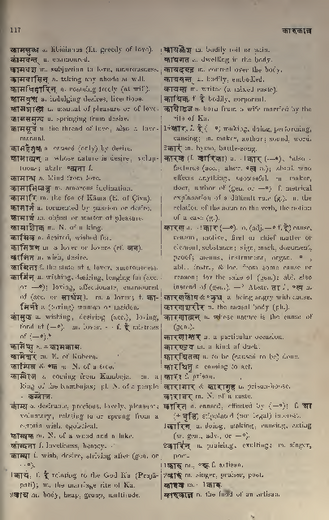
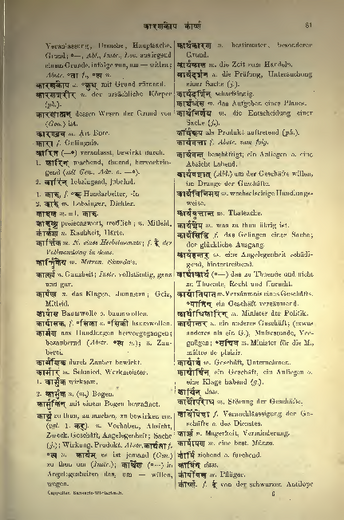
kāraṇa ·a. = kāra1 (--°). n. (adj. --° f. ī) cause, reason, motive, first or chief matter or element, substance; sign, mark, document, proof; means, instrument, organ. °--, abl., instr., & loc. from some cause or reason; for the sake of (gen.); abl. also instead of (gen.). --* Abstr. tā f., °tva n.
Monier-Williams 1872 Substantiv Neutrum
Originaltext · Englisch · Substantiv Neutrum
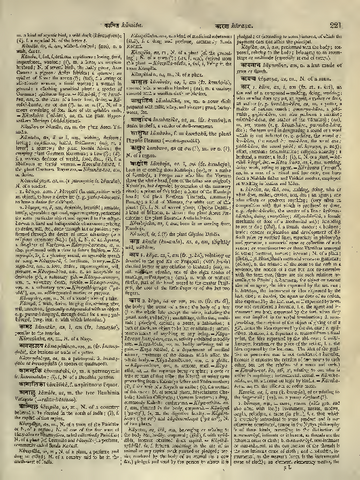
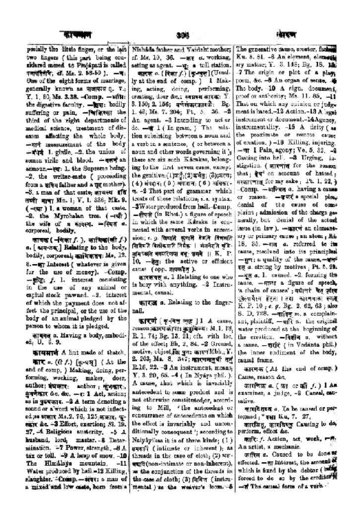
1. kāraṇa, am, n. cause, reason (with gen. and also often with loc.); instrument, means, motive, origin, principle, a cause (in phil.), i. e. that which is invariably antecedent to some product and is not otherwise constituted, (cause in the Nyāya philosophy is of three kinds, according to the distinction of a. samavāyi, intimate or inherent, as threads are the inherent cause of cloth; b. a-samavāyi, non-intimate or non-inherent, as the conjunction of the threads is the non-intimate cause of cloth; and c. nimitta, in- strumental, as the weaver's loom is the instrumental cause of cloth); an element, elementary matter, the origin or plot of a play or poem; that on which an opinion or judgment is founded; a sign, a mark, a document, a proof; a legal instrument; an organ of sense; an action; agency, instrumentality; a father (as the cause of being); a deity as the remote or proximate cause of creation; the body; a kind of musical instrument; a sort of song; a number of scribes or kāyasthas; (ā), f. pain, agony; casting into hell; an astronomical period; kāraṇāt, abl. c. from some cause or reason (e. g. kasmāt kāraṇāt, ‘from what cause,’ often with gen., e. g. mama kā- raṇāt, ‘for my sake,’ and at the end of compounds; according to native grammarians every case of kāraṇa may be used in this manner, but only the inst., dat., abl., and loc. occur; a-kāraṇena, without a reason; yena kāraṇena, because; yasmin kā- raṇe, from which motive, wherefore).

Originaltext · Englisch · Substantiv Neutrum
2. kāraṇa, am, n. killing, injuring.
Petersburger 1855 Adjektiv · Substantiv Neutrum · Worttyp nicht bestimmt
Originaltext · Deutsch · Adjektiv
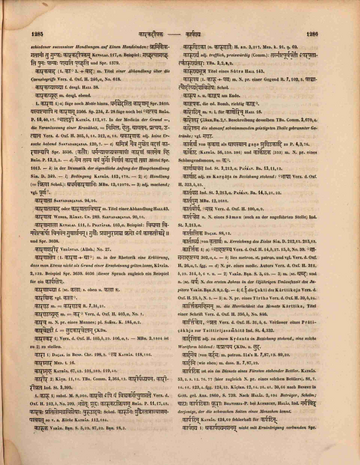
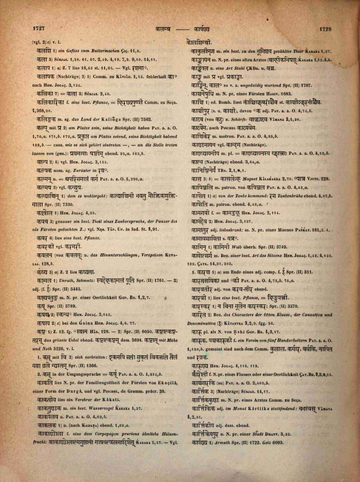
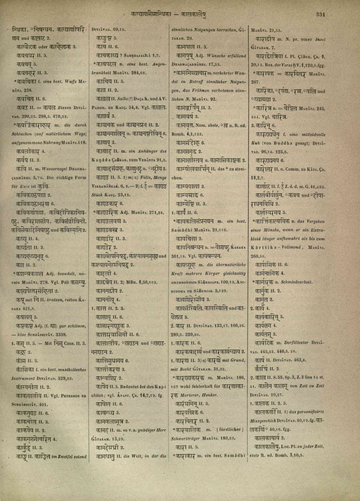
1. kāraṇa 1〉a〉 füge noch Motiv hinzu. dharmaścedasti kāraṇam Spr. 2410. yasyātmāpi na kāraṇam Spr. 2566. Sp. 234, Z. 28 füge noch bei ˚matsya BHĀG. P. 10,40,17. ˚mātaṅgī KATHĀS. 112,87. In der Medicin der Grund —, die Veranlassung einer Krankheit, = nimitta, hetu, āyatana, pratyaya, utthāna Verz. d. Oxf. H. 305,b,18. Verz. d. Oxf. H. 312,a,18. akāraṇaka adj. keine Ursache habend SARVADARŚANAS. 120,7. — c〉 amitraṃ naiva muñceta vadantaṃ kāraṇānyapi Spr. 3556. (kalau) dharmanyāyavyavasthāyāṃ kāraṇaṃ balameva hi BHĀG. P. 12,2,2. — d〉 yena tasya vayaṃ kurmo nirṇayaṃ kāraṇaṃ tathā Mittel Spr. 1013. — k〉 in der Dramatik der eigentliche Anfang der Haupthandlung SĀH. D. 349. — l〉 Bedingung KATHĀS. 112,178. — 2〉c〉 Handlung (= kriyā Schol.): adharmakāraṇābhiḥ MBH. 12,12070. — 3〉 adj. machend; vgl. pūrṇa˚.
Originaltext · Deutsch · Substantiv Neutrum
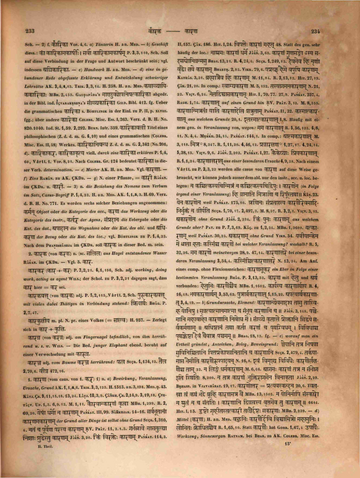
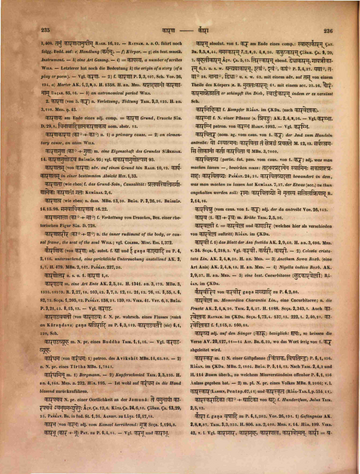
1. kāraṇa (vom caus. von 1. kar) 1〉 n. a〉 Bewirkung, Veranlassung, Ursache, Grund AK. 1,1,4,6. TRIK. 3,3,125. H. 1513. H. an. 3,198. MED. ṇ. 43. KĀTY. ŚR. 9,11,15. KĀTY. ŚR. 9,11,18. KĀTY. ŚR. 9,13,24. LĀṬY. 10,3,9. ŚĀṄKH. ŚR. 2,14,9. ŚĀṄKH. ŚR. 3,19,18. ŚVETĀŚV. UP. 1,3. ŚVETĀŚV. UP. 6,9. ŚVETĀŚV. UP. 6,13. M. 1,11. kauravānkāraṇaṃ kṛtvā MBH. 1,299. R. 2,69,20. yeṣāṃ dharmo na kāraṇam PAÑCAT. III, 99. SĀṂKHYAK. 14—SĀṂKHYAK. 16. sarvabhūtānāṃ kāraṇamakāraṇam der Grund aller Dinge ist selbst ohne Grund SUŚR. 1,310,4. nataṃ ca pūrveṇa parasya kāraṇam ṚV. PRĀT. 11,2. ṚV. PRĀT. 11,1. ṚV. PRĀT. 11,3. garbhasrāve māsatulyā niśāḥ śuddhestu kāraṇam YĀJÑ. 3,20. kiṃ virakteḥ kāraṇam PAÑCAT. 114,3. PAÑCAT. II, 157. ŚĀK. 186. HIT. I, 24. vipatteḥ kāraṇaṃ mahat HIT. I,48. Statt des gen. sehr häufig der loc.: nāśramaḥ kāraṇaṃ dharme YĀJÑ. 3,65. kāraṇaṃ guṇasaṅgo 'sya sadasadyonijanmasu BHAG. 13,21. R. 4,24,4. SUŚR. 1,249,12. daivameva hi nṛṇāṃ vṛddhau kṣaye kāraṇam BHARTṚ. 2,82. VIKR. 79,6. papraccha haime vapuṣi kāraṇam KATHĀS. 3,31. brahmātraiva hi kāraṇam M. 11,84. R. 3,13,12. HIT. 27,19. ŚĀK. 21,20. In comp.: svāmyakāraṇa M. 5,152. tasyāgamanakāraṇam N. 21,23. VIŚV. 6,24. naitadviśvāsakāraṇam HIT. I, 70. HIT. I,77. HIT. I,27,9. PAÑCAT. 257,4. RAGH. 1,74. kāraṇāt auf einen Grund hin ṚV. PRĀT. 3,13. M. 8,355. kāraṇānmitratāṃ yāti kāraṇādeti śatrutām PAÑCAT. II, 32. kasmātkāraṇāt aus welchem Grunde PAÑCAT. 20,1. etasmātkāraṇāt PAÑCAT. I, 8. Häufig mit einem gen. in Veranlassung von, wegen: mama kāraṇāt R. 5,56,135. R. 6,8,11. N. 4,4. MṚCCH. 34,15. PAÑCAT. 144,1. In comp.: ātmakāraṇāt M. 3,118. mitra˚ M. 8,347. R. 1,11,20. R. 4,46,12. prajārakṣaṇa˚ R. 1,27,17. R. 4,24,14. R. 5,38,15. VIŚV. 9,6. YĀJÑ. 2,203. PAÑCAT. I, 27. kaikeyyāḥ priyakāraṇāt R. 1,1,24. kāraṇāntarāt aus einer besonderen Ursache R. 4,9,28. Nach einem Vārtt. zu P. 2,3,23 werden alle casus von kāraṇa auf diese Weise gebraucht, wir können jedoch ausser dem abl. nur den instr., acc. u. loc. belegen: na kaścitkasyacinmitraṃ na kaścitkasyacidripuḥ . kāraṇena (in Folge irgend einer Veranlassung) hi jānāti mitrāṇi ca ripūṃstathā .. CĀṆ. 23. yena kāraṇena weil PAÑCAT. 175,10. vraṇinaḥ saṃprataptasya kāraṇairevamādibhirbhuktaṃ na jīryati SUŚR. 1,70,17. SUŚR. 2,497,3. M. 8,57. R. 3,2,1. VIŚV. 3,15. akāraṇena ohne Grund YĀJÑ. 2,234. kiṃ punaḥ kāraṇam aus welchem Grunde aber? PAT._zu_P. 7,3,69. KĀŚ._zu_P. 1,2,54. MBH. 1,3600. yatkāraṇam weil PAÑCAT. 30,25. akāraṇam ohne Grund VIKR. 54. yavīyānkena me bhrātā hataḥ kasmiṃśca kāraṇe bei welcher Veranlassung? weshalb? R. 5,32,26. mama kāraṇe meinetwegen R. 28,9. R. 47,14. kāraṇāntare bei einer besonderen Veranlassung R. 3,54,4. kasmiṃścitkāraṇāntare N. 13,34. Am Anf. eines comp. ohne Flexionszeichen: kāraṇasūkara ein Eber in Folge einer bestimmten Veranlassung BHĀG. P. 3,13,33. kāraṇa mit hetu und artha verbunden: hetubhiḥ kāraṇaiścaiva MBH. 1,1602. kāryasya kāraṇārthāya R. 4,16,48. bhayakāraṇārtham R. 3,53,62. putrārthakāraṇāt R. 1,15,22. apatyārthakāraṇāt R. 3,4,19. — b〉 Grundursache, Element: kāraṇānyevamādāya tāsu tāsviha yoniṣu . sṛjatyātmānamātmā ca saṃbhūya karaṇāni ca .. YĀJÑ. 3,148. pañcemāni mahābāho kāraṇāni nibodha me . sāṃkhye kṛtānte proktāni siddhaye sarvakarmaṇām .. adhiṣṭhānaṃ tathā kartā karaṇaṃ ca pṛthagvidham . vividhāśca pṛthakceṣṭā daivaṃ caivātra pañcamam .. BHAG. 18,13. fg. — c〉 worauf man ein Urtheil gründet, Anzeichen, Beleg, Beweisgrund: jñeyāni tatra bhiṣajā suviniścitāni pittaprakopajanitāni ca kāraṇāni SUŚR. 2,479,4. tarkayāmāsa bhaimīti kāraṇairupapādayan N. 16,8. evaṃ vimṛśya vividhaiḥ kāraṇairlakṣaṇaiśca tām N. 23. na liṅgaṃ dharmakāraṇam M. 6,66. āgamaḥ kāraṇaṃ tatra na saṃbhoga iti sthitiḥ M. 8,200. na tatra kāraṇaṃ bhuktirāgamena vinākṛtā YĀJÑ. 2,29. BṚHASP._in_VYAVAHĀRAT. 19,17. kāraṇottara = pratyavaskandana VYAVAHĀRAT. 20,6. svatantrā tvaṃ kathaṃ bhadre brūhi kāraṇamatra vai MBH. 13,1505. na yonirnāpi saṃskāro na śrutaṃ na ca saṃtatiḥ . kāraṇāni dvijatvasya vṛttameva tu kāraṇam .. MBH. 13,6644. HIT. I, 15. duṣṭo gṛhītastatkārī tajjñairdṛṣṭaḥ sakāraṇaḥ MBH. 2,239. — d〉 Mittel (karaṇa) H. an. MED. bahubhiḥ kāraṇairdevi viśvāmitro mahāmuniḥ . lobhitaḥ krodhitaścaiva R. 1,65,10. Statt kāraṇaiḥ hat GORR. 1,67,4 upāyaiḥ. Werkzeug, Sinnesorgan RATNAM._bei_BHAR._zu_AK. COLEBR. Misc. Ess. I, 408. tanuṃ kāraṇamānuṣīm RAGH. 16,22. — RATNAM. a. a. O. führt noch folgg. Bedd. auf: e〉 Handlung (karman). — f〉 Körper. — g〉 ein best. musik. Instrument. — h〉 eine Art Gesang. — i〉 = kāyastha, a number of scribes WILS. — Letzterer hat noch die Bedeutung k〉 the origin of a story (of a play or poem). — Vgl. karaṇa. — 2〉 f. kāraṇā P. 3,3,107, Sch. VOP. 26,194. a〉 Marter AK. 1,2,2,3. H. 1358. H. an. MED. aṣṭādaśānāṃ kāraṇānām DAŚAK. 85,16. — b〉 an astronomical period WILS.
Originaltext · Deutsch · Substantiv Neutrum
2. kāraṇa (von 5. kar) n. Verletzung, Tödtung TRIK. 3,3,125. H. an. 3,198. MED. ṇ. 43.
Originaltext · Deutsch · Worttyp nicht bestimmt
1. kāraṇa 1〉a〉 am Ende eines adj. comp. f. ī Spr. (II) 511.
Böhtlingk 1879 Adjektiv · Substantiv Neutrum · Worttyp nicht bestimmt
Originaltext · Deutsch · Adjektiv · Substantiv Neutrum
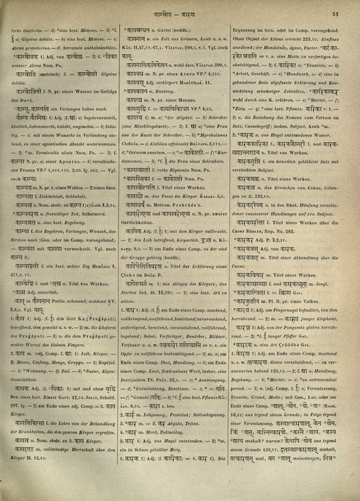
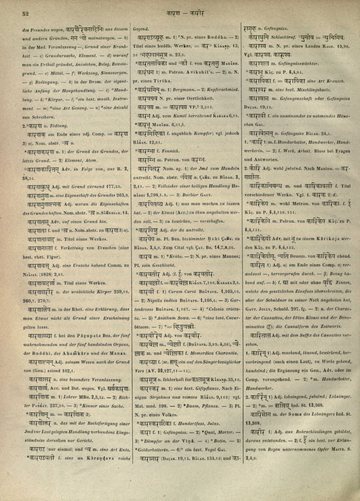
1. kāraṇa — 1〉 Adj. am Ende eines Comp. machend u. s. w. tatkāraṇa dieses verschuldend, — zu verantworten habend Chr. 120,13. — 2〉 f. ā — a〉 Handlung, Begehung. — b〉 *Marter. — c〉 *an astronomical period. — 3〉 n. (adj. Comp. f. ī) — a〉 Veranlassung, Ursache, Grund, Motiv; mit Gen., Loc. oder am Ende eines Comp. ˚ṇāt, ˚ṇena, ˚ṇe, ˚ṇa˚ (RAGH. 16,22) aus irgend einem Grunde, in Folge irgend einer Veranlassung. kasmātkāraṇāt, kena ˚ṇena, kiṃ ˚ṇam, kasminkāraṇe, *kasmai ˚ṇāya, *kasya ˚ṇasya weshalb? warum? kenāpi ˚ṇena aus irgend einem Grunde Chr. 150,17. etasmātkāraṇāt deshalb, yatkāraṇam weil, mama ˚ṇāt meinetwegen, mitra˚. [Page2-052-a] des Freundes wegen, kāraṇairevamādibhiḥ aus diesem und andern Gründen, mama ˚ṇe meinetwegen. — b〉 in der Med. Veranlassung —, Grund einer Krankheit. — c〉 Grundursache, Element. — d〉 worauf man ein Urtheil gründet, Anzeichen, Beleg, Beweisgrund. — e〉 Mittel. — f〉 Werkzeug, Sinnesorgan. — g〉 Bedingung. — h〉 in der Dram. der eigentliche Anfang der Haupthandlung. — i〉 *Handlung. — k〉 *Körper. — l〉 *ein best. musik. Instrument. — m〉 *eine Art Gesang. — n〉 *eine Anzahl von Schreibern.
Originaltext · Deutsch · Substantiv Neutrum
2. *kāraṇa n. Tödtung.
Originaltext · Deutsch · Worttyp nicht bestimmt
1. kāraṇa II. 3〉a〉 kāraṇe mit Grund, mit Recht JĀTAKAM. 31,92. [Nachtrag, Band 7]
Apte 1890 Substantiv Neutrum
Originaltext · Englisch · Substantiv Neutrum
kāraṇaṃ [kṛ-ṇic lyuṭ] 1 A cause, reason; kāraṇakopāḥ kuṭuṃbinyaḥ M. 1. 18; R. 1. 74; Bg. 13. 21; oft. with loc. of the effect; Bh. 2. 84. 2 Ground, motive, object kiṃ punaḥ kāraṇaṃ Mbh.; Y. 2. 203; Ms. 8. 347; kāraṇamānuṣīṃ tanuṃ R. 16. 22. 3 An instrument, means; Y. 3. 20, Y. 3. 65. 4 (In Nyāya phil.). A cause, that which is invariably antecedent to some product and is not otherwise constituted; or, according to Mill, ‘the antecedent or concurrence of antecedents on which the effect is invariably and unconditionally consequent’; according to Naiyāyikas it is of three kinds; (1) samavāyi (intimate or inherent); as threads in the case of cloth; (2) asamavāyi (non-intimate or non-inherent), as the conjunction of the threads in the case of cloth; (3) nimitta (instrumental) as the weaver's loom. 5 ([Page 0396-c]) The generative cause, creator, father; Ku. 5. 81. 6 An element, elementary matter; Y. 3. 148; Bg. 18. 13. 7 The origin or plot of a play, poem, &c. 8 An organ of sense. 9 The body. 10 A sign, document, proof or authority; Ms. 11. 85. 11 That on which any opinion or judgment is based. 12 Action. 13 A legal instrument or document. 14 Agency, instrumentality. 15 A deity (as the proximate or remote cause of creation.) 16 Killing, injuring. — ṇā 1 Pain, agony; Ve. 5. 32. 2 Casting into hell. 3 Urging, instigation. (kāraṇāṃt for the reason that; dveṣa˚ on account of hatred; matkāraṇāt for my sake; Pt. 1. 22.) Comp. — anvita a. having a cause or reason. — uttaraṃ a special plea, denial of the cause of complaint; admission of the charge generally, but denial of the actual issue (in law). — kāraṇaṃ an elementary or primary cause; an atom; Ki. 18. 35. — gata a. referred to its cause, resolved into its principles. — guṇaḥ a quality of the cause. — balavat a. strong by motives; Pt. 5. 29. — bhūta a. 1 caused. 2 forming the cause. — mālā a figure of speech, ‘a chain of causes’; yathottaraṃ cet pūrvasya pūrvasyārthasya hetutā . tadā kāraṇamālā syāt K. P. 10; e. g. Bg. 2. 62, Bg. 2. 63; also S. D. 728. — vādin m. a complainant, plaintiff. — vāri n. the original water produced at the beginning of the creation. — vihīna a. without a cause. — śarīraṃ (in Vedānta phil.) the inner rudiment of the body, causal frame.
Cappeller 1887 Worttyp nicht bestimmt
Originaltext · Deutsch · Worttyp nicht bestimmt
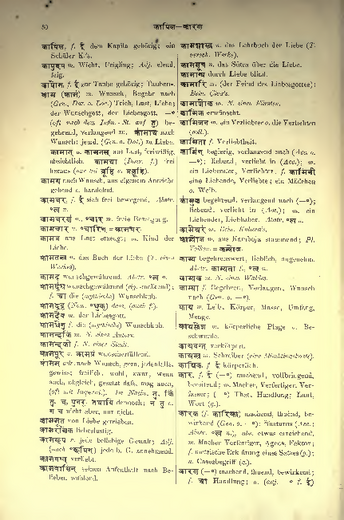
kāraṇa (—˚) machend, thuend, bewirkend; f. ā Handlung; n. (adj. —˚ f. ī) [Page081-1] Veranlassung, Ursache, Hauptsache, Grund; ˚—, Abl., Instr., Loc. ausirgend einem Grunde, infolge von, um — willen; Abstr. ˚tā f., ˚tva n.
Burnouf 1866 Substantiv Neutrum
Originaltext · Französisch · Substantiv Neutrum
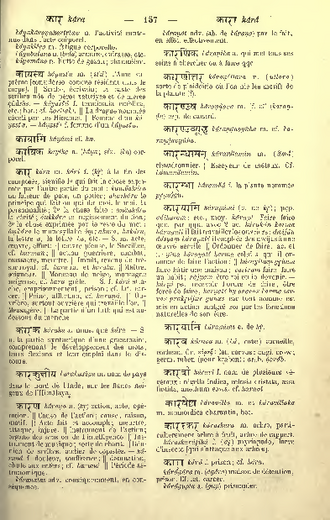
kāraṇa kāraṇa n. (kṛ) action, acte, opération. Cause de l'action; cause, raison, motif. Acte fait et accompli; meurtre, attaque, injure. Instrument de l'action; organe des sens ou de l'intelligence. Instrument de musique; sorte de chant. Réunion de scribes, atelier de copistes. — kāraṇā f. douleur, souffrance; damnation, chute aux enfers; cf. karuṇā Période astronomique. kāraṇatas adv. conséquemment, en conséquence. [Page157-2] kāraṇāt adv. (ab. de kāraṇa) par le fait, en effet, effectivement.
Quelltextfundstellen (13)
DYS 3 Fundstellen
HP 1 Fundstelle
PYS 1 Fundstelle
SiSa 4 Fundstellen
Mit AYI Free weitermachen
Bildquelle: AYI Archiv.