

puṇya पुण्य – lovely; sacred
adjective · substantive masculine · substantive neuter · Word type unspecified
Dictionary sources
AYI dictionary adjective · substantive neuter
Cappeller 1891 adjective
Original text · English · adjective
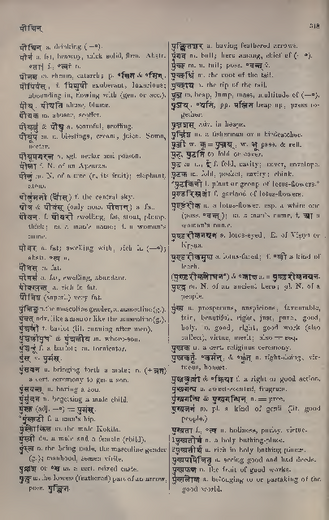
púṇya ·a. prosperous, auspicious, favourable, fair, beautiful, right, just, pure, good, holy. n. good, right, good work (also collect), virtue, merit; also = seq.
Monier-Williams 1872 adjective
Original text · English · adjective
puṇya puṇya, as, ā, am (said to be fr. rt. 1. pū; according to others fr. rt. 1. puṣ or rt. puṇ; not met with in the earliest language), good, pure, holy, right, righteous, virtuous, just, sacred; happy, prosperous, favourable, propitious, auspicious, lucky; bright, fine, beautiful, pleasing; sweet, fra- grant (as an odour); solemn, festive, ferial; (am), n. good, right, virtue, moral or religious merit; a good or meritorious act; purity, purification; a reli- gious ceremony, especially one performed by a wife in order to retain her husband's affections and to obtain a son; a brick trough for watering cattle, = koṣṭhaka; (as), m., N. of a man; of a lake (in this sense perhaps n.); (ā), f. holy basil, Ocymum Sanctum; N. of a daughter of Kratu and San-natī.

Petersburger 1855 adjective · substantive masculine · substantive neuter · Word type unspecified
Original text · German · adjective · substantive masculine · substantive neuter
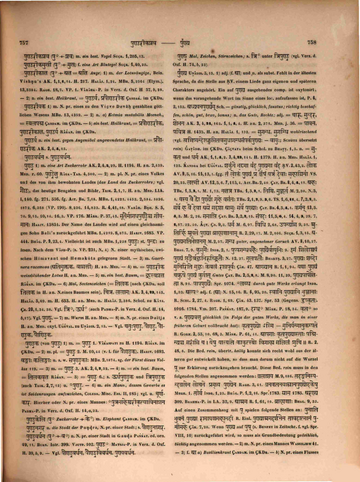
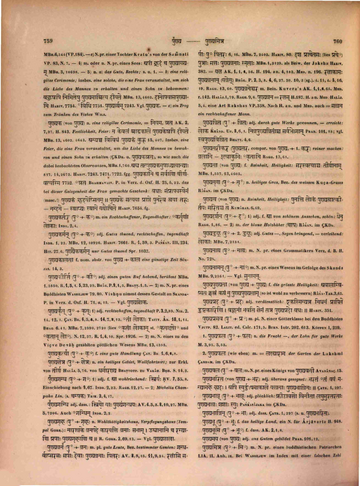
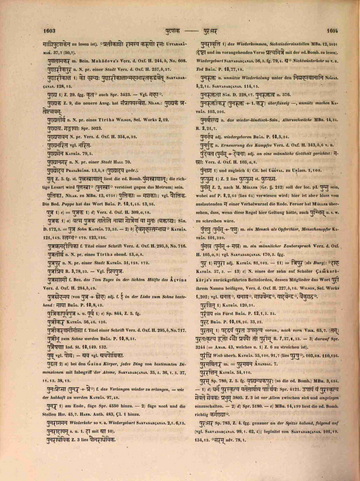
púṇya UṆĀDIS. 5,15. 1〉 adj. (f. ā) und n. als subst. Fehlt in der ältesten Sprache, da die Stelle aus ṚV. einem Liede ganz eigenen und späteren Charakters angehört. Ein auf puṇya ausgehendes comp. ist oxytonirt, wenn das vorangehende Wort im Sinne eines loc. aufzufassen ist, P. 6,2,152. adhyayanapuṇyám Sch. — günstig, glücklich, faustus; richtig beschaffen, schön, gut, brav, bonus; n. das Gute, Rechte; adj. = cāru, sundara, śobhana AK. 3,4,24,162. AK. 1,1,4,4. H. an. 2,371. MED. y. 36. = pāvana, pavitra H. 1435. H. an. HALĀY. 1,132. = sugandha, sugandhi wohlriechend (vgl. tvanniṣyandocchvasitavasudhāgandhasaṃparkapuṇyaḥ — vāyuḥ; SCHÜTZ übersetzt rein) JAṬĀDH._im_ŚKDR. ŚĀŚVATA beim Schol. zu BHAṬṬ. 1,5. n. = sukṛta und dharma AK. 1,1,4,2. AK. 3,4,23,141. H. 1379. H. an. MED. HALĀY. 1,125. CANDRA_bei_UJJVAL. śakùne bha̱dramā vàda̱ puṇya̱mā vàda ṚV. 2,43,2. loka AV. 9,5,16. AV. 15,13,1. fgg. taṃ lo̱kaṃ pu̱ṇyaṃ pra jñèṣa̱ṃ yatrà de̱vāḥ sa̱hāgninā̀ VS. 20,25. lakṣmī AV. 12,5,6. AV. 7,115,4. AIT. BR. 2,40. ŚAT. BR. 8,4,4,11. ahaḥ TBR. 1,5,3,1. M. 1,73. nakṣatra TBR. 1,5,2,1. tithi, muhūrta M. 2,30. N. 5,1. yasya̱ vai dvau puṇyaù gṛ̱he vasàtaḥ TBR. 2,1,2,9. TBR. 2,1,3,6. TS. 1,6,11,4. TS. 7,2,7,3. sarve ha vai devā agre sadṛśā āsuḥ sarve puṇyāḥ ŚAT. BR. 4,5,4,1. karman ŚAT. BR. 13,5,4,3. M. 2,26. samāpti ŚAT. BR. 3,2,2,15. saṃpadaḥ ŚAT. BR. 11,5,6,4. ŚAT. BR. 14,4,3,29. ŚAT. BR. 14,7,1,17. ŚAT. BR. 14,4,3,22. ŚAT. BR. 14,4,3,40. ĀŚV. ŚR. 9,3. dharma M. 6,97. vidhi M. 2,68. upanyāsa M. 9,31. śrutirhi śrūyate puṇyā brāhmaṇānām R. 2,29,17. M. 2,106. SUŚR. 1,3,15. apuṇyamatibhojanam M. 2,57. gandha guter, angenehmer Geruch AV. 8,10,27. BHAG. 7,9. kusumaiḥ INDR. 2,1. puṣpagandhavahaiḥ puṇyairvāyubhiḥ 9. imaṃ śiloccayaṃ puṇyaṃ śṛṅgairbahubhirucchritaiḥ N. 12,27. mūlaphalaiḥ BHARTṚ. 3,27. puṇyaḥ śabdo muniriti muhuḥ kevalaṃ rājapūrvaḥ ŚĀK. 47. ākhyāna R. 1,1,94. yathā puṇyaṃ cakruṣe puṇyaṃ kuryāt Gutes ŚAT. BR. 2,5,2,8. M. 8,90. M. 11,39. puṇyapāpekṣitā M. 8,91. pāpapuṇyaiḥ Spr. 1074. ˚labdha durch gute Werke erlangt INDR. 1,33. alpa˚ adj. f. (ā) N. 15,16. R. 6,95,20. svāni puṇyāni bhuñjānāḥ R. SCHL. 2,27,4. RAGH. 1,69. ŚĀK. 43. ŚĀK. 137. Spr. 53 (Gegens. duṣkṛta). Spr. 1016. Spr. 1784. VID. 207. PAÑCAT. 187,9. dagdha˚ MĀRK. P. 18,54. kṛta˚ so v. a. puṇyavant glücklich (in Folge der guten Werke, die man in einer früheren Geburt vollbracht hat): kṛtapuṇyo 'smi — muniryanmānukampate R. GORR. 2,55,10. R. GORR. 2,68,3. MĀRK. P. 61,41. āpagāḥ kṛtapuṇyāstāḥ padminyaśca sarāṃsi ca . yeṣu yāsyati kākutstho vigāhya salilaṃ śuci .. R. 2,48,8. Die Bed. rein, übertr. heilig konnte sich recht wohl aus der älteren gut entwickelt haben, so dass man darum nicht auf die Wurzel pū zur Erklärung zurückzugehen braucht. Diese Bed. rein muss in den folgenden Stellen angenommen werden: jalāśaya M. 9,186. tadaṅganisyandajalena locane pramṛjya puṇyena RAGH. 3,41. janakatanayāsnānapuṇyodakeṣu MEGH. 1. tīrtha INDR. 1,25. BHĀG. P. 1,2,16. Spr. 1783. grāma Spr. 1785. araṇya Spr. 309. BRAHMA-P. in LA. 52,9. āśrama R. 1,61,10. brāhmaṇāḥ BHAG. 9,33. Auf einen Zusammenhang mit pū spielen folgende Stellen an: punāti bhuvanaṃ puṇyā rāmāyaṇamahānadī R. Einl. puṇyāśramadarśanena tāvadātmānaṃ punīmahe ŚĀK. 7,20. Wenn puṇya auf puṣ (s. BENFEY_in_Zeitschr. f. vgl. Spr. VIII, 10) zurückgeführt wird, so muss als Grundbedeutung gedeihlich, tüchtig angenommen werden. — 2〉 m. N. pr. eines Mannes WASSILJEW 41. — 3〉 f. ā a〉 Basilienkraut ŚABDAM._im_ŚKDR. — b〉 N. pr. eines Flusses MBH. 6,344 (VP. 184). — c〉 N. pr. einer Tochter Kratuʼs von der Saṃnati VP. 83, N. 7. — 4〉 m. oder n. N. pr. eines Sees: apāṃ hradaṃ ca puṇyākhyam MBH. 3,10698. — 5〉 n. a〉 das Gute, Rechte; s. u. 1. — b〉 eine religiöse Cerimonie; insbes. eine solche, die eine Frau veranstaltet, um sich die Liebe des Mannes zu erhalten und einen Sohn zu bekommen: bahuṣvapi nimitteṣu puṇyamāśritya dīyate MBH. 13,4603. dānopavāsapuṇyāni HARIV. 7754. ˚vidhi HARIV. 7751. puṇyārtham HARIV. 7243. Vgl. puṇyaka. — c〉 ein Trog zum Tränken des Viehes WILS.
Original text · German · substantive neuter
puṇya 1〉 n. auch = dharma moralisches, religiöses Verdienst.
Original text · German · Word type unspecified
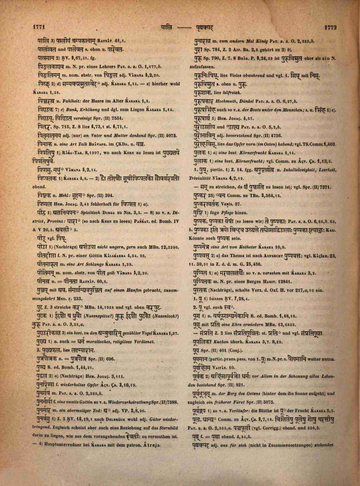
puṇya 1〉 Z. 29. fgg. kṛta˚ auch Spr. 3423. — Vgl. mahā˚.
Böhtlingk 1879 adjective · substantive masculine · substantive neuter
Original text · German · adjective · substantive masculine · substantive neuter
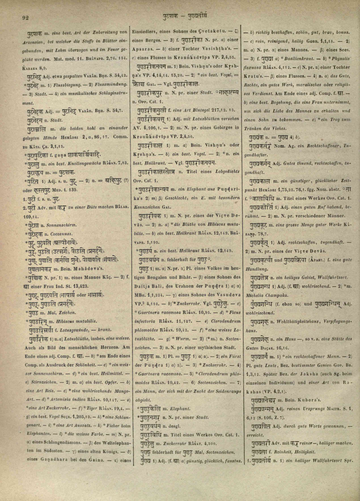
púṇya — 1〉 Adj. (f. ā) — a〉 günstig, glücklich, faustus [Page4-092-c] — b〉 richtig beschaffen, schön, gut, brav, bonus. — c〉 rein, reinigend, heilig GOBH. 1,1,18. — 2〉 m. N. pr. — a〉 eines Mannes. — b〉 eines Sees. — 3〉 f. puṇyā — a〉 *Basilienkraut. — b〉 *Physalis flexuosa RĀJAN. 4,112. — c〉 N. pr. — α〉 einer Tochter Kratuʼs. — β〉 eines Flusses. — 4〉 n. — a〉 das Gute, Rechte, ein gutes Werk, moralisches oder religiöses Verdienst. Am Ende eines adj. Comp. f. ā. — b〉 eine best. Begehung, die eine Frau unternimmt, um sich die Liebe des Mannes zu erhalten und einen Sohn zu bekommen. — c〉 *ein Trog zum Tränken des Viehes.
Apte 1890 adjective · substantive neuter
Original text · English · adjective · substantive neuter
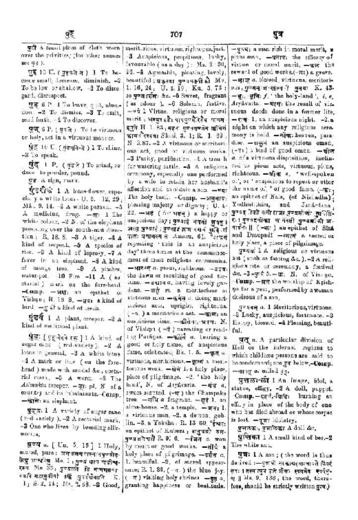
puṇya a. [Uṇ. 5. 15] 1 Holy, sacred, pure; janakatanayāsnānapuṇyodakeṣu āśrameṣu Me. 1; puṇyaṃ dhāma caṃḍīśvarasya Me. 33; puṇyāni hi nāmagrahaṇā nyapi mahāmunīnāṃ kiṃ puvardarśanāni K. 41; Ś. 2. 14; Ms. 2. 68. 2 Good, ([Page 0707-b]) meritorious, virtuous, righteous, just. 3 Auspicious, propitious, lucky, favourable (as a day); Ms. 2. 30, Ms. 2. 26. 4 Agreeable, pleasing, lovely, beautiful; prakṛtyā puṇyalakṣmīkau Mv. 1. 16, Mv. 1. 24: U. 4. 19; Ku. 5. 73; so puṇyadarśanaḥ &c. 5 Sweet, fragrant (as odour). 6 Solemn, festive. — ṇyaṃ 1 Virtue, religious or moral merit: atyutkaṭaiḥ pāpapuṇyairihaiva phalama śnunaṃ H. 1. 83; mahana puṇyapaṇyane krīsaṃyaṃ kāyataustvayā Śānti. 3. 1; R. 1. 69; N. 3. 87. 2 A virtuous or meritorious act, good or virtuous works. 3 Purity, purification. 4 A trough for watering cattle. 5 A religious ceremony, especially one performed by a wife to retain her husband's affection and to obtain a son. — ṇyā The holy basil. Comp. — anubhāvaḥ pleasing majesty or dignity; U. 4. 22. — ahaṃ (for ahan) a happy or auspicious day; puṇvāhaṃ bhavaṃto bruvaṃtu . astu puṇyāhaṃ; puṇyāha vraja maṃgalaṃ sudi saṃ prātaḥ prayātasya te Amaru. 61. ˚vācanaṃ repeating ‘this is an auspicious day’ three times at the commencement of most religious ceremonies. — ātman a. pious, righteous. — udayaḥ the dawn or resulting of good fortune. — udyāna a. having lovely gardens. — kartṛ m. a meritorious or virtuous man. — karman a. doing meritorious acts, upright, righteous. ( — n.) a meritorious act. — kālaḥ an auspicious time. — kīrtataḥ, -śravaṇaḥ N. of Viṣṇu. — (naṃ) narrating or reading Purāṇas. — kīrti a. bearing a good or holy name, of auspicious fame, celebrated; Bk. 1. 5. — kṛt a. virtuous, meritorious. — kṛtyaṃ a meritorious work. — kṣetraṃ 1 a holy place, place of pilgrimage. 2 ‘the holy land’, N. of Āryāvarta. — gaṃdha a. sweet scented. — (dha) the Campaka tree — gaṃdhi a. fragrant. — gṛha 1 an alms-house. 2 a temple. — janaḥ 1 a virtuous man. 2 a demon. goblin. 3 a Yakṣa: R. 13. 60. ˚īśvaraḥ an epithet of Kubera; anuyayau yamapuṇyajaneśvarau R. 9. 6. — jita a. won by merit or good works. — tīrthaṃ a holy place of pilgrimage. — darśana a. 1 beautiful. 2 of sacred appearance; R. 1. 86. — (naḥ) the blue jay. — (naṃ) visiting holy shrines — duh a. granting happiness or beatitude. ([Page 0707-c]) — puruṣaḥ a man rich in moral merit, a pious man. — pratāpaḥ the efficacy of virtue or moral merit. — phalaṃ the reward of good works. — (laḥ) a grove. — bhāj a. blessed, virtuous, meritorious: puṇyabhājaḥkhalvamī munayaḥ K. 43. — bhūḥ, -bhūmiḥ f. ‘the holy-land’, i. e. Āryāvarta. — yogaḥ the result of virtuous deeds done in a former life. — rātraḥ 1 an auspicious night. 2 a night on which any religious ceremony is held. — lokaḥ heaven, paradise. — śakunaṃ an auspicious omen. — (naḥ) a bird of good omen. — śīla a. of a virtuous disposition, inclinred to pious acts, virtuous, pious, righteous. — śloka a. ‘well-spoken of’, or ‘auspicious to repeat or utter the name of,’ of good fame. — (kaḥ) an epithet of Nala, (of Niṣadha); Yudhiṣṭhira, and Janārdana; puṇyaśloko nalo rājā puṇyaśloko yuddhiṣṭhiraḥ . puṇyaślokā ca vedehī puṇyaśloko janārdanaḥ .. (-kā) an epithet of Sītā and Draupadī — sthānaṃ a sacred or holy place, a place of pilgrimage.
Cappeller 1887 Word type unspecified
Original text · German · Word type unspecified
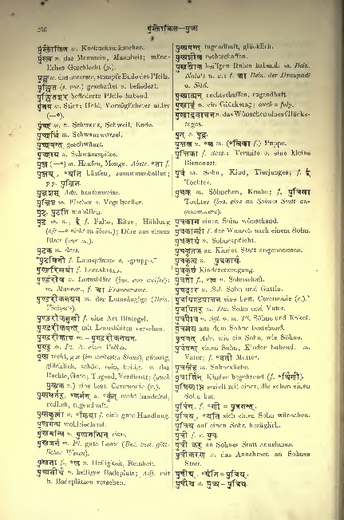
puṇya recht, gut (im weitesten Sinne), günstig, glücklich, schön, rein, heilig. n. das Rechte, Gute; Tugend, Verdienst; auch puṇyaka n.) eine best. Ceremonie (r.).
Burnouf 1866 adjective
Original text · French · adjective
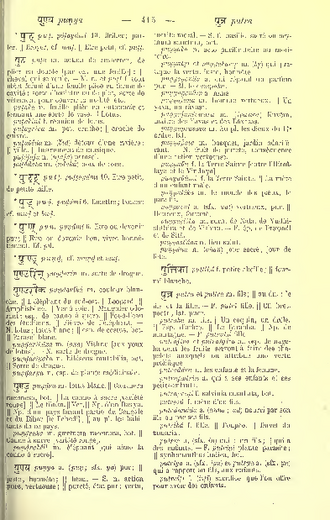
puṇya puṇya a. (puṇ; sfx. ya) pur; juste, honnête; beau. — S. n. action pure, vertueuse; pureté, état pur; vertu, [Page415-2] mérite moral. — S. f. basilic sacré ou ocymum sanctum, bot. puṇyaka n. acte purificatoire ou méritoire. puṇyakṛt et puṇyakartṛ m. (kṛ) qui pratique la vertu, juste, honnête. puṇyagandha a. qui répand un parfum pur. — M. le campaka. puṇyagandhin a. mms. puṇyajana m. homme vertueux. Un yakṣa, un rākṣasa. puṇyajaneśvara m. (īśvara) Kuvera, maître des Yakṣas et des Rākṣasas. puṇyaprasava m. Au pl. les dieux du 17ᵉ ordre, Bd. puṇyaphala m. bosquet, jardin odoriférant. — N. fruit de pureté, conséquence d'une action vertueuse. puṇyabhū f. la Terre-Sainte [entre l'Himālaya et le Vindhya]. puṇyabhūmi f. la Terre-Sainte. La mère d'un enfant mâle. puṇyaloka m. le monde des pieux, le paradis. puṇyavat a. (sfx. vat) vertueux, pur. Heureux, fortuné. puṇyaśloka m. surn. de Nala, de Yudhiṣṭhira et de Viṣṇu. — F. ép. de Draupadī et de Sītā. puṇyasthāna n. lieu saint. puṇyāha n. (ahan) jour sacré, jour de fête.
Derived words
Occurrences in source texts (30)
DYS 2 occurrences
HP 1 occurrence
HTK 1 occurrence
PYS 4 occurrences
SiSa 22 occurrences
SiSa 1.20-1.31: Karma und Erkenntnis 8 occurrences
Direct occurrences
SiSa 2.41-2.43: Māyā-Projektion 2 occurrences
Direct occurrences
5 more source pages
SiSa 3.51-3.54: Prāṇāyāma-Siddhis 2 occurrences
Direct occurrences
SiSa 5.17-5.20: Madhya und Layayoga 2 occurrences
Direct occurrences
SiSa 5.223-5.233: Praxis im Leben 2 occurrences
Direct occurrences
-
SiSa 5.230 Segment 2
-
SiSa 5.231 Segment 2
Continue with AYI Free
Image source: AYI archive.