

kṣaya क्षय – dissolution; dwindling; diminution; destruction; removal
adjective · substantive masculine · substantive neuter · Word type unspecified
Dictionary sources
AYI dictionary substantive masculine
dissolution; dwindling; diminution; destruction; removal
Derived from
Cappeller 1891 adjective · substantive masculine
Original text · English · adjective
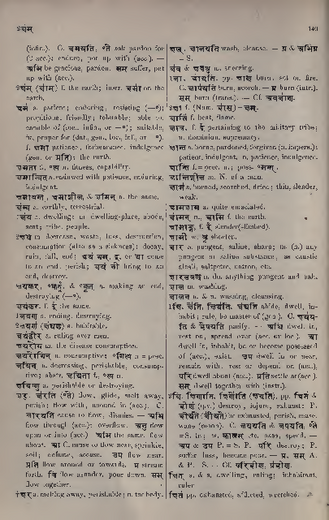
kṣáya1 ·a. dwelling; m. dwelling-place, abode, seat; tribe, people.
Original text · English · substantive masculine
kṣaya2 ·m. decrease, waste, loss, destruction, consumption (also as a sickness); decay, ruin, fall, end; kṣayaṃ gam, i, or yā come to an end, perish; kṣayaṃ nī bring to an end, destroy.
Monier-Williams 1872 substantive masculine · Word type unspecified
Original text · English · substantive masculine
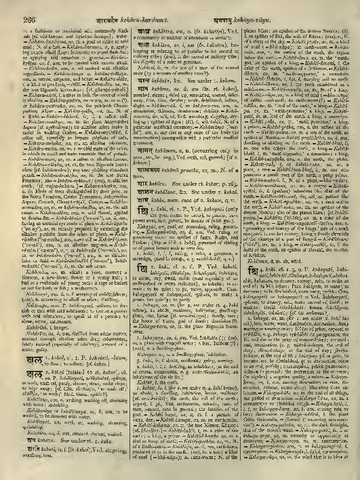
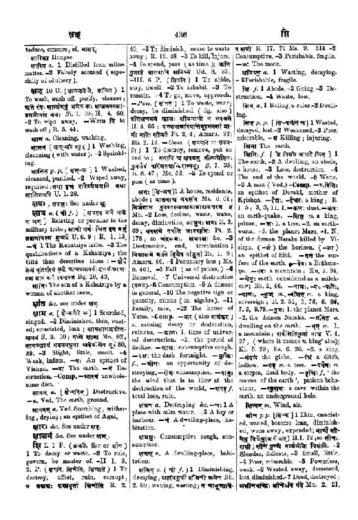
1. kṣaya, as, m. (for 2. see under rt. 4. kṣi below), an abode, residence, habitation, dwelling- place, seat, house [cf. uru-kṣaya]; family, race; the house of Yama, god of death; dominion (?).
Original text · English · substantive masculine
2. kṣaya, as, m. (for 1. see under 2. kṣi last col.), loss, waste, wane, diminution, destruction, decay wasting or wearing away; fall (as of prices, opposed to vṛddhi, e. g. kṣayo vṛddhiś ca paṇyānām, the fall and rise in the price of commodities); removal; end, termination (e. g. nidrā-kṣaya, the end of sleep; dina-kṣaye, at the end of day; jīvita- kṣaye, at the end of life; kṣayaṃ yā or gam, to become less, be diminished, go to destruction, come to an end, perish); consumption, pthisis pulmonalis; sickness in general; the destruction of the universe; (in algebra) a negative quality, a minus.
Original text · English · Word type unspecified
kṣaya kṣaya. See under rt. 2. kṣi and rt. 4. kṣi, p. 266.
Petersburger 1855 substantive masculine · substantive neuter · Word type unspecified
Original text · German · substantive masculine
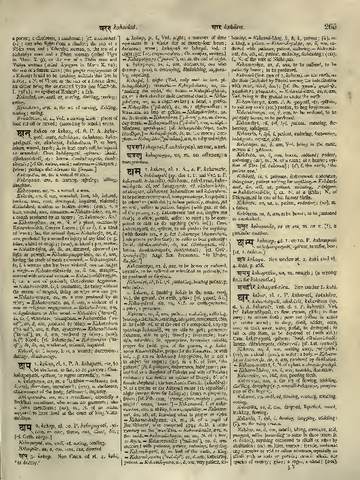
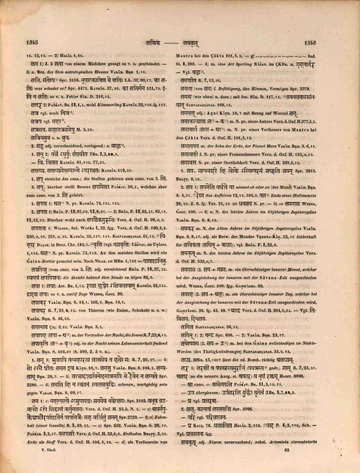
1. kṣáya (von 1. kṣi) m. Wohnung, Wohnsitz, Aufenthalt P. 6,1,201. AK. 3,4,24,147. H. 991. H. an. 2,348. MED. y. 7. nṛ̱vati̱ kṣayè ṚV. 6,25,6. gi̱ripu̱ kṣayàṃ dadhe ṚV. 9,82,3. īkṣè rā̱yaḥ kṣayàsya carpaṇī̱nām ṚV. 4,20,8. kṣayā̀m̐ ebhyaḥ suvasi pa̱styāvàtaḥ ṚV. 4,54,5. pṛ̱thuḥ ṚV. 5,12,6. pra sa kṣayàṃ tirate ṚV. 7,59,2. der Sitz des Agni ṚV. 3,2,6. ṚV. 3,3,2. ṚV. 3,11,7. ā yaṃ da̱dhe mā̀ta̱riśvā̀ di̱vi kṣayàm ṚV. 2,13. ṚV. 10,63,5. a̱pām VS. 13,53. VS. 3,21. kṣayā̀ya gā̱tuṃ vi̱dannò a̱sme ṚV. 10,99,8. ṚV. 5,65,4. bṛ̱hanta̱ṃ kṣaya̱masàma̱ṃ janā̀nām ṚV. 10,47,8. a̱sminkṣaye̱ 'sminbhū̀milo̱ke TS. 3,5,3,1. u̱ru kṣayā̀ya naskṛdhi ṚV. 8,57,12. ṚV. 6,50,3. ṚV. 10,57,7. VS. 5,38. Die Bedeutung Herrschaft oder Herrscher scheint sich im Veda nicht nachweisen zu lassen und sämmtliche Stellen, welche dafür angeführt werden oder bei den Comm. dafür gelten, dürften sich unter die obige Bed. fügen; z. B. sa hi kṣayèṇa̱ kṣamyàsya̱ janmàna̱ḥ sāmrā̀jyena di̱vyasya̱ cetàti denn vermöge seines Sitzes (in der Höhe) nimmt er wahr das irdische Geschlecht, vermöge seiner Herrscherwürde das himmlische ṚV. 7,46,2. tvāṃ viṣṇùrvṛ̱hankṣayò mi̱tro gṛ̀ṇāti̱ varùṇaḥ . tvāṃ śardhò mada̱tyanu̱ mārùtam dich preist Viṣṇu, der hohe Sitz (der Himmel oder die auf hohem Sitz Wohnenden, die Götter) Mitra, Varuṇa ṚV. 8,15,9.; auch liesse sich hier als urspr. Lesart vermuthen vṛ̱hatkṣàyaḥ Viṣṇu, der hochthronende. — nirjagāma punastasmātkṣayānnārāyaṇasya ha MBH. 1,2510. kurukṣaye MBH. 1,5209. MBH. 1,6947. indrakṣayasaṃnibhaṃ puram R. 2,6,27. kecitkṣayanibhā deśāḥ kecidudyānasaṃnibhāḥ R. 2,94,22. svakṣayaṃ yayau BHĀG. P. 1,15,49. Häufig von der Behausung Yamaʼs: yātanāśca yamakṣaye M. 6,61. kṣiprameva gamiṣyāvastvayā hīnau yamakṣayam so v. a. sterben DAŚ. 2,36. R. 2,60,3. R. 6,79,20. yamakṣayaṃ vrajet R. 2,38,17. nītā vaivasvatakṣayam R. 1,59,18. preṣayiṣye yamakṣayam HIḌ. 1,47. — sphuliṅgāvasthayā vahniredhaḥkṣaya iva sthitaḥ ŚĀK. 174, v. l. Am Ende eines adj. comp. f. āḥ susaṃmṛṣṭakṣayā MBH. 13,6792. — Vgl. urukṣaya, divi˚, ratha˚, su˚.
Original text · German · substantive masculine
2. kṣayá (von 3. kṣi) m. P. 6,1,201. 1〉 Abnahme, Verminderung, Verlust, das zu-Ende-Gehen, Untergang, das zu-Nichte-Werden (Gegens. vṛddhi) AK. 2,8,1,19. AK. 2,3,3,7. AK. 3,4,14,70. AK. 3,4,24,147. H. 1523. H. an. 2,348. MED. y. 7. candrakṣaye M. 3,122. M. 3,127. MBH. 1,1215. MĀRK. P. 30,25. MĀRK. P. 31,20. BHĀG. P. 6,6,23. kṣayaṃ vṛddhiṃ ca baṇijā paṇyānāmavijānatā das Fallen und Steigen der Preise der Waare YĀJÑ. 2,258. dhana˚ PAÑCAT. 234,7. VET. 21,18. vinaśyetām — matsyāviva jalakṣaye BRĀHMAṆ. 2,20. niśākṣaye am Ende der Nacht R. 3,16,41. ṚT. 1,9. KATHĀS. 4,9. KATHĀS. 4,68. VID. 154. dina˚ R. 4,3,10. MBH. 1,699. jīvita˚ DAŚ. 1,29. DAŚ. 2,64. āyuṣaḥ kṣaye RAGH. 3,69. PAÑCAT. 78,8. nidrākṣaya Ende des Schlafes R. 6,105,14. kula˚ R. 1,45,45. PAÑCAT. I, 363. saṃtānasya PAÑCAT. 80,21. jagataḥ kṣaye HIḌ. 4,48. kṣayo 'pi vanavāsasya kṣiprameva bhaviṣyati R. 2,39,34. adharmasya MBH. 13,5480. MBH. 13,5478. rāgadveṣa˚ M. 6,60. janmavṛddhikṣayaiḥ M. 12,124. bhaviṣyati sudāruṇā . anāvṛṣṭirjanapade kṣayāya bāhuvārṣikī .. R. 1,8,12. — M. 8,401. M. 12,54. R. 5,47,32. YOGAS. 2,28. YOGAS. 2,43. SUŚR. 1,45,1. SUŚR. 1,48,2. SUŚR. 1,194,15. SUŚR. 1,45,18. SUŚR. 1,45,19. PAÑCAT. 99,19. PAÑCAT. I, 275. PAÑCAT. I,468. VET. 30,9. VET. 33,14. kṣayaṃ yā sich vermindern, sich verlieren, zu Ende gehen, untergehen: kṣayaṃ yātāni sarvaśaḥ sādhanāni R. 1,66,23. R. 1,64,20. SUŚR. 1,321,13. PAÑCAT. I, 256. VID. 201. yadā kṣayaṃ gataṃ sarvam R. 1,45,47. DAŚ. 1,46. N. 26,12. ye ca strīṣu kṣayaṃ gatāḥ die sich an Weibern zu Grunde gerichtet SUŚR. 2,32,8. VID. 257. kṣayameti HIT. I, 128. ubhayametadupaitvatha vā kṣayam AMAR. 60. kṣayaṃ nayasi rākṣasān R. 5,36,51. — 2〉 Auszehrung, insbes. Lungenauszehrung (śoṣa) AK. 2,6,2,2. H. 463. H. an. MED. SUŚR. 2,445,6. SUŚR. 1,175,5. SUŚR. 1,200,19. SUŚR. 2,376,4. SUŚR. 2,379,18. SUŚR. 2,376,20. SUŚR. 2,447,1. SUŚR. 2,376,10. kṣayapravṛtta SUŚR. 376,16. kṣayaja SUŚR. 379,18. kāsa SUŚR. 503,19. SUŚR. 505,15. Krankheit überh. RĀJAN._im_ŚKDR. — 3〉 Untergang der Welt AK. 1,1,3,22. H. 161. H. an. MED. vātavṛṣṭiśca mahatī kṣayakāla ivābhavat PAÑCAT. III, 145. — 4〉 eine negative Grösse, Minus COLEBR. Alg. 131. — Vgl. akṣaya.
Original text · German · substantive neuter
2. kṣaya 1〉 kṣayameti vardhate vā nimmt ab oder zu (der Mond) VARĀH. BṚH. S. 4,31. ˚roga das Aufhören VARĀH. BṚH. S. 12,18. VARĀH. BṚH. S. 104,9. pakṣa˚ Ende eines Halbmonats VARĀH. BṚH. S. 28,20. Z. 6. fg. VET. 21,18 ist dhanakṣaya N. pr. — 5〉 = kṣayamāsa WEBER, JYOT. 100. — 6〉 n. N. des letzten Jahres im 60jährigen Jupitercyclus VARĀH. BṚH. S. 8,52.
Original text · German · Word type unspecified
1. kṣaya , satyavādī hi loke 'sminparamaṃ gacchati kṣayam Spr. 3815. BHAṬṬ. 6,23.
Böhtlingk 1879 adjective · substantive masculine · substantive neuter
Original text · German · adjective · substantive masculine
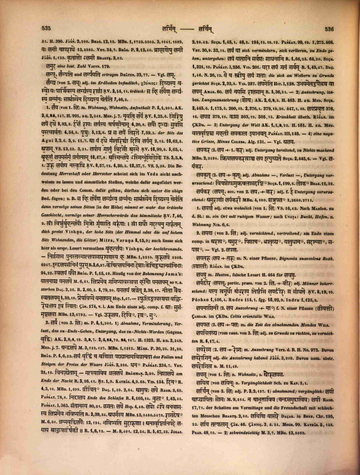
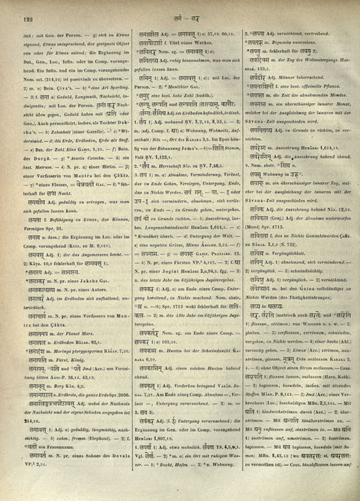
1. kṣáya — 1〉 Adj. wohnend ṚV. 3,2,13. 8,53,4. — 2〉 m. (adj. Comp. f. ā) — a〉 Wohnung, Wohnsitz, Aufenthalt; Sitz —, Ort des CARAKA. 3,5. Im Epos häufig von der Behausung Yamaʼs. — b〉 = kṣiti Stamm, Volk ṚV. 1,123,1.
Original text · German · substantive masculine
2. *kṣáya m. Herrschaft SĀY. zu ṚV. 7,46,2.
Original text · German · substantive masculine · substantive neuter
3. kṣaya — 1〉 m. — a〉 Abnahme, Verminderung, Verlust, das zu Ende Gehen; Versiegen, Untergang, Ende, das zu Nichte Werden. kṣayaṃ gam, — yā, — i oder upa-i sich vermindern, abnehmen, sich verlieren, zu Ende —, zu Grunde gehen, untergehen. kṣayaṃ nī zu Grunde richten. — b〉 Auszehrung, insbes. Lungenschwindsucht HEMĀDRI 1,614,2. — c〉 *Krankheit überh. — d〉 Untergang der Welt. — e〉 eine negative Grösse, Minus ĀRYABH. 3,22. — f〉 = kṣayamāsa. — g〉 = kṣayāha GAṆIT. PRATYABD. 12. — h〉 N. pr. eines Fürsten VP.² 3,167. — 2〉 f. ā N. pr. einer Yoginī HEMĀDRI 2,a,94,2. fgg. — 3〉 n. das letzte Jahr im 60jährgen Jupitercyclus.
Apte 1890 substantive masculine · Word type unspecified
Original text · English · substantive masculine
kṣayaḥ [kṣi-ac] 1 A house, residence, abode; yātanāśca yamakṣaye Ms. 6. 61; nirjagāma punastasmātkṣayānnārāyaṇasya ha Mb. 2 Loss, decline, waste, wane, decay, diminution; āyuṣaḥ kṣayaḥ R. 3. 69; dhanakṣaye vardhati jāṭharāgniḥ Pt. 2. 178; so caṃdrakṣayaḥ, kṣayapakṣaḥ &c. 3 Destruction, end, termination; niśākṣaye yāti hriyaiva pāṃḍutāṃ Rs. 1. 9; Amaru. 60. 4 Pecuniary loss; Ms. 8. 401. 5 Fall (as of prices.) 6 Removal. 7 Universal destruction (pralaya). 8 Consumption. 9 A disease in general. 10 The negative sign or quantity, minus (in algebra). 11 Family, race. 12 The house of Yama. Comp. — kara (also kṣayaṃkara) a. causing decay or destruction, ruinous. — kālaḥ 1 time of universal destruction. 2 the period of decline. — kāsaḥ consumptive cough. — pakṣaḥ the dark fortnight. — yuktiḥ f., — yogaḥ an opportunity of destroying. — rogaḥ consumption. — vāyuḥ the wind that is to blow at the destruction of the world. — saṃpad f. total loss, ruin.
Original text · English · Word type unspecified
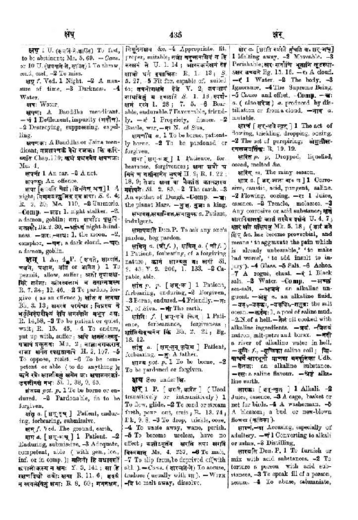
kṣaya See under kṣi.
Cappeller 1887 substantive masculine · Word type unspecified
Original text · German · substantive masculine
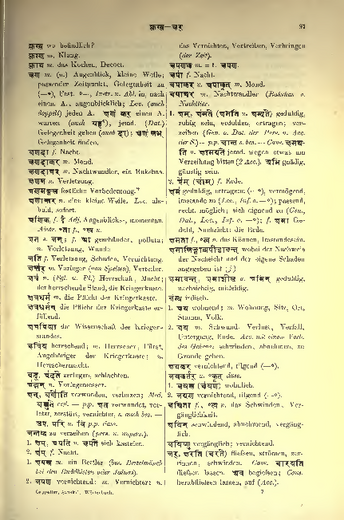
2. kṣaya m. Schwund, Verlust, Verfall, Untergang, Ende. Acc. mit einem Verb. des Gehens: schwinden, abnehmen, zu Grunde gehen.
Original text · German · Word type unspecified
1. kṣáya wohnend; m. Wohnung, Sitz, Ort, Stamm, Volk.
Burnouf 1866 substantive masculine
Original text · French · substantive masculine
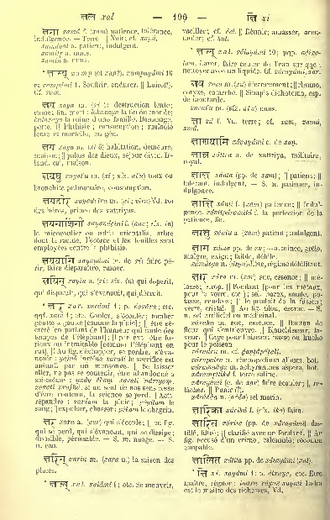
kṣaya kṣaya m. (kṣi 1) destruction lente; ruine; fin, mort: lokakṣaya la fin du monde; kulakṣaya la ruine d'une famille. Dommage, perte. Phthisie; consomption; maladie lente et mortelle, en gén.
Original text · French · substantive masculine
kṣaya kṣaya m. (kṣi 6) habitation, demeure, maison; palais des dieux, séjour divin. lrland. cai, maison.
Occurrences in source texts (18)
DYS 1 occurrence
GoS 1 occurrence
HP 4 occurrences
PJH 1 occurrence
PYS 5 occurrences
SiSa 4 occurrences
SS 1 occurrence
SVU 1 occurrence
Continue with AYI Free
Image source: AYI archive.