

ākāśa आकाश – Raum
Substantiv Maskulin · Substantiv Neutrum · Worttyp nicht bestimmt
Wörterbuchquellen
AYI Wörterbuch Substantiv Maskulin · Substantiv Neutrum
Substantiv Maskulin
Raum
Substantiv Neutrum
Äther; Raum
Herkunft
Cappeller 1891 Substantiv Maskulin · Substantiv Neutrum
Originaltext · Englisch · Substantiv Maskulin · Substantiv Neutrum
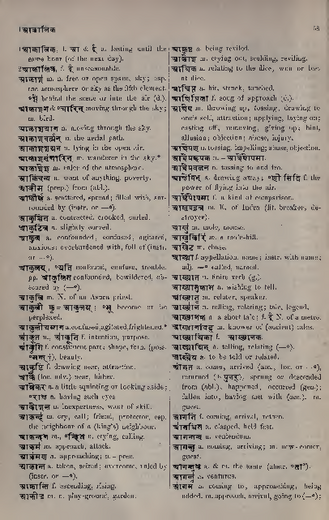
ākāśá ·m. n. free or open space, sky; esp. the atmosphere or sky as the fifth element. °śe behind the scene or into the air (d.).
Monier-Williams 1872 Substantiv Maskulin · Substantiv Neutrum
Originaltext · Englisch · Substantiv Maskulin · Substantiv Neutrum
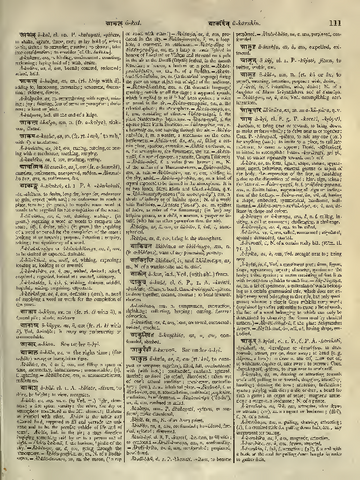
Ā-kāśa, as, am, m. n. (in Ved. m.) light, clear- ness; a free space, vacuity; the ether, the sky or atmosphere considered as the fifth element; Brahma as identical with ether. Ākāśa is the subtle and ethereal fluid, supposed to fill and pervade the uni- verse and to be the peculiar vehicle of life and of sound. Ākāśe, ind. in the air; a stage direction implying something said by or to a person out of sight.
Petersburger 1855 Substantiv Neutrum · Worttyp nicht bestimmt
Originaltext · Deutsch · Substantiv Neutrum
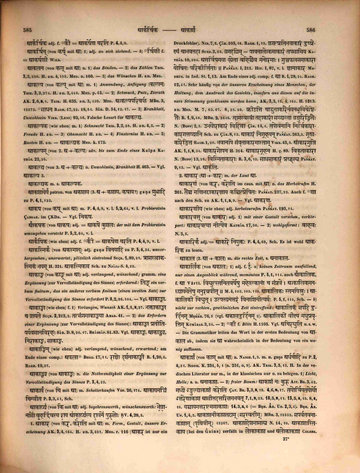
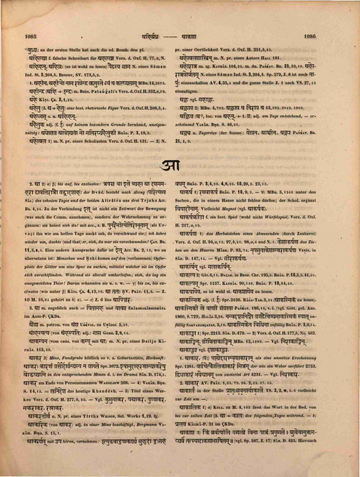
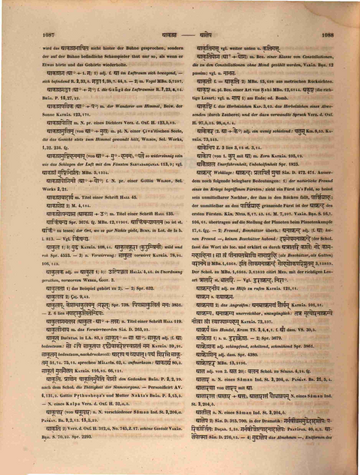
ākāśá (von kāś mit ā) n. NAIGH. 1,3. m.n. gaṇa ardharcādi zu P. 2,4,31. SIDDH. K. 251,b,1, (n. SIDDH. K. 251,a,9) AK. TRIK. 3,5,13. H. In der vedischen Literatur nur m., in der klassischen nur n. zu belegen. 1〉 Licht, Helle; s. u. anākāśa. — 2〉 freier Raum: ākāśaṃ naḥ kuru AIT. BR. 3,42. madhye 'ṅgulyākāśaṃ karoti ŚAT. BR. 3,3,2,19. ŚAT. BR. 4,6,8,17. tayorviyatayoryo 'ntareṇākāśa āsīttadantarikṣamabhavat ŚAT. BR. 7,1,2,23. ŚAT. BR. 10,5,2,11. ŚAT. BR. 13,5,1,15. ŚAT. BR. 13,8,1,10. yaścāyamantarātmannākāśaḥ ŚAT. BR. 14,3,5,6 (= BṚH. ĀR. UP. 2,3,4). BṚH. ĀR. UP. 1,4,3. ākāśanīkāśataṭām (sarasvatīm) MBH. 3,12552. saparvatavanākāśām (pṛthivīm) MBH. 3,15267. ākāśadeśamāsādya N. 14,10. ākāśāstikāya (bei den Jaina) zerfällt in lokākāśa und alokākāśa COLEBR. Misc. Ess. I, 386. — 3〉 Luftraum, die freie Luft, Aether NAIGH. 1,3. AK. 1,1,2,2. AK. 3,4,1,2. H. 163. jyāyāndivo jyāyānākāśāt ŚAT. BR. 10,6,3,2. asminnākāśe śyeno vā suparṇo vā viparipatya ŚAT. BR. 14,7,1,19 (= BṚH. ĀR. UP. 4,3,19). ŚAT. BR. 5,5,4. ŚAT. BR. 6,6,1. ŚAT. BR. 7,10 (= BṚH. 2,5,10. BṚH. 3,7,12). TAITT. UP. 1,3,1. n. M. 1,75. M. 10,104. YĀJÑ. 3,144. BHAG. 13,32. R. 1,44,23. R. 3,29,7. R. 4,31,23. R. 4,38,34. R. 6,70,29. BHARTṚ. 3,89. — M. 1,76. M. 3,90. M. 4,184. N. 19,22. SUŚR. 1,91,13. SUŚR. 1,151,3. — ākāśaga durch den Luftraum gehend R. 2,33,8. ākāśagāṃ nadīm (die Gaṅgā) R. 1,44,5. ākāśagā gaṅgā R. 1,38,7. ākāśagaṅgā R. 4,44,61. MBH. 3,10909. RAGH. 1,78. ākāśagatā vāṇī (vgl. ākāśavāṇī) VID. 112. ākāśacārin KATHĀS. 20,179. ākāśagati PAÑCAT. 114,21. ākāśagamana Verz. d. B. H. 193 (28). ākāśagāmitva Verz. d. B. H. No. 905. ākāśayāna ŚĀK. 77,1. ŚĀK. 97,1. ākāśapatha KATHĀS. 25,214. Eine Rede, die von einer die Bühne nicht betretenden Person gesprochen wird, deutet man im Drama durch die scenische Bemerkung ākāśe im Luftraume an, ohne irgend eine Person zu nennen, MṚCCH. 32,18. MṚCCH. 40,8. ŚĀK. 31,7. ŚĀK. 41,23. ŚĀK. 52,16. ŚĀK. 101,5. ākāśe gīyate ŚĀK. 59,6. Eine solche Rede heisst ākāśabhāṣita oder auch schlechtweg ākāśa n. Sch. zu ŚĀK. 31,7. — Der Aether ist nach indischer Anschauung das fünfte Element und der Vermittler des Schalls, vgl. COLEBR. Misc. Ess. I, 243. COLEBR. Misc. Ess. I,268. COLEBR. Misc. Ess. I,275. COLEBR. Misc. Ess. I,373. COLEBR. Misc. Ess. I,398. MÜLLER_in_Z. d. d. m. G. 2,19. fg. BURN. Intr. 497. Lot. de la b. l. 515. Die Bedeutung Brahman bei WILS. mag aus Stellen wie CHĀND. UP. 7,12,2: sa ya ākāśaṃ brahmetyupāste gefolgert worden sein.
Originaltext · Deutsch · Worttyp nicht bestimmt
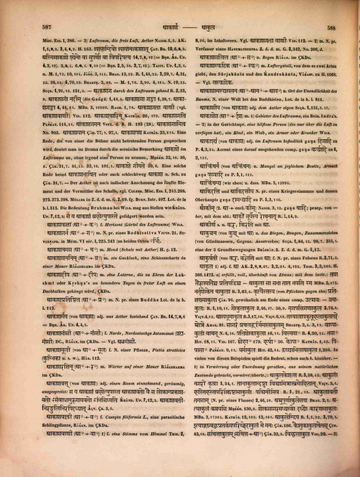
ākāśa 3〉 kiṃ bravīṣīti yannāṭye vinā pātraṃ prayujyate . śrutvevānuktamapyarthaṃ tatsyādākāśabhāṣitam .. (vgl. Sp. 587, Z. 17) SĀH. D. 425. Hiernach wird das ākāśabhāṣita nicht hinter der Bühne gesprochen, sondern der auf der Bühne befindliche Schauspieler thut nur so, als wenn er Etwas hörte und das Gehörte wiederholte.
Originaltext · Deutsch · Worttyp nicht bestimmt
ākāśa 3〉 (Nachträge); zu ˚bhāṣita vgl. noch DAŚAR. 1,60. SĀH. D. 513.
Böhtlingk 1879 Substantiv Maskulin · Substantiv Neutrum
Originaltext · Deutsch · Substantiv Maskulin · Substantiv Neutrum
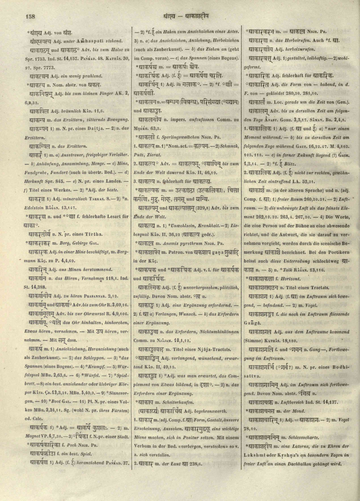
ākāśá m. (in der älteren Sprache) und n. (adj. Comp. f. ā) — 1〉 freier Raum Chr. 260,30. Chr. 260,31. — 2〉 Luftraum. — 3〉 die unbewegte Luft als das feinste Element Chr. 262,13. Chr. 262,32. Chr. 263,4. Chr. 267,30. — 4〉 die Worte, die eine Person auf der Bühne an eine abwesende richtet, und die Antwort, die sie darauf zu vernehmen vorgiebt, werden durch die scenische Bemerkung ākāśe bezeichnet. Bei den Poetikern heisst auch diese Unterredung schlechtweg ākāśa n. — 5〉 n. *Talk RĀJAN. 13,116.
Apte 1890 Substantiv Maskulin · Substantiv Neutrum
Originaltext · Englisch · Substantiv Maskulin
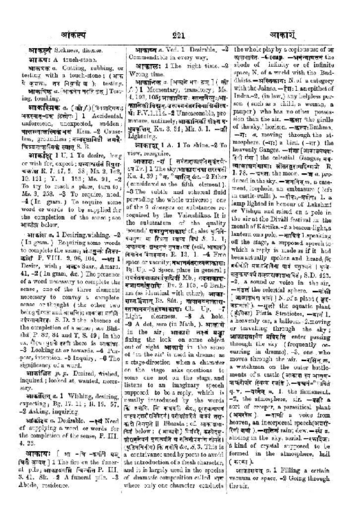
ākāśaḥ -śaṃ [samaṃtādākāśaṃte sūrvādayo'tra Tv.] 1 The sky; ākāśabhavāsarasvatī Ku. 4. 39; ˚ga, ˚cārin &c. 2 Ether (considered as the fifth element). 3 The subtle and ethereal fluid pervading the whole universe; one of the 9 dravyas or substances recognized by the Vaiśeṣikas. It is the substratum of the quality ‘sound;’ śabdaguṇamākāśaṃ cf.; also śrutiviṣayaguṇā yā syitā vyāpya viśvaṃ Ś. 1. 1; athātmanaḥ śabdaguṇaṃ guṇajñaḥ padaṃ (scil. ākāśaṃ) vimānena vigāhamānaḥ R. 13. 1. 4 Free space or vacuity; yaścāyamaṃtarātmannākāśaḥ Bṛ. Up. 5 Space, place in general; saparvatavanākāśāṃ pṛthivīṃ Mb.; bhavanākāśamajāyatāṃburāśiḥ Bv. 2. 165. 6 Brahma (as identical with ether); ākāśastalliṃgāt Br. Sūt.; yāvānayamākāśastāvānayamaṃtarhṛdayākāśaḥ Ch. Up. 7 Light, clearness. 8 A hole. 9 A dot, zero (in Math.). ākāśe in the air; ākāśe lakṣyaṃ baddhvā fixing the look on some object out of sight. ākāśe in the sense of ‘in the air’ is used in dramas as a stage-direction when a character on the stage asks questions to some one not on the stage, and listens to an imaginary speech supposed to be a reply, which is usually introduced by the words kiṃ bravīṣi, kiṃ kathayasi &c.; dūrasthābhāṣaṇaṃ yatsyādaśarīranivedanaṃ . parokṣāṃtaritaṃ vākyaṃ tadākāśe nigadyate .. Bharata; cf. ākāśabhāṣitaṃ below; (ākāśe) priyaṃvade; kasyedamuśīrānulepanaṃ mṛṇālavaṃti ca nalinīpatrāṇi nīyaṃte . (śrutimabhinīya) kiṃ bravīṣi &c. Ś. 3. This is a contrivance used by poets to avoid the introduction of a fresh character, and it is largely used in the species of dramatic composition called bhāṇa where only one character conducts ([Page 0221-c]) the whole play by a copious use of ā kāśabhāṣita. Comp. — anaṃtyāyatanaṃ the abode of infinity or of infinite space; N. of a world with the Buddhists. — astikāyaḥ N. of a category with the Jainas. — īśaḥ 1 an epithet of Indra. 2 (in law.) any helpless person (such as a child, a woman, a pauper) who has no other possession than the air. — kakṣā ‘the girdle of the sky,’ horizon. — kalpaḥ Brahma. — gaḥ a. moving through the atmosphere. — (gaḥ) a bird. — (gā) the heavenly Ganges. — gaṃgā [ ākāśapathavāhinī gaṃgā] the celestial Ganges; nadatyākāśagaṃgāyāḥ srotasyuddāmadiggaje R. 1. 78. — camasaḥ the moon. — ja a. produced in the sky. — jananin m. a casement, loophole, an embrasure (left in castle-walls). — dīpaḥ, -pradīpaḥ 1 a lamp lighted in honour of Lakṣmī or Viṣṇu and raised on a pole in the air at the Divāli festival in the month of Kārtika. 2 a beacon-light, a lantern on a pole. — bhāṣitaṃ 1 speaking off the stage, a supposed speech to which a reply is made as if it had been actually spoken and heard; kiṃbravīṣīti yannāṭye vinā pātraṃ prayujyate . śrutvevānuktamapyarthaṃ tatsyādākāśabhāṣitaṃ; S. D. 425. 2 a sound or voice in the air. — maṃḍalaṃ the celestial sphere. — māṃsī [ākāśabhavā māṃsī] N. of a plant ( kṣudrajaṭāmāṃsī). — mūlī the aquatic plant (kuṃbhikā) Pistia Stratiotes. — yānaṃ 1 a heavenly car, a balloon. 2 moving or travelling through the sky; ākāśayānena praviśati enter passing through the sky (frequently occurring in dramas). 3 one who moves through the air. — rakṣin m. a watchman on the outer battlements of a castle (ākāśa iva atyuccaprācīropari sthitvā rakṣati). — vacanaṃ = ˚bhāṣitaṃ q. v. — vartman n. 1 the firmament. 2 the atmosphere, air. — vallī a sort of creeper, a parasitical plant (amaravela). — vāṇī a voice from heaven, an incorporeal speech ( aśarīriṇī vāṇī). — salilaṃ rain; dew. — stha a. abiding in the sky, aerial. — sphaṭikaḥ a kind of crystal supposed to be formed in the atmosphere, hail (karakā).
Originaltext · Englisch · Substantiv Neutrum
ākāśaḥ -śaṃ [samaṃtādākāśaṃte sūrvādayo'tra Tv.] 1 The sky; ākāśabhavāsarasvatī Ku. 4. 39; ˚ga, ˚cārin &c. 2 Ether (considered as the fifth element). 3 The subtle and ethereal fluid pervading the whole universe; one of the 9 dravyas or substances recognized by the Vaiśeṣikas. It is the substratum of the quality ‘sound;’ śabdaguṇamākāśaṃ cf.; also śrutiviṣayaguṇā yā syitā vyāpya viśvaṃ Ś. 1. 1; athātmanaḥ śabdaguṇaṃ guṇajñaḥ padaṃ (scil. ākāśaṃ) vimānena vigāhamānaḥ R. 13. 1. 4 Free space or vacuity; yaścāyamaṃtarātmannākāśaḥ Bṛ. Up. 5 Space, place in general; saparvatavanākāśāṃ pṛthivīṃ Mb.; bhavanākāśamajāyatāṃburāśiḥ Bv. 2. 165. 6 Brahma (as identical with ether); ākāśastalliṃgāt Br. Sūt.; yāvānayamākāśastāvānayamaṃtarhṛdayākāśaḥ Ch. Up. 7 Light, clearness. 8 A hole. 9 A dot, zero (in Math.). ākāśe in the air; ākāśe lakṣyaṃ baddhvā fixing the look on some object out of sight. ākāśe in the sense of ‘in the air’ is used in dramas as a stage-direction when a character on the stage asks questions to some one not on the stage, and listens to an imaginary speech supposed to be a reply, which is usually introduced by the words kiṃ bravīṣi, kiṃ kathayasi &c.; dūrasthābhāṣaṇaṃ yatsyādaśarīranivedanaṃ . parokṣāṃtaritaṃ vākyaṃ tadākāśe nigadyate .. Bharata; cf. ākāśabhāṣitaṃ below; (ākāśe) priyaṃvade; kasyedamuśīrānulepanaṃ mṛṇālavaṃti ca nalinīpatrāṇi nīyaṃte . (śrutimabhinīya) kiṃ bravīṣi &c. Ś. 3. This is a contrivance used by poets to avoid the introduction of a fresh character, and it is largely used in the species of dramatic composition called bhāṇa where only one character conducts ([Page 0221-c]) the whole play by a copious use of ā kāśabhāṣita. Comp. — anaṃtyāyatanaṃ the abode of infinity or of infinite space; N. of a world with the Buddhists. — astikāyaḥ N. of a category with the Jainas. — īśaḥ 1 an epithet of Indra. 2 (in law.) any helpless person (such as a child, a woman, a pauper) who has no other possession than the air. — kakṣā ‘the girdle of the sky,’ horizon. — kalpaḥ Brahma. — gaḥ a. moving through the atmosphere. — (gaḥ) a bird. — (gā) the heavenly Ganges. — gaṃgā [ ākāśapathavāhinī gaṃgā] the celestial Ganges; nadatyākāśagaṃgāyāḥ srotasyuddāmadiggaje R. 1. 78. — camasaḥ the moon. — ja a. produced in the sky. — jananin m. a casement, loophole, an embrasure (left in castle-walls). — dīpaḥ, -pradīpaḥ 1 a lamp lighted in honour of Lakṣmī or Viṣṇu and raised on a pole in the air at the Divāli festival in the month of Kārtika. 2 a beacon-light, a lantern on a pole. — bhāṣitaṃ 1 speaking off the stage, a supposed speech to which a reply is made as if it had been actually spoken and heard; kiṃbravīṣīti yannāṭye vinā pātraṃ prayujyate . śrutvevānuktamapyarthaṃ tatsyādākāśabhāṣitaṃ; S. D. 425. 2 a sound or voice in the air. — maṃḍalaṃ the celestial sphere. — māṃsī [ākāśabhavā māṃsī] N. of a plant ( kṣudrajaṭāmāṃsī). — mūlī the aquatic plant (kuṃbhikā) Pistia Stratiotes. — yānaṃ 1 a heavenly car, a balloon. 2 moving or travelling through the sky; ākāśayānena praviśati enter passing through the sky (frequently occurring in dramas). 3 one who moves through the air. — rakṣin m. a watchman on the outer battlements of a castle (ākāśa iva atyuccaprācīropari sthitvā rakṣati). — vacanaṃ = ˚bhāṣitaṃ q. v. — vartman n. 1 the firmament. 2 the atmosphere, air. — vallī a sort of creeper, a parasitical plant (amaravela). — vāṇī a voice from heaven, an incorporeal speech ( aśarīriṇī vāṇī). — salilaṃ rain; dew. — stha a. abiding in the sky, aerial. — sphaṭikaḥ a kind of crystal supposed to be formed in the atmosphere, hail (karakā).
Cappeller 1887 Substantiv Maskulin · Substantiv Neutrum
Originaltext · Deutsch · Substantiv Maskulin · Substantiv Neutrum
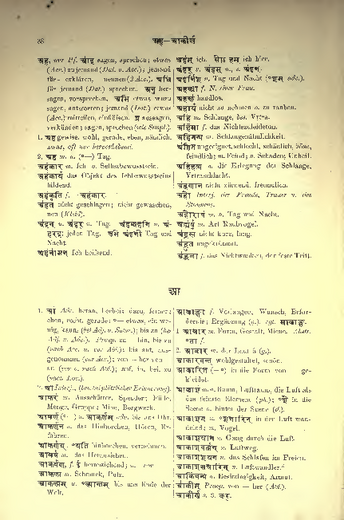
ākāśá m.n. Raum, Luftraum, die Luft als das feinste Element (ph.); ˚śe in die Scene o. hinter der Scene (d.).
Burnouf 1866 Substantiv Maskulin
Originaltext · Französisch · Substantiv Maskulin
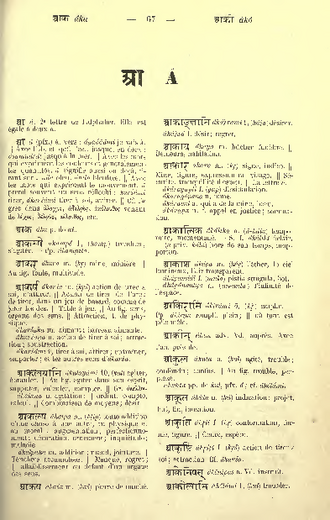
ākāśa ākāśa m. (kāś) l'éther, le ciel lumineux, l'air transparent. ākāśamūlī f. (mūla) pistia stragula, bot. ākāśānantya n. (an-anta) l'infinité de l'espace.
Abgeleitete Wörter
Quelltextfundstellen (22)
DYS 2 Fundstellen
HP 2 Fundstellen
PYS 3 Fundstellen
SiSa 9 Fundstellen
SiSa 1.51-1.64: Selbst als Licht 2 Fundstellen
Direkt belegt
SiSa 1.71-1.81: Avidyā und Elemente 3 Fundstellen
Direkt belegt
SiSa 5.48-5.71: Innere Meditation 2 Fundstellen
Direkt belegt
SVU 1 Fundstelle
VBT 5 Fundstellen
Mit AYI Free weitermachen
Bildquelle: AYI Archiv.