


Fascia are also dependent on the extracellular matrix to transmit force, glide and maintain its elasticity. Thus, as the ECM dries out, the fascial network becomes brittle and susceptible to injury.
Fill your inner ocean
But this must not be the case. We can proactively slow down this drying up, which will help us to prevent injury and promote health. Your diet is a main contributor to this, but unfortunately jut drinking more water isn't enough. The ECM binds the fluid through electrolytes and special long-chain polysaccharides, which are a subclass of carbohydrates.
Glycosaminoglycans, which are specially designed polysaccharides, include (among others) heparin sulfate, hyaluronic acid, keratan sulfate, chondroitin sulfate and dermatan sulfate. Proteins or other glycosaminoglycans give rise to even larger macromolecules called proteoglycans. These molecules are widely branched and their fluid remains bound in tissues.
In a nutshell, what we need to fill the ECM is not only water, but liquid with plenty of electrolytes and the necessary building blocks for the formation of glycosaminoglycans. These building blocks can be absorbed well through our food, especially plants because they, too have an ECM.
Fr this reason, I recommend that you eat plenty of fresh fruits and vegetables. In the case of freshly squeezed juices and smoothies, the cell structure of mechanically openend. The molecules of the plant cell fluid and the extracellular matrix remain unheated in their natural state, making them easily accessible and available for us to absorb. They provide is with all of the nutrients necessary for the formation of our ECM.
Nutrition is important, but not enough to maintain a well-filled and nutrient rich extracellular matrix. The activity of producing new fibroblasts is responsible for the constant renewal and replenishment of this nutrient-rich solution.
Supple fascia
The fibroblasts not only produce the glycosaminoglycans for the ECM, but also the fibers of the fascial network. They produce collagen and elastin fibrils and release them into the extracellular space. There the individual building blocks according to their electrical charge, twist into long triple-helical tubes automatically. Thus, a stable network spans across the entire extracellular matrix. The result is stability.
But the fibroblasts do more than that. In the case of mental stress, inflammation and hyperacidity within the ECM, they transform into myofibroblasts. These will now draw the collagen fibers into them, which will tighten the fascial network.
You are probably aware of the physical tightness and stiffness associated with stress. Then all of the sudden on vacation you feel soft and flexible. A yoga class is a great way to give your body a little getaway and can help to deactivate the myofibroblasts, which will give the fascial sheaths more suppleness.
The myofibroblasts can literally be 'knocked out' through relaxation and they then revert back into fibroblasts. They then go back to building collagen and the ECM as they had before. Once the environment becomes hostile again, they will switch back to pulling the fascia tight. This is when you now for sure that you need another yoga getaway.
Exercise Sequence
This sequence is designed to renew the extracellular matrix and promote the elastic properties of your fascia. Thus, you contribute to ensuring a sufficient amount of nutrient-rich fluid is produced and that your fascia can glide smoothly.
Basic (pH) breath
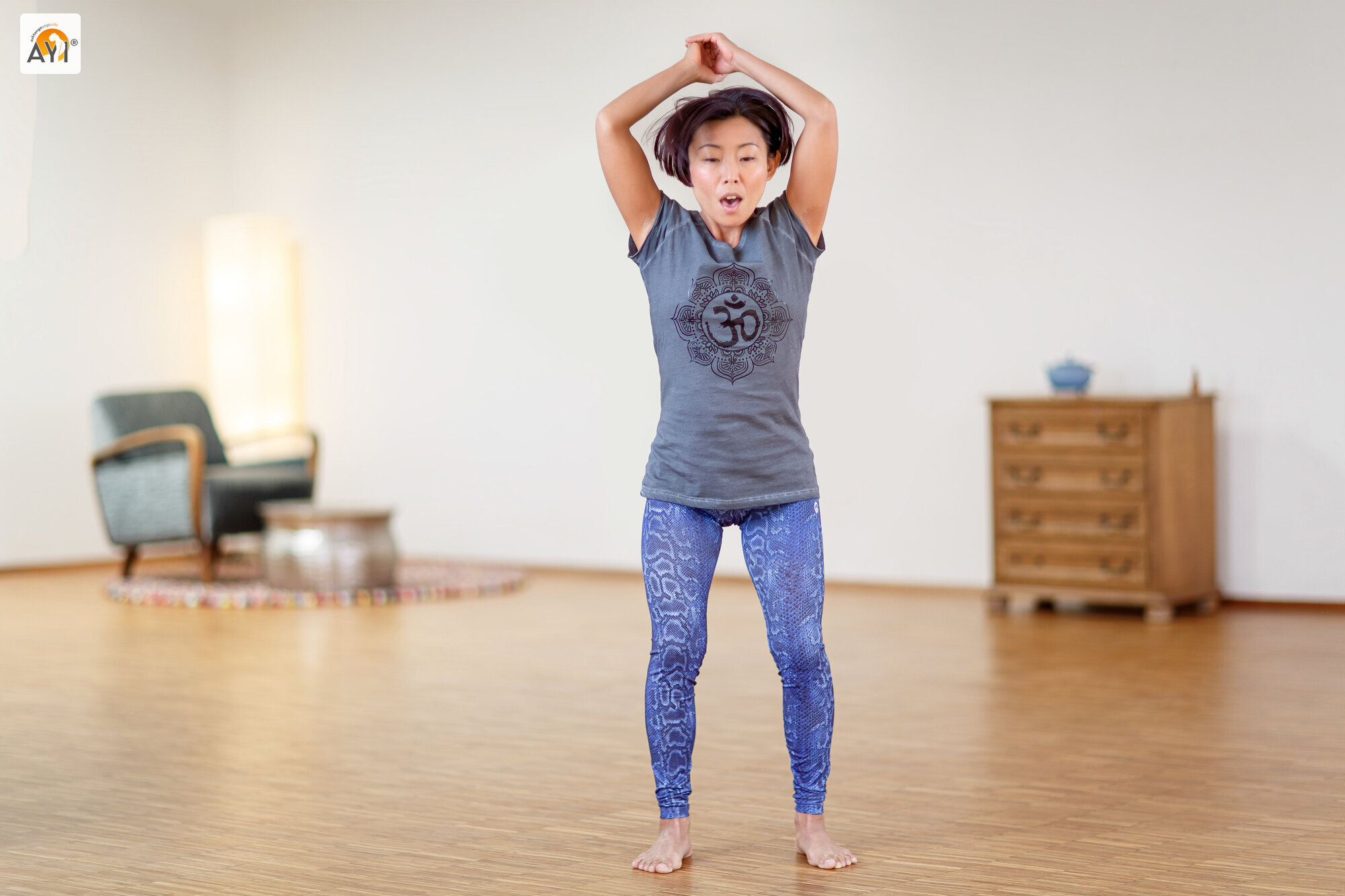
Sit or stand upright. Inhale powerfully, deeply and relatively fast. Then release the breath passively. Repeat this process 10-50 times until a light sense of dizziness sets in. AT this point breath normally and continue to the following exercise.
To breath even deeper, you can bring your whole body into the exercise. Inhale your arms up and lower them with the exhalation. You might even allow a jump to take place as you swing. The focus should be on the breath, so don't focus too much on the movement (Fig. 1 and Fig. 2).
Special Note: If you are not comfortable with potentially feeling dizzy while standing, try this exercise gently while sitting first. You can always increase the intensity as you practice further rounds.
Effect: This fast-paced breathing causes more carbon dioxide to be released. The rising pH level in the blood is transferred to the fluid in the extracellular matrix. For myofibroblasts, this is a signal to release the collagen fibers and relax the fascial network.
Pounding massage
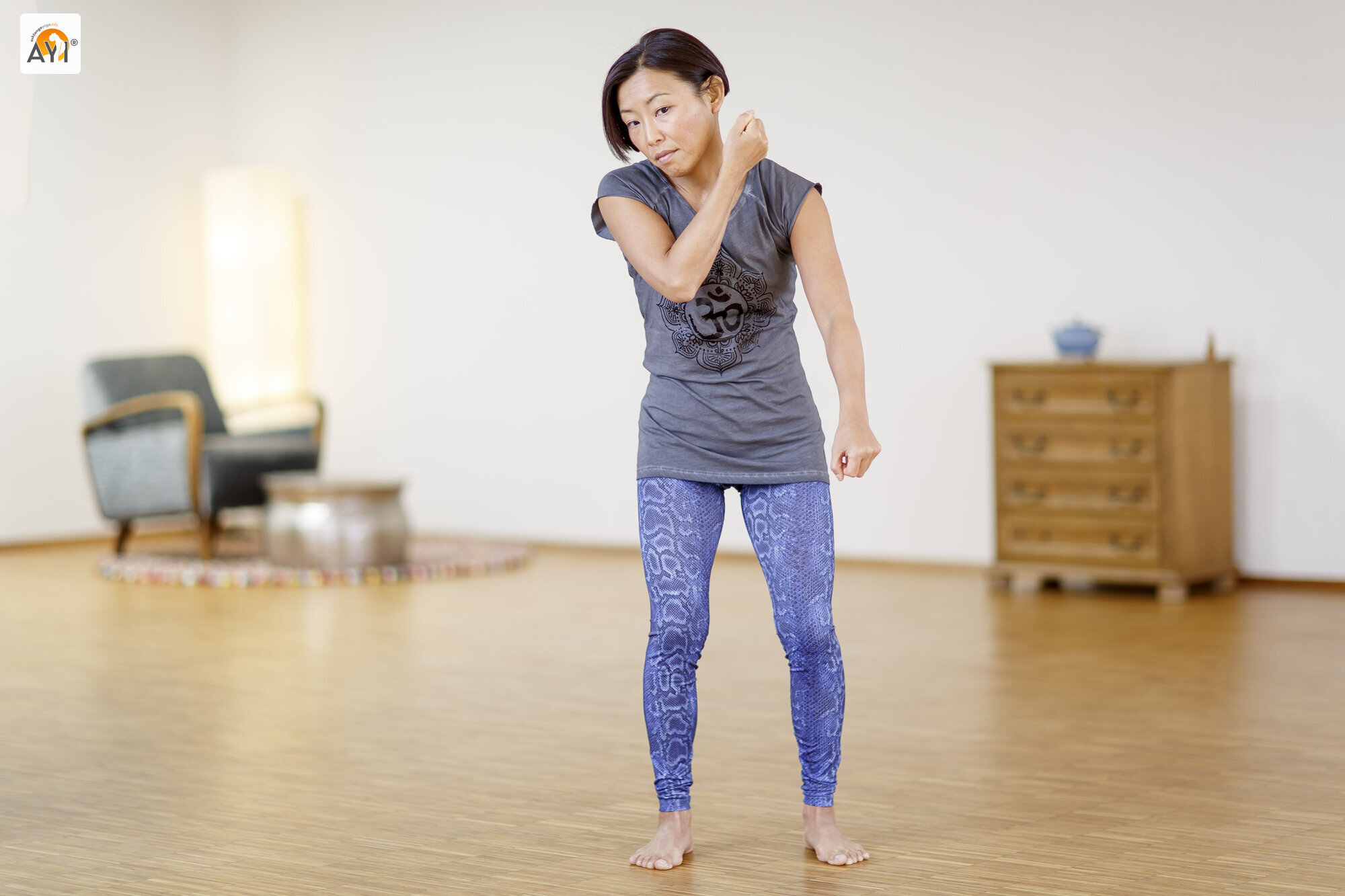
You will start to pound on your body with a fist or the palm of your hand. Optionally you can hold the breath while doing this. Use the right intensity of pounding so that you can feel that the tissues are loosening up. This is not about force, and you should not experience any bruising from this. You span the entire body, pounding with the fist. Focus on any areas that may be stiff due to connective tissue that could be scarred or stuck. Once you feel warm and relaxed, you can move to the next exercise.
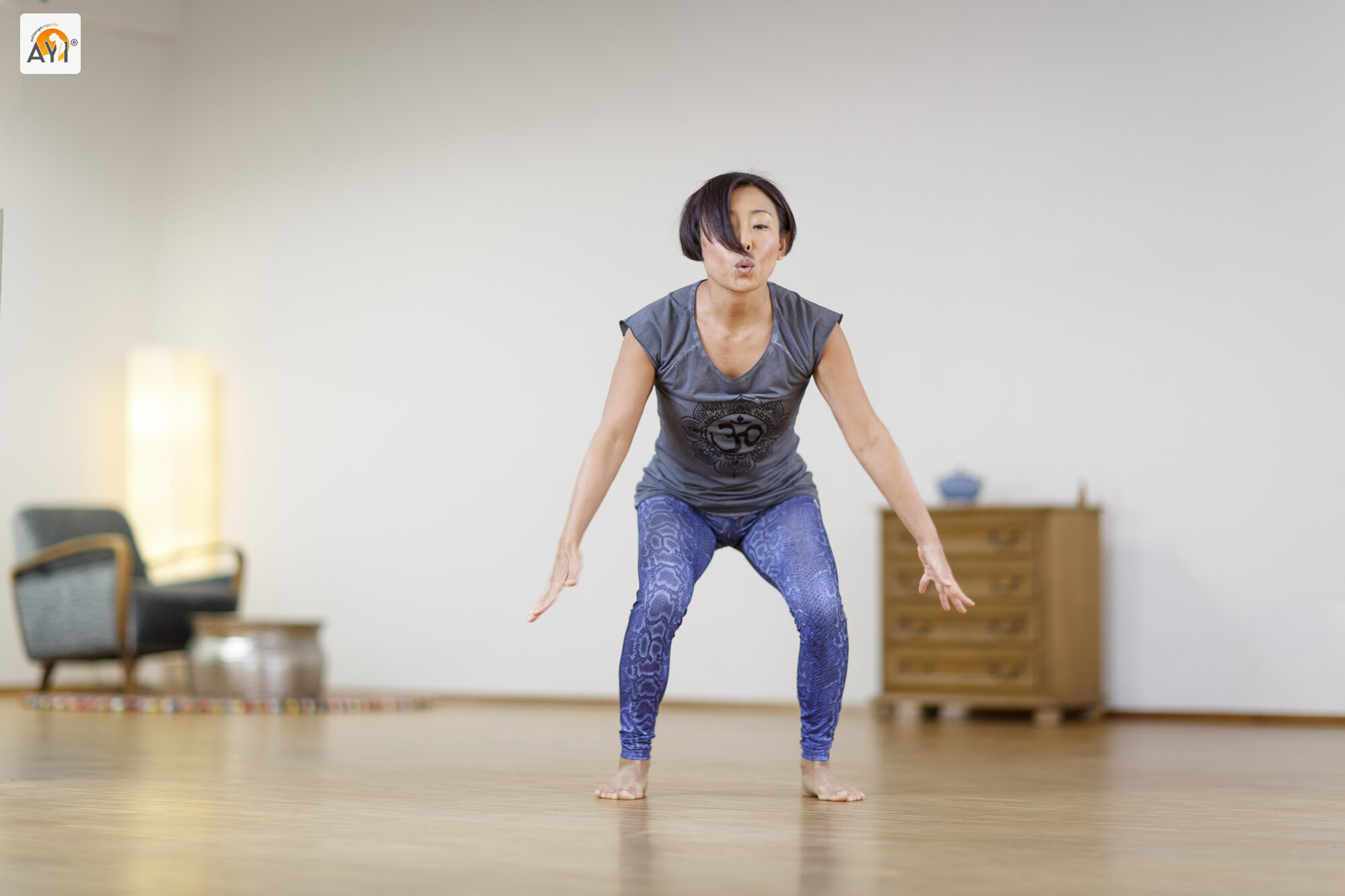
Effect: Our cells are held together by fascial fibers and reside in the nutrient-rich solution of the ECM. For a complete flow of nutrients, moving the ECM around in such a way will help the fluid move. This type of movement is necessary and the pounding exercise is effective in moving the ECM around a bit.
Self-massage stripping technique
Now choose a region of the body that you'd like to focus on. This could be a region where there is particular tightness or has been injured. While understanding the fascial lines is helpful, it is not necessary. You can feel the lines rather intuitively with your fingers. Generally, they run along the main contours of the body.
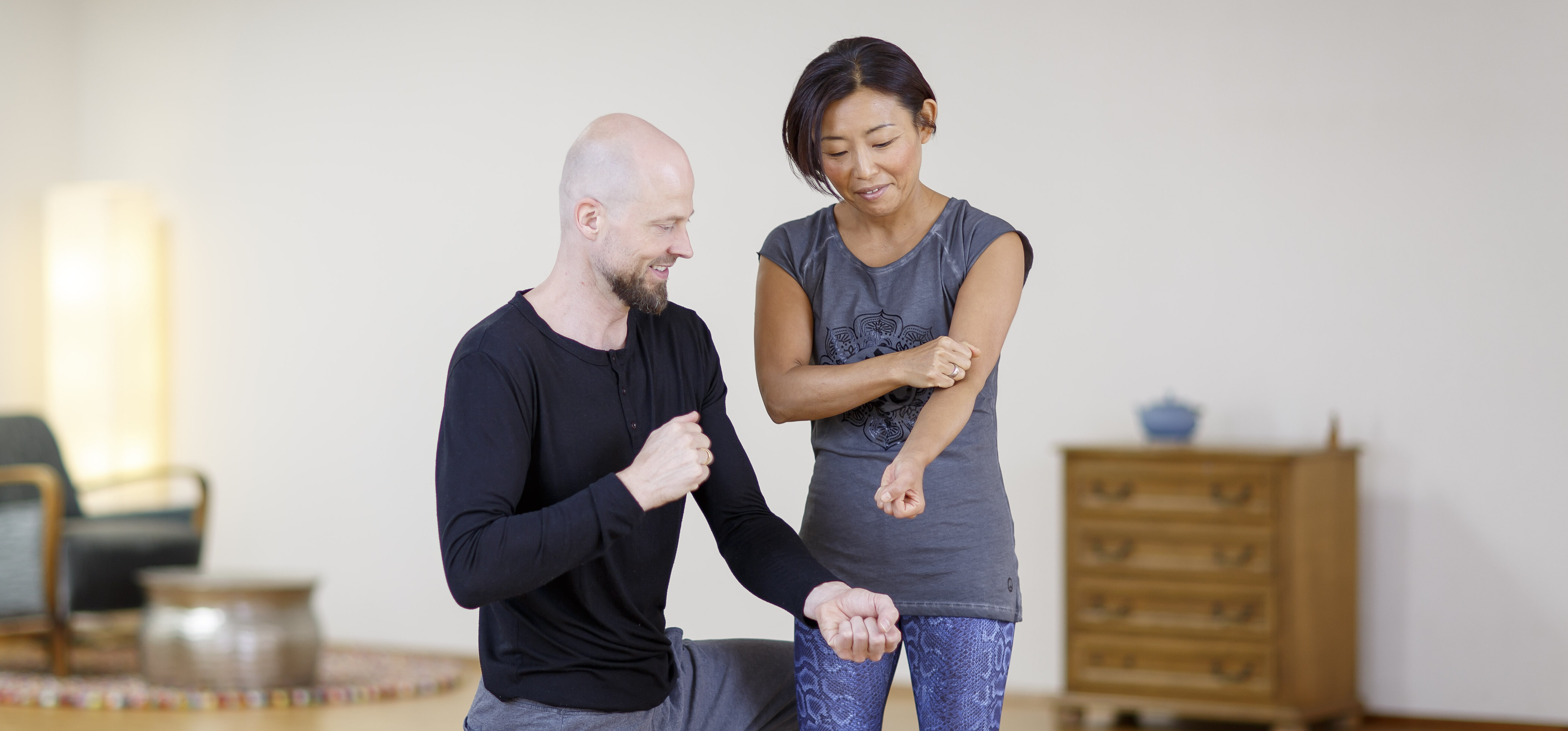
Place your fingers at the starting point of the region and using gentle pressure pull, or 'strip' down this line. Even if you are simply massaging along a general line with a bit of pull you will achieve the same effect. Whichever direction you choose, you should stick with for this exercise. Generally speaking stripping away from the center of the body usually works quite well. Repeat over the same spot for a few repetitions (Fig. 5).
Effect: Even a gentle stroking massage will induce a slight electrical charge. The collagen fibrils, the building blocks of our fascia, will in turn also be electrically charged. They align like compass needles along the direction of the massage.
This exercise is particularly effective after an injury because collagen fibers initially accumulate randomly when they are needed to heal torn or damaged fascia. The electrical charge sends them in the right direction. While the site of the injury remains less resilient at first, the fibers will reset their course and the area will once again gain resilience.
Fascial rolling technique
Again, choose the region you re working with. Lift the skin with your fingers and give yourself a little twisting pinch to grab a nice roll of skin. Move along the line of the skin in the direction that the rolls make themselves. Roll forward in the direction as far as you can.
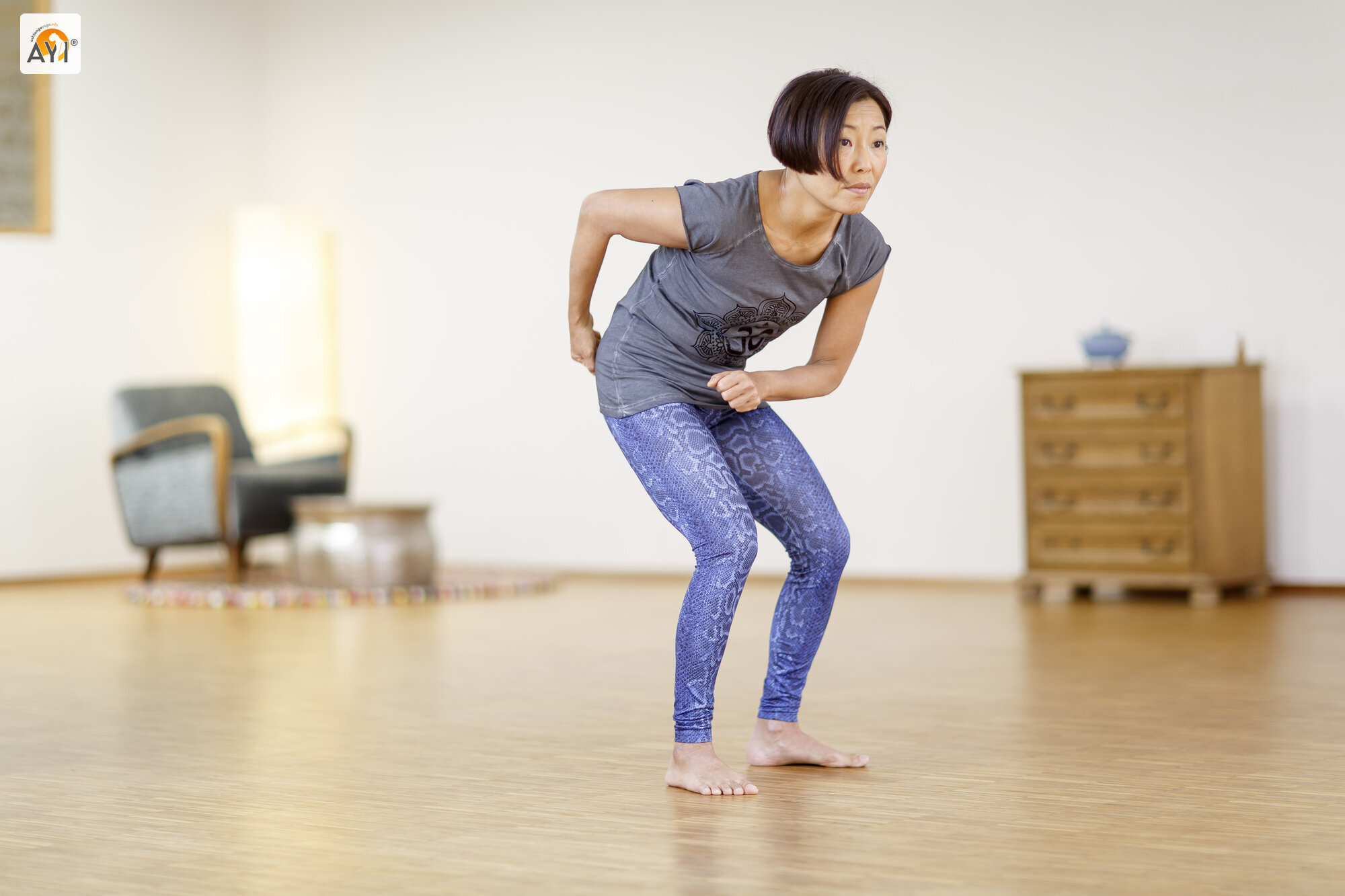
If you cannot lift your skin, it may have something to do with the natural texture of your connective tissue. An alternative is then to slide down the skin, circling over the underlying layer with two fingers. Continue rolling up and downward a few times (Fig. 6).
Effect: Both the rolling technique and the alternative creates a negative pressure in the liquid film of the ECM. The film is pulled through between the lines of fascia. New nutrients reach the cells of the connective tissue and inflammatory mediators are flushed out. This exercise often helps to reduce inflammation along the fascia faster and more effectively than taking an over the counter pain reliever.
Relaxation
Finally, come to constructive rest. Classically known in yoga as Savasana, you lie on your back with the feet about 20 cm apart and the hands with the palms facing upward about 20 cm from the body (Fig. 7).
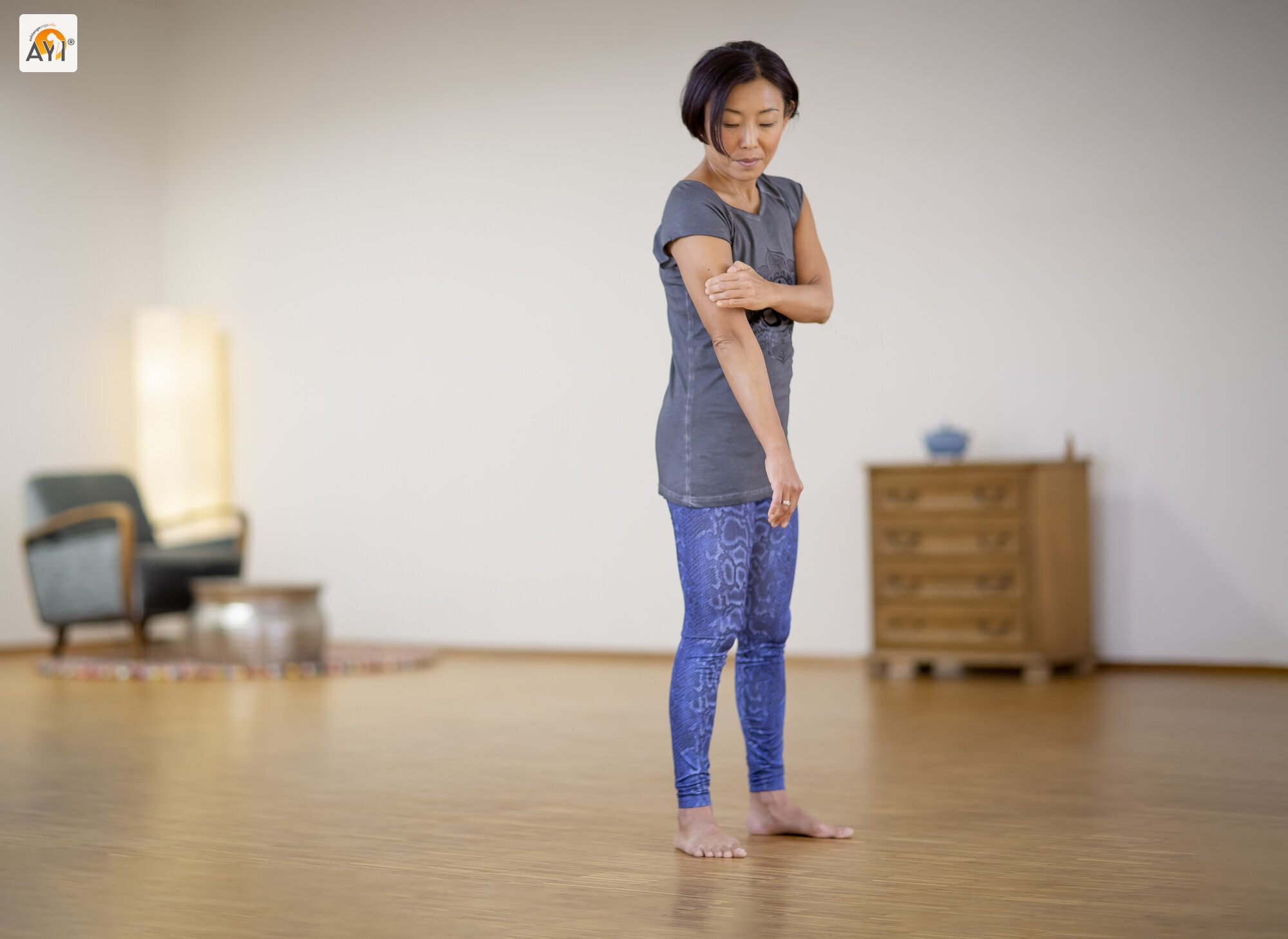
You can choose another position to relax in as well. It need only be pleasant and allow you to relax completely. Enjoy for 7-20 minutes.
Effect: Although the previous exercises were gentle, they actually have a profound effect on the body. A good relaxation will help your body to develop the effects of the sequence optimally. The myofibroblasts release the collagen fibers during constructive rest. You will come out of this relaxation with elastic, soft fascia.
Have fun practicing!
Teacher: Dr. Ronald Steiner
Yogini: Kumiko Weber Sakaguchi
Photographer: Paul Königer
Apparel: OGNX
Continue with AYI Free
Quiz: Extracellular matrix
3 questions to deepen this article.



Please log in to write a message. Go to login