


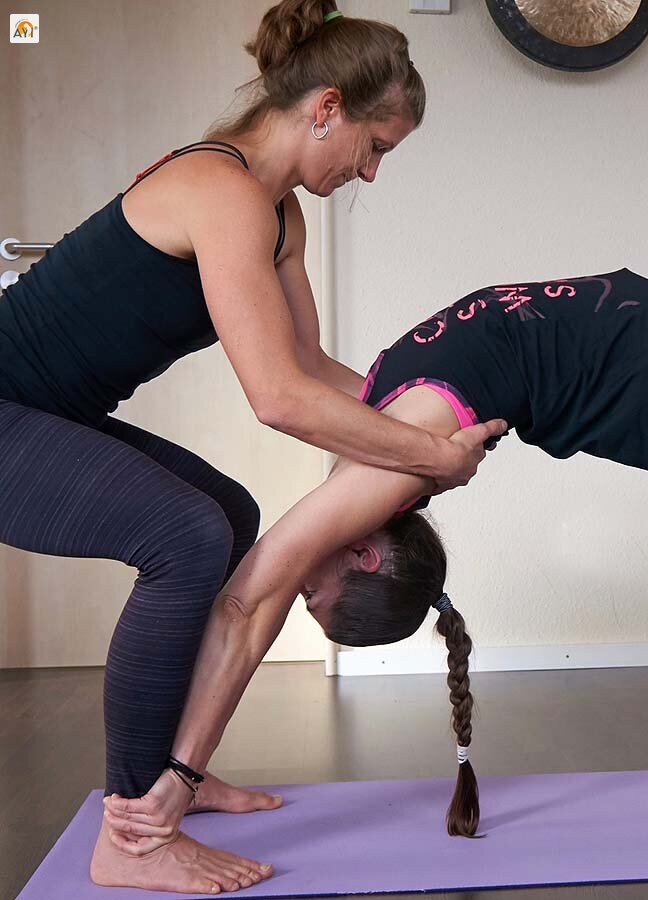
Scientific studies now show that the amount of affectionate physical contact a person receives is directly related to their behaviour and emotional state and, in children, to their emotional and physical development. A friendly hug in greeting is therefore important for maintaining both our emotional and physical wellbeing. Our sense of touch, mediated by the skin, allows us to perceive our surroundings and find our place within them.
Sensing through the skin
As we explore the skin’s characteristics and the way it works, we increasingly recognise its connections with yoga and our own practice. On the one hand, the skin simply fulfils its task, working relatively autonomously, much like the respiratory system. On the other hand, its interaction with the outside world and the many pieces of information and impressions it passes through the nervous system to our subconscious build up an enormous store of information and knowledge over time. Much of what we have experienced through the skin over the years is imprinted in our body, and we respond accordingly when that experience or impression recurs. This is reflected in our learned behaviour, the choices we make about how we live, and significant experiences in our lives, including trauma.
A mindfulness exercise for November
Now that we have spent some time becoming aware of how experiences are conveyed through the skin, I would like to give you an opportunity to put this theoretical knowledge into practice and feel it for yourself. Below you will find an observation exercise focusing on your skin, touch and their connection with yoga practice. If you are curious and would like to try this experiment, I suggest doing the exercise for a full month. In the following months, I will offer a new exercise each month to help you refine your perception through the skin and your sense of touch.
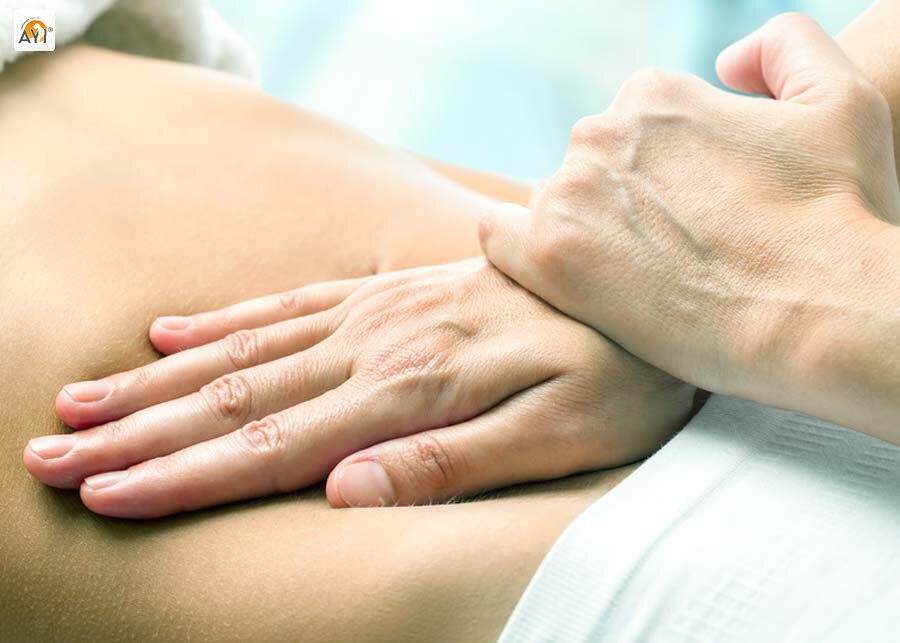
Exercise 1: Remember the last adjustment you received in a yoga class.
- Was the adjustment physical, through touch, or intellectual, in the form of a verbal instruction?
- If it involved touch, how did you perceive it? What stayed in your memory: warmth or cold, pressure, or the quality of the touch, such as soothing or energising?
- Take a moment to consider how your body responded to the adjustment. Did the response happen “from the top down”, from the intellect to the body, or was the intellectual element bypassed so that you simply felt?
- How would your perception have changed if the adjustment had been entirely verbal or entirely physical?
The first step is to develop some awareness of what actually happens through the skin and through touch, and how this affects your sensory perception. If you cannot remember what you felt during your last hands-on adjustment, or if you have never paid attention to it, this is the perfect opportunity to focus more closely on what you perceive through your skin during practice.
This month, I therefore invite you to pay more attention to your skin and to write down what you felt or experienced after your yoga practice. This could be a few sentences, individual words or even just a picture. If you record your experiences for a month, you may be surprised when you look back at how much your perception has changed over time and how your awareness of touch and sensory impressions has sharpened.

My personal experiences of the power of touch
Both as a yoga practitioner and as a teacher, I have explored in depth the enormous role that the skin and the touch we perceive through it play in how we see ourselves and engage with the outside world. This is what I have found: I can, of course, tell myself or a student to stand more upright, keep breathing evenly or lift a particular part of the body. This instruction addresses the intellect. It assumes that the person has already performed the movement with their body and is therefore able to translate the instruction into action.
But if our skin and our perception of particular kinds of touch store experiences that have not been translated into movement, or into the movement I intend, how can the body follow an intellectual “command”? This is especially relevant when the movement has never been performed in that form before. By trying to adjust ourselves and by accepting assistance from others, we can receive new impulses and create new bodily experiences that are first perceived and then stored. If we practise this regularly, new movement patterns develop over time that we can access and put into action from the inside out. Sometimes we can even replace old experiences with new ones, creating an entirely new awareness of a particular region of the body.

Over the coming months, I will therefore offer a series of short exercises to help you sharpen your awareness of your skin and recognise its role in your perception, both on the mat and in everyday situations. I invite you to integrate these exercises into your own practice, try them for yourself and discover how different forms of assistance can help you develop new movement patterns. If you wish, you are welcome to share your observations and experiences. I look forward to any feedback and will try to take it into account in the next exercise sequence.
See you soon on the mat!

Please log in to write a message. Go to login
No messages yet.