On first sight, muscular tensions can have many different causes such as stress, a bad posture or one-sided strain. On closer examination, though, they can be traced back to one single cause: a lack of strength. In other words, either the tense muscle itself or an adjacent muscle with a similar function is too weak to fulfill its task. And while stretching exercises help to release tensions, the relief is often of a short-lived duration since those exercises do not tackle the actual cause. The muscle is not strengthened and under everyday strain, the tensions will soon return. Therefore, countering stress and an unbalanced posture with a targeted yoga practice proves way more promising than mere stretching exercises. If the tense muscle or adjacent muscles with a similar function are strengthened in addition to that, they will soon fulfil their tasks with ease, which in turn means: good riddance to tensions!
The piriformis muscle
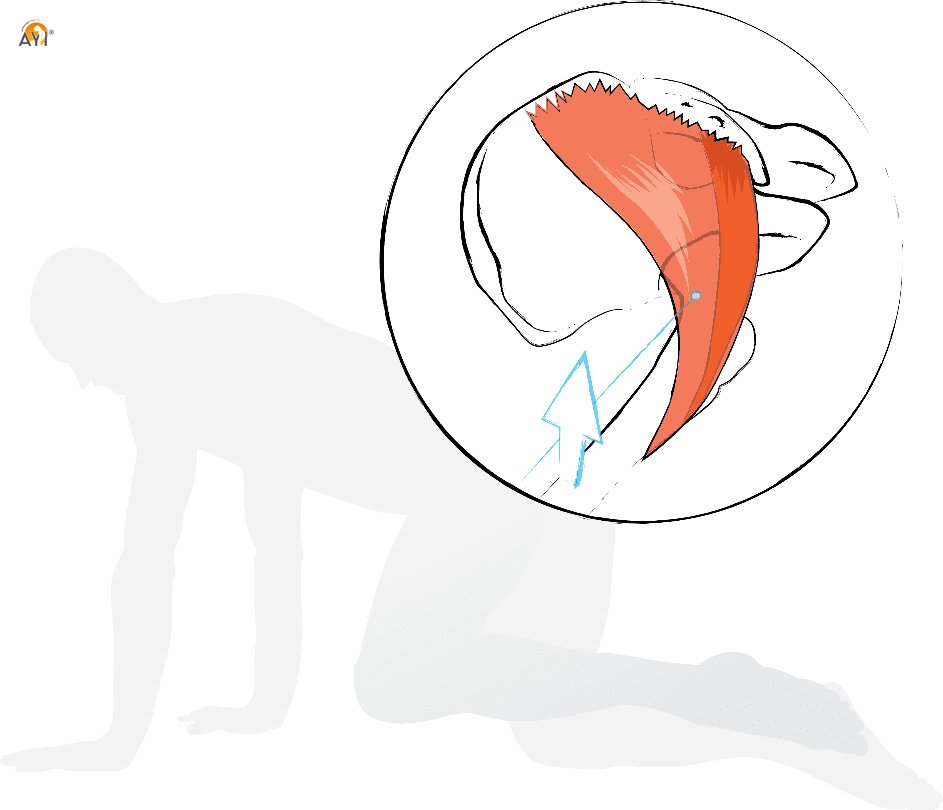
The piriformis muscle (pear-shaped muscle) is a case in point. Situated deep under the gluteus maximus muscle, it reaches over the sacroiliac joint and the hip joint (cox). The muscle is located at the base of the spine and therefore reacts extremely sensitively to an unbalanced body posture. What is more, it quickly reacts to stress by tensing up. There are numerous yoga exercises to stretch this muscle (see, for instance, YOGA JOURNAL September/October 2013). In the present case, however, release is to be achieved by strengthening the muscle.
Weak friends
The gluteus maximus muscle lies right above the piriformis muscle. As is the case for the piriformis, its lower part (pars intimus) reaches from the sacral bone to the greater trochanter (trochanter major) and its upper part (pars superior) from the iliac crest to the greater trochanter. Piriformis and gluteus maximus share almost the same function: they are responsible for hip extension and external rotation. Moreover, both the lower part of the gluteus maximus and the piriformis stabilise the sacroiliac joint. Figuratively speaking, the comparatively small piriformis and the, in relation to it, quite large gluteus maximus are good friends. Unfortunately, though, the large one tends to be lazy while the small one does all the hard work. It's not by chance that almost all gyms offer 'legs, bums and tums' classes. While the bum easily gets weak and slack, its little friend, the piriformis, gets too much strain and tenses up.



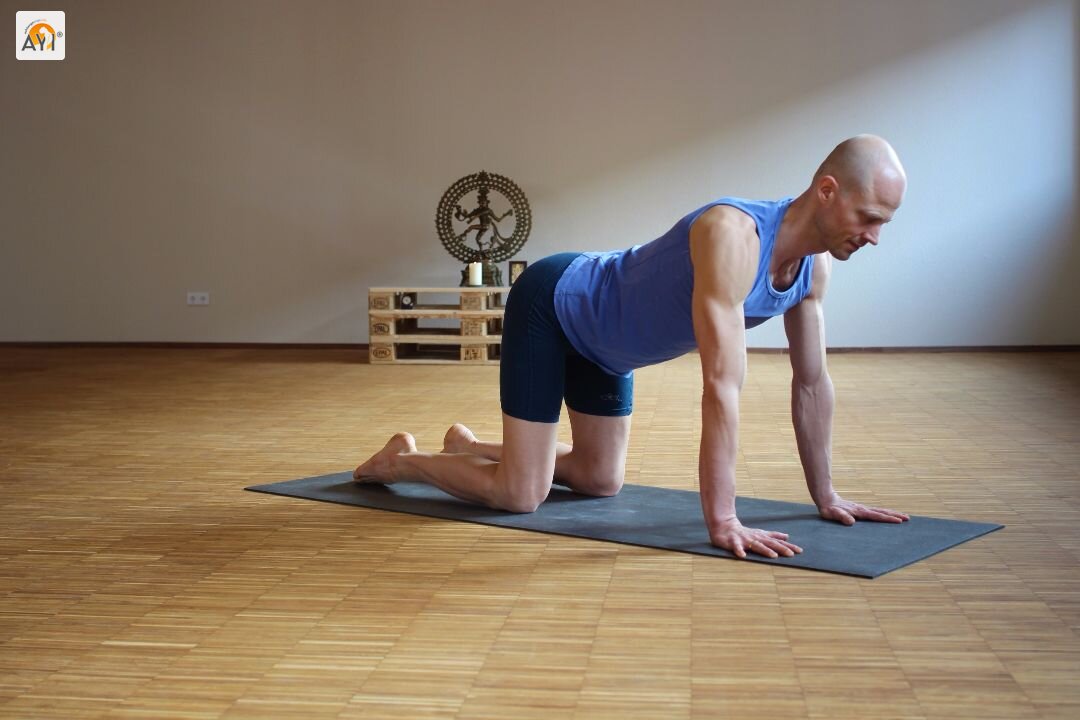
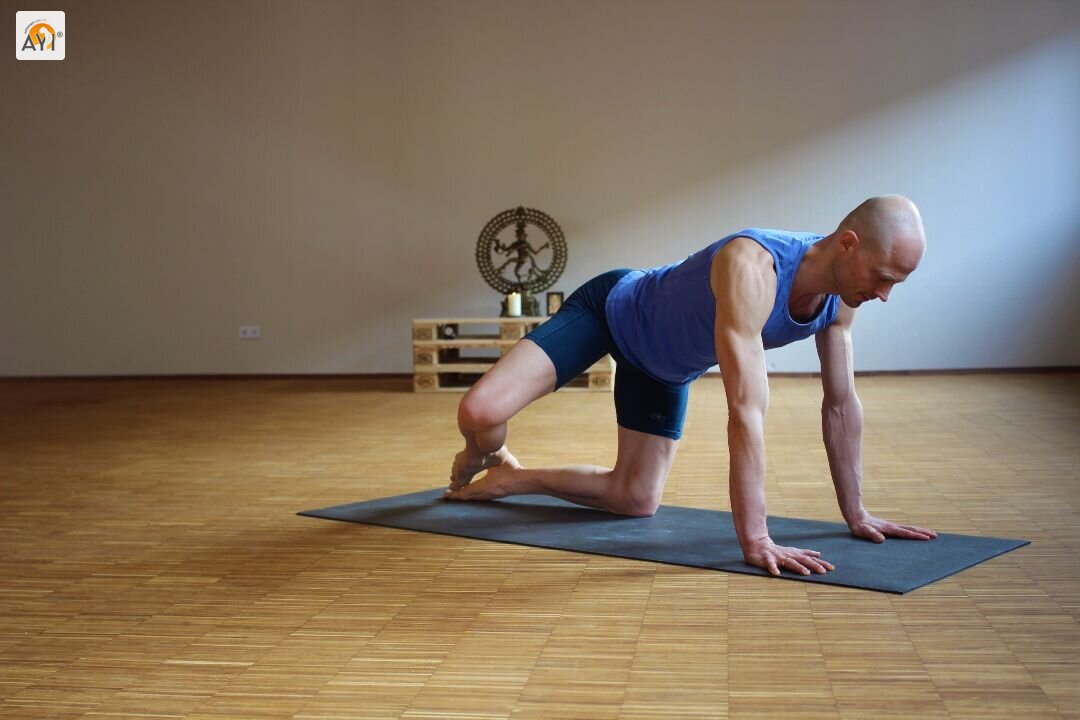

Please log in to write a message. Go to login
No messages yet.