

aṅga अङ्ग – limb; member; part
adjective · particle · substantive masculine · substantive neuter · Word type unspecified · verb
Dictionary sources
AYI dictionary substantive neuter
limb; member; part
Cappeller 1891 adjective · substantive masculine · Word type unspecified · verb
Original text · English · verb
aṅga aṅgati ·v move.
Original text · English · adjective
aṅgá1 ·a. particle implying sollicitation, confirmation, or stress.
Original text · English · substantive masculine
áṅga2 ·m. N. of sev. men & of a country (Bengal), pl. its inhabitants.
Original text · English · Word type unspecified
áṅga3 ·(adj. --° f. ī) limb, member, body (also aṅgaka n.); part, means requisite, supplement (cf. vedāṅga), theme (g.).
Monier-Williams 1872 particle · substantive neuter · Word type unspecified
Original text · English · particle
aṅga 1 . aṅga, ind. a particle implying at- tention, assent or desire, and sometimes impatience; it may be rendered by well; indeed, true; please; rather; quick. It is often used (changed to aṅgī, q. v.) to form compound words, as aṅgī-kartum, to assent, promise; see under aṅgī [cf. ἄγχι].
Original text · English · substantive neuter
aṅga 2 . aṅga, am, n. (said to be fr. rt. am, but rather fr. rt. aṅg), a round limb; a member; the body; a division or department, especially of a science, as the six Vedāṅgas; science; a subdi- vision, a supplement; (in grammar) the base of a word; (in rhetoric) an illustration; (in the drama) the whole of the subordinate characters; an expedi- ent; a mental organ, the mind; the number six; (as), m. sing. or (ās), m. pl., N. of Bengal proper, near Bhagalpur, or its inhabitants; in the sing. it may denote the name of a king of Aṅga; (as, ā, am), having members or divisions, contiguous.
Original text · English · Word type unspecified
Aṅga; add — anything inferior or secondary, any- thing immaterial or unessential; (in grammar) also in Pāṇini's system a term for the base in the strong cases only, (see pada, 2. bha.)
Petersburger 1855 adjective · particle · substantive masculine · substantive neuter · Word type unspecified
Original text · German · adjective
4. aṅgá adj. 1〉 mit Gliedern versehen PAT._zu_P. 2,3,20. MED. g. 3. — 2〉 nahe, anstossend H. an. 2,19. MED. g. 3.
Original text · German · particle
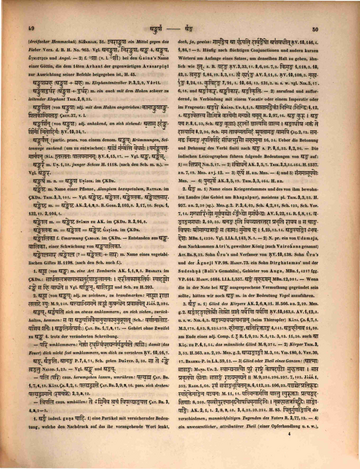
1. aṅgá indecl. gaṇa cādi. 1〉 eine Partikel mit versichernder Bedeutung, welche den Nachdruck auf das ihr vorangehende Wort lenkt, doch, ja, gewiss: gāma̱ṅgaiṣa ā hvàyati̱ dārva̱ṅgaiṣo apā̀vadhīt ṚV. 10,146,4. ṚV. 1,84,7—ṚV. , 1,84,9. Häufig nach flüchtigen Conjunctionen und andern kurzen Wörtern am Anfange eines Satzes, um denselben Halt zu geben, ähnlich wie it, z. B. yada̱ṅga ṚV. 3,33,11. ṚV. 8,6,26. ṚV. 8,7,2. kima̱ṅga ṚV. 1,118,3. ṚV. 10,42,3. tvama̱ṅga ṚV. 1,84,19. ṚV. 5,3,11. tva̱ṃ hya1̱̀ṅga AV. 5,11,5. ṚV. 10,108,3. na̱hya1̱̀ṅga ṚV. 8,24,15. ku̱vida̱ṅga ṚV. 7,91,1. ṚV. 10,64,13. ṚV. 10,131,2. u. s. w. vgl. NIR. 5,17. NIR. 6,18. und aṅgīkar, aṅkīkāra, aṅgīkṛti. — 2〉 anrufend und auffordernd, in Verbindung mit einem Vocativ oder einem Imperativ oder im Fragesatz: aṅgāre CHĀND. UP. 4,1,5. āsāmaṅgaikāṃ bhindhi (bhinddhi) CHĀND. UP. 6,12,1. aṅgāvekṣasva saumitre kasyemāṃ manyase camūm R. 2,97,16. aṅga kuru . aṅga paca P. 8,1,33, Sch. aṅga kūjā3 idānīṃ jñāsyasi jālma . aṅgādhīṣva bhaktaṃ te dāsyāmi P. 8,2,96, Sch. mama tāvanmatamidaṃ śrūyatāmaṅga vāmapi ŚIŚ. 2,12. samanaddha kimaṅga bhūpatiryadi saṃdhitsurasau sahāmunā ŚIŚ. 16,34. Ueber die Betonung und Dehnung des Verbi finiti nach aṅga s. P. 8,1,33. P. 8,2,96. — Die indischen Lexicographen führen folgende Bedeutungen von aṅga auf: 1〉 = kṣipram NIR. 5,17. — 2〉 saṃbodhane AK. 3,5,7. TRIK. 3,3,54. TRIK. 3,3,464. H. 1537. H. an. 7,19. MED. avy. 12. — 3〉 harṣe H. an. MED. — 4〉 und 5〉 saṃgamāsūyayoḥ MED. — 6〉 punararthe AK. 3,5,19. TRIK. 3,3,464. H. an.
Original text · German · substantive masculine
2. áṅga m. 1〉 Name eines Kriegerstammes und des von ihm bewohnten Landes (das Gebiet um Bhagalpur), meistens pl. TRIK. 3,3,53. H. 957. H. an. 2,30 (sg.). MED. g. 2. P. 2,4,62, Sch. P. 4,2,81, Sch. P. 4,2,125, Sch. VOP. 7,14. ga̱ndhārìbhyo̱ mūjàva̱dbhyo 'ṅgèbhyo ma̱gadhèbhyaḥ AV. 5,22,14. R. 1,8,11. vaṅgāṅgamagadhāḥ R. 2,10,35. anaṅga iti vikhyātastadā prabhṛti rāghava .. sa cāṅgaviṣayaḥ śrīmānyatrāṅgaṃ sa (kāmaḥ) mumoca ha . R. 1,25,13. R. 1,25,14. aṅgasyāṅgo 'bhavaddeśaḥ MBH. 1,4220. Vgl. LIA. I, 143, N. 1. — 2〉 N. pr. ein von Udamaya, dem Nachkommen Atriʼs, geweihter König (auch Vairokana genannt) AIT. BR. 8,22. Sohn Ūruʼs und Verfasser von ṚV. 10,138. Sohn Ūruʼs und der Āgneyi VP. 98. HARIV. 73. ein Sohn Dīrghatamaʼs und der Sudeṣnā (Baliʼs Gemahlin), Gebieter von Anga, MBH. 1,4217. fgg. VP. 444. HARIV. 1684. LIA. I, 557. aṅgaṃ vṛhadratham MBH. 12,981. — Wenn die in der Note bei aṅka ausgesprochene Vermuthung gegründet sein sollte, hätten wir noch aṅga m. in der Bedeutung Vogel anzuführen.
Original text · German · substantive masculine
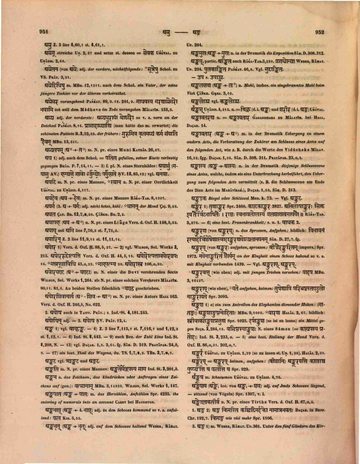
3. aṅga 1〉 m. WEBER, RĀMAT. UP. 361. Unter den fünf Gliedern des Körpers sind der Kopf, die Hände und die Füsse gemeint MĀRK. P. 11,3; vgl. upāṅga. — *Z. 5 lies ī st. i. — 2〉 Körper (vgl. tanu, mūrti) in der Astrol. Bez. des 1ten Hauses, des Horoskops: ˚viniścaya Fixirung —, Bestimmung des Horoskops VARĀH. BṚH. S. 1,9. Vgl. — mahāṅga.
Original text · German · substantive neuter
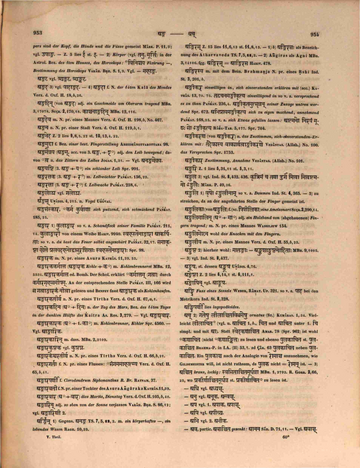
3. áṅga n. 1〉 Glied des Körpers AK. 2,6,2,21. H. 566. H. an. 2,29. MED. g. 2. aṅgā̀daṅgā̱llomnò lomno jā̱taṃ parvàṇi parvaṇi ṚV. 10,163,6. AV. 1,12,2. u. s. w. NIR. 4,3. aṅgānyavadyatyabhañjan (beim Thieropfer) KĀTY. ŚR. 6,7,5. M. 3,178. M. 4,83. M. 8,234. M. 8,279. hīnāṅga, atiriktāṅga M. 4,141. aṅgahīnatva M. 11,50. am Ende eines adj. comp. f. ī R. 1,9,22. N. 1,12. N. 3,13. N. 11,30. auch ā KĀŚ._zu_P. 4,1,54. das männliche Glied M. 8,374. — 2〉 Körper TRIK. 3,3,53. H. 563. H. an. 2,29. MED. g. 2. avyaṅgāṅgī M. 3,10. VID. 180,b. VET. 30,17. BRAHMA-P. in LA. 59,13. — 3〉 Glied oder Theil eines Ganzen: (ātmā) saptāṅgaḥ MĀṆḌ. UP. 3. svāmyamātyau puraṃ rāṣṭraṃ koṣadaṇḍau suhṛttathā . sapta prakṛtayo hyetāḥ saptāṅgaṃ rājyamucyate .. M. 9,294. M. 9,296. M. 9,297. M. 7,105. YĀJÑ. 1,352. RAGH. 1,60. rathaṃ sarvāṅgabhūṣitam R. 6,112,22. R. 6,106,22. yajñaścetpratiruddhaḥ syādekenāṅgena yajvanaḥ M. 11,11. yasminkarmaṇi yāstu syuruktāḥ pratyaṅgadakṣiṇāḥ M. 8,208. pṛthvīpurakṣmābhṛdvanauṣadhimṛgādibhiḥ . nṛbrahmakṣatraviṭśūdraiḥ sāṅgopāṅgaiḥ AK. 2,1,1. AK. 2,8,2,48. AK. 3,4,25. AK. 3,4,39. AK. 3,4,224. H. 85. piturguṇāṅgāni die verschiedenen, mannichfaltigen Tugenden des Vaters R. 2,77,12. — 4〉 ein unwesentlicher, attributärer Theil (einer Opferhandlung u. s. w.), upasarjanabhūte H. an. 2,29. apradhāne MED. g. 3. KĀTY. ŚR. 1,2,3. KĀTY. ŚR. 1,2,4. KĀTY. ŚR. 4,1,30. KĀTY. ŚR. 16,1,1. im Gegens. zu pradhāna KĀTY. ŚR. 1,2,18. MADHUS._in_ Ind. St. I, 15,4—Ind. St. I, 15,6. aṅga = pradhāna TRIK. 3,3,53. ist aller Wahrscheinlichkeit nach nur ein Druckfehler. — 5〉 Anhang, ein ergänzendes Werk: vedāḥ sarvāṅgāni KENOP. 33. Die 6 Anhänge des Veda oder der Śruti sind: śikṣā, vyākaraṇa, chandas, nirukta, kalpa und jyotiṣa AK. 1,1,5,4. H. 250. H. 251. ṣaḍaṅgavid M. 3,185. vedāḥ sāṅgopāṅgāḥ N. (BOPP) 12,17; vgl. ROTH im NIRUKTA XIV fgg. dhanurvedaḥ sāṅgopāṅgopaniṣadaḥ sarahasyaḥ VIŚV. 5,16. sāṅgaśabdānuśāsana die Wortlehre mit ihren Anhängen (Lehre vom Geschlecht, Wurzelverzeichniss) H. 1. Die Jainaʼs theilen ihre heiligen Schriften in Angaʼs und Upāngaʼs, die sich zusammen auf 12 Werke belaufen, H. 245; vgl. upāṅga. — 6〉 eine symbolische Bezeichnung der Zahl sechs (vgl. u. 5) BHĀSK._im_Verz. d. B. H. No. 844. — 7〉 Hilfsmittel TRIK. 3,3,53. H. an. 2,29. MED. g. 2. aṅgāṅgibhāvamajñātvā kathaṃ sāmarthyanirṇayaḥ HIT. II, 141. niraṅga HIT. 72,9. — 8〉 Thema (in der Grammatik) P. 1,4,13. — 9〉 Geist (?): aṅgaṃ manasi kāye cetyabhidhānāntaradarśanāt . yathā . hiraṇyagarbhāṅgabhuvaṃ muniṃ haririti māghaḥ . ŚKDR. — Euphonische Regeln P. 6,1,119.
Original text · German · Word type unspecified
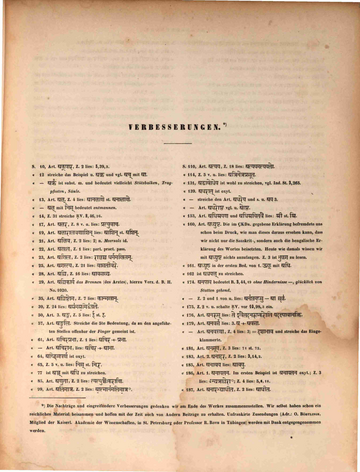
3. aṅga [vgl. [1:50]] Z. 5 lies: ī st. i. (revision)
Original text · German · Word type unspecified
1. aṅga 2〉 aṅga kimasti kaścidvimardako nāmātrabhavataḥ DAŚAK._in_BENF. Chr. 192,7. kimaṅga wie viel mehr Spr. 1106.
Original text · German · Word type unspecified
3. aṅga 6〉 SŪRYAS. 8,2.
Böhtlingk 1879 adjective · substantive masculine · substantive neuter · Word type unspecified
Original text · German · adjective
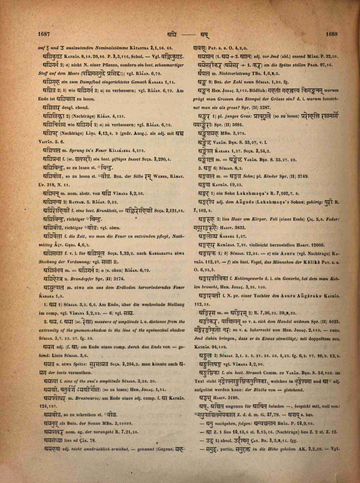
4. *aṅga Adj. — 1〉 mit Gliedern versehen. — 2〉 nahe, anstossend.
Original text · German · substantive masculine
2. áṅga m. N. pr. — 1〉 Pl. eines Volkes und Landes (auch Sg.) Chr. 220,7. — 2〉 verschiedener Männer.
Original text · German · substantive neuter
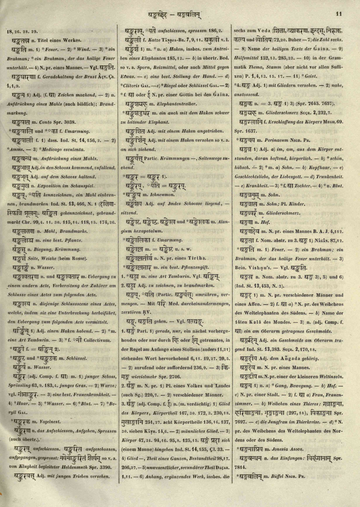
3. áṅga (adj. Comp. f. ī) n. (m. verdächtig) — 1〉 Glied des Körpers, Körpertheil Chr. 167,30. Chr. 172,3. Chr. 230,18. mukhāggāni Chr. 251,27 acht Körpertheile Chr. 136,16. Chr. 137,30 sieben KĀṬH. 14,6. — 2〉 männliches Glied. — 3〉 Körper Chr. 47,24. Chr. 94,16. Chr. 95,8. Chr. 125,15. aṅgam pradā sich (einem Manne) hingeben Ind. St. 14,155, Śl. 33. — 4〉 Glied —, Theil eines Ganzen, Bestandtheil Chr. 98,17. Chr. 206,27. — 5〉 unwesentlicher, secundärer Theil DAŚAR. 1,11. — 6〉 Anhang, ergänzendes Werk, insbes. die [Page1-011-c] sechs zum Veda (śikṣā, vyākaraṇa, chandas, nirukta, kalpa und jyotiṣa) Chr. 72,20. Daher — 7〉 die Zahl sechs. — 8〉 Name der heiligen Texte der Jaina. — 9〉 Hülfsmittel Chr. 152,13. Chr. 285,23. — 10〉 in der Grammatik Thema, Stamm (aber nicht vor allen Suffixen) P. 1,4,13. 15. 17. — 11〉 *Geist.
Original text · German · Word type unspecified
1. aṅgá Part[ikel]. — 1〉 gerade, nur, ein nächst vorhergehendes oder nur durch hi oder im getrenntes, in der Regel am Anfange eines Stollens (anders Chr. 11,21) stehendes Wort hervorhebend Chr. 6,11. Chr. 19,27. Chr. 20,5. — 2〉 ausrufend oder auffordernd Chr. 236,9. — 3〉 kimaṅga wievielmehr Spr. 2706.
Original text · German · Word type unspecified
3. aṅga 4〉 VIṢṆUS. 1,4 nach dem Comm. = chinno vedāgrabhāgaḥ srugādisaṃmārjanārthaḥ. [Nachtrag, Band 3]
Original text · German · Word type unspecified
3. áṅga I. 3. [Nachtrag, Band 7]
Cappeller 1887 substantive masculine · Word type unspecified
Original text · German · substantive masculine
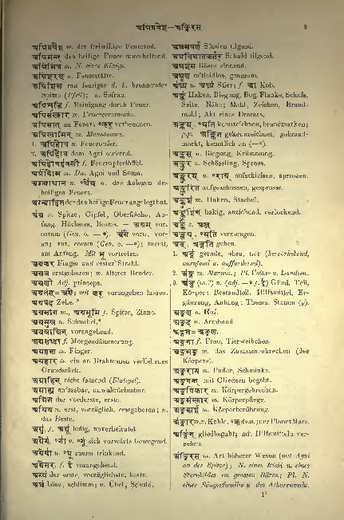
2. áṅga m. Mannsn; Pl Volks-u. Landesn.
Original text · German · substantive masculine
3. áṅga (m.?) n. (adj. —˚ f. ī) Glied, Teil Körper;Bestandteil, Hilfsmittel, Ergänzung, anhang; Thema, Stamm (g.)
Original text · German · Word type unspecified
1. aṅgá gerade, eben, nur (hervorhebend, anrufend u.auffordernd).
Burnouf 1866 substantive neuter
Original text · French · substantive neuter
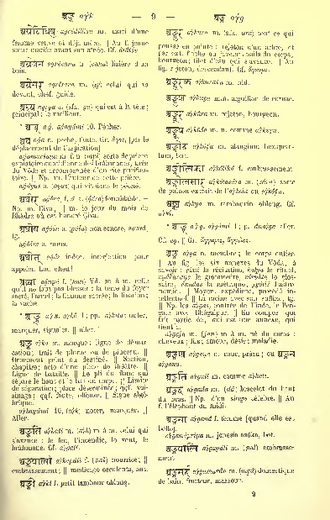
aṅga aṅga n. membre; le corps entier. Au fig. les six annexes du Veda, à savoir: śikṣā la récitation, kalpa le rituel, vyākaraṇa la grammaire, nirukta le glossaire, chandas la métrique, jyotiṣ l'astronomie. Moyen, expédient, procédé intellectuel. La racine avec son suffixe, tg. Np. les aṅgas, contrée de l'Inde, le Bengale avec Bhâgalpur. En compos. qui fait partie de, qui est une annexe, qui tient à. aṅgaja m. (jan) m à m. né du corps: cheveux; fils; amour, désir; maladie.
Occurrences in source texts (36)
AsS1 1 occurrence
Tryanga Mukhaika Paada Pashchimottanasana 1 occurrence
Direct occurrences
DYS 7 occurrences
HP 11 occurrences
HP 3.19-3.25: Mahābandha 4 occurrences
Direct occurrences
HTK 3 occurrences
MAN 1 occurrence
MandUp 3 occurrences
MandUp 3-7: Four modes of awareness 2 occurrences
Direct occurrences
PYS 5 occurrences
SiSa 4 occurrences
SiSa 4.26-4.30: Mahāmudrā-Praxis 2 occurrences
Direct occurrences
VBT 1 occurrence
Continue with AYI Free
Image source: AYI archive.