

kevala केवल – alone; isolated; pure; absolute
adjective · adverb · substantive masculine · substantive neuter · Word type unspecified
Dictionary sources
AYI dictionary adjective · adverb · substantive neuter
adjective
alone; isolated; pure; absolute
adverb
exclusively; solely
substantive neuter
doctrine of absolute unity; the absolute
Cappeller 1891 Word type unspecified
Original text · English · Word type unspecified
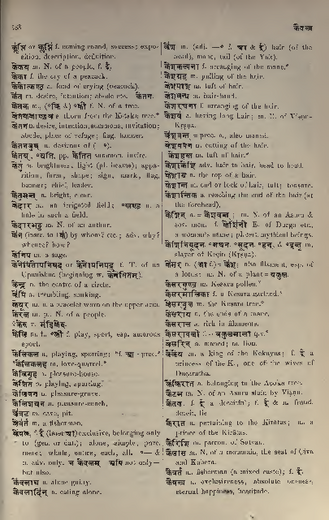
kévala ·f. ī (later ā) exclusive, belonging only to (gen. or dat.); alone, simple, pure, mere; whole, entire, each, all. °-- & n. adv. only. na kevalam -- api not only--but also.
Monier-Williams 1872 Word type unspecified
Original text · English · Word type unspecified
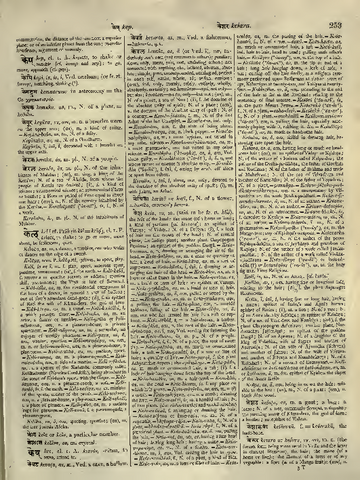
kevala kevala, as, ā (or Ved. ī), am, ex- clusively one's own (not common to others); peculiar; alone, only, mere, sole, one, excluding others; not connected with anything else, isolated, abstract, abso- lute; simple, pure, uncompounded, unmingled, perfect in one's self, entire, whole, all; selfish, envious; (am), ind. only, merely, solely, entirely, wholly, absolutely, certainly; na kevalam — api, not only — but also; kevalam — na tu, only — but not; (as), m., N. of a prince, a son of Nara; (ī), f. the doctrine of the absolute unity of spirit; N. of a place; (am), n. the doctrine of the absolute unity of spirit; N. of a country.
Petersburger 1855 adjective · substantive masculine · substantive neuter · Word type unspecified
Original text · German · adjective · substantive masculine · substantive neuter
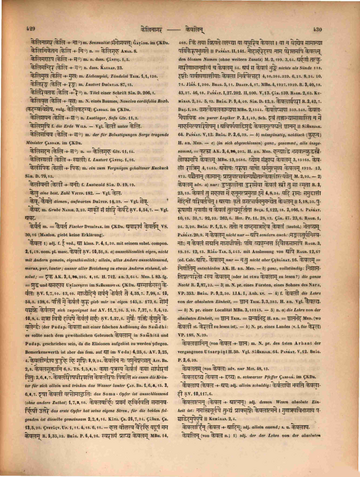
kévala 1〉 adj. f. ī ved., ā klass. P. 4,1,30. mit seinem subst. compon. P. 2,1,49. nom. pl. masc. kevale ṚV. 10,51,9. a〉 ausschliesslich eigen, nicht mit Andern gemein, eigenthümlich; allein, alles Andere ausschliessend, merus, pur, lauter; ausser aller Beziehung zu etwas Anderm stehend, absolut; = eka AK. 3,4,26,205. AK. 3,4,1,16 H. 742. H. an. 3,641. MED. l. 82. fg. = śuddha und asahāya UṆĀDIVṚTTI_im_SAṂKṢIPTAS. ŚKDR. a̱smākàmastu̱ kevàlaḥ ṚV. 1,7,10. ṚV. 1,13,10. mādhyàṃdina̱ṃ savàna̱ṃ kevàlaṃ te ṚV. 4,35,7. ṚV. 7,98,5. ṚV. 10,54,5. ṚV. 10,138,6. patìṃ me̱ kevàlaṃ kuru gieb mir zu eigen ṚV. 145,2. ṚV. 173,6. soma̱ṃ yaśca̱kre kevàlam sich zugeeignet hat AV. 11,7,36. AV. 11,5,10. AV. 7,37,1. AV. 9,4,12. AV. 10,8,4. sa̱trā viśvàṃ dadhiṣe̱ kevàla̱ṃ sahàḥ ṚV. 1,57,6. suṣvèḥ pa̱ktiṃ kṛ̀ṇute̱ keva̱lendràḥ (der Padapāṭha padap. kevalā mit einer falschen Auflösung des Saṃdhi: es sollte nach dem gewöhnlichen Gebrauch kevalām in Saṃhitā und Padapāṭha padap. geschrieben sein, da die Elisionen aufgelöst zu werden pflegen. Bemerkenswerth ist aber das fem. auf ā im Veda) ṚV. 4,25,6. AV. 3,25,4. ke̱va̱līndrā̀ya dudu̱he hi gṛ̱ṣṭiḥ AV. 8,9,24. kevalena naḥ paśuneṣṭamasat AIT. BR. 2,8. kevalasūktāni AIT. BR. 6,9. TS. 1,5,1,2. ka̱thā pu̱trasya̱ kevàlaṃ ka̱thā sādhā̀raṇaṃ pi̱tuḥ TS. 2,6,1,7. kevalīroṣadhīraśnanti kevalīrapaḥ pibanti sie essen die Kräuter für sich allein und trinken das Wasser lauter ŚAT. BR. 1,6,4,15. ŚAT. BR. 3,6,1,7. eṣā kevalī yatsomāhutiḥ das Soma-Opfer ist ausschliessend (ohne andere Zuthat) ŚAT. BR. 1,7,2,10. kevalabarhiḥ prathamaṃ havirbhavati samānabarhiṣī uttare das erste Opfer hat seine eigene Streu, für die beiden folgenden ist dieselbe gemeinsam ŚAT. BR. 2,2,1,16. KĀTY. ŚR. 26,7,34. ŚĀṄKH. ŚR. 13,5,20. ŚVETĀŚV. UP. 1,11. ŚVETĀŚV. UP. 4,18. ŚVETĀŚV. UP. 6,11. — hanta vīkṣasva vaidehi yadrūpaṃ mama kevalam R. 5,35,32. BHĀG. P. 6,4,26. svarājyaṃ prāpya kevalam MBH. 14,408. kiṃ tayā kriyate lakṣmyā yā vadhūriva kevalā . yā na veśyeva sāmānyā pathikairupabhujyate .. PAÑCAT. II, 141. nodāharedasya nāma parokṣamapi kevalam den blossen Namen (ohne weitern Zusatz) M. 2,199. M. 3,64. arhaṇaṃ tatkumārīṇāmānṛśaṃsyaṃ ca kevalam M. 54. aghaṃ sa kevalaṃ bhuṅkte nichts als Sünde M. 118. iṣṭīḥ pārvāyaṇāntīyāḥ kevalā nirvapetsadā M. 4,10. M. 4,204. M. 4,239. M. 6,21. M. 8,24. M. 10,71. YĀJÑ. 1,200. BHAG. 5,11. DRAUP. 4,17. MBH. 4,1927. MBH. 4,1929. R. 3,40,18. R. 3,43,37. R. 3,46,18. PAÑCAT. I, 27. PAÑCAT. I,202. PAÑCAT. I,II, 100. PAÑCAT. I,V, 13. ŚĀK. 159. RAGH. 2,63. KUMĀRAS. 2,34. KUMĀRAS. 5,12. BHĀG. P. 9,4,40. SĀH. D. 12,2. kevalārthaparā R. 2,42,7. DAŚ. 1,28. jagatkevalakāmyayā MBH. 2,1544. kevalepsayā MBH. 2,559. MBH. 2,548. kevalanaiyāyika ein purer Logiker P. 2,1,49, Sch. evaṃ tattvābhyāsānnāsti na me nāhamityapariśeṣam . aviparyayādviśuddhaṃ kevalamutpadyate jñānam .. SĀṂKHYAK. 64. PAÑCAT. V, 12. BHĀG. P. 2,6,39. — b〉 missgünstig, neidisch (kuhana) H. an. MED. — c〉 (in sich abgeschlossen) ganz, gesammt, alle insgesammt, = kṛtsna AK. 3,4,26,205. H. an. MED. hanyāddhi bhagavānkruddhastrailokyamapi kevalam MBH. 13,2686. vyoma saṃchādya kevalam MBH. 3,15168. kevalāṃ rātrim MBH. 4,1485. avocaḥ paruṣā vāco dharmamutsṛjya kevalam MBH. 4,1925. MBH. 13,172. yaścaitān (kāmān) prāpnuyātsarvānyaścaitānkevalāṃstyajet M. 2,95. — 2〉 kevalam adv. a〉 nur: duṣkulīnā durāsevā kevalaṃ strī tu sā smṛtā R. 3,23,15. kevalaṃ tu sahāyā me hanūmatpramukhā ime R. 4,8,24. yadi rāmaḥ samudrāntāṃ medinīṃ parivartayet . asyāḥ kṛte jagatsarvamanumanyeta kevalam .. R. 5,18,35. puruṣāṇāṃ nṛpāṇāṃ ca kevalaṃ tulyamūrtitā SUŚR. 1,122,18. SUŚR. 2,166,1. PAÑCAT. 10,15. PAÑCAT. 31,7. PAÑCAT. 92,22. PAÑCAT. 262,6. HIT. Pr. 11. HIT. Pr. 28,13. ŚĀK. 47. ŚĀK. 23,6. RAGH. 1,24. RAGH. 3,20. BHĀG. P. 1,2,8. tato na śabdamātrādeva kevalaṃ (tautol.) bhetavyam PAÑCAT. 20,9. na kevalam nicht nur — api sondern auch: (maṅgalatūryanisvanāḥ) na kevalaṃ sadmani māgadhīpateḥ pathi vyajṛmbhanta divaukasāmapi RAGH. 3,19. RAGH. 3,31. RAGH. 12,13. RĀJA-TAR. 5,443. mit Auslassung von api RAGH. 12,67 (ed. Calc. api). kevalam nur — na tu nicht aber ŚṚṄGĀRAT. 16. kevalam = nirṇītam entschieden AK. H. an. MED. — b〉 ganz, vollständig: niśāmatiṣṭhatparito 'sya kevalam (oder ist etwa kevalām zu lesen?) die ganze Nacht R. 2,87,23. — 3〉 m. N. pr. eines Fürsten, eines Sohnes des Nara, VP. 353. BHĀG. P. 9,2,30. LIA. I, Anh. XV. — 4〉 f. kevalī die Lehre von der absoluten Einheit, = jñāna TRIK. 3,3,385. H. an. Vgl. kaivalya. — b〉 N. pr. einer Localität MBH. 3,15245. — 5〉 n. a〉 die Lehre von der absoluten Einheit, = jñāna TRIK. = granthabhid H. an. = jñānabheda MED. (wo kevalī st. keralī zu lesen ist). — b〉 N. pr. eines Landes (v. l. für kerala) VP. 188, N. 39.
Original text · German · Word type unspecified
kevala 1〉a〉 allein seiend VS. PRĀT. 2,36. ukāraḥ so v. a. u, wenn es für sich allein ein Wort bildet, AV. PRĀT. 3,36. AV. PRĀT. 3,38. kumbhaka im Gegens. zu sahita Verz. d. Oxf. H. 234,b,34. fgg. ˚śūdra ein reiner Śūdra Verz. d. Oxf. H. 276,a,2 v. u. — c〉 ˚sūkta AIT. BR. 6,9. ˚samāsa so v. a. ein Compositum im Allgemeinen Verz. d. Oxf. H. 165,b,3 v. u. — 2〉a〉 Spr. 3714. Spr. 3865 (= nānyathā Schol.). — b〉 der Schol. erklärt kevalam durch nidrārahitaḥ. — 5〉a〉 WILSON, Sel. Works 1,288. WILSON, Sel. Works 1,296. ˚jñāna WILSON, Sel. Works 1,313. fg. ˚darśana WILSON, Sel. Works 1,313.
Böhtlingk 1879 adjective · substantive masculine · substantive neuter · Word type unspecified
Original text · German · adjective · substantive masculine · substantive neuter
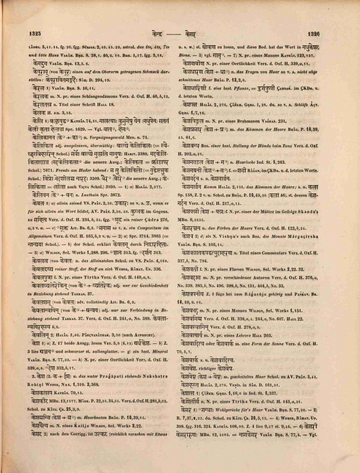
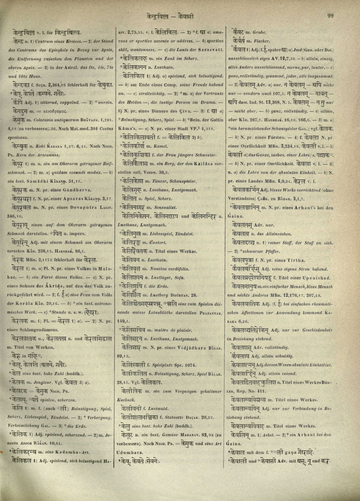
kévala — 1〉 Adj. (f. ī später ā) — a〉 Jmd (Gen. oder Dat.) ausschliesslich eigen AV. 10,7,36. — b〉 allein, einzig, alles Andere ausschliessend, merus, pur, lauter. — c〉 ganz, vollständig, gesammt, jeder, alle insgesammt. — 2〉 kevalam Adv. — a〉 nur. na kevalam — api nicht nur — sondern auch Chr. 107,5. na kevalam — yāvat — api dass. Ind. St. 13,368, N. 2 kevalam — na tu nur — nicht aber. — b〉 ganz, vollständig. — c〉 allein, aber KĀD. 267,1. HARṢAC. 16,10. 166,6. — 3〉 m. — a〉 *ein herumziehender Schauspieler GAL.; vgl. kelaka. — b〉 N. pr. eines Fürsten. — 4〉 f. kevalā N. pr. einer Oertlichkeit MBH. 3,254,10. kevalī v. l. — 5〉 kevalī — a〉 das Ganze, insbes. einer Lehre. s. yāśaka˚ — b〉 N. pr. einer Oertlichkeit. kevalā v. l. — 6〉 n. — a〉 die Lehre von der absoluten Einheit. — b〉 N. pr. eines Landes MBH. 6,9,34. kerala v. l.
Original text · German · Word type unspecified
kevala 6〉a〉 bei den Jaina die höchste und letzte Stufe des Wissens HEM. PAR. 1,261. ˚jñāna n. dass. HEM. PAR. 1,262. ˚jñānin Adj. der diese Stufe erreicht hat HEM. PAR. 1,253. [Nachtrag, Band 2]
Original text · German · Word type unspecified
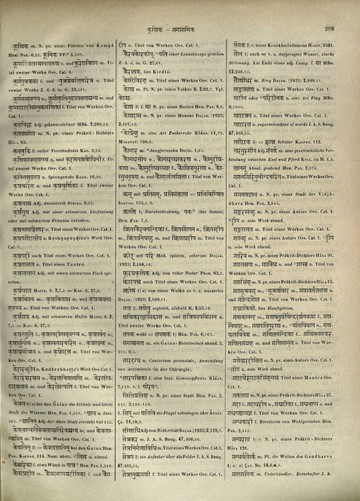
kevala II. 2. ˚jñāna und ˚jñānin 2. [Nachtrag, Band 7]
Apte 1890 adjective · substantive neuter
Original text · English · adjective · substantive neuter
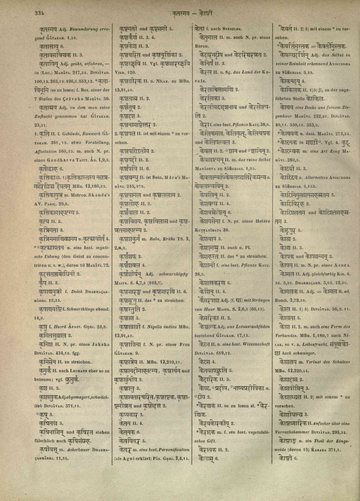
kevala a. [kev sevane vṛṣā˚ kal] 1 Peculiar, exclusive, uncommon; Pt. 2. 134. 2 Alone, more, sole, only, isolated; sa hitasya na kevalāṃ śriyaṃ pratipede sakalān guṇānapi R. 8. 5; na kevalānāṃ payasāṃ prasūtimavehi māṃ kāmadughā prasannāṃ R. 2. 63; R. 15. 1; Ku. 2. 34. 3 Whole, entire, absolute, perfect. 4 Bare, uncovered (as ground); Ku. 5. 12. 5 Pure, simple, unmingled, unattended (by anything else); kātaryaṃ kevalā nītiḥ R. 17. 47. 6 Selfish, envious. — lī, -laṃ The doctrine of absolute unity of spirit and matter. — lī Astronomical science. — laṃ ind. Only, merely, solely, entirely, absolutely, wholly; kevalamidameva pṛcchāmi K. 155; na kevalaṃ-japi not only-but; vasu tasya vibhorna kevalaṃ guṇavattāpi paraprayojanā R. 8. 31; cf. also R. 3. 19, R. 3. 20, R. 3. 31. Comp. — anvayin see under anvaya. — ātman a. one whose essence is absolute unity; Ku. 2. 4. — jñānin m. the first Arhat. — dravyaṃ black pepper. — jñānaṃ highest Knowledge; Pt. 5. 12. — naiyāyikaḥ a mere logician (not proficient in any other branch of learning); so ˚vaiyākaraṇa.
Cappeller 1887 Word type unspecified
Original text · German · Word type unspecified
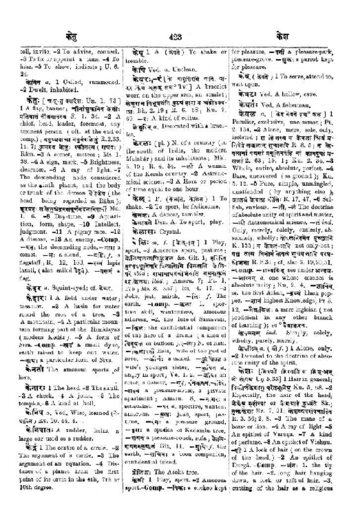
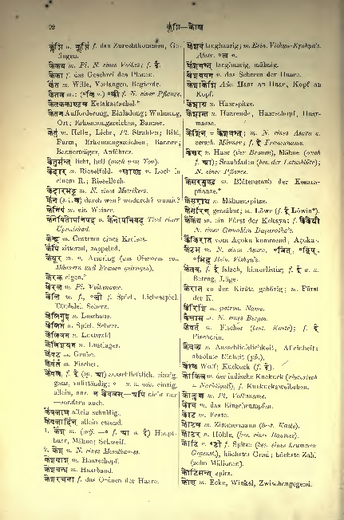
kévala f. ī (sp. ā) ausschließlich, einzig, ganz, vollständig; ˚— u. n. adv. einzig, allein, nur. na kevalam — api nicht —sondern auch.
Burnouf 1866 adjective
Original text · French · adjective
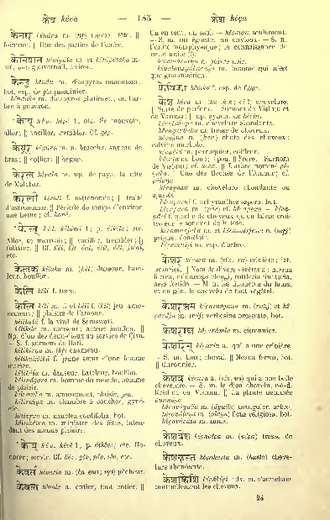
kevala kevala a. entier, tout entier. [Page185-2] Un en tout, un seul. — kevalam seulement. — S. m. un égoïste, un envieux. — S. n. l'unité métaphysique; la connaissance de cette unité (?). kevatadravya n. poivre noir. kevalavaiyākaraṇa m. homme qui n'est que grammairien.
Derived words
Occurrences in source texts (28)
DYS 3 occurrences
GoS 2 occurrences
HP 10 occurrences
HP 2.72-2.78: Kevala Kumbhaka 5 occurrences
Direct occurrences
HP 4.11*15-4.11*28: Space and Laya 1 occurrence
Occurrences through derived words
-
HP 4.11*27 Segment 11
PYS 5 occurrences
PYS 2.23–26: From Avidyā to Kaivalya 1 occurrence
Occurrences through derived words
-
PYS 2.25 Segment 8
PYS 3.49–51: Omniscience or Kaivalya 1 occurrence
Occurrences through derived words
-
PYS 3.50 Segment 7
PYS 4.25–26: Citta Flows toward Kaivalya 1 occurrence
Occurrences through derived words
-
PYS 4.26 Segment 4
SiSa 1 occurrence
SS 2 occurrences
SVU 3 occurrences
Continue with AYI Free
Image source: AYI archive.