

agra अग्र – tip; forepart
adjective · adverb · substantive masculine · substantive neuter · Word type unspecified
Dictionary sources
AYI dictionary substantive masculine · substantive neuter
Cappeller 1891 substantive neuter
Original text · English · substantive neuter
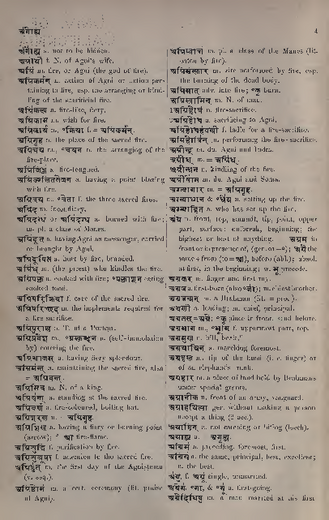
ágra ·n. front, top, summit, tip, point, upper part, surface; outbreak, beginning; the highest or best of anything. -- agram in front or in presence of, (gen. or --°); agre the same + from (to = ā), before (abl.); absol. at first, in the beginning; w. bhū precede.
Monier-Williams 1872 adjective
Original text · English · adjective
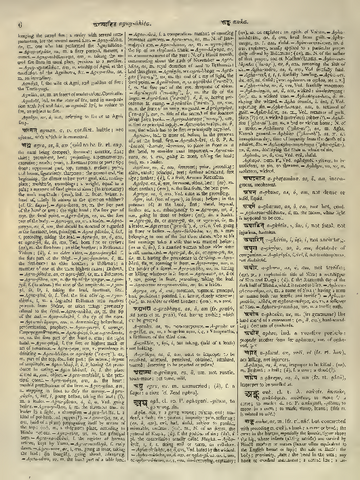
agra agra, as, ā, am (said to be fr. rt. aṅg, the nasal being dropped), foremost; anterior, first; chief; prominent, best; projecting, supernumerary, excessive; much; (am), n. foremost point or part; tip; front; uppermost part, top, summit, surface; point, and hence, figuratively, sharpness; the nearest end, the beginning; the climax or best part; goal, aim, resting- place; multitude, assemblage; a weight, equal to a pala; a measure of food given as alms; (in astronomy) the sun's amplitude; (am), ind. in front, before, a- head of, chiefly in answer to the question whither? [cf. Gr. ἄκρον].
Petersburger 1855 adjective · substantive masculine · substantive neuter · Word type unspecified
Original text · German · adjective
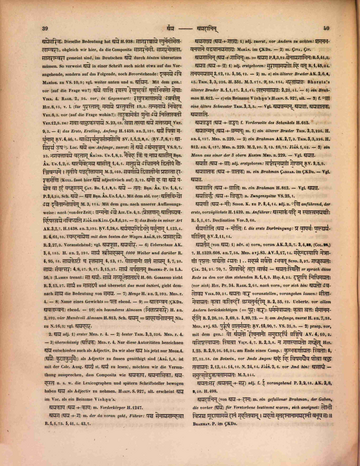
2. agra adj. 1〉 erster MED. r. 4. — 2〉 bester TRIK. 3,3,326. MED. r. 4. — 3〉 überschüssig (adhika) MED. r. 4. Nur diese Autoritäten bezeichnen agra entschieden auch als Adjectiv. Da wir aber agra bis jetzt nur MEGH. 4. (agraiḥ kuṭajakusumaiḥ) als Adjectiv zu fassen genöthigt sind (ARJ. 1,8. ist mit der Calc. Ausg. agryaṃ st. agraṃ zu lesen), möchten wir die Vermuthung aussprechen, dass Composita wie agrakāya, agranāsikā, agrahasta u. s. w. die Lexicographen und spätern Schriftsteller bewogen haben agra als Adjectiv zu nehmen. HARIV. S. 927, ult. erscheint agra im Voc. als ein Beiname Viṣṇuʼs.
Original text · German · substantive masculine
2. agra Z. 3 MEGH. 4 ist mit WILSON und MALLIN. sa pratyagraiḥ zu lesen. — m. N. pr. eines Mannes gaṇa naḍādi zu P. 4,1,99; vgl. P. 4,1,1. āgrāyaṇa.
Original text · German · substantive neuter
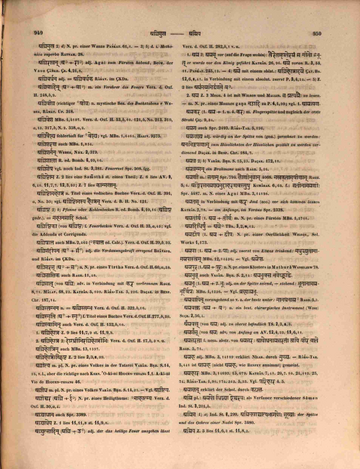
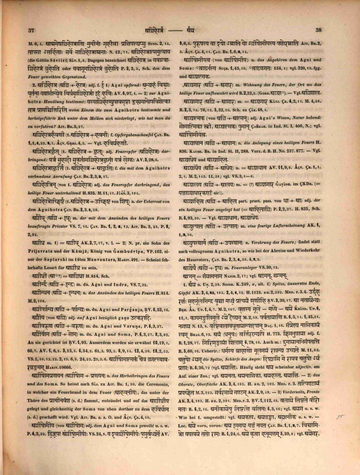
1. ágra n. UṆ. 2,29. SIDDH. K. 249,a, ult. 1〉 Spitze, äusserstes Ende, Gipfel AK. 3,4,25,185. AK. 2,4,1,12. H. 1121. H. an. 2,392. MED. r. 3. MED. r. 4. udvṛ̀ha̱ rakṣàḥ sa̱hamū̀lamindra vṛ̱ścā madhya̱ṃ pratyagràṃ śṛṇīhi ṚV. 3,30,17. ā nakhāgrebhyaḥ BṚH. ĀR. UP. 1,4,7. M. 2,167. vṛkṣasya mūle — madhye — agre CHĀND. UP. 6,11,1. kāyamaṅgulimūle 'gre daivyam M. 2,59. parvatāgrāṇi R. 6,3,14. R. 1,45,31. nagāgra N. 13,8. vṛṣṭivātāvadhūtāgrānpādapān DAŚ. 1,16. saṃprekṣya nāsikāgraṃ svam BHAG. 6,13. agraṃ (dhanuṣaḥ) tvarttiraṭanyapi H. 775. chinnabhujāgrā adj. f. R. 1,28,17. giriśṛṅgāgrāṃ śilām R. 6,78,10. Auch m.: drumāgrānabhisaṃpatanti R. 5,60,16. Uebertr.: dharmasya brāhmaṇo mūlamagraṃ rājanya ucyate M. 11,83. cakṣuṣo 'gram die Spitze, Schärfe des Auges: diṣṭyāsi me rāghava cakṣuṣo 'graṃ prāptaḥ R. 6,36,72 (vgl. agrākṣi). Häufig steht agra scheinbar adjectiv. am Anf. einer Zus.; vgl. agranakha, agranāsikā, agrahasta, agrākṣi. — 2〉 das Oberste, Oberfläche AK. 3,4,185. H. an. 2,392. MED. r. 3. tatpiṇḍāgraṃ prayaccheta M. 3,223. sarvarasāgre maṇḍam AK. 2,9,49. — 3〉 Vorderseite, Fronte AK. 3,4,185. H. an. 2,391. MED. r. 3. ṚV. 1,112,18. balāgre tiṣṭhate vīro nalaḥ R. 6,2,16. anīkāgreṣu tiṣṭhanti balinaḥ R. 6,3,16; vgl. agraga u. s. w. Wie bei 1. umgestellt: vgl. agrakāya, agrajaṅghā, agnānīka u. s. w. — Loc. agre vorn, voran: a̱gra ima̱madya̱ yajña̱ṃ nayata ŚAT. BR. 1,1,3,7. viśvāmitro yayāvagre tato rāmaḥ R. 1,24,6. agre kṛtvā hanūmantam R. 5,59,8; vgl. agresara, agresarika. Dieselbe Bedeutung hat agre H. 938: sāgarāccāgre syurnemīmekhalāmbarāḥ, obgleich wir hier, da die Composita sāgaranemī, sāgaramekhalā, sāgarāmbarā gemeint sind, im Deutschen agre durch hinten übersetzen müssen. So verweist agre in einer Schrift auch nicht etwa auf das Vorangehende, sondern auf das Folgende, noch Bevorstehende: evamagre 'pi MAHĪDH._zu_VS. 10,9; vgl. weiter unten und u. agrima. Mit dem gen.: vor (auf die Frage wo?) agre yānti rathasya reṇupadavīṃ cūrṇībhavanto meghāḥ VIKR. 4. RAGH. 2,56. vor, in Gegenwart: rājupatrāṇāmagre 'bravīt HIT. 8,15, v. l. (für purastāt) mamāgre prastuvanti HIT. 19,2. tanmamāgre nivedaya VET. 8,3. vor (auf die Frage wohin?): laḍḍūkāmekāṃ śuno 'gre nikṣiptavatī VET. 12,9. zu: gatvā vāhukasyāgre N. 23,19. tvayā tasyā agre gantavyam VET. 9,3. — 4〉 das Erste, Erstling, Anfang H. 1459. H. an. 2,391. agràṃ pibā̱ madhū̀nām ṚV. 4,46,1. āgniragràmu̱ṣasā̀maśoci SV. I, 1,2,2,8. ?(ṚV. 7,8,1: āgniragrà u̱ṣa˚). Loc. agre am Anfange, zuerst: te agre 'śvàmayuñjan VS. 9,7. VS. 9,23. bhagavantāvagre vadatām CHĀND. UP. 1,8,2. naiveha kiṃ ca nāgra āsīt BṚH. ĀR. UP. 1,2,1. ātmaivedamagra āsīt BṚH. ĀR. UP. 1,4,1. māturagre 'dhijananaṃ dvitīyaṃ mauñjibandhane . tṛtīyaṃ yajñadīkṣāyām M. 2,169. savarṇāgre dvijātīnāṃ praśastā dārakarmaṇi (KULL. fasst hier agre adjectivisch auf) M. 3,12. ano ha vā agre paśceva vā idaṃ yacchālam ŚAT. BR. 1,1,2,5. agre — tataḥ BṚH. ĀR. UP. 1,4,1. P. 3,4,24, Sch. agre — atha BṚH. ĀR. UP. 1,4,1. Mit dem abl. vor: atithibhyo 'gra evaitānbhojayet M. 3,114. Mit dem gen. nach unserer Auffassungsweise: nach (von der Zeit): janmano 'gre AIT. UP. 4,3. (prokṣaṇam) ātithyabarhiṣastvagre bhaviṣyati YĀJÑ._zu_KĀTY. ŚR. 8,6,28. — 5〉 das Beste in seiner Art AK. 3,2,7. H. 1438. H. an. 3,292. ṚV. 1,28,6. agràmagra̱midbhàjate̱ vasū̀nām ṚV. 1,123,4. R. 4,61,10. syandanāgreṇa mit dem besten der Wagen ARJ. 8,29. prāsādāgraiḥ R. 2,27,9. Voranstehend: vgl. agrapūjā, agravīra. — 6〉 Ueberschuss AK. 3,4,185. H. an. 2,391. sāgraṃ strīsahasram 1000 Weiber und darüber R. 6,95,18. sāgrakoṭī ca rakṣasām R. 6,13,17. yojanānāṃ śataṃ sāgram R. 5,7,28. sāgraḥ saṃvatsaraḥ R. 4,8,47. R. 4,9,17. R. 3,15,27. sāgraṃ varṣaśatam BRAHMA-P. in LA. 56,3 (LASSEN trennt: sā agraṃ). sāgre gavyūtiśatadvaye H. 60. GORRESIO zieht R. 3,15,27. sāgraṃ zu māsadvayaṃ und übersetzt due mesi intieri, giebt demnach sāgra die Bedeutung von samagra. — 7〉 Menge H. an. 2,392. MED. r. 4. — 8〉 Name eines Gewichts = pala ebend. — 9〉 = ālambana (ŚKDR. avalambana) ebend. — 10〉 ein besonderes Almosen (bhikṣāprakāre) H. an. 2,392. vier Mundvoll Almosen H. 813, Sch. agram = brāhmaṇabhojanam NĪL._zu_N. 16,3; vgl. agrahāra.
Original text · German · Word type unspecified
1. agra [vgl. [1:39]] Z. 24 lies: agràmagra̱midbhàjate. (revision)
Original text · German · Word type unspecified
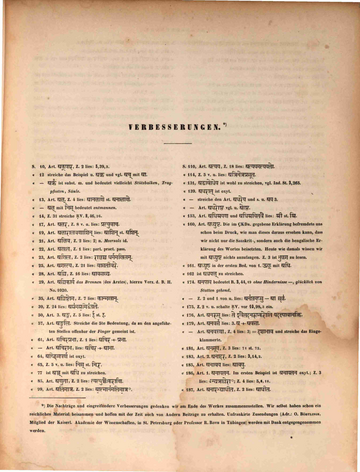
1. agra 3〉 agram vor (auf die Frage wohin): tairetannṛpateragraṃ sa nīto 'bhūt er wurde vor den König geführt KATHĀS. 26,96. agre voran R. 3,54,11. PAÑCAT. 245,13. — 4〉 agre mit einem ablat.: agnihotrādagre ŚAT. BR. 12,6,1,41. in Verbindung mit einem absolut. zuerst P. 3,4,24. — 5〉 *Z. 2 lies agràmagra̱midbhàjate̱ va˚.
Original text · German · Word type unspecified
1. agra 1〉 SŪRYAS. 3,2. SŪRYAS. 6,6. Am Ende, über die wechselnde Stellung im comp. vgl. VĀMANA 5,2,22. — 6〉 vgl. sāgra.
Original text · German · Word type unspecified
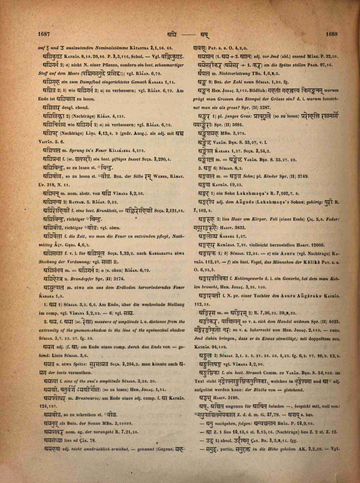
2. agra , f. agrā (sc. rekhā) measure of amplitude i. e. distance from the extremity of the gnomon-shadow to the line of the equinoctial shadow SŪRYAS. 3,7. fg. SŪRYAS. 3,23. SŪRYAS. 3,27. fg. SŪRYAS. 3,39.
Böhtlingk 1879 adjective · substantive neuter · Word type unspecified
Original text · German · adjective
2. agra — 1〉 *Adj. der erste; der beste; überschüssig. — 2〉 f. ā measure of amplitude.
Original text · German · substantive neuter
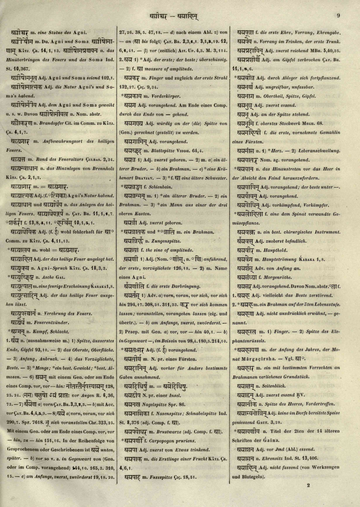
1. ágra n. (ausnahmsweise m.) — 1〉 Spitze, äusserstes Ende, Gipfel Chr. 93,10. — 2〉 das Oberste, Oberfläche. — 3〉 Anfang, Anbruch. — 4〉 das Vorzüglichste, Beste. — 5〉 *Menge; *ein best. Gewicht; *best. Almosen. — 6〉 agram mit einem Gen. oder am Ende eines Comp. vor, vor — hin: nītastairnapasyāgram Chr. 128,25. Chr. 128,24. (mama) cakṣuso'graṃprāptaḥ vor Augen R. 6,36,72. — 7〉 ágreṇa — a〉 vorn ŚAT. BR. 3,3,2,5. — b〉 mit Acc. vor ŚAT. BR. 4,4,5,9. — 8〉 agre — a〉 voran, voran, vor sich Chr. 290,7. Spr. 7618. bhū sich voranstellen Chr. 323,25. Mit einem Gen. oder am Ende eines Comp. vor, vor — hin, zu — hin Chr. 151,16. In der Reihenfolge von Gesprochenem oder Geschriebenem ist agre unten, später. — b〉 vor so v. a. in Gegenwart von (Gen. oder im Comp. vorangehend) Chr. 144,10. Chr. 165,3. Chr. 310,15. — c〉 am Anfange, zuerst, zuvörderst Chr. 19,13. Chr. 19,20. Chr. 27,26. Chr. 38,5. Chr. 47,18. [Page1-009-b] — d〉 nach einem Abl. — α〉 von — an (ā bis folgt). ŚAT. BR. 2,3,1,1. ŚAT. BR. 3,1,3,19. ŚAT. BR. 12,6,1,41. — β〉 vor (zeitlich) AIT. UP. 4,3. M. 3,114.
Original text · German · substantive neuter
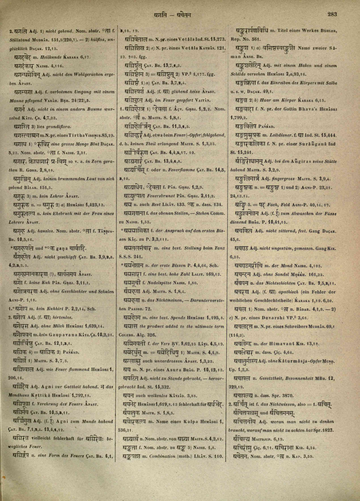
agra n. auch Rest LĪLĀV. 133. ˚ka n. dass. LĪLĀV. 134. [Nachtrag, Band 1]
Original text · German · Word type unspecified
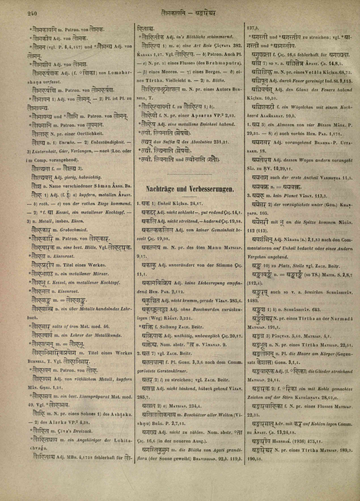
1. agra 5〉 ein Almosen von vier Bissen MĀRK. P. 29,35. — 8〉c〉 auch vorhin HEM. PAR. 1,171. [Nachtrag, Band 5]
Original text · German · Word type unspecified
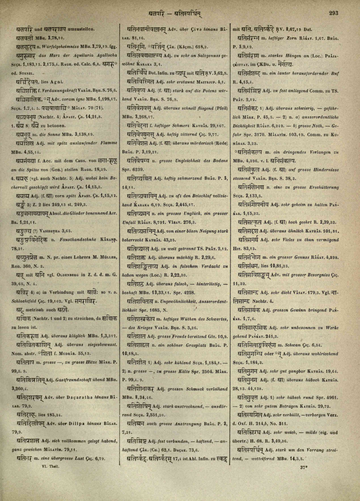
1. ágra 8〉 ágre zu betonen. [Nachtrag, Band 6]
Original text · German · Word type unspecified
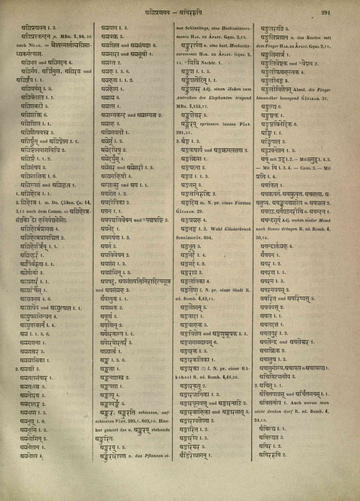
agra I. 1. 5. 6. [Nachtrag, Band 7]
Apte 1890 adjective · adverb · substantive neuter
Original text · English · adjective · adverb · substantive neuter
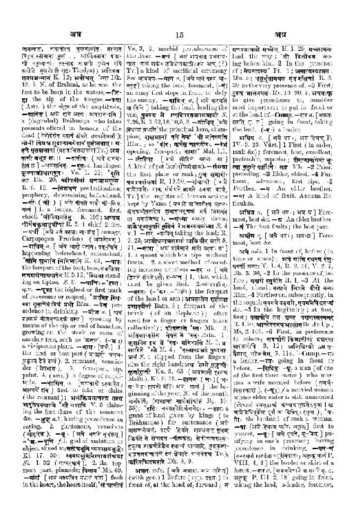
agra a. [aṃg-ran nalopaḥ Uṇ. 2. 28] 1 First, foremost, chief, best, prominent, principal, pre-eminent; ˚mahiṣī chief queen; ˚vātamāsevamānā M. 1 front (and hence, fresh) breeze; ˚āsanaṃ chief seat, seat of honour Mu. 1. 12. 2 Excessive, over and above, surplus; supernumerary, projecting (adhika). — graṃ 1 (a) The foremost or topmost point, tip, point (opp. mūlaṃ, madhyaṃ); (fig.) sharpness, keenness; dharmasya brāhmaṇo mūlaṃ agraṃ rājanya ucyate Ms. 11. 84; darvyāṃ agraṃ mūlaṃ madhyaṃ &c; nāsikā˚ tip of the nose; sūci˚ &c.; samastā eva vidyā jihvāgre'bhavan K. 346 stood on the tip of the tongue; amuṣya vidyā rasanāgranartakī N. 1. 5. (b) Top, summit, surface; kailāsa˚, parvata˚, &c. 2 Front, van; agre kṛ put in the front or at the head; tāmagre kṛtvā Pt. 4 See agre. 3 The best of any kind; syaṃdanāgreṇa with the best of chariots; prāsādāgraiḥ Rām. 4 Superiority, ([Page 0014-c]) excellence (utkarṣa); agrādagraṃ rohati Tāṇḍya. 5 Goal, aim, resting place ( ālaṃbanaṃ); manumekāgramāsīnaṃ Ms. 1. 1, See ˚bhūmi also. 6 Beginning, See agre. 7 A multitude, assemblage. 8 Overplus, excess, surplus; sāgraṃ strīsahasraṃ Rām. 1000 women and more; so sāgrakoṭī ca rakṣasāṃ. 9 A weight = pala q. v. 10 A measure of food given as alms (brāhmaṇabhojanaṃ occurring in agrahāra). 11 (Astr.) Amplitude of the sun (˚grā, agrakā also). In compounds as first member meaning ‘the forepart’, ‘front’, ‘tip’ &c.; e. g. ˚pādaḥ, -caraṇaḥ the forepart of the foot, toe; so ˚hastaḥ, ˚karaḥ; ˚pāṇiḥ &c.; ˚saroruhaṃ the topmost lotus Ku. 1. 16; ˚kāyaḥ forepart of the body; so ˚nakhaṃ, ˚nāsikā tip of the nail, nose &c., — adv. In front, before, ahead. Comp. — aṃśuḥ [agraṃ aṃśoḥ] the focal point. — akṣi n. [karma.] sharp or pointed vision, side-look (apāṃgavīkṣaṇa); agrākṣṇā vīkṣamāṇastu tiryag bhrātaramabravīt Rām. — advan a. having precedence in eating. — anī (ṇī) kaḥ (kaṃ) vanguard; dīrghāṃllam̐ghūṃścaiva narānagrānīkeṣu yodhayet Ms. 7. 193; agrāṇīkaṃ raghuvyāghrau rākṣasānāṃ babhaṃjatuḥ Rām. — ayaṇīyaṃ [ agraṃ śreṣṭhaṃ ayanaṃ jñānaṃ tatra sādhu cha] N. of a Buddhistic tenet ( utpādapūrvamagrāyaṇīyamatha vīryatā pravādaḥ syāt-hemacaṃdraḥ). — avalehitaṃ [agraṃ avalehitaṃ āsvāditaṃ yasya] food at a Śrāddha ceremony, the chief part of which has been tasted. — upaharaṇaṃ first supply. — upaharaṇīya a [agre upahriyate karmaṇi anīyar] 1 that which is first offered or supplied. 2 [agraṃ upahriyate yasmai hṛ-saṃpradāne anīyar] śrāddhādyarthamupakalpitasya annāderagre dānoddeśyaḥ vāstudevādiḥ Tv. — karaḥ 1 = agrahastaḥ q. v. 2 the focal point. — keśaḥ front line of hair; ˚śeṣu reṇuḥ apaharati K. 86. — gaḥ [agre gacchatītiṃ, gam-ḍa] a leader, a guide; taking the lead; marching foremost. — gaṇya a. [agre gaṇyate'sau] foremost, to be ranked first. — gāmin a. [agre gacchati] a leader; praṣṭho'gragāmini P. VIII. 3. 92. — ja a. [agre jāyate; jaṇ-ḍa.] first born or produced; ānaṃdenāgrajeneva R. 10. 78. — (jaḥ) 1 The first born, an elder brother; sumatiṃ mamāgrajamavagaccha M. 5; astyeva manyurbharatāgraje me R. 14. 73. 2 a Brāhmaṇa. — (jā) an elder sister; so ˚jāta, ˚jātaka, ˚jāti. — jaṃghā the forepart of the calf. — janman m. [agre janma yasya saḥ] 1 the firstborn, an elder brother; janakāgrajanmanoḥ śāsanamatikramya Dk. 2. 2 a Brāhmaṇa (varṇeṣu madhye agrajātatvāt, or agrāt pradhānāṃgāt mukhāt ([Page 0015-a]) jātatvāt, brāhmaṇosya mukhamāsīt, tasmāt trivṛt stomānāṃ mukhaṃ… agnirdevatānāṃ brāhmaṇo manuṣyāṇāṃ; tasmād brāhmaṇo mukhena vīryaṃ karoti mukhato hi sṛṣṭaḥ Tāṇḍya.); ativayasamagrajanmānaṃ K. 12; avocat ˚nmā Dk. 13. 3 N. of Brahmā, as he was the first to be born in the waters. — jihvā the tip of the tongue. — jyā (Astr.) the sign of the amplitude. — dānin [agre dānaṃ asya; agradāna-ini] a (degraded) Brāhmaṇa who takes presents offered in honour of the dead (pretoddeśena yaddānaṃ dīyate tatpratigrāhī); lobhī vipraśca śūdrāṇāmagredānaṃ gṛhītavān . grahaṇe mṛtadānānāṃ (grahaṇāttiladānānāṃ Tv.) agradānī babhūva saḥ .. -dānīyaḥ [agre dānamarhaticha] = agradānin. — dūtaḥ a harbinger; kṛṣṇākrodhāgradūtaḥ Ve. 1. 22; ˚dūtikā Dk. 20; mahīpatīnāṃ praṇayāgradūtyaḥ R. 6. 12. — nirūpaṇaṃ predestination; prophecy, determining beforehand. — nīḥ (ṇīḥ) [agre nīyate asau nī-kvip, ṇatvaṃ] 1 a leader, foremost, first, chief; ˚ṇīrvirāgahetuḥ K. 195; apyagraṇīrmaṃtrakṛtāmṛṣīṇāṃ R. 5. 4 chief. 2 fire. — parṇī [agre parṇaṃ yasyāḥ sā-ṅīp] cowage, Carpopogon Pruriens (ajaloman). — pātin a. [agre ādau patati; pat-ṇini] happening beforehand, antecedent; ˚tīni śubhāni nimittāni K. 65. — pādaḥ the forepart of the foot; toes; navakisalayarāgeṇāgrapādena M. 3. 12; ˚sthitā standing on tiptoe. Ś. 6. — pāṇiḥ = ˚hastaḥ q. v. — pūjā the highest or first mark of reverence or respect; ˚jāmiha sthitvā gṛhāṇedaṃ viṣaṃ prabho Rām. — peyaṃ precedence in drinking. — bīja a. [agraṃ śākhāgraṃ bījamutpādakaṃ yasya] growing by means of the tip or end of branches, growing on the stock or stem of another tree, such as ‘kalama’. — (jaḥ) a viviparous plant. — bhāgaḥ [karma.] 1 the first or best part (śrāddhādau prathamamuddhṛtya deyaṃ dravyaṃ). 2 remnant, remainder (śeṣabhāga). 3 forepart, tip, point. 4 (astr.) a degree of amplitude. — bhāgin a. [agrabhāgo'syāsti; astyarthe ini] first to take or claim (the remnant); alaṃkriyamāṇasya tasya anulepanamālye ˚gī bhavāmi V. 5 claiming the first share of the remnant &c. — bhuj a. 1 having precedence in eating. 2 gluttonous, voracious (audarika). — bhūḥ [agre bhavati bhū-kvip] = ˚ja. — bhūmiḥ f. 1 goal of ambition or object aimed at; tatograbhūmiṃ vyavasāyabuddheḥ Ki. 17. 55; tvamagrabhūmirnirapāyasaṃśrayā Śi. 1. 32 (prāpyasthānaṃ). 2 the topmost part, pinnacle; vimāna˚ Me. 69. — māṃsaṃ [agraṃ bhakṣyatvena pradhānaṃ māṃsaṃ] flesh in the heart, the heart itself; ˚saṃ cānītaṃ ([Page 0015-b]) Ve. 3. 2. morbid protuberance of the liver. — yaṇaṃ [agraṃ ayanāt uttarāyaṇāt ṇatvaṃ śakaṃ˚ tadvidhānakālo'sya ac (?) Tv.] a kind of sacrificial ceremony See āgrayaṇa. — yāna a. [agre yānaṃ yasya, yālyuṭ] taking the lead, foremost. — (naṃ) an army that stops in front to defy the enemy. — yāyin a. [agre yāsyati yā-ṇini] taking the lead, leading the van; putrasya te raṇaśirasyayamagrayāyī Ś. 7. 26, R. 5. 62, R. 18. 10, R. 5. 3. — yodhin [agre sthitvā yudhyate] the principal hero, champion; rākṣasānāṃ vadhe teṣāṃ ˚dhī bhaviṣyati Rām.; so ˚vīra; karmasu cāgravīraḥ. — raṃdhraṃ opening, forepart; nāsā˚ Māl. 1. 1. — lohitā [agraṃ lohitaṃ yasyāḥ sā] A kind of potherb (cillīśāka). — saṃkhyā the first place or rank; putraḥ samāropayadagrasaṃkhyāṃ R. 18. 30. — saṃdhānī [agre phalotpatteḥ prāk saṃdhīyate jñāyate 'nayā kāryaṃ, Tv.] the register of human actions kept by Yama (yatra hi prāṇivargasya prāgbhavīyakarmānusāreṇa śubhāśubhasūcakaṃ sarvaṃ likhyate sā yamapaṃjikā). — saṃdhyā early dawn; karkaṃdhūnāmupari tuhinaṃ raṃjayatyagrasaṃdhyā Ś. 4 v. l. — sara = yāyin taking the lead; R. 9. 23; āyodhanāgrasaratāṃ tvayi vīra yāte R. 5. 71. — sārā [agraṃ śīrṣamātraṃ sāro yasyāḥ sā] 1 a sprout which has tips without fruits. 2 a short method of counting immense numbers. — hara a. [agre hriyate dīyate'sau; hṛ-ac] 1 that which must be given first. 2 = agrahārin. — hastaḥ — (˚karaḥ, -˚pāṇiḥ) the forepart of the hand or arm; agrahastena gṛhītvā prasādayaināṃ Ratn. 3; forepart of the trunk (of an elephant); often used for a finger or fingers taken collectively; śītalaste ˚staḥ Mk. 3; atisādhvasena vepate me ˚staḥ Ratn. 1; kusumita iva te ˚staḥ pratibhāti M. 1; prasārite ˚ste M. 4; ˚hastātprabhraṣṭaṃ puṣpabhājanaṃ Ś. 4 slipped from the fingers; also the right hand; atha ˚haste mukulīkṛtāṃgulau Ku. 5. 63 (agraścāsau hastaśca Malli.), Ki. 5. 29. — hāyanaḥ (ṇaḥ) [ agraḥ śreṣṭhaḥ hāyano vrīhiḥ atra, ṇatvaṃ] the beginning of the year; N. of the month mārgaśīrṣa; (māsānāṃ mārgaśīrṣohaṃ Bg. 10. 35); ˚iṣṭiḥ navaśasyeṣṭiryāgabhedaḥ. — hāraḥ a grant of land given by kings (to Brāhmaṇas) for sustenance (agraṃ brāhmaṇabhojanaṃ, tadarthaṃ hriyaṃte rājadhanāt pṛthak kriyaṃte te kṣetrādayaḥ-nīlakaṃṭha; kṣetrotpannaśasyāduddhṛtya brāhmaṇoddeśena sthāpyaṃ dhānyādi, gurukulādāvṛttabrahmacāriṇe deyaṃ kṣetrādi, grāmabhedaśca Tv.); kasmiṃścidagrahāre Dk. 8, Dk. 9.

Cappeller 1887 substantive neuter
Original text · German · substantive neuter
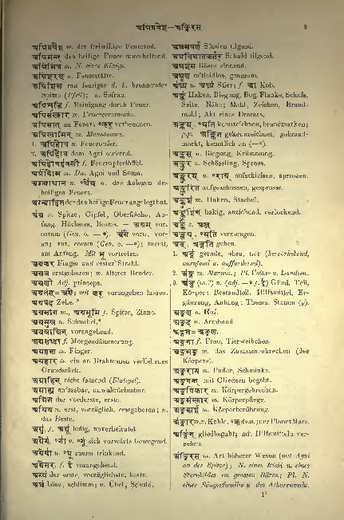
ágra n. Spitze, Gipfel, Oberfläche, Anfang,Höchstes, Bestes. — agram vor, coram (Gen. o. —˚). ágre vorn, voran; vor, voram (Gen. o. —˚); zuerst, am Anfang. Mit bhū vortreten.
Burnouf 1866 adjective
Original text · French · adjective
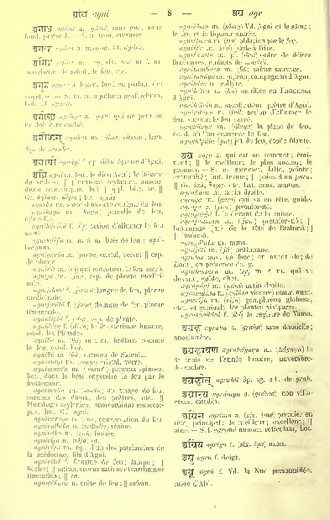
agra agra a. qui est au sommet; éminent; le meilleur; le plus ancien; le premier. — S. n. sommet, faite, pointe; extrémité; but, terme; poids d'un para. Gr. ἀϰή, ἄϰρος, etc. Lat. acus, acutus. agrakara m. main droite. agraga m. (gam) qui va en tête, guide. agraja a. (jan) premier-né. agrajaṅghā f. le devant de la cuisse. agrajanman m. (jan) premier-né; brâhmane [né de la tête de Brahmā;] Brahmā. agrajātaka m. mms. agrajāti m. (jā) brâhmane. agratas adv. en face; en avant de; de front; en présence de, g. agrataḥsara m. (sṛ) m à m. qui va devant; guide, chef. agrapāṇi m. (pāṇi) main droite. agramāṃsa n. (māṃsa viscère) cœur, anat. agravīja m. (vīja) gomphrena globosa, etc., et généralt. les plantes vivipares. agrasandhānī f. (dhā) le registre de Yama.
Derived words
Further derivatives (1)
Occurrences in source texts (27)
DYS 3 occurrences
HP 9 occurrences
1 more source page
HP 4.47-4.55*4: Nāda Binds the Mind 1 occurrence
Occurrences through derived words
-
HP 4.48 Segment 9
HTK 6 occurrences
HTK 10.6*2–9*1: Ujjāyī / Ujjāyikā and Sūryabheda 1 occurrence
Direct occurrences
-
HTK 10.7 Segment 25
HTK 10.14*2–17*1: Śītalī and Antaraṅgaka-kumbha 2 occurrences
Direct occurrences
PYS 2 occurrences
SiSa 4 occurrences
SVU 2 occurrences
VBT 1 occurrence
Continue with AYI Free
Image source: AYI archive.